
The 7 Days Rongai Kilimanjaro Christmas Trek – 20–26 December 2026 is a bookable, guided ascent along the Rongai route with a day-by-day sequence. Exact departure details, group sizes, and hotel arrangements require confirmation from Climb 4 Africa at the time of booking. This installment outlines a practical, day-by-day itinerary framework and the considerations that shape a December Rongai ascent, including acclimatization, route logistics, and what to expect on each day.
The Rongai route approaches Kilimanjaro from the north, closer to the Kenyan border, and is often praised for its relatively gradual ascent and fewer crowds compared with the more famous southern routes. For a Christmas departure window, the 7 Days Rongai Kilimanjaro Christmas Trek – 20–26 December 2026 offers a structured ascent that balances acclimatization with a steady summit push, leveraging the route’s grassy moorland zones and forested sections. The following sections present a detailed, day-by-day account of what a typical booking through Climb 4 Africa could entail, while clearly indicating where specifics such as lodging and shuttle arrangements should be confirmed directly with the operator.
Why the Rongai route for a Christmas ascent?
Choosing the Rongai path for a 7-day Christmas trek hands you a more contemplative pace, with fewer altitude spikes than some routes that ascend more rapidly. The standard Rongai itinerary uses common acclimatization practice: start with a modest first day, build gradually through rainforest and moorland zones, and culminate with a summit push after a preparatory sleep at high camp. For travelers booking the 7 Days Rongai Kilimanjaro Christmas Trek – 20–26 December 2026, this approach translates into reinforced acclimatization windows, a mid-tour rest day if needed, and a final, controlled summit attempt in favorable weather conditions typical for December in the Kilimanjaro region. In addition, the northern approach often presents different scenery and fewer crowds, which can contribute to a more intimate trekking experience during the holiday period.
Day-by-day itinerary framework (subject to confirmation)
Day 1 — Kilimanjaro National Park gate to Forest Camp (or transfer option)
Begin your journey near the Kilimanjaro National Park boundary with a briefing from your guides and a final equipment check. The first leg typically traverses a gentle forested trail as you gain altitude slowly. You may encounter coffee plantations on the approach road, followed by a short transfer to the trailhead if your start point is adjusted for weather or road conditions. Expect a warm-up hike that primes your legs for the coming days, with a few short acclimatization rests and a welcome reception at the camp or a designated acclimatization stop along the way. Lodging is usually basic camping or a simple hut, depending on the exact package selected by Climb 4 Africa and the day’s logistics.
Day 2 — Forest Camp to Second Cave
This stage climbs from the forest zone into the moorland region, where the air thins and the ground becomes more uneven. The pace remains comfortable, allowing your body to adjust to the altitude. You’ll pass through a corridor of heath and scrub with occasional rocky outcrops, and the route commonly yields views of the surrounding ridges. A planned lunch break and a short siesta help stabilize energy levels, followed by arrival at the second acclimatization site where your guides set up camp. Dinner is typically hot, nourishing, and designed to sustain the body for the ascent ahead.
Day 3 — Second Cave to Kikelewa Camp (or Mawenzi foothills)**
Day 3 marks an important acclimatization milestone. The route moves into a more exposed zone as you gain elevation, often requiring a steady, measured ascent and regular breathing breaks. The landscape shifts to tussock grass and mineral-rich soils, with occasional panoramic views toward the plains below. Depending on the day’s pace, you may stay at Kikelewa Camp or press on toward Mawenzi’s foothills, ensuring you complete the day before the toughest stretch awaits. Evening meals emphasize energy-rich, easy-to-digest dishes, and the night air carries the chill of higher elevations.
Day 4 — Acclimatization Day at Kikelelwa or Mawenzi Horn area
Some Rongai itineraries reserve this day for active acclimatization rather than additional hiking. A shorter circuit or a passed-over ridge walk can help your lungs adapt, with plenty of hydration and a focus on rest. This is a prime moment to re-check equipment, review altitude symptoms, and ensure everyone is in good shape for the summit push. The guide team often uses this day to calibrate pacing and confirm the final ascent plan, including contingency options if weather or health issues arise.
Day 5 — Kikelewa to Mawenzi Base Camp or Koseli Camp
The trek continues toward higher ground, with another shift in scenery as the route edges into alpine zones. The pace remains deliberate, with regular breaks for acclimatization and snacks. By now, trekkers often begin to feel the physical demands more acutely, reinforcing the need to conserve energy for the final push. The day ends at a designated base camp, offering sunset silhouettes of the mountain and a warm meal to restore strength for the summit bid.
Day 6 — Summit attempt (Kibo peak) via Cobra or Mawenzi route approach
The critical summit day begins in the small hours, just before midnight or 00:30 depending on group timing. The ascent follows a steady, steep profile across scree and stony paths under a star-lit sky. The final shoulder and summit ridge demand both grit and careful breathing as you push toward Uhuru Peak, reaching the highest point on Kilimanjaro and then retracing to the comfort of lower camps for rest and recovery. The return to base or a designated camp is typically a long but rewarding descent, with nourishment and hydration reaffirming your effort. Actual start times, pace, and safety checks are guided by the lead guides and local conditions on the day.
Day 7 — Descent to Mweka Gate and onward
The final day focuses on a measured descent through the montane forest zone, where you can reflect on the journey and celebrate the successful ascent. Your team typically completes administrative formalities at the Kilimanjaro National Park gate, and onward transport to your hotel or airport transfer arrangements as scheduled by Climb 4 Africa. Remember, transfer options and post-trek accommodations vary by package and availability; confirm your exact plan during booking to
Unanswered question addressed: What makes the 7 Days Rongai Kilimanjaro Christmas Trek uniquely suited to a December departure, and how does the day-by-day sequence optimize acclimatization and success chances?
The 7 Days Rongai Kilimanjaro Christmas Trek – 20–26 December 2026 stands out in December simply because Rongai’s northern approach tends to offer a steadier ascent profile in the peak of the dry season, with fewer heavy afternoon rains than some southern routes. For travelers booking this Christmas trek, the most valuable clarification is how the day-by-day sequence translates into tangible acclimatization benefits and a higher likelihood of reaching Uhuru Peak within a single, compact itinerary.
Starting at the Kilimanjaro National Park boundary, the Rongai route threads through forest and moorland with measured altitude gains each day. The Christmas window often brings clearer skies and cooler nights, which aids sleep quality at altitude—an essential factor for acclimatization. The day-by-day flow is deliberately structured to balance progressive elevation with rest and hydration, reducing the chance of acute mountain sickness and fatigue that can derail a summit bid during a shorter seven-day frame.
Day-by-day flow and the acclimatization logic in a December trek
Day 1 typically introduces gentle altitude gain through rainforest terrain, establishing a baseline for your body’s response to elevation. Day 2 climbs into the moorlands, where thinner air begins to challenge breathing but remains manageable with steady pacing. Day 3 continues into higher scrub and tussock zones; here, the lungs begin to adapt to decreasing oxygen, and the body starts to tune its energy use for the higher camps ahead. Day 4, the acclimatization day, serves as a deliberate pause to consolidate the prior altitude exposure. The choice between Kikelelwa or Mawenzi Horn area for this day is crucial: taking a shorter circuit or ridge walk can trigger subtle physiological adjustments—positive signs include stabilized resting heart rate and absence of severe headaches, both indicators that your body is ready for the summit push.
By Day 5, the route nudges into alpine zones, where a careful pace and continued hydration are essential. Participants often experience the cumulative fatigue of high-altitude travel at this stage, making proper nutrition and rest critical. Day 6 culminates in the summit attempt, timed to leverage the dry-season night conditions: starry skies and cool temperatures typically yield firmer scree underfoot, aiding traction for a safer ascent. Finally, Day 7 focuses on the descent, where fatigue can obscure judgment, but the more gradual elevation drop back through montane forest typically allows a calmer reintroduction to lower altitudes and a smoother journey back to the gate and onward travel arrangements.
What this means for Christmas trekkers
Christmas departures on the Rongai route combine a well-spaced acclimatization rhythm with the potential for more favorable weather patterns in December. Trekkers who follow this day-by-day sequence are less likely to encounter the abrupt altitude shifts seen on some faster itineraries. The result is a walk-inside-knowledge experience where pacing, rest, hydration, and gear checks throughout the week reinforce each other toward a successful summit. It’s a plan that respects the mountain, the season, and the body’s need for gradual adaptation while still delivering the iconic Kilimanjaro experience in seven days.
Practical considerations for booking and execution
Because this article documents a bookable travel plan, travelers should confirm exact departure details, group size, lodging, and shuttle arrangements with Climb 4 Africa at the time of booking. The day-by-day sequence described here represents typical progression options consistent with Rongai itineraries that emphasize acclimatization and controlled ascent. In December, it is especially important to clarify contingency plans for weather- or health-related deviations on Day 6, and to confirm accommodation arrangements for the evenings around Kikelewa, Mawenzi Base Camp, or Koseli Camp, as these can vary by group and availability.
Why the day-by-day schedule matters for a successful Christmas ascent
The core value of the seven-day Rongai itinerary during the Christmas window lies in the built-in acclimatization cadence, paired with a conservative summit push. By avoiding rapid altitude gain early in the trek, the route parks incremental physiological gains—your body gradually adjusts to thinner air, improving oxygen transport, breathing efficiency, and sleep quality—crucial factors when nights are cooler in December and daytime warmth can be intense during daytime exertion on exposed segments. The Day 4 acclimatization day remains a strategic pause that many travelers find decisive for maintaining energy and focus on Day 6’s summit attempt.
In sum, the 7 Days Rongai Kilimanjaro Christmas Trek – 20–26 December 2026 develops a reliable rhythm that aligns with the season’s typical weather patterns while prioritizing safe acclimatization. The result is a heightened probability of reaching Uhuru Peak within a realistic seven-day frame, with a balanced plan for rest, nutrition, and support from your guide team. For travelers seeking a Christmas Kilimanjaro ascent that preserves pace, minimizes risk, and keeps the experience authentic and contemplative, this itinerary provides a robust blueprint that stays faithful to the Rongai route’s strengths.
Further practical nuance for the 7 Days Rongai Kilimanjaro Christmas Trek
The seven-day Rongai itinerary for a Christmas departure hinges not just on the cadence of days but on how the body responds to altitude across a season where daylight and night temperatures behave differently than in other months. Trekkers who have chosen this route often report that the December window brings a unique, dehydrated air clarity and cooler nights that sharpen the need for consistent hydration and calorie intake. The day-by-day sequence in this plan is designed to leverage those conditions: a steady, progressive climb that minimizes abrupt hypoxic stress while allowing the immune and circadian rhythms to adjust in step with the terrain’s microclimates.
On Day 1, entering Kilimanjaro National Park’s forested belt in the Rongai corridor, trekkers notice not only the gradual ascent but also an environment that encourages habit formation. Guides emphasize a calm rhythm, short rests, and a pre-dawn coffee ritual that gently primes the body for a morning move—an approach particularly valuable when December days can start with a crisp cool air that lingers into the late morning. This day also functions as a subtle acclimatization rehearsal: the forest canopy slows the gradient, creating a psychological and physiological easing into higher elevations without the stress of open moorland exposure.
By Day 2, the moorland transition introduces thinner air and a more uneven surface. Early ascent is paced to avoid anaerobic spikes; many groups use frequent micro-breaks to practice nasal breathing and controlled exhalations. This holds significance in December where humidity levels can fluctuate, affecting perceived air fullness and mucus membranes. The Second Cave terrain invites rhythmic walking and mindful hydration management, reinforcing a routine that becomes automatic by Day 4’s acclimatization day.
Day 3’s move toward Kikelewa Camp (or Mawenzi foothills, depending on group timing) serves a dual purpose: gain altitude steadily and revalidate energy intake. The environment shifts to tussock grass with volcanic soils that can be loose underfoot, demanding careful foot placement and frequent small sips of water or electrolyte solution. Climbers who perform occasional visual scans of the landscape—noting the composition of the volcanic rocks, the distant ridgelines, and the near-silent weather patterns—tend to maintain focus and reduce fatigue carryover. This attentiveness becomes part of the acclimatization logic: cognitive engagement worked into the climb supports physical adaptation by keeping muscles in a ready, cooperative state rather than fatigued and disorganized.
Day 4’s dedicated acclimatization day often becomes the hinge of the entire trek. Trekkers either perform a light acclimatization loop or execute a deliberate rest, depending on real-time responses to altitude. In December, the air pressure changes can be subtler than in other seasons, but the effects accumulate with each night’s sleep. A mid-range circuit that skirts Mawenzi Horn or shelters around the Kikelelwa approach helps lungs expand and regulate breathing patterns after several days of ascent. Hydration becomes even more critical; teams emphasize electrolyte balance to prevent headaches or mild edema, phenomena that can mislead a climber into assuming they’re ready for heavier exertion when the body still craves repose and fuel.
Day 5 carries trekkers closer to the high alpine zone—Mawenzi Base Camp or Koseli Camp. The landscape’s striated greens give way to gravelly, wind-swept paths where the body’s energy demands rise. The acclimatization cadence remains unchanged: consistent pacing, frequent rest, and timely nutrition. In December’s specific daylight window, guides may adjust start times to maximize afternoon light during ascent segments while preserving the safety margins of a later finish. The acclimatization logic here sits on a foundation of sleep quality and steady carbohydrate intake, supporting the circadian alignment needed to wake for the pre-dawn summit push with confidence rather than panic or fatigue.
Day 6 anchors the nerve center of the plan: the summit push. The morning routine is deliberate, and the route choice—Cobra or Mawenzi route approach—depends on group dynamics, weather, and ridge visibility. A successful Day 6 relies on last-night nutrition, a robust hydration strategy, and the mental rehearsal of the final kilometers. Trekkers who practiced controlled breathing and steady stepping on prior days report smoother transitions across scree and stony paths under a star-lit sky. The December conditions can favor a clearer view of the Milky Way, which some climbers interpret as a motivational cue. The physical act of moving through the alpine zone becomes a test of both endurance and of how well the acclimatization steps earlier in the trek have prepared the cardiopulmonary system for the demands of the final ascent.
Day 7’s descent through the montane forest completes the circle: the body processes altitude reduction and recoups energy reserves. By this stage, climbers typically reflect on the sequence that brought them to the car park at Mweka Gate and onward travel. The carefully stewarded energy budget on the descent helps prevent missteps in slippery, damp later afternoon forest sections. The physical relief is matched by emotional relief: the sense of accomplishment blends with gratitude for the guides, porters, and the group’s shared experience. The December trek’s slower pace and clearer air contribute to a gentler reminiscing moment at the gate, as the last signs of altitude stress dissipate and the participants reconnect with the ground they traveled to reach.
From a booking perspective, the seven-day Rongai Christmas itinerary remains a learn-by-doing model. The progression is designed to be flexible enough to accommodate good weather windows and to absorb the minor delays that weather or health might impose, while still preserving the integrity of the altitude regime. This adaptability matters because December can bring intermittent cloud cover and gusts that test balance on exposed sections. Guides trained in Rongai acclimatization strategies are prepared to adjust pausing points or substitute a shorter shuttle leg between days if a better acclimatization sequence presents itself without compromising safety.
For travelers who are evaluating the 7 Days Rongai Kilimanjaro Christmas Trek specifically, the strongest evidence of value lies in how the day-by-day cadence directly supports acclimatization, cognitive focus, and physical durability. The route’s northern approach, with its relatively gradual ascent through forest and moorland and a carefully spaced schedule around a single high-camp push, is particularly well suited to December’s daylight patterns and cooler night temperatures. The result is a robust, tested process that increases the likelihood of summiting within the seven-day window while maintaining a respectful pace that honors Kilimanjaro’s rhythms and the mountain’s safety margins.
If you’re considering this itinerary, prepare to engage with a plan that prioritizes gradual adaptation, consistent hydration and nutrition, and the support of an experienced guide team. The seven days on Rongai in December are not just a schedule; they are a sequence designed to harness acclimatization science in a real-world setting, balancing ambition with prudence so that the Christmas ascent becomes a memorable achievement rather than a risky challenge.
Related Guides and Packages
Check Availability for 7 Days Rongai Kilimanjaro Christmas Trek – 20–26 December 2026
Ready to compare dates, prices, and the best option for your group? Send the package name and travel month so the team can reply with a clear quote, availability, and what is included.
9 Days Northern Circuit Kilimanjaro Christmas Climb – 18–26 December 2026
9 Days Northern Circuit Kilimanjaro Christmas Climb – 18–26 December 2026.
View package details7 Days Rongai Kilimanjaro Full Moon Climb – 19–25 December 2026
7 Days Rongai Kilimanjaro Full Moon Climb – 19–25 December 2026.
View package details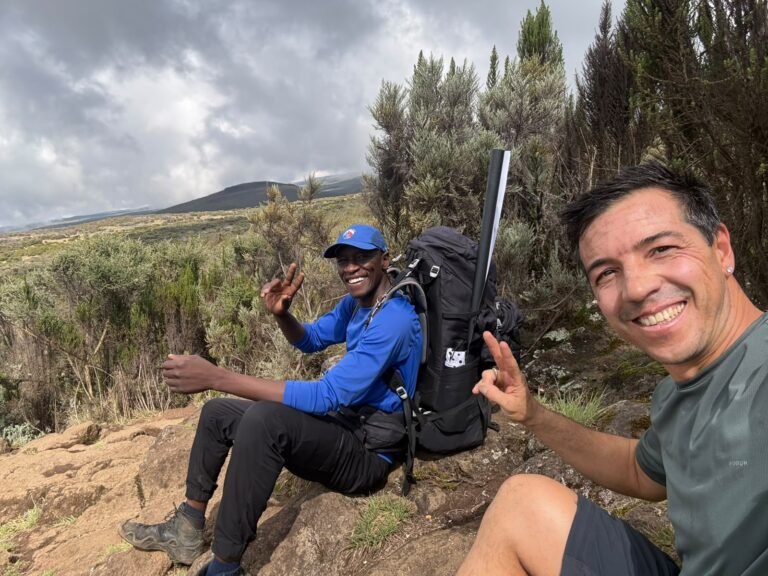
8 Days Shira Kilimanjaro New Year Trek – 26 December – 2 January 2026
8 Days Shira Kilimanjaro New Year Trek – 26 December 2026 – 2 January 2027.
View package details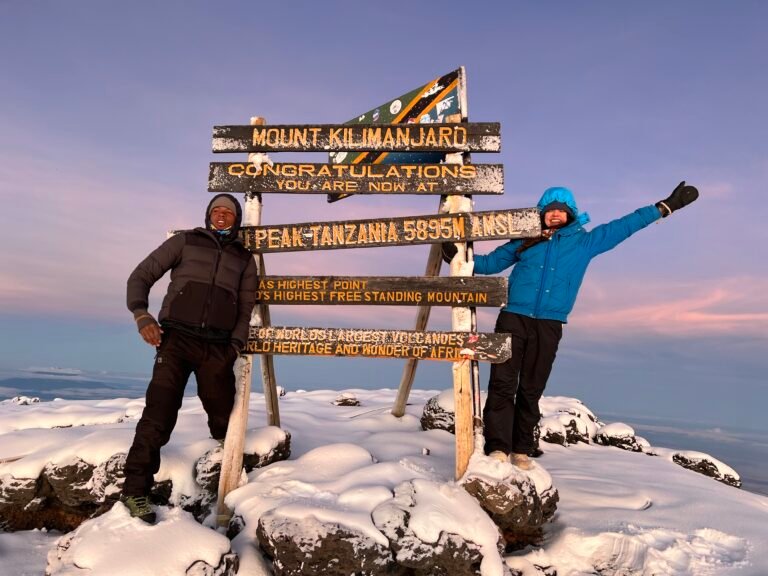
Kilimanjaro Christmas Holiday Trekking Packages December 2026
Kilimanjaro Christmas Holiday Trekking Packages December 2026.
View package details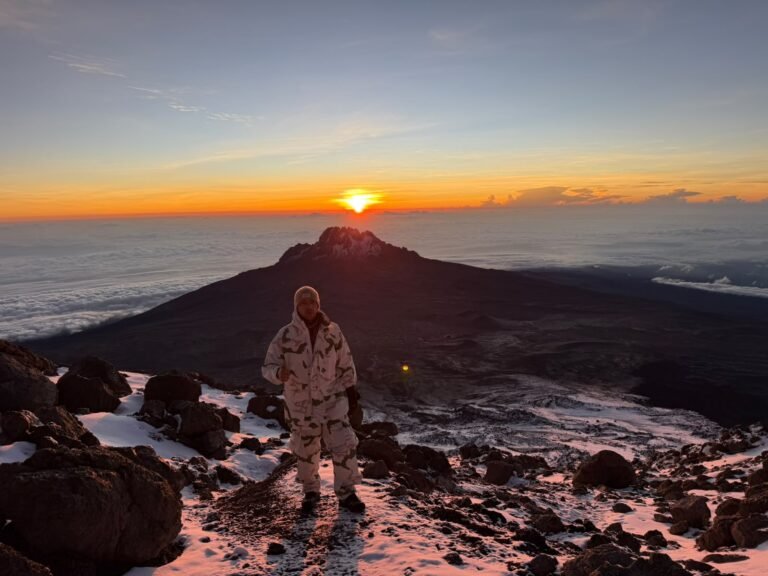
10 Days Northern Circuit Kilimanjaro Christmas Holiday Trek – 21–30 December
10 Days Northern Circuit Kilimanjaro Christmas Holiday Trek – 21–30 December 2026.
View package details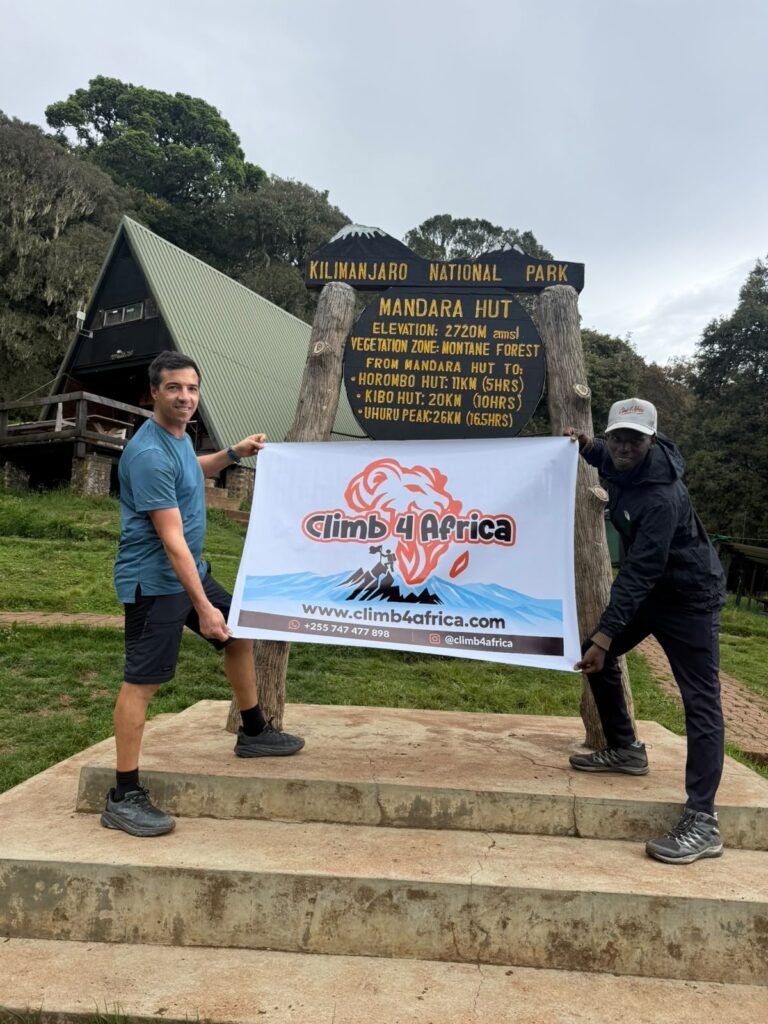
5 Days Marangu Kilimanjaro Christmas Trek – 22–26 December 2026
5 Days Marangu Kilimanjaro Christmas Trek – 22–26 December 2026.
View package details1 Day Kilimanjaro Christmas Hiking Tour – 25 December 2026
1 Day Kilimanjaro Christmas Hiking Tour – 25 December 2026.
View package detailsBest Kilimanjaro Trekking Routes In December 2026
Best Kilimanjaro Trekking Routes in December 2026.
View package details
Kilimanjaro Full Moon Climb 24 December – Group Trekking 2026
Kilimanjaro Full Moon Climb 24 December 2026 – Group Trekking.
View package details6 Days Rongai Route Kilimanjaro Hiking – 6–11 December 2026
6 Days Rongai Route Kilimanjaro Hiking – 6–11 December 2026.
View package details5 Days Marangu Kilimanjaro New Year Trek – 29 December – 2 January 2026
5 Days Marangu Kilimanjaro New Year Trek – 29 December 2026 – 2 January 2027.
View package details6 Days Marangu Kilimanjaro Christmas Holiday Climb – 21–26 December 2026
6 Days Marangu Kilimanjaro Christmas Holiday Climb – 21–26 December 2026.
View package detailsNo related package matches those filters. Clear one or more filters to see the other topic-matched options.



