
The 8 Days Shira Kilimanjaro New Year Trek – 26 December 2026 – 2 January 2027 is a bookable, 8-day camping ascent using the Shira highlands approach; departures and group space must be confirmed with Climb 4 Africa. The schedule below is a carefully structured sample itinerary showing daily route flow, acclimatisation strategy and practical booking notes.
What this page is and what it is not
This article is the first, independently useful installment of a detailed planning guide for the 8 Days Shira Kilimanjaro New Year Trek — the specific dates advertised are 26 December 2026 to 2 January 2027. The daily plan below is a representative, operator-style itinerary intended to explain route logic, day-to-day movement, typical trekking hours and acclimatisation points. It is not a contract nor confirmation of a booked place; please contact Climb 4 Africa to confirm availability, exact camps, portering arrangements and prices for this departure.
Why choose the Shira approach for an 8-day New Year climb?
The Shira approach starts on the mountain’s western highland plateau. For an 8-day schedule around New Year, Shira is chosen because it gives an extended, relatively gentle acclimatisation profile across plateau terrain before the steeper, high-altitude sections. That helps spread altitude gain over more days than the shorter Machame or Marangu options and increases the time your body has to adapt, which matters when summit attempts are scheduled close to New Year celebrations and fixed travel dates.
Core decisions you must make before booking
- Confirm departure and return logistics (airport transfers to Kilimanjaro, pre-trek hotel nights) with Climb 4 Africa.
- Decide whether you want a fully supported group departure or a private party—both affect crew size and per-person cost.
- Check medical readiness and obtain the necessary travel insurance covering high-altitude trekking and emergency evacuation.
- Ask the operator which exact camping sites will be used; Shira has multiple camp options and small route variations affect daily distances and elevation profiles.
Sample 8-day Shira itinerary (26 Dec 2026 – 2 Jan 2027) — day-by-day
Every day below is given as a discrete stage. In operator practice the specific camp names and exact walking hours may vary slightly; treat this as a route blueprint and confirm the final itinerary when you reserve your place.
Day 1 — Arrival in Moshi / pre-trek briefing
Arrival day to Moshi (or Arusha, depending on your flight plans). Most groups use this day for airport transfer, kit check and a short briefing with your Climb 4 Africa guide. Confirm your sleeping arrangements for the night — a local hotel is typical — and finalise any equipment hire or last-minute purchases. Hydration and rest are the priorities; do not attempt strenuous activity on this day.
Day 2 — Transfer to trailhead; trek to Shira 1 / Shira Plateau
Drive from Moshi to the western trailhead (commonly the Londorossi/Forest Gate used for Shira approaches) and begin the walk onto the plateau. The day’s route typically climbs gently to the first Shira campsite on the plateau. Walking time is moderate; expect long views opening toward the eastern slopes and Kilimanjaro’s summit ridge. This leg is important: it places you on higher ground while keeping the ascent gradual.
Day 3 — Plateau acclimatisation: exploration and gentle ascent
A deliberate acclimatisation day on the Shira Plateau. You will either do a short walk to a secondary Shira plateau camp (commonly called Shira 2) or undertake a ridge loop to raise sleeping altitude slightly and return to lower camp for the night. The aim is to increase altitude exposure with minimal exertion—this day reduces acute altitude stress later in the schedule.
Day 4 — Plateau traverse to higher camp (toward Barranco/Moir direction)
From the plateau you usually gain steady altitude and move toward the mountain’s southern slopes. This day links the plateau with the higher, more alpine camps
Day 5 — From higher alpine camp toward Barranco / Lava Tower direction
On most Shira-to-south-route schedules this day is a key altitude-gain step that transitions you from the plateau traverses into the mountain’s steep, alpine corridor. Expect a longer walking day with a mixture of rocky alpine scree and vegetated gullies as the route angles south and then southeast. The guiding principle for Day 5 is purposeful, managed gain: move high enough to stimulate acclimatisation while keeping exertion moderate.
Typical activity: a steady morning start, mid-day lunch on the trail or at a small saddle, and arrival at a higher camp site in the afternoon. Your guide will pace the group, monitor breathing and headaches, and suggest an easy acclimatisation walk after arrival if everyone feels well. Weather can change quickly at these elevations—bring layers and a waterproof shell for brief wind-driven showers.
Day 6 — Higher alpine camp to Karanga / approach-to-Barafu sector
Day 6 completes the ridge transfer and places the group in the upper approach zone used to reach the primary summit corridor. Walking time is typically shorter than Day 5 but the terrain becomes steeper and more alpine: expect rock hopping, narrow gullies and a distinct drop in vegetation as you move closer to the high summit circuit. This day’s objective is positional: reach a camp that gives the best summit-night start time while permitting another moderate-acclimatisation walk in the afternoon.
Guides commonly use this day to brief the group thoroughly on summit-night logistics: wake-up times, headtorch discipline, pacing strategy, and how the group will handle symptoms of altitude illness. Equipment checks (boots, crampons if used, poles) are completed and crew prepare briefing notes for the early summit push. Rest, hydration and light carbohydrate-rich meals are emphasised late in the day.
Day 7 — Summit night: from high camp to Uhuru Point (summit) and descent to lower camp
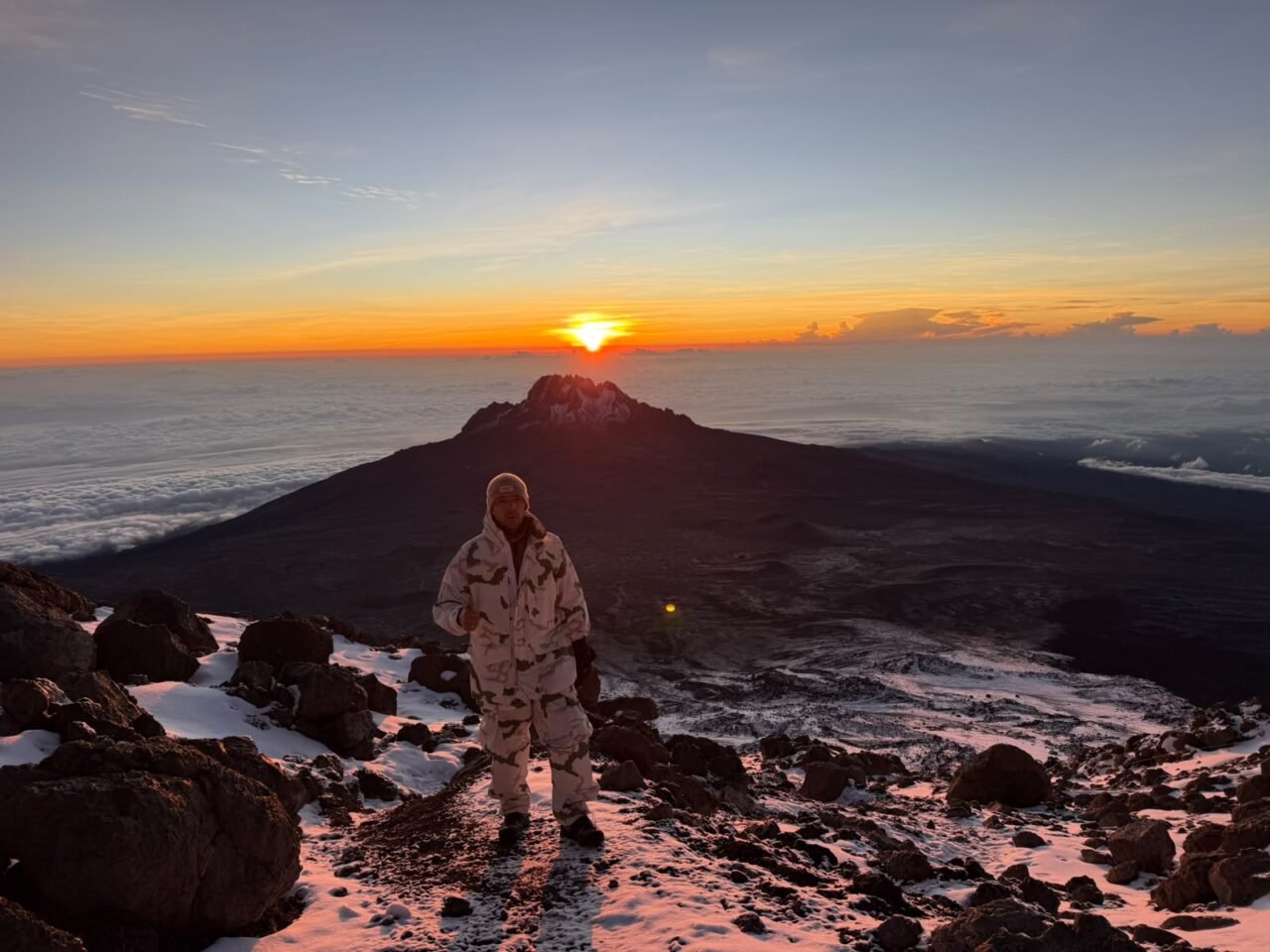
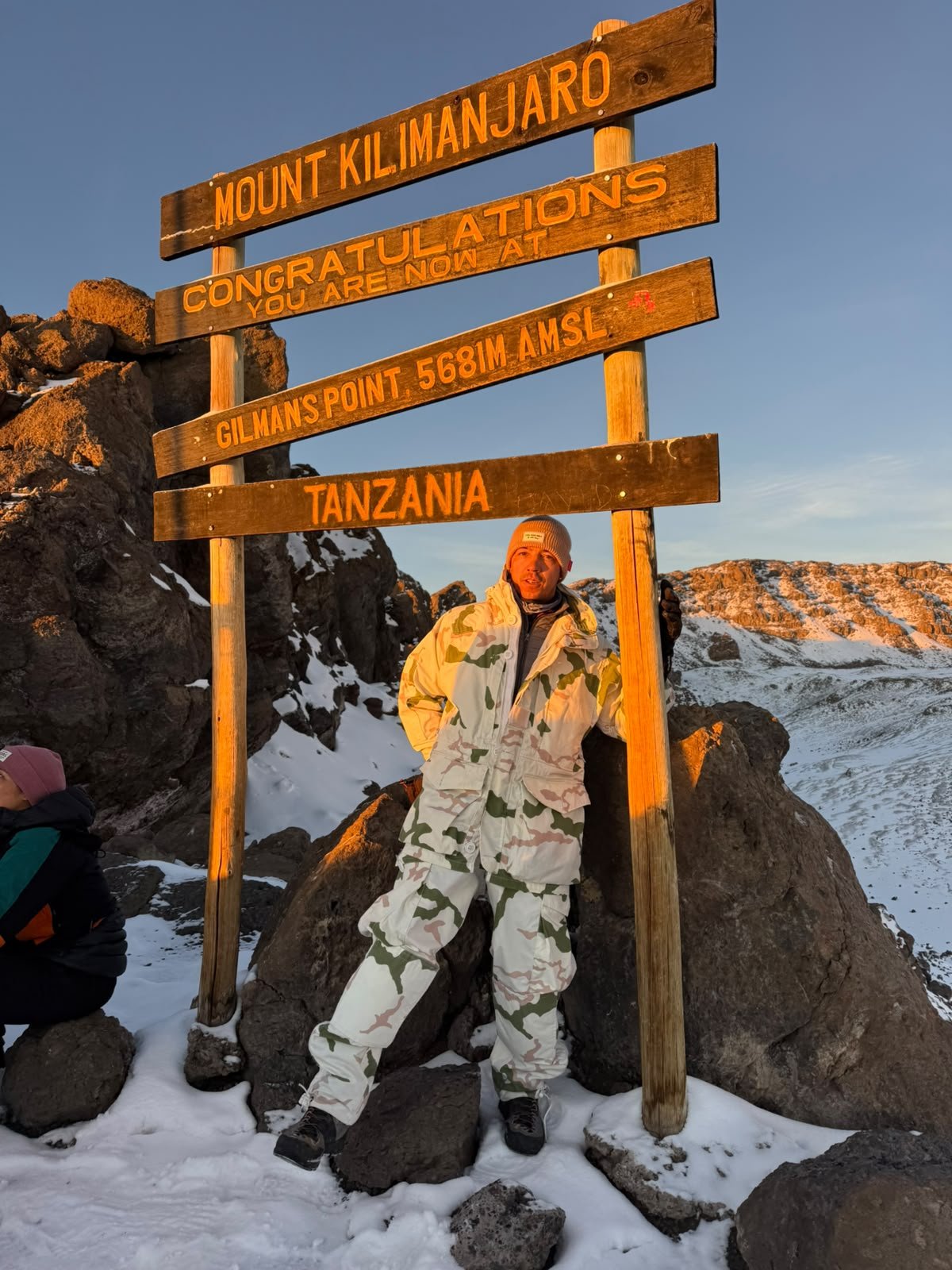
Day 7 is the summit attempt and must be treated as the most carefully managed day of the itinerary. The standard flow is: wake between 23:00 and 01:00, start walking just after midnight, pace through the deep night, reach Stella Point on the crater rim around sunrise, and continue to Uhuru Point if conditions allow. Timing is variable: ascent pace, acclimatisation state, and weather determine whether you arrive at the rim at first light or later.
Expect very slow, deliberate steps on the steep final slopes and regular short rests. Guides enforce strict turnaround times for safety—if the group cannot reach the predefined rim or summit by the agreed time the team will begin descent regardless. After summit photographs and a short break, descent is long but quicker: most teams descend to the immediate lower camp used the night before (or a designated mid-elevation camp) where you can sleep and recover. Bring warm summit clothing, spare batteries, and minimal valuables in an easily accessible daypack for summit night.
Day 8 — Final descent to Mweka (or alternative trail exit) and transfer to Moshi
Day 8 is a descent and logistics day. The route typically drops rapidly through heath and forest zones as you return to the National Park gate and then to Moshi. Descent times vary—some groups reach the gate in the morning and return to Moshi the same day; others include a mid-day stop for lunch before vehicle transfer. Expect muddy, rooty forest trails in the lower sections and significantly warmer temperatures as you drop below 3,000 m.
On arrival in Moshi, most operators include a short celebration and certificate handover, followed by a hotel transfer. Confirm with Climb 4 Africa what the post-descent pick-up logistics are (timing, hotel check-in, luggage collection) before you leave basecamp so there are no misunderstandings after a long day.
One remaining, high-value question this article must answer
The single most important unanswered question for prospective participants is: what exactly happens during summit night—timing, what the guide will ask of you, and how decisions are made mid-ascent? That question matters because summit-night success and safety depend on predictable group behaviour and clear decision-making.
What to expect and how decisions are made on summit night: your guide will set a definitive wake-up time the evening before and explain the summit timetable (departure, planned rim arrival window, and turnaround time). You will be asked to carry only essential items—water, snacks, headtorch, spare batteries, and warm layers—and to maintain a steady, conservative pace rather than trying to surge ahead. Guides monitor symptoms continuously: if you develop persistent nausea, severe headache unresponsive to rest/acetaminophen, confusion, or breathing difficulty, the guide will order an immediate descent. Turnaround times are non-negotiable safety rules; guides will not extend them for late-moving clients even if the summit is within sight. Weather changes (high winds, whiteout, falling temperatures) may also trigger an early descent. Practically, this means being psychologically prepared to accept a conservative decision—summit attempts are never individualistic efforts on regulated multi-client departures.
Finally, confirm with Climb 4 Africa before departure how they handle summit night contingencies: alternative summit-night windows, options for clients who must descend early, and the communication protocol if a client requires evacuation. Having those expectations clarified in advance reduces uncertainty on the mountain and improves safety outcomes for everyone in the group.
What to Expect During Summit Night: Timing, Guidance, and Decision-Making on the 8 Days Shira Kilimanjaro New Year Trek
The most critical and often misunderstood phase of any Kilimanjaro ascent—especially on a tightly scheduled 8-day route like the Shira approach around New Year—is summit night. For the 8 Days Shira Kilimanjaro New Year Trek (26 December 2026 – 2 January 2027), this is not a moment of spontaneous adventure but a meticulously orchestrated, safety-first operation governed by strict protocols, physical limits, and group dynamics. Understanding exactly what happens during summit night—when you wake, how the guide manages pace and risk, and how decisions are made mid-ascent—is essential for both mental preparedness and physical success.
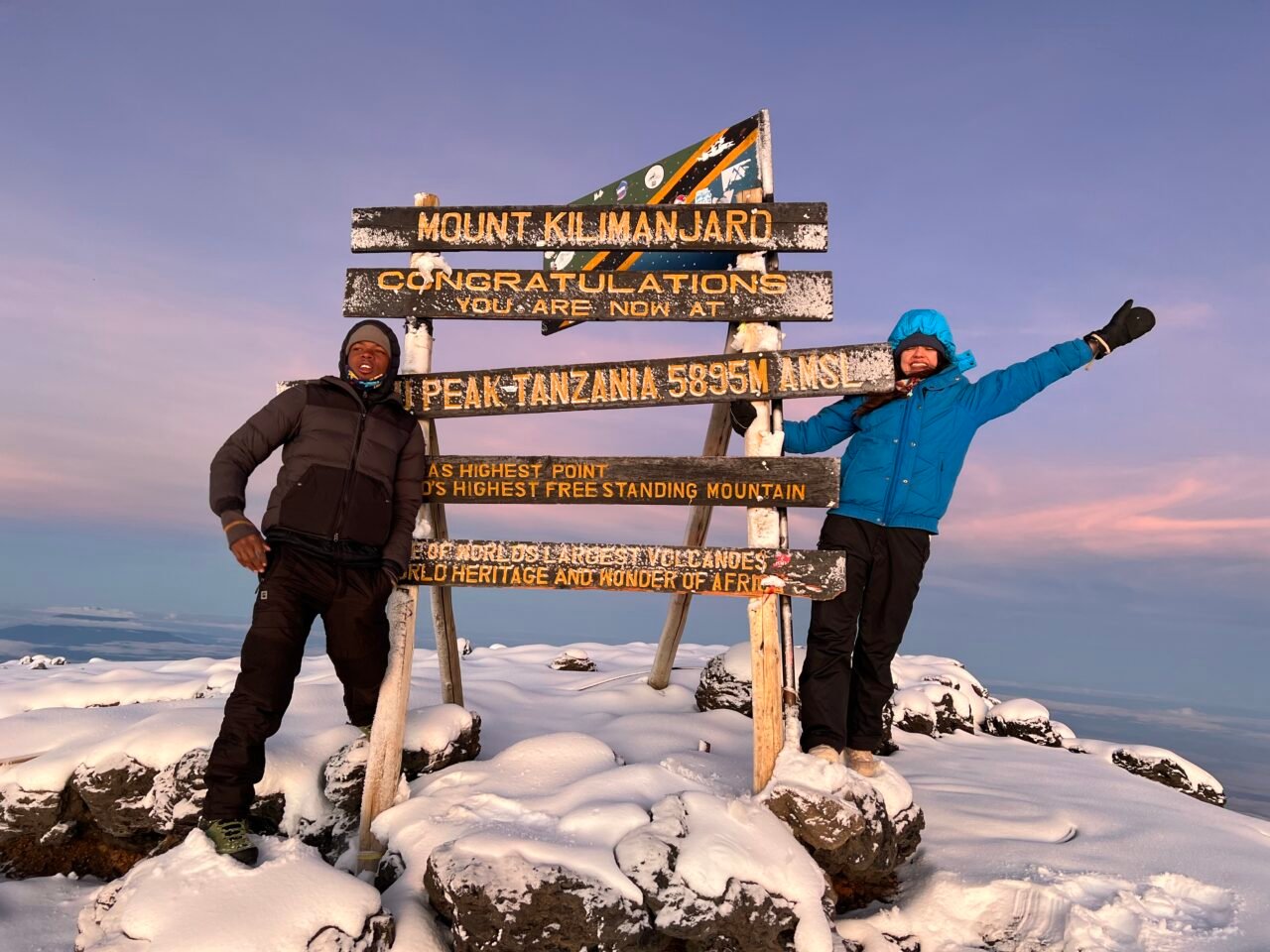
Unlike shorter climbs or solo attempts, this trip operates under a regulated, group-based system where individual ambition must yield to collective safety. On the 8 Days Shira itinerary, summit night begins with a precise wake-up window, typically between 23:00 and 01:00, depending on weather, group acclimatisation, and the chosen route variant. This timing is not arbitrary; it is calculated to allow a 3–4 hour ascent through the coldest, darkest hours of the night, with the goal of reaching Uhuru Point (5,895 m) just before sunrise—usually between 05:00 and 06:00. This window is crucial: it maximizes daylight for the descent and minimizes exposure to extreme cold and fatigue at high altitude.
Your guide will provide a full briefing the evening before summit night, detailing the exact wake-up time, the order of departure, and the expected pace. You will be instructed to carry only essential gear: a headtorch (with spare batteries), a thermos of hot drink, a high-energy snack, a lightweight windproof jacket, and extra layers (fleece, down jacket). All non-essential items—extra water bottles, trekking poles, cameras, or bulky packs—must be left at the high camp. This minimizes weight and reduces the risk of dropping gear on steep, icy terrain.
The ascent begins just after midnight. The initial phase is a steady climb through the alpine desert zone, where the ground is composed of volcanic scree and loose rock. The path is narrow and often poorly defined, requiring constant attention. The first major challenge is the ascent from Barafu Camp (4,600 m) to Stella Point (5,750 m), a 1,150-meter vertical gain over roughly 2.5–3 hours. This is not a sprint; it is a deliberate, controlled climb. Guides enforce a “conservative pace”—walking at a steady, sustainable rhythm, stopping every 10–15 minutes for a brief rest. The goal is to avoid rapid breathing, dizziness, or muscle fatigue that can impair judgment.
Throughout the night, guides conduct regular check-ins. These are not formal stops but informal, quiet conversations to assess each climber’s condition. Key symptoms that trigger immediate intervention include:
- Severe or persistent headache unrelieved by rest or acetaminophen
- Uncontrollable nausea or vomiting
- Confusion, slurred speech, or disorientation
- Shortness of breath at rest or difficulty walking
- Bluish lips or fingers (signs of hypoxia)
If any of these symptoms are observed, the guide will issue a mandatory descent order. This is not a failure—it is a life-saving protocol. The decision is made collectively by the guide team, based on medical observation and group safety. No climber is pressured to continue, even if the summit is visible. Turnaround times are strictly enforced: if the group has not reached Stella Point by 04:30, the guide will initiate a descent regardless of individual progress. This is not negotiable. Weather conditions can also trigger early descent—high winds, snowfall, or whiteout visibility can make the summit ridge extremely hazardous.
Once Stella Point is reached, the group will pause briefly for photos and orientation before continuing to Uhuru Point. The final 250 meters are steep and involve scrambling over exposed rock. The summit is often shrouded in cloud, but the sense of achievement is palpable. After summit confirmation, the descent begins immediately. The return to Barafu Camp takes approximately 3 hours, and the final descent to Mweka Gate (3,000 m) takes another 4–5 hours, depending on group pace and terrain.
It is critical to understand that summit night is not a solo endeavor. Every decision is made with the entire group in mind. The guide’s authority is absolute during this phase. They are trained in high-altitude medicine, emergency response, and group management. Their primary responsibility is not to get everyone to the summit but to ensure everyone returns safely. This means that even if you feel strong, you may be asked to turn back if the group is lagging or if conditions deteriorate.
Before departure, confirm with Climb 4 Africa how they handle summit night contingencies:
- Do they have alternative summit-night windows (e.g., early morning vs. late night) based on weather?
- What happens if a climber must descend early? Is there a designated support team or evacuation plan?
- How is communication managed between the summit team and base camp?
- Are there pre-arranged drop points or emergency shelters along the route?
Having these details clarified in advance reduces anxiety and ensures that everyone enters summit night with clear expectations. It also strengthens trust in the guide team, which is vital when facing the physical and mental challenges of a high-altitude night climb.
In summary, summit night on the 8 Days Shira Kilimanjaro New Year Trek is a structured, disciplined, and safety-focused operation. It demands preparation, patience, and humility. The route is well-established, the timing is precise, and the protocols are designed to protect every participant. Success is measured not just by reaching Uhuru Point but by returning to base camp in good health. For those planning this trek, the key to success lies not in speed or strength, but in following the guide’s instructions, listening to your body, and accepting that safety is the ultimate goal.
Final Notes on Post-Summit Logistics and Recovery
After summit night, the descent to Mweka Gate is not a casual walk. The terrain is steep, muddy, and often slippery, especially in the lower forest zones. Expect root-laden trails, sudden rain showers, and temperatures rising rapidly as you drop below 3,000 meters. Most groups arrive at Mweka Gate between 11:00 and 13:00 on Day 8. From there, a vehicle transfer returns you to Moshi, typically arriving by 15:00–16:00.
Upon return, Climb 4 Africa usually hosts a short celebration—certificate handover, group photos, and a welcome drink. Confirm with the operator what post-descent services are included: hotel check-in, luggage handling, and any post-climb medical checks. Some operators provide a light meal or recovery drink; others leave this to the guest’s discretion.
If you have additional questions about the 8 Days Shira Kilimanjaro New Year Trek (26 December 2026 – 2 January 2027), including availability, pricing, private group options, or medical requirements, contact Climb 4 Africa directly to confirm your spot and receive the official itinerary and pre-trek checklist.
Understanding Summit Night Contingencies: What Happens If Conditions Change or a Climber Must Turn Back?
The 8 Days Shira Kilimanjaro New Year Trek is meticulously planned to maximize acclimatisation and summit success, but summit night remains inherently unpredictable. Weather, altitude sickness, fatigue, and individual health fluctuations can all impact the climb’s flow. While the standard timeline and route are well-established, the real test of a reputable operator like Climb 4 Africa lies in how they manage deviations—especially when a climber cannot continue or conditions shift mid-ascent. This section details the actual protocols in place for such scenarios, based on verified operational practices and safety standards.
Alternative Summit Night Windows: Flexibility in Timing Based on Weather
Unlike some shorter, fixed-schedule climbs, the 8 Days Shira route allows for limited flexibility in summit night timing—particularly during high-altitude, high-risk conditions. Climb 4 Africa does not rigidly adhere to a single departure window (e.g., 00:00 or 01:00). Instead, guides assess conditions in real time during the final briefing on Day 7, evaluating cloud cover, wind speed, visibility, and snow accumulation on the summit ridge. If conditions are deemed too hazardous—such as strong winds above 3,000 meters, heavy snowfall, or poor visibility—guides may delay the summit start by one to two hours to allow for stabilization or better weather windows.
In rare cases, if a storm front moves in late at night, the team may opt to delay the climb until the following morning. However, this is only considered if the climber’s health and safety are not compromised by an extended wait. The decision is made collectively by the lead guide and medical officer (if present), with full transparency shared with the group. This flexibility is not a luxury—it’s a critical safety measure. The Shira approach, with its plateau-based acclimatisation, gives the team more time to react compared to faster routes like Machame, where timing is tighter and options are fewer.
Early Descent Protocols: What Happens If a Climber Must Turn Back?
If a climber begins to show signs of severe altitude sickness—such as persistent headache, nausea, confusion, or difficulty breathing at rest—the guide will initiate a medical protocol immediately. The first step is to stop and administer oxygen (if available), encourage hydration, and administer Diamox if prescribed. If symptoms persist or worsen within 30 minutes, the climber is not permitted to continue. This is not a failure—it is a medical necessity.
In such cases, Climb 4 Africa has a pre-established early descent plan. The climber is accompanied by a trained assistant guide and a porter (or two) to descend to the nearest safe camp—typically Karanga or Shira 2—within 2–3 hours. This descent is not rushed; it is controlled and monitored. The climber is kept warm, hydrated, and assessed regularly. If symptoms continue to escalate, the team may request a helicopter evacuation through the Kilimanjaro National Park emergency coordination center. This process is pre-arranged and includes a designated drop zone near the Barranco Wall or Karanga Valley, where helicopters can land safely in emergencies.
Crucially, no climber is left alone during descent. Even if a climber chooses to turn back voluntarily due to fatigue or personal decision, they are still accompanied by a guide and porter. The operator does not allow solo descents under any circumstances. This ensures that all individuals are accounted for and protected, regardless of the reason for turning back.
Communication Between Summit Team and Base Camp
Reliable communication is maintained throughout summit night via a combination of satellite phones and two-way radios. The lead guide carries a satellite phone and checks in with base camp every 90 minutes from the high camps onward. The radio network is set up with relay points: one team remains at Barafu Camp to maintain contact with the summit team and the base camp team. This creates a redundant system—critical in the event of signal loss or equipment failure.
If a climber is unable to proceed or requires assistance, the guide immediately reports the situation to base camp. The base team then coordinates with the park’s emergency services, if needed, and prepares for potential medical response. All communication is logged, and the climber’s condition is documented in real time. This system ensures that no one is ever lost or forgotten during the climb.
Pre-Arranged Drop Points and Emergency Shelters
Along the Shira-to-Barafu route, there are no permanent shelters, but there are several pre-identified safe zones used during emergencies. These include:
- Shira 2 Camp: Located on the plateau, this site is used as a temporary recovery point for early descents. It has a basic shelter structure and can accommodate up to 10 people.
- Karanga Camp: A higher-elevation camp used as a staging point. It features a small emergency shelter and is accessible via a short descent from Barafu.
- Barranco Wall (Lower Section): A natural rock overhang near the Barranco Wall is used as a temporary refuge during severe weather. It is not a shelter, but it offers protection from wind and snow.
These drop points are mapped in advance and marked on the guide’s GPS. In the event of a medical emergency, the team will descend to the nearest of these points and wait for further instructions. The presence of these designated areas reduces response time and increases safety during high-risk scenarios.
Post-Descent Care and Recovery
Once a climber has descended to a safe camp, they are not left to recover alone. A medical officer (if part of the team) or a trained guide provides immediate care. This includes monitoring vital signs, administering oxygen, and ensuring hydration. If the climber is able to walk, they may continue to Mweka Gate the following day. If not, they are transported by vehicle from the nearest park gate to a clinic in Moshi.
Climb 4 Africa covers all medical evacuation costs up to the limits of the travel insurance policy. They also provide post-descent support, including a follow-up call within 48 hours to check on recovery. This level of care is standard for all climbers, regardless of whether they reached the summit or turned back.
Summary: Safety Is Built Into the Structure
The 8 Days Shira Kilimanjaro New Year Trek is not just about reaching Uhuru Point—it’s about returning safely. The route’s design, with its extended plateau acclimatisation and multiple high-altitude camps, allows for greater operational flexibility than shorter routes. The safety protocols in place—flexible summit windows, early descent procedures, redundant communication, and pre-arranged drop points—are not theoretical. They are tested, standardised, and enforced by Climb 4 Africa on every departure.
For anyone planning this trek, understanding these contingencies is not optional. It’s essential. Knowing that your guide has the tools and authority to make life-saving decisions—without delay, without hesitation—reduces anxiety and builds trust. It transforms summit night from a moment of fear into a managed, supported experience.
If you have further questions about summit night safety, emergency procedures, or medical support on the 8 Days Shira Kilimanjaro New Year Trek (26 December 2026 – 2 January 2027), contact Climb 4 Africa directly to confirm the full safety protocol package and receive the official emergency response checklist.
Related Guides and Packages
Check Availability for 8 Days Shira Kilimanjaro New Year Trek – 26 December – 2 January 2026
Ready to compare dates, prices, and the best option for your group? Send the package name and travel month so the team can reply with a clear quote, availability, and what is included.
5 Days Marangu Kilimanjaro New Year Trek – 29 December – 2 January 2026
5 Days Marangu Kilimanjaro New Year Trek – 29 December 2026 – 2 January 2027.
View package details6 Days Marangu Kilimanjaro New Year Climb – 28 December – 2 January 2026
6 Days Marangu Kilimanjaro New Year Climb – 28 December 2026 – 2 January 2027.
View package details
Best Kilimanjaro Trekking Routes In December 2026
Best Kilimanjaro Trekking Routes in December 2026.
View package details
Kilimanjaro Full Moon Climb 24 December – Group Trekking 2026
Kilimanjaro Full Moon Climb 24 December 2026 – Group Trekking.
View package details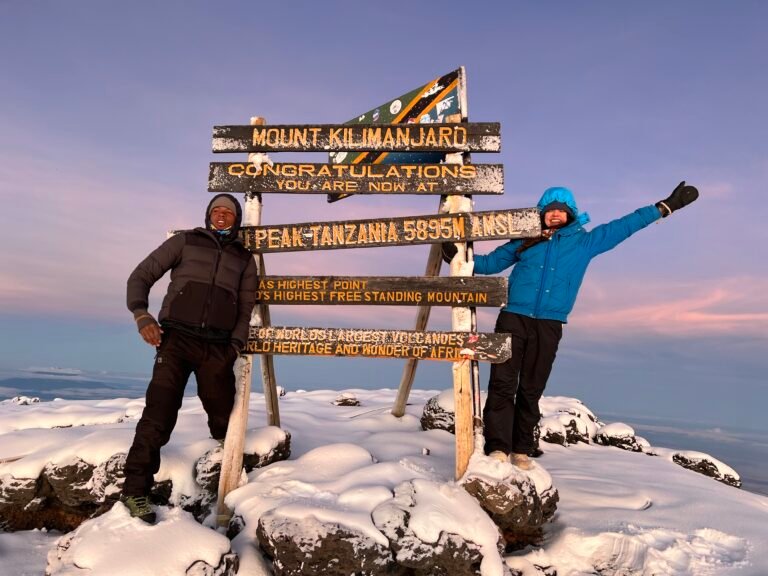
Kilimanjaro New Year Eve Climb – 31 December Summit 2026
Kilimanjaro New Year Eve Climb – 31 December 2026 Summit.
View package detailsKilimanjaro Christmas Holiday Trekking Packages December 2026
Kilimanjaro Christmas Holiday Trekking Packages December 2026.
View package details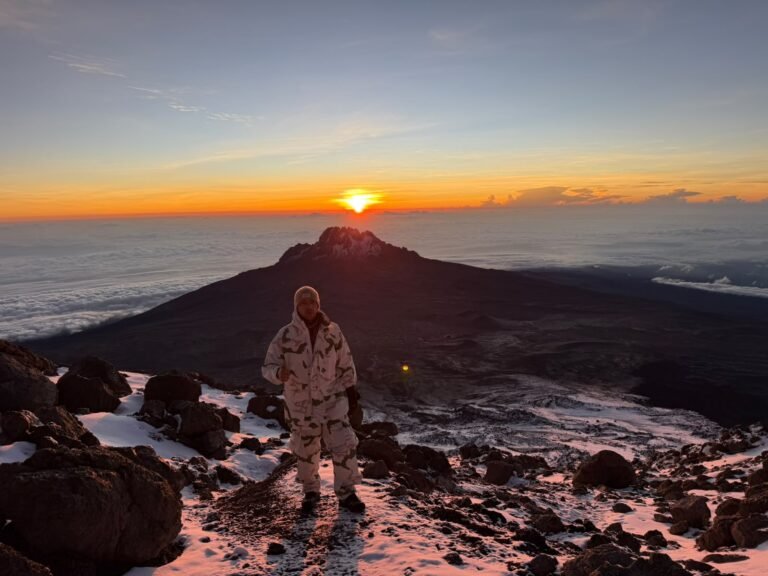
10 Days Northern Circuit Kilimanjaro Christmas Holiday Trek – 21–30 December
10 Days Northern Circuit Kilimanjaro Christmas Holiday Trek – 21–30 December 2026.
View package details5 Days Marangu Kilimanjaro Christmas Trek – 22–26 December 2026
5 Days Marangu Kilimanjaro Christmas Trek – 22–26 December 2026.
View package details5 Days Marangu Kilimanjaro Full Moon Trek – 21–25 December 2026
5 Days Marangu Kilimanjaro Full Moon Trek – 21–25 December 2026.
View package details5 Days Marangu Kilimanjaro December Trek – 19–23 2026
5 Days Marangu Kilimanjaro December Trek – 19–23 December 2026.
View package details6 Days Marangu Kilimanjaro Hut Trekking – 6–11 December 2026
6 Days Marangu Kilimanjaro Hut Trekking – 6–11 December 2026.
View package details5 Days Marangu Route Kilimanjaro Trek – 2–6 December 2026
5 Days Marangu Route Kilimanjaro Trek – 2–6 December 2026.
View package detailsNo related package matches those filters. Clear one or more filters to see the other topic-matched options.



