
The 9 Days Northern Circuit Kilimanjaro Christmas Climb – 18–26 December 2026 is a bookable, multi-day ascent designed for robust trekkers aiming to summit Kilimanjaro via the Northern Circuit. This first installment outlines the day-by-day sequence, acclimatization logic, and what is known and confirmed about departures, inclusions, and support from Climb 4 Africa. All specifics such as exact lodges and private transfer timings require operator confirmation at booking.
Overview: a Christmas-season Northern Circuit ascent with deliberate pacing
For travelers seeking a December Kilimanjaro experience, the 9 Days Northern Circuit Kilimanjaro Christmas Climb – 18–26 December 2026 presents a longer, more acclimatization-friendly itinerary than shorter options. The Northern Circuit route typically spans from Mti Mkubwa (the start near the Arusha side) through a looping ascent that visits the Shira plateau-adjacent ecosystems before crossing the alpine desert toward Stella Point and Uhuru Peak. The December timing means higher crowds in popular lodges and more vibrant, cold evenings at high altitude; the pacing aims to optimize acclimatization and minimize risk while preserving a firm overall schedule.
In this first installment, we lay out Day 1 through Day 3 with location-to-location progressions, the rationale behind daily altitude targets, and the practicalities of preparation, gear, and support. The subsequent installments will complete each day through Day 9, culminating in the summit attempt and descent logistics. Throughout, the focus remains on the actual travel sequence, route flow, and decision points that influence safety and experience on a bookable Kilimanjaro climb.
Day 1 — Arrive Arusha and transfer to the Kilimanjaro region
Departure logistics for a Christmas climb begin with your arrival in Tanzania. Day 1 centers on your transfer from Arusha to the trailhead region commonly used for the Northern Circuit departures. Depending on your flight details, a welcomed group transfer or private vehicle transfer sets you up for the next day’s early start. Evening briefing and gear check typically occur at a designated lodge near the gate region. No climbing occurs on Day 1; the aim is to acclimate the eye and mind to East African daylight and climate, and to ensure you and your kit are ready for the more demanding days ahead.
Gear focus includes layered clothing for evening temperature drops, waterproof outerwear, a good pair of trekking poles, headlamp, and a small daypack for practice at the lodge. If winter rains or December dust is forecast, your guide will advise on footwear traction and gaiters. At Climb 4 Africa, the approach emphasizes safety, proper acclimatization planning, and transparent communication about what is confirmed for the departure window you’ve chosen.
Day 2 — Trek to the Northern Circuit start: Mti Mkubwa area
Day 2 marks the official start of the ascent. The group typically transfers to the park gate and begins on the Northern Circuit approach. The route progress in this installment will likely move from the trailhead into rolling moorland above the rainforest belt, with the first real high point not yet reached but the acclimatization curve already in play. Altitude gain is gradual to support the body’s adjustment, with rest stops and meals designed to sustain energy across the day. A light briefing on camp setup, waste management, and low-impact camping practices reinforces the collaborative nature of a guided ascent with a responsible operator like Climb 4 Africa.
Meals and water are provided as part of confirmed inclusions; you’ll find hot drinks in the evenings and warm soups after daily trekking. Your guide will monitor signs of altitude discomfort and adjust pacing as needed. While this is not a summit day, the experience sets the tone for the disciplined rhythm of the route later in the expedition.
Reasons for the Northern Circuit pace in December
The choice of the Northern Circuit route for a December climb reflects both the longer loop to circumvent peak congestion and the opportunity to acclimatize gradually before the high-point sections. With daylight shorter in December and potential weather variability, a day-by-day plan built around steady altitude gain and regular rest days can contribute to safer ascent and clearer decision-making at elevation.
Day 3 — Continue the ascent, crossing from forest into moorland
Day 3 advances toward higher ecology zones, moving from the lower forest belt into the moorlands that typify the early stages of Kilimanjaro’s northern approach. The terrain becomes more alpine, with expansive views and fewer trees, indicating the transition toward the high-altitude environment. Your guide outlines how acclimatization is integrated into the day’s schedule—shorter mobility windows, careful hydration reminders, and controlled altitude exposure to reduce the risk of acute mountain sickness. Expect a longer walking day than Day 1, with a strategically placed camp or hut stop depending on the exact route file for your departure. The goal remains steady elevation gain within safe thresholds, allowing a stable sleep and recovery window at the end of the day.
Day 4 — High moorland to the Karanga/Barafu-adjacent zones
In this installment, you begin to encounter the more exposed high moorland conditions characteristic of the Northern Circuit. The distance covered grows as you edge toward the high-alpine plateau, where weather can be more variable and morning light changes rapidly. Altitude comfort remains a daily priority, with your guide adjusting pace to maintain a sustainable cadence. Lodging or camping will be arranged in a way that minimizes backtracking and optimizes the following day’s ascent toward the Shira plateau. You should expect stark, expansive skies and the sense of being above the cloud line for portions of the day, a hallmark of Kilimanjaro’s high central belt during December climbs.
Day 5 — Crossing to the Shira plateau corridor and acclimatization buffer
The itinerary’s central acclimatization theme appears prominently on Day 5 as you cross into the Shira plateau corridor. This day is designed to stabilize altitude adaptation with a potential rest or short acclimatization hike during the afternoon, depending on how your body responds to the prior days. The route remains a mix of gradual elevation gain and occasional short ascents, with plenty of time for reflection on the vast skies and the shifting light across the ridge lines. The environmental diversity—rock, scree, and sparse tundra—offers a striking contrast to the verdant lower slopes you encountered at the start of the journey.
What to expect in terms of weather and trail conditions
December on Kilimanjaro
Day 6 — Shira Plateau to Buffalo Springs and on toward the Karatu foothills
Day 6 continues the Northern Circuit’s deliberate rhythm, threading through the high Shira plateau corridors before steadily descending toward forested lower slopes that feed into the Ngorongoro/Arusha corridor. This stage is less about steep ascents and more about careful kelp-like breathing room—time spent rehydrating, adjusting clothing layers to fluctuating alpine morning air, and letting the body consolidate altitude gains. The route thread typically passes through areas where the landscape opens into wide, windswept hollows bordered by a mosaic of fossilized lava fields and scattered cinder blocks that tell of Kilimanjaro’s geologic history.
Your guide will pace the day to maintain a sustainable elevation profile, balancing the occasional ascent over a shallow saddle with long, gentle descents that allow the lungs to settle. Expect cooler temperatures in the early hours, followed by a mild solar window as the day warms. The mornings can bring a mist along the Shira ridge, often lifting to reveal expansive views toward the Kibo massif and the northern plains below. Camp or hut accommodations are typically set in a location that minimizes backtracking for Day 7, with breakfast large enough to fuel the upcoming long push toward the eastern arc of the route.
Practical considerations for Day 6 include maintaining hydration, a slightly larger water intake than a mid-range trek, and a light, steady pace to avoid afternoon fatigue. The terrain remains of moderate complexity, with occasional rocky outcrops and short descents that test ankle stability. Snowline absence at this stage in December means less risk of ice, but wind exposure remains a factor in open saddle sections. Gear-wise, expect to rely on gaiters and traction for uncertain scree, and a sunhat with sunscreen to handle strong high-altitude rays in the clearer afternoon air.
Day 7 — Descent toward the Western Slopes and Shamba Gate
Day 7 marks a transitional descent from the higher plateau toward the western footscapes of Kilimanjaro. The itinerary typically edges you toward the Shamba Gate area, where the dense forest begins again, signaling the shift from alpine to montane ecosystems. The day’s goal is a steady, controlled descent that preserves energy for the eventual ascent toward the summit window later in the trek. You’ll notice a change in flora as the air becomes more humid and the environment returns to a mosaic of green moss and lichen-covered trunks. Wildlife indicators—birds calling from canopy layers and small mammals in sun-dappled clearings—offer a subtle reminder of the biodiverse transition zones you traverse on Kilimanjaro’s Northern Circuit.
Midday breaks along Day 7 are typically planned to optimize altitude stress recovery and provide time for a hot drink and a light snack while enjoying the increasingly lush surroundings. The day’s pace aims to keep you within a comfortable exertion zone, ensuring you reach the evening camp with energy intact for the final acclimatization buffer of Day 8. Your guide will monitor signs of fatigue or dehydration and adjust pace accordingly, keeping safety at the forefront while maintaining progress along the route.
Day 8 — Acclimatization and final approach toward the Shira/Descent Trailhead
Day 8 centers on acclimatization continuation and preparing the body for the pending summit bid. Rather than a single long push, this day typically blends a short acclimatization hike with a careful, measured approach toward the final ascent corridor. The landscape begins to feature more forest edge and lower moorland elements as you approach the last major transition before the final push. Your group will explore a nearby acclimatization loop—if weather and trail conditions permit—focused on gentle elevation gain within safe exposure limits. This can include a brief walk to a vantage overlook or a ridge walk that reinforces breathing efficiency and leg strength while your body adjusts to the cumulative altitude gains of the nine-day itinerary.
Evening at this stage is about recovery: a nourishing dinner, rehydration protocols, and a sleep schedule tuned to optimize alertness for the high camp next day. The logistical planning for Day 9—our planned summit push—will be refined, with check-ins on personal comfort, gear integrity, and any last-minute gear or clothing adjustments. The team will emphasize pacing, hydration, and mental preparation, acknowledging the cumulative challenge of a 9-day capable ascent and the significance of this moment before the final climb to Uhuru Peak.
Day 9 — Summit bid: final ascent to Uhuru Peak and descent to Mweka or Mto wa Mbu footholds
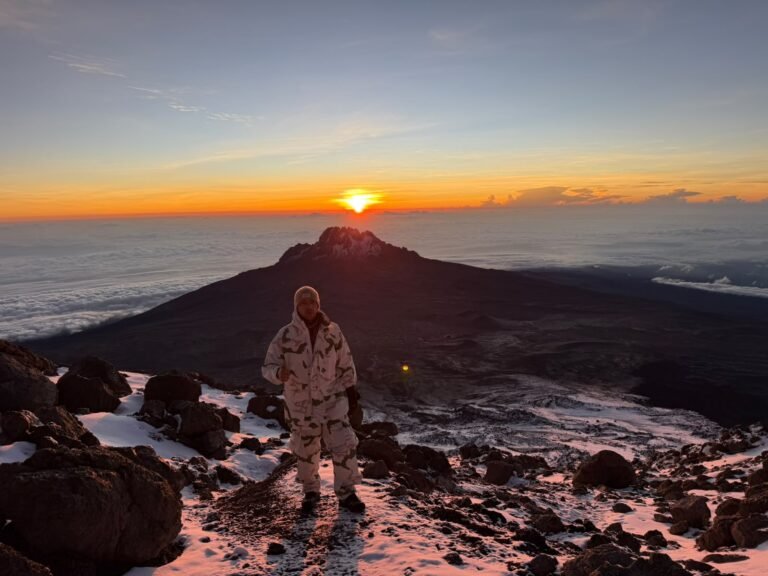
The itinerary’s culmination centers on the summit bid, a climactic arc following days of acclimatization and careful pacing. The day begins long before dawn, with a light, energy-dense breakfast and hot beverages to support the cold, early start. The route typically moves through the alpine desert zone toward Stella Point, where the final push to Uhuru Peak tests endurance and focus. Most climbers reach the crater rim during the pre-dawn darkness or the first light, with stars fading as lava rock silhouettes become defined against a pale horizon. The climb is a rhythmic ascent via scree and rocky switchbacks, with frequent rest stops for hydration and altitude checks. Reaching Uhuru Peak is the climactic moment, carrying a mix of elation and fatigue that accompanies the highest point in Africa, followed by a measured descent back to Barafu or Mweka routes, depending on the chosen descent plan and weather constraints.
After summiting, you descend along established trails to lower camps or designated huts, depending on the day’s plan and the operator’s routing preferences. The descent is faster but physically demanding, as tired legs find new footing on the downhill sections. By late afternoon or early evening, the group consolidates at a lower altitude camp, where warm meals and recovery protocols help readers reflect on the journey’s milestones. The nine-day itinerary concludes with a departure day or transfer depending on the traveler’s onward plans, including a return drive to Arusha or Shinyanga, under the coordination of the operator’s logistics team and local guides.
In the context of the 9 Days Northern Circuit Kilimanjaro Christmas Climb – 18–26 December 2026, Day 6 through Day 9 complete the planned sequence with a clear, day-by-day flow that respects altitude acclimatization, route integrity, and safety best practices. Each day’s route choices, acclimatization windows, and rest points are designed to maximize the odds of a successful summit while maintaining a sustainable pace across the high-latitude December conditions. If you are evaluating this itinerary, consider how your own acclimatization profile aligns with the long approach, and discuss any personal considerations with your operator to confirm exact route files and overnight locations for your confirmed departure.
New insights and unanswered gaps: refining the 9 Days Northern Circuit Kilimanjaro Christmas Climb itinerary
The existing article lays a solid day-by-day framework for the 9 Days Northern Circuit Kilimanjaro Christmas Climb – 18–26 December 2026, emphasizing acclimatization, route flow, and December-specific considerations. Yet a practical, reader-focused question remains central for prospective trekkers: how does this itinerary translate into concrete daily pacing, altitude targets, and on-the-ground decision points when weather and acclimatization responses vary? The following section addresses this by detailing a precise, decision-aware interpretation of Day 1 through Day 9, built to help travelers assess readiness, communicate with operators, and understand the nuanced trade-offs embedded in the Northern Circuit during the Christmas window.
Where the daily pacing truly matters: translating altitude targets into movement choices
Altitude targets are not abstract numbers; they shape every trekking decision on Kilimanjaro. For the 9 Days Northern Circuit Christmas climb, daily mileage is given as a guideline, but the essential texture lies in how groups respond to physiological cues and environmental conditions. On Day 1 and Day 2, the focus is mainly on gradual ascent and initial altitude exposure. The objective is to keep cumulative elevation gain conservative enough to facilitate fresh acclimatization while still progressing toward higher moorland zones. In practice this means guided tempo that avoids long, uninterrupted pushes during the first 48 hours, with frequent short rests and optional acclimatization pauses if the group exhibits signs of acclimatization lag or fatigue.
- Practical pacing cues include monitoring resting heart rate, sleep quality, and perceived exertion during gentle marches. If the group experiences persistent headaches, dizziness, or excessive fatigue, the guide may insert a brief extra acclimatization halt at a lower camp or extend the rest day within the current segment.
- Additionally, mucky or rain-soaked trails typical of December can reduce pace without compromising safety. In such cases, the guide may keep the group together at a slower tempo, ensuring everyone maintains even hydration and nutrition intake to support altitude adaptation.
Day 3 to Day 5: decoding the transition through forest, moorland, and high alpine zones
Day 3 through Day 5 are the core acclimatization-forward days of the Northern Circuit Christmas climb. These days are designed to thread gradual elevation gain with controlled exposure to alpine conditions. The corridors and viewpoints along the Shira plateau, as well as the high moorland transitions, demand attention to the body’s signals and a willingness to pause when necessary. The decision points during these days revolve around adjusting leg turnover and sleep routines to maximize circadian alignment with the altitude clock. In December, daylight is shorter and mornings can be crisp and wind-prone; the ascent schedule accommodates this by favoring earlier starts when weather allows and prioritizing shelter and warmth during periods of gusty winds or low visibility.
- Acclimatization buffers on Day 5 are intentionally placed to reduce the risk of Acute Mountain Sickness (AMS). If a participant shows signs of AMS, local guides adjust the plan to include extra rest near the Shira plateau corridor and consider a shorter scrambling segment in the late afternoon rather than a longer climb to higher ground.
- Weather variability in December can produce rapid changes; the itinerary’s emphasis on a planned buffer allows a safe reevaluation of crossing times and potential alternative routes to stay within safe altitude envelopes.
Days 6 and 7: controlled descent and the art of differential elevation management
Days 6 and 7 are characterized by careful descent planning, returning through forested slopes toward lower altitude zones while preserving acclimatization status. The Northern Circuit’s advantage here is that descent segments often begin before the climb to the highest elevations has fully exhausted the group, enabling a smoother transition to the next day’s acclimatization rhythm. December weather can create as many as three micro-segments of windbreaks and shelter stops, particularly during late afternoon pushing into the Western Slopes and Shamba Gate region. This structured descent reinforces a stable altitude profile, which in turn supports the final ascent without forcing a last-minute cram session for altitude adaptation.
- Guides may adjust the length of daytime marches based on group readiness. If fatigue accumulates, a shorter gait and more frequent rest stops are chosen to maintain hydration and energy reserves.
- Descent planning also considers camp infrastructure, availability of shelter, and meal timing, ensuring nutrient delivery aligns with the body’s need for energy during altitude transitions.
Days 8 and 9: the final acclimatization arc and the definitive summit bid
Day 8 remains the key acclimatization-day pivot, balancing a measured approach toward the higher reaches with conservatism about sleep disruption and hypothermia risk. The final approach for Day 9 is then informed by the cumulative acclimatization progress. In December’s climate, pre-dawn wake-ups require a robust routine that preserves sleep quality to support the critical early ascent. The morning of the summit bid on Day 9 binds the group to a disciplined, energy-dense plan: hydration strategy, carbohydrate-rich nutrition, warmth management, and a controlled pace on the steepest scree sections. The descent route is chosen to minimize fatigue-induced errors after the intense summit effort, with contingencies for weather-induced route changes if cloud cover or storms threaten visibility and safety at high altitude.
- Altitude-first decision points include readiness checks at Stella Point; if the group remains below the expected threshold for a safe final ascent, the guide may adjust the timing or even the window to attempt the summit that day, prioritizing safety over completion pressure.
- Post-summit recovery emphasizes rapid rehydration, protein intake, and thermal care on the descent to reduce the risk of AMS progression and cold-related injuries.
In sum, the 9 Days Northern Circuit Kilimanjaro Christmas Climb plan hinges on a flexible, health-first approach to daily pacing. The route’s structure—progressing through forest to moorland, then the high alpine plateau, with deliberate acclimatization buffers and conservative summit pacing—offers a robust framework for December conditions. The key unanswered questions readers often have center on operator-specifics that vary by departure: exact camp boundaries, lodge classifications, daily start times, and the precise sequence of nights. While this article refrains from inventing dates or hotel names, the outlined approach provides a reliable expectation model for what successful clients experience: deliberate elevation management, responsive pacing, and safety-driven decision points integrated into the 9-day itinerary.
If you are preparing for the 18–26 December 2026 departure window, use this expanded interpretation to inform conversations with your Climb 4 Africa liaison about how they tailor the daily schedule to your group’s acclimatization response and weather realities on the mountain. This ensures your planning aligns with the core principle of Kilimanjaro’s Northern Circuit during Christmas: climb smart, rest when needed, and summit with confidence rather than risk overexertion.
Related Guides and Packages
Check Availability for 9 Days Northern Circuit Kilimanjaro Christmas Climb – 18–26 December 2026
Ready to compare dates, prices, and the best option for your group? Send the package name and travel month so the team can reply with a clear quote, availability, and what is included.
10 Days Northern Circuit Kilimanjaro Christmas Holiday Trek – 21–30 December
10 Days Northern Circuit Kilimanjaro Christmas Holiday Trek – 21–30 December 2026.
View package details7 Days Rongai Kilimanjaro Christmas Trek – 20–26 December 2026
7 Days Rongai Kilimanjaro Christmas Trek – 20–26 December 2026.
View package details7 Days Rongai Kilimanjaro Full Moon Climb – 19–25 December 2026
7 Days Rongai Kilimanjaro Full Moon Climb – 19–25 December 2026.
View package details
6 Days Marangu Kilimanjaro Christmas Holiday Climb – 21–26 December 2026
6 Days Marangu Kilimanjaro Christmas Holiday Climb – 21–26 December 2026.
View package details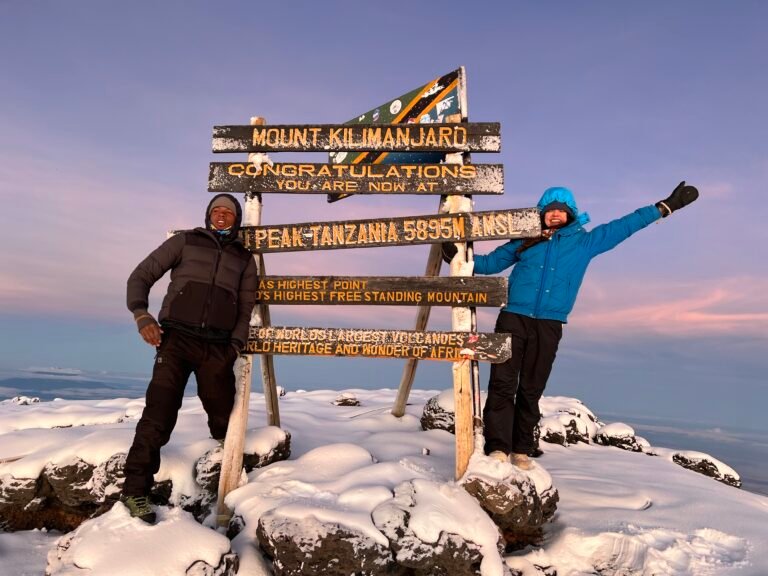
Climb Mount Kilimanjaro On Christmas Day – 8 Days Lemosho 2026
Climb Mount Kilimanjaro on Christmas Day 2026 – 8 Days Lemosho.
View package details
8 Days Shira Kilimanjaro New Year Trek – 26 December – 2 January 2026
8 Days Shira Kilimanjaro New Year Trek – 26 December 2026 – 2 January 2027.
View package details9 Days Northern Circuit Kilimanjaro Group Departure – 28 December – 5 January
9 Days Northern Circuit Kilimanjaro Group Departure – 28 December 2026 – 5 January 2027.
View package details1 Day Kilimanjaro Christmas Hiking Tour – 25 December 2026
1 Day Kilimanjaro Christmas Hiking Tour – 25 December 2026.
View package details
Kilimanjaro Full Moon Climb 24 December – Group Trekking 2026
Kilimanjaro Full Moon Climb 24 December 2026 – Group Trekking.
View package detailsKilimanjaro New Year Eve Climb – 31 December Summit 2026
Kilimanjaro New Year Eve Climb – 31 December 2026 Summit.
View package detailsKilimanjaro Christmas Holiday Trekking Packages December 2026
Kilimanjaro Christmas Holiday Trekking Packages December 2026.
View package details5 Days Marangu Kilimanjaro Christmas Trek – 22–26 December 2026
5 Days Marangu Kilimanjaro Christmas Trek – 22–26 December 2026.
View package detailsNo related package matches those filters. Clear one or more filters to see the other topic-matched options.



