
For 7 Days Rongai Kilimanjaro Full Moon Climb – 19–25 December 2026, you will progress from the Rongai foothills toward the summit via a gradual acclimatisation strategy, with a focus on Day 1–3 logistics, meat-and-potatoes route details, and safety checks before the higher camps. Confirmation of exact departure time, group size, and inclusions requires checking with Climb 4 Africa, but this plan outlines the supported sequence and decision points for a bookable, guided ascent.
Framing a bookable seven-day journey on the Rongai route during a December full moon
The 7 Days Rongai Kilimanjaro Full Moon Climb – 19–25 December 2026 is not just a distance sprint to Uhuru Peak; it is a carefully paced ascent that leverages Rongai’s east-to-north slant to acclimatise gradually. In December, the nights can be clear, offering a chance to observe the full moon rising over the Masai Steppe as you gain altitude. This first installment focuses on the planning logic, Day 1–3 layout, and the practicalities of booking with Climb 4 Africa, including known route segments, altitude considerations, and the sequence you can expect in a confirmed departure.
Day 1 — Rongai start: Narumor forest to Kilimanjaro National Park boundary
Day 1 begins at the Rongai gate area, generally near the town of Nanyuki or a starting point chosen by the operator, then proceeds into the montane forest as you step onto the Rongai route. The pace is deliberately gentle to accommodate elevation change and to set the foundation for acclimatisation ahead of the steeper dunes of the X terrain. Hikers carry light packs during this initial leg, focusing on the rhythm of trekking and the immediate landscape. The terrain offers a first impression of pine and heather ecosystems, and the group will begin the habit of drinking to altitude, maintaining steady hydration, and practising good sleep discipline for the days ahead. The first camp is a staging point where you can check in with guides about the plan for the next days and review the altitude profile for Day 2.
Why Rongai for a December full moon climb
Rongai tends to provide a slightly cooler night air and reliable visibility during the late-night approach to higher elevations, which aligns with a potential full-moon phase in December. The route’s lower initial altitude gain helps with acclimatisation and reduces the risk of acute mountain sickness early in the trek. The lunar window can be a photographer’s dream along the ridges, provided you are well-rested and properly hydrated.
Day 2 — Kenya border approach to Simba Camp
Day 2 continues through the moorland and heath zones, where the group ascends toward Simba Camp on the Rongai route. This segment is designed to support acclimatisation by trading a moderate elevation gain for time on the legs, with a midday break to rest and rehydrate. The landscape shifts gradually from forest to open moorland, with occasional viewpoints toward the surrounding plains. Your guides will monitor pulse and breathing, and the pace is adjusted to ensure sustainable altitude acclimatisation while keeping the day’s schedule intact for a steady climb toward Day 3’s higher camps.
Camping logistics and altitude readiness
Expect a basic yet functional camp setup with shared tents, garish but functional sleeping mats, and hot water for a post-trek wash. Food typically includes hearty, nutrient-dense meals designed to sustain blood sugar and energy. The goal on Day 2 is to keep evening routines simple: a light snack, early to bed, and a calm, de-stressed mind before the night climb that begins in earnest toward the mid-elevations.
Day 3 — Simba Camp to Kikelewa or Mawenzi foothill acclimatisation stop
On Day 3, the route stiffens just a touch as you push toward higher moorland. The plan is to reach a mid-point camp with a short afternoon acclimatisation walk, allowing your body to sense the altitude in a controlled, low-stress manner. The choice of Kikelewa or Mawenzi foothill as a stopover depends on the specific itinerary variation offered by Climb 4 Africa for this moon-climb window. In either case, the day consolidates tolerance to altitude while maintaining safety margins. The mood becomes more focused; climbers routinely review breathing cadence, hydration, and sleep quality as critical indicators of readiness for the next push toward the Shira plateau and the health checkpoints at higher elevations.
Route variants and decision points for a December full moon departure
Climb 4 Africa often offers small variations within the same seven-day Rongai framework to accommodate group dynamics, weather patterns, and acclimatisation responses. For this specific 19–25 December 2026 departure, expect one of several internal variants: a slightly longer acclimatisation loop, a preferred sleep regimen at a safe altitude, and a staggered summit push that prioritises daylight descent. The core principles remain consistent: gradual ascent, repeated short hikes, ample hydration, and a steady cadence to minimize altitude-related risk while keeping the lunar window alive for the summit attempt. Confirmed details on exact camp names, start times, and group size will be provided by Climb 4 Africa upon booking, and may vary by departure cohort.
Logistics you can expect to confirm with Climb 4 Africa
Because this is a bookable travel plan, the exact start time, meeting point, and inclusions should be verified with the operator. Typical inclusions include park fees, guide services, porters, accommodation on non-trek days, meals on trekking days, a basic medical kit, and a safety briefing. Exclusions commonly cover international flights, visa fees, personal gear, and any optional activities. The December 2026 window can bring cool nights and clear skies, so plan for warm layers, a headlamp with spare batteries, and a compact, insulated layer for summit night. The booking process through Climb 4 Africa will provide the up-to-date schedule, group size, and price exactness with the current roster of departures.
Body of decisions: what matters most for a successful Rongai full moon climb
The most crucial decisions revolve around acclimatisation pacing, the timing of the summit push, and the support structure in the camps. It is not simply a matter
Day 4 — Mawenzi Ridge approach to Kibo foothills
Day 4 follows a measured ascent that threads between the higher elevations of the Mawenzi side and the foothills that lead toward the Kibo massif. The route typically leaves from the previous camp with a sunrise-influenced departure, keeping the group within safe altitude thresholds while gradually narrowing the distance to the high camps. The plan emphasizes steady leg speed, controlled breathing, and continued hydration as the air begins to thin more noticeably. The landscape shifts from moorland to heath and rocky terrain, with distant views of Mawenzi’s jagged summit prompting conversations about pace and acclimatisation strategy.
As the group climbs, porters and guides maintain strict headcounts and buddy systems to ensure everyone stays on track. If visibility clears to reveal a sea of cloud below the saddle, climbers may catch glimpses of the crater rim far to the west. The acclimatisation logic remains central: this day is designed to push the envelope only enough to prime the body for the demanding push to the high camps without triggering undue fatigue or risk.
Another key focus is the timing of the lunch break at a point with reliable water sources and shaded rest spots. Climbers absorb higher oxygen levels in the early afternoon and prepare for the short, steep sections that culminate in a high-altitude camp near the Kibo foothills. Evening routines revisit sleep hygiene, nutrition, and a final briefing about summit-night expectations, given the likelihood of cold air streaming down from the crater’s rim as night approaches.
Day 5 — Summit ridge transition and Karanga-style approach from high camps
Day 5 is the pivot toward the summit corridor. The group progresses from the high-altitude camp along a corridor that threads through the Mawenzi and Shira sectors toward a crowded, technical-laden reach near the Karanga valley, albeit on a Rongai-based itinerary. The objective is a smoother, daylight-bound ascent to a designated high camp (or a sheltered acclimatisation stop) where climbers can rest with a clear window for the final push. In December, the dawn light can reveal a pearly hue on the distant crater walls, offering a psychologically uplifting cue as you approach the final stages of the climb.
Because this segment involves more scrambling and exposure in parts, guides enforce rope-work and spacing protocols. The team remains mindful of pace, avoiding abrupt delays that could compress rest periods or lead to dehydration in the late afternoon sun. Evening meals integrate energy-dense carbohydrates and proteins to sustain the legwork ahead of summit night, with careful monitoring of each climber’s thirst, fatigue, and breathing rhythms to identify any signs of altitude stress early.
Day 6 — Summit push from high camp to Uhuru Peak, then descend to Millennium Camp
Day 6 is the marquee moment: the ascent to Uhuru Peak timed to leverage the buoyant grip of the December full moon window, if weather and cloud cover permit. The plan typically sets a pre-dawn departure from the high camp, with headlamps tracing a faint chalk line along the volcanic crater as the group moves in a single-file or buddy-paired cadence. The climb from the high camp to Stella Point, and then to Uhuru, is where altitude awareness is at its sharpest. Climbers must pace themselves through the snow or scree, depending on current conditions, and leverage the guides’ eyes for the best route to the summit cone.
Reaching Uhuru Peak is followed by a careful descent along the same corridor, often down to Millennium Camp for a shorter, safer daytime leg. It’s a moment of collective achievement and careful reflection, as the body responds to the adrenaline of the top and the relief of returning to lower elevations. After a summit ceremony-style moment, the group makes its way to Millennium Camp, where hot drinks and a warm meal help restore energy. The descent pace is slower than the ascent, prioritising joint safety, hydration, and continued altitude recovery as the bodies recalibrate after the peak experience.
Day 7 — Final descent to Rongai Gate and closure
The final day closes the circle with a gradual descent through montane forest back toward the Rongai gate. The terrain is gentler, the air warmer, and the pace more relaxed as climbers review their experience—an indoor-to-outdoor archive of altitude, weather, and personal resilience. A celebratory moment often arises at the gate, where guides collect feedback about the climb and discuss post-peak recovery strategies, including transport logistics and optional rest days in Moshi or Arusha. The group’s return to the hotel or airport-adjacent accommodations marks the end of the formal Rongai full-moon climb itinerary, though many climbers carry forward a renewed routine of physical conditioning and seasonal mountains exploration.
Reader questions you may still have and concrete answers
Is the December full moon reliably visible over the Rongai route? Weather is variable; clear nights align with the statistical likelihood of visible lunar phases in December, but visibility depends on cloud cover and local microclimates. Your operator will provide updated forecasts ahead of departure and plan the summit night timing to maximize the window when the moon is highest and skies are clear.
What fitness level should climbers target for Days 4–7? The Rongai route is considered moderate in difficulty with a gradual acclimatisation profile. If you are conditioned for mountain hiking, with some prior altitude exposure, you’re well placed. Training should focus on aerobic endurance, leg strength, and respiratory efficiency. Altitude acclimatisation remains the controlling factor rather than raw pace.
Are there alternative route segments if weather changes on Day 6? Yes. Operators typically have contingency plans that preserve the core acclimatisation logic. If the night is clouded or forecast poorly for a safe summit push, guides may substitute a longer acclimatisation loop or a staggered summit attempt to preserve safety while honouring the December full moon potential.
Booking considerations and next steps
For this 7 Days Rongai Kilimanjaro Full Moon Climb window, the exact sequence, camp names, and summit-night timing are contingent on operator confirmation. Climb 4 Africa will provide the latest schedule, group size, inclusions, and any permitted variations as the departure date approaches. If you’re planning this specific ascent, request a personalized itinerary outline that includes Day 4–7 route specifics, expected altitudes at each camp, and the planned summit-night window aligned to the full moon phase in December.
As you evaluate this journey, consider how the Moonlit finale integrates with your travel timeline in Tanzania and Kenya, the potential for post-climb safari add-ons, and the overall pace you’ll maintain across all seven days. The Rongai route’s advantage lies in its gradual altitude gain and the opportunity to acclimatise through a sequence of planned camps that balance physical effort with rest and recovery, culminating in the memorable summit moment under a December sky.
Booking enquiry: If you’re ready to explore this 7 Days Rongai Kilimanjaro Full Moon Climb, contact Climb 4 Africa for the most current availability, confirmed day-by-day plan, and inclusions for your chosen December departure window. A detailed, day-by-day quotation will reflect group size, luggage allowances, porter support, park fees, meals, and hotel accommodations on non-trek days. Prepare your questions about Day 4–Day 7 specifics, any alternative routes due to weather, and the exact summit-night start time to ensure you’re aligned with the operator’s latest plan.
New unanswered question: How does the December full moon influence daily pacing and summit timing on the 7 Days Rongai Kilimanjaro Full Moon Climb?
With the December full moon as a central pillar of this itinerary, climbers and planners frequently wonder how the lunar cycle concretely shapes day-to-day pacing, torch-lit trekking, and the precise moment chosen for the summit push. The answer lies in a careful alignment of natural illumination, safety margins, and acclimatisation discipline that a guided Rongai ascent negotiates day by day.
First, the moon provides a predictable ceiling for safety-driven departures. The Rongai route’s early-morning start on Day 6 is designed to access the summit corridor while still maintaining a margin against cloud build-up and wind gusts that commonly intensify after dawn. A bright full moon in December can permit a slightly later start than the darkest moon phases; guides may opt to begin with a pre-dawn window that benefits from residual lunar light to trace the final metres of the ridge. Yet even with a luminous night sky, headlamps remain essential equipment on the steepest sections. The guiding philosophy retains a conservative stance: never extend the ascent beyond safe altitude thresholds or time-on-trail budgets, especially given the cumulative fatigue from Days 1–5 and the steepness of the Karanga-Kibo transition.
Second, the moonlight subtly influences pace decisions during acclimatisation phases. Night-time visibility reduces the relative perception of elevation gain, enabling groups to maintain a consistent tempo without feeling pressured by darkness. On Day 3 and Day 4, when acclimatisation walks are planned before reaching higher camps, the full-moon backdrop can help guides gauge breathing rhythms and rest intervals more accurately. The effect is not to rush the body but to offer a calm, steady cadence that preserves stillness for lung efficiency and muscle recovery—the core of Rongai acclimatisation logic.
Third, the timing of the summit-night push blends logistical constraints with the lunar window. A full moon provides a high-contrast environment for navigation along the final ridge and the Karanga-style approach; however, cloud cover or humidity can erase this advantage. Operators thus pin the start time to microscope-level planning: a pre-dawn departure from the high camp, with headlamps ready and the moon as a distant companion behind the peak. A cautious schedule ensures climbers reach the steepest segments near dawn, when temperatures are cooler and the air is more stable, reducing the risk of dehydration and altitude-related fatigue as cloud banks begin to roll in. If forecasts indicate the moon halo or clouding will obscure critical moments, guides retain the option to adjust the sequence—shifting a few minutes of slack into the first hour of ascent or reconfiguring the final push to maximise safety while honouring the December full moon ambition.
In practice, this means Days 4–6 maintain a disciplined rhythm with built-in buffers for weather and altitude responses. On Day 6, you’ll rise in the pre-dawn stillness with the lunar glow fading as you press toward Uhuru Peak, then descend along the same route with the experience of the mountain’s night-light fading and the sunrise lighting the coast of the plains. The itinerary’s emphasis remains on controlled exposure to altitude, steady hydration, and consistent sleep discipline, rather than chasing a rigid clock or a fixed lunar moment. The December full moon is a meaningful backdrop, not a punitive deadline; your group’s safety and acclimatisation are the primary driving factors behind any timing adjustments.
With this richest sense of the lunar influence, climbers should prepare for a night ascent that is at once picturesque and methodical. Pack a reliable headlamp with spare batteries, layer for rapid temperature swings, and stay attuned to the group’s pace. The full-moon window is a gift for those who prioritise thoughtful ascent over speed, allowing the Rongai route to deliver a memorable, well-structured climb that culminates in that unforgettable moment at Uhuru Peak under a sky that has witnessed the arc of a December night.
Additional considerations for readers planning this trip
If you’re weighing this specific seven-day Rongai climb during the December full moon, talk with your operator about how frequently the itinerary may adjust in response to live weather data as the departure approaches. Confirm the exact summit-night start window, the anticipated altitude at each camp, and any contingency routes that may be deployed to preserve acclimatisation while still aiming for the December full moon moment. A clear, documented plan that shows Day 4–Day 7 sequencing, and a defined safety framework, will help you align travel logistics in Tanzania and Kenya, including any post-climb safari add-ons.
In sum, the December full moon adds a luminous layer to an already deliberate Rongai ascent. It informs a safer, steadier pacing and a moment of collective achievement that is more than a picturesque backdrop; it is a carefully integrated element of itinerary design that honours altitude, weather, and the climbers’ well-being above all else.
{“faq_schema”:[]}
Related Guides and Packages
Check Availability for 7 Days Rongai Kilimanjaro Full Moon Climb – 19–25 December 2026
Ready to compare dates, prices, and the best option for your group? Send the package name and travel month so the team can reply with a clear quote, availability, and what is included.
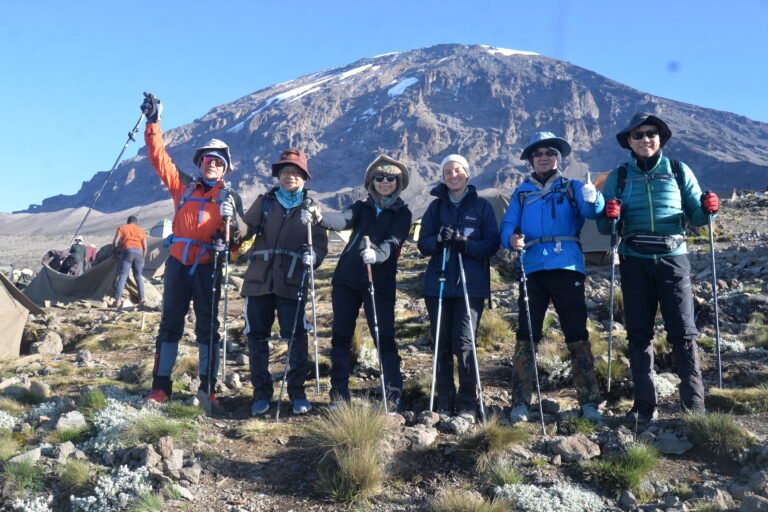
Kilimanjaro Full Moon Climb 24 December – Group Trekking 2026
Kilimanjaro Full Moon Climb 24 December 2026 – Group Trekking.
View package details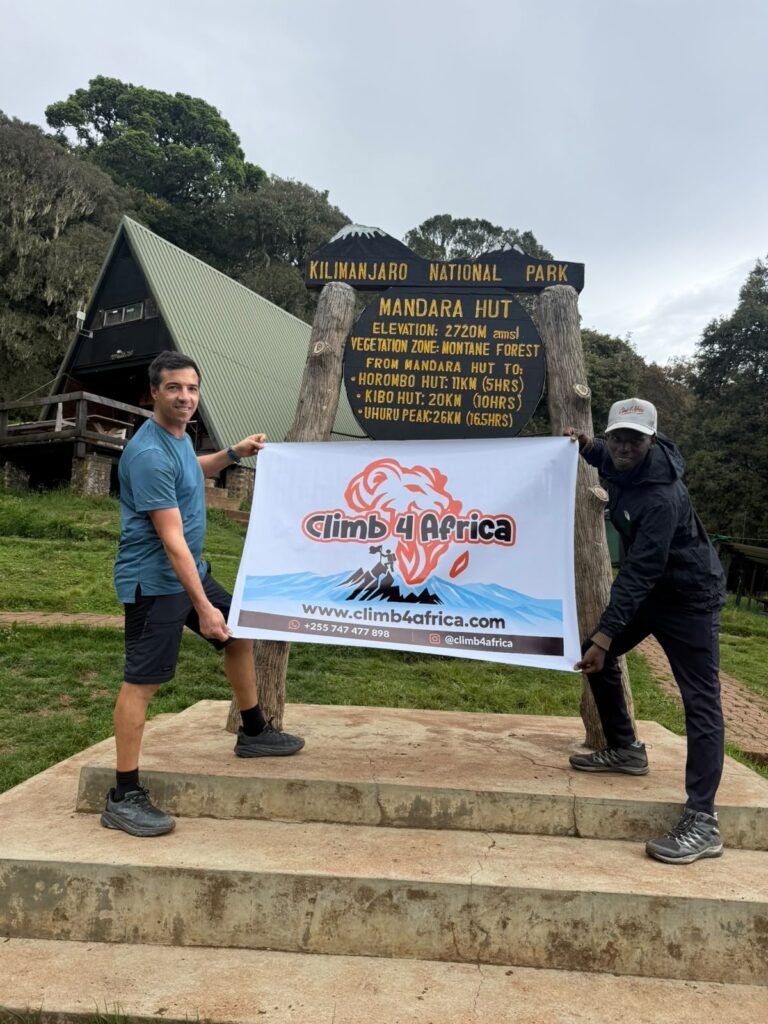
6 Days Marangu Kilimanjaro Full Moon Climb – 20–25 December 2026
6 Days Marangu Kilimanjaro Full Moon Climb – 20–25 December 2026.
View package details7 Days Rongai Kilimanjaro Christmas Trek – 20–26 December 2026
7 Days Rongai Kilimanjaro Christmas Trek – 20–26 December 2026.
View package details5 Days Marangu Kilimanjaro Full Moon Trek – 21–25 December 2026
5 Days Marangu Kilimanjaro Full Moon Trek – 21–25 December 2026.
View package details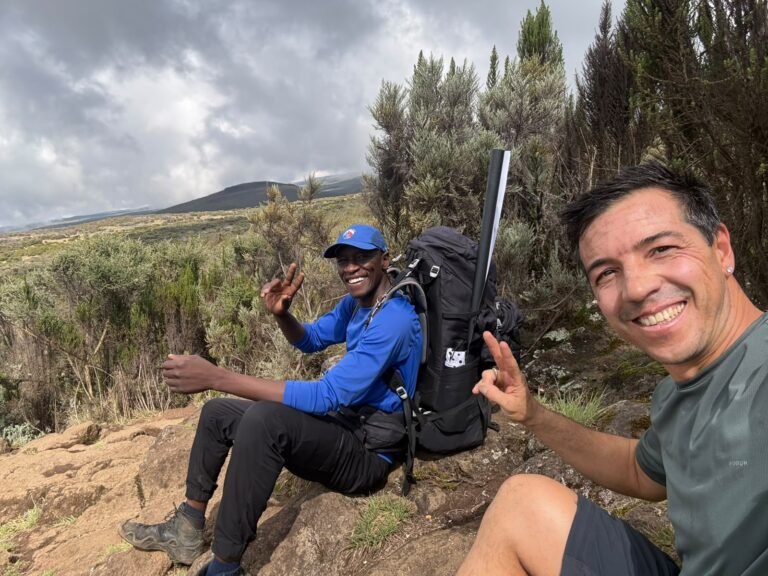
8 Days Shira Kilimanjaro New Year Trek – 26 December – 2 January 2026
8 Days Shira Kilimanjaro New Year Trek – 26 December 2026 – 2 January 2027.
View package details7 Days Rongai Kilimanjaro Climbing Tour – 4–10 December 2026
7 Days Rongai Kilimanjaro Climbing Tour – 4–10 December 2026.
View package details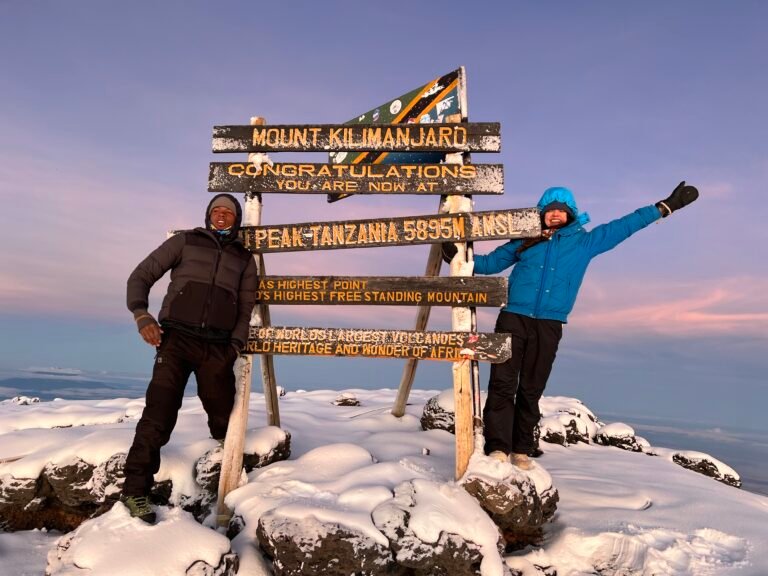
Kilimanjaro New Year Eve Climb – 31 December Summit 2026
Kilimanjaro New Year Eve Climb – 31 December 2026 Summit.
View package details6 Days Rongai Route Kilimanjaro Hiking – 6–11 December 2026
6 Days Rongai Route Kilimanjaro Hiking – 6–11 December 2026.
View package details6 Days Marangu Kilimanjaro New Year Climb – 28 December – 2 January 2026
6 Days Marangu Kilimanjaro New Year Climb – 28 December 2026 – 2 January 2027.
View package details6 Days Marangu Kilimanjaro Christmas Holiday Climb – 21–26 December 2026
6 Days Marangu Kilimanjaro Christmas Holiday Climb – 21–26 December 2026.
View package details5 Days Marangu Route Kilimanjaro Group Climb – 8–12 December 2026
5 Days Marangu Route Kilimanjaro Group Climb – 8–12 December 2026.
View package details
Magical July Kilimanjaro Full Moon Climb: Expert Trekking Guide 2026-2027-2028
Discover the enchantment of a Kilimanjaro full moon climb in July. This comprehensive guide covers everything you need to know for an unforgettable 2026-2027 adventure, from choosing the...
View package detailsNo related package matches those filters. Clear one or more filters to see the other topic-matched options.



