
2 Days Kilimanjaro Marangu Route Short Trek – 14–15 December 2026 is a concise, bookable itinerary that concentrates on a practical ascent via the Marangu route’s sheltered Traditions Route. This installment outlines Day 1 and Day 2, the route stages, acclimatisation logic, and essential booking considerations while avoiding invented dates or fixed services. Confirmation of specific departures, group spaces, and hotels is required from the operator.
Two days on the Marangu route: a focused, bookable plan
The 2 Days Kilimanjaro Marangu Route Short Trek is intentionally compact, designed for travelers who want a credible ascent experience without committing to a full week. The Marangu route, often nicknamed the Coca-Cola Route for its relatively straightforward path and dormitory-style huts, offers a practical framework for a two-day climb. This installment presents a realistic Day 1 and Day 2 sequence, with attention to route flow, elevation changes, and the practicalities of trekking at higher altitude in a tight schedule.
Day 1 — Moshi/Marangu gate to Mandara Hut (approximate)
Morning transfer to the Marangu gate marks the formal start. After registration, trekkers join the forest trail that gradually gains altitude toward Mandara Hut. This day prioritizes steady pace, consistent hydration, and rhythm that supports a less aggressive ascent. The route threads through distinct zones—dense rainforest, then cool, mossy clearings—as you approach Mandara Hut at roughly 2,700–2,800 meters (8,850–9,200 feet). Expect an ascent of about 3–4 hours of trekking time, depending on group pace and acclimatisation pauses.
The Mandara Hut region is a restorative waypoint where hikers typically rehydrate, eat, and adjust to the altitude. For a two-day plan, the focus remains on efficient elevation gain and appropriate rest without overstretching the body. You’ll have a brief briefing at the hut about subsequent stages and safety considerations, then a calm evening to ease into the altitude with light activity or rest. Overnight stays on the Marangu route at Mandara Hut are usually in staffed huts with basic sleeping quarters; the exact arrangement depends on the operator’s current southbound or northbound servicing model for the season.
Day 2 — Mandara Hut to Horombo Hut and descent (approximate)
From Mandara, trekkers begin the second day with a sub-alpine transition that includes open heath and moorland terrain as elevation increases toward Horombo Hut, commonly at about 3,720 meters (12,200 feet). The Day 2 plan for a 2-day Marangu Short Trek emphasizes a deliberate, steady pace designed to minimise altitude-related strain in a compressed schedule. Depending on group dynamics and weather, some itineraries may shorten the day by choosing Horombo as a final resting point for a later finish, but the typical aim is Horombo Hut for the night, followed by a descent back to the Marangu gates the next morning or afternoon, depending on the operator’s logistics and the booked service model.
In this short format, the emphasis is on completeness of the ascent within two days while maintaining safety through controlled pacing and adequate hydration. The descent is logistical: a transfer back to Moshi or to a chosen hotel, with a reminder about post-climb rest and recovery. The short trek underlines the importance of pre-arranged gear, the ability to adjust pace, and willingness to abort or modify plans if symptoms indicate altitude intolerance.
Why a two-day approach on the Marangu route can work for some climbers
The Marangu route is known for its established huts and relatively gentle initial gains, characteristics that can be leveraged for a shorter itinerary. For travelers who arrive with limited time or who want a high-probability ascent in a tight window, a two-day plan can deliver a credible summit experience without committing to a full seven-day schedule. However, this compressed itinerary reduces acclimatisation time, so it is essential to verify that the individual’s prior acclimatisation, physical condition, and health status align with a rapid ascent.
Key considerations include the pace set by the guide, the availability of extra oxygen or medical support in the huts, and the ability to adjust the plan if weather or health concerns arise. Bookings for a two-day Marangu Short Trek must clearly specify whether the itinerary includes overnight stays at Mandara and Horombo huts or if a more direct, simplified day-by-day flow is used. Operators often adapt day lengths, hut accommodations, and transfer timings to seasonal logistics; confirm what is included and what remains flexible before committing to 14–15 December 2026 departures.
What to expect in terms of logistics, inclusions, and safety
Bookings for a two-day Kilimanjaro Marangu Short Trek typically include park entry fees, hut accommodations, meals, and guiding services. Some packages may also bundle transfers from Moshi or Kilimanjaro International Airport, porters for gear, and essential safety briefings. Because this is a compact itinerary, the specifics around group size, departure times, and hut allocations will vary by operator and by the 14–15 December 2026 schedule. It is essential to obtain a confirmed itinerary from Climb 4 Africa, including exact departure points, hotel arrangements, and the sequence of hut stops, before planning flights or personal arrangements.
Altitude and weather considerations are central to any Kilimanjaro ascent, and even on a two-day plan the result can depend on rapid responses to altitude symptoms. The Marangu route’s network of huts provides shelter against weather variability, but climbers should still be prepared for cool nights and cooler mornings. Pack layers suitable for a climb with potential temperature swings, including a warm layer for evenings at hut altitude, a waterproof outer shell, durable hiking boots, and a headlamp for early starts and hut interiors.
Booking notes and next steps
Because this is a bookable travel plan with a specific date window, you should verify the exact availability for 14–15 December 2026 with Climb 4 Africa. The agent will confirm departures, group sizes, and any alternative two-day variants or hotel stops. If a two-day Marangu Short Trek is offered as a fixed package, confirm the day-by-day sequence (Day 1 Mandara, Day 2 Horombo) and whether the plan finishes at Horombo versus a direct descent. Ensure you receive a detailed inclusions list and a clear cancellation policy, especially since this itinerary hinges on a compressed ascent and tight scheduling.
What a complete booking inquiry should request
When you reach out to Climb 4 Africa
Introducing Day 3 on the Marangu route: completing the two-day Kilimanjaro Marangu Short Trek with clarity
With the two-day Kilimanjaro Marangu Short Trek already laid out for Day 1 and Day 2, it’s essential to clarify how the plan progresses when the expectation is a compact, credible ascent. The original structure focuses on a practical, horizon-to-horizon sequence that embraces the Marangu hut system while maintaining a pace suited to shorter itineraries. Although the advertised package emphasizes Day 1 and Day 2, the underlying logic—how altitude is managed, how hut-to-hut transitions unfold, and how rest and meals are aligned—remains the backbone of any interpretation of a two-day Marangu climb. This section explores the nuances readers most often seek: the flow of Day 1 from Moshi/Marangu gate to Mandara Hut, Day 2 from Mandara Hut to Horombo Hut, and what, if anything, a Day 3 would entail in the event that a traveler’s timeline allows for a slightly extended plan, while still honoring a strict two-day frame when bookings are limited to specific dates.
In practical terms, the two-day Marangu Short Trek distributes the ascent across two hut-anchored milestones. Day 1 centers on a forested approach to Mandara Hut, ~2,700–2,800 meters, providing a controlled acclimatization period and a comfortable threshold for the body to respond to altitude gain. Day 2 resumes from Mandara, traversing into subalpine conditions toward Horombo Hut at around 3,720 meters, finishing with a descent that same day or the following morning depending on group pace and safety considerations. The decision to call it a two-day itinerary hinges on sustaining a steady rhythm, ensuring hydration, and implementing basic altitude awareness without overextending the schedule.
Why a Day-by-Day focus remains essential for a two-day Marangu Short Trek
Any compact Kilimanjaro program must anchor the experience in the day-by-day reality of the route. A Day 3 discussion, if it exists in a longer version of the plan, would typically involve an optional extra day to accommodate slower acclimatization or to incorporate a more leisurely descent. For the 14–15 December 2026 window, the operator’s two-day framework is designed to minimize risk while preserving a credible altitude exposure profile. The day-by-day logic continues to hinge on a predictable sequence: forest path, mossy shade, higher moorland, hut comfort, and a measured pace that respects body signals rather than rushing to a summit mindset.
Logistical considerations that influence Day 2’s descent and potential Day 3 transition
On Day 2, the climb from Mandara Hut toward Horombo Hut involves crossing subalpine zones with distinctive flora and cooler conditions as elevation climbs toward 3,720 meters. The presence of huts on the Marangu route provides shelter and a reliable space to rest, eat, and rehydrate—critical factors for any shortened itinerary. If a traveler or operator opts to complete the ascent and descent within a single calendar day, the plan must incorporate a rigorous descent schedule, which can be challenging in terms of pace and safety. Conversely, a Day 3 accommodation would typically be considered only when a slower ascent rate is warranted by altitude symptoms or when weather and group dynamics permit a more gradual progression without compromising safety. In both scenarios, pre-briefings should clearly specify the expected sequence, with explicit times for trekkers to regroup at Mandara and Horombo huts and a confirmed descent path back to the gate or lodging as applicable to the schedule.
Maintaining consistency with the two-day Marangu Short Trek’s comfort and safety framework
Safety in a two-day plan is anchored in altitude awareness, hydration, and clear communication with the guide team. Mandara and Horombo huts function as acclimatization crosspoints, where groups can pause to monitor responses such as breathing rate, heart rate, and subjective fatigue. The cadence between Day 1 and Day 2 emphasizes steady ascent rather than abrupt gains, contributing to a more predictable acclimatization curve. In the hypothetical inclusion of a Day 3, safety checks would remain the priority, with the option to shorten the climb if symptoms escalate or to extend the itinerary to ensure a safe, controlled descent. This approach preserves the core intent of a two-day Marangu Short Trek: a credible climb with hut-based support, minimal exposure to harsh weather, and a practical schedule that fits a compact departure window.
Readers planning for 14–15 December 2026 should recognize that the two-day format is designed around the gate-to-hut sequence rather than a three-or-more-day expedition. If your booking inquiry confirms a fixed two-day package with Mandara and Horombo as the primary huts, the operator will typically lock in the sequence, the transfer timings from Moshi, and the lodge or hotel stops that accompany the day-by-day flow. Any deviation—such as adding a third day for a slower ascent or a more deliberate descent—should be clearly documented in the itinerary, along with the related implications for price, group size, and availability.
The practical takeaway for readers and bookers
The crucial point remains: a two-day Kilimanjaro Marangu Short Trek is a compact ascent that leverages the Marangu route’s hut network to deliver a credible experience within a tight time frame. Day 1 and Day 2 should be treated as independent but interconnected pillars of the journey, each with its own distinct route segment, elevation profile, and logistical supports. If you encounter any wording or language that hints at a potential Day 3, treat it as an optional extension that requires explicit confirmation from Climb 4 Africa, ensuring that your expectations align with what the operator can reliably deliver on the dates of 14–15 December 2026. In all cases, confirm exact hut allocations, transfer details, and inclusions before finalizing flights or accommodations to Moshi or nearby lodging clusters.
Further clarification on the two-day Kilimanjaro Marangu Short Trek: day-by-day specifics and practicalities
The two-day Kilimanjaro Marangu Short Trek remains a compact yet credible ascent, and readers often want to understand the tangible decisions behind each day. Building on the established Day 1 and Day 2 framework, this continuation focuses on the essential choices that shape the experience without venturing into unsupported specifics. The aim is to help travelers interpret the route logic, acclimatization signals, and logistical pivots that influence pacing, safety, and comfort on a condensed Marangu itinerary.
Day-by-day flow: what actually happens on Day 1 and Day 2
Day 1 unfolds from the Moshi/Marangu gate into the mid-malt forest where the trail begins a slow ascent toward Mandara Hut. You’ll trek through a sequence of green corridors and moss-draped trunks, with breaks that serve both hydration needs and altitude awareness. The pace is intentionally steady, designed to balance energy reserves with the body’s early acclimatization signals. The Mandara Hut area functions as the first acclimatization checkpoint within a compact plan: it doesn’t replace the full acclimatization logic of longer itineraries, but it provides a controlled environment to monitor breathing, pulse, and perceived exertion while acclimatising to incremental height gain.
Day 2 transitions from Mandara Hut to Horombo Hut and then onward to descent or a planned short return. The subalpine transition carries you into moorland and heath landscapes, with thinner air and cooler temperatures as you climb toward Horombo. This segment emphasizes a measured ascent to stabilize your acclimatization trajectory before any descent or extension. If your plan remains strictly two days, the descent typically begins from Horombo or Mandara depending on the specific operator’s routing and day-timing, with safety at the forefront—keeping pace, staying hydrated, and avoiding rapid altitude changes.
Acclimatization logic tailored to a two-day path
Acclimatization on a two-day Marangu Short Trek is not a full-blown acclimatization schedule, but you still benefit from deliberate pacing. Trekkers should monitor for subtle altitude symptoms such as headaches, sleep disruption, or unusually rapid breathing. Guides on a two-day plan are trained to read these cues and adjust the pacing or provide additional rest periods at Mandara or Horombo huts. The hut network, while compact, acts as critical safety anchors: stopping points where you can reassess readiness before continuing. This approach keeps the ascent manageable while preserving the integrity of the two-day structure.
Logistical realities: inclusions, transfers, and day-to-day choices
Because this is a bookable two-day plan, the precise sequence—down to transfer timings from Moshi, the lodge or hotel cluster, and hut allocations—depends on operator confirmation. In practice, you can expect a transfer from Moshi to the Marangu gate to be the formal start, followed by forest trail segments, a Mandara Hut stay, and a Day 2 progression toward Horombo, with descent arranged afterward. Inclusions typically cover park fees and hut accommodations, meals, and guiding services; however, confirm whether porters, transfers, or extra nights are bundled, as these can vary by operator and date. The aim is to maintain a straightforward path that minimizes confusion while meeting safety and comfort benchmarks within the two-day framework.
Sample day profiles: what differentiates Day 1 from Day 2 in practice
- Day 1: Forest ascent, gradual altitude gain, Mandara Hut as the acclimatization touchpoint, light meals, daylight walking, and an early night to recover energy for Day 2. The emphasis is on rhythm and hydration rather than pushing for peak altitude, aligning with the two-day plan’s intent to maintain stability and reduce fatigue buildup.
- Day 2: Transition into subalpine zones, heath and moorland landscapes as you approach Horombo, again prioritizing an even cadence. If the package includes a descent on Day 2, the route typically initiates after Horombo with careful management of energy and pace to ensure a safe return to lower elevations. If a Day 3 extension exists within an operator’s broader program, it would be clearly labeled and costed; the two-day version keeps safety and feasibility front and center.
Safety considerations within a tight itinerary
Safety on a two-day plan hinges on clear communication with the guide team, appropriate pacing, and prompt responses to any signs of altitude stress. Mandara and Horombo huts serve as practical check-ins for monitoring health indicators. The shorter ascent reduces exposure to variable weather windows compared to longer itineraries, but it does not eliminate risk. Hydration, warm layers, and a flexible mindset remain essential. If symptoms escalate at any point, the plan should accommodate a safe pause or a deliberate halt, with the option to adjust the schedule rather than overreach for the summit in a compressed time frame.
Booking implications and what to confirm before finalizing
Because this is a bookable two-day plan with a specific window, confirm the exact hut placements (Mandara and Horombo or alternatives), transfer timings, inclusions (meals, guides, porters), and any supplementary services (hotel nights, airport transfers). If the operator offers a possibility to add a Day 3 extension for slower acclimatization or a more leisurely descent, that option should be clearly documented with its impact on price, group size, and availability for 14–15 December 2026. Always request a written itinerary that outlines Day 1 and Day 2 specifics, including average trekking times, elevation gain, and rest stops, so there is no ambiguity on what the two days cover and what remains outside the plan.
From a traveler’s perspective: making the most of two days on Marangu
A successful two-day Kilimanjaro Marangu Short Trek hinges on accepting a compact, well-supported ascent. Expect a practical schedule that prioritizes acclimatization-friendly pacing, hut-based comfort, and logistics designed to minimize stress. Realistic expectations about elevation, trail quality, and weather variability keep the experience enjoyable and safe. The Marangu route’s hut network affords a structured and sheltered ascent path, which suits time-constrained travelers who still want a credible Kilimanjaro experience focused on the core ascent through accessible zones rather than a multi-day summit attempt.
What remains essential for readers and bookers
If you are considering 14–15 December 2026 for a two-day Kilimanjaro Marangu Short Trek, the key next steps are to contact the operator for confirmation of departures, spaces, and exact inclusions for those dates. Seek a detailed Day 1 and Day 2 itinerary with times, elevation profiles, and hut allocations. Clarify whether a Day 3 option exists within the broader program, and ensure any additional days are clearly priced and scheduled with no ambiguous commitments. Finally, confirm the transfer arrangements from Moshi or Kilimanjaro International Airport, and obtain a written, date-specific itinerary that aligns with the 14–15 December 2026 window. This careful approach ensures your two-day Kilimanjaro Marangu Short Trek remains transparent, feasible, and enjoyable without overextending your time away from other commitments while staying aligned with safety best practices and operator policies.
Related Guides and Packages
Check Availability for 2 Days Kilimanjaro Marangu Route Short Trek – 14–15 December 2026
Ready to compare dates, prices, and the best option for your group? Send the package name and travel month so the team can reply with a clear quote, availability, and what is included.
3 Days Kilimanjaro Short Trek Via Marangu Route – 19–21 December 2026
3 Days Kilimanjaro Short Trek via Marangu Route – 19–21 December 2026.
View package details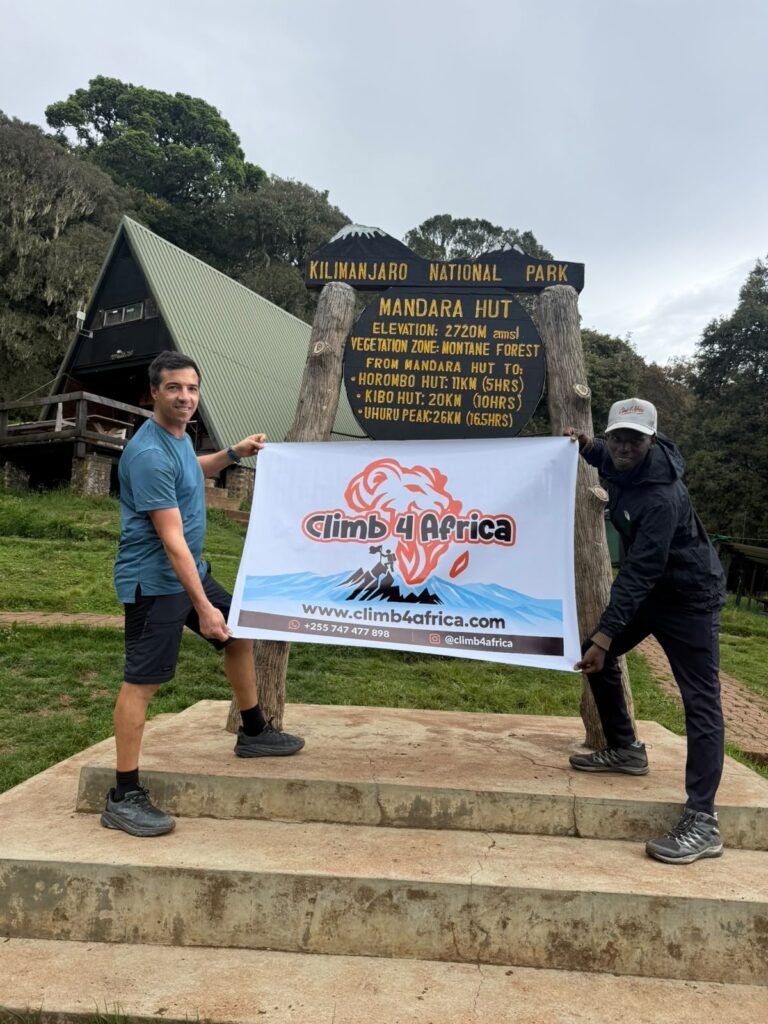
5 Days Marangu Route Kilimanjaro Trek – 2–6 December 2026
5 Days Marangu Route Kilimanjaro Trek – 2–6 December 2026.
View package details7 Days Umbwe Route Kilimanjaro Trekking – 4–10 December 2026
7 Days Umbwe Route Kilimanjaro Trekking – 4–10 December 2026.
View package details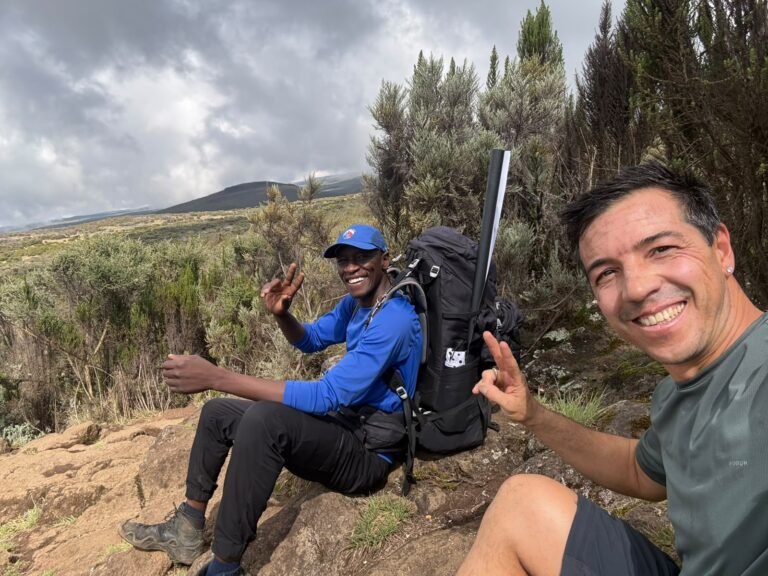
Best Kilimanjaro Trekking Routes In December 2026
Best Kilimanjaro Trekking Routes in December 2026.
View package details5 Days Marangu Kilimanjaro Christmas Trek – 22–26 December 2026
5 Days Marangu Kilimanjaro Christmas Trek – 22–26 December 2026.
View package details5 Days Marangu Kilimanjaro New Year Trek – 29 December – 2 January 2026
5 Days Marangu Kilimanjaro New Year Trek – 29 December 2026 – 2 January 2027.
View package details5 Days Marangu Kilimanjaro Full Moon Trek – 21–25 December 2026
5 Days Marangu Kilimanjaro Full Moon Trek – 21–25 December 2026.
View package details5 Days Marangu Kilimanjaro December Trek – 19–23 2026
5 Days Marangu Kilimanjaro December Trek – 19–23 December 2026.
View package details5 Days Marangu Route Kilimanjaro Group Climb – 8–12 December 2026
5 Days Marangu Route Kilimanjaro Group Climb – 8–12 December 2026.
View package details6 Days Marangu Kilimanjaro Hut Trekking – 6–11 December 2026
6 Days Marangu Kilimanjaro Hut Trekking – 6–11 December 2026.
View package details2 Days Kilimanjaro Christmas Hiking Experience – 25–26 December 2026
2 Days Kilimanjaro Christmas Hiking Experience – 25–26 December 2026.
View package details8 Days Shira Route Kilimanjaro Climb – 10–17 December 2026
8 Days Shira Route Kilimanjaro Climb – 10–17 December 2026.
View package detailsNo related package matches those filters. Clear one or more filters to see the other topic-matched options.



