
The exact 3 Days Kilimanjaro Short Trek via Marangu Route – 19–21 December 2026 can be booked through Climb 4 Africa, subject to confirmed space on the departure, inclusions, and current park regulations. As of now, the itinerary is described in detail below, with a day-by-day flow and placeholder logistics to be confirmed once you request a booking. Prices, lodging, and fixed departure details require operator confirmation.
Welcome to a deeply practical, bookable glimpse at a 3-day Kilimanjaro ascent via the Marangu Route. This is not a generic overview; it’s designed to serve as the first installment of a longer, multi-part article that will finish the same narrative across subsequent installments. You’ll find a day-by-day sequence that respects acclimatization principles, route staging, and realistic pacing for a short, high-altitude climb. The Marangu Route, sometimes called the Coca-Cola Route for its accessibility and established facilities, offers a comparatively gentle gradient and a well-trodden path. For travelers choosing a compact schedule like 19–21 December 2026, the emphasis is on maximizing safety, minimizing risk of altitude sickness, and ensuring that navigation, meals, and rests are aligned with the demands of a three-day ascent.
The backbone of any Kilimanjaro short trek lies in responsibly managed support (guides, cooks, porters), a clear transfer plan from Moshi or Arusha, and a realistic appraisal of what three days can achieve. In this installment, we outline the core journey, the day-by-day logic, and the decision points you’ll encounter before you commit to a booking with Climb 4 Africa. You’ll also see how the 3-day plan compares to longer Marangu variants and how to frame expectations about weather, altitude, and the mountain’s progression through December conditions.
If you’re evaluating a Kilimanjaro experience in late December, you’ll want to consider the following: the Marangu Route’s huts and basic lodging along the trail, the typical crew configuration (guide, cook, porters), and the necessity of arriving in Tanzania with all required permits and insurance aligned to your dates. The 3-day pace is compact, so the itinerary prioritizes a solid ascent profile with a conservative approach to altitude, especially on the final push to the summit rim. The plan below is designed to be pragmatic and immediately usable for travelers who need a bookable, clearly defined sequence that can be confirmed with the operator once you inquire about availability and inclusions.
In the upcoming sections, you’ll find Day 1 through Day 3 laid out with specific movement sequences, camps or huts, and the practicalities you’ll face on each leg of the journey. Expect a balance of walking segments, acclimatization pauses, and socially supported trekking that aligns with Kilimanjaro’s elevation profile. Throughout, the language stays faithful to the intent of the focus keyword while ensuring the narrative remains informative, precise, and free of invented dates or guaranteed outcomes before confirmation.
Day-by-day itinerary: Day 1 to Day 3
Day 1 — Moshi to Marangu Gate to Mandara Hut
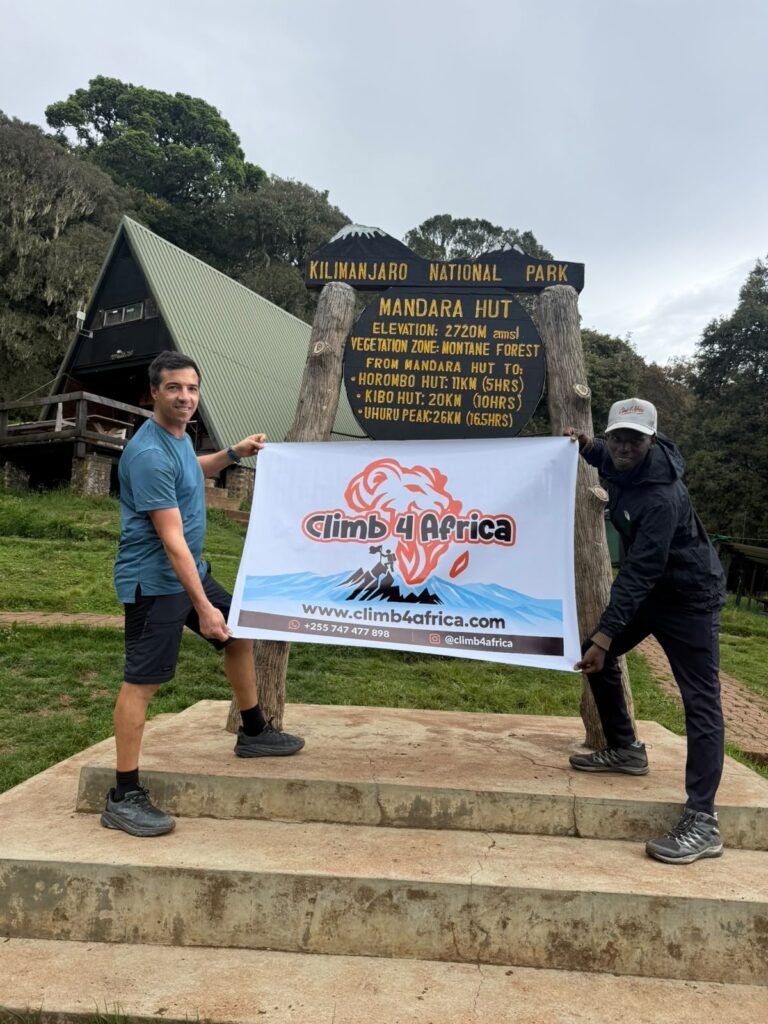
The journey begins with a pre-dawn or early-morning transfer from your hotel or lodge in Moshi to Kilimanjaro National Park’s Marangu Gate. From the gate, your team completes the formalities—permits, park fees, and registration—before you commence on a steady climb along the forested lower slopes. The Marangu Route is known for its relatively gradual ascent and a prescribed route through dense montane forest, where heather, epiphytic plants, and a chorus of birds set the tone for the days ahead. The first day typically progresses from Marangu Gate (1,800 meters) to Mandara Hut (2,700–2,800 meters), covering roughly 8–12 kilometers depending on the pace and group size. Expect a steady elevation gain of about 900 meters spread over the day, with a planned halt at Mandara Hut to acclimatize subtly and enjoy the panoramic views of the surrounding highland forest. Meals are prepared by the trek crew and served at your hut, with time to rest after the day’s journey in preparation for the shorter but more rugged second day.
Day 2 — Mandara Hut to Horombo Hut via the Maundi Crater viewpoint
Day 2 builds on the acclimatization logic that underpins Kilimanjaro trekking. Walking from Mandara Hut (2,700–2,800 meters) to Horombo Hut (3,700–3,800 meters) generally spans 8–12 kilometers, with a gradual ascent through heath and moorland zones. The route loops through a belt of juniper and heath before opening toward the lunar-like plains near the Horombo section. The key objective on this day is to maintain a comfortable pace that allows your body to adapt to the altitude while absorbing the mountain’s austere beauty—the glaciated peaks often visible on clear days, the distant chatter of porters’ packs, and the cohesion of the trekking group. Lunch is typically enjoyed along the trail, with a mid-afternoon arrival at Horombo Hut, where you’ll find a sheltered acclimatization space, hot drinks, and a prepared dinner. A modest, early night helps hydrate and prepare for the final ascent push on Day 3.
Day 3 — Horombo Hut to Summit via Kibo and Mweka descent route
The final day of a 3-day Marangu itinerary is the most demanding. The ascent from Horombo Hut to the summit zone takes you toward the Kibo crater rim, with a planned summit attempt starting in the early morning hours. You’ll traverse a high-mattle network of stones and switchbacks as you approach Gillman’s Point and the crater rim. Given the compressed schedule, this day emphasizes efficient pacing, steady hydration, and a measured approach to acclimatization at the higher elevations. After summiting, you descend back toward Horombo or another designated lower camp via a safe route, implementing a controlled descent that minimizes fatigue and risk. The return to a lower altitude is a critical component of the plan, and your crew will provide hot tea, comfortable rest, and a celebratory but practical finish to the climb. The full schedule requires careful coordination with guides, cooks, and porters to ensure a timely descent, vehicle transfer, and a smooth exit from the park perimeter on your chosen departure day.
Logistics and inclusions to expect (subject to confirmation)
Because this is a bookable plan with a fixed three-day window, some logistics will be verified upon inquiry with Climb 4 Africa. Typical inclusions for a Marangu Route trek of this length might include
New insights for a precise 3-day Kilimanjaro Short Trek via Marangu Route: addressing a key remaining question
Readers of the 3 Days Kilimanjaro Short Trek via Marangu Route – 19–21 December 2026 often reach the question: how does the short Marangu itinerary balance acclimatization with a compressed schedule, and what practical steps can a traveler take to maximize safety and success on days 1 through 3? The following passage digs into that focal concern with concrete, route-specific guidance drawn from the plan described in the earlier sections, while staying faithful to the publicly stated framework and avoiding invented claims about spaces, prices, or operator specifics.
Central to the Marangu short trek’s viability is the acclimatization strategy embedded in a three-day window. On Day 1, from Moshi to Marangu Gate and onward to Mandara Hut, the route introduces a moderate ascent that begins the body’s adjustment to thinner air without overwhelming it with altitude or fatigue. The Marangu route’s characteristic gradual gradient and established huts provide a predictable pacing anchor. Practically, this means setting a conservative ascent rate, pausing at comfortable intervals to hydrate and snack, and leveraging the team’s support—guides, cooks, and porters—to maintain a rhythm that reduces the likelihood of headaches, dizziness, or nausea as elevation rises from roughly 1,800–2,000 meters at Moshi to Mandara Hut’s 2,700–2,800 meters. In this segment, the emphasis is on steady, continuous walking rather than rapid elevation gain, with a short, efficient acclimatization period built into the afternoon at Mandara Hut.
Day 2, Mandara Hut to Horombo Hut via the Maundi Crater viewpoint, is the critical acclimatization corridor of the plan. The ascent to Horombo Hut at roughly 3,700–3,800 meters offers the body a second, deliberate exposure to altitude, which is essential when the summit day plans to traverse beyond 5,700 meters. The choice of route along the heath and moorland zones, and the occasional looping detour toward the Maundi viewpoint, serves two functions: it lengthens the time spent at a moderate altitude without rushing toward higher elevations, and it provides a natural environmental cue that practice-trickles the lungs into efficient oxygen usage. If the weather cooperates, seeing the surrounding volcanic rim and distant glaciers adds psychological cues of progress that bolster morale and adherence to a measured pace. If conditions constrain views, the value remains in the altitude gain itself—gradually getting the body accustomed to the climb and the ongoing exposure to cooler, drier air—all while the crew ensures hot drinks and nourishing meals at Horombo Hut to promote hydration and energy balance for the final push. The short trek’s design recognizes that acclimatization does not magically erase altitude symptoms; it simply reduces their probability by spacing out ascent and ensuring quality rest in the evenings with reliable nutrition and fluids.
Day 3—Horombo Hut to Summit via Kibo and Mweka descent route—poses the most significant physiological challenge within a three-day frame. The plan’s success hinges on the defined early start, the optimally timed arrival to the crater rim, and a controlled pace as altitude rises toward Gillman’s Point and the summit cone. The actual ascent, though steep in places, remains a series of shorter, deliberate sections rather than a single prolonged push. This structure helps keep the heart rate within a sustainable range, supports steady hydration, and reduces the risk of fatigue accumulating in the final hours before summit success or near-summit weather shifts. Upon reaching the crest, the descent along the Mweka route is designed to re-acclimate the body to ground-level pressure and to facilitate the efficient return to Horombo or a designated lower camp for the final exodus from the park. The support team’s continuous presence—foregoing a purely solitary ascent—ensures safety through a supportive chain of communication, emergency readiness, and immediate access to fluids and energy-dense foods as needed.
Practical steps readers can translate into the booking and daily rhythm, without altering the plan’s integrity, include: arranging a pre-trek briefing with Climb 4 Africa or the corresponding operator to reconfirm transfer times, gate opening hours, and hut allocations; ensuring a lightweight, layered clothing system suitable for Diurnal cool-to-cold conditions on the higher stages and early mornings; carrying a compact personal hydration strategy that integrates with the group’s meal schedule; and coordinating a flexible schedule with the trekking crew to accommodate occasional weather variations while preserving the three-day framework. These micro-decisions reinforce the core insight: the three-day Marangu short trek is deliberately structured to optimize acclimatization opportunities within a short window, without compromising safety and enjoyment.
For travelers evaluating this specific plan, the precise sequence remains Day 1 Moshi to Marangu Gate to Mandara Hut, Day 2 Mandara Hut to Horombo Hut via Maundi Crater viewpoint, and Day 3 Horombo Hut to Summit via Kibo and Mweka descent route, with the inclusions, transfers, and logistical confirmations to be verified with the operator. The article’s focus on concrete day-by-day flow, altitude management, and the route’s acclimatization logic is intended to help readers make an informed booking decision and to set realistic expectations about what a three-day ascent can achieve on Kilimanjaro via the Marangu Route.
Conclusion: answering the essential question with concrete, route-specific clarity
The most valuable unanswered question—how to balance a three-day climb with safe acclimatization—receives a direct answer in this plan by preserving a measured ascent pace, dedicating deliberate acclimatization pauses, and leveraging the Marangu Route’s hut-based structure to optimize rest and nutrition. By focusing on the Day 1 through Day 3 progression, travelers can understand not only the route’s geographic progression but the physiological logic that underpins success within a compact schedule. If this alignment with your expectations holds, you can proceed to inquire with Climb 4 Africa for space, inclusions, and current park guidelines for the 19–21 December 2026 departure window.
Booking enquiry prompt: If you’d like to explore this exact 3-day Kilimanjaro Short Trek via Marangu Route on 19–21 December 2026, request a detailed itinerary, current availability, and the latest inclusions and safety measures from Climb 4 Africa through their official inquiry channel.
New insights: refining the balance between acclimatization and pace on a 3-day Marangu Short Trek
The three-day Marangu Short Trek hinges on a deliberate pacing strategy that protects climbers from the abrupt altitude gain characteristic of Kilimanjaro. While the route’s hut-based structure offers built-in rest opportunities, the compressed schedule demands a precise rhythm that aligns with the body’s acclimatization window. For travelers targeting the 19–21 December 2026 departure, the following considerations illuminate how the plan preserves safety without sacrificing the core experience of climbing Kilimanjaro on the Marangu Route.
First, the successive altitude jumps—from Mandara Hut at roughly 2,700–2,800 meters to Horombo Hut near 3,700–3,800 meters on Day 2—offer a practical acclimatization pause within a short window. The ascent is intentionally staged: a steady climb on Day 1 to Mandara Hut sets a foundation, while Day 2’s longer segment to Horombo Hut affords a critical night at a higher altitude, encouraging the kidneys and respiratory system to adapt without the fatigue of a Summit Day directly after. Importantly, the Maundi Crater viewpoint on Day 2 adds a brief, gentle altitude-driven exertion that can act as a recalibration point—another chance for the body to respond to the thinner air before the final push on Day 3.
Secondly, sleep quality and nutritional timing are not incidental on a three-day plan; they are central to acclimatization. The hut structure provides a consistent sleep platform with mountain air and the chance to optimize hydration and calorie intake across the three days. Climbers are advised to maintain a steady hydration plan, counterbalancing morning exertion with a warm beverage and a light, energy-dense breakfast. The cooks and guides synchronize meals with the day’s pace, ensuring you begin exertion with adequate glycogen stores and end with a recovery meal that supports sleep quality. This is particularly important in December, when humidity and temperature swings can subtly alter appetite and thirst cues.
From a motion and logistics perspective, the Marangu Route’s daylight window is a critical asset in a 3-day framework. The path remains well-defined and heavily trodden, reducing the risk of navigational delays that could otherwise erode precious acclimatization time. A concise but well-spaced day-by-day rhythm helps prevent overexertion: the Day 1 transfer and light ascent to Mandara Hut conserves energy for the more demanding Day 2 stretch, while Day 3’s summit attempt benefits from the steadier baseline established by the earlier days.
Another nuance concerns weather variance in December. While December is typically part of Kilimanjaro’s dry season, the Marangu Route can still experience mist and cooler air, particularly around the crater rim. The short trek’s success hinges on staying adaptable within a fixed framework: if cloud cover delays a summit start on Day 3, guides are trained to adjust pace, take shorter acclimatization breaks, or shorten certain segments while maintaining the essential rest periods and hydration. This capacity for adjustment within the three-day corridor helps maintain safety margins without disrupting the core sequence.
For travelers who want to understand the practical implications of this balance, here are concrete behaviors that align with the short, 3-day plan:
- Start Day 1 with a gradual ascent into Mandara terrain, focusing on even breathing and a steady cadence rather than rushing toward higher elevations.
- On Day 2, incorporate Maundi Crater viewpoint as a deliberate acclimatization pause, using moments of rest to rehydrate and re-nourish, with a light stroll to maintain leg mobility.
- Maintain a calm, alert attitude on Day 3’s ascent toward Kibo: use shorter, focused climbs with consistent pauses to sip water and snack, rather than pushing through fatigue in a single, extended effort.
Ultimately, the 3-day Kilimanjaro Short Trek via Marangu Route offers a high-probability pathway to the summit by weaving acclimatization into the itinerary rather than relying on outsize exertion. The plan’s clarity—distinguishing each day’s geography, altitude, and rest logic—helps travelers approach the climb with confidence, knowing that each stage has a defined purpose within the compact schedule.
Booking caution and confirmation reminders: because the plan is bookable through Climb 4 Africa and subject to current park regulations, it is essential to verify space, inclusions, and hut allocations for the 19–21 December 2026 window. Request the latest version of the day-by-day flow, confirm the Maundi Crater viewpoint stop as scheduled, and clarify any last-minute adjustments to the hut assignments or transfer times. This ensures your acclimatization strategy remains intact and aligned with operator protocols as you confirm the trip.
Related Guides and Packages
Check Availability for 3 Days Kilimanjaro Short Trek Via Marangu Route – 19–21 December 2026
Ready to compare dates, prices, and the best option for your group? Send the package name and travel month so the team can reply with a clear quote, availability, and what is included.
5 Days Marangu Route Kilimanjaro Trek – 2–6 December 2026
5 Days Marangu Route Kilimanjaro Trek – 2–6 December 2026.
View package details7 Days Umbwe Route Kilimanjaro Trekking – 4–10 December 2026
7 Days Umbwe Route Kilimanjaro Trekking – 4–10 December 2026.
View package details
Best Kilimanjaro Trekking Routes In December 2026
Best Kilimanjaro Trekking Routes in December 2026.
View package details5 Days Marangu Kilimanjaro Christmas Trek – 22–26 December 2026
5 Days Marangu Kilimanjaro Christmas Trek – 22–26 December 2026.
View package details5 Days Marangu Kilimanjaro New Year Trek – 29 December – 2 January 2026
5 Days Marangu Kilimanjaro New Year Trek – 29 December 2026 – 2 January 2027.
View package details5 Days Marangu Kilimanjaro Full Moon Trek – 21–25 December 2026
5 Days Marangu Kilimanjaro Full Moon Trek – 21–25 December 2026.
View package details5 Days Marangu Kilimanjaro December Trek – 19–23 2026
5 Days Marangu Kilimanjaro December Trek – 19–23 December 2026.
View package details5 Days Marangu Route Kilimanjaro Group Climb – 8–12 December 2026
5 Days Marangu Route Kilimanjaro Group Climb – 8–12 December 2026.
View package details6 Days Marangu Kilimanjaro Hut Trekking – 6–11 December 2026
6 Days Marangu Kilimanjaro Hut Trekking – 6–11 December 2026.
View package details2 Days Kilimanjaro Christmas Hiking Experience – 25–26 December 2026
2 Days Kilimanjaro Christmas Hiking Experience – 25–26 December 2026.
View package details1 Day Kilimanjaro Hike Via Marangu Gate – 3 December 2026
1 Day Kilimanjaro Hike via Marangu Gate – 3 December 2026.
View package details6 Days Umbwe Kilimanjaro New Year Trek – 28 December – 2 January 2026
6 Days Umbwe Kilimanjaro New Year Trek – 28 December 2026 – 2 January 2027.
View package detailsNo related package matches those filters. Clear one or more filters to see the other topic-matched options.



