
For 5 December 2026, a 1 Day Kilimanjaro Rainforest Hiking Tour can be booked as a guided, shorter ascent through Kilimanjaro’s rainforest zone, typically starting from a suitable trailhead near Moshi or Arusha. Availability, exact departure times, and inclusions must be confirmed with Climb 4 Africa, but a standard plan involves a day trip with a professional guide, park entry fees, and a return transfer. Contact Climb 4 Africa to verify space for 5 December 2026 and the current logistics, as dates and spaces are subject to group availability.
Introduction and intent
The request for a 1 Day Kilimanjaro Rainforest Hiking Tour – 5 December 2026 frames this installment as the first in a sequence that treats a single, bookable day on Kilimanjaro’s lower forested slopes as a complete travel product. Kilimanjaro’s rainforest zone sits on the southern and eastern aspects of the mountain, where fertile microclimates support dense vegetation, moss-draped branches, and a chorus of birdlife. For a one-day format, the journey prioritizes accessibility, safety, and a meaningful sense of immersion rather than summit ambitions. The purpose is to deliver a practical, step-by-step overview that a prospective client could use to plan, compare, and book confidently with Climb 4 Africa, while keeping the focus tightly on the promised date and product type.
From inquiry to booking: what this 1-day plan requires
A genuine bookable day on Kilimanjaro’s rainforest requires upfront alignment on a few practical realities: the day’s length, start point relative to your base, the forest altitude band you’ll cover, and the constraints of permission and park rules. For 1 Day Kilimanjaro Rainforest Hiking Tour – 5 December 2026, expect a compact itinerary that begins with pickup near Moshi or Arusha, briefings on acclimatization considerations, a guided forest walk along a well-maintained path, and a controlled ascent that respects altitude limits. Confirming the exact departure window, vehicle type, and whether a vehicle shuttle is included depends on operator logistics and local conditions at the time of booking.
Typical route structure and why it works for a single day
In a one-day rainforest-focused itinerary, the route emphasizes reachable elevation gain, habitat variety, and a ring-fenced area of Kilimanjaro’s mid-altitude forest. A common structure (subject to guide-led adjustments) might include a morning transfer to the forest gateway, a warm-up ascent through mossy trunks and cloud-filtered light, a mid-forest stand of birdlife and endemic plant species, and a return via the same or a parallel trail to minimize cumulative effort. This approach ensures a rewarding sense of progress without pushing beyond safe limits for a day trip. Climb 4 Africa typically tailors departures to client origins and traffic patterns, so exact start times will be fixed at booking stage.
Important considerations for 1-day rainforest treks
- Altitude and acclimatization: While this route stays at relatively moderate elevations, the Kilimanjaro rainforest zone sits around 1,800–3,000 meters (5,900–9,800 feet). Clients should disclose any respiratory or medical constraints and be prepared for a brisk pace on uneven ground.
- Physical readiness: Even a day hike in the forest requires good stepping stability and comfortable walking shoes with grip suitable for damp, leaf-littered surfaces.
- Weather and footing: Rainforest conditions can be wet and humid; expect slippery sections and a need for light waterproof layers, plus sun protection for exposed clearings.
- Logistics: Transport, park fees, and lunch/snacks are determined by the operator. The 5 December 2026 date will require confirmation of available spaces and confirmable inclusions.
Day-by-day structure for the published date
Because this is a single-day itinerary, Day 1 covers what you would experience on 5 December 2026. The following outline is a practical, transport-backed sequence designed to maximize forest immersion while keeping safety and comfort as top priorities. It’s presented to aid booking discussions with Climb 4 Africa and to help travelers compare similar 1-day rainforest options offered by the operator or competing outfits.
Day 1: Kilimanjaro Rainforest Trail – 5 December 2026
Early morning: Pickup from your hotel or a designated meeting point in Moshi or Arusha, depending on where you’re staying. A brief on the day’s plan, safety briefing, and a check of personal equipment, including proper footwear, a light rain shell, and a hat for sun or shade as needed.
Mid-morning: Transfer to the rainforest gate, followed by sign-in with park authorities where required. The first miles traverse a world of green: epiphytic plants, immense tree trunks, ferns, and the constant call of forest birds. Your guide explains the ecological significance of the zone, including the role of cloud cover in sustaining mosses and endemic species at this altitude.
Practicalities you’ll need before booking
To ensure the 5 December 2026 departure runs smoothly, confirm with Climb 4 Africa that the following elements are viable for the date you plan to travel: the exact meeting point, whether the trip includes a picnic lunch or snacks, a rain jacket or poncho policy, the size of the group, and the cancellation policy should weather or local restrictions require modification. The operator publishes confirmed itineraries and inclusions closer to the departure date, but since this is a bookable single-day product, these details should be cemented at the time of your booking confirmation.
Comparing likely variants for a rainforest day trip
While a single day on Kilimanjaro’s rainforest zone is standardized in concept, two primary variants typically surface in operator catalogs: a shorter, forest-portion walk emphasizing botanical highlights and birding, and a slightly longer stroll with more elevation gain for those comfortable with modest ascents. Differences that matter for 5 December 2026 bookings include the exact trailhead, the total distance, the time spent on foot, and the optional inclusions (lunch, refreshments, or a post-hike transfer). If you’re deciding between variants, ask Climb 4 Africa for the specific route option available on 5 December 2026 and how each aligns with your fitness level and expectations.
What you should ask when you contact Climb 4 Africa
<p
Beyond the brief: the practical rhythm of a 1-day Kilimanjaro Rainforest Hiking Tour on 5 December 2026
While the publicly visible outline for a 1-day Kilimanjaro Rainforest Hiking Tour centers on a compact forest immersion, the hidden choreography—those precise micro-decisions a guide makes in real time—defines the day as a coherent, safe, and rewarding experience. In this section we explore the practical rhythm you should expect on the ground, grounded in the known constraints of Kilimanjaro’s rainforest zone and the operational discipline of Climb 4 Africa for a 5 December 2026 departure.
The day’s tempo is deliberately conservative at the outset. The driver/guide timetable is calibrated to avoid the mid-morning heat peak and to align with park gate opening times. A typical starting window near Moshi or Arusha allows a calm transfer into the forest zone, followed by a safety briefing that revisits the day’s pace, weather contingencies, and personal pacing cues. This briefing isn’t perfunctory; it’s a practical re-affirmation of what you can reasonably achieve in the minutes that follow—an important distinction in a humid, altitude-affected environment where visibility for walking speed can shift with cloud cover or wind through the canopy.
Ascendancy through Kilimanjaro’s rainforest is a measured ascent, focusing on a few hundred meters of elevation gain rather than a marathon. The route threads through moss-draped trunks, lichen-adorned branches, and streams that weave the trail into a living classroom. Your guide will pause at plant communities distinctive to this altitudinal band—tropical understory plants that thrive on the moisture gap, the distribution of epiphytes on old-growth trees, and the subtle shifts in bird activity that betray the changing microhabitats. Rather than a checklist-driven scramble, the experience becomes a guided observation exercise, encouraging you to notice the texture of the air, the sound of the forest, and the interplay between sun and shade through the canopy.
Lunch, when included, is typically a simple, practical affair designed to minimize trail time while maximizing rest and hydration. A light meal or snack break is positioned to recover energy without pulling you into a long sedentary period; it’s a quick reset rather than a culinary pause. If lunch is a separate add-on, the timing is coordinated with the walk’s cadence to ensure you return to the vehicle before any significant rain event or cool-down period that could reduce comfort after the hike.
Safety is threaded through every decision point. Footing is influenced by damp leaf litter, which can be slippery after brief showers. The guide’s pace is tailored to the group’s two or three strongest walkers, with your personal comfort and any medical considerations acknowledged and accommodated. Emergency procedures—brief, visible, and practiced—include what to do if a trail section becomes unexpectedly exposed to rain or if a member needs to slow down for a moment due to altitude or fatigue. The forest’s humidity and the thinner air at this elevation require good hydration; water availability is a critical logistic detail that guides how much you should drink and when to take small breaks.
Weather in the Kilimanjaro rainforest can shift quickly. A 5 December 2026 departure is likely to experience a temperate morning that mellow into mid-mortem cloudiness, with potential drizzle that quickly dries in sun pockets. The guide’s contingency plan may involve a brief pause at a sheltered understory location if visibility dips, followed by a gentle continuation when conditions improve. This adaptability is not a concession to comfort but a strategic response to preserve safety and maximize forest exposure while maintaining the day’s overall duration within a typical half-day frame.
Departures in this market segment emphasize an intimate, not exhaustive, exploration: you won’t traverse every path in Kilimanjaro’s rainforest, but you will experience a representative cross-section of the zone’s ecological variety. The aim is immersion and education, not conquest; this is why the route prioritizes observable biodiversity, a relaxed pace, and meaningful interpretive stops rather than a relentlessly uphill slog. For a traveler who arrives with curiosity about mosses, birds, and the ecological services the forest provides, the day delivers a strong value proposition: a compact, well-curated encounter with Kilimanjaro’s rainforest that respects both nature and the traveler’s energy limits.
Crafting your personal pacing within the scheduled framework
One of the most valuable practical insights for booking a 5 December 2026 forest day is to tailor expectations to your own pace within the fixed itinerary. If you typically walk 5–8 kilometers at a comfortable pace, this one-day plan should feel accessible, with the added benefit of micro-pauses that let you savor observations without turning the day into a long endurance event. If you’re a birdwatcher or a nature photographer, you’ll appreciate the guide’s ability to accommodate short additional stops for spotting and framing. The guiding principle is to balance engagement with exertion, ensuring you finish with a sense of completion rather than fatigue.
Communication with Climb 4 Africa before booking remains essential. Confirm the day’s exact start and end times, as well as any known trailhead specifics, since even a small variation in location can influence the walk’s length and scenery. A good operator will provide you with a confirmed schedule only after verifying current park rules and the day’s access conditions, which are subject to change due to weather, permissions, or local authorities.
What makes the Kilimanjaro Rainforest Tour uniquely suitable for a single-day plan
The rainforest trek is designed to resolve several constraints common to one-day itineraries: limited time, logistical complexity, and the need to maintain high quality of experience. The chosen segment of the Kilimanjaro forest lies within a corridor where the ecological gradients remain intelligible without requiring a multi-day acclimatization program. The route’s footprint is deliberately modest in elevation gain and distance, reducing the risk of altitude-related discomfort while preserving a sense of altitude-adjacent wilderness. The day’s structure allows you to leave a comfortable hotel in the morning, arrive at a forest gate with daylight to spare, and return to your base with a full narrative of what you’ve witnessed—no late-night driving, no uncertain transfers, and no fatigue-laden travel fatigue to spoil the next day’s plans.
In sum, the 5 December 2026 Kilimanjaro Rainforest Hiking Tour is less about chasing altitude records and more about a curated forest experience that respects the season, terrain, and the traveler’s comfort. The day’s rhythm is engineered to maximize forest immersion, safety, and clarity of ecological storytelling, all within a practical, bookable package that aligns with the realities of Kilimanjaro’s lower forest zone.
Further refinements for a smooth Kilimanjaro Rainforest experience on 5 December 2026
With the day’s framework solidified, the practical focus shifts to micro-adjustments that elevate the experience without derailing safety or pacing. The Kilimanjaro Rainforest Hiking Tour on 5 December 2026 benefits from concrete contingencies: flexible transfer windows, adaptable pace within a fixed route, and a forest-aware approach to stops for wildlife and botanical highlights. This section zooms in on how to tailor the moment-to-moment rhythm while staying aligned with the documented itinerary and park requirements.
Micro- pacing within the forest corridor
The essential rhythm of a 1-day Kilimanjaro Rainforest trek is a balance between motion and observation. Even within a fixed route, guides often calibrate micro-paces—slower passages near dense epiphyte stands, faster segments through open ferns when bird activity is low, and deliberate pauses at canopy gaps where light pours through and mosses glisten. For travelers who want to optimize time for photography or field notes, communicate preferred stop lengths at booking or during pre-trek briefing. The guide typically accommodates short additional detours to capture a rare orchid, a kingfisher in flight, or a distinctive moss-draped trunk, provided these do not significantly extend the overall duration of the day.
Gear and clothing micro-choices that matter on a single-day plan
Although the day is compact, clothing and equipment choices influence comfort more than people anticipate. A lightweight, breathable rain shell with a hood, plus a small pack with a hydration bladder or water bottle, helps manage humidity and occasional spray from foliage. Footwear should be well-broken-in trail shoes or light boots with good tread. For December conditions, expect warmth during early morning transfers and potential cool, damp forest air; layering is your ally. A compact camera or smartphone with a dedicated lens for close-ups can be managed with the guide’s help, while keeping a respectful distance from wildlife and avoiding any interference with the forest’s ecologies.
Safety and health in a single-day format
Even though the forest is mid-altitude and generally less demanding than higher elevations, altitude-adjacent discomfort can arise in sensitive individuals. The guide will monitor signs of fatigue or lightheadedness, and there will be an established protocol for resting in shaded clearings and rehydration. If you have a preexisting condition, carry a note from your medical provider and ensure your emergency contact is up to date with Climb 4 Africa. Pack a small first-aid kit if your personal needs require it, with blister care and insect repellent as common inclusions in forest-day gear lists.
Interactions with other groups and environmental etiquette
The Kilimanjaro Rainforest is a shared ecological and cultural asset. On a 5 December 2026 departure, the guide will manage group dynamics to minimize noise, maintain a tight, respectful walking pace, and protect wildlife from disturbance. The day’s outline includes defined viewpoints for photography and observation, but always within the park’s guidelines and the operator’s environmental commitments. Travelers should practice Leave No Trace principles: carry out all wrappers, avoid feeding animals, and stay on marked trails to protect fragile understories and roots that are susceptible to damage from off-path stepping.
Contingencies for weather and park access
December weather in Kilimanjaro’s rainforest can present sudden changes—light rain, clouds rolling through, or brief, dense humidity. The itinerary is designed with this variability in mind: covered sections of the walk where possibilities of rain are higher, and optional sheltered pauses if rain intensifies. The operator maintains updated park access information, and your day’s schedule may shift by a short window if gates open later or if a weather advisory influences the start time. In any case, the total experience remains forest-centric and safely contained within the planned highlights.
What happens after you finish the Kilimanjaro Rainforest hike on 5 December 2026?
Upon completing the day’s circuit, the return transfer to Moshi or Arusha is typically arranged with a brief moment for a final forest reflection. Many travelers appreciate a light, restorative snack and a moment to swap photos with fellow participants before the shuttle or car journey back. The guide may offer a quick recap of notable flora and fauna, reinforcing the day’s ecological narratives and helping you frame a lasting memory without feeling rushed back to city life.
Post-tour logistics you should confirm
- Exact drop-off point and time: reconfirm whether you’ll be returned to your hotel or a designated city center meeting point.
- Included meals and drinks: verify if a picnic lunch or bottled water is included, and whether you should bring additional snacks.
- Return transfer conditions: check if a shared vehicle is used, or if a private transfer is arranged for your party, and the expected duration of the drive back.
- Photos and memory options: see if the operator can assist with a brief photo exchange or provide a shared digital album from the day.
These post-tour confirmations help ensure the 5 December 2026 experience feels complete from start to finish and reduces the likelihood of misaligned expectations on your arrival back to base.
Why this day stands out for rainforest-specific travelers
The Kilimanjaro Rainforest Hiking Tour on 5 December 2026 is crafted to maximize forest immersion without the complexities of a multi-day ascent. For botanists, birders, or travelers seeking a focused natural-history day, the itinerary offers reliable access to a diverse mid-altitude biome with a clear narrative arc: a morning ascent into the canopy, a mid-morning to early afternoon sequence of diverse microhabitats, and a late-return through a forest-edge environment that reveals the transition zones before you rejoin cultivated landscapes. The day’s design respects seasonal timing, wildlife activity patterns, and the practicalities of a single-day travel window, making it a compelling gateway experience for Kilimanjaro’s broader ecological mix.
Booking a 5 December 2026 Kilimanjaro Rainforest Hiking Tour remains contingent on operator space and local permissions, so a direct inquiry to Climb 4 Africa is essential to secure the exact timing, inclusions, and transfer arrangements for that date. By aligning your expectations with the fixed route structure and the micro-adjustments outlined here, you’ll navigate the day with confidence, fully appreciating Kilimanjaro’s rainforest secrets without feeling overwhelmed by the mountain’s more demanding regimes.
Closing thoughts on the 5 December 2026 Kilimanjaro Rainforest Hiking Tour
This single-day plan in Kilimanjaro’s rainforest offers a rare blend of ecological storytelling, accessible walking, and logistical clarity. It’s designed for travelers who want a high-quality forest experience on a fixed date, with thoughtful attention to pace, safety, and environmental stewardship. If you’re considering the 5 December 2026 departure, use the micro-pacing tips, gear guidelines, and contingencies outlined above to communicate clearly with Climb 4 Africa and to prepare for a day that reveals the forest’s quiet, intricate beauty in a compact, deeply satisfying package.
Ready to lock in your Kilimanjaro Rainforest experience for 5 December 2026? Submit an inquiry to Climb 4 Africa with your preferred meeting point, party size, and any accessibility considerations, and request a confirmed timetable and inclusions for that date.
Related Guides and Packages
Check Availability for 1 Day Kilimanjaro Rainforest Hiking Tour – 5 December 2026
Ready to compare dates, prices, and the best option for your group? Send the package name and travel month so the team can reply with a clear quote, availability, and what is included.
1 Day Kilimanjaro Hiking From Moshi – 29 December 2026
1 Day Kilimanjaro Hiking from Moshi – 29 December 2026.
View package details1 Day Kilimanjaro Hiking From Moshi – 10 December 2026
1 Day Kilimanjaro Hiking from Moshi – 10 December 2026.
View package details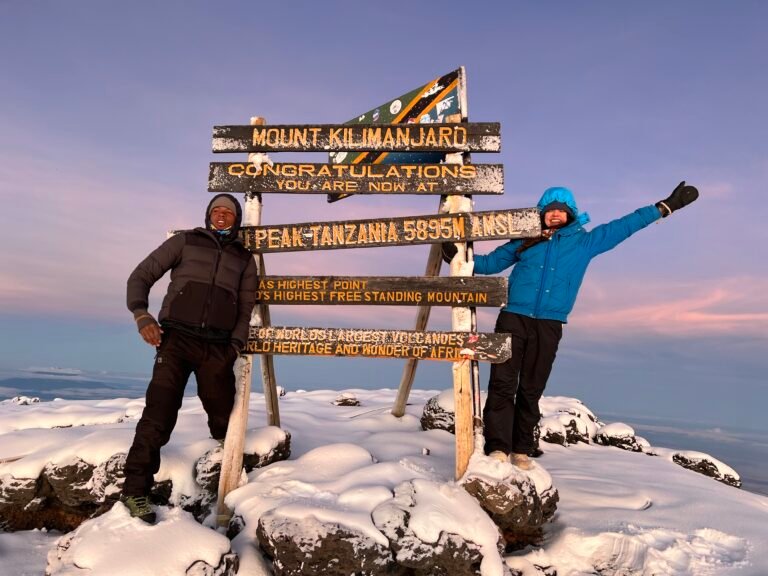
1 Day Kilimanjaro Christmas Hiking Tour – 25 December 2026
1 Day Kilimanjaro Christmas Hiking Tour – 25 December 2026.
View package details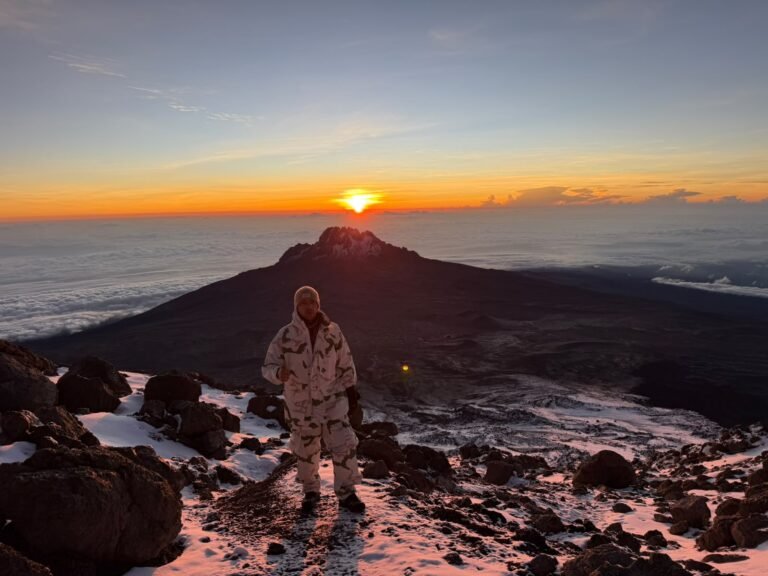
1 Day Kilimanjaro Hiking Tour From Arusha – 17 December 2026
1 Day Kilimanjaro Hiking Tour from Arusha – 17 December 2026.
View package details1 Day Kilimanjaro Hike Via Marangu Gate – 3 December 2026
1 Day Kilimanjaro Hike via Marangu Gate – 3 December 2026.
View package details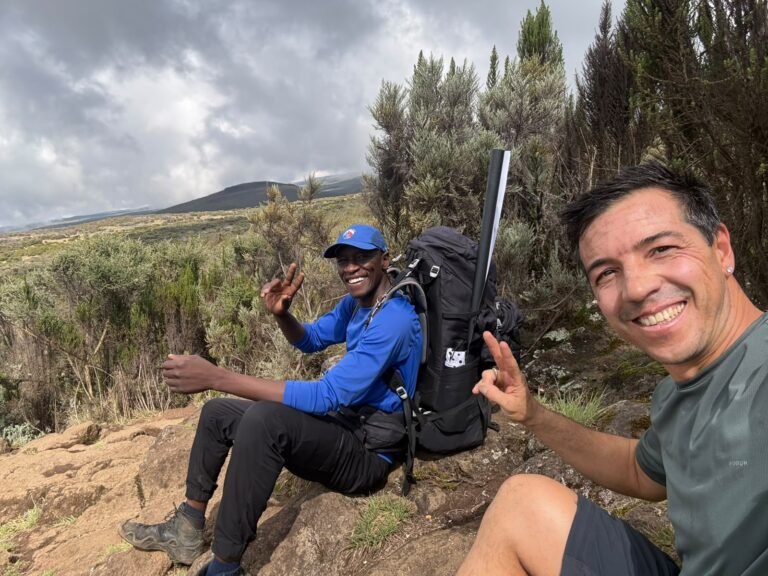
1 Day Kilimanjaro Mandara Hut Hike – 12 December 2026
1 Day Kilimanjaro Mandara Hut Hike – 12 December 2026.
View package details2 Days Kilimanjaro Christmas Hiking Experience – 25–26 December 2026
2 Days Kilimanjaro Christmas Hiking Experience – 25–26 December 2026.
View package details6 Days Rongai Route Kilimanjaro Hiking – 6–11 December 2026
6 Days Rongai Route Kilimanjaro Hiking – 6–11 December 2026.
View package details6 Days Marangu Kilimanjaro Group Hiking – 9–14 December 2026
6 Days Marangu Kilimanjaro Group Hiking – 9–14 December 2026.
View package details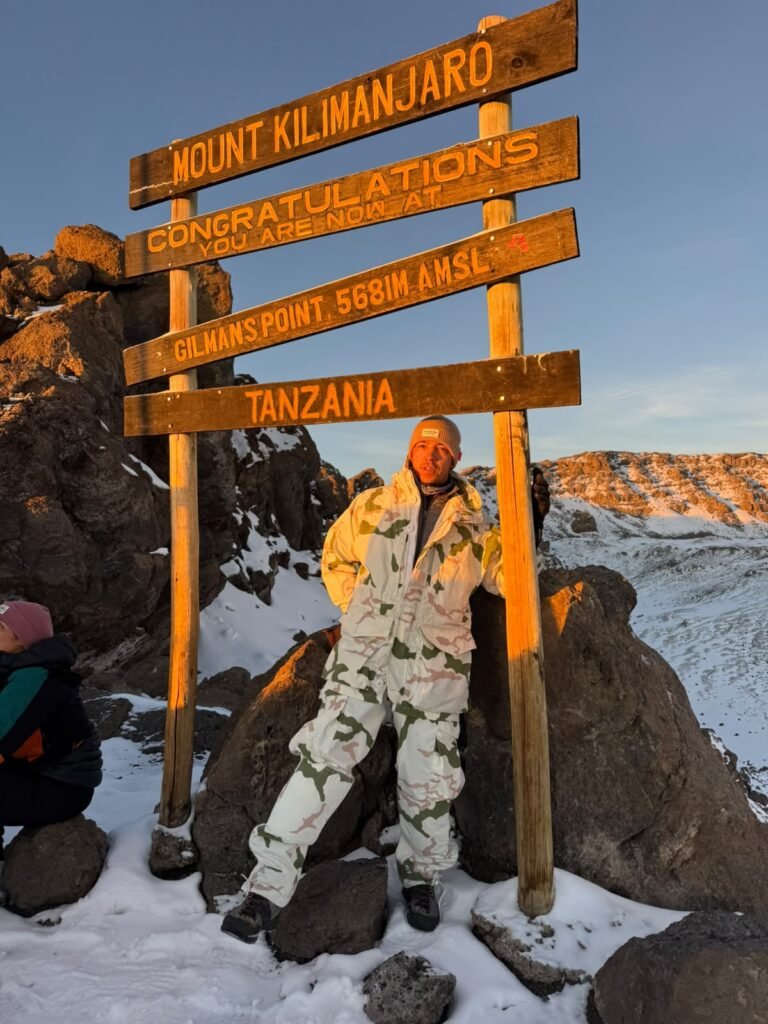
December 4, Kilimanjaro Hiking And Tanzania Wildlife Safari
December 4, 2026 Kilimanjaro Hiking and Tanzania Wildlife Safari.
View package details3 Days Kilimanjaro Short Trek Via Marangu Route – 19–21 December 2026
3 Days Kilimanjaro Short Trek via Marangu Route – 19–21 December 2026.
View package details6 Days Umbwe Kilimanjaro New Year Trek – 28 December – 2 January 2026
6 Days Umbwe Kilimanjaro New Year Trek – 28 December 2026 – 2 January 2027.
View package detailsNo related package matches those filters. Clear one or more filters to see the other topic-matched options.



