
In a single day, a Kilimanjaro hike from Moshi on 10 December 2026 is possible only as a guided, short-arc summit objective using a fast, acclimatization-conscious route like the Marangu or Rongai approach, with strict safety limits and small-group logistics. This installment outlines the key decisions, required fitness, gear, and what must be confirmed with Climb 4 Africa for actual availability, departures, and inclusions. A genuine one-day ascent emphasizes a guided ascent starting early, with a plan that prioritizes safety, acclimatization awareness, and realistic summit probability on a controlled, short itinerary.
Introduction and intent for a bookable one-day Kilimanjaro experience from Moshi on 10 December 2026. This first installment is designed to establish what can be reasonably accomplished in a single calendar day, given Kilimanjaro’s elevation, weather patterns, and the operator’s safety protocols. The goal is not to promise a full summit for every guest but to present a transparent plan that prioritizes safety, realistic ascent objectives, and practical logistics with a recognized Kilimanjaro operator, Climb 4 Africa.
What a true one-day Kilimanjaro option entails from Moshi
For a 1-day Kilimanjaro hike to be meaningful, it must pair a fast ascent with prudent acclimatization constraints, reliable transport, and a cooperative weather window. From Moshi, access typically begins with a pre-dawn drive to the gate area closest to your chosen route. The aim is a summit push that respects the mountain’s physiology and the body’s acclimation needs, while recognizing that a conventional multi-day climb remains the standard path to a successful summit. In practice, a 1-day Moshi departure is best understood as a guided, highly choreographed ascent under strict safety protocols, with a clear emphasis on descent and emergency contingencies. The departure date of 10 December 2026 must be confirmed with Climb 4 Africa for availability, exact start times, and what inclusions apply to that specific date.
Choosing the route: Marangu vs Rongai for a single-day plan
Two commonly discussed routes near Moshi—Marangu and Rongai—offer different profile shapes and acclimatization dynamics. For a one-day objective, Rongai is often considered for its gradual ascent and less congested approach, which can be logistically friendlier for a tight-day itinerary when combined with a morning start and a rapid, controlled pace. Marangu, historically more accessible, can expose hikers to larger groups and a steeper early climb, which may increase the risk of fatigue in a single-day framework. The exact route chosen for 1 Day Kilimanjaro Hiking from Moshi – 10 December 2026 should be verified with Climb 4 Africa, as route availability, permit constraints, and local acclimatization considerations shape feasibility. Review the operator’s current 6–7-day route variations as a point of reference, but expect a tailored, date-specific plan for a true one-day ascent.
Prerequisites: fitness, conditioning, and preparation
A genuine one-day Kilimanjaro climb from Moshi hinges on fit, experienced hikers who can sustain a brisk pace on uneven terrain and at altitude for several hours. Training should emphasize cardiovascular endurance, leg strength, and a practice hike on terrain with variable elevation. In addition to physical readiness, ensure you have a properly fitted headlamp, layered clothing suitable for a dawn start and alpine temperatures, waterproof outerwear, gloves, a hat, trekking poles if desired, and sturdy hiking boots with good ankle support. Your kit should also include a water reservoir or bottles, high-energy snacks, and a basic first-aid kit. The exact packing list and the allowed gear may be refined by Climb 4 Africa in the weeks before departure, with regard to the specific date and route chosen for 10 December 2026.
Timing, pacing, and safety considerations
A single-day ascent requires a carefully tuned pace. A typical plan may include an early drive from Moshi to the inbound gate, a brief warm-up, and a steady ascent that prioritizes glacier-soft, stable segments while avoiding prolonged exposure to fatigue. There is also a mandatory plan for rapid descent in the event of weather changes or altitude discomfort. The operational safety framework includes trained guides, contingency plans for delays, and coordination with local rescue resources. The feasibility of a true summit on 10 December 2026 depends on the chosen day’s weather window and the operator’s risk assessment. Prospective climbers must obtain explicit confirmation from Climb 4 Africa regarding the day’s plan, permit status, and inclusions before committing to a departure.
What to expect on the day: a sample sequence (conceptual)
Day-of sequencing for a 1-day Kilimanjaro hike from Moshi typically centers on arriving at the trailhead well before sunrise, followed by a guided ascent at a controlled pace designed for this condensed itinerary. The plan includes a summit push that respects altitude-related performance limits, with a pre-agreed turnaround time and a rapid descent route to minimize exposure to afternoon weather shifts. Because this is a bookable, single-day plan, the exact start time, route, and finish points are defined by Climb 4 Africa for 10 December 2026 and may differ from longer, multi-day climbs. The intention is to maximize the likelihood of a safe, meaningful ascent while maintaining clear expectations about what is realistically achievable in one calendar day.
Inclusions, exclusions, and booking logistics (what to confirm)
In a one-day Kilimanjaro hike from Moshi, inclusions typically cover guided services, park permits, transport from a designated Moshi pickup point to the trailhead, a safety briefing, basic emergency support, and a prepared lifecycle plan for the day with a qualified guide. Exclusions commonly include personal gear rental, meals outside of basic provisions, tips for staff, and any extra contingencies such as helicopter evacuation insurance. Prices, group sizes, and exact inclusions are date-specific and must be confirmed with Climb 4 Africa for 10 December 2026. Availability of spaces may vary as the date approaches, so advance inquiry is essential.
What you should do next to book
If you are exploring 1 Day Kilimanjaro Hiking from Moshi – 10 December 2026, reach out to Climb 4 Africa with a concrete interest in this date and a description of your hiking experience, fitness level, and any medical considerations that may affect the ascent. Ask for the exact route plan for that day, the anticipated start time, the vehicle pickup arrangement from Moshi, the maximum group size
Addressing the Remaining Practical Question: What happens if the weather window closes unexpectedly on a 1-day Kilimanjaro hike from Moshi?
This is a critical concern for a bookable one-day ascent, where the window for a safe and meaningful summit is narrow. In theory, Kilimanjaro’s summit routes can offer a brief, favorable weather spell, but mountain weather is notoriously fickle, especially in December when the Hadley cell’s influence can shift quickly. The single most important unanswered practical detail for travelers booking a 1-day Moshi ascent is how operators manage last‑minute weather interruptions and what guaranteed outcomes (if any) exist on date‑specific plans for 10 December 2026 with Climb 4 Africa.
Climb 4 Africa and similar operators typically build contingency into their protocol, but the exact handling depends on the day’s assessment, your group’s progress, and any pre-arranged safety thresholds. A robust plan should outline three key elements: the decision moment, the alternative pacing or route, and the contingencies for descent if the summit cannot be reached. In a structured one-day plan, the decision moment may be set before the push begins, at a pre‑defined altitude or time limit, to prevent overreach in poor conditions. If conditions deteriorate, the guide group should pivot to an earlier turnaround, maintaining maximum safety while preserving the day’s value—often by completing a rigorous, lower‑elevation segment for the sense of accomplishment and the return safely to Moshi by the planned evening window.
The practical implication for hikers is clarity before departure. Ask your operator for the exact weather thresholds used to trigger a turn-back and for the backup plan if those thresholds are met. This includes whether a no-summit outcome still allows a secure, scaled day with the same transport schedule, a guaranteed descent route, and a documented refund or rescheduling option. Given the high variance of mid‑December weather along the Moshi corridor, you should also confirm what equipment provisions and safety margins are in place to handle sudden rain, wind shifts, or cloud cover that can erode visibility and pace.
To minimize risk and maximize the likelihood of a constructive day, leaders emphasize a disciplined ascent pace from the gate, a pre‑agreed turnaround point, and a rapid, well‑coordinated descent route. You should expect a rigid adherence to altitude‑based pacing: if altitude or breathing becomes the limiting factor, the group reduces the pace and preserves energy for a safe return. A well‑structured day will also include targeted acclimatization checkpoints, even in a single-day format, where the guide monitors oxygen saturation (where available) and rider response to exertion. These measures are not universal, but they illustrate how an operator translates the risk calculus into practical on‑trail decisions.
Another important consideration is the post‑day plan. If the summit is not reached, travelers still deserve a clear explanation of what happened, the condition of the team, and the next steps—whether that means a guaranteed hotel pickup, a salvageable itinerary option, or a refund/credit policy tied to the specific date. Any written plan should explicitly state the conditions under which a summit can or cannot be attempted, and what outcomes are assured if conditions force a shortened itinerary. This transparency is essential for maintaining trust when the mountain’s weather refuses to cooperate on a single calendar day.
For readers planning a 1-day Kilimanjaro hike from Moshi on 10 December 2026, the most actionable takeaway is to secure a clear, written outline from Climb 4 Africa that covers: 1) the exact decision criteria for turning back, 2) the alternative route or day’s sequence if a summit cannot be reached, 3) the guaranteed or conditional refund/reschedule policy, and 4) the expected timing of transport back to Moshi in any scenario. With this information, you can align expectations with the mountain’s realities and make a fully informed booking decision rather than relying on assumptions about a guaranteed summit that a single-day plan cannot ethically guarantee.
Beyond weather contingencies, the day’s operational integrity hinges on the group size, guide expertise, and vehicle readiness. A smaller group often allows tighter pacing control and swifter decision‑making in the event of deteriorating conditions. The transport from Moshi to the inbound gate, the trailhead logistics, and the descent afterward must be synchronized to an alternate plan if the summit attempt is aborted. Confirm in advance that the operator’s logistics team is prepared for delays and that they have a verified plan to maintain safety, communicate promptly with the group, and return to your accommodation with minimal disruption.
Lastly, travelers should understand the psychological and physical impact of a no-summit outcome on a one-day mission. Even when the day ends without a peak, the process—pre-dawn departure, controlled ascent, altitude awareness, and a decisive but safe return—still offers a meaningful Kilimanjaro experience. The key is a transparent agreement about what the day delivers beyond the summit: professional guidance, safety accountability, and a clear, non‑ambiguous post‑day plan. If you find these elements clearly defined in your booking, you’ll have a well-anchored, risk-aware one-day Kilimanjaro experience from Moshi, even in the face of weather’s stubborn unpredictability around 10 December 2026.
Unanswered Practical Considerations and the 1-Day Kilimanjaro Plan from Moshi: Weather Windows, Route Realities, and Contingencies
Even with a tightly choreographed itinerary and a prepared operator, a 1-day Kilimanjaro hike from Moshi hinges on a trio of realities: the actual weather window on 10 December 2026, the chosen route’s altitude profile, and the group’s ability to absorb and respond to rapid changes in terrain and conditions. This section dives into the most concrete, booking-relevant considerations that readers will want resolved before confirming a date with Climb 4 Africa or any other operator.
Weather windows that truly matter for a 1-day Moshi summit
The theoretical “good weather” day for a 1-day Kilimanjaro ascent from Moshi is one with a favorable balance of clear upper-atmosphere conditions, manageable winds, and minimal cloud cover over the summit region. In practice, this often means a pre-dawn departure, a calm or lightly breezy midnight to dawn period at the summit, and a descent before afternoon instability builds. The critical takeaway for a bookable plan is that the operator must have a clearly defined, pre-published weather screening protocol that triggers a hold or cancellation if the forecast exceeds a defined risk threshold (for example, sustained wind speeds above a certain limit, or cloud cover obscuring vision during the summit push). Confirm with the operator whether a weather window is considered viable only if the latest forecast falls within those thresholds, and whether a missed window would trigger an automatic reschedule, partial day, or credit policy within the same calendar month.
Route-specific acclimatization dynamics in a single-day format
Even on a one-day plan, the subtle acclimatization economics of Kilimanjaro matter. Rongai’s gradual climb profile, relative to Marangu’s steeper segments, can influence the pace a guide orders for the ascent. In a tightly scheduled 1-day Moshi itinerary, a superior acclimatization margin is achieved not by lingering on high slopes, but by optimizing the earlier portions of the route to keep the body in a sustainable workload zone. The practical implication for booking discussions is to request a detailed, route-specific day plan from the operator that shows where the ascent intentionally plateaus to preserve oxygen uptake and where a fast-arc ascent transitions into summit considerations. If a chosen date cannot meet the operator’s internal acclimatization thresholds, the plan should include a safe, pre-agreed alternative sequence that still delivers a meaningful experience without compromising safety.
Contingency sequences: what happens if the summit becomes unsafe
A genuine one-day Kilimanjaro experience must have a robust emergency and contingency framework. If any factor — altitude fatigue, weather shifts, or trail damage — makes the summit attempt unsafe, the guide should have a pre-approved, non-deviating plan to descend to a lower point that still provides a memorable alpine experience. This might include a controlled return to a mid-camp or a delayed descent to the gate area with a debrief that covers the day’s learnings, altitude impressions, and a clear path to reschedule. Ensure the contract explicitly outlines who makes the decision to abort a summit attempt, what communications occur during the decision process, and how refunds or credits apply when the day ends without the peak. The most credible bookings provide a named point of contact on standby for weather or safety decisions and a timeline for returning to Moshi regardless of outcomes.
Operational reliability: transport, guides, and timed handoffs
For a 1-day ascent from Moshi, the transport window from your hotel to the inbound gate must be precise, with backup options for delays. The guide-to-guest ratio, guide certifications for high-altitude safety, and the vehicle readiness are not merely administrative details; they directly affect the day’s pacing and safety margins. Request explicit data: the anticipated pickup time, the expected drive duration to the trailhead, the exact trailhead start time, and the latest time the descent vehicle will depart the trailhead. A well-structured plan includes a buffer for traffic and a guaranteed return schedule to your Moshi accommodation. If the operator cannot provide those guarantees, consider whether a later date or alternative operator with a proven, time-bound schedule is preferable.
What the day looks like in the actual sequence (matched to your 1-day Moshi plan)
While the published template covers pre-dawn departure and a summit bid, the actual day’s sequence without revealing operator-specific tactics should still reflect a consistent logic: pre-dawn drive, safety briefing, gradual ascent with built-in rest and hydration stops, constant monitoring of fatigue signals, a summit window that respects altitude thresholds, and a controlled descent. A reliable operator will share a generic outline that preserves confidentiality around exact route timing but still communicates the order of operations. When you book, ask for the day’s sequence in a non-binding form: “If we start at gate X at time T, we anticipate reaching the summit by approximately time T+N hours, with a D-minute rest at a designated landmark, followed by descent to gate Y by time T+M.” Having this framework helps you manage expectations and plan for post-hike logistics in Moshi.
Inclusions, exclusions, and explicit safety commitments in the booking contract
The 1-day Kilimanjaro hike from Moshi hinges on a precise contract that lists safety commitments beyond the standard inclusions. Confirm that the plan includes a trained guide, a licensed porterr, emergency gear compatible with high-altitude conditions (first-aid equipment, oxygen if available, and communication devices), and a documented safety briefing. The document should also specify what happens if a portion of the equipment fails on ascent and how replacements are sourced on short notice. Finally, request a clause that defines the process for rescheduling or refunds if the day cannot reach any form of summit attempt due to weather or safety concerns, including the affected portions of deposits and final charges. Clarity on these points prevents disputes and ensures you know the exact path to return to Moshi after a shortened day.
Booking steps you should take now for a 10 December 2026 plan
Because your target date is a real calendar day with potential constraints, begin by confirming with Climb 4 Africa or your chosen operator that the 1-day Moshi option remains bookable for 10 December 2026 and that there is a defined, published safety criterion and contingency plan. Request the following in writing: (1) the exact route and ascent profile tailored to your level, (2) the maximum allowed group size and the minimum numbers required to proceed, (3) the day’s transport plan with pick-up times and return window, (4) the weather-triggered decision criteria and the process for postponement or refund, and (5) the cancellation policy specific to that date. A well-documented plan reduces the risk of misaligned expectations and ensures your trip remains within a realistic safety envelope.
In sum, a 1-day Kilimanjaro hike from Moshi on 10 December 2026 is feasible only when the operator commits to a fully defined, safety-forward plan that includes an explicit weather threshold, route-appropriate acclimatization logic, and a robust contingency to abort or alter the summit bid without abandoning the day’s value. With these guardrails in place, you can pursue the Moshi one-day objective with clarity and confidence. If you are ready to proceed, request a written itinerary and risk framework for 10 December 2026 from Climb 4 Africa to move toward a confirmation.
Related Guides and Packages
Check Availability for 1 Day Kilimanjaro Hiking From Moshi – 10 December 2026
Ready to compare dates, prices, and the best option for your group? Send the package name and travel month so the team can reply with a clear quote, availability, and what is included.
1 Day Kilimanjaro Hiking From Moshi – 29 December 2026
1 Day Kilimanjaro Hiking from Moshi – 29 December 2026.
View package details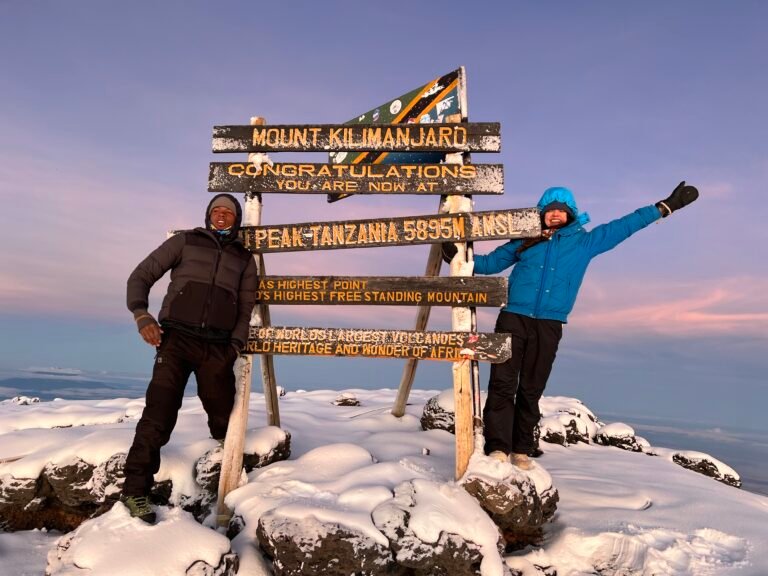
1 Day Kilimanjaro Christmas Hiking Tour – 25 December 2026
1 Day Kilimanjaro Christmas Hiking Tour – 25 December 2026.
View package details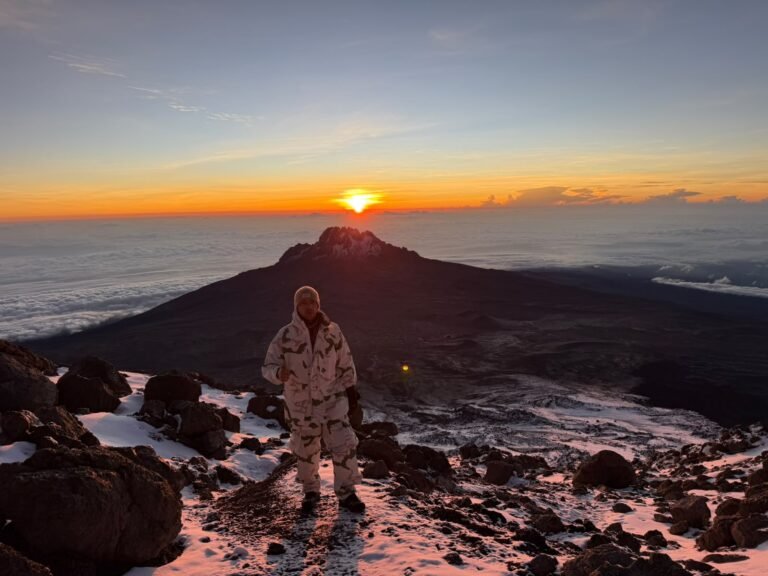
1 Day Kilimanjaro Hiking Tour From Arusha – 17 December 2026
1 Day Kilimanjaro Hiking Tour from Arusha – 17 December 2026.
View package details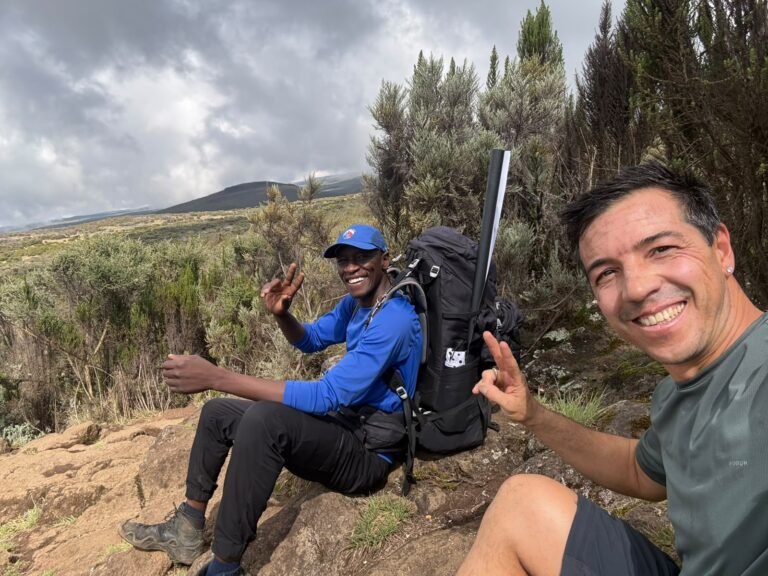
1 Day Kilimanjaro Mandara Hut Hike – 12 December 2026
1 Day Kilimanjaro Mandara Hut Hike – 12 December 2026.
View package details6 Days Rongai Route Kilimanjaro Hiking – 6–11 December 2026
6 Days Rongai Route Kilimanjaro Hiking – 6–11 December 2026.
View package details6 Days Marangu Kilimanjaro Group Hiking – 9–14 December 2026
6 Days Marangu Kilimanjaro Group Hiking – 9–14 December 2026.
View package details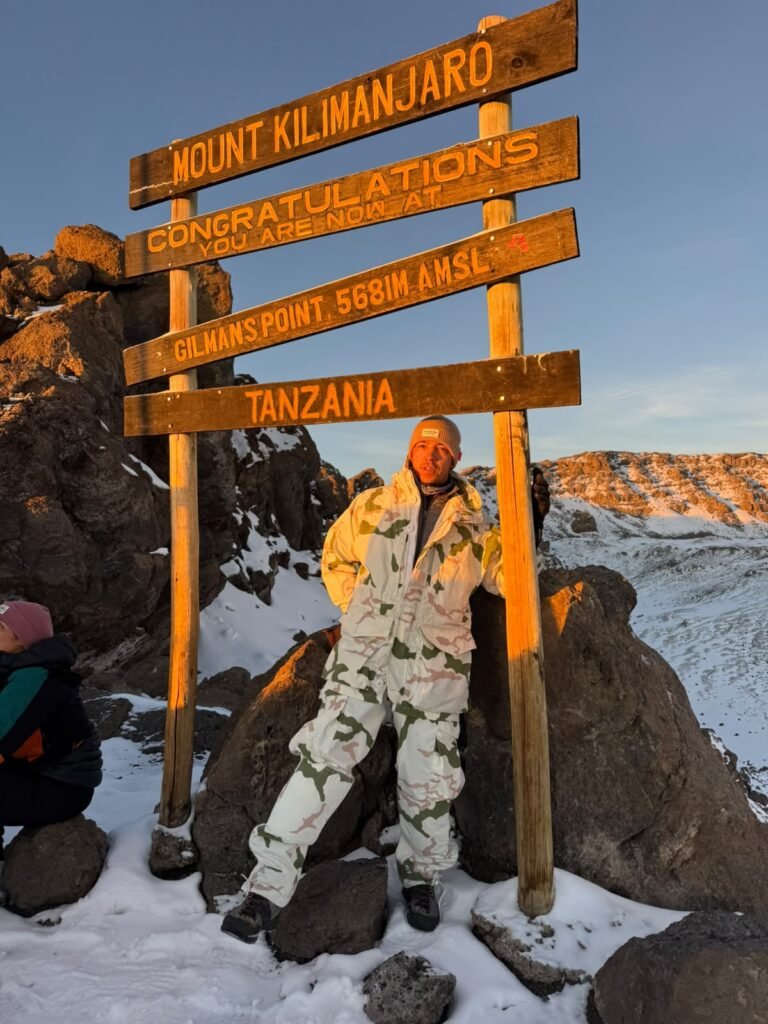
December 4, Kilimanjaro Hiking And Tanzania Wildlife Safari
December 4, 2026 Kilimanjaro Hiking and Tanzania Wildlife Safari.
View package details
Join Kilimanjaro In 20-December-2026, Climbing From Moshi 2027
Join kilimanjaro in 20-december-2026, ClimBING from Moshi.
View package details7 Days Umbwe Kilimanjaro Full Moon Climb – 19–25 December 2026
7 Days Umbwe Kilimanjaro Full Moon Climb – 19–25 December 2026.
View package details7 Days Umbwe Route Kilimanjaro Trekking – 4–10 December 2026
7 Days Umbwe Route Kilimanjaro Trekking – 4–10 December 2026.
View package details6 Days Umbwe Route Kilimanjaro Climb – 1–6 December 2026
6 Days Umbwe Route Kilimanjaro Climb – 1–6 December 2026.
View package details8 Days Shira Kilimanjaro Christmas Climb – 19–26 December 2026
8 Days Shira Kilimanjaro Christmas Climb – 19–26 December 2026.
View package detailsNo related package matches those filters. Clear one or more filters to see the other topic-matched options.



