
Our exact answer: The 8 Days Shira Kilimanjaro Christmas Climb is a bookable itinerary running 19–26 December 2026, structured as an eight-day ascent via the Shira route with acclimatization days, fixed departure windows, and clearly defined day-by-day movements. Confirmed details such as price, group size, and specific hotel bookings require operator confirmation at booking stage; this installment outlines the day-by-day flow and practical considerations for planning.
The 8 Days Shira Kilimanjaro Christmas Climb – 19–26 December 2026 offers a measured ascent on Kilimanjaro via the Shira route, chosen for its relatively gradual gradient and early scenic highland moorland, which can be favorable for acclimatization during a Christmas-time expedition. For a climb-led operator like Climb 4 Africa, this plan emphasizes a robust acclimatization strategy, logistics that align with festive travel timing, and a sequence that keeps the group together while respecting individual pace. What follows is a concrete, day-by-day itinerary framework that can be requested for booking, with notes on what is confirmed versus what requires operator validation.
Why choose the Shira route for a Christmas climb
The Shira route stays high, weaving through shrinking moorland, and tends to have fewer crowds early in the ascent compared with more trafficked routes. Its initial sections provide steady altitude gain with a gradual ramp, which can help with acclimatization when paired with a deliberate itinerary and reliable porter support. For a Christmas departure, the route balance matters: shorter days at altitude and strong support services on the mountain can translate into a safer, more predictable experience during a period when conditions can be amplified by seasonal weather patterns.
Day-by-day itinerary: Day 1 to Day 8
Note: The following sequence represents a proposed day-by-day flow for a live, bookable itinerary. Exact departure times, lodge choices, and camp allocations will be confirmed by Climb 4 Africa during the booking process. The structure is designed to optimize acclimatization, altitude management, and safety while preserving a serious mountain challenge appropriate for a guided Kilimanjaro ascent in December.
Day 1 — Moshi to Kilimanjaro National Park Gate and Shira Camp
Travel from Moshi to the Kilimanjaro National Park entrance where park fees are collected. The group transfers to the Shira route staging area, with a briefing on expectations for altitude, weather, and daily rhythms. After registration, trekkers begin trekking through heath and moorland vegetation as the trail climbs gradually toward the first camp. The day ends at an altitude where members can reassess their pace and hydration strategies, with a focus on gentle acclimatization and establishing camp routines for the upcoming days.
Day 2 — Shira Camp to Shira Hut higher camp (Acclimatization day)
Today is built around acclimatization while continuing to gain altitude gradually. Expect a mid-morning push toward higher moorland zones, with lunch en route and a late-afternoon arrival at a higher camp near Shira Plateau. The objective is to set a sustainable pace, monitor breathing rates, and ensure hydration. Evening briefings cover altitude symptoms, appropriate pacing, and gear checks to ensure everyone remains comfortable and prepared for the next day’s longer ascent.
Day 3 — Shira Hut to Lava Tower vicinity (Acclimatization and acclimatization push)
This day introduces a strategic acclimatization checkpoint. The route ascends toward Lava Tower, a well-known acclimatization feature, before looping back to a lower altitude campsite. The circuit trains climbers to recognize early fatigue signals, test oxygen saturation with permitted devices, and practice steady, controlled breathing. The descent to camp reinforces a prudent pace and prepares bodies for continued altitude gain in the days ahead.
Day 4 — Lava Tower to Barranco Camp
With acclimatization progress in mind, the route continues toward Barranco, threading through distinctive vegetation zones and the iconic Barranco Wall. The climbing rhythm remains measured, with a focus on correct footwork on uneven ground and careful use of trekking poles to distribute weight. Barranco Camp serves as a higher-altitude rest point, providing time to adjust gear and review hydration and nutrition strategies for the assault days ahead.
Day 5 — Barranco Camp to Karanga Camp
The ascent resumes along a gentler gradient as the route skirts the southern scree toward Karanga Valley. The terrain shifts to a more alpine environment, and the pace emphasizes controlled balance as altitude continues to rise. Arrival at Karanga Camp marks a practical turning point: anticipation for the final push builds, but the day remains part of the acclimatization discipline that underpins a successful summit attempt.
Day 6 — Karanga Camp to Barafu Camp (Final acclimatization push)
As the altitude tightens its grip, the group progresses toward Barafu Camp for the final night on the mountain before the summit assault. This day consolidates the acclimatization gains, with a late afternoon rest and a pre-dawn summit briefing. Climbers review pace, breathing, and oxygenation strategies, ensuring all equipment is ready for the midnight push and that a final checklist covers cold-weather layers and emergency signaling devices.
Day 7 — Barafu Camp to Uhuru Peak and descent to Millennium Camp
The legendary part of the journey arrives with a midnight departure toward Stella Point and Uhuru Peak, the highest point on Kilimanjaro. The ascent requires disciplined pacing, with moments to savor the alpine dawn and the moment of reach. After summiting, the group descends first to Barafu Camp for rest, then continues to Millennium Camp, where the team recovers from the day’s exertion and rehydrates with warm beverages and nutrient-rich meals to support recovery and planning for the descent the following day.
Day 8 — Millennium Camp to Kilimanjaro Gate and Moshi town
The final day completes the descent to the Kilimanjaro Gate, where travelers sign out of the park and transfer back to a Moshi accommodation or chosen post-climb extension. The sense of achievement mixes with practical matters: distribution of tips for crew, final gear checks, and a debrief about the climb. Breakout conversations often cover potential future trips, other routes, and how to maintain altitude fitness for subsequent mountain adventures.
Logistics and planning considerations
Booking an 8 Days Shira Kilimanjaro Christmas Climb requires alignment on
New complementary details for the 8 Days Shira Kilimanjaro Christmas Climb
The 8 Days Shira Kilimanjaro Christmas Climb remains a carefully balanced ascent designed to maximize acclimatization while honoring the festive travel window. In this continuation, we drill into practicalities that travelers often seek after reviewing the standard day-by-day flow, focusing on the specific December Christmas timing, altitude considerations, and the operational realities that a bookable itinerary entails. This section does not repeat earlier day-by-day steps but builds on the core progression to help readers understand what to expect in terms of pacing, terrain, and safety decisions, all anchored to the Shira route’s distinctive characteristics.
Altitude dynamics in December and acclimatization rationale
December on Kilimanjaro sits in a window where rainfall is typically lower, and the air tends to be drier than the long rainy season, which can influence both humidity and condensation on equipment. The Shira route’s early highland moorland zones present a steady ascent with frequent, short rest intervals that cater to gradual acclimatization. In practice, the itinerary spaces acclimatization days deliberately after initial stages to allow climbers to experience the body’s response to altitude before committing to higher camps. Trekkers who arrive with good aerobic conditioning and proper hydration usually experience a more reliable acclimatization curve, which translates into fewer early fatigue episodes and more reliable sleep quality—crucial for the second and third nights above 3,000 meters. A well-paced approach minimizes the risk of acute mountain sickness and preserves energy for the final summit push during the Barafu to Uhuru segment.
Gear, clothing, and personal logistics tailored to the Christmas timetable
The Christmas departure window imposes some practical constraints and opportunities. Lodge-to-camp transfers are aligned with shorter daylight hours in the early morning and the need for efficient, weather-resilient packing. Kilimanjaro-specific gear remains consistent with standard alpine protocols: layered clothing for rapid thermal shifts, waterproof outerwear with sealed seams, and reliable insulation for the night at Barafu and Millennium Camps. Layered systems help adapt to diurnal temperature swings common in December, while gaiters and trekking poles adapt to the rocky and uneven terrain encountered on the Lava Tower vicinity and Barranco Wall segments. In a bookable itinerary, guests are typically advised to bring a compact, quick-drying fleece or midweight layer, a compact down or synthetic jacket, a windproof outer shell, and a warm beanie for the midnight summit window. The operator’s kit checklist will specify whether certain items are provided or lent on site to minimize baggage weights while maintaining safety and comfort for the altitude exposure profiles encountered along the Shira route.
Group dynamics and pacing on a fixed-departure plan
Fixed-departure itineraries create a helpful cadence for the group, with a shared rhythm that supports collective safety, communication, and morale. The Shira route’s spacing of acclimatization days helps maintain a pace that reduces the risk of crowding, a feature especially valuable during peak festive travel periods. Trekkers should anticipate moments of deliberate pacing at iconic waypoints (for example, the approach toward the Shira Hut higher camp and the Barranco Wall stretch) where one can observe the rhythm of the terrain and adjust to the altitude without sacrificing the overall timetable. While the itinerary advertises a cohesive group flow, the operator typically accommodates individual pace variations through optional short passes or longer rest intervals, ensuring no climber is hurried beyond safe limits. This is particularly important for December departures when family or friend groups travel together and may have varying fitness baselines.
Fallback plans and safety considerations for the Christmas climb
Forethought safety measures remain a constant requirement, irrespective of the departure window. Itineraries incorporate contingency days and flexible buffer times, allowing for slower ascents if fatigue or weather presents a challenge. In December, if afternoons present cloud buildup or light rain, summit window planning remains forward-looking: the pre-dawn ascent from Barafu Camp is timed so that exposure to the cold is minimized while the supportive staff monitor symptoms of altitude illness across the team. Guides maintain ongoing assessment of hydration, nutrition, and rest status, with the option to adjust tent assignments or shorten a push to the next high point if a climber exhibits signs of early altitude distress. The on-ground safety culture emphasizes responsible trekking practices, with a strong emphasis on staying with the group and using fixed lines or handholds in exposed sections when required by terrain.
Christmastime logistics: accommodations, meals, and post-climb considerations
Because this is a bookable plan, the sequence is designed to minimize unnecessary backtracking while ensuring robust support for meals and rest periods. Lodging arrangements in Moshi or Arusha before and after the climb are typically coordinated with the operator, with options to extend the trip for a safari or beach extension after the descent. On the mountain, meals are crafted to deliver carbohydrate-rich and protein-balanced options to support energy needs through the acclimatization and summit phases, with warm beverages available at key camps to facilitate comfort and morale. The Christmas period can briefly affect local services or transport options, so the operator often confirms transfer arrangements, park fees, and camp allocations well in advance to prevent last-minute changes that could disrupt the day-by-day flow.
What readers should expect: the actual travel sequence in context
For readers weighing a Christmas Kilimanjaro climb, the 8 Days Shira route plan remains anchored in a progressive altitude gain with purposeful acclimatization stops, ensuring a gradual adaptation curve. The day-by-day framework prioritizes stability and safety while maintaining a social, shared trekking experience. The patchwork of moorland sections, the Barranco Wall, and the Lava Tower vicinity provides a spectrum of terrain that challenges balance and footwork but remains accessible with proper pacing and staff guidance. The Christmas departure also offers the chance to connect with other trekkers celebrating the holiday spirit in Moshi or the trailhead area, which can add a memorable social dimension to the ascent, without compromising the technical and logistical safeguards that define a successful ascent on Kilimanjaro via the Shira route.
Booking and confirmation notes: what the next steps look like
As with any bookable plan, confirmation of departures, group sizes, inclusions, and precise hotel arrangements requires direct coordination with the operator. Prospective climbers should expect to receive a detailed inclusions list, a day-by-day rhythm with approximate start times, and a gear list tailored to the Shira route and the December climate. The booking process typically involves a pre-departure briefing (virtual or in-person) to align expectations, briefing on altitude illness awareness, and confirmation of emergency procedures and contact points. With the Christmas window, travelers are advised to secure travel insurance that includes high-altitude trekking coverage and to verify any holiday-specific transfer contingencies with the operator early in the planning phase.
In sum, the 8 Days Shira Kilimanjaro Christmas Climb maintains its core philosophy of measured acclimatization, steady altitude progression, and strong logistical support, while adapting to the December festive season’s rhythms. This continuation highlights practical considerations around altitude response, gear readiness, group pacing, and safety frameworks that are especially salient for travelers planning a Christmas ascent on Kilimanjaro via the Shira route.
New substantive extension: unraveling the December altitude rhythm on the 8 Days Shira Kilimanjaro Christmas Climb
The 8 Days Shira Kilimanjaro Christmas Climb hinges on a deliberate altitude rhythm that unfolds differently in December than in other seasons. Given the dry air and cooler nights that characterize highland December, climbers can experience clearer skies and more predictable trail conditions at §high altitude, yet the nights remain cold and moisture can recirculate through undulating weather fronts. This nuance matters for pacing, sleep, and hydration—three pillars that keep the acclimatization strategy intact without being derailed by festive expectations or holiday crowds that creep into the experience.
From Day 2 through Day 6, the plan leverages the Shira route’s high moorland corridors to accumulate altitude gains in a controlled fashion. The December atmosphere aids rapid evaporative cooling at night, which increases sleep quality for some climbers but can also exacerbate daytime heat loss during sun exposure on exposed sections. The guide’s emphasis on consistent hydration, a steady feeding schedule, and micro-pauses for rest helps travelers ride the seasonal rhythm rather than push through fatigue. In practice, this means scheduled regroup points after key ascents—such as the afternoon arrival at Shira Hut higher camp on Day 2 or the approach toward Barranco Camp on Day 4—becoming opportunities to rehydrate, adjust layers, and reassess pace for the next leg without compromising acclimatization momentum.
Another December-specific variable is the interaction between cloud cover and visibility. While dry air often yields crisp horizons, the higher-altitude mornings can begin in pale fog that lifts by late morning. The itinerary naturally accommodates this by aligning higher altitude push segments with mid-morning as the sun climbs, allowing trekkers to benefit from solar warmth that improves comfort while the air remains cool. The acclimatization philosophy remains unchanged: a measured ascent with built-in keystone days for physiological adaptation, and a fixed-night camp sequence that minimizes backtracking and keeps the group cohesive during the peak festive window.
Logistics-wise, December’s holiday travel patterns influence transfer coordination and lodge availability in Moshi. Operators typically reserve park entry slots, camp allocations, and crew rosters well in advance, which in turn reduces last-minute reconfiguration that could disrupt the day-by-day flow. For climbers, this translates into more predictable start times and a clearer sequence of rest periods. Still, the guide team remains vigilant for December-specific contingencies such as brief rain squalls that can form near the moorland edges and sudden wind gusts on exposed ridges. In those moments, the team’s training—how to shelter quickly, manage shelter setup, and regulate body temperature—turns potential discomfort into a controlled, repeatable safety practice that upholds the Christmas climb’s reliability.
Crucially, the Christmas timetable shapes the social dynamic on the trail. With festive energy in Moshi and along the approach, the group component becomes a morale anchor. The day-by-day rhythm supports shared observation of altitude cues while preserving personal pacing. Climbers who respect the acclimatization cadence—taking short, frequent breaks, chewing energy-dense snacks, and drinking at regular intervals—tend to experience steadier heart rate responses and less fatigue, which is especially valuable when parties converge and diverge in social settings outside the technical sections.
For weather- and altitude-aware travelers, a practical takeaway emerges: December’s favorable dryness can be paired with a prudent kit-up strategy. A compact, weather-resilient layer system that can be adapted layer-by-layer from the base camp to the higher moorland camps helps manage day-to-day thermal fluctuations. The plan remains explicit about what to bring for December’s climate without overburdening baggage—focusing on warm sleep systems, windproof shells for exposed passages, and moisture-wicking base layers that stay comfortable through long hours of hiking and brief rest stops. The result is a more sustainable climb where the body’s acclimatization signals are honored through a steady cadence rather than an aggressive push to the next milestone.
In summary, the 8 Days Shira Kilimanjaro Christmas Climb benefits from December’s distinctive altitude and weather dynamics by offering a trajectory that preserves acclimatization integrity, leverages the route’s highland scenery, and aligns with the festive timetable. The combination of gradual progression, reliable support, and the seasonal clarity of December contributes to a climb that remains safe, enjoyable, and memorable within the constraints of a fixed-departure, eight-day program.
Related Guides and Packages
Check Availability for 8 Days Shira Kilimanjaro Christmas Climb – 19–26 December 2026
Ready to compare dates, prices, and the best option for your group? Send the package name and travel month so the team can reply with a clear quote, availability, and what is included.
9 Days Northern Circuit Kilimanjaro Christmas Climb – 18–26 December 2026
9 Days Northern Circuit Kilimanjaro Christmas Climb – 18–26 December 2026.
View package details7 Days Rongai Kilimanjaro Christmas Trek – 20–26 December 2026
7 Days Rongai Kilimanjaro Christmas Trek – 20–26 December 2026.
View package details7 Days Rongai Kilimanjaro Full Moon Climb – 19–25 December 2026
7 Days Rongai Kilimanjaro Full Moon Climb – 19–25 December 2026.
View package details
8 Days Shira Kilimanjaro New Year Trek – 26 December – 2 January 2026
8 Days Shira Kilimanjaro New Year Trek – 26 December 2026 – 2 January 2027.
View package details
6 Days Marangu Kilimanjaro Christmas Holiday Climb – 21–26 December 2026
6 Days Marangu Kilimanjaro Christmas Holiday Climb – 21–26 December 2026.
View package details
Climb Mount Kilimanjaro On Christmas Day – 8 Days Lemosho 2026
Climb Mount Kilimanjaro on Christmas Day 2026 – 8 Days Lemosho.
View package details6 Days Umbwe Route Kilimanjaro Climb – 1–6 December 2026
6 Days Umbwe Route Kilimanjaro Climb – 1–6 December 2026.
View package details1 Day Kilimanjaro Christmas Hiking Tour – 25 December 2026
1 Day Kilimanjaro Christmas Hiking Tour – 25 December 2026.
View package details
Kilimanjaro Full Moon Climb 24 December – Group Trekking 2026
Kilimanjaro Full Moon Climb 24 December 2026 – Group Trekking.
View package detailsKilimanjaro New Year Eve Climb – 31 December Summit 2026
Kilimanjaro New Year Eve Climb – 31 December 2026 Summit.
View package detailsKilimanjaro Christmas Holiday Trekking Packages December 2026
Kilimanjaro Christmas Holiday Trekking Packages December 2026.
View package details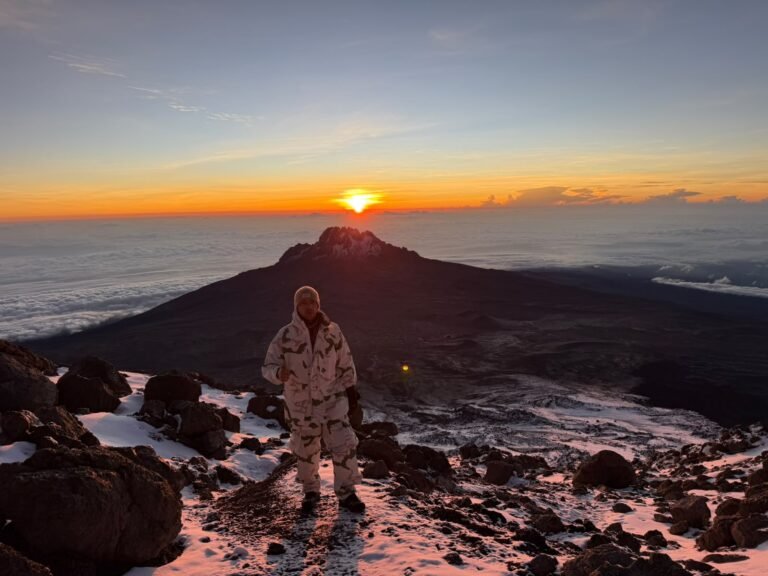
10 Days Northern Circuit Kilimanjaro Christmas Holiday Trek – 21–30 December
10 Days Northern Circuit Kilimanjaro Christmas Holiday Trek – 21–30 December 2026.
View package detailsNo related package matches those filters. Clear one or more filters to see the other topic-matched options.



