
The 7 Days Shira Route Kilimanjaro Group Joining – 1–7 December 2026 is a bookable, guided ascent planned by Climb 4 Africa. Confirmed departures, spaces, and pricing require operator verification, but the structure below offers a practical, day-by-day itinerary framework for a December ascent on the Shira route, emphasizing acclimatisation, route flow, and support logistics.
Shira Route overview for a 7-day group climb
The Shira Route is one of Kilimanjaro’s less trodden paths, high on scenic moorland and scree, with a gentler ascent profile that emphasizes acclimatisation while traversing from forested zones into the moorlands and summit approaches. For a 7-day group joining on 1–7 December 2026, the itinerary organizes day-by-day progress that balances pace, rest, and altitude management. While specific hotel nights, meals on the ground, and optional add-ons depend on the operator and the exact group composition, the core sequence below reflects a typical progression for this route when bundled with a group-joining package managed by Climb 4 Africa.
Day-by-day structure: Day 1 to Day 7
Each day below names the general start and end points, notable terrain or camps, and the acclimatisation or trekking logic that guides the ascent. This is a practical, bookable sequence; exact departure times, lodging, and group sizes must be confirmed with the operator.
Day 1 — Kilimanjaro International Airport to Moshi
Arrival in Tanzania, transfer to Moshi or Arusha base, briefing on the 7 Days Shira Route Kilimanjaro Group Joining – 1–7 December 2026 itinerary, gear check, and welcome dinner. The day typically includes a short acclimatisation window and a chance to adjust to altitude in the local climate and time zone. Accommodation arrangements and pre-trek health checks are coordinated by Climb 4 Africa, with a focus on light movement and hydration planning for the days ahead.
Day 2 — Kilimanjaro Gate and Shira Route start
Drive to Londorossi Gate to complete park entry formalities, then begin trekking toward the Shira Plateau. The transition from forest to high moorland marks the first significant altitude gain. The pace is designed to initiate acclimatisation, with regular rests and a camp near the edge of the Shira Plateau. Expect rugged paths, possible mist, and intermittent cloud cover that adds to the visual drama of the route. Overnight at a designated high-altitude camp, with hot meals and a basic shelter arrangement included in the package.
Day 3 — Shira Camp to Shira Hut or intermediate camp
The second trekking day continues across moorland terrain, with a steady ascend toward the Shira plateau. The group follows a steady tempo to promote acclimatisation and to reduce the risk of altitude symptoms. After lunch, the trail gradually rises toward the first rest stop or camp above the plateau edge. Evening meals and group briefings focus on hydration, altitude observation, and a light stretching routine to support recovery from the climb. This day’s altitude profile helps prepare the body for the more exposed sections ahead.
Day 4 — Shira Hut to Barranco Camp alternative pacing
The route typically shifts to a longer, more scenic traverse involving a step up in altitude with a controlled ascent. The group aims to maintain careful breathing, steady cadence, and frequent water breaks. The landscape shifts to a mix of shrubland and rocky outcrops as you approach a lower-elevation valley that forms a natural transition toward Barranco. Evening at camp includes a short acclimatisation session and a preparation for the dramatic day to come.
Day 5 — Barranco to Barafu or Karanga approach prep
From Barranco, climbers begin a classic ascent toward higher routes with the iconic Barranco Wall as a possible obstacle for some groups. The day emphasises technique and stable footwork on uneven rock. After a rigorous morning climb, the group rests at a mid-altitude camp to rehydrate and assess acclimatisation status before the final push. Depending on exact logistics, this night may be spent at a Barafu or Karanga-adjacent camp, with contingency plans in place for weather or fitness variations.
Day 6 — Summit attempt and descent to Mweka Camp
The final ascent usually begins after a pre-dawn departure from the high camp. The route to the summit crater includes a long, steep final push with a short rest at Stella Point or Crater Rim. Successful summiting is followed by a rapid descent back to Mweka Camp to recover and rest. The day ends with a hearty meal and a debrief focused on hydration and safety, closing the physical loop of the climb while preparing for the logistical wrap-up the next day.
Day 7 — Mweka Gate to Moshi and departure
After breakfast and final checkout, trekkers descend to Mweka Gate, where certificates and memorabilia are typically distributed. A transfer to Moshi or the airport completes the group joining journey. This day formalizes the end of the 7 Days Shira Route Kilimanjaro Group Joining – 1–7 December 2026 itinerary, with post-trek notes on preservation of altitude health and recommendations for onward travel in Tanzania.
Route variety and alignment with 7 Days Shira Route Kilimanjaro Group Joining – 1–7 December 2026
The Shira Route, as presented in this 7-day group joining plan, emphasizes acclimatisation-friendly pacing, with a gradual ascent and a focus on high-altitude adaptation. Compared with longer or shorter variants, the 7-day schedule provides a balanced cadence that mitigates severe altitude stress while still delivering a substantial accumulation of elevation. When Climb 4 Africa confirms the exact departure date in December 2026, the group will receive a finalised timetable outlining pick-up points, transfer times, and camp allocations. It is essential to verify these details to confirm the precise day-by-day flow and the available spaces on the 1–7 December 2026 cohort.
Inclusions, exclusions, and booking notes
In a booking for 7 Days Shira Route Kilimanjaro Group Joining – 1–7 December 2026, inclusions commonly cover park fees, specified meals, guides, porters, and basic camping gear or lodge accommodations as applicable to the daily rhythm
Newly addressed question: How does the 7 Days Shira Route Kilimanjaro Group Joining – 1–7 December 2026 manage acclimatisation on days 3 and 4, and what practical steps are taken to safeguard day-to-day altitude tolerance?
Acclimatisation remains the core pillar of a successful Shira Route ascent, particularly on a compact 7-day schedule. While the route profile leans toward a gentler ascent than some high-traffic corridors, the planners behind the 7 Days Shira Route Kilimanjaro Group Joining – 1–7 December 2026 explicitly structure days to maximize altitude adaptation without sacrificing the experience of the moorland and forested segments. The practical question readers often have is how exactly the itinerary translates acclimatisation theory into day-by-day actions that a group can follow without feeling rushed.
On Day 3, the group continues from Shira Camp toward Shira Hut or an intermediate camp. This day’s pacing is chosen to extend the exposure to higher elevations just enough to begin a physiological acclimatisation routine. The team maintains a steady, conversational pace with regular breathing checks and deliberate rest stops, ensuring that altitude symptoms are monitored in real time. The route’s design deliberately avoids long, uninterrupted ascents that would trigger abrupt drops in oxygen saturation in the blood. Instead, trekkers progress through moorland terrain with intermittent breaks that serve as both hydration opportunities and cognitive check-ins on how the group is responding to altitude.
On Day 4, the Shira Hut to Barranco Camp leg introduces a longer traverse with a controlled rise in altitude. The practical aim here is twofold: continue the acclimatisation arc and expose the body to a mild, cumulative elevation gain. The guided pacing assigns rests at key viewpoints so that climbers can rehydrate, eat a light snack, and reassess how they feel before the next segment. The Barranco region’s diverse landscape—mixed shrubland with rocky outcrops—also provides a natural incentive for brisk but safe walking, which aids in maintaining a rhythm that supports acclimatisation while still delivering the visual reward of Kilimanjaro’s highland scenery.
Crucially, the itinerary builds a safety net around these days by integrating flexible camp placements. If any member shows early signs of altitude discomfort, the guide team has contingency protocols to adjust the pace, shorten the day, or reposition the overnight stop to a lower camp if needed. This approach preserves the acclimatisation objective while maintaining group cohesion and morale. The collective emphasis is on listening to bodies in the group—earning trust in the process rather than forcing mileage, which is a common pitfall for shorter itineraries.
In practical terms, climbers on the 7 Days Shira Route Kilimanjaro Group Joining – 1–7 December 2026 should arrive at the base with a plan for gradual hydration, predictable meals, and a readiness to adapt to weather and trail conditions. The itinerary’s flexibility allows the crew to modulate daily distances without compromising the overall acclimatisation curve. This is especially important for climbers who carry a wide range of fitness levels within the same group, as the Shira Route is not purely a “hard push” ascent but a balanced, acclimatization-forward journey up the mountain’s moorlands.
For readers evaluating whether this 7-day package fits their acclimatisation preferences, consider the following practical indicators that practitioners use to gauge day-to-day altitude management on the Shira Route:
- Ongoing, short day segments with frequent rests rather than long, uninterrupted trekking blocks.
- A progressive increase in altitude that mirrors natural acclimatisation physiology, not a rapid climb to high camps.
- Built-in adaptation time at Shira Hut or intermediate camps to assess hydration, sleep quality, and appetite—key signals of acclimatisation status.
- Guides trained to recognize altitude symptoms early and to implement pace adjustments, including optional extra acclimatisation days if required by the group’s health status.
In sum, the 7 Days Shira Route Kilimanjaro Group Joining – 1–7 December 2026 targets altitude safety by balancing a deliberate ascent with rest, ensuring that acclimatisation is not an afterthought but an integrated and monitored process. This approach helps minimize the risk of acute mountain sickness while preserving the distinctive moorland experience that sets the Shira route apart. For travelers weighing this option against quicker, more punishing itineraries, the acclimatisation-focused cadence is a decisive factor in both safety and long-term summit success.
Additional day-by-day nuance: how days 3 and 4 translate into on-trail experience
Day 3’s progression from Shira Camp to Shira Hut or intermediate camp is intentionally positioned to maintain a manageable gradient while exposing the group to the high moorland atmosphere. This segment often traverses undulating terrain with short ascents and long, restorative descents between breaks. The physical load is distributed across several shorter climbs, a method proven to support better oxygen utilisation and sleep patterns—a critical element when one trembles between fatigue and hypoxia risk.
Day 4’s longer traverse toward Barranco Camp adds a scenic layer to acclimatisation: the route climbs a little higher, but the pace stays moderate, with meaningful pauses to rehydrate and refuel. The Barranco area, with its dramatic drops and bright, open skies, invites a psychological adjustment as well. The mental shift—from dense forest to high-altitude hemi-scrub—complements the physiological acclimatisation by reinforcing disciplined breathing and attention to form over brute progression.
Booking considerations and what to confirm with the operator
Because this is a bookable plan with operator-dependent specifics, travelers should verify several key items before committing: the exact camp choices for Days 3 and 4, whether intermediate camp nights occur, and the contingency options in case of unusually harsh weather or health-related pacing needs. While the general philosophy remains constant, the operator may adjust camp placements or night-end locations in response to group dynamics or Tanzanian park regulations. Confirming these details with Climb 4 Africa or the designated booking partner ensures the plan you purchase aligns with the acclimatisation strategy described here.
Finally, ensure you have access to a personalized pre-trek briefing, including a clear hydration protocol, sleep hygiene recommendations, and simple, altitude-friendly meal planning. A well-structured pre-trek health check, alongside on-route monitoring by experienced guides, reinforces the day-by-day acclimatisation plan and supports a safer, more enjoyable ascent on the 7 Days Shira Route Kilimanjaro Group Joining – 1–7 December 2026.
Acclimatisation safeguards on the 7 Days Shira Route: practical steps on days 3 and 4
Beyond the broad acclimatisation philosophy that governs the 7 Days Shira Route Kilimanjaro Group Joining – 1–7 December 2026, the practical, on-the-ground measures taken on days 3 and 4 are what translate theory into safer ascent. These days sit at a critical altitude window where the body is adapting to thinner air, yet progress must remain steady enough to avoid overexertion or lingering symptoms. The following specifics illuminate how a guide-led group navigates this phase with precision, ensuring that each climber maintains day-to-day altitude tolerance while preserving momentum toward the high camp sequence.
Day 3: Shira Camp to Shira Hut or intermediate camp — controlled ascent, consistent pace, short gains
- Pacing discipline: The tempo is deliberately steady, with a cadence that allows easy conversation, frequent water breaks, and optional pause points for check-ins. Guides monitor breathing rate, signs of fatigue, and any early indications of altitude discomfort, such as headaches or breathlessness with minimal exertion.
- Altitude checkpointing: The route’s topography on Day 3 typically involves multiple small ascents followed by brief descents or flat stretches. This pattern is intentional: short climbs enable lungs to adapt gradually, while the occasional descent helps restore oxygen saturation and reduces sleep disruption later that night.
- Hydration and nutrition protocol: Hydration targets are reinforced—sips at each rest stop, with electrolyte supplementation on longer stretches. Lightweight, energy-dense snacks are distributed at regular intervals to stabilize blood sugar, preventing fatigue flares that can masquerade as altitude symptoms.
- Guided acclimatisation checks: The group pauses for a quick check-in at a pre-defined elevation waypoint. Guides assess subjective well-being (dizziness, nausea, headache intensity) and objective signs (skin color, walking speed). Any climber showing early altitude distress is offered rest and, if needed, a short antechamber acclimatisation camp break before continuing.
- Shelter and sleep strategy: If an intermediate camp is used, tents are positioned to optimize wind protection and maximize sleep quality. The emphasis remains on sleep continuity, as restorative sleep consolidates physiological acclimatisation and reduces morning stiffness that can hinder early daytime performance.
Day 4: Shira Hut to Barranco Camp — sustaining acclimatisation while expanding the terrain horizon
- Continuity of acclimatisation logic: The Day 4 traverse is designed to tuck a higher-altitude exposure into a longer but still controlled climb. The route gradually increases altitude, avoiding abrupt vertical gains that can spike the risk of acute mountain sickness symptoms in a single ascent.
- Structured rest and micro-pauses: The day includes designated rest intervals, with shorter, more frequent pauses than on some more aggressive itineraries. These pauses are not merely breaks; they are part of the physiological education for the body to adjust to the partial pressure of oxygen at higher elevations.
- Breathing technique coaching: Guides reinforce diaphragmatic breathing and steady inhalation-exhalation cycles when negotiating the Barranco terrain. This emphasis on controlled respiration improves oxygen utilisation and reduces the perception of exertion, even when terrain becomes more varied with rock steps or scree patches.
- Altitude-aware camp placement: Barranco Camp’s location is chosen not only for logistical reasons but also for its microclimate; elevation gain is tempered by a sleep environment that favours stable temperatures and reduced nighttime dehydration risk. A stable night’s sleep is critical for the following day’s summit push, where residual fatigue could undermine performance.
- Nutritional buffering for the key transition: Day 4 includes a substantial, easily digestible lunch to sustain energy for the Barranco Wall or its alternate segments later that afternoon. The aim is to prevent late-day energy crashes that could carry into the early-night wind-down period, complicating rest and recovery.
These practical steps on days 3 and 4 are designed to shield day-to-day altitude tolerance while maintaining the group’s collective momentum toward the higher camps. Notably, the emphasis is not merely on reaching higher altitudes but on ensuring that each climber retains the capacity to function productively at each stage—keeping symptoms in check, sleep quality high, and hydration stable. This approach directly influences the success rate of the 7 Days Shira Route Kilimanjaro Group Joining – 1–7 December 2026 by balancing ambition with safety.
What this means for individual travelers
- Expect a paced, guidance-driven ascent with options to opt for shorter daily legs if any member shows signs of altitude stress. The group will not press forward if safety indicators are flagged by guides.
- Bring a simple symptom diary or use the group’s log to track morning headaches, sleep quality, and appetite. Sharing these details with the guide team helps tailor pacing to the day’s needs without delaying the overall itinerary.
- Hydration and electrolyte management are non-negotiable. Water should be sipped consistently throughout the day, and electrolyte salts used as advised to maintain plasma volume and reduce the risk of dehydration-related headache or dizziness.
In all, the day-to-day acclimatisation strategy for Days 3 and 4 remains anchored in slow, steady progression, frequent rest, and continuous monitoring—an approach that keeps the 7 Days Shira Route Kilimanjaro Group Joining – 1–7 December 2026 on a safe, sustainable trajectory toward the summit while preserving the quality of the overall trekking experience.
Related Guides and Packages
Check Availability for 7 Days Shira Route Kilimanjaro Group Joining – 1–7 December 2026
Ready to compare dates, prices, and the best option for your group? Send the package name and travel month so the team can reply with a clear quote, availability, and what is included.
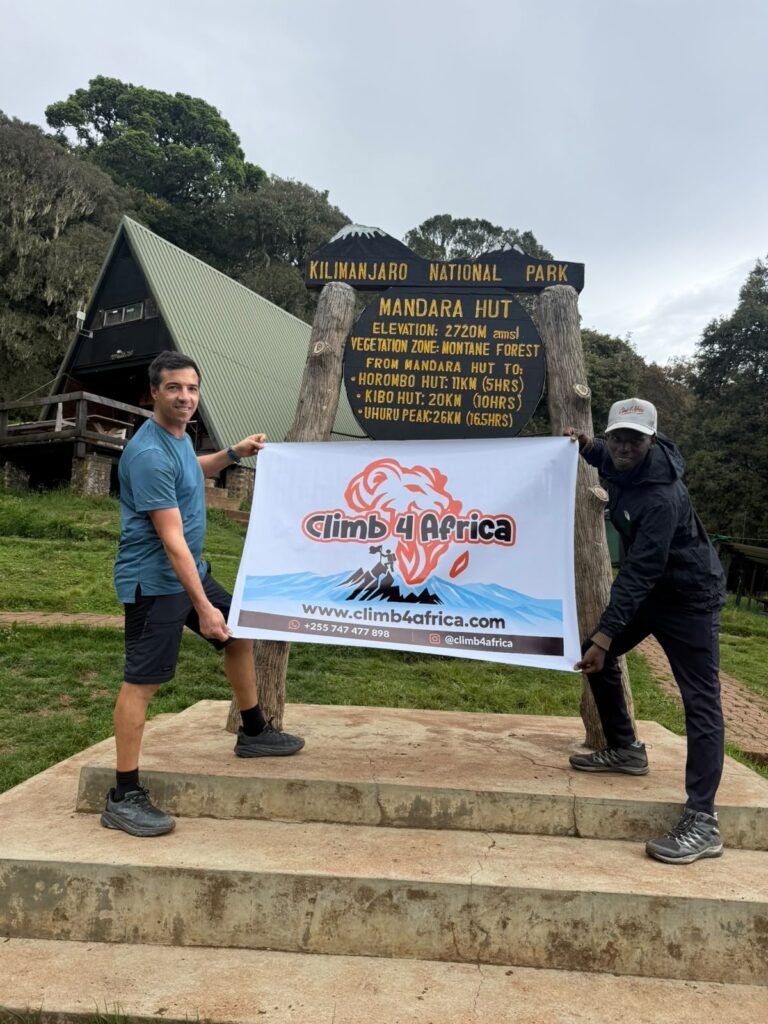
6 Days Marangu Route Kilimanjaro Group Joining – 1–6 December 2026
6 Days Marangu Route Kilimanjaro Group Joining – 1–6 December 2026.
View package details9 Days Northern Circuit Kilimanjaro Group Departure – 28 December – 5 January
9 Days Northern Circuit Kilimanjaro Group Departure – 28 December 2026 – 5 January 2027.
View package details1–8 January , 8 Days Lemosho Route Kilimanjaro Group Joining 2027
1–8 January 2027, 8 Days Lemosho Route Kilimanjaro Group Joining.
View package details6 Days Rongai Kilimanjaro Group Joining – 12–17 December 2026
6 Days Rongai Kilimanjaro Group Joining – 12–17 December 2026.
View package details6 Days Marangu Route Kilimanjaro Group Departure – 16–21 December 2026
6 Days Marangu Route Kilimanjaro Group Departure – 16–21 December 2026.
View package details5 Days Marangu Route Kilimanjaro Group Climb – 8–12 December 2026
5 Days Marangu Route Kilimanjaro Group Climb – 8–12 December 2026.
View package details2–8 January , 7 Days Lemosho Route Kilimanjaro Group Climb 2027
2–8 January 2027, 7 Days Lemosho Route Kilimanjaro Group Climb.
View package details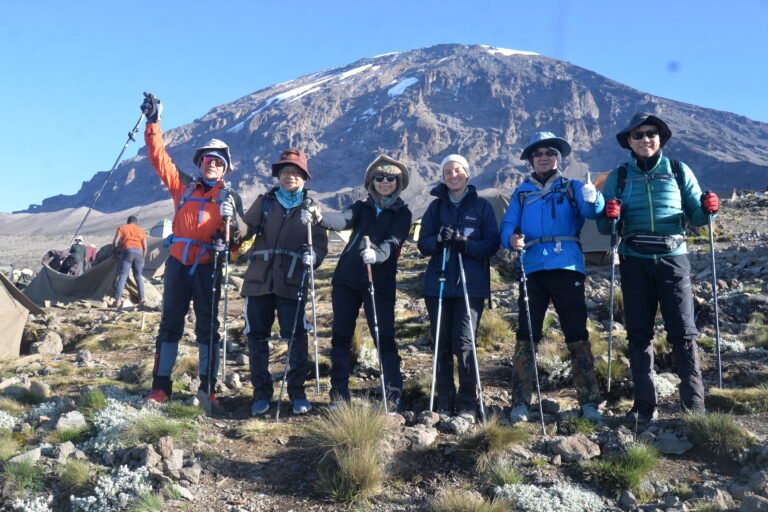
Kilimanjaro Full Moon Climb 24 December – Group Trekking 2026
Kilimanjaro Full Moon Climb 24 December 2026 – Group Trekking.
View package details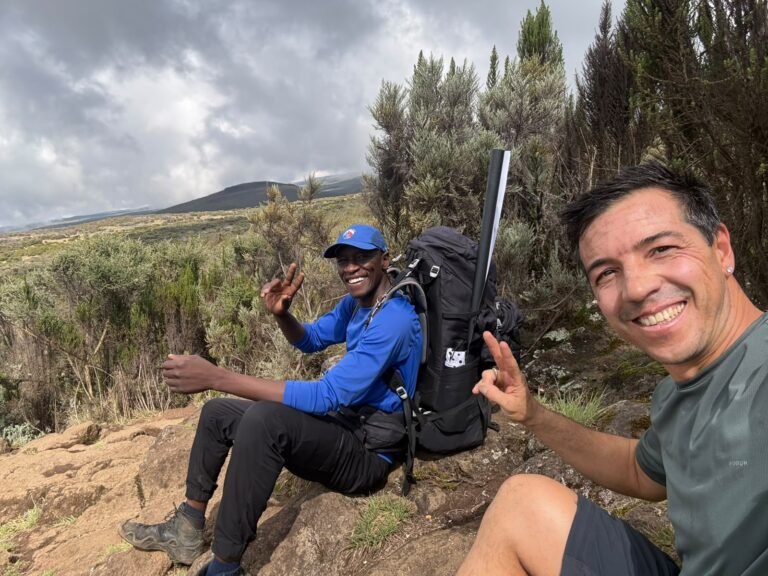
6 Days Marangu Kilimanjaro Group Hiking – 9–14 December 2026
6 Days Marangu Kilimanjaro Group Hiking – 9–14 December 2026.
View package details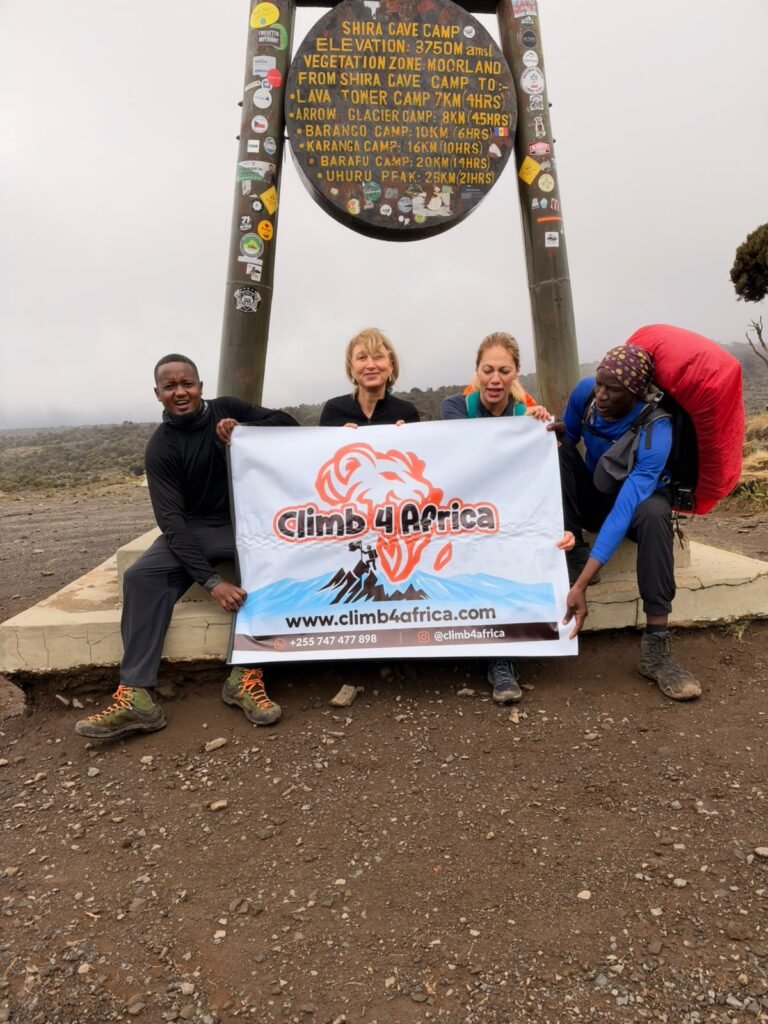
December 4, Kilimanjaro Budget Trekking With Shared Group
December 4, 2026 Kilimanjaro Budget Trekking with Shared Group.
View package details
Climb Kilimanjaro In Budget 12-December-2026, Join Group 2027
climb kilimanjaro in Budget 12-december-2026, Join Group.
View package detailsClimb Kilimanjaro In 12-December-2026, Small Group in 2027
climb kilimanjaro in 12-december-2026, Small Group.
View package detailsNo related package matches those filters. Clear one or more filters to see the other topic-matched options.



