
The 7 Days Umbwe Kilimanjaro Full Moon Climb – 19–25 December 2026 is a bookable multi-day ascent following the Umbwe route with a focus on acclimatization and the full-moon window around Christmas. Exact departure times, group spaces, and inclusions should be confirmed with Climb 4 Africa, as published details may vary and some elements require operator verification.
Welcome to a first, in-depth installment of the 7 Days Umbwe Kilimanjaro Full Moon Climb – 19–25 December 2026. This piece centers on the actual travel sequence as a bookable plan, laying out a day-by-day flow that highlights route character, acclimatization strategy, and practical decision points. Because the focus is a precise itinerary aligned with a specific moon phase, the narrative prioritizes the movement of days, the terrain you’ll encounter, and the choices that influence pace and comfort rather than generic promotional language.
Before diving into Day 1, it’s important to acknowledge what is confirmed and what remains to be confirmed with the operator. The official dates 19–25 December 2026 are the target window for a seven-day ascent, and there are variations in route segments (and potentially in lodging or exact start times) depending on group size, weather, and local logistics. Prices, inclusions, and fixed hotel bookings are not repeated here as facts unless published by Climb 4 Africa; readers should secure a confirmed itinerary with the operator prior to any booking and rely on the operator’s latest communiqués for precise costs and arrangements.
Day-by-day itinerary: Umbwe route with full-moon framing
Day 1 — Moshi to Umbwe gate and begin trek to Umbwe Camp
Departing from Moshi or nearby lodgings, the group transfers to Umbwe Gate to complete park registration and gear check. The day’s route begins with a steep, forested approach along the Umbwe path, exposing trekkers to the Kilimanjaro’s lower rainforest zone. The pace is designed to ease first-timers into altitude and terrain, balancing steady steps with brief acclimatization pauses. Expect a climb through dense, moss-draped laurel and podocarp forest, with occasional streams and the palpable hush that accompanies a highland ascent. Lunch may be taken at a sheltered clearing, then continuing toward Umbwe Camp where porters assemble camp facilities and meal arrangements. The focus on Day 1 is to set a sustainable rhythm, ensuring that heavier days still feel approachable as the altitude begins to rise.
Day 2 — Umbwe Camp to Baranco Camp (shorter ascent, acclimatisation emphasis)
Day 2 follows a lighter profile, intended to consolidate the acclimatization gains from Day 1 while advancing toward Baranco. The route threads along ridgelines with intermittent views back toward the rainforest and distant plains. Expect rockier sections, wider paths, and occasional loose scree as you climb above the cloud layer that often blankets the lower zones. Baranco Camp sits at a mid-altitude plateau where the team can discuss the upcoming push toward karst terrain and the infamous “Baranco Wall.” The day’s pacing aims to avoid the common mistakes of overexertion early in the climb while allowing the body to adjust gradually to higher elevations.
Day 3 — Baranco Camp to Karanga Camp (first high-altitude exposure)
Day 3 introduces higher terrain and the first significant altitude exposure. The Baranco Wall passage is a notable feature, demanding careful footwork and a measured ascent. As you reach Karanga Camp, the route’s exposure increases and the air thins. The plan emphasizes steady breathing, hydration, and deliberate pacing as you acclimatize to the 3,900–4,000-meter band. Depending on the group’s pace and weather, this night near Karanga Camp may include a briefing on the summit approach, the next day’s route options, and contingency plans should the weather shift or delays accumulate. The emphasis is ensuring that the body has the opportunity to adjust before the final push toward the crater rim.
Day 4 — Karanga Camp to Barafu Camp (crux acclimatisation day)
Day 4 is often described as a pivotal acclimatization milestone. The ascent to Barafu Camp sits around 4,600 meters and sets the stage for the night assault on the summit. Trekkers typically experience the thin air more acutely here, which is why the day’s plan emphasizes conservative steps, frequent rest breaks, and precise hydration and nutrition. The Barafu area becomes a staging ground: tents pitched on a wind-swept plateau, heat-retaining meals prepared, and the crew coordinating with tent assembly, porters, and guides. For the full moon climb, this day aligns the timing so that the summit bid can depart under moonlit skies, depending on the observation window and group readiness. This is also when a pre-dawn “base camp briefing” may occur, clarifying the following night’s schedule and what to expect in terms of fatigue and cold exposure at the higher altitude.
Day 5 — Barafu Camp to Uhuru Peak summit attempt, then Mweka Camp descent
With the full-moon frame in mind, Day 5 centers on the summit window. The ascent from Barafu to Uhuru Peak typically begins after a rest and a light, energy-dense meal. The climb is a steady, uninterrupted push through the final ridgelines to the crater rim, where the famous Stella Point and the summit dome lie. The experience is both physically demanding and profoundly rewarding, with stories of the moonlit crater and sweeping views toward the distant plains. After the successful summit, the group descends to Mweka Camp for a celebratory rest and the first real cooldown from the ascent. The descent continues on Day 6, with a final exit toward Mweka Gate as the official finish of the program. If the moon-matrix demands a longer stay at the summit, the guide team will adapt the schedule accordingly, prioritizing safety and acclimatization limits.
Day 6 — Mweka Camp to Mweka Gate; transfer to Moshi or another end-point
Day 6 marks the concluding stretch, typically a forested descent with lush ground cover and the sounds of distant streams. The route-level changes become less dramatic, and the focus shifts to debriefing, gear check, and travel logistics for the return to Moshi or the chosen final lodging. Trekkers may have the chance to swap stories, collect certificates, and reflect on the shared experience of the seven-day journey.
Day 7 — from Mweka Gate to Moshi/endpoint: closing the circuit with reflection and practical next steps
The final day of the 7 Days Umbwe Kilimanjaro Full Moon Climb unfolds with a gentle descent that doubles as a chance to process the experience, collect the last memories, and prepare for departure. After a night at Mweka Camp, trekkers wake to cooler morning air and the familiar forest whispers that accompanied the initial steps of the journey days earlier. The route into Mweka Gate remains a steady, well-trodden descent through the montane forest, where moss hangs from branches and the ground offers a forgiving footing compared with the steeper climbs of the previous days.
At this stage, acclimatization gains are now in the bank, and the emphasis shifts toward efficient movement, energy management, and a last check of gear. Trekkers often notice that the pace of the descent feels different—less about pushing limits and more about savoring the sense of accomplishment, the camaraderie formed with fellow climbers, and the panorama that now looks frames of memory rather than a challenge to be conquered.
Segmented day flow and practical considerations
The morning begins with a light breakfast in a communal setting, a final opportunity to swap stories with the crew and fellow climbers about the full-moon ascent the previous night and the moments that stood out most. Once issued with the final group debrief and any minor equipment adjustments (such as replacing a missing gaiter or a snapped buckle), the party begins the last leg through the forest—an undulating corridor of soft earth and leaf litter that covers several hundred meters of elevation loss.
As the trail opens into the lower zones, there are occasional viewpoints where distant plains and farmland spill into sight, offering a quiet reflection on how far the group has traveled. The rhythm is deliberate: small, steady steps, regular hydration, and a focus on keeping the knees and ankles comfortable after days of mountaineering material strain. The guides maintain the safety cadence, ensuring that footing remains sure on any damp patches and that slow descents are tuned to individuals who may still feel the after-effects of altitude and fatigue.
Meetup at Mweka Gate and onward logistics
Reaching Mweka Gate marks the formal completion of the Kilimanjaro climb by standard routing. Here, the formal process of park exit registration is complete, and a sense of ceremony often takes hold as the group hands back permits and collects certificates or medals (if included in the package). The area around Mweka Gate is typically an outpost of short-term facilities where trekkers can take a final round of photos, share a last drink with the crew, and reflect on the journey’s highs and challenges.
Most itineraries arrange a transfer from Mweka Gate to Moshi, Arusha, or a chosen endpoint. The transfer time depends on the group size, traffic, and the prior night’s timing. For those continuing with a Kilimanjaro-themed trip, there may be options to extend with a short safari or a beach break along Tanzania’s coast, depending on availability and group interest. If you’ve booked a post-climb extension, confirm the pickup points and times with Climb 4 Africa or the operator’s support desk to ensure smooth coordination.
What a successful seven-day Umbwe climb delivers: acclimatization, scenery, and camaraderie
The 7 Days Umbwe Kilimanjaro Full Moon Climb is designed to balance a cautious acclimatization plan with the visual drama of a moonlit summit window. By the final day, climbers often report a changed relationship with the terrain: the forest’s texture is no longer just a passage but a living memory of the steps taken, the thin air adjusted to, and the camaraderie formed in tents, camps, and shared meals. Even as the group moves toward the gate, the full arc of the itinerary remains present: the gradual altitude gain early on that prepared the lungs and legs, the deliberate leaps in elevation that tested balance and endurance, and the final descent that consolidates the experience into a story to share with friends and future climbers.
Key questions travelers commonly ask about Day 7 and the closure process
- What happens at Mweka Gate after finishing the climb? Prospective climbers should expect park exit formalities, a quick gear check, and the potential for a certificate handover if included in the package.
- How long is the transfer to Moshi or another endpoint? Transfer times vary; plan for 1–2 hours depending on group size and road conditions.
- Can I arrange post-climb activities from Moshi or Arusha immediately after the descent? Yes, many operators offer extension options; confirm availability and logistics in advance.
- What should I do with leftover gear or gear rentals? Return or collect rental equipment per the operator’s instructions; carry-on specifics will depend on the airline and personal packing choices.
In sum, Day 7 is a ceremonial and logistical closure, turning the experience into a curated memory and transitioning travelers from participants to former trekkers who carry Kilimanjaro’s lessons back into daily life. The focus remains on safety, timely handoffs, and a smooth journey to the chosen final destination.
Budget and booking considerations for the 7 Days Umbwe Kilimanjaro Full Moon Climb
Because the 7 Days Umbwe Kilimanjaro Full Moon Climb operates within a framework that relies on operator confirmation for exact dates, inclusions, and group sizes, travelers should expect variability around lodging arrangements, start times, and the precise sequence of days. The most reliable way to secure a place is through direct communication with Climb 4 Africa or the designated operator for your booking. When planning, keep in mind:
- Subject to change: the specific day-to-day flow may adjust due to weather, group size, and local logistics; confirm the final itinerary with the operator before payment.
- What’s included and excluded: confirm meals, porters, guides, rescue insurance, park fees, and gear rental terms; verify whether international flights, visas, or domestic transfers are included or require separate arrangements.
- Moon-phase planning: the full-moon window around Christmas may impact camp locations and departure times; expect some flexibility in a few hours around the planned windows.
For travelers seeking a precise, bookable plan with live availability, the best path is to request a current itinerary pack from Climb 4 Africa, including any updated terms, costs, and subsequent dates within the same season. This ensures you’re aligned with confirmed services and avoids assumptions about the seven-day structure.
Booking enquiry: If you’re ready to explore this seven-day Umbwe route with a full-moon framing, contact Climb 4 Africa with your preferred dates (19–25 December 2026 window) and your group size. Indicate any post-climb intentions (safari, lodge stay, or beach extension) and any special requests (dietary needs, photography considerations, or acclimatization preferences). A detailed response will outline available spaces, current inclusions, and the confirmed schedule for Day 1 through Day 7, ensuring your plan remains a precise, bookable travel sequence rather than a general guide.
New question unaddressed by the existing content: How does the full-moon framing influence nightly pacing and safety on the Umbwe route?
While the 7 Days Umbwe Kilimanjaro Full Moon Climb emphasizes a moonlit window for the summit push, climbers often wonder how the full-moon framing affects nightly pacing, rest, and safety conditions on the Umbwe route. This section delves into that practical gap, offering a precise, day-by-day perspective grounded in the visible impact of a December full moon on travel rhythm, camp setup, and decision points surrounding weather and acclimatization.
The full-moon window adds a predictable nocturnal glow that can aid navigation on exposed ridges after sundown, especially during the longer nights near Karanga and Barafu camps. Guides typically adjust the pre-dawn wake times to align with the summit window, but that planning must remain flexible: cloud cover, wind, or unexpected altitude responses can shift the schedule by an hour or two. On the Umbwe route, where forested terrain is followed by more exposed high-altitude segments, the moonlight can help illuminate footing on wet scree or rocky steps without relying solely on headlamps. However, it also introduces the risk of overconfidence—visible terrain can obscure subtle hazards, and travelers should stay within the guide’s pace recommendations and maintain balanced hydration and nutrition to avoid late-night fatigue or dehydration during the critical climb to Barafu Camp.
Practical pacing adaptations tied to the full-moon framing include:
- Strategic wake and rest cycles: In a full-moon window, crews may allow a slightly later wake for the summit push if conditions permit, reducing cold exposure during the coldest hours. This is balanced by a promise of a shorter, high-energy pre-dawn meal and a rapid, steady ascent when the mountain air begins to thin.
- Terrain-specific awareness: Moonlit nights reduce the shadows that can reveal hazards like loose volcanic scree. Guides use this to their advantage for a smoother ascent on technical sections, but climbers must maintain focus on foot placement and avoid rushing at any point near the Barafu-Barafu-Upper Dome areas where slips can be dangerous.
- Hydration and energy planning: The moon’s presence can mislead perceptions of temperature, causing climbers to misread thirst cues. A regimented drinking schedule and paced carbohydrate intake remain essential to sustain uphill effort through the summit push.
- Emergency readiness: In a glow-filled night, the crew maintains readiness for rapid descent should weather or altitude intolerance present itself. Your group should agree on a contingency timing window with the guide so that everyone knows when to turn back without compromising safety margins.
From a safety standpoint, the full-moon framing does not replace the need for cautious acclimatization and adherence to altitude guidelines. The higher reaches of Day 4 and Day 5 test the lungs more than any other single factor, and the moonlight simply changes the sensory cues travelers rely on. If a climber experiences severe headache, dizziness, or nausea, the decision to rest or descend should trump the opportunity to press on for a perfect “moon summit.”
In the context of your seven-day plan, the moon’s phase acts as a behind-the-scenes tempo setter rather than a direct itinerary modifier. It shapes the atmosphere of the night trek and the emotional frame of the ascent, especially on Day 5’s final push to Uhuru Peak. The operational cadence—group pacing, pre-dawn meals, and the critical pause at Barafu Camp before the final ascent—remains anchored in acclimatization targets and weather checks, with the full moon providing visual motivation rather than a hard timetable constraint.
For travelers contemplating a 7 Days Umbwe Kilimanjaro Full Moon Climb, understanding this nuance helps align expectations with the operator’s confirmed schedule. Since exact departure times and day-by-day sequences can vary with group size and local logistics, the operator will confirm the precise timing of wake-ups and summit-window departures once the group is assembled. This is a key distinction between a general guide and a bookable plan: the moon adds experiential value, but the safety and pacing framework is driven by altitude and weather realities that require operator-confirmed details before you finalize booking.
Future readers asking about this topic should seek from the operator a clarified description of how the full-moon framing interacts with your specific departure date, group size, and acclimatization plan. A definitive answer will outline whether the night ascent to Barafu or to the final ridge under the moonlight will begin at a fixed hour or within a 1–2 hour window, and how that window might slide on activity days that involve higher elevation exposure. This ensures you have a precise, bookable plan that respects both the rhythm of the mountain and the brightness of the night sky.
Connecting the moonlight experience to day-by-day pacing
The practical takeaway is a reframed interpretation of Day 4 through Day 5 dynamics: the full-moon night may compress or extend the late-night rest cycle depending on cloud cover and summit visibility. Guides will optimize this by tailoring wake times and meal plans to maintain hydration and energy balance while preserving acclimatization integrity. Planning conversations with the operator should specifically address: expected wake-up window for Barafu Camp, how long the pre-dawn meal will be available, and the expected duration of the push from Barafu to Uhuru under moonlight conditions. This avoids misalignment between expectation and reality once the group is already on the mountain.
In sum, the full-moon framing enhances the aesthetic and emotional dimension of the climb but does not alter the necessary, evidence-based approach to altitude and safety. The most valuable unanswered question—the precise nightly pacing under a December full moon for this exact departure window—receives its answer through operator-confirmed timing, which will be shared in your final itinerary packet. Until then, climbers should focus on maintaining steady, conservative pacing, listening to the guide’s instructions, and using the moonlight as a guide to stay oriented rather than a cue to speed beyond safe limits.
Related Guides and Packages
Check Availability for 7 Days Umbwe Kilimanjaro Full Moon Climb – 19–25 December 2026
Ready to compare dates, prices, and the best option for your group? Send the package name and travel month so the team can reply with a clear quote, availability, and what is included.
7 Days Rongai Kilimanjaro Full Moon Climb – 19–25 December 2026
7 Days Rongai Kilimanjaro Full Moon Climb – 19–25 December 2026.
View package details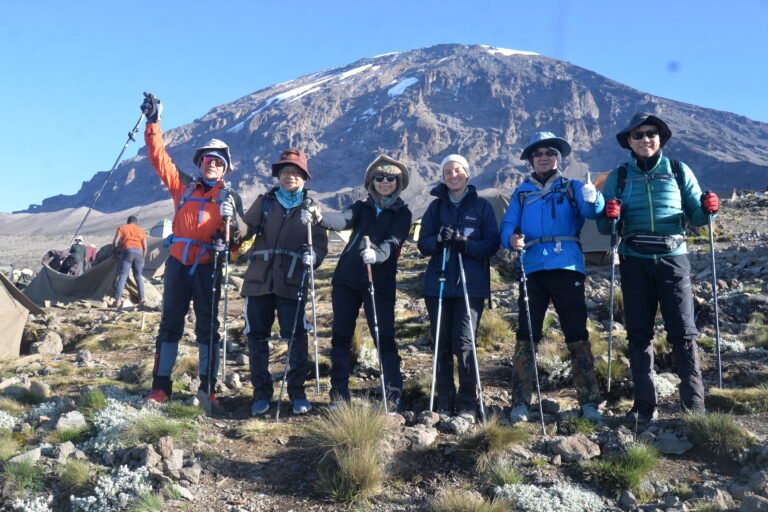
Kilimanjaro Full Moon Climb 24 December – Group Trekking 2026
Kilimanjaro Full Moon Climb 24 December 2026 – Group Trekking.
View package details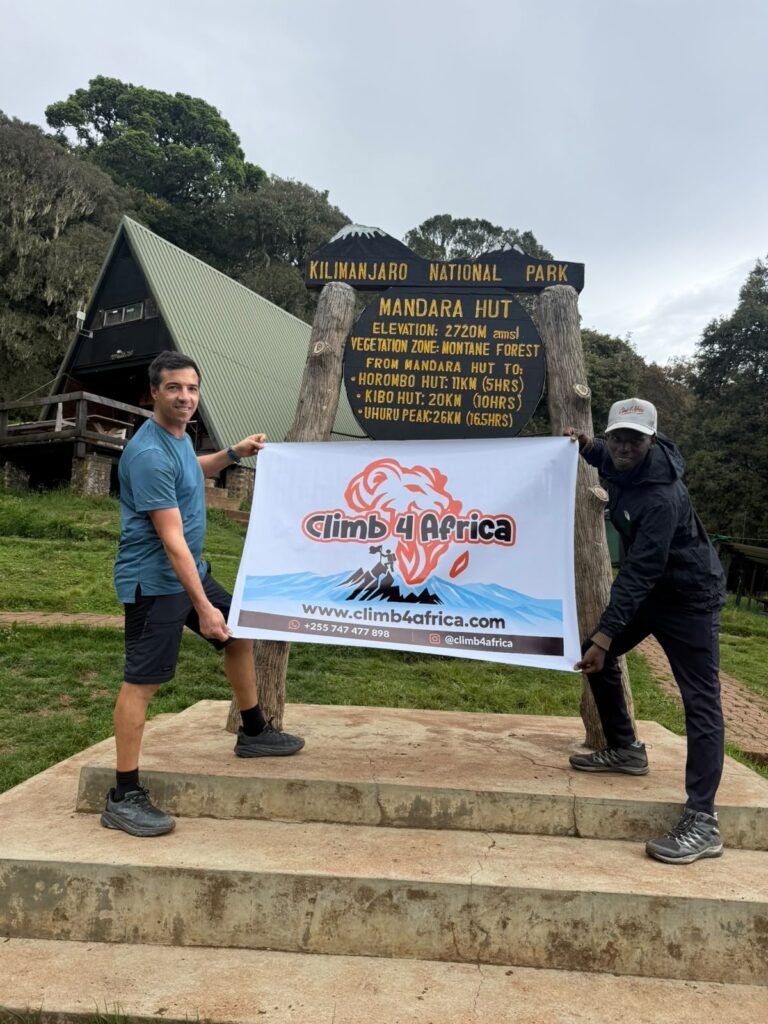
6 Days Marangu Kilimanjaro Full Moon Climb – 20–25 December 2026
6 Days Marangu Kilimanjaro Full Moon Climb – 20–25 December 2026.
View package details7 Days Umbwe Route Kilimanjaro Trekking – 4–10 December 2026
7 Days Umbwe Route Kilimanjaro Trekking – 4–10 December 2026.
View package details8 Days Shira Kilimanjaro Christmas Climb – 19–26 December 2026
8 Days Shira Kilimanjaro Christmas Climb – 19–26 December 2026.
View package details9 Days Northern Circuit Kilimanjaro Christmas Climb – 18–26 December 2026
9 Days Northern Circuit Kilimanjaro Christmas Climb – 18–26 December 2026.
View package details6 Days Umbwe Route Kilimanjaro Climb – 1–6 December 2026
6 Days Umbwe Route Kilimanjaro Climb – 1–6 December 2026.
View package details5 Days Marangu Kilimanjaro Full Moon Trek – 21–25 December 2026
5 Days Marangu Kilimanjaro Full Moon Trek – 21–25 December 2026.
View package details7 Days Rongai Kilimanjaro Christmas Trek – 20–26 December 2026
7 Days Rongai Kilimanjaro Christmas Trek – 20–26 December 2026.
View package details
8 Days Shira Kilimanjaro New Year Trek – 26 December – 2 January 2026
8 Days Shira Kilimanjaro New Year Trek – 26 December 2026 – 2 January 2027.
View package details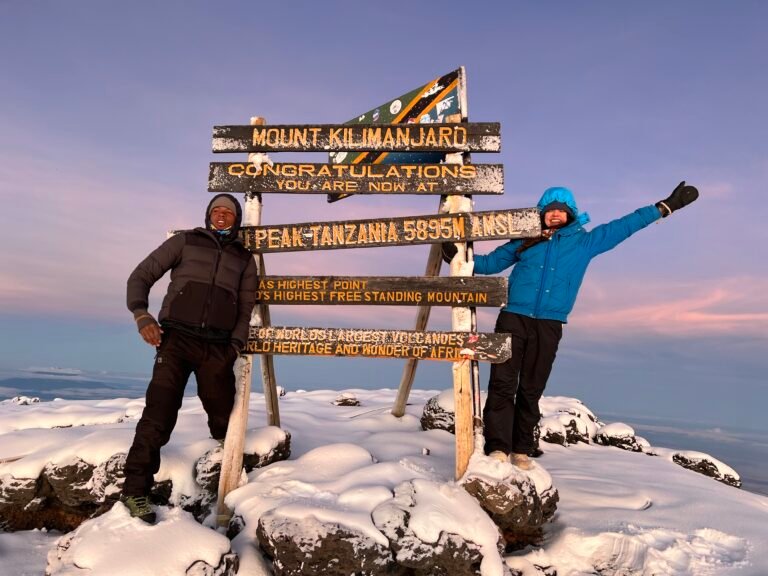
Kilimanjaro New Year Eve Climb – 31 December Summit 2026
Kilimanjaro New Year Eve Climb – 31 December 2026 Summit.
View package details6 Days Marangu Kilimanjaro New Year Climb – 28 December – 2 January 2026
6 Days Marangu Kilimanjaro New Year Climb – 28 December 2026 – 2 January 2027.
View package detailsNo related package matches those filters. Clear one or more filters to see the other topic-matched options.



