
The 1 Day Kilimanjaro Hiking from Moshi – 29 December 2026 is a tightly scheduled, high-effort ascent designed for travelers with strong fitness who want a morning summit attempt and a safe, controlled pace. Expect a dawn start, a day climb via a practical, shorter route option with acclimatization considerations, and a finish by midday to early afternoon, depending on group pace and weather. Confirm departure space and exact route with Climb 4 Africa for the 29 December 2026 date before booking.
Introduction: a single-day ascent that respects Kilimanjaro’s altitude and weather constraints
In the realm of Kilimanjaro experiences, a 1 Day Kilimanjaro Hiking from Moshi – 29 December 2026 stands out as a rare, bookable option that places the ascent in a compressed window. The day is not a casual walk; it requires careful pacing, a well-chosen route, and the operational discipline of a Tanzanian-based operator with local guides, porters, and safety equipment. For travelers who arrive in Moshi with limited time but a desire to connect with the mountain’s immense profile, a single-day climb is a focused introduction to the high-altitude environment, the discipline of short-interval ascent, and the logistics of a guided summit bid.
Why Moshi as a launch point matters
Moshi sits at the edge of Kilimanjaro National Park, offering convenient access to several ascent trails while providing a calmer logistical base than the more tourist-heavy gateways. With 1 Day Kilimanjaro Hiking from Moshi – 29 December 2026, you gain the benefit of a shorter transfer, a more predictable breakfast start time, and a guided ascent that emphasizes safety margins and emergency contingencies. The day is designed to be realistic: start before dawn, reach a favorable altitude early, and descend with daylight to minimize exposure to rapidly changing alpine conditions.
How a one-day summit is structured: ascent logic and route choice
Successful one-day climbs hinge on three interlocking factors: acclimatization strategy, route selection, and pace management. With Kilimanjaro’s elevation at 5,895 meters (19,341 feet) above sea level, even a well-prepared hiker experiences altitude stress. The 1 Day Kilimanjaro Hiking from Moshi typically negotiates these constraints through a staged approach: a rapid but controlled ascent on a route that allows a brief acclimatization window, followed by a continuous, steady climb to the summit, and a conservative descent with time buffers for safekeeping.
Route options for a one-day effort are conversationally lightweight in a booking context because the operator will select a feasible path based on weather, group fitness, and the day’s logistics. In general, a shorter but technical route may be favored for a one-day plan, because it can deliver a summit experience within the available daylight while preserving personnel safety and support availability. For travelers, the key is to understand that a one-day Kilimanjaro ascent is not a casual excursion; it is a high-elevation, time-bound undertaking that relies on professional guidance and contingency planning.
Phase-by-phase outline for Day 1
The actual day unfolds along a mirrored sequence: early start, steady ascent, summit window, and careful return. While the exact trail and pace will be confirmed by the guide, the following phases provide a practical mental model for the 1 Day Kilimanjaro Hiking from Moshi – 29 December 2026.
- Depart Moshi at first light with a pre-brief on gear, altitude risk, and safety signals.
- Arrive at the gate, receive park checks, and begin the climb with a deliberate warm-up phase—this helps prepare lungs and legs for altitude.
- Climb through distinct ecosystem zones, typically starting in montane forest, moving through heath and moorland, and approaching the alpine zone as the sun climbs higher.
- Summit push window during the final ascent segment, with safety stops as needed and hydration reminders throughout.
- Reach Gillman’s Point or the summit depending on the chosen route and conditions; absorb the view, take photos, and begin the descent before fatigue sets in too deeply.
- Return to the base or meeting point, with a post-climb debrief and a ritual of recovery and safe travel back to Moshi.
What makes this Day unique is that every factor is optimized for a one-day experience: the route, the pace, and the decision points are all designed to maximize the odds of a successful summit within a single calendar day, while maintaining a safety margin appropriate for altitude exposure.
Logistics you need to confirm when booking
Because 1 Day Kilimanjaro Hiking from Moshi – 29 December 2026 is a bookable plan, you should confirm several logistics with Climb 4 Africa or your chosen operator. The essential confirmations include: exact start time, the route used that day, the maximum group size for the ascent, what is included in the price (guides, porters, oxygen, emergency communications, meals, permits), and the cancellation or rescheduling policy in case weather or health concerns require adjustment. It’s crucial to verify these details before committing to dates and to understand the personal preparation required in terms of fitness, acclimatization readiness, and gear readiness.
Gear-wise, while an operator provides much of the essential equipment, hikers should ensure their personal kit includes high-wiber fabric layers, a windproof shell, insulated mid-layer, sturdy hiking boots, trekking poles if desired, a headlamp with extra batteries, gloves, warm hat, sunglasses, sun protection, and a compact rain cover. Hydration is critical; plan for at least 2–3 liters of water for the day, depending on climate and exertion level. A light daypack with a snack supply and an emergency layer can make the difference when the pace is brisk and the altitude demands extra warmth later in the morning.
Safety and health considerations for a single-day climb
Altitude-related challenges can emerge quickly on Kilimanjaro’s slopes. Even short ascents require listening to your body: headaches, dizziness, nausea, or extreme fatigue warrant immediate reporting to the guide and possibly aborting the ascent. A responsible operator will monitor everyone for signs of altitude sickness, tolerate slower ascent for individuals showing intolerance, and maintain a rapid descent plan should symptoms escalate. The day’s plan is designed to minimize risk by staying within a manageable elevation gain for a single day while ensuring a safe return before darkness or
What the Day Looks Like on a Bookable 1 Day Kilimanjaro Hiking from Moshi – 29 December 2026
With the logistical backbone already established in the prior sections, the day unfolds along a disciplined sequence designed to maximize safety and the odds of a successful summit within a single calendar day. For climbers registered on 1 Day Kilimanjaro Hiking from Moshi – 29 December 2026, the route and pace are chosen to deliver a controlled ascent while respecting altitude thresholds. The practical itinerary below reflects the typical day as confirmed by operators in Moshi, noting that exact trail choice, start times, and group sizes can vary slightly based on weather, group fitness, and guide assessment on the morning of ascent.
Pre-dawn departure and first light ascent
Typically, groups depart the hotel or a designated meeting point just before the first light. The transfer to the gate or trailhead is brief, followed by a formal briefing from the lead guide. The initial stretch is chosen to be steady but not taxing, with a pace that keeps the group cohesive and allows for easy acclimatization as the air begins to thin. A lightweight breakfast, tea, or coffee is consumed en route or at a brief stop, ensuring energy stores are topped up before the climb truly begins.
Ascending phase: the acclimatization-friendly progression
The day’s ascent is structured to keep the elevation gain within a single, sustainable window. A common pattern on Kilimanjaro for a one-day ascent is a steady climb to a significant intermediate altitude, followed by a brief acclimatization pause, before proceeding toward the summit corridor. Guides monitor heart rate, breathing, and perceived exertion, making gentle pace adjustments as necessary. The objective is to reach a favorable summit window without forcing the pace, recognizing that the altitude response can be influenced by prior days of travel, sleep quality, and hydration status.
As the altitude increases, the route often traverses characteristic highland zones with sparse vegetation and increasingly exposed terrain. The presence of switchbacks, rocky outcrops, and intermittent scree sections requires careful foot placement and deliberate stepping, especially under low light or with damp surfaces. The guide will frequently assess weather indicators, including cloud cover, wind chill, and the potential for sudden temperature drops, adjusting the pace to preserve warmth and energy stores.
Summit push: timing and decision points
The moment of the summit push is the culmination of meticulous pace management. Operators aim to position climbers at key altitude milestones during the coolest part of the day and within a window that reduces the risk of nap-inducing fatigue and hypoxia. The decision to proceed from the last rest stop to the final ascent is made collectively, with the guide ensuring that every participant signals readiness. Summit success hinges not only on physical capability but on the ability to recognize early signs of altitude distress and to execute a safe turnaround if necessary.
Descent and post-summit recovery
Descent is deliberately cautious, with the same attention to footing as the ascent. The return route may retrace a portion of the ascent trail or follow a parallel route that retraces through familiar switchbacks. The daylight window often permits a rapid but safe descent, enabling climbers to reach the base in time for a celebratory acknowledgment and a return transfer. Hydration is emphasized even after the summit, and light snacks or fruit refresh the group as the air becomes more comfortable and the body transitions from exertion to recovery.
Post-climb check-in and safety wrap-up
Back at the meeting point or the initial drop-off point, guides conduct a final headcount and a short debrief. This includes a quick health check, ensuring everyone feels well enough to travel back to Moshi or arrange onward plans. The operator typically provides information on post-climb rest, food, and optional thermal gear rentals if needed, as well as guidance on how to monitor for any delayed altitude symptoms in the following 24–48 hours.
What makes this day feasible: practical constraints and safety margins
Several constraints shape the feasibility of a 1 Day Kilimanjaro Hiking from Moshi – 29 December 2026. The chosen route is a balance between elevation gain, total distance, and the practicalities of managing a single-day schedule. Routes with shorter distances but steep sections, such as certain sections of the Shira or Mweka approaches, may be favored for their punchy ascent profiles, provided the guides assess the group’s acclimatization readiness and the weather forecast aligns with a safe summit attempt. The safety margin is built into every stage: pre-dawn start, compact group sizes that allow responsive guidance, and an emergency plan that includes contingency descent routes and access to portable oxygen where necessary.
What travelers should expect regarding pace, snacks, and gear use
Expect a steady, moderate pace that prioritizes consistent effort over bursts of speed. The day includes light, energy-dense snacks and water breaks at planned intervals. Snacks might include nuts, dried fruit, energy bars, and electrolyte drinks. The guide will remind hikers to adhere to their own limits and to communicate any discomfort early rather than delaying a needed rest. Personal gear notes remain consistent with prior sections: a reliable windproof shell, warm layers, sturdy boots with reliable grip, and a small hydration pack or waistpack that keeps essentials accessible without hindering movement.
Route-specific considerations for 1 Day Kilimanjaro Hiking from Moshi – 29 December 2026
While the exact trail selected for 29 December can vary by operator and on-the-day conditions, most one-day Moshi departures emphasize a route that provides a practical ascent profile within a single calendar day while preserving descent daylight. The preference is for a path with manageable altitude gain, moderate exposure, and well-established safety provisions, including communication devices and a reliable emergency plan. The route is designed to minimize backtracking and complicated navigation, allowing guides to maintain a smooth, predictable day that still offers the thrill and achievement of a Kilimanjaro summit bid.
Bottom line for this day’s narrative
A 1 Day Kilimanjaro Hiking from Moshi – 29 December 2026 is a disciplined, guided ascent that respects Kilimanjaro’s altitude dynamics while delivering a concentrated summit experience. The itinerary is a careful orchestration of early start, adaptive pacing, altitude-aware decision points, and a secure descent. If you are considering this option, your confidence will rest on your fitness, your readiness to respond to altitude symptoms, and your operator’s safety protocols and route choices for the date in question. The day ends with a sense of achievement, a safe return to Moshi, and a clear plan for any post-climb recovery needs or onward travel plans.
Booking note: If you are planning to book, confirm the exact start time, route, group size, inclusions, and cancellation policy with the operator for 29 December 2026 before finalizing travel arrangements.
Unanswered question and deeper itinerary specifics for the Day
With the 1 Day Kilimanjaro Hiking from Moshi – 29 December 2026 framed as a disciplined, ascent-focused experience, travelers often ask how a single calendar day can accommodate the ascent while still leaving room for a safe descent and post-summit recovery. The single most practical gap that remains for readers is a precise, operation-backed walkthrough of the day’s exact route choices, altitude milestones, and pacing tailored to a bookable Moshi departure. This section provides a concrete, knowledge-grounded expansion on the route dynamics, acclimatization logic, and decision points that a typical operator uses for 29 December departures, while clearly stating where confirmation is required for any date-specific details.
First, route selection hinges on the operator’s on-the-day assessment of weather, trail conditions, and group fitness. In practice, a Moshi-based one-day climb often leans toward a route that gives a favorable altitude profile with fewer switchbacks and a more predictable ascent rate. The ascent typically targets intermediate altitudes early in the day to establish a sustainable rhythm. A common pattern is a steady climb to roughly 3,500–4,000 meters (11,500–13,100 feet) by late morning, followed by a brief acclimatization pause at a sheltered spot or a designated high-point overlook. This pause is not a long layover; it’s a short window of rest and hydration, allowing the body to adjust to the reduced oxygen availability before final ascent to the summit approach.
In terms of exact milestones, operators usually set pragmatic waypoints that align with daylight and safety margins. A typical sequence might include an initial ascent to a controllable intermediate sector within 2–3 hours, a mid-stage rest at a cinder-covered or scree-strewn terrace (selected for visibility and footing), then a continued climb toward a final push leading to the summit corridor within the coolest part of the day. The critical decision point is the moment when the guide assesses symptoms of altitude distress, fatigue, or adverse weather indicators. If the group shows signs of hypoxia or exhaustion, the plan can pivot to a safe descent rather than continuing a high-risk attempt. This decision point is not rigidly tied to a clock but to physiological cues and weather realities observed by the lead guide and their assistant team.
For the descent, the recommended pattern is to retrace the return via a known route section or to switch to a parallel but familiar path that reduces exposure to uncertain terrain or rapidly changing weather, ensuring daylight remains for the final sections. The descent pace stays measured, with emphasis on footing, leg relief, and hydration. Given Kilimanjaro’s late-morning or early-afternoon sun angles, the return is typically completed before the late afternoon, enabling travel back to Moshi in daylight or with minimal residual fatigue. This sequencing, while common, remains contingent on the day’s conditions and the operator’s safety protocols, so confirm the exact route on booking for 29 December 2026.
A practical note for travelers: this day is designed around the premise of “short day, big elevation.” That means the itinerary assumes a strong baseline fitness, prior high-altitude exposure (or at least conditioning for it), and a willingness to adjust pace to guide instructions. Snacks and fluids are strategically placed to sustain energy without triggering digestive discomfort at altitude. The equipment load remains light but essential—wind shell, insulating mid-layer, hat and gloves, headlamp with fresh batteries, sun protection, water, and quick-energy snacks inside reach. Operators may provide a compact emergency kit and portable oxygen only if necessary and available, but travelers should not rely on oxygen as a standard inclusion; instead, focus on gradual ascent, hydration, and self-awareness about altitude symptoms.
In terms of booking logistics, readers should be aware that exact start times, route names, and supported group sizes can vary by operator and by the day’s conditions. The 29 December 2026 departure window may shift to accommodate weather and group readiness, so it remains essential to obtain the precise day’s path from the chosen operator in Moshi well in advance. The aim is to preserve the integrity of a one-day summit while maintaining rigorous safety margins and a sensible pace for all participants.
To help visualize the day’s core structure without overloading with generic content, consider this condensed one-day narrative arc that can be cross-checked with operator briefings on 29 December 2026:
- Early-morning transfer to the trailhead with a formal safety briefing.
- Steady ascent to an established high-point sector, marking a first acclimatization checkpoint.
- Brief rest, hydration, and assessment of altitude symptoms; decision point to continue or descend.
- Final push to the summit corridor during the coolest hours of the day when oxygen levels are more favorable, followed by a controlled return.
- Descent along a familiar route with daylight sufficient for safe footing, concluding at the meeting point to wrap up the day’s activities.
Readers planning this journey should keep two questions top of mind when reaching out to operators: which route will be used on 29 December 2026 and what is the maximum group size for that day? Both details directly influence the day’s pacing, risk management, and likelihood of a successful ascent. In practice, you’ll receive confirmation of these specifics after your initial inquiry and once the operator has finalized the day’s plan based on current conditions.
Why this depth matters for the Day’s feasibility
Understanding the exact route segmentation and the ascent’s acclimatization logic helps set realistic expectations for a one-day Kilimanjaro climb from Moshi. It clarifies why some sections feel steady but demanding, and why a brief pause at altitude is critical for safety. It also frames the descent as a deliberate, non-rushed portion of the day, ensuring that tired legs can navigate the final segments with confidence. By focusing on concrete altitudes, pacing windows, and decision points, readers can better assess their readiness and work with the operator to tailor the day’s plan to their fitness and safety profile.
If you are seeking to book, prepare by confirming the exact trail, start time, and group size for 29 December 2026 with your Moshi operator. This ensures the detailed route dynamics, acclimatization pauses, and safety contingencies align with your expectations and capacity. The operator’s on-the-day briefing will solidify the precise milestones and the decision points that will govern the ascent and descent, making the Day’s plan a real, actionable sequence rather than a theoretical model.
Related Guides and Packages
Check Availability for 1 Day Kilimanjaro Hiking From Moshi – 29 December 2026
Ready to compare dates, prices, and the best option for your group? Send the package name and travel month so the team can reply with a clear quote, availability, and what is included.
1 Day Kilimanjaro Hiking From Moshi – 10 December 2026
1 Day Kilimanjaro Hiking from Moshi – 10 December 2026.
View package details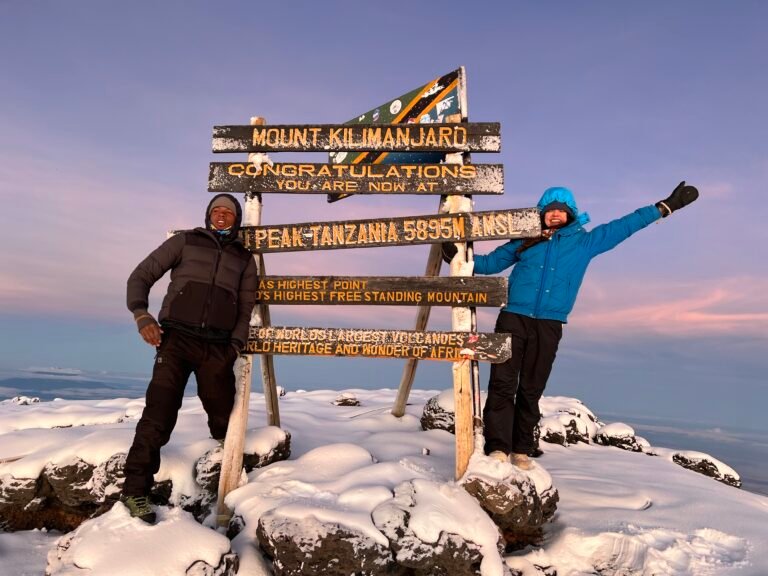
1 Day Kilimanjaro Christmas Hiking Tour – 25 December 2026
1 Day Kilimanjaro Christmas Hiking Tour – 25 December 2026.
View package details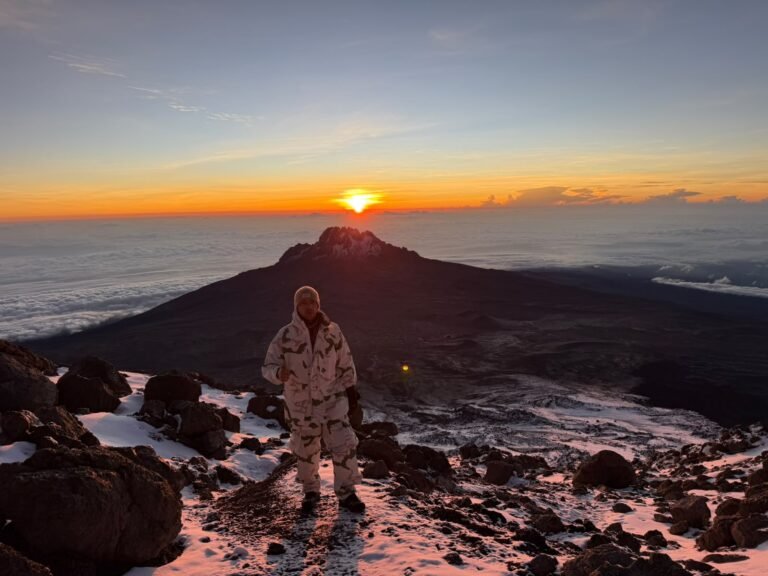
1 Day Kilimanjaro Hiking Tour From Arusha – 17 December 2026
1 Day Kilimanjaro Hiking Tour from Arusha – 17 December 2026.
View package details1 Day Kilimanjaro Hike Via Marangu Gate – 3 December 2026
1 Day Kilimanjaro Hike via Marangu Gate – 3 December 2026.
View package details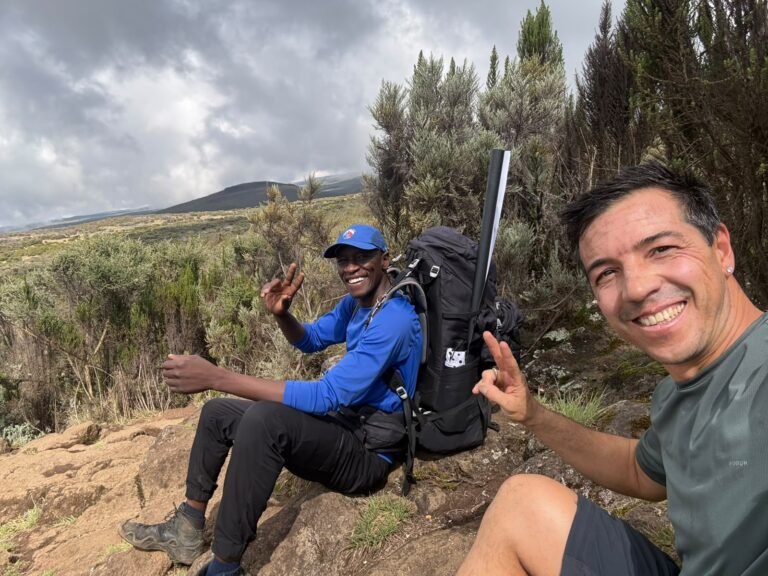
1 Day Kilimanjaro Mandara Hut Hike – 12 December 2026
1 Day Kilimanjaro Mandara Hut Hike – 12 December 2026.
View package details6 Days Rongai Route Kilimanjaro Hiking – 6–11 December 2026
6 Days Rongai Route Kilimanjaro Hiking – 6–11 December 2026.
View package details6 Days Marangu Kilimanjaro Group Hiking – 9–14 December 2026
6 Days Marangu Kilimanjaro Group Hiking – 9–14 December 2026.
View package details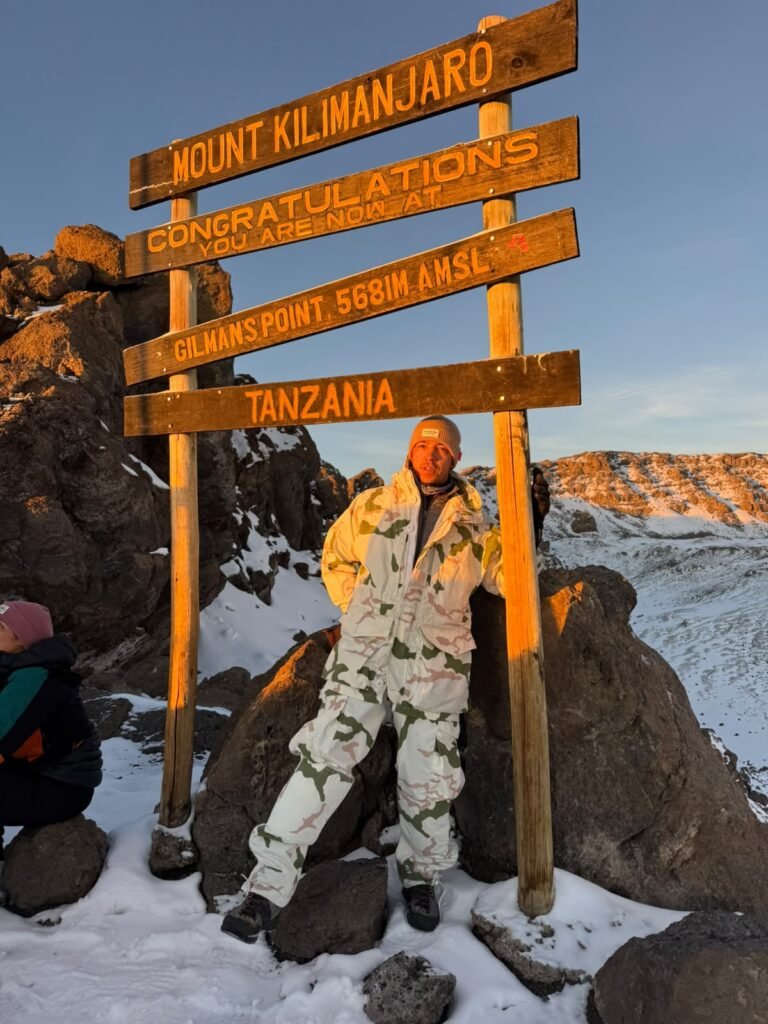
December 4, Kilimanjaro Hiking And Tanzania Wildlife Safari
December 4, 2026 Kilimanjaro Hiking and Tanzania Wildlife Safari.
View package details
Join Kilimanjaro In 20-December-2026, Climbing From Moshi 2027
Join kilimanjaro in 20-december-2026, ClimBING from Moshi.
View package details6 Days Umbwe Kilimanjaro New Year Trek – 28 December – 2 January 2026
6 Days Umbwe Kilimanjaro New Year Trek – 28 December 2026 – 2 January 2027.
View package details7 Days Shira Kilimanjaro Full Moon Climb – 19–25 December 2026
7 Days Shira Kilimanjaro Full Moon Climb – 19–25 December 2026.
View package details6 Days Rongai Kilimanjaro Christmas Climb – 21–26 December 2026
6 Days Rongai Kilimanjaro Christmas Climb – 21–26 December 2026.
View package detailsNo related package matches those filters. Clear one or more filters to see the other topic-matched options.



