
For a Kilimanjaro New Year Summit around 1 January 2027, exact verified climbing dates, group spaces, and package details are provided only when confirmed by the operator. This installment outlines how calendar-linked departures work, the general structure of a Kilimanjaro New Year climb with 6–7 day routes, and the decision points a traveler should verify with Climb 4 Africa before booking.
When travelers search for a Kilimanjaro New Year Summit, the core question is not only which route to take but how the departure window around 1 January 2027 aligns with practical realities on the mountain. Climb 4 Africa positions Kilimanjaro New Year climbs as a gateway to a high-altitude experience that combines acclimatization pacing with route choices that best suit a New Year travel rhythm. The right information starts with a clear understanding of how calendar-based departures are organized, what is reliably available for 2027, and what must be confirmed directly with the operator before committing to an itinerary.
On Kilimanjaro, “New Year” is less a single date and more a cluster of potential departures that land in late December through early January, with summit attempts historically aligned to the tail end of December or the first days of January depending on weather, group size, and route. The emphasis for a Kilimanjaro New Year Summit is ensuring you join a group that has adequate acclimatization time, a feasible ascent schedule, and reliable logistics that can cope with the mountain’s demanding conditions while observers celebrate the season at Moshi and surrounding lodges after the climb. This introductory installment therefore centers on how to interpret the phrase Kilimanjaro New Year Summit 1 January 2027 – Climbing Dates in practice, what you should expect to verify, and the decision points that lead to a confirmed departure.
Understanding the calendar: what “1 January 2027” means in practice
The phrase Kilimanjaro New Year Summit 1 January 2027 implies a target summit attempt around the turn of the year. In practice, this translates to a set of potential departure dates in the broader window surrounding late December and early January, with summit attempts often scheduled after a day or two of ascent staging, depending on route and acclimatization needs. Climb 4 Africa, a specialist operator for Kilimanjaro, typically offers 6–7 day route variations aligned with New Year climbs, but the exact dates, group sizes, and inclusions are contingent on current bookings and available spaces for 2027. Prospective climbers should expect a package that includes park fees, guides, porters, meals on the mountain, potable water, and certain accommodations before and after the climb, but it is essential to verify the precise itinerary and whether any changes have occurred since initial publishing.
Route options commonly paired with a Kilimanjaro New Year departure
Most Kilimanjaro routes that sit well with a New Year schedule emphasize gradual acclimatization and reliable summit success rates. Common options include popular six- to seven-day itineraries that balance elevation gain with rest days. In the December–January window, routes frequently considered suitable for a New Year push include Marangu, Machame, Lemosho, and Northern Circuit variants, each with distinct campsites, scenery, and altitude profiles. When planning a Kilimanjaro New Year Summit, it is important to confirm with Climb 4 Africa which specific route aligns with the 1 January target and the current availability for that year’s departures. The operator’s knowledge of local guides, porters, and logistics plays a critical role in aligning the clock with the mountain’s rhythm and the traveler’s expectations for the holiday period.
Marangu-style pacing and its fit with New Year timing
Marangu tends to be one of the more accessible routes, with established huts and a relatively steady pace that can suit first-time high-altitude trekkers. For a Kilimanjaro New Year Summit, a 5–6 day Marangu option might be offered, but availability for January departures depends on the specific year’s schedule. If a shorter variant is proposed, travelers should assess whether the acclimatization occurs sufficiently before any summit bid. If the schedule is a longer 6–7 day variant, the pace typically allows better acclimatization, which is especially important for a New Year ascent when crowds and festive interruptions in Moshi and surrounding lodges can influence the overall experience. Always verify the exact number of nights on the mountain and in base lodges for the 1 January target with Climb 4 Africa before booking.
Alternative routes and their December–January rhythm
Other routes frequently considered for a December 2026 to January 2027 window include Machame and Lemosho, both noted for scenic variability and strong acclimatization graphs. Northern Circuit, while longer, can also accommodate a New Year timeline for groups that prefer less congested routes. For a Kilimanjaro New Year Summit, it is crucial to confirm with the operator the precise arrival and departure times, and to understand how route choice might affect altitude gain per day, distance walked, and nightly elevations. The conversation with Climb 4 Africa should cover the exact days on the mountain, the order of camps, and any contingency plans in case of weather-related delays around late December and early January.
What to expect on a Kilimanjaro New Year climb with Climb 4 Africa
Even without committing to a specific date, prospective climbers can anticipate a structured, support-rich experience that prioritizes safety, acclimatization, and responsible mountain travel. The operator’s approach includes experienced guides who understand altitude dynamics, porters who carry a significant portion of the load, and carefully prepared meals that sustain energy for the ascent. For a Kilimanjaro New Year Summit, the day-by-day rhythm typically follows a pattern of ascent, rest, and acclimatization, punctuated by scenic highlights and practical moments for hydration, gear checks, and altitude awareness. Confirmed schedules will spell out the day-by-day progression, including international flight arrivals into Kilimanjaro region hubs, transfer times, and the sequence of trailheads, camps, and final summit push windows around 1 January 2027.
Booking considerations: what to verify before confirming a Kilimanjaro New Year Summit
Because this is a date-driven topic, the most important questions to ask when engaging with Climb 4 Africa include: What specific 1 January 2027 departure dates are currently available? How many days on the mountain does the recommended itinerary include? What exactly is included in the price (guide ratios, porters per climber, park fees, rescue insurance, meals, accommodation, airport transfers)? What is the maximum group size for the Kilimanjaro New Year Summit, and
Refining the decision: exact 1 January 2027 departures and their implications
The prior sections establish that Kilimanjaro New Year Summit departures cluster around late December to early January, with summit attempts commonly scheduled in the window that starts just after Christmas and runs into the first days of January. What remains most critical for a reader who is evaluating a Kilimanjaro New Year climb with Climb 4 Africa is the practical impact of choosing a specific 1 January target date on the schedule, acclimatization, and the overall experience. Because this is a date-driven program, the precision of departure dates, group sizes, daily pacing, and what is included in each package all hinge on verified availability from the operator. The absence of published, guaranteed calendars means that a traveler must work through a structured inquiry process to secure an exact plan that can be trusted as the basis for booking.
One core nuance is that a “1 January 2027 summit” is not the summit on 1 January itself but a target window around that date. When you request a Kilimanjaro New Year climb, you are effectively seeking a departure that aligns enough with that period to allow a summit push near the turn of the year while still accommodating necessary acclimatization. The practical effect for itinerary planning is that you may be offered a start around December 28–30, with summit attempts typically occurring on December 31 or January 1 depending on the group’s acclimatization progression and weather windows. This means that the exact date you commit to will determine the sequence of camps, rest days, and contingency provisions for late-December weather or transport delays from Moshi/Kilimanjaro region hubs.
To navigate this concretely, consider the following decision points when discussing a Kilimanjaro New Year Summit with Climb 4 Africa:
- Exact departure date availability: Ask, in writing, for the confirmed departure list around late December 2026 and early January 2027. Operators commonly offer multiple dates within a tight weekly range. Clarify which specific date corresponds to your intended summit window (for example, a departure that ensures a summit push on or near January 1).
- Route and pacing alignment: Different routes shift the day-by-day schedule and acclimatization timeline. If your goal is a New Year summit, verify that the chosen route’s daily altitude gains and rest days align with a realistic chance to summit on or around 1 January while maintaining safety margins for acclimatization.
- Group size and guide ratio: Confirm the maximum group size and the guide-to-climber ratio for the specific departure. Smaller groups often allow more personalized pacing but can limit departure flexibility; larger groups may offer more social energy but require stricter pacing controls.
- Inclusions and exclusions tied to dates: Some itineraries include park fees, emergency rescue insurance, meals, and lodging during pre- and post-climb nights, while others separate transfers or add optional extras. Ensure the 1 January-target package clearly lists what is included for your dates and what would incur extra charges if there are delays or adjustments in the schedule.
- Contingency handling: Weather, flight disruptions, or permit delays can shuffle the schedule. Confirm how late-December or early-January contingencies are managed, including possible rest days in Moshi or hotel nights before and after the climb, and whether a revised summit plan is offered within the same price framework.
In practice, a prospective climber should request a formal, date-specific itinerary that includes: the exact start date, the sequence of camps, the expected summit window, the total number of days on the mountain, and the precise inclusions. If the operator cannot supply an exact date-software schedule for 1 January 2027, insist on a provisional itinerary with a firm confirmation date for the final departure. This ensures you are not relying on a generic framework or uncaptured assumptions about timing.
Another practical aspect is the synergy between pre-departure logistics and the mountain’s timing around the year-end season. The Kilimanjaro region experiences holiday-season travel traffic, and airports, transfers, and lodging in Moshi or Arusha can experience seasonal pressure. Booking windows tied to a New Year climb should be coordinated with flight arrivals and domestic transfers to minimize idle time or potential misalignment between a climber’s international itinerary and the mountain program. When you are evaluating a Kilimanjaro New Year climb with Climb 4 Africa, request a detailed logistics map that aligns your international arrival date with the operator’s transfer plan, the initial orientation, and the first trailhead transfer so your body can begin acclimatization with a clearly scheduled lead-in period.
Finally, consider risk management and gear logistics as they relate to a specific date. Pack weights, porters’ loads, and the pace of ascent are affected by the group’s arrival timing and the subsequent acclimatization days. If your departure places you on the mountain just after Christmas, you may experience a shift in the social environment at base camps’ communal areas, where climbers share the holiday context as a backdrop to their ascent. This is not a hazard but a cultural nuance that can affect morale and focus. Climb 4 Africa’s crew can provide guidance on maintaining proper hydration, nutrition, and rest in a high-activity, holiday-season setting, but you should be prepared for the fact that the New Year window introduces a festive but rigorous rhythm at altitude.
In summary, the essential next step for readers pursuing a Kilimanjaro New Year Summit around 1 January 2027 is to obtain a concrete, date-specific itinerary from Climb 4 Africa, including the exact departure date, the day-by-day plan with nightly elevations, and the precise inclusions. Without that verified schedule, the 1 January target remains a goal rather than a guaranteed plan. Once you have a confirmed date, you can move into a final decision about route choice, total days on the mountain, required permits, and the logistics surrounding pre- and post-climb arrangements. Until then, expect that the Kilimanjaro New Year experience is a cluster of closely spaced departures with a shared objective—summiting near the turn of the year—yet each date carries its own distinct pacing, slightly different altitude gains per day, and a unique group dynamic that must be understood and confirmed before booking.
What to do right now to secure a verified Kilimanjaro New Year 1 January 2027 plan
- Reach out to Climb 4 Africa with a clear request for the exact 1 January 2027 departure(s) available, including the corresponding itinerary and confirmed inclusions.
- Ask for a formal, itemized price quote tied to the confirmed date, with a breakdown of park fees, rescue insurance, porters per climber, guides’ ratios, and pre-/post-climb accommodations.
- Request a copy of the day-by-day schedule, including the order of camps, acclimatization days, and the specific summit window relative to the date you plan to arrive in Kilimanjaro region hubs.
- Inquire about contingency procedures, cancellation policies, and whether any price protection or credit is offered if weather or operational delays shift your dates slightly but keep the same overall New Year objective.
With these steps, you align with a transparent, date-specific Kilimanjaro New Year plan that respects the realities of high-altitude travel and the operational realities of late December and early January departures. The result is a verified, workable 1 January 2027 Kilimanjaro summit plan rather than a theoretical window that could shift under weather and logistics pressures.
Addressing the Substantial Gap: Exact 1 January 2027 Departure Realities and How to Verify Them
Despite the clarity of the New Year objective, the single most important unanswered question remains tightly scoped: what are the practical, verifiable constraints that determine whether a 1 January 2027 Kilimanjaro summit is actually achievable within a given operator’s calendar? The answer hinges on concrete, date-specific availability, the day-by-day acclimatization plan tied to that date, and the operator’s contingency framework for late December or early January departures. This is not a generic scheduling concern; it is a set of operator-confirmed facts that travelers must obtain before locking in a plan.
Climb 4 Africa, like other Tanzanian operators, operates within a window that clusters departures from the tail of December into early January. The precise feasibility of a 1 January 2027 summit hinges on three intertwined elements: (1) the exact departure date(s) available in the holiday window, (2) the day-by-day itinerary with nightly camps or huts aligned to those dates, and (3) the permitted acclimatization pace for the group that shares that date. Since any summit near 1 January is a probabilistic outcome conditioned on weather, porters’ availability, and guide scheduling, you must obtain a formal, date-specific itinerary that confirms these elements in writing.
To move from intention to verified plan, consider the following practical steps that address the core uncertainties without drifting into generic advice:
- Get the exact date(s) in writing. Request a document from Climb 4 Africa listing the specific 1 January 2027 departure date(s) and any close variants (for example, 30 December or 2 January) that are treated as equivalent to a New Year summit objective. The document should name the guide-to-climber ratio, the number of climbers per porters’ team, and the lead guide’s name, if possible. This is your baseline to compare against any alternative dates you might consider.
- Obtain the day-by-day plan for that exact date. A verified schedule should include ascent days, acclimatization rests, and the expected summit window relative to the chosen date. For example, a 6-day Lemosho or Machame itinerary linked to a 1 January target should show the order of camps, long-rest days for acclimatization, and the anticipated summit approach night. If the itinerary cannot be provided in full, request a provisional plan that clearly states which elements are contingent on weather or group pace.
- Confirm inclusions, exclusions, and logistical protections for the date. Pricing should be tied to the exact departure date and reflect park fees, rescue insurance, porters per climber, guides’ ratios, car transfers, and any pre- or post-climb accommodations. Also verify the operator’s contingency policies: if weather or permit delays push your dates beyond the calendar, is there a credit or a guaranteed rebooking option on the same New Year objective?
- Clarify the permit and summit window specifics. Tanzania requires park permits with dates that correspond to the group’s schedule. Ensure the permit dates align with the exact climb window for your 1 January 2027 date, and understand whether any permit holds or rescheduling constraints could affect the summit plan.
- Assess the weather contingency framework. Though you cannot predict mountain weather, you can confirm the operator’s procedures for delaying or advancing a summit attempt within the New Year window. Ask how many backup summit attempts are allowed within the cluster around 1 January and how weather holds affect group sequencing and camp allocation.
Having these specifics in writing is essential. Without them, the phrase “1 January 2027 Kilimanjaro summit” remains a target rather than a guaranteed plan. A verified plan should clearly demonstrate: the exact date, the route, the acclimatization strategy tailored to that date, and the precise inclusions and protections tied to that itinerary. This is the actionable foundation that separates a hopeful calendar alignment from a confirmed ascent.
Beyond the numeric-confirmation mechanics, a nuanced reading of the New Year window reveals how different routes interact with the calendar. The longer Northern Circuit or the more acclimatization-friendly variants often present better odds for a successful New Year summit when paired with late-December departures. Conversely, routes with shorter itineraries may compress acclimatization in a way that increases risk if the actual departure slips by a day or two. Your verified plan should spell out how the chosen route’s acclimatization schedule maps onto the exact date you will begin and end the climb, and how the itinerary adapts if a boundary date shifts by a day or two within the overall New Year cluster.
In practical terms, the next stage of your inquiry becomes a comparison exercise: which exact 1 January 2027 departure is offered, what is the day-by-day rhythm for that departure, and how does the operator compensate if the sequencing of camps or ascent times must shift? There is no one-size-fits-all answer; the robust path is a written, date-specific itinerary with transparent inclusions and a clear contingency framework. This is the core content missing from generic, date-agnostic planning and the essential hinge on which a traveler decides to proceed.
As you await operator confirmation, maintain a focused preparation track that aligns with your verified plan rather than a broader window. This includes training that supports the pace of the exact itinerary, a hydration and nutrition strategy that fits the climber group’s schedule, and pre-climb logistics around arrival in Kilimanjaro region hubs that correspond to the confirmed departure. A precise plan reduces ambiguity, allowing climbers to align expectations with the realities of the mountain’s December-to-January cadence.
In sum, the most consequential new content for this topic is a rigorously verified, date-specific Kilimanjaro New Year plan that confirms the 1 January 2027 departure, the day-by-day itinerary, and the exact inclusions and contingencies. Until such a document is obtained, the 1 January 2027 target remains an objective anchored in flexibility and operator-confirmed feasibility rather than a fixed itinerary. The onus is on travelers to solicit and review this information directly from Climb 4 Africa, ensuring that their Kilimanjaro New Year ascent is built on a foundation of verified dates, transparent pacing, and reliable support—without fiction or assumption.
Related Guides and Packages
Check Availability for Kilimanjaro New Year Summit 1 January – Climbing Dates 2026
Ready to compare dates, prices, and the best option for your group? Send the package name and travel month so the team can reply with a clear quote, availability, and what is included.
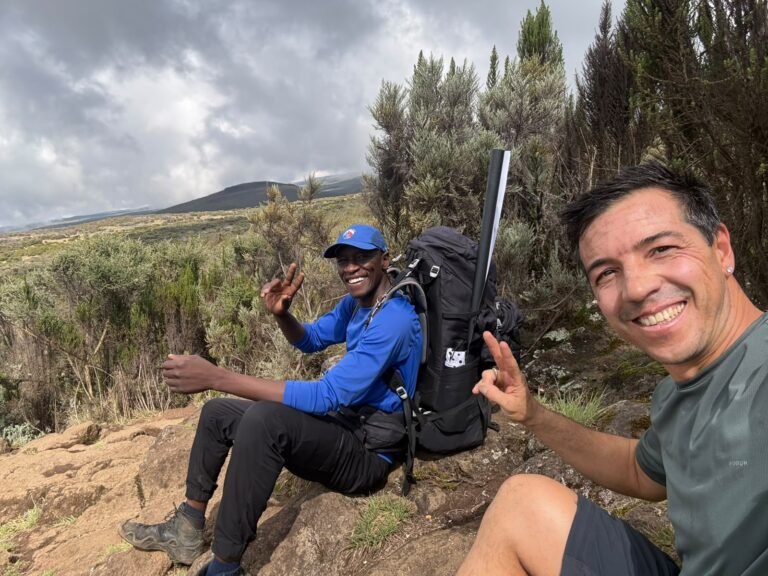
8 Days Shira Kilimanjaro New Year Trek – 26 December – 2 January 2026
8 Days Shira Kilimanjaro New Year Trek – 26 December 2026 – 2 January 2027.
View package details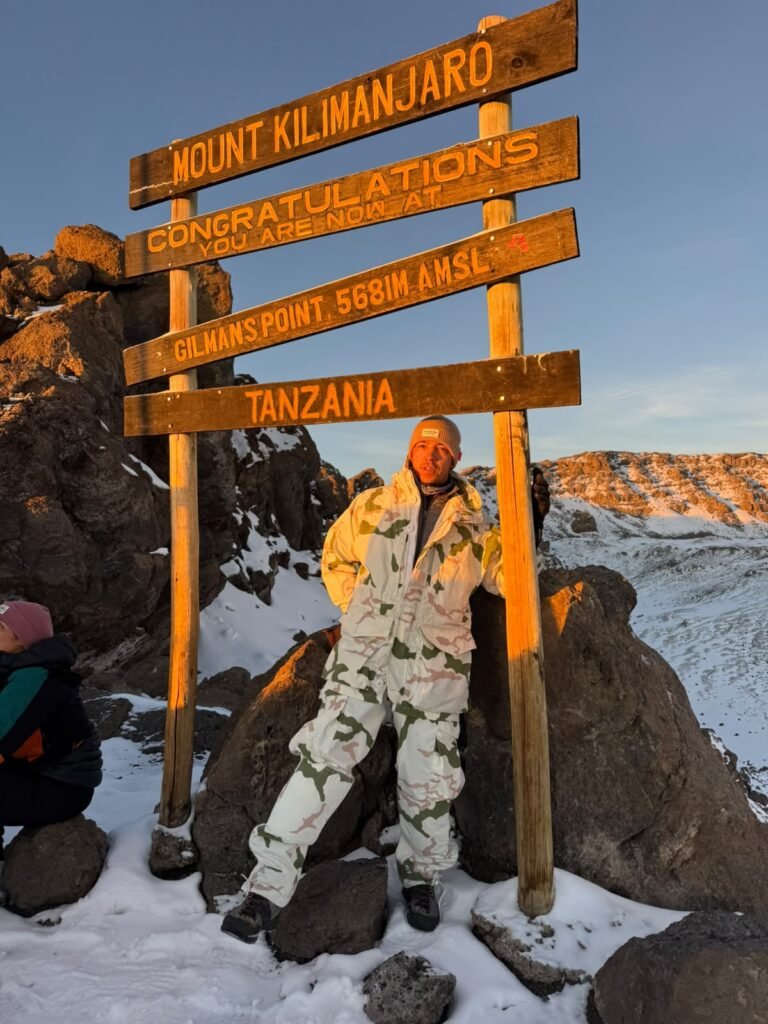
Mount Kilimanjaro December To January Climbing Packages 2026
Mount Kilimanjaro December 2026 to January 2027 Climbing Packages.
View package details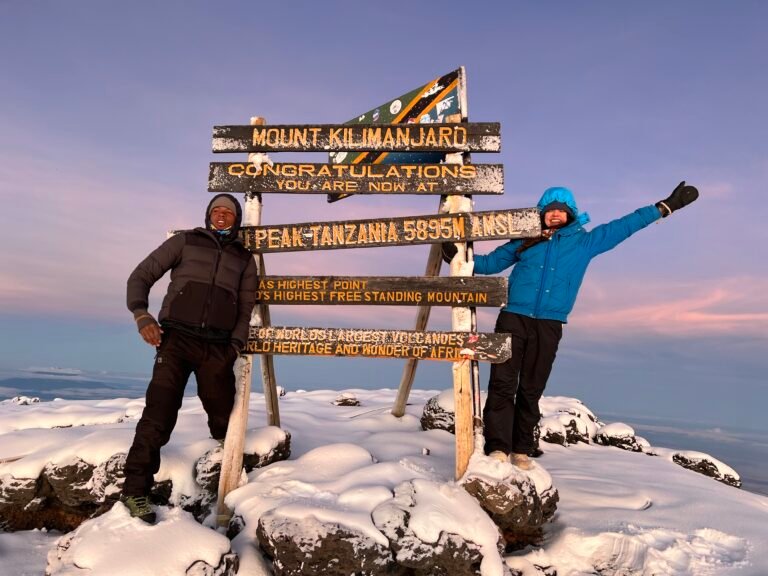
Kilimanjaro New Year Eve Climb – 31 December Summit 2026
Kilimanjaro New Year Eve Climb – 31 December 2026 Summit.
View package details
5 Days Marangu Kilimanjaro New Year Trek – 29 December – 2 January 2026
5 Days Marangu Kilimanjaro New Year Trek – 29 December 2026 – 2 January 2027.
View package details6 Days Marangu Kilimanjaro New Year Climb – 28 December – 2 January 2026
6 Days Marangu Kilimanjaro New Year Climb – 28 December 2026 – 2 January 2027.
View package details6 Days Marangu Route Kilimanjaro New Year Climb 2026
6 Days Marangu Route Kilimanjaro New Year Climb 2027.
View package details9 Days Northern Circuit Kilimanjaro Group Departure – 28 December – 5 January
9 Days Northern Circuit Kilimanjaro Group Departure – 28 December 2026 – 5 January 2027.
View package details7 Days Rongai Kilimanjaro Climbing Tour – 4–10 December 2026
7 Days Rongai Kilimanjaro Climbing Tour – 4–10 December 2026.
View package details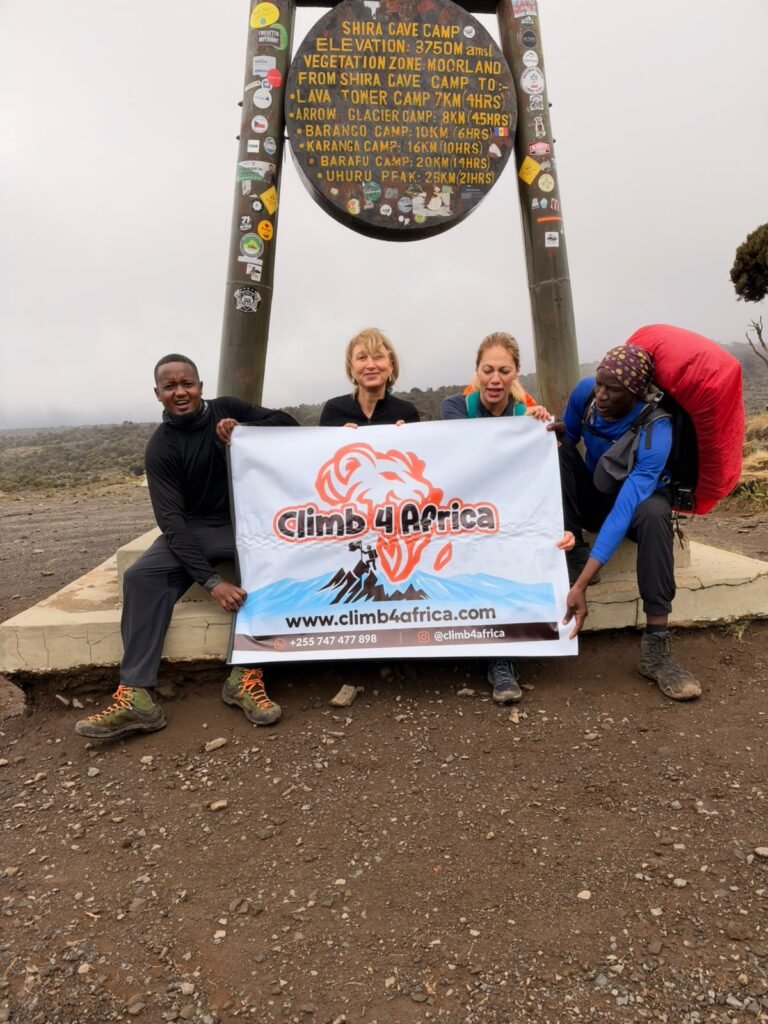
Kilimanjaro Private Climbing Tours December 2026
Kilimanjaro Private Climbing Tours December 2026.
View package details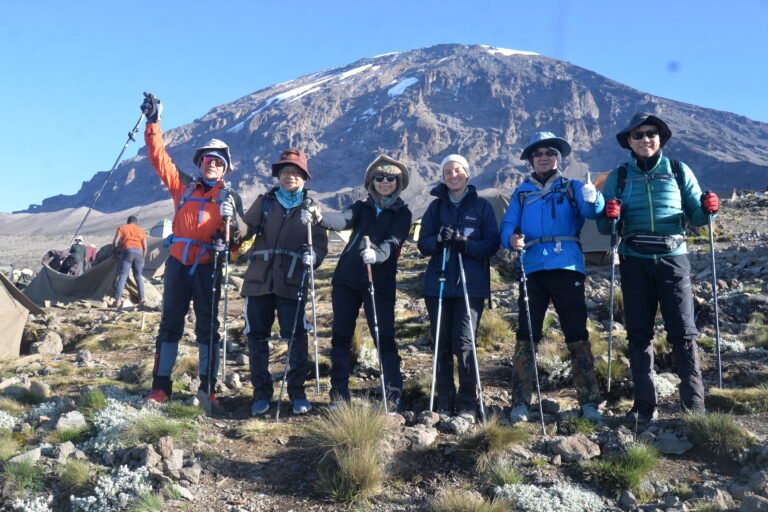
Christmas And New Year Kilimanjaro Group Hiking 2026
Christmas and New Year Kilimanjaro Group Hiking 2026–2027.
View package details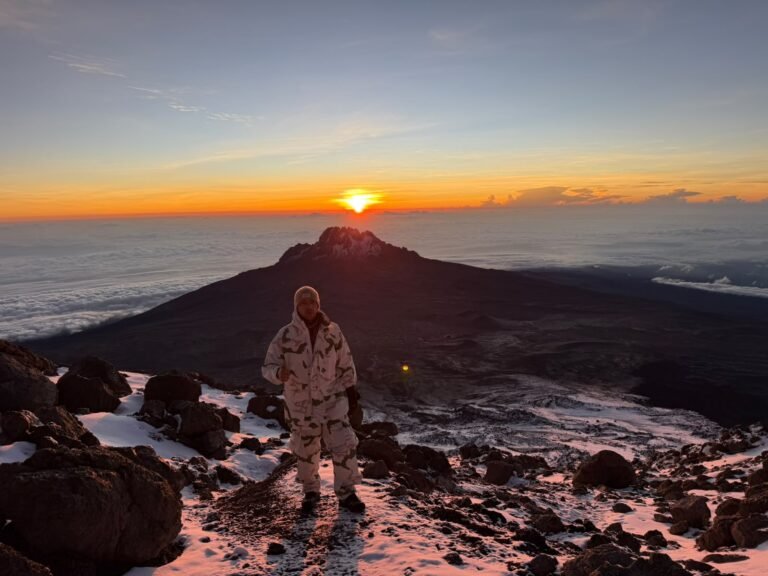
Mount Kilimanjaro Climbing Packages December 2026
Mount Kilimanjaro Climbing Packages December 2026.
View package details5 Days Marangu Kilimanjaro Climbing Package – 12–16 December 2026
5 Days Marangu Kilimanjaro Climbing Package – 12–16 December 2026.
View package detailsNo related package matches those filters. Clear one or more filters to see the other topic-matched options.



