
For a 6 Days Marangu Route Kilimanjaro New Year Climb 2027, the central plan centers on a guided ascent via the Marangu Hut Route, with Day 1 meeting in Moshi or Arusha, Day 2 trekking to Mandara Hut, Day 3 proceeding to Kibo Huts, Day 4 summit and descend to Horombo, then Day 6 return to the Machame gate area for departure. Exact dates, group availability, and inclusions require confirmation with Climb 4 Africa; this installment provides a practical, bookable framework rather than fixed bookings.
When a six-day Marangu climb makes sense for New Year
The Marangu Route, often called the “Coca‑Cola” route because of its hut accommodation, unfolds with progressive altitude gain and built-in acclimatization windows. For a 6 Days Marangu Route Kilimanjaro New Year Climb 2027, travelers typically seek a balance between effort, time on the mountain, and New Year celebrations upon return to Moshi or in nearby towns. This type of itinerary emphasizes a steady pace—enough to respect acclimatization, but compact enough to fit a 6‑day frame around year-end travel schedules.
Key decision points include choosing hut-based lodging on the mountain versus camping, the potential for brief weather-driven limitations, and how the group size and porter availability influence daily progress. In the 6 Days Marangu route, you begin near Mandara Hut or similar Marangu sector points and end with a descent through Horombo, culminating in a return to the release points where you can access Tet-based hotels and airport transfers. Climb 4 Africa typically frames this journey with clearly defined day-by-day targets and a support crew that helps with meals, porters, and safety briefings, while leaving room for minor schedule adjustments based on acclimatization signals and guide recommendations.
Day 1 — Moshi/Arusha to Marangu Gate and Mandara Hut approach
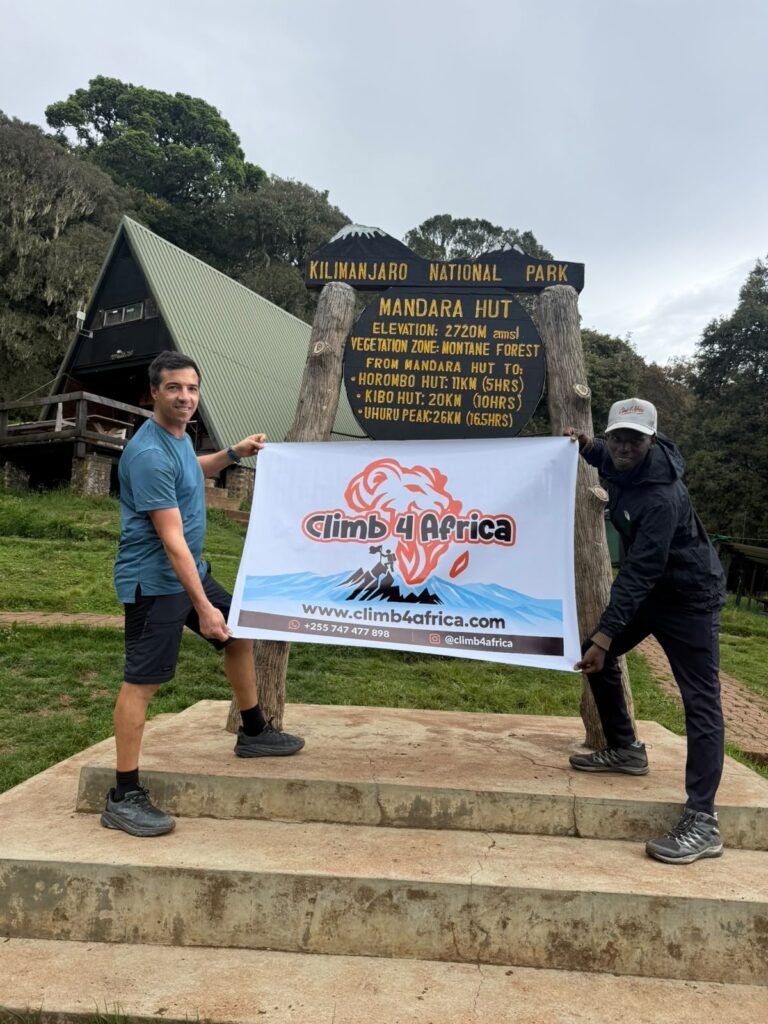
The first day centers on arrival, briefing, and the shuttle transfer to Kilimanjaro National Park’s Marangu Gate. After registration, you begin the short trek to Mandara Hut, commonly around 2,700 meters (8,860 feet). This initial climb is designed to introduce your body to higher elevations gradually and to establish a rhythm for the days ahead. Expect a moderate gradient and a forested environment through close brush and heather zones. Porters and guides assist with gear, and you’ll receive a pre-dawn wake-up call and a complete gear check to ensure your clothing layers, footwear, and packs are optimally organized for Day 2.
Day 2 — Mandara Hut to Horombo or a variant to Kikelewa Hut
On Day 2, the trail advances through cultivated woodland and moorland to a higher acclimatization point. Depending on group size and pace, trekkers may reach Horombo Hut at approximately 3,700 meters (12,140 feet) for the night. This leg is a key acclimatization opportunity; some operators choose a hinge option that rests early at a lower elevation to preserve energy for the next day. The route keeps you on the Marangu corridor, featuring frequent river crossings and distinct heather-belt transitions. Your guide will supervise hydration, pacing, and altitude symptoms, with time set aside for a short acclimatization walk in the late afternoon to reduce altitude-related strain before sleeping at the hut. Dinner is served in hut-style common areas, with shared sleeping rooms among group members and porters ready to assist with any gear adjustments for the night.
Acclimatization and pacing: why Day 1–2 matter on the Marangu hut itinerary
Acclimatization is the linchpin of a successful Kilimanjaro ascent. The 6 Days Marangu Route Kilimanjaro New Year Climb 2027 design uses incremental elevation gains and controlled tempo to minimize acute mountain sickness. By spending two nights at or near Mandara and Horombo, you create a window for your body to adapt before the more strenuous Day 3–5 segments. This strategy isn’t about hobbies or sightseeing; it’s about sustaining energy for the summit bid and ensuring you return safely. Your guide will monitor indicators like breathing ease, sleep quality, and finger-tinger warmth, adjusting pace and optional rests as needed. Hydration targets—roughly 3–4 liters per person per day—are emphasized, along with light meals rich in carbohydrates to sustain the ascent.
Day 3 — Horombo Hut to Kibo Hut ascent window
Day 3 is the critical high-altitude transition day. The group pushes toward Kibo Hut (on the summit flank) or, depending on the chosen sub-route and pace, to a closer acclimatization site such as Mawenzi Tarn or a higher moorland camp if provided by the operator. The objective is to gain altitude in a controlled fashion while preserving energy for the late-night summit attempt. The forest gives way to alpine moorland; temperatures drop noticeably, and wind protection becomes essential. You’ll have a substantial dinner and an early bed—your pre-dawn wake-up for the summit push will be announced, along with a final gear check and headlamp readiness. The elevation at Kibo Hut is typically around 4,700 meters (15,400 feet), setting the stage for the toughest miles ahead.
Day 4 — Summit push (Kilimanjaro) and descent to Horombo
This is the apex of the 6 Days Marangu Route Kilimanjaro New Year Climb 2027 plan. Trekkers begin with a pre-dawn departure to attempt the summit under favorable weather, often starting around 00:30–02:00 depending on the guide’s assessment of snow and visibility. The route ascends steeply through scree and mixed terrain to reach Uhuru Peak, at 5,895 meters (19,341 feet). The climb is physically demanding, with a combination of altitude, fatigue, and cold. After a successful summit, the desent proceeds back to Horombo Hut, then to the park gate area where the final ceremonial completion is logged. The descent route is generally faster than the ascent, but the lower oxygen remains a factor; trekkers are advised to move steadily, with micro-pauses to adjust breathing and circulation as they drop elevation toward the rest day’s lodging vicinity.
Day 5 — Horombo to Marangu Gate and transfer to hotel
Day 5 consolidates the descent, bringing you back toward Marangu Gate and the vehicle transfer back toward Moshi or Arusha. The atmosphere at the gate celebrates the successful ascent with a certificate handover and a chance to freshen up after the climb. Depending on
Day 6 — Marangu Gate to Moshi/Arusha: celebrating the finish and practical next steps
The final day of the 6 Days Marangu Route Kilimanjaro New Year Climb 2027 itinerary centers on a smooth descent from Marangu Gate, the formal completion of the ascent, and the transition back to city or airport life. While the physical summit bid is behind you, the day still requires attention to pacing, safety, and post-climb recovery. For many travelers, this is the moment when the mountain finally feels like a shared achievement with the team—guide, chef, porters, and fellow trekkers—combined with a sense of relief after the long approach to Uhuru Peak. The exact schedule can vary with group energy, weather-driven adjustments, and logistical arrangements with the supporting operator, but the day generally follows a comfortable, scenic path that reinforces acclimatization gains and ensures a safe, steady return to civilization.
The Marangu Gate descent is a relatively gentle, forested walk compared with the higher sections of the route. You’ll move through the same montane woodland that framed your ascent, with the added perspective of having already conquered the higher elevations. The track is well-marked, and the pace is typically slower than on the ascent days; your guide will tailor breaks to the group’s energy, allowing for a final stretch of conversation and reflection on the experience. In many groups, this is when people start sharing plans for a celebratory lunch or a hot shower and a chance to unwind before the drive back to Moshi or Arusha.
What to expect on Day 6:
– Starting point: Horombo or Kibo/Marangu sector lodging area, depending on the preceding night’s configuration with the operator.
– Descent to Marangu Gate: A steady downhill traverse that often takes 4–6 hours, dependent on terrain conditions and pace. The trail remains well-graded, with switchbacks that gradually reduce elevation while keeping your joints comfortable.
– Registration and gate ceremony: Upon reaching Marangu Gate, your group completes formalities, signs out, and receives a completion certificate or a note of achievement. This moment is usually punctuated by a celebratory photo op and congratulations from the support crew.
– Transfer to lodging: From the gate, your vehicle returns you to Moshi or Arusha hotels, depending on your program. Some travelers choose a final shower and a recovery meal near town before continuing with airport transfers the next day.
– Debrief and next steps: The end of the climb invites reflection on acclimatization success, the camaraderie built with your team, and practical plans for post-climb rest days, souvenirs, or onward travel. If you have missed a chance to purchase highland souvenirs earlier in the journey, Day 6 provides opportunities to finalize purchases in Moshi or Arusha.
Practical tips for Day 6:
– Hydration and light meals: Although you’ve completed the major altitude work, staying hydrated and consuming balanced meals remains important as you rehydrate after the descent. A light, carbohydrate-rich lunch after the gate can help then transition to more substantial meals in town.
– Foot care and footwear: A final check for hot spots or blisters is wise before you leave the mountain environment. Comfortable footwear with a proper fit helps prevent soreness during the drive back to town.
– Packing and gear care: Collect all belongings from your accommodation and ensure you haven’t left any personal items behind at the gate lodge or the trekking team’s base. A quick once-over can prevent anxiety during airport check-ins.
– Weather and clothing: The descent typically requires layering—afternoon sun or a breeze can alter comfort levels. Pack a lightweight jacket or windbreaker for the van ride back to town if you anticipate cool temperatures in the evening.
Why Day 6 matters in the context of a 6 Days Marangu Route Kilimanjaro New Year Climb 2027:
The final day consolidates the expedition’s achievements and reinforces responsible travel practices. It also provides a concrete moment to review what acclimatization strategies worked for your group: the pace you maintained, the rest breaks you took, and how the guided itinerary balanced elevation gain with rest. This reflection can help future climbers understand how a hut-based, six-day plan can be successfully completed with a controlled tempo and proper support.
If you’re planning a New Year departure on the 6 Days Marangu Route Kilimanjaro New Year Climb 2027, consider how the Day 6 schedule aligns with post-climb celebrations or travel arrangements. Some itineraries build in a post-climb hotel night in Moshi or Arusha to ease the transition from high altitude to routine city life, while others proceed directly to airport transfers or connecting flights. Confirm the day’s end points with your operator so you can coordinate any onward plans, such as a short decompressing stay in a nearby hot spring hotel or a late-evening flight from Kilimanjaro International or Arusha Airport.
In all cases, Day 6 marks the successful completion of a demanding journey and a final opportunity to celebrate with your crew. The sense of accomplishment lingers long after you descend and return to familiar surroundings, a tangible reminder of what a well-paced, hut-based six-day ascent on the Marangu Route can deliver for a New Year adventure.
Booking note: Always verify the exact Day 6 logistics with Climb 4 Africa or your chosen operator, as departures, vehicle arrangements, and hotel correlations can vary by group, season, and specific route variant. A well-planned Day 6 exit ensures you finish the experience with confidence, safety, and the promise of a smooth transition back to everyday life.
If you’d like to initiate a Day 6 plan aligned with a 6 Days Marangu Route Kilimanjaro New Year Climb 2027, contact us to confirm availability, inclusions, and the exact descent sequence for your travel window.
New question: What truly differentiates a 6-day Marangu climb for a New Year departure from shorter or longer itineraries?
The six-day Marangu Route offers a distinct balance between acclimatization, time on the mountain, and the festive energy surrounding New Year. Readers planning a Kilimanjaro ascent for 2027’s New Year should understand how this specific duration interacts with hut-based logistics, guide-led pacing, and the chronological framing of days on the mountain. Unlike shorter versions that compress acclimatization into fewer nights or longer treks that risk fatigue, the six-day plan deliberately spaces elevation gain to reduce the incidence of acute mountain sickness and to provide reliable rest opportunities. The hut system on Marangu is a built-in social and logistical feature: the nightly stays in Mandara, Horombo, and, for some variants, Kibo or Mawenzi side junctures, create predictable respites that help groups monitor their bodies and adapt to altitude while still maintaining a structured schedule that finishes well before a return to Moshi or Arusha for year-end celebrations.
A practical way to view the six-day frame is to map Day 1 and Day 2 as the acclimatization bedrock. The ascent to Horombo on Day 2 creates the first high-altitude exposure but leaves enough headroom for the body to adjust before the more demanding push on Day 4 toward the summit. Day 3’s progression to a higher moorland zone or Kibo-related approach provides a second acclimatization interval: trekkers experience the high-energy demand of a late-stage altitude gain with a controlled pace. Finally, Day 4 is the summit push, followed by a measured descent to Horombo. The cadence of Day 5 and Day 6—return to Marangu Gate and onward travel—ensures a dignified finish with a buffer for post-climb logistics, which is especially valuable around New Year when airport connections and holiday schedules can complicate travel plans.
For travelers targeting a New Year experience, this itinerary also aligns with the social and cultural rhythm of the season. The hut-based approach means climbers share meals and communal spaces in a way that fosters camaraderie, which can translate into a memorable group celebration upon returning to town. However, the calendar also imposes constraints: some hotels and local services operate with holiday-season variability, so confirming post-climb arrangements and transfer options well in advance remains essential. In short, the six-day Marangu climb for a New Year departure is most valuable when the pacing supports acclimatization, when hut accommodations provide social continuity, and when the overall schedule synchronizes with reliable descent and onward travel planning.
To maximize the benefits of Day-by-day pacing on a 6 Days Marangu Route Kilimanjaro New Year Climb 2027, climbers should focus on disciplined sleep routines, daytime breaks at appropriate altitudes, and steady hydration. A consistent pace—neither rushed nor stagnant—helps maintain energy for the crucial summit window and reduces the risk of fatigue that could compromise safety on the final ascent. Operators typically emphasize these elements through guided tempo, route options that respect acclimatization signals, and contingency plans for weather-related delays without breaking the overall six-day framework.
If you’re evaluating options for a New Year Kilimanjaro climb, remember that the six-day Marangu itinerary prioritizes a controlled ascent with genuine acclimatization opportunities, hut-based comfort, and a clear finish in time to enjoy New Year festivities in Moshi or Arusha. This structure is particularly suited for first-time Kilimanjaro climbers who want a supportive environment, as well as returning hikers seeking a balanced pace that emphasizes safety and group cohesion over relentless mileage.
Booking and planning note: Always verify the exact Day 1–Day 6 sequence with your operator to confirm hut availability, transfer arrangements, and the specific route variant offered for a 6 Days Marangu Route Kilimanjaro New Year Climb 2027. Availability and inclusions vary by group, season, and operator, and last-minute changes can occur due to weather or local logistics.
This addition aims to answer the most pressing question readers often ask once they’ve scanned the day-by-day narrative: what unique value does the six-day Marangu plan deliver for a New Year climb, beyond a simple label? The answer lies in the deliberate acclimatization strategy embedded in a hut-based itinerary, the social continuity of shared huts, and the logistics that minimize travel time while maximizing safety and celebration-ready endings. If you’re seeking a well-paced, socially engaging, and safety-conscious way to end one year and begin another atop Africa’s highest peak, the six-day Marangu route for a New Year departure remains a compelling choice.
If you’d like to initiate a Day-by-day plan aligned with a 6 Days Marangu Route Kilimanjaro New Year Climb 2027, contact us to confirm availability, inclusions, and the exact descent sequence for your travel window.
What truly differentiates a 6-day Marangu climb for a New Year departure from shorter or longer itineraries?
The essence of a 6-day Marangu Route Kilimanjaro New Year climb lies in the deliberate balance between acclimatization, hut-based comfort, and a pace that meshes with year-end travel logistics. Unlike shorter itineraries that rush ascent windows or longer plans that linger on trails, this six-day frame preserves a structured tempo that respects the mountain’s physiology while aligning with New Year celebratory timelines in Moshi or Arusha.
First, the built-in acclimatization is the core differentiator. By design, the Marangu hut system channels climbers through a sequence where you gain altitude in manageable increments, pausing at Mandara Hut and Horombo Hut before the final push to Kibo. This staggered approach reduces the risk of acute mountain sickness compared with more aggressive, camping-based variants that compress acclimatization into a shorter window. For a New Year departure, that breathing space matters: it translates into steadier energy, fewer headaches from altitude, and a more reliable summit attempt when the calendar flips to January.
Second, hut accommodation on the Marangu route offers a social and logistical framework that shorter itineraries rarely replicate. The shared huts function as coaching touchpoints: guides monitor everyone’s pulse, rest patterns, and appetite for the following day’s climb. The communal meals, the same dining area, and the visible progress of fellow climbers create a psychological rhythm that supports motivation while keeping the group aligned with safety norms. For a New Year climb, this sense of camaraderie carries extra resonance—a collective moment of achievement that threads into the festive mood awaiting in Moshi or Arusha after you descend.
Third, the six-day calendar aligns with practical travel realities around year-end. December weather in the Northern Circuit can present short windows of favorable summit conditions. A six-day plan buffers small weather delays within the overall schedule, reducing the likelihood of last-minute scrambles or forced rest days. In contrast, a shorter itinerary often presumes near-perfect conditions and a longer plan risks squeezing trekking days into a compressed time frame that increases fatigue and cumulative exposure to altitude. The six-day pace thus acts as a safety valve and a reliability hedge for travelers who want to finish the climb with daylight to celebrate the New Year in town rather than in a hotel corridor awaiting a late descent or a delayed transfer.
From a logistical viewpoint, the six-day Marangu route cleanly partitions day-by-day movement: Day 1 arrival and Mandara Hut approach; Day 2 progress to Horombo or a variant to Kikelewa; Day 3 acclimatization-driven move toward Kibo Hut; Day 4 summit push with descent to Horombo; Day 5 Horombo to Marangu Gate with a celebratory transfer to a hotel; and Day 6 departure logistics to Moshi or Arusha. This sequence optimizes time on the trail while preserving the novelty of a New Year countdown off Kilimanjaro’s summit crest rather than in transit or in a crowded airport lounge.
Another subtle differentiator is the pacing discipline embedded in a six-day plan. The guides tailor each day to the group’s momentum, weather signals, and altitude responses. That means you’ll likely experience a deliberate, not frantic, cadence—ample time for acclimatization pauses, improved hydration, and steady elevation gains. For New Year climbers, this tempo reduces fatigue that could spill into the celebrations later, ensuring you can toast to the climb with energy preserved for the post-descent festivities and the customary Kilimanjaro certificate handover at the gate area.
Cost and value alignment also skew in favor of six days for those who value a predictable, supportive environment. Hut-based itineraries provide shelter, meals, and a consistent safety standard without the additional logistical friction of camping gear management or frequent campsite moves. For New Year departures, that translates into a smoother experience around peak season: less time spent on gear logistics, more time focused on acclimatization, safety conversations, and the social rituals that accompany a successful summit and the turning of the year into a shared memory with your trekking comrades and guides.
In sum, what differentiates a 6-day Marangu climb for a New Year departure is the deliberate, mountain-smart pacing that respects altitude dynamics, the social and logistical framework of hut-based trekking, and the alignment with end-of-year travel rhythms. The result is a safer ascent, a steadier summit attempt, and a more cohesive, celebration-ready experience that leverages both Kilimanjaro’s physical challenge and the festive mood of year-end travel.
Related Guides and Packages
Check Availability for 6 Days Marangu Route Kilimanjaro New Year Climb 2026
Ready to compare dates, prices, and the best option for your group? Send the package name and travel month so the team can reply with a clear quote, availability, and what is included.
6 Days Marangu Kilimanjaro New Year Climb – 28 December – 2 January 2026
6 Days Marangu Kilimanjaro New Year Climb – 28 December 2026 – 2 January 2027.
View package details5 Days Marangu Route Kilimanjaro Group Climb – 8–12 December 2026
5 Days Marangu Route Kilimanjaro Group Climb – 8–12 December 2026.
View package details6 Days Umbwe Route Kilimanjaro Climb – 1–6 December 2026
6 Days Umbwe Route Kilimanjaro Climb – 1–6 December 2026.
View package details5 Days Marangu Kilimanjaro New Year Trek – 29 December – 2 January 2026
5 Days Marangu Kilimanjaro New Year Trek – 29 December 2026 – 2 January 2027.
View package details6 Days Marangu Kilimanjaro Christmas Holiday Climb – 21–26 December 2026
6 Days Marangu Kilimanjaro Christmas Holiday Climb – 21–26 December 2026.
View package details6 Days Marangu Kilimanjaro Full Moon Climb – 20–25 December 2026
6 Days Marangu Kilimanjaro Full Moon Climb – 20–25 December 2026.
View package details5 Days Marangu Route Kilimanjaro Trek – 2–6 December 2026
5 Days Marangu Route Kilimanjaro Trek – 2–6 December 2026.
View package details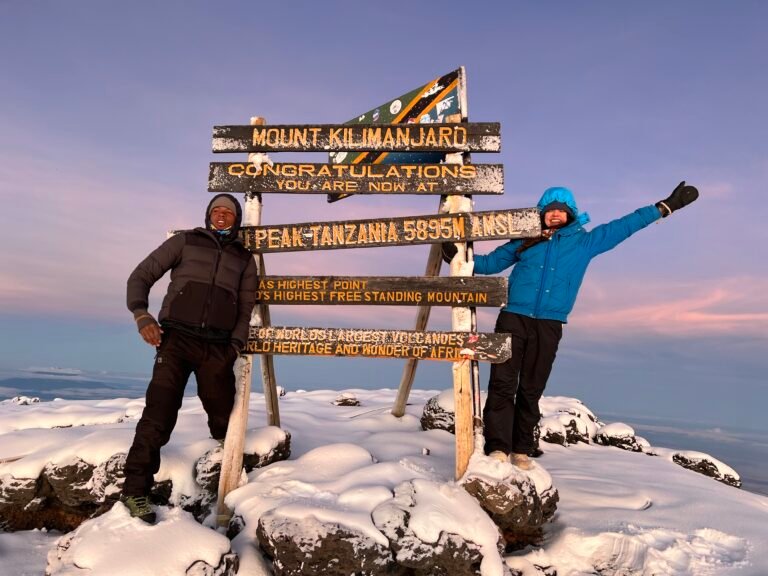
6 Days Rongai Route Kilimanjaro Hiking – 6–11 December 2026
6 Days Rongai Route Kilimanjaro Hiking – 6–11 December 2026.
View package details5 Days Marangu Kilimanjaro Christmas Trek – 22–26 December 2026
5 Days Marangu Kilimanjaro Christmas Trek – 22–26 December 2026.
View package details5 Days Marangu Kilimanjaro Full Moon Trek – 21–25 December 2026
5 Days Marangu Kilimanjaro Full Moon Trek – 21–25 December 2026.
View package details5 Days Marangu Kilimanjaro December Trek – 19–23 2026
5 Days Marangu Kilimanjaro December Trek – 19–23 December 2026.
View package details
6 Days Marangu Kilimanjaro Group Hiking – 9–14 December 2026
6 Days Marangu Kilimanjaro Group Hiking – 9–14 December 2026.
View package detailsNo related package matches those filters. Clear one or more filters to see the other topic-matched options.



