
For a 1 Day Kilimanjaro Hike via Marangu Gate on 3 December 2026, expect a guided, single-day ascent starting at Marangu Gate, with a short climb to the first acclimatisation point, and a controlled descent before dusk. This is a bookable day-trip option offered by Climb 4 Africa, subject to group space and weather, with exact start times confirmed upon booking.
Context and purpose of a 1-day Marangu Gate ascent
The choice to complete a Kilimanjaro experience in a single calendar day via Marangu Gate is not about reaching the summit in a day, but about immersing yourself in the high-altitude environment, feeling the mountain’s presence, and achieving a meaningful high-elevation excursion with guided support. A 1 Day Kilimanjaro Hike via Marangu Gate – 3 December 2026 focuses on a safe, logistically feasible route that prioritises acclimatisation, briefing, and a controlled pace. Because this is a bookable plan, the emphasis is on a practical sequence, what to bring, and how the day unfolds, rather than a multi-day adventure narrative. Climb 4 Africa provides the structure, ensuring that departures align with park regulations, porter support, and the operator’s safety standards.
Route logic for a single-day Marangu Gate ascent
The Marangu route is known for its relatively gradual incline and established cocoa-pod style huts on multi-day itineraries. In a day-trip format, the ascent is constrained to a shorter segment that still respects acclimatisation principles. The day typically begins with an early departure from the lodge or meeting point near the gate. The path follows the Marangu Gate entrance trail, then turns toward a suitable acclimatisation segment where hikers pause to observe altitude-related cues (breathing rhythm, fatigue, light-headedness). The objective is to reach a safe turnaround point at a height that provides a sense of achievement without overstressing the body, before the return to Marangu Gate for lodge-based recovery or transfer. The exact turn-around point is calibrated by the guide team based on real-time conditions and the hiker’s comfort, always prioritising safety over pace.
What to expect on 3 December 2026
On the scheduled date, you will be briefed by the Climb 4 Africa guide team before starting. Expect a compact packing list tailored for a day hike, with essentials for weather-variance and high altitude. Temperature in the Marangu area can be cool to cold, with potential morning mists or windy conditions. The day’s rhythm includes a steady ascent, periodic rest stops, and a careful assessment of acclimatisation signals. The itinerary is designed to minimise time at high elevation, yet preserve the integrity of the experience and safety guarantees. If weather or ground conditions render the route unsafe for a day-trip attempt, the guide will propose a safe alternative, which could include postponement to a later date or an alternative activity with park-approved guidelines.
Projected day-by-day flow (single-day itinerary)
Day is structured to maximise safety and enjoyment within a single calendar day. The sequence below reflects typical practice for a 1 Day Kilimanjaro Hike via Marangu Gate – 3 December 2026, noting that exact start times and turnaround points are confirmed on the day in coordination with the guide team.
- Pre-dawn briefing and departure: Meet at the designated pickup or lodge, receive safety briefing, weather check, and gear verification. Depart toward Marangu Gate with a light, well-fuelled mindset for the day ahead.
- Marangu Gate arrival and trail start: Pass through park formalities and begin along the established Marangu trail. The initial segment is designed to warm up the legs while gradually engaging the lungs with the thinner air at higher elevations.
- Acclimatisation pause 1: A short stop at a sheltered overlook or a flat, stable point to assess breathing, heart rate, and fatigue. Hydration and light snacks are encouraged to maintain energy without overexertion.
- Turnaround awareness and return prep: As you approach the pre-identified turnaround height, the guide ensures you’re comfortable with the altitude. Prepare for a controlled descent with a focus on safe footing and steady pace.
- Descent to Marangu Gate: Return along familiar sections with attention to footing, especially on damp or uneven ground, and a final check-in with the guide about any lingering altitude effects.
- Post-hike recovery and transfer: Quick recovery at the lodge or a nearby facility, followed by a debrief and a transparent wrap-up of the day’s experience. Depending on logistics, a transfer back to your accommodation in Moshi or Arusha may be arranged.
Gear and practical preparations for a 1-day Marangu ascent
Because this is a one-day plan, packing is intentionally concise but robust enough to handle mountain conditions. The guide team will advise on exact requirements, but a typical packing list includes a light layering system (base layer, mid-layer, windproof shell), sturdy hiking boots, moisture-wicking socks, a small daypack, headlamp, hat, sunglasses, sunscreen, water (at least 2 liters), energy snacks, and a compact rain layer. Your personal acclimatisation cues—such as breathing pace, dizziness, or persistent headache—should be communicated to the guide immediately to determine whether it’s prudent to continue or pause longer at a given point.
Safety, permits, and operator role
Climb 4 Africa operates within Tanzania’s park regulations and adheres to safety standards for high-altitude hikes. For a 1 Day Kilimanjaro Hike via Marangu Gate – 3 December 2026, the operator coordinates with park authorities to secure necessary permissions for day-use entry, arranges porter or assistant support if required, and provides on-trail guidance with a licensed guide. While the plan emphasizes a single-day experience, the operator manages contingency protocols, including weather-related delays or alternative activities if the ascent cannot be safely completed within the day’s window.
Booking considerations and what to confirm
Because this is a bookable itinerary, you should confirm several specifics before committing: the exact start time, the turnaround height (which can affect fatigue), the minimum group size and the maximum group size for safety and pace, inclusions such as guide fees
Unanswered question: How does a 1 Day Kilimanjaro Hike via Marangu Gate balance acclimatisation with a single-day constraint on 3 December 2026?
In planning a 1 Day Kilimanjaro Hike via Marangu Gate on 3 December 2026, the critical gap readers often encounter is understanding how acclimatisation is integrated into a single-day structure without extending the trip into a multi-day summit attempt. The answer lies in explicit altitude management, a carefully mapped turnaround point, and a guided pace that leverages the Marangu route’s gradual incline while acknowledging the body’s limits at high elevation.
Climb 4 Africa’s day-trip design prioritises safety through staged ascent and well-timed pauses. The journey begins with an initial warm-up climb from Marangu Gate, heading toward a deliberate acclimatisation segment—often a short, steady ascent to a pre-identified high point that offers a tangible sense of altitude without overreaching. The chosen acclimatisation point acts as a measurable barrier: hikers gauge breathing rate, heart rate, and symptom onset such as light-headedness or headache. This pause allows the group to assess whether continuing would risk diminishing returns of acclimatisation within the remaining daylight window. If adverse signs appear, the guide will reduce pace or revert to a lower altitude before proceeding, preserving energy and safety.
The turnkey element of a 1 Day Kilimanjaro Hike via Marangu Gate is the deliberate turn-back decision. Unlike multi-day itineraries, there is no obligation to push beyond a fixed height if it compromises wellbeing. The turnaround height is pre-communicated by the guide team and anchored to factors such as forecast weather, trail conditions, and the group’s acclimatisation status. Having a clearly defined turnaround height mitigates risk and clarifies expectations for all participants, enabling a confident descent plan before dusk.
Descent remains a prominent feature in the single-day format. After reaching the acclimatisation point or a reachable plateau with favorable altitude tolerance, the return route mirrors the outward path but with heightened attention to footing, particularly on damp ground or loose scree. The descent also provides an opportunity for further high-altitude experience in a controlled manner—participants can observe the mountain’s microclimates from a comfortable altitude, experiencing the sense of space without the fatigue associated with a longer climb. This careful pairing of ascent and descent, with an emphasis on altitude cues, constitutes the core of the day’s value: a meaningful high-altitude encounter that respects physiological limits and operational safety.
Practical implications for travelers: concrete decisions at check-in, on-trail benchmarks, and post-hike recovery are what convert a generic “short climb” into a credible one-day Kilimanjaro experience. Before booking, confirm with the operator the exact acclimatisation point height, the mandated turnaround height, and the contingency plan for weather or health-related delays. Knowing these specifics helps align personal objectives—whether it’s simply testing altitude tolerance, enjoying the sense of the mountain, or achieving a precise personal milestone—with the day’s tactical constraints.
In sum, the missing piece readers most want for a 1 Day Kilimanjaro Hike via Marangu Gate on 3 December 2026 is clarity on how acclimatisation is operationalised within a single-day itinerary. The structure hinges on a measured ascent to a pre-chosen high point, careful monitoring of physical cues by a licensed guide, a clearly defined turnaround, and a controlled descent that completes the loop before nightfall. With these elements, the day remains safely within altitude limits while delivering a substantive experience that honors Kilimanjaro’s majesty—without transforming the trip into a full summit expedition.
Further clarifications on the 1 Day Kilimanjaro Hike via Marangu Gate – 3 December 2026
With the core framework of a single-day ascent already established in the preceding sections, readers often seek deeper, operational clarity about how the day unfolds in practice, and what distinguishes a well-executed 1 Day Kilimanjaro Hike via Marangu Gate from a rushed or unsafe attempt. This section provides focused, actionable insights that stay true to the bookable plan offered by Climb 4 Africa, avoiding generalized travel advice while centering on the exact route logic, acclimatisation cues, and logistical checkpoints that influence the day’s safety and satisfaction.
Acclimatisation cues you should expect to see on a single-day ascent
Even in a one-day format, acclimatisation remains a physiological safeguard rather than a formal process. Guides monitor specific indicators that signal the body’s response to altitude without the luxury of multiple nights. Look for subtle breathing adjustments at rest, a steadier heart rate after short exertion, and the absence of persistent headaches or nausea. The pace is deliberately set to maintain conversational rhythm during ascent segments; if you notice rapid breathlessness that disrupts normal talking, it’s a clear cue to pause and reassess the pace or route section. The guide’s role is to translate these cues into a safe elevation milestone for turnout and eventual descent.
How the turnaround height is determined on 3 December 2026
The turnaround point is not arbitrary. It is pre-communicated by the guide team and anchored to several dynamic factors: current weather patterns, trail conditions, and how the group collectively tolerates altitude on the day. A typical plan would specify a highest feasible point that balances the exhilaration of altitude with the risk of overexertion. If conditions deteriorate—dense mist obscuring visibility, sudden temperature drops, or a rise in fatigue—the group retreats to a lower, safer waypoint. This conservative approach preserves the integrity of the experience and ensures a secure descent before dusk.
Descent strategy and trail conditions during the single-day itinerary
The descent is not a mere return; it is an opportunity to reinforce altitude awareness and reinforce confidence in the body’s ability to cope with high-elevation terrain. The surface on the Marangu route can be variable—loose soil, stones, damp leaf litter, and occasional muddy patches—so the guides emphasize controlled footwork, deliberate pacing, and mutual support within the group. The return segment typically retraces the outward route but with heightened attention to footing, particularly if weather has created slick surfaces. The psychological benefit of descent, after a well-managed ascent, often translates into a sense of accomplishment coupled with relief, which can be a powerful memory-maker even within a compact, booked itinerary.
What to expect from the briefing and on-trail communications on 3 December 2026
On the day, the briefing with Climb 4 Africa’s guide team before departure covers safety protocols, the day’s expected pace, and contingency plans. Clear communication channels—hand signals, whistle cues, and radio use—are standard to keep the group cohesive in the varied microclimates along the Marangu Gate trail. On the trail, the guides maintain a calm, encouraging tone to help the group recognise altitude cues and to ensure a steady rhythm that aligns with the day’s turnkey milestones. A well-run briefing and continuous on-trail updates reduce uncertainty and help participants feel secure in the plan, even if the terrain presents sporadic challenges.
Equipment discipline and weather-readiness for 3 December 2026
The packing list for a 1-day plan remains concise but robust. Participants should expect layers that can be added or removed with altitude and sun exposure, a wind-resistant outer layer, gloves, and a hat for temperature regulation. The mountain environment can swing from cool to cold in the morning to milder conditions later in the day, with potential wind exposure at higher points. Water carries sharp importance in high-altitude environments, so the guide team will specify hydration targets and available opportunities to replenish at designated points along the route. Footwear should be broken-in sturdy hiking boots with good traction to handle damp or loose footing. While the plan avoids extraneous equipment, it prioritizes practical gear that supports safety and comfort across the single-day itinerary.
Booking logistics: what remains fixed and what can shift on the day
Because this is a bookable day trip, the core sequence—start at Marangu Gate, ascend to the acclimatisation point, return before dusk—remains the same in principle. What can shift are exact start times, the precise turnaround height, and minor pacing adjustments driven by the group’s response to altitude and weather. Operator-level confirmations are essential; always verify: the scheduled start window, the designated turnaround point height, and whether any local restrictions or park regulations could affect departure or pace. The operator’s commitment to safety means they will not pressure the group to exceed measured limits, and the day’s plan will adapt to preserve both welfare and the overall experience.
Practical example of a typical, safely-managed day’s flow
To ground the discussion, consider a representative sequence that aligns with the published approach for 3 December 2026: early meet-up near the gate, a brief vehicle transfer if part of the package, an initial ascent on a gentle section of the Marangu corridor to reach the acclimatisation point, a short pause for altitude cues and photos, then a deliberate return to the gate or a preferred lower turnaround waypoint. The descent includes a final stretch back to the starting point, with a safety check at the end and a post-hike debrief. This micro-trajectory is designed to ensure the day delivers a meaningful high-altitude experience without crossing into the zone of overexertion that risks fatigue, illness, or injury.
What unanswered questions remain relevant for booking decisions on 3 December 2026?
The most pertinent remaining question for a reader planning to book is whether the single-day itinerary preserves the same safety margins and acclimatisation safeguards touted for longer climbs, and how weather variability might influence the day’s constraints. A responsible answer requires confirmation from Climb 4 Africa about the specific acclimatisation point height, the explicit turnaround threshold for 3 December 2026, and the contingency plan for delays or severe weather. Since these details are subject to park coordination and day-of conditions, readers should secure a confirmed, up-to-date itinerary from the operator, and request written confirmation of all critical milestones before committing to travel dates.
In essence, the 1 Day Kilimanjaro Hike via Marangu Gate – 3 December 2026 remains a carefully balanced experience: it offers elevation, altitude awareness, and a sense of summit proximity without venturing into multi-day trekking. The day’s success hinges on disciplined pacing, transparent communication from the guide team, and a readiness to adjust plans in line with altitude and weather realities. For travelers who want a tangible high-altitude encounter within a single calendar day, this itinerary preserves Kilimanjaro’s majesty while upholding safety as the primary priority.
Booking enquiry CTA: If you’re considering the 1 Day Kilimanjaro Hike via Marangu Gate on 3 December 2026, contact Climb 4 Africa to confirm the current availability, exact start times, the defined turnaround height for that date, and what inclusions or exclusions apply to your group. Request a written itinerary with the day’s altitude milestones and weather contingency details to make a well-informed decision.
Balancing altitude awareness with a one-day cadence: practical insights for 3 December 2026
Readers who have scanned the preceding sections will already grasp that a 1 Day Kilimanjaro Hike via Marangu Gate is not about summiting in 24 hours, but about cultivating a tangible high-altitude experience within a tightly managed itinerary. The core challenge is preserving altitude safety while delivering a meaningful sense of ascent, acclimatisation cues, and a confident descent. On 3 December 2026, the practical question becomes: how does the day structure translate into reliable physiological cues, without the opportunity for multi-night acclimatisation? The answer lies in disciplined pacing, explicit thresholds, and adaptive planning communicated by the guide team at Climb 4 Africa.
One critical facet is the explicit turnover height and the pace at which the group progresses toward it. In a well-executed single-day plan, the turnaround point is defined not only by altitude but by the group’s collective tolerance and the day’s weather. Guides monitor breathing patterns, perceived exertion, and signs of early altitude distress. If the group shows early signs of fatigue, cold-induced lethargy, or dizziness, the plan shifts to a more conservative turnaround, even before any numerical height is reached. The safety margin in these decisions is non-negotiable, and the communication channels established in the briefing are designed to ensure everyone understands when and why a change in tempo or turnaround height occurs.
Equally important is how weather on 3 December 2026 could influence the day’s trajectory. The Marangu Gate area can experience rapidly shifting conditions—cool, damp mornings that give way to sunlit afternoons, and occasional gusty upland winds. A robust single-day plan anticipates these possibilities with adaptable clothing layers, quick-access shelter for breaks, and a windproof layer that can be donned or shed as soon as ascent pace alters or as the group reaches acclimatisation checkpoints. Guides keep to a well-practiced call-and-response system to maintain group cohesion and ensure no one is left behind if the pace slows for a participant seeking a moment to attune to altitude cues.
From a booking perspective, the 1 Day Kilimanjaro Hike via Marangu Gate – 3 December 2026 hinges on confirmed details from the operator: the exact start time, the defined turnaround height, and any contingency frameworks for weather or group size. The plan is designed to be tightly bounded, but not rigid. A well-managed day has built-in slack—time buffers for safety checks, a short additional rest break at the acclimatisation point if needed, and a planned window for safe descent that respects light conditions before dusk. This structure ensures that participants exit the day with a sense of accomplishment and a clear understanding of how altitude affected their physiology without risking overexertion.
In terms of participant experience, the daily rhythm emphasizes clarity and communication. Pre-dawn or early-morning briefing sets expectations for pace, potential stop points, and signals for pausing. On the trail, the guide communicates pace using natural landmarks, allowing the group to adjust together. This approach minimizes anxiety around altitude while maximizing the value of the immersion—the soundscape of creaking pine, the scent of damp earth, and the visible curve of Kilimanjaro’s upper reaches that remains just out of reach but within the horizon’s frame.
For travelers who are keen on a precise, knowledge-driven itinerary, it’s worth noting that the day’s success rests on three interconnected elements: disciplined pacing aligned with altitude cues, flexible turnaround management guided by real-time conditions, and transparent, proactive communication from the guide team. When these are harmonized, the 1 Day Kilimanjaro Hike via Marangu Gate can deliver a potent high-altitude experience that respects both safety imperatives and the psychological reward of being in Kilimanjaro’s presence, even if the summit remains outside reach for this particular day.
Finally, the booking decision for 3 December 2026 should include a direct inquiry about the exact turnaround height planned for that date and the minimum-pace benchmarks used by the guide team. While the general framework remains consistent, confirm with Climb 4 Africa the day-specific altitude milestone, the group’s expected size, and the contingency strategies for weather or delays. A written itinerary that lists altitude milestones, break points, and the safety protocols provides a solid basis for planning, ensuring you are prepared for the day’s realities rather than relying on generic expectations.
Operational clarity: what you should confirm before departure
- Turnaround height in meters or feet for 3 December 2026 and the practical implications for pace and safety.
- Start time and the initial ascent segment length, including ascent rate comfort targets for the first acclimatisation pause.
- Contingency plans for weather changes, including delays and the maximum allowable duration on trail before a return decision is made.
- Group size limits and the role of porters and guides in maintaining safety margins during the ascent and descent.
- Inclusions and exclusions for the day, especially meals, water, safety equipment, and any permit-related considerations.
- Clear communication protocols on-trail (calls, signals, and emergency procedures) so every participant understands what to do if they feel unwell or fatigued.
When you have these confirmations in hand, you can approach the day with greater confidence, knowing that the single-day Kilimanjaro experience via Marangu Gate on 3 December 2026 is designed to deliver altitude exposure in a controlled, safe, and memorable manner. The emphasis remains on safety first, with altitude awareness integrated into every decision point, ensuring that your Kilimanjaro encounter is both meaningful and responsibly managed.
Related Guides and Packages
Check Availability for 1 Day Kilimanjaro Hike Via Marangu Gate – 3 December 2026
Ready to compare dates, prices, and the best option for your group? Send the package name and travel month so the team can reply with a clear quote, availability, and what is included.
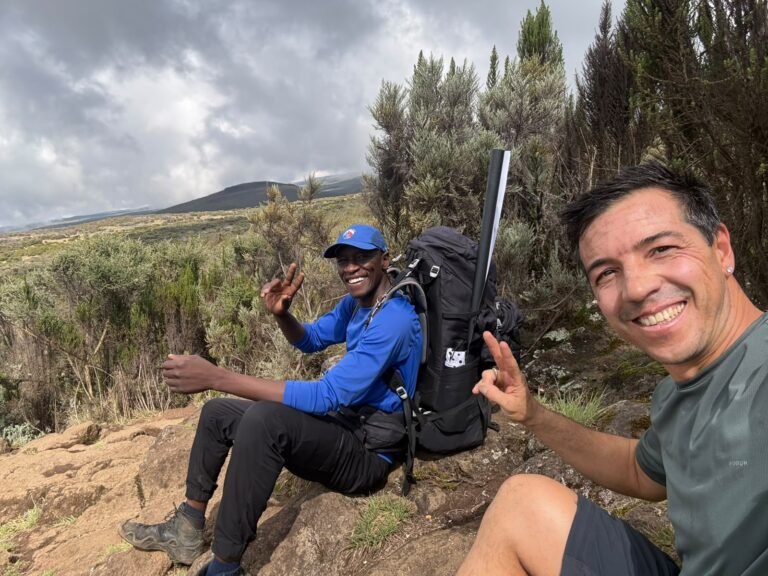
1 Day Kilimanjaro Mandara Hut Hike – 12 December 2026
1 Day Kilimanjaro Mandara Hut Hike – 12 December 2026.
View package details1 Day Kilimanjaro Rainforest Hiking Tour – 5 December 2026
1 Day Kilimanjaro Rainforest Hiking Tour – 5 December 2026.
View package details1 Day Kilimanjaro Hiking From Moshi – 29 December 2026
1 Day Kilimanjaro Hiking from Moshi – 29 December 2026.
View package details1 Day Kilimanjaro Hiking From Moshi – 10 December 2026
1 Day Kilimanjaro Hiking from Moshi – 10 December 2026.
View package details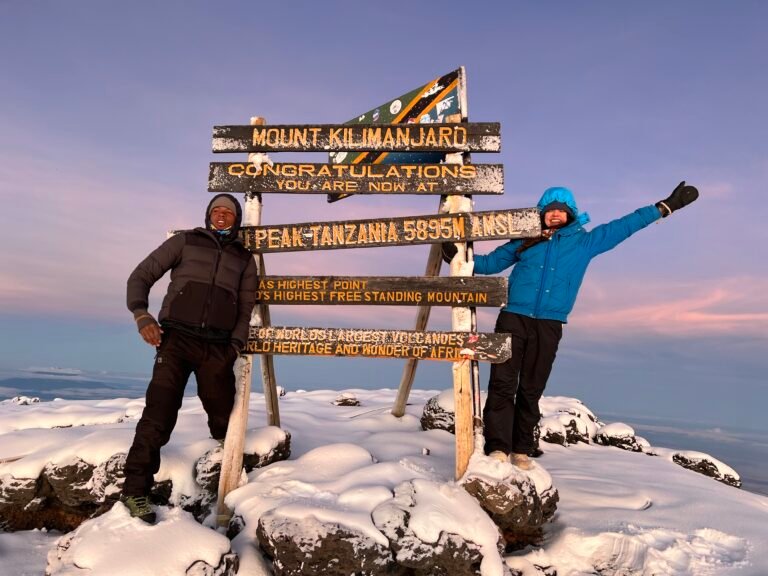
1 Day Kilimanjaro Christmas Hiking Tour – 25 December 2026
1 Day Kilimanjaro Christmas Hiking Tour – 25 December 2026.
View package details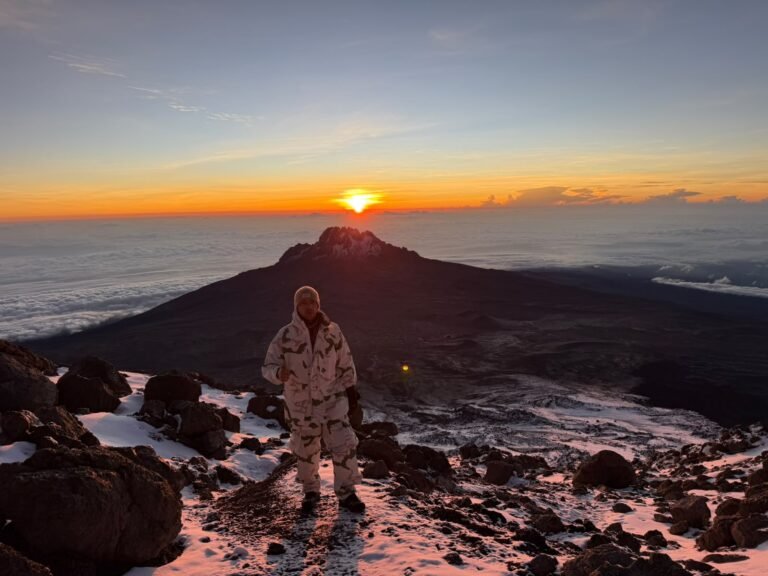
1 Day Kilimanjaro Hiking Tour From Arusha – 17 December 2026
1 Day Kilimanjaro Hiking Tour from Arusha – 17 December 2026.
View package details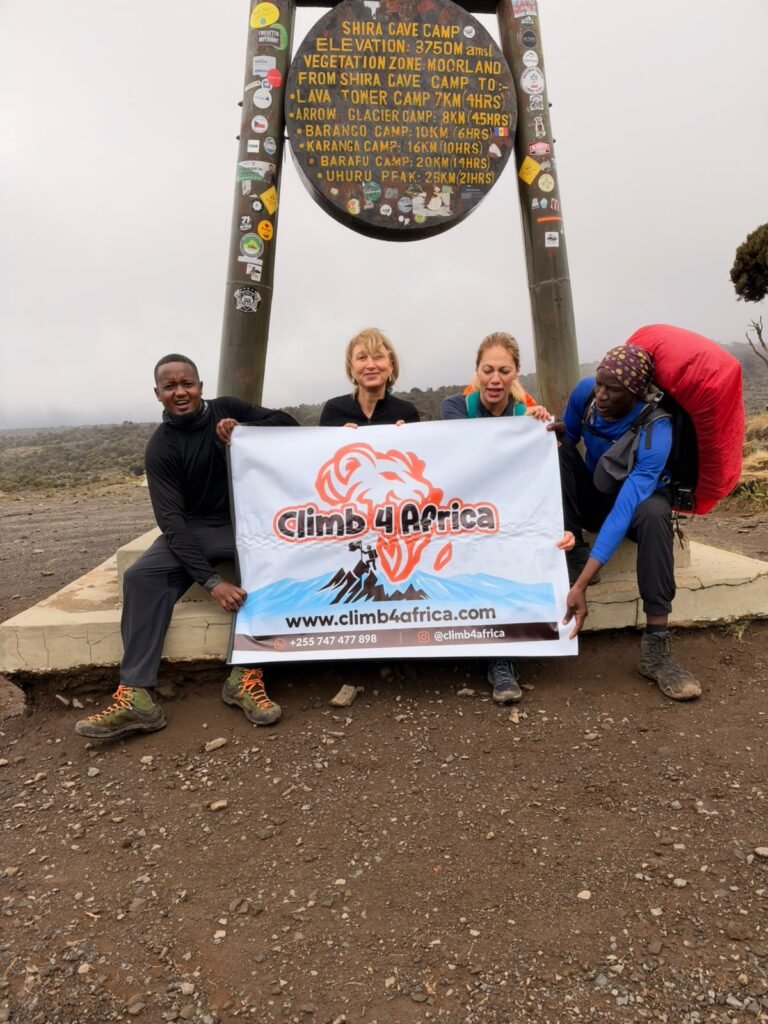
December 4, Mount Kilimanjaro Marangu Day Hike
December 4, 2026 Mount Kilimanjaro Marangu Day Hike.
View package details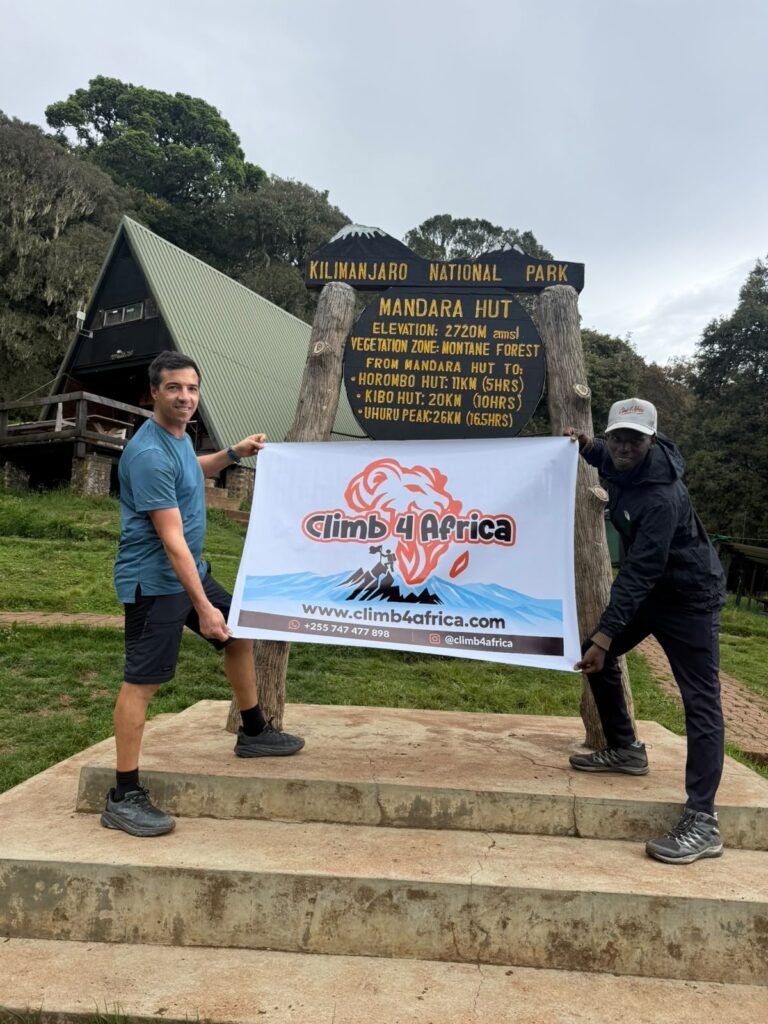
5 Days Marangu Kilimanjaro Christmas Trek – 22–26 December 2026
5 Days Marangu Kilimanjaro Christmas Trek – 22–26 December 2026.
View package details5 Days Marangu Kilimanjaro New Year Trek – 29 December – 2 January 2026
5 Days Marangu Kilimanjaro New Year Trek – 29 December 2026 – 2 January 2027.
View package details6 Days Marangu Kilimanjaro New Year Climb – 28 December – 2 January 2026
6 Days Marangu Kilimanjaro New Year Climb – 28 December 2026 – 2 January 2027.
View package details6 Days Marangu Kilimanjaro Christmas Holiday Climb – 21–26 December 2026
6 Days Marangu Kilimanjaro Christmas Holiday Climb – 21–26 December 2026.
View package details5 Days Marangu Kilimanjaro Full Moon Trek – 21–25 December 2026
5 Days Marangu Kilimanjaro Full Moon Trek – 21–25 December 2026.
View package detailsNo related package matches those filters. Clear one or more filters to see the other topic-matched options.



