
6 Days Umbwe Kilimanjaro New Year Trek – 28 December 2026 – 2 January 2027 is a bookable ascent using the Umbwe route. This first installment lays out Day 0 preparation and Day 1–Day 6 flow, with acclimatisation logic, route specifics, and practical booking notes. Details such as exact hotel stays, transport times, and operator-confirmed inclusions require current availability; confirm with Climb 4 Africa for the final plan and spaces.
The 6 Days Umbwe Kilimanjaro New Year Trek offers a concentrated ascent that starts near Moshi and follows Umbwe’s steep, forested approach into high alpine zones. This first installment centers on the day-by-day sequence, emphasizing how each stage supports gradual acclimatisation while preserving the intensity of Umbwe’s direct ascent. The New Year window adds a festive cadence to the climb, but it does not replace the physiological realities of altitude gain or the need for careful logistics and pre-trek preparation.
Day 1 – Moshi to Umbwe Gate, start of the climb
Departure logistics are coordinated by the operator; travelers typically transfer from their Moshi hotel to Umbwe Gate, where trekking permits are checked and the formal start of the ascent is registered. The initial forested path is steep but relatively short, designed to begin acclimatisation early. Expect a steady climb through a cool, shaded corridor of vines and bamboo, with a first sense of the altitude climbing as you pass the first landmark cairns. Your guide will pace the group to manage breathing and hiking efficiency, with frequent short rests to adjust to the elevation gain.
Practical considerations for Day 1
- Gear: trekking boots with good ankle support, moisture-wicking layers, light rain shell, headlamp, and basic trekking poles if needed.
- Hydration strategy: sip small amounts frequently to maintain hydration without overfilling the stomach at lower altitudes.
- Acclimatisation mindset: even on Day 1, the body begins adjusting to elevation; light meals and steady pace help establish a sustainable rhythm.
Day 2 – Umbwe Route: forest to high moorland transition
The day’s path crosses from dense forest into moorland, marking a shift in temperature and vegetation. You will encounter short, steady ascents with a few optional detours for acclimatisation stops. The goal on Day 2 is to gently extend the ascent while maintaining a comfortable pace that allows the lungs to adapt to reduced oxygen levels. Your guides monitor signs of altitude discomfort and adjust breaks accordingly. Lunch is typically a prepared meal on the trail, followed by continued hiking to reach a mid-mountain camp where the forest gives way to more open terrain.
What to expect on Day 2
- Terrain: transitioning from dense flora to more open, cool moorland air.
- Temperature: noticeable drop in the late afternoon; pack a warmer layer for evenings.
- Altitude cues: mild headaches or fatigue can occur if hydration is insufficient or pace is too rapid.
Day 3 – Continuous ascent toward E’interut hut area
Day 3 intensifies the climb as you edge toward the high alpine zone. The route’s steeper segments require careful application of the acclimatisation principle: slower pace, longer rest breaks when needed, and deliberate breathing through the mouth to manage air exchange at higher elevations. The trajectory remains consistent with Umbwe’s reputation for a challenging approach, yet the team’s strategy aims to keep the group cohesive and motivated. The afternoon arrives at a sheltered camp area with a modest camp dinner and early bedtime to support recovery for the next day’s higher gain.
Day 4 – Summit approach: high camp and rest before the final push
With Day 4, climbers spend the night at a high camp or near the upper valley as the ascent intensifies. The plan prioritises rest fully, with a light lunch and an early dinner to optimise sleep. The acclimatisation cycle culminates in a pre-dawn wake-up and tea, followed by a long, steady push toward the summit corridor. The ascent involves negotiating a switchback-laden trail and final rockier stretches before entering the scree zone that leads to Stella Point and then Uhuru Peak if conditions and fitness align. The emphasis stays on safety, hydration, and pace control.
Key training and conditioning on Day 4
- Breathing cadence: practice a 3:2 inhale-to-exhale rhythm to maintain oxygen efficiency.
- Hydration: 2–3 liters of water during the day, with electrolyte supplementation if available.
- Fuel: small, frequent snacks that provide steady energy rather than large, infrequent meals.
Day 5 – Summit attempt and high saddle return to Barafu-like camps
This day centers on the push to the summit and the contingent return to a lower camp for rest. If the weather window or physical readiness is not favorable, the group may split responsibilities or adjust the summit plan to ensure safety. The return involves a long descent, which places a premium on knee protection and proper step technique. The emphasis is again on acclimatisation, hydration, and paced movement, with the guarantee that the crew prioritises safety and enjoyment of the experience over forced summit success.
Day 6 – Final descent to gate and onward travel
At last, Day 6 marks the descent back to the park gate and the formal end of the Umbwe Kilimanjaro trek. After issuing the summit certificate or recognition of effort (as per operator policy), you are usually transferred back to Moshi or Arusha for onward travel. The final day is a time to reflect on the ascent, the New Year’s cadence, and the physical milestones achieved. A debrief with the guide team often includes practical tips for future climbs, plus a note on the next available departure windows for similar itineraries with Climb 4 Africa.
Booking and planning notes for the 6 Days Umbwe Kilimanjaro New Year Trek
Confirmed information such as departure times, group spaces, and pricing is controlled by the operator. This installment outlines a typical sequence and the reasoning behind each day’s structure. For exact inclusions, hotel specifics, transport arrangements, and current availability for 28 December 2026 –
New passage: Deepening the Day-by-Day Flow of the 6 Days Umbwe Kilimanjaro New Year Trek
The most valuable question readers often have after reviewing the outlined day-by-day sequence is how the acclimatisation strategy actually unfolds on the Umbwe route, given its iconic direct ascent and the New Year timing. Here, the sequence is not just a series of checkpoints; it is a coherent rhythm designed to leverage gradual pressure drops in the air and deliberate rest periods, maximizing safety and the odds of a successful summit without resorting to forced marches. What follows delves into the practical mechanics of how each day’s route, camps, and rest stops interact with altitude, weather variability, and the broader goal of a safe, rewarding ascent.
Umbwe starts steeply through a shaded forest, a corridor that funnels heat and humidity into the early hours but quickly yields to cooler air as exposure increases. The first day’s pace is geared toward establishing a sustainable cardio baseline without pushing into breathlessness, a balance achieved by deliberate micro-breaks and a guide-led cadence. The forest itself acts as a natural acclimatisation tutor: the density of plant life moderates the microclimate, while the intermittent sun breaks create small peropeaks of warmth that remind the group of the diurnal rhythm that will come later at higher elevations. By the end of Day 1, most hikers notice a mild shift in appetite and a slight heaviness in the legs—the classic early signals of altitude beginning to assert itself, but nothing that a careful pace cannot absorb.
Day 2’s transition from forest to high moorland is where the acclimatisation logic becomes more apparent. The climb remains steady, but the air thins, and the group gradually acclimatises to cooler temperatures, especially after sundown. The route’s design deliberately includes optional detours at several points that allow for low-stress acclimatisation without derailing the day’s overall objective. These detours are not sightseeing side trips; they are carefully chosen micro-hikes that pause the ascent, encourage deeper breaths, and help the body adjust its oxygen uptake. This buffering is crucial on Day 2 because the higher, more open moorland exposes hikers to wind and sun with less protection from vegetation. Practically, climbers are reminded to layer up: a warm shell for late afternoons and a hat or buff to shield exposed skin from the sun’s stronger rays at altitude. This is a day where the rhythm shifts from “steady ascent” to “calibrated ascent,” a distinction that matters for long-term comfort over the remaining days.
Day 3 continues the ascent toward E’interut hut area with a focus on consistent breathing, cadence, and energy management. The terrain becomes steadily rockier, and the path occasionally narrows to a single-file line that follows the contours of the slope. At this stage, the acclimatisation window is still open, but fatigue can accumulate if resting opportunities are skipped. The group’s routine includes longer but still brief rests, often accompanied by gentle stretching to keep the legs limber and to prevent the build-up of lactic acid in the otherwise cool, dry air. Because Umbwe’s route is renowned for its intensity, climbers learn to predict when a longer pause will yield the most payoff: a two-minute seat on a rock ledge, a sip of water with electrolytes, and a slow, deliberate exhale before resuming. This discipline preserves energy and protects pace integrity, which is essential on a route that rewards precision over speed.
Day 4 ushers in the summit approach through a high-camp phase that demands extra attention to rest quality. The team prioritises sleep, with a light lunch and an early dinner designed to stabilise the circadian rhythm in the exact pre-dawn window when most push attempts commence. The acclimatisation cycle reaches its apex in this phase: a pre-dawn wake-up, a warm drink, and a short, strategic warm-up before the final push. The guides emphasise a controlled alertness rather than a frenzied sprint, especially because the high camp sits near the upper valley before the final stretch. The path to the summit corridor remains challenging, with the scree and boulder sections testing balance. Yet the protections on Day 4 are not solely about endurance; they are about ensuring that every ascent step aligns with safe oxygen uptake, controlled breathing, and correct foot placement. For many climbers, this day cements confidence in the acclimatisation strategy and reaffirms the choice to pace themselves rather than chase a time target.
In terms of day-by-day logistics, Day 5 remains the most consequential for the actual summit push and the decision-making rubric around whether to proceed. The team uses a cautious approach: assess current weather windows, altitude symptoms, and group readiness. If a micro-window opens in the early morning, a decision to attempt the summit may be made, but with transparent contingencies and a plan to turn back if any red flags appear, such as persistent headaches, disorientation, or signs of severe fatigue. The descent after a potential summit attempt is strenuous, reinforcing the need for knee protection, proper shaft alignment for each step, and controlled breathing to mitigate high-altitude fatigue. The return to a lower Barafu-like camp offers a restorative, not merely ceremonial, pause—an essential recuperation stop rather than a rush to wrap up the expedition. This phase is critical to preserving safety margins and ensuring that the completion of the trek remains a positive, memorable milestone rather than a grueling ordeal.
Day 6 finalises the journey with a measured descent to the gate, followed by a debrief with the guide team and transfer arrangements for onward travel. The routine here blends reflection with practical planning: climbers discuss what worked about the acclimatisation schedule, what could be improved for future trips, and how to apply the experience toward more ambitious climbs in the region. The New Year cadence adds a festive mood, but it does not dilute the physical and logistical realities of returning from altitude. The group’s collective sense of achievement is balanced with a realistic acknowledgement of the body’s limits and the value of a well-paced expedition that prioritises health, safety, and lasting memories over a single moment of triumph.
For readers evaluating the 6 Days Umbwe Kilimanjaro New Year Trek, this deeper look at the day-by-day rhythm clarifies why the route’s steep, direct profile can be navigated safely only through disciplined pacing, careful acclimatisation, and flexible decision-making. The itinerary’s strength lies in its ability to translate altitude into a manageable sequence, with each day reinforcing the acclimatisation gains achieved earlier and shaping the group’s capacity to respond to changing conditions. By embracing the structured flexibility—detour options for acclimatisation, conservative push windows, and a deliberate return to lower camps when necessary—the 6-day Umbwe itinerary remains a high-quality, bookable option for trekkers seeking a focused ascent during the New Year period without sacrificing safety or the joy of the journey.
Booking notes remain essential: confirm with Climb 4 Africa for the latest inclusions, permits, hotel transfers, and group spaces for the 28 December 2026 departure. While the core route sequence described here holds, actual hotel stays, transport timings, and exact inclusions can vary by season and operator. Prospective travelers should request a detailed day-by-day plan from the operator to align expectations with the confirmed services for the 6 Days Umbwe Kilimanjaro New Year Trek.
New passage: Deepening the Day-by-Day Flow of the 6 Days Umbwe Kilimanjaro New Year Trek (continued)
The 6 Days Umbwe Kilimanjaro New Year Trek hinges on a deliberate, adaptive rhythm that aligns with the body’s acclimatisation signals while preserving the direct, steep profile Umbwe is known for. This extension deepens comprehension of how each day’s route choice, rest cadence, and terrain transition work together to create a coherent ascent that remains challenging yet controlled as the calendar flips to the New Year.
Day 1 established the baseline: a forested start with steady elevation gain designed to trigger early acclimatisation without overwhelming the system. Day 2 extends into moorland, introducing cooler air and sparser cover, which naturally encourages the body to adjust breathing patterns and cardiovascular response. Day 3 pushes further toward the E’interut hut area, where the air thins and the mind must synchronize with the legs—pace slows, rest breaks lengthen, and the breath becomes a deliberate instrument rather than a reflex. This is where many climbers begin to sense the true scale of Umbwe’s ascent: a climb that rewards patience and attentive self-monitoring as much as sheer leg strength.
To further illuminate how the day-by-day flow is executed, consider the practical mechanics behind Day 3’s transition. Guides commonly plot a coastal-to-highland progression: a series of short, sustained agreed segments that intersperse with acclimatisation stops. The goal is not merely to reach the next waypoint but to integrate sleep, hydration, and nutrition so that the body stores the lower-oxygen lessons learned earlier and converts them into usable energy. In practice, this means a rhythm of gentle steeping, a pause to recalibrate breathing both through the nose and mouth, and a quick, light snack to reset the energy ledger before resuming the climb.
Day 4 marks the apex of the acclimatisation sequence and the most delicate moment of the itinerary. Climbers rest at a high camp or a near-high valley position, then attempt a pre-dawn ascent that culminates in the critical final push. The sleeping strategy here is not a luxury but a condition for success: minimizing sleep debt while maximizing the brain’s capacity to coordinate a high-altitude ascent. The day’s meals after the restorative night are compact but energy-dense, chosen to support a brisk, focused climb without overloading digestion during the final hours of the ascent. The 3:2 breathing cadence practiced in training continues to serve as a practical framework for maintaining oxygen delivery while conserving energy for the steepest sections.
On Day 5, the group concentrates the physiological and psychological resources for the summit attempt, followed by a contingent return to a lower, supportive camp if conditions demand. Critical to this day is a flexible decision-making process—guides assess weather windows, wind, cloud cover, and the group’s cumulative fatigue. In some itineraries, this day is split among subgroups to mitigate risk: those showing strong pulse oxygen levels, stable hydration, and solid sleep continuity may push with a slightly extended summit window, while others hold at a safer altitude for an additional acclimatisation cycle. The return to a lower camp is framed not as a concession but as a safety-first measure that preserves energy for a successful full descent and post-climb recovery window.
Day 6 completes the circle with a measured descent to the gate, followed by the formal debrief and transfer arrangements. The descent itself is a different kind of test: gravity works in the climber’s favor, but the legs may still be tired from the earlier exertion. Guides emphasise a steady, controlled pace on the way down to avoid knee strain and ensure that fatigue does not undermine safety. The final moments at Umbwe Gate provide space for reflection on the ascent’s rhythm—the way the day-by-day cadence, not merely the summit moment, defined the perceived success of the trek. New Year festivities nearby offer a celebratory mood, but the core takeaway remains the disciplined pacing, the adaptive acclimatisation, and the shared experience of navigating altitude with teamwork and mutual support.
Incorporating a careful balance of ascent pressure and recovery windows is essential for the 6 Days Umbwe Kilimanjaro New Year Trek, especially given the New Year timing. The heightened expectation of completing the climb at year-end can amplify stress and fatigue, so the itinerary’s built-in rest stops and acclimatisation buffers are not optional frills—they are integral safety pillars that support a sustainable, enjoyable climbing experience. The route’s steep profile means that every day’s plan should be treated as a micro-campaign: a sequence of decisions about pace, rest, hydration, and nutrition that cumulatively determine success. The New Year cadence—festive but disciplined—needs to be embraced as a motivating backdrop rather than a distraction from prudent acclimatisation and safety protocols.
For readers considering this bookable plan, the most practical takeaway is to approach Day 1 through Day 6 as a cohesive, responsive arc rather than a checklist. Expect occasional detours for acclimatisation, but appreciate that these detours are not deviations from the mission; they are essential tools to preserve safety and enjoyment. The Umbwe route’s inherent intensity demands a deliberate strategy, and the New Year window can be met with both celebration and caution when planners and climbers align on pacing, rest, and readiness to adapt to conditions as they arise. This alignment is the core of a successful 6 Days Umbwe Kilimanjaro New Year Trek, and it is what transforms a formidable ascent into a memorable achievement worth savoring as the calendar turns to January.
Booking and planning notes remain crucial: confirm with Climb 4 Africa for the latest inclusions, permits, hotel transfers, and group spaces for the 28 December 2026 departure. While the descriptive day-by-day flow above captures the itinerary’s intent, exact lodging, transport timings, and the precise set of services can vary by season and operator. Prospective travelers should request a detailed, confirmed day-by-day plan from the operator to ensure alignment with the final services for the 6 Days Umbwe Kilimanjaro New Year Trek.
Related Guides and Packages
Check Availability for 6 Days Umbwe Kilimanjaro New Year Trek – 28 December – 2 January 2026
Ready to compare dates, prices, and the best option for your group? Send the package name and travel month so the team can reply with a clear quote, availability, and what is included.
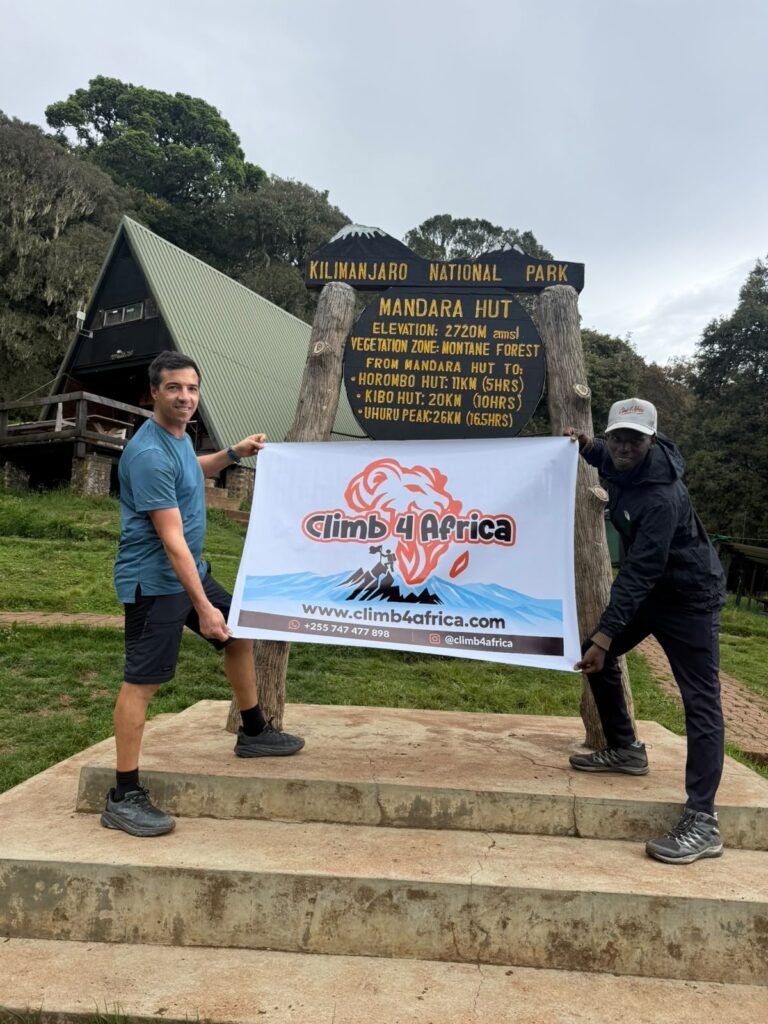
5 Days Marangu Kilimanjaro New Year Trek – 29 December – 2 January 2026
5 Days Marangu Kilimanjaro New Year Trek – 29 December 2026 – 2 January 2027.
View package details6 Days Marangu Kilimanjaro New Year Climb – 28 December – 2 January 2026
6 Days Marangu Kilimanjaro New Year Climb – 28 December 2026 – 2 January 2027.
View package details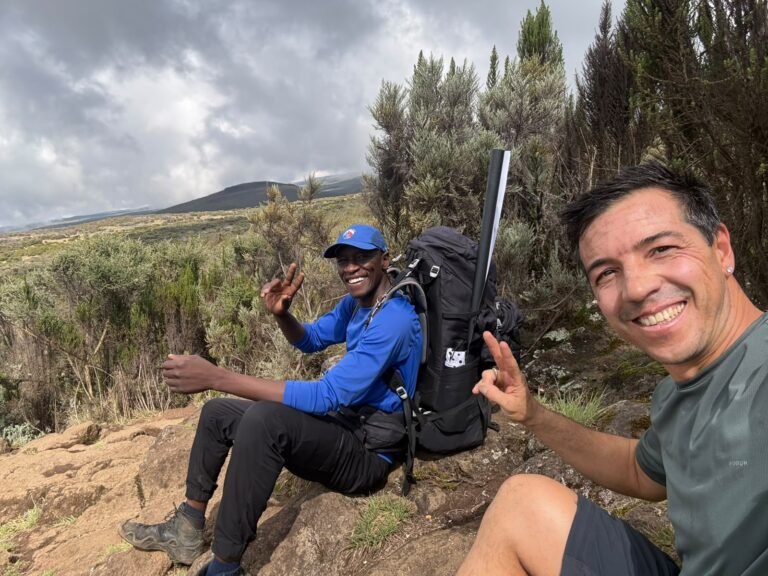
8 Days Shira Kilimanjaro New Year Trek – 26 December – 2 January 2026
8 Days Shira Kilimanjaro New Year Trek – 26 December 2026 – 2 January 2027.
View package details6 Days Umbwe Route Kilimanjaro Climb – 1–6 December 2026
6 Days Umbwe Route Kilimanjaro Climb – 1–6 December 2026.
View package details5 Days Marangu Kilimanjaro Christmas Trek – 22–26 December 2026
5 Days Marangu Kilimanjaro Christmas Trek – 22–26 December 2026.
View package details5 Days Marangu Kilimanjaro Full Moon Trek – 21–25 December 2026
5 Days Marangu Kilimanjaro Full Moon Trek – 21–25 December 2026.
View package details5 Days Marangu Kilimanjaro December Trek – 19–23 2026
5 Days Marangu Kilimanjaro December Trek – 19–23 December 2026.
View package details6 Days Marangu Kilimanjaro Hut Trekking – 6–11 December 2026
6 Days Marangu Kilimanjaro Hut Trekking – 6–11 December 2026.
View package details5 Days Marangu Route Kilimanjaro Trek – 2–6 December 2026
5 Days Marangu Route Kilimanjaro Trek – 2–6 December 2026.
View package details7 Days Umbwe Route Kilimanjaro Trekking – 4–10 December 2026
7 Days Umbwe Route Kilimanjaro Trekking – 4–10 December 2026.
View package details6 Days Rongai Kilimanjaro Christmas Climb – 21–26 December 2026
6 Days Rongai Kilimanjaro Christmas Climb – 21–26 December 2026.
View package details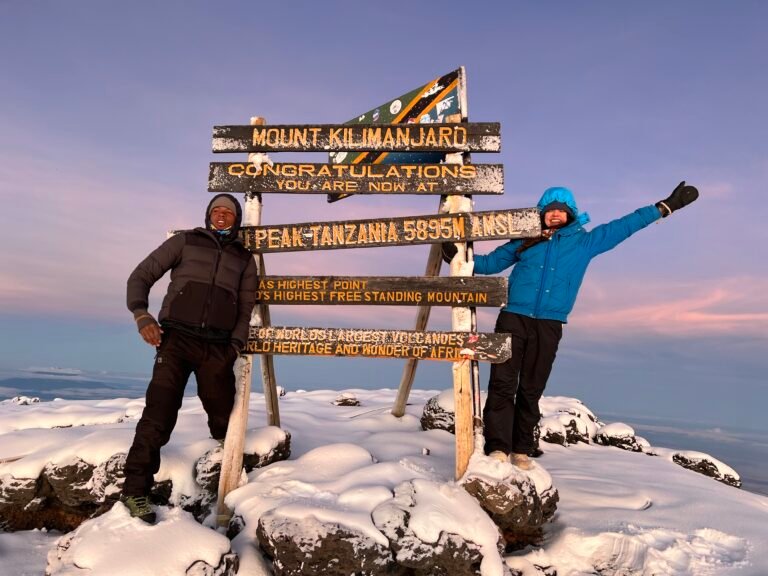
6 Days Rongai Route Kilimanjaro Hiking – 6–11 December 2026
6 Days Rongai Route Kilimanjaro Hiking – 6–11 December 2026.
View package detailsNo related package matches those filters. Clear one or more filters to see the other topic-matched options.



