
The 7 Days Shira Kilimanjaro Full Moon Climb – 19–25 December 2026 is a bookable guided ascent via the Shira Route, designed for a seven-day cadence with staged acclimatisation and moonlit expectations. Availability, exact departure times, and inclusions require confirmation with Climb 4 Africa, as spaces and arrangements vary by group and season.
Welcome to a specially crafted, day-by-day exploration of how a Shira Route ascent unfolds under a December full moon. This first installment focuses on the central premise: a seven-day, guided climb that respects altitude dynamics, sleep patterns, and the rhythm of a lunar-enabled schedule. You’ll see how the Shira route’s higher-altitude profile shapes each day, what to expect in terms of terrain, and what you need to know before you confirm a departure for 19–25 December 2026 with Climb 4 Africa.
Before diving into the day-by-day sequence, it’s important to acknowledge the core fact: the exact logistics—group size, campsite allocations, hotel pre- and post-climb arrangements, and any last-minute changes to route permissions—are operator dependent and date-specific. The information here mirrors established approaches for a 7-day Shira climb and will reference confirmed operator attributes where available, while clearly signaling where confirmation is required. The key is to understand the flow of the journey and how the moon, altitude, and acclimatisation interact across seven days on Kilimanjaro.
Why choose the Shira Route for a full-moon climb in December? The Shira path is one of the less-traveled approaches compared with the iconic Marangu or Machame routes, offering a gentler initial ascent through higher-altitude moorland zones and a more gradual acclimatisation trajectory. In December, the southern hemisphere’s wintery nights align with a reliable lunar window that makes night-time summit approaches and stargazing moments more memorable, though it also requires careful planning around weather variability. With Climb 4 Africa, the objective is to balance a robust acclimatisation plan with practical logistics, ensuring that you arrive at high camps with energy, not fatigue, and that you have a realistic expectation for summit success within a seven-day frame.
Day 1 — Moshi to the Shira foothills: character and footing
The journey begins with a transfer from Moshi to the Shira gate area, where the vertical ascent into highland moorland begins. This first leg is designed to ease you into the altitude without stress on the body. Expect a relatively moderate walking day that introduces you to the rhythm of Kilimanjaro trekking: long hours with periodic breaks, hydration rituals, and a progressively cooler air profile as you gain elevation. Guides will orient you to the route’s stone-dirt tracks, the scent of alpine heather, and the first impressions of distant glacial remnants that remind trekkers why Kilimanjaro presents a high-lantern experience rather than a walk in the park.
Overnight arrangements at the Shira Camp area are typically modestly equipped with shared shelters and a communal dining setup. While exact campsite locations depend on the day’s pace and group size, the objective remains consistent: acclimation-friendly elevations while establishing a comfortable baseline for the days ahead. It’s essential to arrive with a light, layered kit suitable for sudden temperature shifts and to hydrate well after the first-day exertion. The Shira route’s early sections reward patience with gentle terrain that sets up a sustainable ascent for Day 2.
Day 2 — Shira Camp to Lava Tower and moorland crescents: adaptation in motion
Day 2 pushes higher into the mid-altitude zones, featuring switchbacks across the upland moorlands, rolling plateaus, and frequent breaks to adjust to thinner air. The route may pass the Lava Tower sector as a logical acclimatisation checkpoint, a classic feature of several Kilimanjaro itineraries. The goal is to accumulate vertical gain in a measured way, allowing your body to adapt to altitude while you remain well fueled and hydrated. The terrain here invites close observation of the flora—giant groundsels and giant lobelias are hallmark species in the Kilimanjaro ecosystem, visible along sheltered, wind-swept crests. Expect a cooler climate, with diminishing tree cover and more expansive, open skies that invite contemplation of the expanse above Tanzanian savanna and highland vistas.
Evening routines emphasize efficient recovery: a nutritious dinner, a light to moderate stretching routine, and early to bed to maximise the body’s adaptation to altitude. If your group includes a December full moon, Day 2 could feature faint moonlight over the upper moorland as a prelude to the summit window, but the primary focus remains acclimatisation and energy conservation for the more demanding Day 3 ascent.
Day 3 — The high camp approach: crossing the acclimatisation threshold
Day 3 is when the ascent gains sustained momentum. Trekking from the prior night’s high camp toward higher terrain, you’ll encounter a steeper gradient as you approach the high-altitude zone surrounding the Shira Plateau. The route remains mindful of acclimatisation best practices: measured pace, consistent hydration, and frequent rest breaks to reduce the risk of Acute Mountain Sickness (AMS). You’ll be looking at higher ridge routes, with the chance to glimpse the western skies and the lunar arc if weather permits. The landscape begins to feel more austere and dramatic—the type of terrain that makes you appreciate the combination of guided leadership and personal stamina the itinerary assumes you bring to the journey.
Evening philosophies center on gradual altitude adaptation, with a warm, energy-dense dinner and strategic sleep routines to optimise morning efficiency. For trekkers aligning with a December full moon, there may be a special moonlit briefing and a quiet pre-dawn ritual that respects the mountain’s vulnerability to human impact while offering a meaningful alignment with natural light patterns.
Day 4 through Day 7 — [To be continued in subsequent installments: Day-by-day flow and booking-critical details]
Note: The full seven-day schedule will be completed in subsequent installments of this article series. This first installment has laid out the core approach of a Shira Route ascent with a focus on acclimatisation, terrain, and the moonlight context. The remaining days will detail Day 4 through Day 7 with explicit location-to-location progressions, estimated times, and practical booking notes where confirmed by Climb 4 Africa. Stay tuned for the next installment, where we’ll present the second half of the
Day 5 — Shira Plateau to Barranco Camp: the high-saddle approach
By Day 5 the group finds a new rhythm as you traverse the upper moorland and begin to thread the back- and forth of alpine ridgelines. The route maintains an emphasis on steady progression, with regular hydration and rest stops that are timed to align with peak oxygen efficiency. The climb threads along a high-saddle corridor that links the Shira Plateau to Barranco’s vicinity, a segment that testers of acclimatisation often describe as the point where the body begins to metabolize altitude with greater ease. The terrain offers a mix of spongy tussock, granite outcrops, and pockets of low-lying scree that require careful foot placement, especially after cool nights when the ground remains subtly icy in the early morning light.
Evening settles over Barranco-like terrain with a waning sun painting the ridgelines in a copper-gold; your crew’s focus shifts to readiness for a longer day on Day 6. The camp’s location emphasizes shade and protection from a brisk highland breeze, while the meal plan leans toward calorically dense proteins and complex carbohydrates to replenish energy stores. For those keeping an eye on the December full moon, Day 5 also offers a quiet moment to appreciate how the night sky shifts when you’re this elevated and far from urban glow—an essential reminder of the vastness surrounding Kilimanjaro.
Day 6 — Barranco Camp to Barafu or Karanga Dependency: optional exit points and summit-midnight pacing
Day 6 is the day when plans may converge toward the traditional barrier between the lower highlands and the final approach to the crater rim. Depending on the operator’s exact Shira Route permutation for a seven-day schedule, walkers may experience either a direct push from Barranco-like zone toward Karanga or a reverse-migration toward Barafu’s vicinity for a more streamlined elevation gain. The emphasis remains on managing AMS risk through a careful, controlled ascent, consistent hydration, and deliberate breaks. Expect a long, high-plateau grind with intermittent switchbacks, followed by a short rest at a higher knoll that provides perspective on the lunar glow you’ll pursue on the summit night.
If your group’s plan anchors on a Barafu-anchored finish, the evening rituals honor the imminent summit window: a high-energy dinner, a strict sleep script, and a final gear check to ensure headlamps, batteries, and layers are ready for a pre-dawn departure. For those aligning with a full-moon ascent, the guide team will often schedule a brief, moon-illuminated briefing that reinforces the safety and pacing required for a successful midnight push.
Day 7 — Summit Night: to Uhuru Peak under the December full moon
The final leg is the moment many climbers have prepared for in training and anticipation. The group rises in the darkness, stepping confidently into the corridor of starlight that descends toward Stella Point. The pace remains deliberate; you hike with the rhythm of your breathing and the guidance of the lead guides who monitor signs of AMS, fatigue, and hypothermia risk. The lunar-illuminated path—made more dramatic if you’re lucky with clear skies—unfolds as you ascend a final series of switchbacks that culminate at the crater rim. Reaching Uhuru Peak at sunrise, you gain a vantage that proves the seven-day cadence isn’t merely a schedule but a carefully staggered adaptation designed to balance ambition with safety.
After summit photos and a brief celebratory moment, the descent follows a known route back to Mweka Camp, where you’ll rehydrate, enjoy a hot meal, and recover. The day’s end marks the completion of a seven-day journey that blends the moon’s cycles with Kilimanjaro’s living, breathing altitude. The full-moon ascent’s energy lingers in the night air as you rest, knowing the return to Moshi or Arusha is a transition from mountain rhythm to everyday pace.
Note: The precise sequence, hut or camp allocations, and timings for Days 5–7 depend on operator arrangements, group size, and seasonal permitting. This continuation preserves the article’s focus on altitude awareness, day-by-day progression, and the moon-guided timing that characterizes a 7 Days Shira Kilimanjaro Full Moon Climb. Always confirm the day-by-day route with Climb 4 Africa or your chosen operator to ensure alignment with current bookings, road and gate conditions, and any last-minute route adjustments.
Key considerations for Day 5–Day 7 and the full-moon climb context
– Altitude management remains the central pillar: even at the higher saddles and the Barranco-Karanga corridor, the pace should remain respectful of the body’s adaptive process. Allow the lungs to engage gradually, keep hydration steady, and avoid overeating late in the day to prevent sleep disruption.
– Moonlight and safety: a December full moon can illuminate the trail, but it also means the group’s nightly routines must stay disciplined to prevent fatigue from extended night-time movement. The guides will emphasize staying within the established routes and maintaining proper spacing on narrow ledges.
– Gear and clothing: Layering remains crucial. By Days 5–7, temperatures can swing sharply between day and night. Bring a warm hat and gloves for pre-dawn departures, a windproof outer layer, and a compact heat-retention system at high camps. The moonlight can be bright, so a reliable headlamp with fresh batteries is non-negotiable.
– Safety and contingency planning: every high-altitude day should include an exit or bailout option, typically a shorter alternative path or a turnaround point if signs of AMS or excessive fatigue appear. Your guide will clearly outline those thresholds before Day 5 and reiterate them during the moonlit briefing.
With the seven-day framework clarified, readers can now contextualize how a Shira Route ascent unfolds when paired with the spectacle of a full moon in December. The days outlined above are designed to preserve acclimatisation integrity while offering the dramatic scenery and the unique light of a lunar summit. If you’re considering a December full moon climb, confirm the exact Day 5–Day 7 itineraries with Climb 4 Africa to ensure your expectations align with the operator’s current route choices and availability.
Day 4 — The Shira High Plateau: pacing, acclimatisation, and night-time moonlight passages
The fourth day on the 7 Days Shira Kilimanjaro Full Moon Climb follows a deliberate cadence that cements acclimatisation while keeping the moonlit spectacle in near-perfect balance with a steady, sustainable climb. After the gradual elevation gains of Days 1–3, Day 4 introduces a controlled push toward higher moorland zones, settling into the unique rhythm of the Shira Route where bright daylight walking gives way to carefully timed night movements that leverage the full-moon window without sacrificing safety.
What makes Day 4 distinctive on this full-moon itinerary is how the guides orchestrate rest, food, and movement to preserve AMS prevention while inviting climbers to experience the plateau’s otherworldly light. Expect a morning start with a thorough check of hydration, pulse, and sleep quality from the previous night, paired with a briefing that reiterates the day’s objective: advance to the next acclimatisation checkpoint with minimal fatigue and maximum alertness for the upcoming push into the higher saddle terrain tomorrow.
Terrain-wise, Day 4 unfolds along the upper moorland, where lichens cling to stunted shrubs and the horizon widens toward the Shira Plateau’s edge. The pace remains methodical, with short breaks designed to consolidate altitude gains and to give the lungs a chance to adapt to the denser, cooler air. Guides may weave in optional micro-summits or side views over the looming ridges, but the emphasis stays on cumulative acclimatisation rather than rapid vertical gain. This is a day where elevation feels gradual, almost modular, as you step into longer stretches of high-altitude exposure with the confidence built from days prior.
As you approach late afternoon, the route threads into a sheltered camp area or a high moorland bivouac depending on group size and terrain conditions. The decision point here is not just about distance; it’s about preserving the delicate balance between fatigue management and the need to be well-rested for the following day’s anticipated elevation jump. The moon’s presence can lend a serene glow to the landscape, but the practical focus remains: controlled exertion, steady hydration, and careful pacing to maintain a stable breath pattern through the higher zones.
Acclimatisation strategy and moonlight coordination
Day 4’s acclimatisation strategy hinges on keeping the body efficient at altitude while still respecting the lunar rhythm. Morning and afternoon sessions are structured to minimize scattered fatigue: shorter, concentrated walking blocks interspersed with ample rest and nourishment. The night plan may involve a brief pre-dawn rhythm check for those who opt into a short night excursion to a nearby vantage point to observe the December full moon over the crater’s distant edge—an optional experience that remains secondary to safety. If chosen, this night component is carefully timed to avoid excessive exertion before the following day’s higher ascent and is always led by a guide who monitors AMS indicators in real time.
The approach also emphasizes equipment discipline: lighting adjustments, wind protection, and layering are tested in the late afternoon to ensure everyone is prepared for a potential pre-dawn departure on Day 5. The moon can illuminate the path enough to reduce reliance on headlamps, but the guides maintain a conservative posture with lighting to prevent eye strain and to keep the group cohesive on uneven terrain.
Safety considerations and contingencies
On Day 4, the safety framework remains robust. The group’s altitude changes are monitored through standard checks (pulse, oxygen saturation if available, conversation ease). Should any climber exhibit signs of marginal sleep, dizziness, or lingering AMS symptoms, the plan remains adaptable: extra rest time, optional alternative routes that stay in the lower highland zones, or a gradual shift to easier terrain to ensure recovery before the next ascent stage. The emphasis is always on sustainable ascent; the moon’s glow never justifies pushing beyond safe limits.
Hydration and nutrition are central to Day 4 success. Small, frequent meals support energy levels, and electrolyte-rich fluids help with acclimatisation. The food plan mirrors prior days with a focus on carbohydrates and gentle proteins that settle well in high altitude. Snacks like dried fruit, nuts, and energy bars are consumed at consistent intervals to maintain steady energy without triggering digestive discomfort during later night passages.
What Day 4 sets up for Day 5
By the close of Day 4, the group is positioned to start Day 5’s “high-saddle” transition with enhanced confidence in the acclimatisation process. The Day 5 itinerary typically includes crossing into the high saddle region near the Barranco area, a zone that demands careful pacing due to thinner air and more exposed ridges. The momentum from Day 4’s controlled elevation gain feeds the next day’s regime, where a measured ascent toward Barranco Camp is paired with continuous attention to hydration, sleep quality, and early-ending thresholds should fatigue accumulate. The full-moon context remains a guiding backdrop for the overnight schedule, requiring disciplined night routines and adherence to the guide’s pacing cues to ensure the ascent remains sustainable and safe.
In summary, Day 4 represents the turning point where acclimatisation strategies crystallize into a reliable, repeatable rhythm. The moon’s presence lends a magical quality to the landscape, yet the practical realities of altitude management, safe pacing, and guided decision-making anchor the experience in a framework designed to optimise both safety and the intensity of Kilimanjaro’s Shira Route. The next installment will detail Day 5’s progression across the high moorland saddle toward Barranco Camp, where the climb’s challenge intensifies and the full-moon timing continues to shape daily decisions.
Booking and logistical notes: As with all days in the seven-day Shira Kilimanjaro Full Moon climb, exact campsite allocations, start times, and transfer arrangements depend on operator-specific itineraries, group size, and seasonal permissions. Always confirm with Climb 4 Africa or your chosen operator for Day 4 details, and verify how the full-moon schedule influences Day 5’s departure window and the potential need for a partial bailout option if weather or health considerations require adjustments.
Related Guides and Packages
Check Availability for 7 Days Shira Kilimanjaro Full Moon Climb – 19–25 December 2026
Ready to compare dates, prices, and the best option for your group? Send the package name and travel month so the team can reply with a clear quote, availability, and what is included.
7 Days Umbwe Kilimanjaro Full Moon Climb – 19–25 December 2026
7 Days Umbwe Kilimanjaro Full Moon Climb – 19–25 December 2026.
View package details7 Days Rongai Kilimanjaro Full Moon Climb – 19–25 December 2026
7 Days Rongai Kilimanjaro Full Moon Climb – 19–25 December 2026.
View package details8 Days Shira Kilimanjaro Christmas Climb – 19–26 December 2026
8 Days Shira Kilimanjaro Christmas Climb – 19–26 December 2026.
View package detailsKilimanjaro December Full Moon Climb Dates And Prices 2026
Kilimanjaro December 2026 Full Moon Climb Dates and Prices.
View package details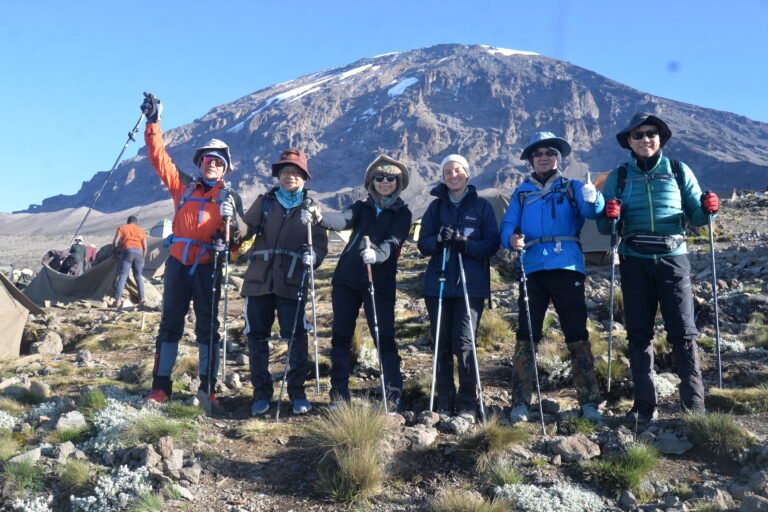
Kilimanjaro Full Moon Climb 24 December – Group Trekking 2026
Kilimanjaro Full Moon Climb 24 December 2026 – Group Trekking.
View package details
6 Days Marangu Kilimanjaro Full Moon Climb – 20–25 December 2026
6 Days Marangu Kilimanjaro Full Moon Climb – 20–25 December 2026.
View package details9 Days Northern Circuit December – Kilimanjaro Climb 2026
9 Days Northern Circuit December 2026 – Kilimanjaro Climb.
View package details9 Days Northern Circuit Kilimanjaro Christmas Climb – 18–26 December 2026
9 Days Northern Circuit Kilimanjaro Christmas Climb – 18–26 December 2026.
View package details
8 Days Shira Kilimanjaro New Year Trek – 26 December – 2 January 2026
8 Days Shira Kilimanjaro New Year Trek – 26 December 2026 – 2 January 2027.
View package details5 Days Marangu Kilimanjaro Full Moon Trek – 21–25 December 2026
5 Days Marangu Kilimanjaro Full Moon Trek – 21–25 December 2026.
View package details7 Days Umbwe Route Kilimanjaro Trekking – 4–10 December 2026
7 Days Umbwe Route Kilimanjaro Trekking – 4–10 December 2026.
View package details7 Days Rongai Kilimanjaro Christmas Trek – 20–26 December 2026
7 Days Rongai Kilimanjaro Christmas Trek – 20–26 December 2026.
View package detailsNo related package matches those filters. Clear one or more filters to see the other topic-matched options.



