
Climb 4 Africa offers Kilimanjaro December 2026 Full Moon Climb departures within specific December windows, with verified group itineraries (6–7 days commonly) and inclusions that vary by route. To confirm exact dates, spaces, and prices, contact Climb 4 Africa directly for a live schedule and a precise quote that reflects your preferred route and dates.
Understanding Kilimanjaro in December and the Full Moon Window
The Kilimanjaro December 2026 Full Moon Climb dates and prices are framed by the lunar cycle, seasonal weather patterns in the Tanzanian highlands, and the operator’s standard 6–7 day route variations. For travelers seeking a balance of daylight hiking, starry night skies, and a reasonable ascent profile, December often offers cooler evenings and intermittent cloud cover that can accentuate the moonlit experience. However, a fixed, widely published calendar for every departure is not provided publicly; instead, you should expect a schedule released by Climb 4 Africa closer to the season with confirmed group spaces and inclusions. This article lays out how to interpret the December 2026 window, what typically influences pricing, and how to prepare once a verified date is offered.
What to Expect: Routes, Durations, and Group Structuring
In the Kilimanjaro December 2026 Full Moon Climb cohort, you will typically find 6- or 7-day itineraries that align with traditional routes—such as Marangu, Rongai, Lemosho, Umbwe, and the Northern Circuit—each with its own terrain profile, acclimatization potential, and ascent pace. Climb 4 Africa categorizes these departures by route variant and day count, ensuring a plausible acclimatization path while preserving the full-moon experience during the summit push. Because the December 2026 window is bookable only through confirmed operator schedules, travelers should expect a fixed departure date within the window (for example, a 19–25 December block) rather than an ad-hoc calendar. For practical planning, identify your tolerance for altitude, hiking rhythm, and preferred scenery when comparing routes offered in this window.
Typical 6–7 Day Route Variants
- Marangu (Coca-Cola Route) – 6 days: gentler approach with hut accommodations, common for first-time high-altitude trekkers.
- Rongai – 7 days: drier on the northern slopes with a steady ascent and distinct scenery as you approach the summit.
- Lemosho or Northern Circuit – 7–9 days (some operators offer 6–7 day options in limited windows): longer routes with greater acclimatization opportunities.
Each route’s profile in the December Full Moon window has implications for difficulty, altitude acclimatization, and the overall experience. When a specific date is published by Climb 4 Africa, you’ll be able to choose among the confirmed route options with the corresponding day counts and inclusions.
Pricing: What Can Be Verified and What Requires a Quote
The Kilimanjaro December 2026 Full Moon Climb pricing is contingent on several factors, including the chosen route, group size, equipment needs, and the level of support from the operator. In the current information framework, there are no publicly posted, fixed prices for this exact window; instead, Climb 4 Africa provides a formal quote after you specify the departure date, route, and any custom services you require. The quotation typically includes
- Porters and guide services as per route and group size
- Meals and sometimes snacks during the trek
- Accommodation before and after the climb (nearest town or Moshi)
- Park fees and rescue contingency coverage
- Fixed departure logistics such as transfers to and from Kilimanjaro National Park gates
Exclusions commonly considered in quotes include personal gear purchases, additional hotel extras, and optional extras like private transfers outside standard arrangements. Because the December 2026 dates and spaces are not publicly published with exact prices, the best approach is to request a confirmed schedule through Climb 4 Africa and receive a precise price that reflects your chosen route and group size. If you already have a preferred date block (for example, a 19–25 December window) and route, you can request a quote tailored to that combination.
How to Request Verified Dates and a Quote
To obtain verified Kilimanjaro December 2026 Full Moon Climb dates and prices, follow these steps:
- Identify your preferred departure window within December 2026 and your route preference (Marangu, Rongai, Lemosho, or Northern Circuit).
- Provide the number of trekkers in your group and any special requirements (dietary needs, acclimatization considerations, or hotel preferences).
- Ask for the inclusions and exact exclusions to avoid surprise costs at checkout.
- Request a formal quotation that lists day-by-day itinerary, porter/guide ratios, accommodation details, and whats included.
- Confirm the cancellation and rescheduling policies, especially for a high-demand window like December 2026.
Climb 4 Africa typically responds with a clearly itemized itinerary and price quote once you submit a request, including the exact departure date, route, and group size. If you already know you want a particular date block such as December 19–25, you should explicitly ask for seats reserved within that window to maximize your chance of securing a slot on the desired dates.
Booking Logistics: Practical Steps and Considerations
Booking a Kilimanjaro climb in December 2026 requires balancing your schedule, budget, and the desire for a smooth experience during a highly sought-after period. The December Full Moon window can attract more climbers, so securing a confirmed space early is advisable. When you receive a verified date and price from Climb 4 Africa, you’ll typically proceed with a booking deposit to reserve your place, followed by the final payment according to the operator’s terms. Practical considerations include ensuring you have valid travel insurance that covers high-altitude trekking, arranging pre-trip vaccinations and health checks as advised by your physician, and coordinating international flights into Kilimanjaro region hubs such as Kilimanjaro International Airport (JRO) or frequently used domestic connections via Arusha or Moshi
Unanswered Question: How do December 2026 Full Moon Climb dates align with actual lunar phases, and what practical implications does this have for timing, acclimatization, and nightly summit experiences?
The December 2026 Full Moon Climb hinges on the precise interplay between the lunar cycle and Kilimanjaro’s altitude-driven weather patterns. While the operator can confirm a departure window and the day-by-day sequence once a group is formed, travelers benefit from understanding how the full moon itself shapes the climb experience beyond a single, scenic moment. Since public calendars for December 2026 aren’t posted with fixed dates and prices, the core question becomes how lunar timing translates into practical planning for your ascent and acclimatization strategy, and what to expect during the nights when the moon is at its brightest.
Moonlit summit pushes offer striking advantages and a few caveats. On the advantageous side, a bright full moon reduces the need for headlamps in the early pre-dawn hours, which can help with navigation, especially along the Everest-influenced routes that share Kilimanjaro’s white-topped amphitheaters. The reflection from snow-capped areas and the cratered lava flows along an ascent like Lemosho or Northern Circuit can create a luminous backdrop, aiding orientation on the final push to Uhuru Peak. For photographers and stargazers, a full-moon window can convert the ascent into a dramatic nocturnal experience with a balance of celestial light and high-altitude shadows, enhancing the sense of scale as you approach the crater rim.
Practical implications begin with acclimatization pacing. In December, when cloud cover tends to fluctuate and temperatures drop markedly after sunset, a fixed 6–7 day model remains a practical framework for safety. The moon’s peak brightness typically aligns with the early morning hours just before dawn, which coincides with the summit attempt window for many itineraries. Your guide team can tailor the summit push to exploit clear, moonlit skies while preserving a conservative pace that supports acclimatization. If a particular date aligns with a brighter moon phase, expect a slightly earlier start to take advantage of cooler, more stable air and less thermal inversion near the crater rim. Conversely, if cloud cover or lower visibility dominates, guides will adjust the plan to maintain safety margins, potentially postponing the last ascent slightly to capture a more favorable, albeit dimmer, night sky.
In terms of safety and comfort, a bright full moon can also affect sleep quality for some travelers due to extended daylight-like cues and the brightness seeping into camps. Operators are mindful of this and often structure evening briefings and dinner times to align with the lunar cycle, ensuring that rest periods are respected and that wake-up calls are timed to minimize fatigue. Hydration strategies remain essential; the cooling nighttime air accelerates dehydration risks as you acclimate, so climbers should maintain steady water intake and monitor altitude symptoms even when the moonlight feels soothing rather than harsh.
From a logistical standpoint, booking a December 2026 Full Moon Climb means acknowledging that exact departure dates and group compositions are confirmed only through Climb 4 Africa after you submit a request. The lunar window helps set expectations for what the night ascent might feel like, but it does not replace the need for flexible planning: you will still rely on a day-by-day itinerary that prioritizes acclimatization days, rest periods, and contingency buffers. When you request a verified schedule, consider asking for a detailed night-by-night plan that indicates the anticipated moon phase on the key summit night, the likely start time for the final ascent, and any anticipated weather contingencies tied to the lunar cycle. This information can help you prepare mentally and physically for a nocturnal ascent that could be illuminated by a dramatic full moon.
To maximize your likelihood of a smooth experience, you should align your expectations with two core realities. First, the December window is high in demand; even with the full moon drawing more trekkers, the operator’s confirmed itineraries will preserve the integrity of acclimatization and safety first. Second, while the full moon enhances certain elements of the ascent, your success hinges on proper acclimatization, hydration, and pacing. Use the moon as a guiding backdrop rather than as a primary driver for a rushed summit attempt. If you’re trying to time a specific lunar moment—say a peak-brightness window or a night with particularly clear skies—discuss these preferences in your quote request so the operator can consider local weather patterns and typical cloud cover tendencies for December in Kilimanjaro’s highlands.
Ultimately, the most valuable takeaway is that a December 2026 Full Moon Climb is best planned with a flexible, evidence-informed approach. The lunar advantage can enhance the nocturnal experience and navigation, but the real success factor remains that each day of the itinerary is built around gradual acclimatization and careful pacing. When you receive a verified date and price from Climb 4 Africa, ask for the night-by-night outline that specifies how the moon phase intersects with the summit window, and how the guide team plans to optimize both safety and the magical lunar ambiance. This ensures your Kilimanjaro December 2026 Full Moon Climb is not just a date on a calendar, but a thoughtfully tuned experience that respects altitude, weather, and the celestial rhythm you came to witness.
New Insights: Aligning December 2026 Full Moon Climb Dates with Lunar Phases and Practical Summit Timing
The central question readers often have after reviewing the established framework is how the December 2026 Full Moon Climb dates align with actual lunar phases and what that alignment means for daily pacing, acclimatization, and the nocturnal summit window. This section dives into the specifics you should verify when you request a live schedule from Climb 4 Africa, and it translates lunar timing into practical itinerary planning you can use to prepare for Kilimanjaro’s altitude, weather patterns, and safety considerations.
First, it’s essential to distinguish between the astronomical full moon date and the practitioner’s experience of illumination on the mountain. A full moon occurs on a precise moment in the lunar cycle, but cloud cover, elevation, and atmospheric conditions often determine how prominently the moon lights the summit approach on any given night. Kilimanjaro’s summit night is a high-altitude, weather-sensitive endeavour where the contrast between starry skies and the moon’s glow can shape pacing and safety decisions. Climb 4 Africa, like most operators, plans the final ascent window to capitalize on a bright, moonlit environment while maintaining strict acclimatization buffers and rest periods that support altitude acclimatization and minimize fatigue.
When you request verified dates, ask for three concrete pieces of information that directly connect the lunar window to the actual itinerary:
- Anticipated start time for the summit push on the final ascent night, with a recommended target window (for example, a start time around 02:00–03:00, adjusted for route and weather).
- Moon phase and illumination notes for that summit night, including expected cloud cover risk based on historical December weather patterns in Kilimanjaro National Park.
- Contingency plans tied to the lunar conditions, such as delaying the final ascent due to poor visibility or opting for a later window if the moonrise aligns with clearer skies but introduces safety trade-offs.
In practical terms, a well-constructed verified schedule will provide a night-by-night outline that shows how the moon’s trajectory intersects with the elevation gain and rest days. You’ll see a plan that preserves a gradual acclimatization arc—often a built-in rest day near the 3,000–4,000-meter mark followed by a bout of high-altitude sleep adaptation before the push to Stella Point and Uhuru Peak. The December window’s promotional allure should not override the core acclimatization principle: sufficient time on the mountain to adapt safely outweighs a single, optimal lunar moment.
How should you interpret the timing details when formulating your questions to Climb 4 Africa? Start by confirming the exact ascent night’s anticipated lunar conditions in the verified itinerary. Then cross-check this against typical December cloudiness for the region, which tends to involve a mix of clear, cool nights and occasional overcast spells. A reliable operator will acknowledge the variability and propose two or three alternative nights for the summit push within your booked window, each with its own safe-time framework and moonlight intensity profile. This approach minimizes the risk of a single-night dependency that could be compromised by weather unpredictability.
Another practical takeaway concerns the interplay between the full moon and the vertical tempo of the climb. Historically, a brighter moon can aid navigation and reduce the need for headlamp intensity, which in turn can help with azimuth orientation and pace control. However, it can also tempt longer, more demanding summit attempts if trekkers misinterpret the extra illumination as a cue to push harder. A properly designed schedule will balance these factors by embedding explicit pacing recommendations and guide-led tempo adjustments on the final ascent night to align with safety margins and acclimatization needs.
For travelers who are chasing a precise lunar moment—a peak-brightness window, for instance—the question to the operator should be: Is there a confirmed plan for a specific summit-night start that aligns with a high-illumination, low-cloud scenario, and if not, what are the recommended alternatives that preserve safety while still offering an enhanced nocturnal experience? This line of inquiry helps ensure you’re not wagering the entire summit attempt on an uncertain weather forecast but rather benefiting from a moonlit backdrop as a secondary, not primary, driver of the schedule.
Finally, communicate clearly how you want to handle potential changes. Ask for a transparent decision pathway: if the lunar window predicted on the itinerary becomes untenable due to sudden weather shifts, what is the operator’s protocol—do they re-slot the summit to a nearby night with adequate illumination, or do they maintain the original date with adjusted starting times and longer rest periods? A responsible operator will have a documented contingency plan that preserves safety and acclimatization quality while still offering a memorable lunar ambiance when conditions permit.
In short, the practical implication of December 2026 Full Moon Climb dates is not simply about chasing a bright night. It’s about harmonizing the lunar backdrop with the mountain’s altitude-driven physiology, the seasonal weather variability, and a robust, safety-first itinerary structure. By requesting a verified schedule that explicitly ties the final ascent night to a moon-illumination profile and weather contingencies, you position yourself to experience Kilimanjaro’s nocturnal summit with the elegance and caution that a well-planned lunar window deserves.
If you’re ready to explore the verified December 2026 Full Moon Climb options with Climb 4 Africa, prepare your request with these questions in mind and request the night-by-night plan along with the predicted moon phase for each key summit night. This approach ensures you receive a schedule that respects acclimatization, safety, and the unique magic of a Kilimanjaro ascent under a beautifully lit December sky.
Unanswered Question: Decoding the December 2026 Full Moon Climb in Practice—What the Lunar Window Means for Acclimatization, Night ascent, and Contingency Planning
Building on the established framework for Kilimanjaro’s December 2026 Full Moon Climb, the single most valuable follow-up question readers realistically face is how to translate the theoretical alignment of a bright lunar phase into concrete, safe daily pacing and summit timing. The lunar window can amplify the nocturnal experience, but Kilimanjaro’s altitude and weather dynamics introduce real constraints that must guide scheduling choices. This section differentiates between the idealized moonlit moment and the practical, day‑by‑day itinerary adjustments that preserve acclimatization, safety, and the chance to enjoy a memorable summit under a moonlit sky.
Moonlight as a backdrop, not a driver—The moon’s brightness on the final ascent can enhance visibility on the scree slopes and a sense of ceremony at the crater rim, yet it should never override the physiological imperatives of acclimatization. The key practical implication is that the last push should remain tethered to the climbers’ respire, sleep quality, and the guide’s assessment of altitude symptoms. When operators offer a lunar-aligned plan, they typically embed a daylight-forward pacing strategy with a late-night summit attempt only if the climbers show stable acclimatization markers and clear weather. If the lunar window deteriorates due to cloud cover or wind, the best practice is to revert to a robust, safety-first night ascent schedule aligned with terrain, wind, and cloud forecasts rather than a fixed photon moment on the summit.
Acclimatization and sleep architecture under a December sky—December in the Kilimanjaro highlands often presents cooler nights, clear air, and less humidity, which can improve perceived breath control and sleep efficiency at base camps. Practically, this translates to requiring strong afternoon rest, regular hydration, and a deliberate, conservative acclimatization plan. Climbers opting for a December Full Moon Climb should anticipate that the final ascent night may start later than the classic early-morning push, particularly if cloudiness or wind shifts the optimum window. Operators may delay the summit start by 1–2 hours if that preserves daytime rest and reduces the risk of fatigue-related missteps. The lunar backdrop remains a privilege of timing, not a permit to exceed acclimatization safety margins.
Night ascent: risk management and visibility considerations—A bright moon reduces the reliance on headlamps, but the terrain remains uneven and steep near the Barranco and Karanga camps, where soft sections and scree can still trip climbers. The practical implication is that guides will tailor the night ascent pace to crew condition rather than the lunar calendar. If the moon is exceptionally luminous, groups may benefit from a slower, more deliberate ascent that preserves oxygenation and reduces staggered fatigue. If cloud cover intermittently blocks the moon, the emphasis shifts to navigation confidence and maintaining a steady cadence that sustains acclimatization while still delivering a high-quality summit experience when visibility permits.
Contingency planning: what happens if the moon wanes or weather intervenes?—A responsible operator will present a documented contingency protocol. If a verified December 2026 Full Moon date cannot be honored due to weather or safety concerns, the plan should offer either: (a) re-slotting the final ascent to a nearby night with equivalent or better illumination, or (b) maintaining the original calendar night but adjusting starting times, rest periods, and pace to preserve acclimatization. In practice, this means you should receive a night-by-night plan that includes predicted moon phase for each critical summit night, but with explicit caveats and alternative dates. The conversation with the operator should include a clear decision tree: under which meteorological thresholds would the itinerary pivot, who makes the call, and how much flexibility is allowed without compromising safety or the acclimatization schedule?
What readers should request when seeking a verified December 2026 schedule—To ensure the lunar window adds value without undermining safety, readers should request a schedule with: (1) a specific final ascent night aligned, where possible, with predicted moon illumination but not guaranteed; (2) a documented acclimatization day sequence that remains intact if the final ascent is shifted; (3) explicit weather and wind thresholds that trigger a schedule adjustment; (4) a night-by-night pacing table showing suggested start times, rest breaks, and sleep opportunities; (5) commitments to provide a revised plan in writing if changes occur, with a single point of contact for updates. This level of detail allows travelers to understand not just the moon’s potential glow but the practical chain of decisions that safeguard their health and maximize the nocturnal experience.
Integrating the lunar window with the route choice and pacing—Different routes naturally interact with the moon phase differently. A Rongai or Northern Circuit ascent, with longer duration and more time spent on higher camps, benefits from flexible pacing tied to acclimatization rather than a fixed nocturnal target. Marangu’s hut-based structure can accommodate a more predictable schedule, yet even here the final ascent should honor altitude risks. The December 2026 Full Moon Climb, when paired with a well-structured itinerary, thus gains its maximum value from a balance: honor the moon’s presence as a guiding ambiance, while never sacrificing the climbers’ safety margins or the medication for altitude acclimatization that the guides implement on every departure.
In sum, the most practical interpretation of the December 2026 Full Moon Climb dates is not a guaranteed luminous night but a well-communicated, adaptive plan that preserves acclimatization integrity while providing the optional, moonlit grandeur. When you request a verified schedule, insist on a clear contingency framework that makes the lunar window a feature—never a risk multiplier. This approach will help ensure your Kilimanjaro ascent under December skies remains safe, memorable, and true to the mountain’s physiology and the operator’s safety commitments.
Booking clarity for the December 2026 Full Moon Climb window
As with all operator-led Kilimanjaro departures, the December 2026 Full Moon Climb needs an explicit confirmation from Climb 4 Africa or the contracted operator about the exact final ascent night. Until such details are publicly disclosed and verified, travelers should treat any stated “moon-aligned” notes as planning guidance rather than a guaranteed, fixed schedule. When engaging with the operator, prioritize a written agreement that explicitly outlines: the final ascent date or date range, the fallback options if weather disrupts the moon feature, the pace and acclimatization plan, and the process for notifying of any schedule changes. This ensures you are not relying on an impression of a perfect lunar moment but on a robust, safety-first itinerary that respects both the moon’s glow and Kilimanjaro’s heartbeat.
Conclusion: translating the lunar window into a responsible climb—The December 2026 Full Moon Climb offers a compelling backdrop for Kilimanjaro’s ascent, but the strongest value lies in a plan that weaves moonlight with mountain physiology. By demanding a schedule with explicit contingency provisions, clear acclimatization pacing, and a transparent decision pathway for changes, climbers maximize their chances of a safe, enjoyable summit beneath a December sky. The lunar window remains a glorious supplementary layer, not a guarantee. Engage with operators who can articulate the night-by-night plan, the moon phase expectations for each key summit night, and the exact conditions under which adjustments will be made—and you’ll be well prepared to experience Kilimanjaro as both a science of altitude and a theatre of nocturnal beauty.
Related Guides and Packages
Check Availability for Kilimanjaro December Full Moon Climb Dates And Prices 2026
Ready to compare dates, prices, and the best option for your group? Send the package name and travel month so the team can reply with a clear quote, availability, and what is included.
7 Days Umbwe Kilimanjaro Full Moon Climb – 19–25 December 2026
7 Days Umbwe Kilimanjaro Full Moon Climb – 19–25 December 2026.
View package details7 Days Rongai Kilimanjaro Full Moon Climb – 19–25 December 2026
7 Days Rongai Kilimanjaro Full Moon Climb – 19–25 December 2026.
View package details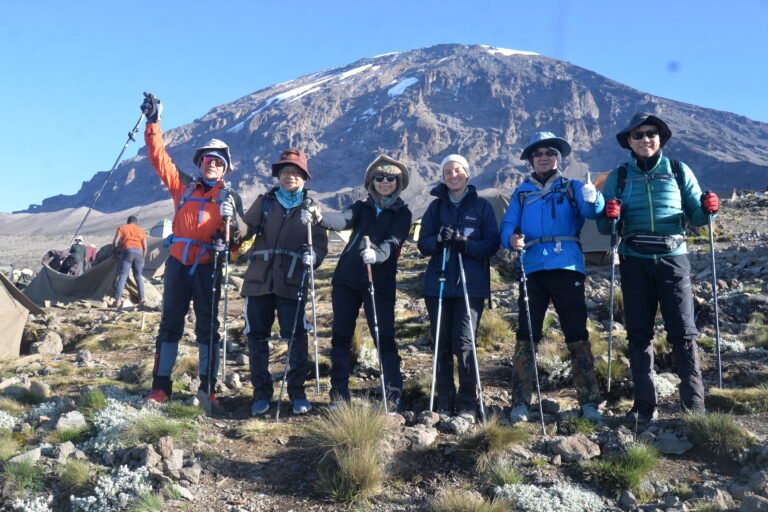
Kilimanjaro Full Moon Climb 24 December – Group Trekking 2026
Kilimanjaro Full Moon Climb 24 December 2026 – Group Trekking.
View package details
6 Days Marangu Kilimanjaro Full Moon Climb – 20–25 December 2026
6 Days Marangu Kilimanjaro Full Moon Climb – 20–25 December 2026.
View package details5 Days Marangu Kilimanjaro Full Moon Trek – 21–25 December 2026
5 Days Marangu Kilimanjaro Full Moon Trek – 21–25 December 2026.
View package details6 Days Rongai Kilimanjaro Christmas Climb – 21–26 December 2026
6 Days Rongai Kilimanjaro Christmas Climb – 21–26 December 2026.
View package details9 Days Northern Circuit December – Kilimanjaro Climb 2026
9 Days Northern Circuit December 2026 – Kilimanjaro Climb.
View package details6 Days Umbwe Route Kilimanjaro Climb – 1–6 December 2026
6 Days Umbwe Route Kilimanjaro Climb – 1–6 December 2026.
View package details8 Days Shira Kilimanjaro Christmas Climb – 19–26 December 2026
8 Days Shira Kilimanjaro Christmas Climb – 19–26 December 2026.
View package details9 Days Northern Circuit Kilimanjaro Christmas Climb – 18–26 December 2026
9 Days Northern Circuit Kilimanjaro Christmas Climb – 18–26 December 2026.
View package details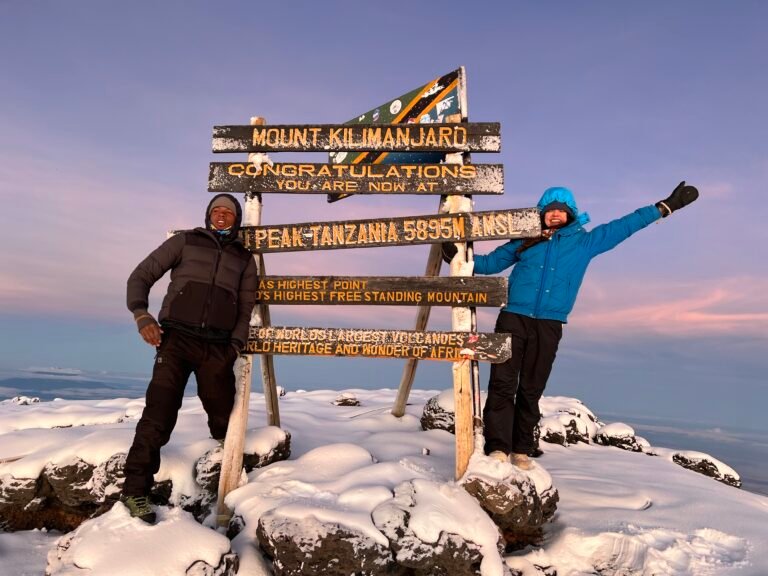
Kilimanjaro New Year Eve Climb – 31 December Summit 2026
Kilimanjaro New Year Eve Climb – 31 December 2026 Summit.
View package details6 Days Marangu Kilimanjaro New Year Climb – 28 December – 2 January 2026
6 Days Marangu Kilimanjaro New Year Climb – 28 December 2026 – 2 January 2027.
View package detailsNo related package matches those filters. Clear one or more filters to see the other topic-matched options.



