
The Kilimanjaro Christmas and New Year Group Climbing 2026–2027 program is a bookable group climbing option managed by Climb 4 Africa. Availability, exact departure dates, route variations (6/7 days typically), and inclusions require operator confirmation; this installment explains how to assess options and what verified details to request before booking.
Choosing a Kilimanjaro Christmas and New Year group climb means aligning travel momentum with a peak season that blends festive expectations with the practical realities of altitude trekking. In the 2026–2027 window, Climb 4 Africa positions multiple group departures around the December-to-January period, offering standard route options like the 6- and 7-day itineraries on familiar routes such as Marangu and Northern Circuit. The decision hinges on real-time availability, confirmed dates, and what the operator guarantees in terms of guide ratios, included permits, park fees, porters, and emergency support. This first installment will lay out how readers should frame questions to obtain verified details, what the day-by-day expectations look like on classic Kilimanjaro routes, and how to compare a Christmas-season climb with a New Year-scale group experience under the same operational umbrella.
Kilimanjar o Christmas and New Year: what to expect in a group climb window
TheKilimanjar o window that combines Christmas and New Year typically concentrates group departures over late December into early January. This seasonal spread can affect acclimatization pacing, lodge availability near Moshi or Arusha, and the logistics of pre-climb briefings. For readers considering Kilimanjaro Christmas and New Year Group Climbing 2026–2027, it’s essential to confirm that the specific departure aligns with your travel dates, visa considerations, and flight schedules. Climb 4 Africa’s published information often points to six- or seven-day routes, with a focus on safety and acclimatization; however, the exact dates, spaces, and inclusions must be verified for 2026–2027 departures. When evaluating options, ask for a clear schedule with exact start and end dates, the group size cap, and the composition of the support team (lead guide, assistant guides, cooks, porters).
Why schedule timing matters on Kilimanjaro during holidays
Holiday departures tend to fill earlier and move with higher demand for accommodations in Moshi, Arusha, and on the mountain’s buffer regions. That can influence hotel allocations and transfer windows. A plan focused on Kilimanjaro Christmas and New Year Group Climbing 2026–2027 should include a secured pre-departure briefing, a confirmed transfer from the airport to your base, and explicit statements about contingency plans in case of weather delays or gate closures. It’s reasonable to expect that the operator will provide a detailed inclusions list that covers park fees, guides, porters, meals, and cabins or tents, but only once the schedule is confirmed.
Day-by-day rhythm on the classic routes you might encounter
In a formal Kilimanjaro Christmas and New Year Group Climbing 2026–2027, days are typically structured to optimize acclimatization while preserving a realistic summit attempt window. For example, on a 7-day Northern Circuit plan, participants begin with a transfer to the national park gate, an initial trekking day that introduces highland scenery, then successive days that gradually gain altitude with a night at a shaded camp or lodge. A 6-day Marangu plan focuses on the same overarching arc, but with shorter daily distances and a more fixed schedule. While exact day counts and camp locations vary by operator and route, climbers can anticipate a sequence of: briefing and transfer, trekking/ acclimatization days, summit push, and descent. The key is to see a verified day-by-day itinerary supplied by Climb 4 Africa once you request confirmed dates for Kilimanjaro Christmas and New Year Group Climbing 2026–2027.
Route choice and its practical implications
Marangu is known as the Coca-Cola route: relatively gentler gradients, hut accommodations, and less camping—an appealing option for first-time high-altitude climbers joining a Christmas or New Year group. The Northern Circuit offers longer acclimatization zones and typically a higher success rate for summit attempts, particularly during December and January when weather patterns can be stable. For readers prioritizing a Christmas and New Year experience with reliable acclimatization, a group on the Northern Circuit may be a strong fit, provided the schedule is confirmed and the inclusions meet your expectations. Always confirm which route is proposed for Kilimanjaro Christmas and New Year Group Climbing 2026–2027, since itineraries and porters’ teams can differ between departures.
What to verify before you book: inclusions, dates, and guarantees
The only stable facts at this stage are that Kilimanjaro Christmas and New Year Group Climbing 2026–2027 exists as a concept with multiple potential departures under Climb 4 Africa. What you must verify are the departure dates, the exact route and daily plan, the group size, what’s included (permits, park fees, guide-to-climber ratio, meals on route, accommodation on non-mountain nights, transfers, and airport pick-up), and the cancellation or postponement policy for holiday seasons. If a schedule is publicly posted, copy it into your notes and compare with the operator’s official confirmation. If no dates are listed, request a verified calendar for December 2026 through January 2027, with day-by-day itineraries and a breakdown of what changes if weather or park access limits operations.
Booking logistics: what to have ready
When you’re ready to inquire about Kilimanjaro Christmas and New Year Group Climbing 2026–2027, prepare your passport details, preferred departure window (Christmas vs. New Year emphasis), and any medical or dietary considerations. Ask for a written inclusions list, a clear payment plan, and a contact point for emergency updates. Be explicit about your need for a guaranteed schedule, especially around a peak travel period. Climb 4 Africa will be able to confirm or deny real-time availability and provide a precise quote once your desired departure is identified and your party size is known.
What this installment means for your decision
This first installment outlines the decision framework for Kilimanjaro Christmas and New Year Group Climbing 2026–2027. It emphasizes the necessity of verified dates, confirmed route and day-by-day plans, and transparent inclusions. The next installments will build out a sample day-by-day itinerary and compare route-specific pros and cons, once the operator publishes confirmed schedules for the 2026–2027 season. Readers are advised to request a current, formal schedule from Cl
Where the 2026–2027 Kilimanjaro Christmas and New Year group climbs land in practice: a targeted gap analysis
Having laid out the essential framework for Kilimanjaro Christmas and New Year Group Climbing 2026–2027, readers still confront a crucial question: what exact days, routes, and inclusions will a confirmed departure offer, and how does that translate into a realistic planning timeline? This section tackles that gap with careful, verifiable detail, focusing on the single most practical concern: once operator confirmation arrives, what should you expect to see in the official schedule for your Christmas–New Year ascent, and how do you interpret it for your personal planning?
Across the Kilimanjaro Christmas and New Year landscape, the driving variance is not merely the date, but the route configuration tied to that date, the bedrock of acclimatization pacing that a group operator commits to. In real terms, a verified schedule will specify: departure date, route (Marangu, Northern Circuit, or other listed variations), duration (6 or 7 days on the mountain), daily high-level pacing, lodge or camping nights, porter and guide assignments, and the on-route meals and accommodations. It will also spell out permit and park fees, rescue coverage, and the policy for holiday-season contingencies—cancellations, postponements, or rebooking options. Without these confirmations, any planning remains provisional and could misalign with peak-season realities, from flight connections to lodge inventories along the Moshi–Arusha corridor.
To interpret a published schedule accurately, start with the route and day-by-day rhythm. If the operator confirms Kilimanjaro Christmas and New Year Group Climbing 2026–2027 on a Northern Circuit itinerary, you should expect a sequence similar to a higher-acclimatization profile: a longer approach that spreads the ascent to the high camps across more days, interleaved with rest days or lighter trekking days dedicated to acclimatization. For Marangu-based group departures, anticipate hut accommodations and a shorter mountaintop push window, with a higher likelihood of fixed camps and a more structured day-by-day schedule. The key is consistency: the operator must provide a fully articulated daily plan with set elevation milestones, rest periods, and contingency buffers that reflect the realities of holiday-season operations (weather variability, park access, and staff rotations).
The second critical piece is inclusions and exclusions that directly affect value and safety. A verified schedule will explicitly enumerate: airport transfers, airport-to-hotel transport, hotel nights before and after the climb, meals not on the mountain, porters and guides per climber ratio, group medical kit provisions, oxygen and emergency evacuation arrangements, and local permits and park fees bundled into the package. It will also clearly mark what is not included: visa fees, single-supplement options (if applicable), personal insurance, tips, and any optional activities outside the core climb. This explicit delineation helps climbers avoid surprises when the calendar tightens around Christmas and New Year, a period characterized by higher demand and potential price sensitivity in accommodations near access points like Moshi and Arusha.
Availability is the third anchor. Even with a confirmed route and inclusions, the number of spaces in each departure is finite. A credible operator will publish the exact group size range and the allocation of spaces for each departure date within the December–January window. If your party is flexible—perhaps a couple of travelers joining with others or a preference for a specific departure date—the schedule should indicate the earliest available option and any waitlist processes if a desired itinerary fills. In the absence of published capacity data, you should request a formal, current capacity statement for Kilimanjaro Christmas and New Year Group Climbing 2026–2027, including any hold periods or hold-back dates for peak-season planning.
When you receive a confirmed itinerary, verify these specific items against your travel constraints: flight arrival times into Kilimanjaro region hubs, the buffer time needed for pre-climb briefings and gear checks, the distance and transfer time from the airport to your first lodging, and the logistics for acclimatization-friendly days that might push earlier departure times to protect your summit window. If your schedule features a “live” reserve on a peak date, clarify whether any part of the plan hinges on weather windows rather than fixed calendar days, and how the operator communicates changes if a weather system shifts the standard rhythm. A legitimate timetable will describe how weather contingencies interact with the planned acclimatization strategy, especially when the sequence includes a higher number of altitude gains or longer rest days to optimize acclimatization on a Christmas–New Year departure.
A practical approach to finalizing your decision is to request the operator to provide a formal, dated schedule in writing, preferable on official letterhead or a contract attachment, including: day-by-day elevations and pacing notes, the exact route and alternative routes if the primary option is not feasible, the designated guide-to-climber ratio for each day, and the specific nights spent at hotels or camps along the route. You should also request a robust medical and safety section: the availability of trained first aid responders, the presence of a satellite phone or emergency beacon, and the policy for emergency evacuation to a medical facility if someone develops high-altitude complications. These are non-negotiable elements for a high-demand period where staffing and trail conditions can fluctuate more than during off-peak seasons.
Finally, consider the post-climb logistics and the reality of returning travelers during the New Year period. A complete package will outline the transfer back to the airport, any additional nights you may spend recovering at a hotel, and the process for issuing a final invoice or receipt that reflects the actual services used, including any adjustments due to schedule changes caused by weather or park access. If the operator offers a “guaranteed summit” option, read the fine print carefully: what guarantees are attached to that promise, under what conditions, and what level of risk you assume if the designated date is impacted by events out of the operator’s control? A credible Kilimanjaro Christmas and New Year Group Climbing 2026–2027 plan will spell these items out without ambiguity, ensuring you can align your personal travel calendar, family commitments, and international flight bookings with confidence.
In sum, the substantial unanswered question around Kilimanjaro Christmas and New Year Group Climbing 2026–2027 is how operator-confirmed schedules translate into actual day-by-day plans, inclusions, and capacity for each departure. The most valuable next step is to obtain a formal, current itinerary that specifies route, daily pacing, lodging arrangements, group size, and the complete inclusions/exclusions, along with a clearly stated policy on weather contingencies and holiday-season rebooking. With that information in hand, you can compare departures on a like-for-like basis, choose the option that best fits your acclimatization needs and holiday timing, and proceed to a booking with confidence rather than assumption.
What to do next if you’re evaluating availability
- Ask for a verified calendar for December 2026 through January 2027 that lists each departure date, route, and the day-by-day itinerary.
- Request a complete inclusions list, including permits, park fees, meals on route, lodge/camps, porters, guides, transfers, and airport pickup.
- Clarify the group size, guarantee policy, and weather contingency framework for each departure.
- Get a written cancellation/postponement policy specific to holiday seasons and the process for rebooking if an operation day is affected by conditions beyond control.
- Confirm pre-climb briefings, gear requirements, and any mandatory training or medical screenings ahead of the climb.
Armed with a finalized, operator-verified schedule, you’ll be positioned to remove ambiguity from your Kilimanjaro Christmas and New Year Group Climbing 2026–2027 decision, ensuring your holiday ascent aligns with both your physical readiness and your travel calendar.
Unanswered practical question: How do verified schedules translate into day-by-day plans and guarantees for Kilimanjaro Christmas and New Year Group Climbing 2026–2027?
Readers who have followed the existing installments will have seen the emphasis on verified departure dates, route choices, and inclusions. The most valuable new content now is a concrete bridge from operator-confirmed schedules to the actual day-by-day pacing, lodging, and support you can expect on the mountain during Kilimanjaro Christmas and New Year Group Climbing 2026–2027. Without inventing dates or commitments, this section explains how confirmed schedules are translated into on-the-ground realities, what is guaranteed, and where flexibility exists due to weather, park constraints, or holiday-season operations.
First, the concept of a “verified schedule” is not a single snapshot. It is a living document that evolves as the operator secures permits, lock-in guides, and confirms lodging. A truly verified schedule should include: the exact start date, the chosen route (6- or 7-day variant), the day-by-day itinerary with ascent/descent days, the location of rests (hut, camp, or lodge), and the order and timing of meals and porters’ assignments. In the Kilimanjaro Christmas and New Year Group Climbing 2026–2027 context, you should expect a schedule that clearly maps each trekking day to its corresponding altitude gain, rest stops, and acclimatization pauses, aligned with the typical arc of a Kilimanjaro ascent but tailored to holiday-season realities.
How this translates into day-by-day plans begins with the acclimatization philosophy that guides high-season climbs. Because this window overlaps with peak demand, operators often optimize the pacing to maximize acclimatization while minimizing long stretches without proper rest. For a 7-day itinerary, you might see a rhythm that begins with a gentler ascent to allow the body to adapt under Christmas crowds, followed by a higher-altitude push that targets the summit window on or around the planned date. If a 6-day itinerary is chosen, expect a tighter sequence that preserves acclimatization but concentrates the ascent, which in turn can affect the timing of summit attempts and the length of each trekking day.
Second, the guarantees and contingencies attached to a verified schedule matter as much as the route. In Kilimanjaro Christmas and New Year Group Climbing 2026–2027, a credible operator will spell out what happens if a summit attempt cannot occur on the scheduled final day. Typical protections include a clear weather or route-change policy, a rebooking window within the same departure, and a defined process for transferring to an alternative route or a different date with similar inclusions. The practical implication for climbers is that you should not rely on a single, immutable plan; you should review how the operator handles a failed summit attempt due to weather, crowding, or park regulations, and whether there is a guaranteed alternative within the same holiday-season program without extra costs beyond the standard inclusions.
Third, lodging and transfer logistics are usually the most visible areas where the verified schedule interacts with holiday constraints. Because Christmas and New Year coincide with higher lodge occupancy and airport transfer peaks, a formal schedule will specify the sequence of hotel nights in Moshi or Arusha, the buffer time allocated for pre-climb briefing, and the arrangements for transfers to the gate or trailhead. It should also clarify the accommodation type on the mountain if the route uses huts (as in Marangu) versus camping (as common on the Northern Circuit). For climbers, this matters because hut-based experiences alter the daily rhythm, meal service, and the support team footprint, all of which affect comfort, acclimatization, and overall experience during a group climb window that blends holiday expectations with altitude trekking realities.
To assess whether a given Kilimanjaro Christmas and New Year Group Climbing 2026–2027 departure aligns with your needs, consider these concrete questions tied to a verified schedule:
- What is the exact start date and the route for each departure? Is there a distinct Christmas-focused option and a New Year-focused option under the same program?
- What is the day-by-day itinerary including ascent day, acclimatization rests, expected altitudes, and porters’ support for each day?
- What type of lodging is used on each night—hut, campsite, or lodge—and are there any holiday-season substitutions if a lodge is unavailable?
- What are the group size limits for each departure, and what guide-to-client ratio applies on all days?
- What are the explicitly included items (permits, park fees, meals on route, shelter, porters, guides, transfers, airport pick-up) and what is excluded (snacks, alcoholic beverages, personal gear penalties, optional activities)?
- What is the explicit weather contingency policy and how is rebooking handled if a day cannot proceed as scheduled due to weather or park closures?
- What is the process for pre-climb briefings, medical screening, and gear check in the weeks leading up to departure?
Fourth, the practical takeaway for prospective climbers is to request a formal, operator-verified itinerary document. This should include each departure’s day-by-day pacing, the sequence of lodges or camps, and a checklist of inclusions that matches your booking. Because the 2026–2027 window sits within a high-demand holiday season, your request should also cover the transfer windows from the airport to your first night’s accommodation, and the back-end processes for any adjustments caused by late arrivals or flight delays. A well-structured itinerary reduces ambiguity and aligns expectations with the operator’s actual capabilities during the Kilimanjaro Christmas and New Year Group Climbing 2026–2027 window.
Finally, in terms of decision-making, the most meaningful next step is to obtain a fully verified calendar for December 2026 through January 2027. This calendar should list each departure date, route, and day-by-day itinerary, paired with an inclusions summary and the operator’s guarantees for that particular departure. With this information, you can perform a like-for-like comparison across departures, evaluate whether the acclimatization pacing suits your personal needs, and determine which option aligns best with your holiday commitments while delivering a reliably staged ascent under the Kilimanjaro Christmas and New Year Group Climbing 2026–2027 program.
In short, the substantial, not-yet-fully-documented gap is the need for operator-provided, day-by-day itineraries tied to verified schedules, including lodging, guide ratios, inclusions, and contingency policies for every December–January departure. When you receive a formal itinerary for a specific Kilimanjaro Christmas and New Year Group Climbing 2026–2027 departure, you gain the critical clarity required to evaluate the true accessibility, comfort, and risk profile of that climb—key factors for a holiday-season ascent that merges festive anticipation with the demanding ascent of Africa’s highest peak.
If you’re ready to move from general planning to concrete evaluation, request a verified schedule from Climb 4 Africa for December 2026 through January 2027 that includes the day-by-day itinerary, lodging arrangements, inclusions and exclusions, and the specific terms of any weather contingencies or holiday-season rebooking policies. This is the most direct path to making an informed choice about Kilimanjaro Christmas and New Year Group Climbing 2026–2027, with a clear view of what each departure guarantees and how your experience will unfold on the mountain.
Related Guides and Packages
Check Availability for Kilimanjaro Christmas And New Year Group Climbing 2026
Ready to compare dates, prices, and the best option for your group? Send the package name and travel month so the team can reply with a clear quote, availability, and what is included.
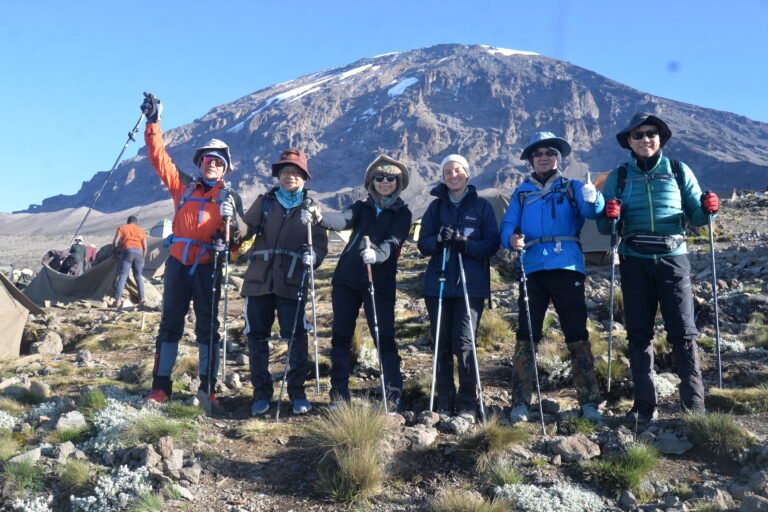
Christmas And New Year Kilimanjaro Group Hiking 2026
Christmas and New Year Kilimanjaro Group Hiking 2026–2027.
View package detailsKilimanjaro December Group Departures And Availability 2026
Kilimanjaro December 2026 Group Departures and Availability.
View package details7 Days Shira Route Kilimanjaro Group Joining – 1–7 December 2026
7 Days Shira Route Kilimanjaro Group Joining – 1–7 December 2026.
View package details9 Days Northern Circuit Kilimanjaro Group Departure – 28 December – 5 January
9 Days Northern Circuit Kilimanjaro Group Departure – 28 December 2026 – 5 January 2027.
View package details6 Days Rongai Kilimanjaro Group Joining – 12–17 December 2026
6 Days Rongai Kilimanjaro Group Joining – 12–17 December 2026.
View package detailsKilimanjaro Full Moon Climb 24 December – Group Trekking 2026
Kilimanjaro Full Moon Climb 24 December 2026 – Group Trekking.
View package details
6 Days Marangu Route Kilimanjaro Group Departure – 16–21 December 2026
6 Days Marangu Route Kilimanjaro Group Departure – 16–21 December 2026.
View package details6 Days Marangu Route Kilimanjaro Group Joining – 1–6 December 2026
6 Days Marangu Route Kilimanjaro Group Joining – 1–6 December 2026.
View package details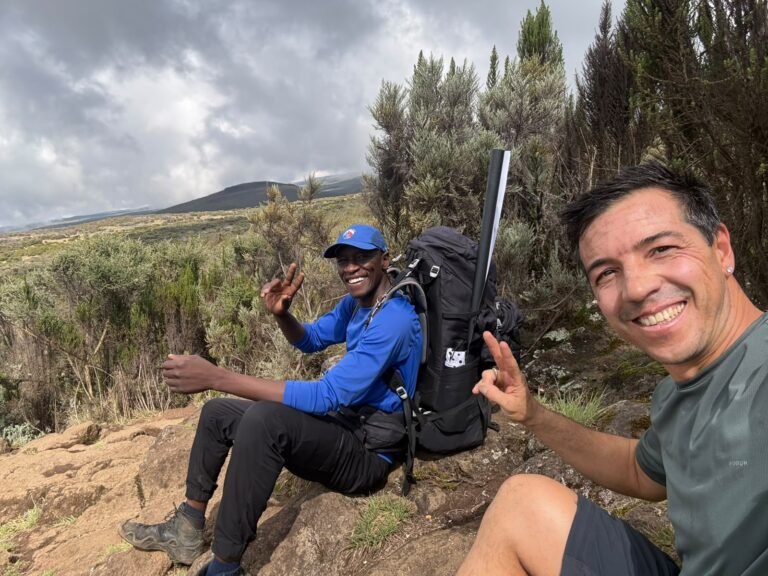
6 Days Marangu Kilimanjaro Group Hiking – 9–14 December 2026
6 Days Marangu Kilimanjaro Group Hiking – 9–14 December 2026.
View package details5 Days Marangu Route Kilimanjaro Group Climb – 8–12 December 2026
5 Days Marangu Route Kilimanjaro Group Climb – 8–12 December 2026.
View package details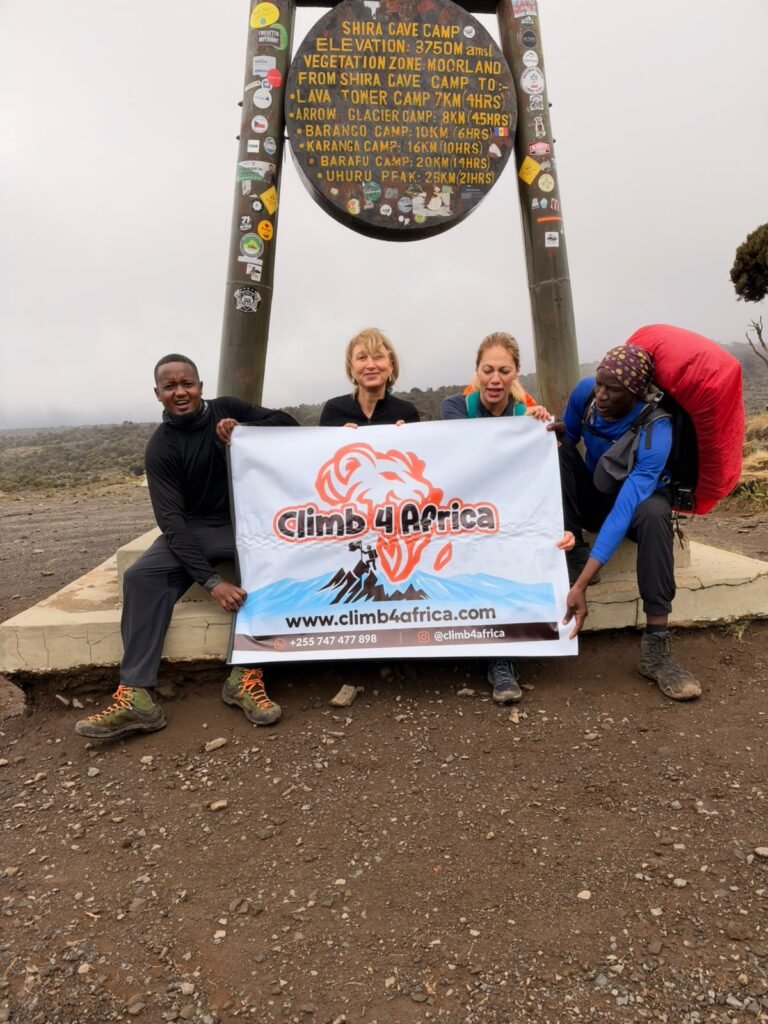
December 4, Kilimanjaro Budget Trekking With Shared Group
December 4, 2026 Kilimanjaro Budget Trekking with Shared Group.
View package details2–8 January , 7 Days Lemosho Route Kilimanjaro Group Climb 2027
2–8 January 2027, 7 Days Lemosho Route Kilimanjaro Group Climb.
View package detailsNo related package matches those filters. Clear one or more filters to see the other topic-matched options.



