
The Kilimanjaro December 2026 group departures and availability are currently subject to confirmed operator schedules and spaces. To ensure accuracy, check real-time spaces and exact departure dates directly with Climb 4 Africa; the operator only publishes confirmed departures, route variations (6- and 7-day options), inclusions, and hotel logistics once verified. This first installment explains how to verify schedules, what to expect from December climbs, and how to prepare for a secure booking.
For travelers aiming to summit Kilimanjaro in December 2026 as part of a group, the essential starting point is confirming actual departures and available spaces with a trusted operator. Climb 4 Africa positions itself as a Kilimanjaro expert tour operator and Tanzania travel company, offering climbs, safaris, and tailor-made itineraries. In December, the mountain’s standard climbing window remains, but availability hinges on group size, route selection, and the operator’s calendar. Because dates, group sizes, and inclusions can vary, readers should treat any preliminary plan as provisional until the operator confirms a specific departure.
Why December is a distinct window for Kilimanjaro climbs
December often marks the start of a peak travel period in Tanzania, coinciding with school holidays and dry-season conditions at higher elevations. For Kilimanjaro climbers, this can translate into higher demand for group departures, especially on popular routes like Marangu, Rongai, and the Northern Circuit. The practical effect is that confirmed spaces may fill quickly on the most favorable itineraries. The December calendar may also feature special group departures tied to a larger travel season, with inclusive services that appeal to travelers seeking a smoother logistics experience, from airport transfers to hotel pre- and post-trek accommodations.
What to expect from Kilimanjaro group departures in December 2026
Group departures, when confirmed, typically follow one of the standard Kilimanjaro itineraries offered by Climb 4 Africa, including 6- or 7-day routes. The inclusion sets often cover park fees, guiding, porters, meals on the mountain, and hotel accommodations, with variations depending on route and lodging choices. Because December 2026 departures are not published with fixed dates in this installment, readers should contact Climb 4 Africa to obtain the verified schedule, group size cap, and exact inclusions for each departing group. Availability is the gating factor: without confirmed spaces, a plan remains an estimate rather than a booked itinerary.
Route options commonly available in grouped departures
Typical options that operators like Climb 4 Africa present in group contexts include:
- Marangu Route (6 days) – Often the most straightforward ridge-style ascent with dormitory-style huts; packages frequently include hut accommodations and meals on the mountain.
- Rongai Route (6 days) – A less-traveled approach from the north, offering a gentler gradient in some segments and a different scenery experience.
- Shira Route variations (6-7 days) – A high-altitude route that can be paired with acclimatization days to optimize summit success especially for groups mindful of altitude management.
- Northern Circuit (7–9 days) – A longer itinerary with later summit windows and extended acclimatization opportunities; in group formats, this route can be paired with return days in Arusha or Moshi for a complete Kilimanjaro package.
How to verify Kilimanjaro December 2026 group availability
Because the exact December 2026 departures and spaces for Kilimanjaro are not pre-published here, the practical next step is a direct inquiry with Climb 4 Africa. They provide the confirmed departure dates, available spaces, route choices, and price inclusions for the month. When you reach out, share your preferred routes, your target group size, and your expected travel window in December. The operator will then confirm the viable group departures and offer a current availability status, including a secure booking method.
What to prepare while you wait for confirmation
While awaiting verified schedules, you can begin practical preparation that will help when a group departure is confirmed. Consider your trekking fitness baseline, acclimatization preferences, and equipment needs. If you are new to Kilimanjaro, you might benefit from acclimatization planning, including a pre-climb check with a local trainer or a guided conditioning program. Begin collecting passport details, emergency contacts, and any required visas; ensure your travel insurance covers high-altitude trekking and trip disruption. If you have special dietary needs or medical considerations, note them early in your inquiry to the operator to avoid last-minute complications on the mountain.
What information you should request in your inquiry
When you contact Climb 4 Africa about Kilimanjaro December 2026 group departures and availability, request the following concrete details to compare options confidently:
- Exact December 2026 departure dates and the number of available spaces per date
- Route options available within the December 2026 window (6-day Marangu, 6-day Rongai, 7-day Northern Circuit, possible Shira variations)
- Included services (guides, porters, meals, equipment, park fees, hut or hotel accommodations, transfers)
- Exclusions (international flights, visa fees, insurance, tips, personal gear)
- Estimated total price per person and what the price includes
- Booking terms, payment deadlines, and cancellation policies
- Suggested add-ons (post-trek safaris, Zanzibar extensions, or city stays in Arusha/Moshi)
Practical calendar notes for December group departures
Because December is a dynamic travel period with high demand, the calendar for Kilimanjaro group departures evolves as spaces fill and new itineraries are formed. Expect that the operator’s published December schedule may be updated to reflect confirmed groups, and some dates might be limited to certain routes. To avoid disappointment, initiate contact early, specify your preferred route and dates, and request a provisional hold if allowed by the operator while you finalize your travel arrangements. The moment Climb 4 Africa confirms a group departure, you can proceed with a formal booking and secure your place on the specific date.
Points of comparison: why route choice matters in December
Group departures in December offer comparable value across routes, but differences in acclimatization profiles, scenery, and walking altitude can influence the summit success rate and overall experience. For example, the Marangu Route provides hut accommodations and a relatively comfortable progression, while the Northern Circuit’s longer itinerary tends to offer better acclimatization opportunities and a lower crowd density late in the day, though it may
Addressing the Practical Question: What actually changes for Kilimanjaro December 2026 group departures on the ground?
Readers who follow the thread of December Kilimanjaro departures want to understand not just that schedules exist but how the realities on the mountain and in the lodge logistics shift when you join a December group. This section dives into the practical, ground-level differences you should expect when comparing December 2026 Kilimanjaro group departures to other months, and how a real operator’s verified schedule translates into your day‑to‑day experience.
First, the density of climbers and the tempo of ascent can differ markedly within December, even before you look at route choices. December often coincides with school holidays and a swell of international travelers, but operators with solid winter calendars manage these crowds by clustering departures on the most weather-stable routes and by spreading groups across the higher-value 6- and 7-day itineraries. This means you are more likely to encounter clear, pre‑planned accommodations and buffer time built into the schedule—yet you should still verify the exact day-by-day arrangements rather than assuming a single, uniform itinerary for all December departures.
On the logistical side, most Kilimanjaro group departures in December are designed to minimize on-mountain risk and maximize acclimatization opportunities. For example, a 7-day Northern Circuit or a 6-day Rongai variant often features slightly longer days spread over more acclimatization stops, compared with some shorter December options. The practical effect is that groups may begin at a measured pace, incorporate extra rest days in the lower elevations, and allow smoother transitions between camping or hut nights and summit push windows. If your priority is a gentler ascent with more acclimatization, this is a point to confirm explicitly with the operator when spaces are available.
Accommodation and on-mountain logistics can also diverge. In December, if a route primarily uses huts (such as Marangu), you can expect hut-based dormitory-style rooms with shared meals and communal dining areas. Some operators also bundle pre- and post-trek hotel nights in Arusha or Moshi as part of a bundled package. In contrast, 6-day Rongai itineraries often utilize more camping nights and private camping gear logistics, depending on the operator’s chosen sub-variant for that December cycle. When you inquire, ask not only about inclusions but also the mode of accommodation for each day and how that affects meal service times and shower access—especially on higher-sleep-quality hut nights vs. camping nights.
Another December-specific consideration is altitude acclimatization pacing. With confirmed December departures, operators may provide explicit acclimatization plans that are tuned to the route variant and the group’s pace. For instance, a Northern Circuit group might feature gradual ascent over multiple acclimatization days, with a late-iteration summit push window. If you have a preference for slower acclimatization, state that clearly in your inquiry and request a route option that emphasizes extra rest days or slower mileage progression. In December, these choices matter because weather windows around the summit can close quickly if groups rush ascent, and good acclimatization remains a predictor of summit success regardless of route.
From a cost and inclusions standpoint, December group departures often present similar price bands to other peak travel months, but the final number is highly contingent on confirmed spaces, chosen route, and whether you add pre-/post-trek extensions. Because operator calendars are dynamic in this window, any published December prices are provisional until you have a confirmed booking and the spaces allocated to you. This makes a direct inquiry essential—the operator will furnish a precise quote for your exact date and route once availability is verified. Do not rely on generic December estimates; compare the confirmed itineraries and inclusions for the specific date you intend to join.
Finally, the communication cadence around December departures tends to be more time-bound. Operators handling December cycles frequently offer provisional holds or time-limited holds when you express genuine interest, but these are not guarantees. If you need a hold while you finalize travel documents or visa requirements, alert the operator early and ask for a written hold policy and its duration. As soon as the operator confirms a specific date with seat allocation, you can move to a formal booking and lock in your price and inclusions. In short, December Kilimanjaro group departures require proactive inquiry, careful comparison of confirmed itineraries, and a clear understanding of how each route’s acclimatization profile aligns with your personal readiness and risk tolerance.
To wrap this discussion with a practical takeaway: when you see a December 2026 Kilimanjaro group departure option, the most valuable next step is to obtain a side-by-side comparison of the confirmed itineraries, the exact day-by-day schedule, the type of on-mountain accommodation, and the precise inclusions tied to each date. Only then can you judge which December group departure aligns best with your travel goals—whether your priority is easier logistics, better acclimatization, or a specific scenic experience along a particular route.
Beyond Availability: How December 2026 Group Departures Shape the On-Ground Kilimanjaro Experience
With confirmed schedules and spaces finally allocated, December 2026 Kilimanjaro group departures begin to reveal the practical rhythms of a high-demand trekking window. This section digs into the on-ground realities that travelers confront once a date is secured, and why the chosen route and group composition matter in practical terms once you’re on the mountain and in the lodge ecosystem.
First, the cadence of days on the trail is not merely a matter of miles covered. In December, when groups share limited huts or specific on-mountain accommodations, coordinating wake-up times, meal service, and porters’ carries becomes a choreography. Operators like Climb 4 Africa typically align day-by-day schedules to balance acclimatization needs with the visibility and weather patterns that prevail in December. That means the same route might feel different for you depending on whether the group is scheduled for a slower ascent profile or a more time-efficient push toward higher camps. If you prioritized acclimatization, you may find your group’s rest days more generous on the Rongai or Northern Circuit itineraries, while a robust pace on the Marangu could compress acclimatization into a shorter window, affecting how your body responds to altitude pressure.
Secondly, December crowds influence the lodge and camp dynamics at the base and during the ascent. On the Marangu Route, dormitory-style huts are customary, and group configurations can determine how many people share a single hut or dining area each night. The Rothschild- or Kilimanjaro-appropriate huts vary by operator and booking, but the practical effect remains: you’ll want to understand how your group handles meals, sharing spaces, and restroom breaks in the huts, especially during weather windows where long evenings are common. For campsites along the Northern Circuit, where tents and shared dining tents are standard, groups may coordinate staggered meal times to minimize lineups and ensure fresh food service after long days of trekking.
Third, December group outcomes depend on the cohesion of the group in both pace and expectations. A well-matched group—one that aligns with an agreed acclimatization rhythm, a shared tolerance for morning cold, and a mutual respect for summit-day timing—tends to produce smoother days and a higher sense of collective achievement. Conversely, if a group includes members with widely divergent fitness baselines or acclimatization sensitivities, the guide may opt to adjust day-to-day pacing, which can affect the overall experience of fellow trekkers. When you’re evaluating a December 2026 option, ask about the group composition and whether the itinerary includes a designated acclimatization buffer day or an optional extra acclimatization day for those who request it.
One practical implication of ground reality is the availability of time buffers for contingency planning. December’s weather can introduce brief, localized changes—afternoon clouds, wind, or a brief rain squall at lower elevations—that do not derail the general plan but can affect trekking speed and rest periods. A well-structured December departure will have built-in flexibility, such as buffer hours on summit push or a late start buffer to avoid the coldest pre-dawn hours if the group’s acclimatization suggests a later summit attempt. When you receive a confirmed itinerary, review the day-by-day timetable for these contingencies and confirm whether you’ll have contingency lodging or an extra rest day if weather delays occur.
From an inclusions perspective, your December group departure’s on-ground value is tied to what’s guaranteed in the booking. While many operators advertise meals, park fees, guides, porters, and standard accommodations, verify whether gear such as sleeping pads, tents (for the Northern Circuit or Rongai during peak season), and any specialized equipment rentals are included or available at an additional cost. In December, a practical nuance is whether the operator provides emergency oxygen or supplemental oxygen on summit days, a critical consideration for climbers with moderate high-altitude experience or those who want added reassurance during the final push. If this is important to you, request explicit confirmation in writing of what is included and where it is permitted to supplement on your own if you prefer.
Finally, the post-trek logistics—hotels, transfers, and safari add-ons—remain a significant piece of the December value proposition. Group departures often bundle airport transfers and pre/post-trek accommodations to streamline logistics, but the exact arrangements can shift with confirmed dates. If you’re combining Kilimanjaro with a longer Tanzania itinerary, inquire about how the December group’s arrival and departure windows align with other activities, whether you’ll join a shared transfer to the hotel, and how the post-trek extension lands in your overall travel schedule. This is a practical opportunity to optimize your time and minimize fatigue as you transition from the mountain back to daily life.
Targeted considerations for your December 2026 booking
- Acclimatization philosophy: If you are risk-averse to altitude symptoms, choose itineraries explicitly designed for slower ascent and added acclimatization days, and confirm whether your group has flexibility to insert another rest day if needed.
- Route-specific ground realities: Understand the hut vs. camping dynamics and how group size affects rest areas and communal facilities on each route.
- Ground support and contingencies: Ensure the itinerary specifies what happens if a summit push is delayed due to weather, including lodging arrangements and potential alternative days for summit attempts.
- Inclusions and equipment: Confirm whether essential gear is provided and what you must bring, especially for December’s cooler pre-dawn temperatures and potential morning frost at higher camps.
- Post-trek logistics: Align airport transfer timing and hotel check-in with your broader travel plans, and confirm whether the December group offers optional extensions that fit your next destinations.
In sum, the December 2026 Kilimanjaro group departures are as much about how the mountain and logistics cooperate as they are about the chosen route. The on-ground experience hinges on careful planning around acclimatization, group pacing, and contingency readiness. When you receive a confirmed itinerary, read it through with these ground realities in mind, and don’t hesitate to press for clarifications or adjustments that will translate into a smoother, safer ascent and a more cohesive group experience.
Booking takeaway: While you monitor availability, maintain a focused list of questions addressing acclimatization tempo, group composition, on-ground logistics, and post-trek arrangements. The December window rewards travelers who translate foresight into a tightly aligned plan, ensuring that the confirmed Kilimanjaro December 2026 departure truly delivers the summit encounter and the shared achievement you seek.
Related Guides and Packages
Check Availability for Kilimanjaro December Group Departures And Availability 2026
Ready to compare dates, prices, and the best option for your group? Send the package name and travel month so the team can reply with a clear quote, availability, and what is included.
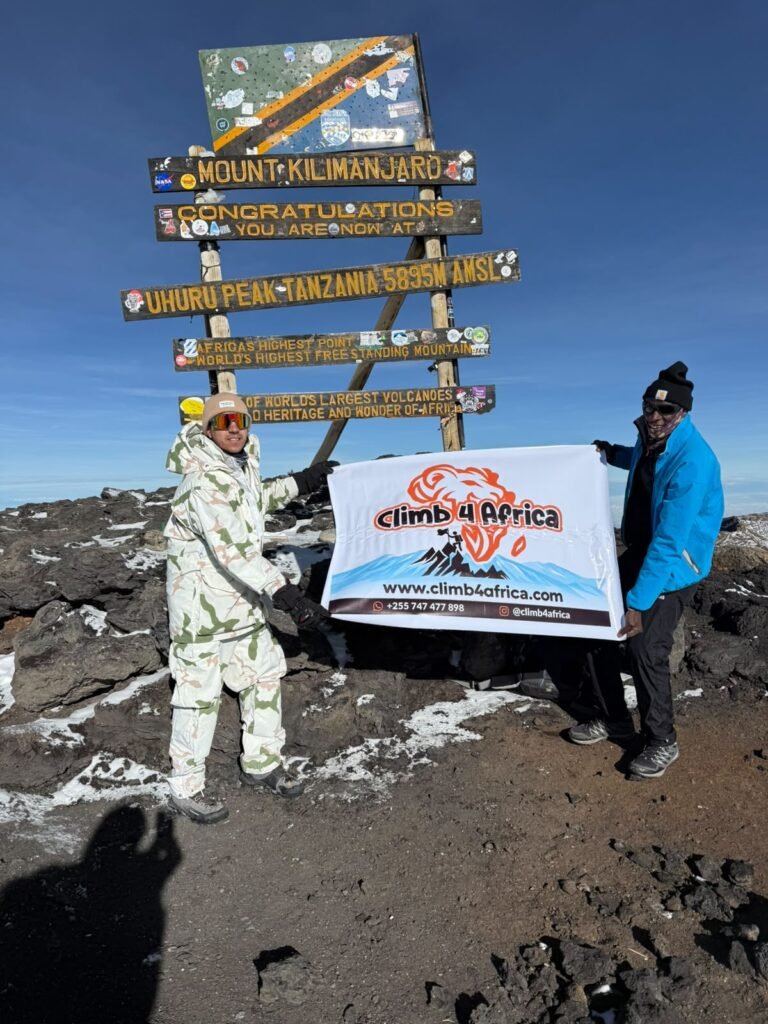
Join Kilimanjaro Group In 4-December-2026, Small Departures 2027
Join kilimanjaro Group in 4-december-2026, Small Departures.
View package details7 Days Shira Route Kilimanjaro Group Joining – 1–7 December 2026
7 Days Shira Route Kilimanjaro Group Joining – 1–7 December 2026.
View package details9 Days Northern Circuit Kilimanjaro Group Departure – 28 December – 5 January
9 Days Northern Circuit Kilimanjaro Group Departure – 28 December 2026 – 5 January 2027.
View package details6 Days Rongai Kilimanjaro Group Joining – 12–17 December 2026
6 Days Rongai Kilimanjaro Group Joining – 12–17 December 2026.
View package details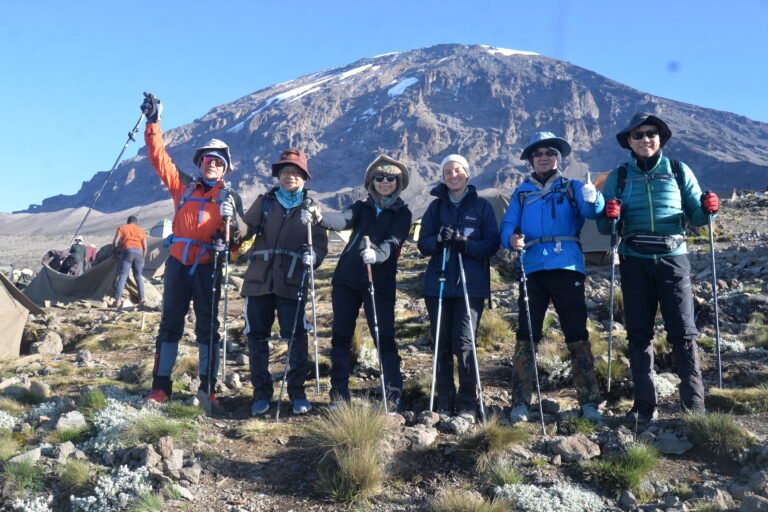
Kilimanjaro Full Moon Climb 24 December – Group Trekking 2026
Kilimanjaro Full Moon Climb 24 December 2026 – Group Trekking.
View package details
6 Days Marangu Route Kilimanjaro Group Departure – 16–21 December 2026
6 Days Marangu Route Kilimanjaro Group Departure – 16–21 December 2026.
View package details6 Days Marangu Route Kilimanjaro Group Joining – 1–6 December 2026
6 Days Marangu Route Kilimanjaro Group Joining – 1–6 December 2026.
View package details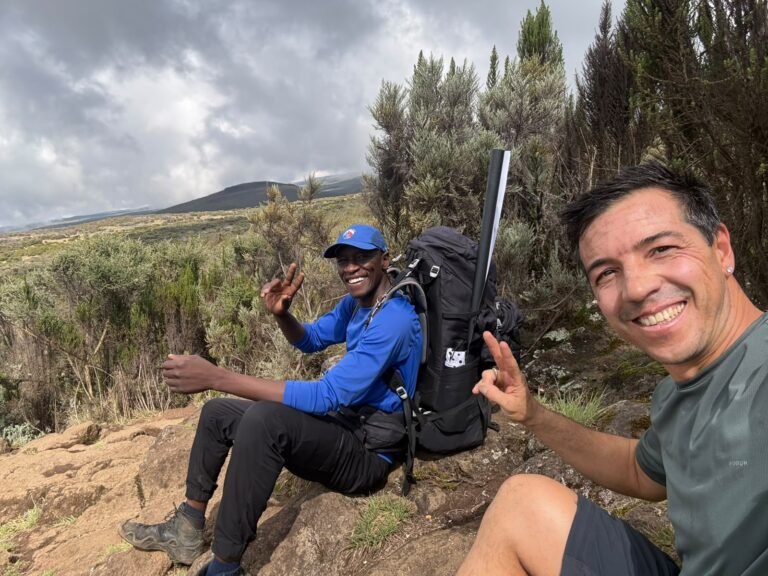
6 Days Marangu Kilimanjaro Group Hiking – 9–14 December 2026
6 Days Marangu Kilimanjaro Group Hiking – 9–14 December 2026.
View package details5 Days Marangu Route Kilimanjaro Group Climb – 8–12 December 2026
5 Days Marangu Route Kilimanjaro Group Climb – 8–12 December 2026.
View package details
December 4, Kilimanjaro Budget Trekking With Shared Group
December 4, 2026 Kilimanjaro Budget Trekking with Shared Group.
View package details
Climb Kilimanjaro In Budget 12-December-2026, Join Group 2027
climb kilimanjaro in Budget 12-december-2026, Join Group.
View package detailsClimb Kilimanjaro In 12-December-2026, Small Group in 2027
climb kilimanjaro in 12-december-2026, Small Group.
View package detailsNo related package matches those filters. Clear one or more filters to see the other topic-matched options.



