
For 25–26 December 2026, a bookable 2-day Kilimanjaro Christmas Hiking Experience centers on a pragmatic, supportive ascent with day-by-day routing, realistic expectations for summit potential, and clear logistics—departure points, guides, permits, and included meals—while noting that exact lodging, transport, and group spaces require operator confirmation. The plan below outlines Day 1 and Day 2 as the core sequence, with safety checkpoints and acclimatization logic built into the schedule.
When you search for a 2 Days Kilimanjaro Christmas Hiking Experience – 25–26 December 2026, you are asking for a compact, dependable ascent that respects the mountain’s pace and the calendar’s constraints. Climb 4 Africa offers Kilimanjaro climbs and tailor-made itineraries with practical local support, and this first installment maps a concrete two-day progression that prioritizes route feasibility, altitude tolerance, and real-world logistics over marketing gloss. The plan treats Christmas as a peak-season constraint—budgets, group spaces, and fixed departure windows must be confirmed with the operator. Below, you’ll find a day-by-day route flow, important decision points, and the elements you should expect to verify before booking.
Day 1 — Moshi start to first high camp: establishing the rhythm
Departure logistics weave around a morning briefing with your guide and fellow trekkers. The objective is a controlled climb that minimizes excessive altitude loss risk while building a practical rhythm for the shorter two-day window. Depending on the chosen route variant, Day 1 might begin with a transfer from Moshi or a nearby hotel to the trailhead, followed by a steady ascent and early camp setup. Most 2-day plans align with a mid-afternoon camp arrival, allowing a brief acclimatization period and a first taste of Kilimanjaro altitude in a controlled environment.
Route options commonly considered for a two-day Christmas climb emphasize a shorter initial mileage with features like forest gradients, occasional ridgeline sections, and clear water sources. The specific path—whether it leans Rongai’s gentle approach, or Shira’s forest-to-boulder transition—will be confirmed in your confirmed itinerary. In every case, the Day 1 objective is to establish altitude tolerance, ensure safe pace management, and reach the first camp with time for a nutritious dinner and proper rest. Expect a hot meal, a light briefing on the following day’s ascent, and a tented night under Kilimanjaro’s occasional cloudscape.
Key Day 1 considerations
- Guided pace: maintain a pace that allows chest-dominant breathing and regular water intake.
- Altitude awareness: watch for mild symptoms and use rest breaks to acclimatize.
- Gear readiness: ensure layers, headwear, and rain gear are accessible on demand.
- Logistics alignment: confirm transfer points, equipment checks, and meal schedules.
Day 2 — final ascent to the summit or a practical alternative, then descent
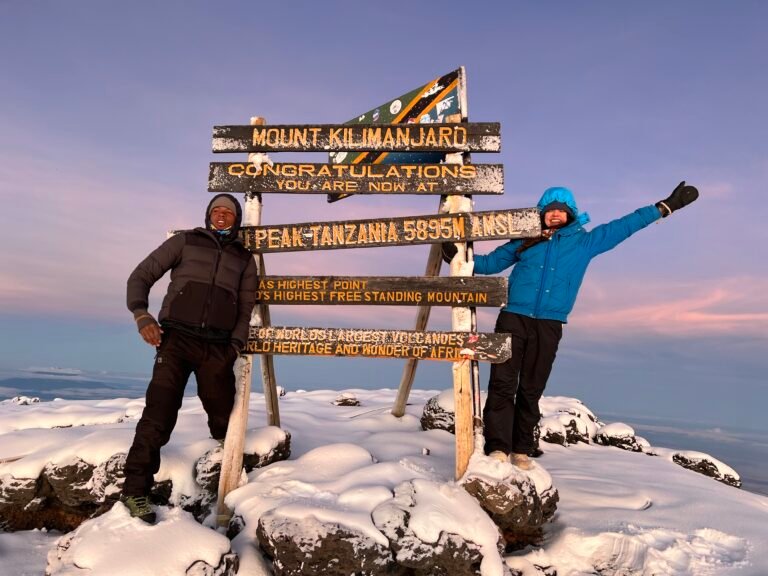
Day 2 in a two-day Kilimanjaro itinerary is all about the peak push or a respectful, safe alternative when conditions or time balance dictates a non-summit outcome. If a summit bid is feasible within the constraints, the ascent often begins before dawn. The plan includes a slow, deliberate climb with planned breaks at high points to manage fatigue and oxygen availability. Reaching the summit within the short window requires meticulous pacing and a realistic assessment of altitude readiness. If the summit is not viable that day, the itinerary pivots to a controlled descent to a lower camp or a final trailhead, ensuring you complete the physical arc with a sense of accomplishment and safety.
The descent typically features familiar Kilimanjaro terrain—moist forest paths, scree slopes, and occasionally rocky approaches. Your guide will monitor acclimatization signals and adjust tempo accordingly. After descending to a suitable point, you’ll complete the logistical wrap: a celebratory moment at a designated point, transfer back to Moshi, and a post-climb debrief that covers travel logistics, payment settlements, and any required permits. Expect a warm shower and a comfortable finish at a chosen lodge, depending on the package specifics.
Day 2 decision points and safety notes
- Summit feasibility: the plan must be halted if altitude symptoms or weather risk escalate.
- Hydration and nutrition: consistent hydration and energy intake sustain performance on a shorter window.
- Descent pace: avoid overexertion to reduce fatigue and altitude-related discomfort.
- Post-climb logistics: a clear handover of documents, tips for subsequent travel, and a debrief with your guide.
What this two-day plan assumes about Christmas timing
The December window offers longer daylight, but it also coincides with peak-season bookings and higher demand for guides, porters, and permits. A two-day Kilimanjaro Christmas Hiking Experience needs precise coordination—transfers, group sizes, and the day’s route confirmation depend on operator availability and weather windows. The emphasis here is on a realistic, bookable plan that you can confirm with Climb 4 Africa. If a guaranteed summit is not achievable within the two days due to conditions or pace, the itinerary retains integrity by prioritizing safety, acclimatization, and a successful completion of the sequence.
Route variation considerations for a 2-day climb
Because the two-day structure compresses the ascent, route selection—whether Rongai, Machame shorter segment, or Shira zone—affects altitude gain, forest exposure, and day length. Rongai tends to offer a more gradual start with a longer shadow of the mountain’s northern approach, which some climbers find more manageable on a compressed schedule. Shira-based routes provide a forest-to-lava-tube experience and can present a slightly steeper final push. The exact variant for 25–26 December 2026 will be locked in during the booking process with Climb 4 Africa, ensuring it matches group dynamics, guide expertise, and weather considerations.
Inclusions and exclusions you should verify before booking
For a two-day Kilimanjaro Christmas hiking plan, typical inclusions may cover English-speaking guide services, porters, meals during the trek, rescue arrangements if needed, park fees, and basic camping gear or shelter. Exclusions commonly include international flights, visa fees, personal gear purchases, alcoholic beverages, hotel nights outside the trek, and personal travel insurance. Because this is a bookable itinerary in a constrained two-day window, you should verify the exact inclusions with Climb 4 Africa for the
The hidden intricacies of a two-day Kilimanjaro Christmas hike
Having laid out the day-by-day rhythm and the safety guardrails for a two-day Kilimanjaro Christmas experience, the missing piece for many readers is how the actual ground truth feels on the trail when the calendar compresses ascent, acclimatization, and descent into a single, festive window. The following section dives into the practical, ground-level realities that distinguish a well-executed two-day climb from a hurried, risky sprint. It stays anchored to the specifics of a 25–26 December departure and the typical route variants that operators may employ during peak season.
Day‑by‑day realism: translating plan into live conditions
On Day 1, most groups start from Moshi or a nearby lodge with a transfer to the trailhead timed to meet sunrise or a prearranged briefing. The first hours are about finding a reliable rhythm rather than chasing altitude meters. Expect a gradual warm-up through montane forest with briefly variable microclimates. The goal is to reach the first high camp with enough daylight left to settle gear, adjust layers, and begin a controlled acclimatization microcycle. This acclimatization phase is not a luxury; it’s a safety hedge against the harsher altitude changes you’ll face the following morning. Pack weight matters more on Day 1 in a two-day plan than on longer itineraries because you want a steady, sustainable tempo without unnecessary pauses that burn precious daylight or energy.
Day 2 pivots on a handful of decision points that do not exist in a longer ascent: the feasibility of a summit bid within a shorter window, the state of the group’s collective energy, and the current weather window. If the altitude symptoms accumulate or if cloud decks and wind ramp up near the summit corridor, postponing the final push becomes both prudent and necessary. The descent then becomes a measure of how well the prior hours preserved energy stores and focused breathing. In practice, the most memorable moments of Day 2 for many climbers are the early dawn hues on the approach to the high saddle, the crisp air at altitude, and the careful, methodical pace that keeps fatigue at bay while still preserving enough momentum to complete the planned route within the allotted daylight hours.
Route variant influence on daily pacing and safety
The two-day format intensifies the impact of route selection. Rongai, with its northern approach, often presents a more gradual ascent profile, which can be kinder to first-timers facing a compressed schedule. Machame’s shorter segment variants deliver a steeper gradient earlier, which amplifies acclimatization considerations but can shorten the overall day length if weather cooperates. Shira routes emphasize a forest-to-highland transition that can offer generous acclimatization pockets early on, followed by a more challenging final push. Each variant carries different implications for how you allocate energy, when you require extra rest, and how you interpret signs of altitude stress. Operators for the Christmas window prioritise routes that maximize daylight use while maintaining safety margins. The booking process will confirm the exact variant, reflecting both group capabilities and real-time weather assessments in the moment.
Gear strategy under the Christmas timetable
Two days on Kilimanjaro during Christmas tighten the gear calculus. You must balance warmth with weight. Layers should be modular: a moisture-wicking base layer, an insulating mid-layer, and a windproof, waterproof outer shell that you can shed or add rapidly at a rest stop. Hat and gloves gain importance as you gain altitude, especially for the morning push. A compact headlamp with spare batteries is essential for early starts and potential emergency returns in fading light. Footwear should be well broken-in boots with a supportive insole, plus gaiters to manage dust, mud, and the occasional icy patch. A lightweight sleeping setup at the high camp matters too; if the camp uses shared tents or shelters, you’ll appreciate a small, compact sleep system and a personal liner. Good planning reduces the need to rummage through bags in cold conditions, which in turn improves breathing, hydration, and overall comfort during the ascent.
Acclimatization logic within a two-day squeeze
Acclimatization in a compressed timeframe relies on a deliberate rhythm: a steady ascent with a scheduled rest interval to recalibrate breathing and heart rate. Hydration strategies are critical; sipping small amounts frequently beats large gulps that can trigger nausea. Snack choices matter: energy-dense, easily digestible options—nuts, dried fruit, energy bars, and occasional plain carbohydrates—help sustain pace without triggering tummy distress. The first night at high camp serves as a practical acclimatization checkpoint. Deep, measured breaths during the first hours after arrival help stabilize oxygen uptake while the group gels around a shared schedule for wake, tea/coffee, and meal ritual. If symptoms such as persistent dizziness, headaches, or severe fatigue emerge, the safety protocol is to pause, reassess, and consider a safe alternative plan rather than forcing the summit push.
Interpreting the Christmas-season realities
During the Christmas window, daylight hours are longer, which can aid the two-day tempo. Yet this period also brings peak demand for guides, porters, and permits, which introduces logistical fragility: transfers, gear, and group composition are subject to operator confirmation and weather windows. For climbers, this means flexibility with departure times and a readiness to adapt the route or pacing on short notice. Clear communication with the operator about expectations, contingency plans, and backup options is essential to reduce the risk of disgruntlement or misaligned schedules upon arrival in Moshi or Arusha.
Summit pursuit philosophy in a compressed schedule
A two-day Kilimanjaro Christmas experience frames the summit as a possible but not guaranteed outcome. The guiding principle is safety first: if the mountain shows signs of stress—strong wind, poor visibility, rising altitude symptoms—the group should pivot toward a controlled descent and an approach to a safe completion of the itinerary. Guests should enter with a willingness to accept a non-summit outcome if conditions demand it, while still achieving the core objective of ascending to a designated high point, widely recognized as a meaningful accomplishment in Kilimanjaro’s ecosystem within the two days. That balanced mindset not only preserves physical health but also enhances the overall travel experience, ensuring participants leave with a robust story of discipline, teamwork, and personal achievement.
Booking confirmation expectations
Given the constraints of the Christmas window, readers should expect that exact timings, lodging, and route confirmations will be secured through the operator during the booking process. The plan remains anchored in the two-day structure with Day 1 and Day 2 distinct, logistical checkpoints, and safety boundaries. Always confirm, in writing, the route variant, the high camp location, transfer details, included meals, and what gear is provided versus what you must bring. This clarity prevents last-minute surprises and helps ensure the two-day Kilimanjaro Christmas hiking experience meets both aspiration and safety standards.
In sum, the two-day Kilimanjaro Christmas experience is a deliberate blend of controlled pacing, realistic acclimatization windows, and careful route choice tailored to a festive calendar. It rewards planners who respect the mountain’s tempo and the season’s constraints with a memorable, high-spirited ascent and a well-deserved sense of achievement, even if the summit remains just out of reach on a given year.
Unanswered question that completes the two-day Kilimanjaro Christmas plan: How does route choice specifically shape Day 2’s ascent schedule and safety margins in a compressed itinerary?
Within a two-day Kilimanjaro Christmas hiking experience, the decision of which route variant to follow isn’t merely a scenic preference; it directly governs the cadence of Day 2, the pace at which altitude is accumulated, and the safety margins available if weather or altitude symptoms intensify. The most valuable remaining question readers typically have is precisely how the chosen route on Day 1 constrains or liberates the summit attempt on Day 2, given the Christmas timetable, guide availability, and the reduced acclimatization window.
To ground this in practical terms, consider the core logic behind common two-day variants and how they translate into Day 2’s ascent plan.
- Rongai Route (Northern approach) variation: Rongai tends to offer a steadier, more gradual incline in the early stages because its forested lower sections remain cooler and, at times, less exposed to Katabatic winds. For Day 1, this can mean a longer first day with less dramatic altitude gain, preserving energy stores. On Day 2, climbers often encounter the high elevations later in the day, which can align with a safer, more controlled summit push when conditions are favorable. The pacing supports a safer breathing pattern in a compressed window and typically allows for a more manageable ascent if late afternoon winds or chill become factors.
- Machame route (shorter, steeper segment) variation: When the Day 1 segment is steeper, Day 2 is faced with a higher altitude gain in a shorter period. This elevates the risk of altitude-related symptoms if the group experiences any delays or greater fatigue from the initial steep gain. Operators frequently compensate by scheduling an earlier wake-up or by setting a slightly gentler Day 2 pace in response to the group’s acclimatization; however, this means a higher emphasis on quick, efficient movement, with less room for unplanned rests. In practice, if the group demonstrates clear acclimatization signs and steady hydration, a Machame-based plan can still reach a successful Day 2 summit attempt, but the margin is thinner than Rongai.
- Shira route variant adjustments: A two-day plan using the Shira corridor often keeps Day 1 at a fundamentally moderate pace with less altitude spike, since the route’s higher altitude exposure begins sooner. Day 2 becomes tightly choreographed: a rapid but careful push to a designated high point, then a controlled descent. The safety net here lies in predictable terrain and fewer forest transitions, which can reduce trip delays but requires readiness for cold exposure and wind at higher elevations on Day 2.
In all cases, the Day 2 ascent schedule hinges on four concrete factors that a Christmas timetable makes particularly salient:
- Altitude symptoms trajectory: Early signs on Day 2 must trigger a pivot to a non-summit itinerary if necessary. The compressed two-day frame leaves little room for protracted rest periods; thus, the guide’s interpretation of relatively minor symptoms becomes decisive.
- Weather and visibility: Knots of wind, dust, or abrupt cloud cover can erase the few hours gained by a favorable corridor. If the forecast shifts after a late-night assessment, Day 2 pacing is re-calibrated to protect safety, often by trading speed for stability and ensuring hydration and nutrition are never compromised.
- Group fitness and acclimatization response: The collective energy of the group determines whether the mass can support a summit attempt. If a portion of the group exhibits fatigue or breathing tightness, the Day 2 summit push is shortened or redirected to a safer, planned high point with a dignified finish and descent plan.
- Logistical constraints and back-up options: Christmas period bookings create a tighter buffer for contingencies. Transfers, permits, and porters must be aligned; if any piece is delayed, the Day 2 pacing must be adapted to preserve safety while maintaining a meaningful experience, even if the summit is missed.
When you read a two-day Kilimanjaro Christmas itinerary, expect a clear mapping that ties Day 1’s route and acclimatization curve directly to Day 2’s achievable altitude and safety margins. A cautious operator will present a realistic Day 2 forecast based on the Day 1 behavior, hydration, rest, and observed symptom patterns across the group. This linkage—route choice on Day 1 shaping Day 2’s ascent window—defines the practical reality of a compressed summit attempt during the festive season.
Practical takeaway: if your priority is a higher probability of reaching a meaningful high point on Day 2, favor a Rongai-based two-day plan with a gradual Day 1, strong hydration discipline, and explicit contingency routing built into the Day 2 ascent protocol. If your preference leans toward a potentially faster Day 2 climb with a steeper Day 1, ensure the operator clearly communicates the expected Day 2 pacing, rest stops, and backup plan in case altitude symptoms emerge.
In short, the most valuable single unanswered question—how exactly route choice on Day 1 constrains or enables Day 2’s summit push in a two-day Kilimanjaro Christmas itinerary—has a practical, modelable answer: the route variant sets the Day 2 altitude exposure profile, the time budget for summit attempt, and the criteria for pivoting to a safe descent, with Christmas logistics amplifying the need for explicit contingency planning and honest safety-first communication from your guide team.
Related Guides and Packages
Check Availability for 2 Days Kilimanjaro Christmas Hiking Experience – 25–26 December 2026
Ready to compare dates, prices, and the best option for your group? Send the package name and travel month so the team can reply with a clear quote, availability, and what is included.
1 Day Kilimanjaro Christmas Hiking Tour – 25 December 2026
1 Day Kilimanjaro Christmas Hiking Tour – 25 December 2026.
View package details3 Days Kilimanjaro Short Trek Via Marangu Route – 19–21 December 2026
3 Days Kilimanjaro Short Trek via Marangu Route – 19–21 December 2026.
View package details1 Day Kilimanjaro New Year Eve Hiking Tour – 31 December 2026
1 Day Kilimanjaro New Year Eve Hiking Tour – 31 December 2026.
View package details1 Day Kilimanjaro Rainforest Hiking Tour – 5 December 2026
1 Day Kilimanjaro Rainforest Hiking Tour – 5 December 2026.
View package details6 Days Rongai Kilimanjaro Christmas Climb – 21–26 December 2026
6 Days Rongai Kilimanjaro Christmas Climb – 21–26 December 2026.
View package details1 Day Kilimanjaro Hiking From Moshi – 29 December 2026
1 Day Kilimanjaro Hiking from Moshi – 29 December 2026.
View package details1 Day Kilimanjaro Hiking From Moshi – 10 December 2026
1 Day Kilimanjaro Hiking from Moshi – 10 December 2026.
View package details8 Days Shira Kilimanjaro Christmas Climb – 19–26 December 2026
8 Days Shira Kilimanjaro Christmas Climb – 19–26 December 2026.
View package details9 Days Northern Circuit Kilimanjaro Christmas Climb – 18–26 December 2026
9 Days Northern Circuit Kilimanjaro Christmas Climb – 18–26 December 2026.
View package details7 Days Rongai Kilimanjaro Christmas Trek – 20–26 December 2026
7 Days Rongai Kilimanjaro Christmas Trek – 20–26 December 2026.
View package details
1 Day Kilimanjaro Hiking Tour From Arusha – 17 December 2026
1 Day Kilimanjaro Hiking Tour from Arusha – 17 December 2026.
View package detailsKilimanjaro Christmas Holiday Trekking Packages December 2026
Kilimanjaro Christmas Holiday Trekking Packages December 2026.
View package detailsNo related package matches those filters. Clear one or more filters to see the other topic-matched options.



