
The 1 Day Kilimanjaro New Year Eve Hiking Tour – 31 December 2026 is a tightly scoped, high-velocity ascent designed for experienced hikers who want a guided, single-day summit push around the year-end celebrations. It focuses on a practical, daylight-limited itinerary with robust acclimatisation checks, safety briefings, and contingency plans, all arranged through Climb 4 Africa. Availability and exact departure times depend on group size and weather windows; confirm a slot directly with the operator for accurate pricing and inclusions.
Kilimanjaro is a mountain of many faces, but a 1 Day Kilimanjaro New Year Eve Hiking Tour – 31 December 2026 through Climb 4 Africa aims to compress the core experience into a single, responsibly managed ascent. This installment develops the practical framework: why a one-day format is possible, what logistical constraints apply, how acclimatisation is addressed even in a compressed itinerary, and what a traveler should prepare for when chasing a dawn summit or a New Year’s Eve celebration atop Africa’s highest peak. You will not find invented dates or prices here; every confirmed detail will come from the operator as part of your booking process.
Overview and intent
– The concept hinges on a carefully chosen route segment that provides a credible summit attempt while maintaining safety and pacing appropriate for high-altitude exertion. The 1 Day Kilimanjaro New Year Eve Hiking Tour is not a casual walk; it requires prior fitness preparation and a readiness to adapt to alpine conditions. Departures on 31 December 2026 are coordinated by Climb 4 Africa with group sizes that balance personal support and shared logistics. Expect a sunrise or pre-dawn ascent window, depending on the chosen route and the exact start time communicated by the guide.
– The day is intensely structured: pre-departure briefings, a controlled ascent with steady tempo, targeted acclimatisation checkpoints, and a return to base accommodations in the same day where feasible, or an overnight pairing if the schedule dictates. The objective is a safe, meaningful ascent that aligns with the New Year timing rather than a generic summit attempt.
Route logic and ascent pacing
– Most 1-day Kilimanjaro experiences centre on achievable elevations under strict control of pace, with a limited vertical gain that still allows for an exposure to high-altitude conditions. The chosen route for a 1-day plan typically emphasizes a short, high-spirited window of ascent, focusing on a summit push rather than a traverse of multiple camps. Routes that appear shorter in distance can still be demanding in altitude, so the day prioritises steady momentum rather than aggressive arrival timings.
– Acclimatisation planning remains critical even in a single-day itinerary. A well-designed version allocates earlier segments to a manageable altitude gain, followed by a brief rest, hydration, and nutrition check, before the final push. Guides maintain radio communication, monitor signs of altitude-related discomfort, and adjust pace to the individual at any sign of fatigue.
What you should know before booking
– Availability is contingent on the December weather window, group size, and current permits. Because this is a bookable, single-day experience, it’s essential to confirm the exact departure time, meeting point, and what’s included (porters, guides, high-energy snacks, water, and safety gear) with Climb 4 Africa. Do not assume a fixed price without confirmation; operator rates for high-demand dates can fluctuate with group size and seasonal logistics.
– The New Year Eve timing adds a ceremonial layer to the ascent. Some participants time their summit to coincide with the first light of dawn or to catch the transition into 2027 at high altitude. Your guide will explain permissible safety margins for a New Year countdown at a safe, designated point along the route, should the terrain and conditions permit.
What to expect on the day: a practical sequence
– Early briefing and gear check: You begin with a morning or pre-dawn briefing at your lodge or meeting point near Moshi, where your guide reviews route choice, weather expectations, and emergency procedures. You’ll have a quick equipment check to confirm that headlamp lighting, layering, and foot protection meet the day’s requirements.
– Transit to the trailhead: A short drive or transfer takes you to the start point, with a final pack refresh and hydration stop before stepping onto the trail. The exact logistics (transport mode, distance, and drive time) are confirmed by Climb 4 Africa in your booking details.
– Ascent phase: The climb is paced to allow a controlled elevation gain with brief resting points and continuous hydration. Expect a steady climb with stair-stepped progress rather than a rapid ascent. Guides provide real-time feedback on breathing, heart rate, and pace, offering tips to optimize energy use.
– Summit push and descent: The final ascent segment is timed to maximize safety and minimize exposure to severe altitude or weather. Depending on conditions, the ascent to the key summit point may be kept brief to maintain an achievable pace and to ensure a timely descent back to the trailhead or a pre-arranged descent campsite.
– Post-climb logistics: After reaching the designated summit point or completion of the main ascent, you descend to a lower camp or destination where you’ll regroup, rehydrate, and transition back to your night’s accommodation or a pre-arranged transfer to your next itinerary step.
Equipment, safety, and personal preparation
– Clothing: Layering is essential. A breathable base layer, an insulating mid-layer, and a waterproof outer layer are recommended. A warm hat, gloves, and sturdy trekking boots with good grip are non-negotiables on high-altitude terrain.
– Hydration and nutrition: High-energy snacks, electrolytes, and water should be carried in sufficient quantity. The day’s plan allocates breaks for hydration and food intake to sustain performance without compromising safety.
– Health and fitness: Even for a single-day ascent, reasonable fitness and acclimatisation awareness are required. If you have a history of altitude sensitivity or any medical concerns, discuss them with the operator and your medical provider prior to booking.
– Safety gear: The operator typically provides or confirms the availability of trekking poles, headlamps, and basic first-aid supplies. Any specialized equipment should be requested in advance when you confirm the booking.
Logistics and booking considerations
– Confirmed inclusions and exclusions: The one-day plan typically includes guide services, park fees where applicable, and a support crew. Exclusions usually cover personal meals, additional hotel nights, or optional services. Exact inclusions depend on the package you select and should be verified with Climb 4 Africa.
– Departure windows: The specific start time and meeting point will be confirmed by the operator upon booking. A New Year Eve departure may require early morning or pre-dawn gathering to align with the planned ascent and to maximize the window for a safe summit and descent.
– Local
New insights for the 1 Day Kilimanjaro New Year Eve Hiking Tour – 31 December 2026
Even within a tightly scoped one-day ascent, careful sequencing matters. The 1 Day Kilimanjaro New Year Eve Hiking Tour – 31 December 2026 offered by Climb 4 Africa hinges on a precise balance between pace, acclimatisation signals, and safety margins tailored to a high-elevation push just as year-end celebrations approach. This continuation does not alter confirmed operator specifics, but it clarifies how a single-day summit attempt can be realistically executed given Kilimanjaro’s variable conditions, common route traits, and the practical realities of a New Year’s Eve departure window.
Central to understanding this itinerary is recognizing that a one-day summit push is not a casual sprint. A viable ascent requires a pre-dawn start aligned with the expected weather window, a steady, cadence-driven rhythm, and built-in buffers for rest, hydration, and potential slowing at altitude. The approach is route-dependent, but across typical Kilimanjaro segments, the day begins with a controlled briefing, equipment check, and a staged ascent that prioritises sustainable energy use and monitoring of altitude symptoms. The objective is a safe, timely summit moment followed by a well-managed descent, all accomplished before fatigue compromises safety.
Route integrity and objective markers: Kilimanjaro routes are known for their distinct characteristics, including the famous Barafu-like “high corridor” zones where daylight investments translate into safer exposures. A one-day plan commonly leverages a single, well-supported ascent corridor that avoids overly long traverses or unnecessary backtracking. This keeps the group aligned with the guide’s pace targets, while allowing for real-time decisions based on weather, group performance, and the hikers’ acclimatisation readiness. In practice, this means the guide will assess breath rate, heart rate, and perceived exertion to determine whether to press on or slow the pace to stabilise the group’s condition before the final push toward the summit ridge.
Preparation for the New Year ambience: The New Year Eve context adds a layer of psychological preparation. Participants should anticipate a pre-dawn or predawn start, intending to reach the summit’s key vantage points as dawn light unfurls. The descent often proceeds under the early morning light, enabling a graceful return to the trailhead or a designated regroup point in time for celebratory arrangements without compromising safety or recovery. This balance—timely summit, controlled exposure, and a safe return—defines the day’s success more than any single mile counted or altitude gained.
What changes in execution for 31 December 2026: While the core safety and pacing principles remain constant, departures around year-end can involve slightly different meeting points or convoy arrangements to accommodate holiday schedules and crowd dynamics at the baseline trailhead. The operator will provide the exact meeting location, transfer logistics, and start time when you confirm your slot. Expect a small contingency plan stored in the guide’s briefing bag, including alternate routes or a shortened ascent segment if weather or fatigue signals necessitate adjustment. The essence of the plan—safe ascent, controlled pace, and a navigable descent—remains unchanged.
Night-to-dawn momentum and acclimatisation checks: A crucial component is how the day threads acclimatisation checkpoints into a compressed timeline. Even within a single day, guides may integrate brief pauses at intermediate points for hydration, nutrition, and symptom screening (headache, dizziness, or nausea indicators). If any member exhibits signs of altitude distress, the plan allows for immediate slowdown or down-climb to safer elevations. Safety gear such as trekking poles, headlamps, and a first-aid kit supports these pauses without derailing the overall schedule. The emphasis is on maintaining a sustainable rate of ascent that serves both peak performance and the safety threshold necessary for Kilimanjaro’s high-altitude environment.
Descent strategy and post-summit logistics: After a successful summit or key waypoint, the descent is executed with as much care as the ascent. Descents on Kilimanjaro can be deceptively taxing; thus, the guide ensures a comfortable pace that reduces joint strain and preserves energy for the final steps back to the starting point or your pre-arranged vehicle. This often includes a regroup at a lower altitude or a short rest at a shaded, sheltered area to rehydrate and reenergize before concluding the day’s formal activities. For travelers, this structure means you can still participate in planned New Year Eve celebrations at your next accommodation or travel stop without compromising safety or recovery quality.
Inclusions and decisions around equipment: The tour’s core equipment package typically covers essential safety gear and navigation support, with individuals responsible for personal items and optional supplements. Given the single-day format, a compact, weather-appropriate layering system, compact hydration, and high-energy snacks are critical. Participants should confirm their gear status ahead of time—especially if you have specific footwear requirements or sensitivity to extreme cold—and engage with the operator about any required additions to the standard kit list. A thoughtful packing approach can include a spare base layer, a compact insulated layer, and extraneous warmth for the summit edge while maintaining the convenience needed for a swift ascent and descent.
Booking interactions and practical steps: The 1 Day Kilimanjaro New Year Eve Hiking Tour – 31 December 2026 relies on operator coordination for actual departures, group sizes, and availability. To secure a slot, travelers should initiate direct communication with Climb 4 Africa, confirm your fitness and health status, and align on the precise start time, meeting point, and any included or excluded services. Since dates, group sizes, and inclusions are subject to change based on weather windows and logistics, final confirmations should always be obtained from the operator close to booking. This ensures you have the latest information for a safe and enjoyable New Year countdown at altitude.
Conclusion: A one-day Kilimanjaro ascent offered as a New Year Eve experience is a high-intensity, safety-first undertaking that leverages careful pacing, real-time acclimatisation assessments, and tightly managed logistics. While it compresses the summit into a single, momentous push, the routine remains anchored in robust safety nets, professional guidance, and a clear path from pre-dawn ascent to post-summit regroup. For travelers who crave a definitive ascent as the year closes, this itinerary provides a credible framework—one that prioritises energy management, route suitability, and a respectful approach to Kilimanjaro’s demanding terrain. Booking guidance remains with Climb 4 Africa to confirm the exact start time, departure point, and inclusions for your 31 December 2026 experience.
Unmet question: How does a 1 Day Kilimanjaro New Year Eve Hiking Tour balance the need for a credible summit push with safety, acclimatisation, and New Year festivities, given the constraints of a single-day ascent?
To answer this, we look at the concrete sequencing, safety checks, and decision points that define the 1 Day Kilimanjaro New Year Eve Hiking Tour – 31 December 2026. This is more than a brisk climb; it is a tightly choreographed ascent designed for experienced hikers who are willing to push their limits under guided supervision, with a clear plan for acclimatisation signals, rest breaks, and contingency responses. The process hinges on a meticulous route selection, real-time monitoring, and a flexible pacing strategy that aligns with the realities of Kilimanjaro’s altitude and weather fluctuations on the final day of the year.
The one-day format does not imply rushing to the summit without regard to altitude. Instead, it relies on a carefully chosen route segment that provides a plausible summit attempt within daylight hours, paired with pre-dawn preparations and rapid descent that minimises exposure time at higher elevations. Climb 4 Africa’s approach typically includes a rigorous briefing, a staged ascent with defined milestones, and objective measures of acclimatisation readiness before continuing toward the upper slopes. Because departures and slots vary with group size and weather, travelers must secure confirmation from the operator for the exact start window, meeting point, and what is included for that 31 December 2026 itinerary.
Key elements that enable this balance include:
- Route selection and stage planning: A single-day climb prioritises a route segment that offers a credible alpine ascent while keeping the overall elevation gain within the participants’ tolerances for safety and performance. The chosen segment typically includes a pre-dawn or early morning start and a sunrise window at the summit or a high vantage point, depending on the route. The descent follows a planned, safe corridor that avoids the steepest sections during weaker daylight hours.
- Pacing and acclimatisation signals: Even in a compressed itinerary, acclimatisation checks are embedded in the climb. Guides watch for signs such as sustained breath, alertness, stable heart rate responses, and tolerable fatigue across ascent legs. Short, scheduled breaks enable the body to adjust while maintaining the rhythm required to reach the summit with enough daylight left for a controlled return.
- Safety briefings and contingency planning: Safety briefings occur before departure, with explicit triggers for pausing or turning back if altitude symptoms escalate. Contingencies address weather changes, trail obstructions, and alternative descent options, including the possibility of delaying the summit push to a safer window or synchronising with the group’s overall pace to ensure no one is left behind.
- Support and equipment readiness: The operator provides core safety gear, while travellers confirm personal equipment readiness. Layering strategies, headlamps, hydration systems, and emergency communications are standard elements, and the kit is designed to be compact for rapid movement on a demanding single-day ascent.
New Year’s Eve at altitude is a unique psychological and logistical variable. The plan incorporates a celebratory but safe moment at or near the summit, followed by a controlled descent to a lower elevation where celebratory norms can be observed without compromising recovery. Travelers should anticipate variable windchill, rapidly cooling temperatures at altitude, and the need for rapid après-summit recovery protocols to prepare for travel logistics after the climb.
That said, the single-day format is not a universal fit for every hiker. It requires prior conditioning, familiarity with high-altitude hiking, and strict adherence to guide instructions. The operator’s verified details for 31 December 2026 will confirm the exact route variant (for example, the Marangu, Machame, or Rongai lineage of tracks) and the corresponding start time. These confirmations are essential to ensure the day remains safe while delivering the sense of accomplishment associated with a Kilimanjaro ascent timed to Year-end celebrations.
In practice, the most important unanswered questions a reader might have revolve around how the itinerary is truly executable within a single day, what flexibility exists if weather or altitude symptoms arise, and what the precise safety thresholds look like in real terms. The operator’s documented policy on symptom-based expedition pacing, the decision criteria for summit withdrawal, and the availability of alternate descent routes should be clarified directly when booking. This prevents misalignment between expectation and on-the-ground realities for a 31 December 2026 experience with Climb 4 Africa.
For readers planning this journey, the key takeaway is that the 1 Day Kilimanjaro New Year Eve Hiking Tour is a disciplined, safety-forward summit attempt that compresses essential acclimatisation into a tightly managed timeline. It leverages a route that supports a credible dawn ascent and a controlled post-summit return, all while acknowledging the unpredictable variables of high-altitude climbing. The exact start time, route specifics, and inclusions remain operator-confirmed details that should be negotiated during the booking process to align with personal fitness, medical considerations, and holiday travel plans.
As you approach booking, focus on three practical decisions: (1) the chosen route variant and its implications for pace and acclimatisation, (2) the confirmed start time and meeting point that align with your New Year’s Eve plans at your accommodation or travel stop, and (3) the specific safety provisions and contingency measures the operator commits to if altitude or weather conditions require a change in plan. With these in place, the 1 Day Kilimanjaro New Year Eve Hiking Tour can offer a memorable, safety-conscious ascent that culminates in a celebratory countdown that remains grounded in Kilimanjaro’s demanding terrain.
Next steps: securing an informed booking
To proceed, contact Climb 4 Africa to obtain the latest confirmed route, start time, inclusions, and group space for 31 December 2026. Ask for a detailed day-by-day plan for the chosen route variant, the acclimatisation checks embedded in the ascent, and the exact safety contingencies in place for altitude-related symptoms. With verified details, you can align your training, equipment list, and New Year Eve expectations with a realistic, well-supported climb that respects Kilimanjaro’s environment and your own safety thresholds.
Related Guides and Packages
Check Availability for 1 Day Kilimanjaro New Year Eve Hiking Tour – 31 December 2026
Ready to compare dates, prices, and the best option for your group? Send the package name and travel month so the team can reply with a clear quote, availability, and what is included.
1 Day Kilimanjaro Rainforest Hiking Tour – 5 December 2026
1 Day Kilimanjaro Rainforest Hiking Tour – 5 December 2026.
View package details1 Day Kilimanjaro Hiking From Moshi – 29 December 2026
1 Day Kilimanjaro Hiking from Moshi – 29 December 2026.
View package details1 Day Kilimanjaro Hiking From Moshi – 10 December 2026
1 Day Kilimanjaro Hiking from Moshi – 10 December 2026.
View package details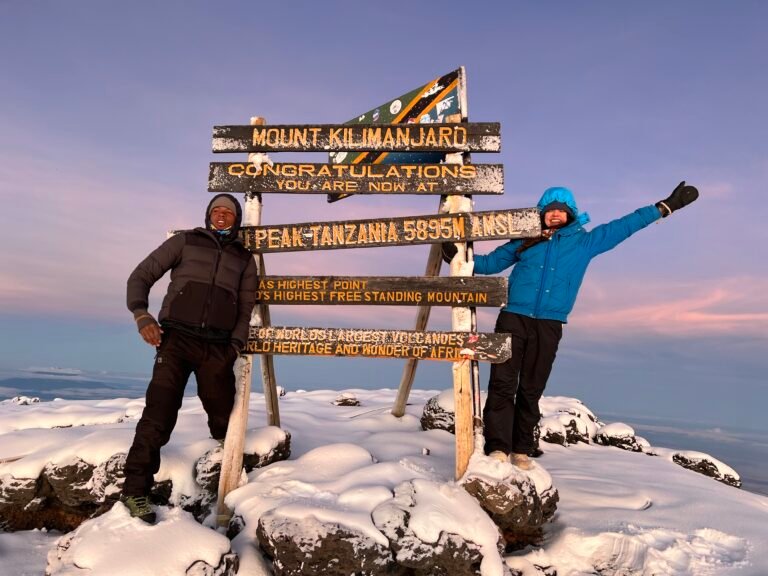
1 Day Kilimanjaro Christmas Hiking Tour – 25 December 2026
1 Day Kilimanjaro Christmas Hiking Tour – 25 December 2026.
View package details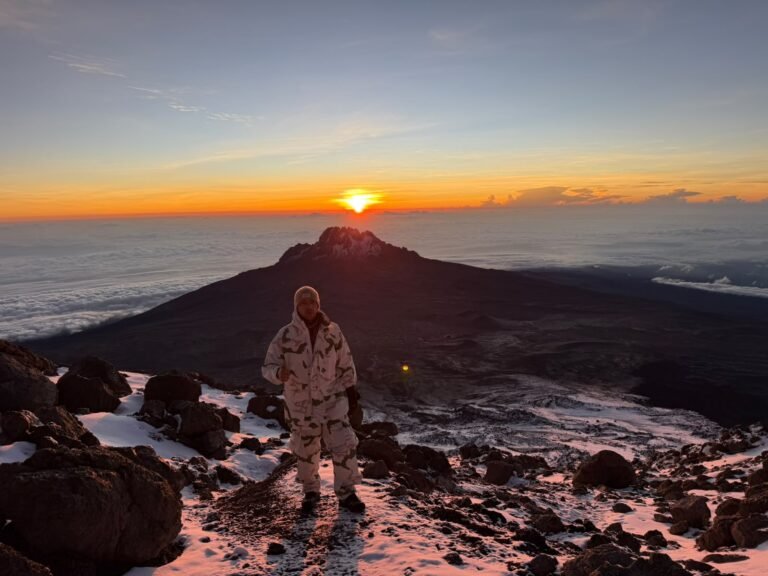
1 Day Kilimanjaro Hiking Tour From Arusha – 17 December 2026
1 Day Kilimanjaro Hiking Tour from Arusha – 17 December 2026.
View package details1 Day Kilimanjaro Hike Via Marangu Gate – 3 December 2026
1 Day Kilimanjaro Hike via Marangu Gate – 3 December 2026.
View package details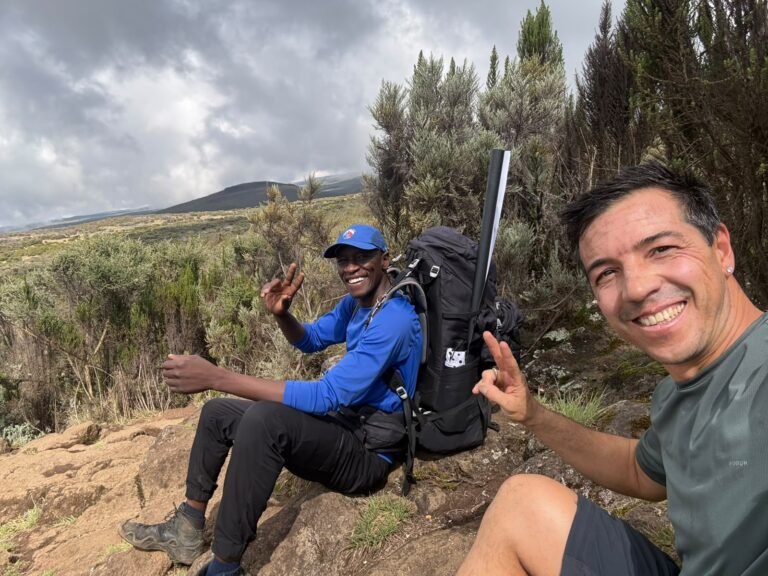
1 Day Kilimanjaro Mandara Hut Hike – 12 December 2026
1 Day Kilimanjaro Mandara Hut Hike – 12 December 2026.
View package details2 Days Kilimanjaro Christmas Hiking Experience – 25–26 December 2026
2 Days Kilimanjaro Christmas Hiking Experience – 25–26 December 2026.
View package details6 Days Umbwe Kilimanjaro New Year Trek – 28 December – 2 January 2026
6 Days Umbwe Kilimanjaro New Year Trek – 28 December 2026 – 2 January 2027.
View package details8 Days Shira Kilimanjaro New Year Trek – 26 December – 2 January 2026
8 Days Shira Kilimanjaro New Year Trek – 26 December 2026 – 2 January 2027.
View package detailsKilimanjaro New Year Eve Climb – 31 December Summit 2026
Kilimanjaro New Year Eve Climb – 31 December 2026 Summit.
View package details6 Days Rongai Route Kilimanjaro Hiking – 6–11 December 2026
6 Days Rongai Route Kilimanjaro Hiking – 6–11 December 2026.
View package detailsNo related package matches those filters. Clear one or more filters to see the other topic-matched options.



