
For 6 Days Umbwe Kilimanjaro Hiking Expedition – 9–14 December 2026, the plan is a bookable, day-by-day ascent on the Umbwe route with a focus on acclimatization, route flow, and practical logistics. Specific lodging, transport times, and exact departure details require operator confirmation, but the structure below outlines the day-by-day sequence and decision points that guide a safe, efficient ascent within six days.
6 Days Umbwe Kilimanjaro Hiking Expedition – 9–14 December 2026 is a bookable itinerary that centers on a deliberate pace and acclimatization rhythm, starting from Kilimanjaro National Park’s forested foothills and climbing toward the high alpine zone. Umbwe is known for its steep approach and relatively quick gain in altitude, which makes a strict day-by-day plan essential for safety and success. In this installment, we establish the core sequence and the practical decisions a trekking party will face, while leaving room for confirmed operator specifics such as exact campsites, hotel nights before/after the climb, and the transporation logistics to and from Moshi or Arusha.
The journey begins with arrival logistics and a gear check, then proceeds through six legible days of trekking that emphasize acclimatization days, gentle rest periods at camps, and controlled ascent to reach Barafu or Stella Point conclusions depending on group pace and weather. Throughout, the guiding principle is to balance the need for progressive altitude exposure with the realities of Umbwe’s terrain, ensuring that each day builds familiarity with the route, the equipment, and the group dynamics typical of a Kilimanjaro climb organized by Climb 4 Africa.
This first installment focuses on the distinctives of the Umbwe approach, the rationale behind a six-day progression, and the preparatory choices you’ll encounter before you set foot on the trail. It lays out the day-by-day skeleton and highlights the decision points that determine whether the group pushes for an extra acclimatization moment or adjusts pace to accommodate weather or fatigue. Future installments will fill in the exact campsites, the mountaineering cadence, the meal planning, and the safety contingency notes that operators confirm closer to departure.
Day-by-day itinerary overview: how a six-day Umbwe ascent unfolds
The Umbwe route starts with a stout forest approach and soon transitions into rocky and glaciated terrain as altitude increases. A six-day plan is chosen to optimize acclimatization at each stage while preserving enough headroom to recover from fatigue. The following framework describes the typical day sequence, with the understanding that operator logistics may adjust the precise trekking hours and campsite names once confirmed.
Day 1 — Moshi/Arusha to Umbwe Gate, ascent to Forest Camp
From the briefing point at the gate, trekkers walk through the montane forest, gradually gaining exposure to higher humidity and cooler air. The first day emphasizes control of pace, frequent breaks, and a quick check of gear, footwear, and personal wellbeing. The forest canopy often provides a shield from sun and wind, while the trail remains moderately challenging as you begin to accumulate altitude in earnest. Lodging and pre-climb logistics typically occur in Moshi or Arusha, with a transfer arranged by the operator to the Umbwe Gate area.
Day 2 — Forest to Barranco-like transition via High Camp possibilities
As altitude rises, the route begins to reveal the mountain’s steeper character. Day 2 may feature a camp higher up the forested hillside, with a potential to pause at a rest point to assess acclimatization status. The pace remains deliberate to minimize the risk of acute mountain sickness, and trekkers become familiar with acclimatization routines, hydration strategies, and pacing signals used by guides and the group. The day ends at a designated campsite suitable for a controlled ascent the following morning.
Day 3 — Alpine zone transition and acclimatization day adaptation
By this stage, the air is thinner and the views broaden. Day 3 is often pitched as a buffer day, designed to consolidate acclimatization while continuing to gain altitude gradually. Depending on conditions, groups may perform a shorter, optional acclimatization acclimatization trek up toward a higher point before retreating to camp. The objective is to ensure climbers feel steady on their feet, with energy reserves preserved for the final push. Nighttime temperatures drop, so proper layering and sleep arrangements are essential.
Day 4 — Midsection ascent with strategic rest and terrain shifts
The midsection of Umbwe’s route presents rocky sections and exposed stretches. Day 4 typically includes careful, consistent elevation gain, with frequent check-ins to assess hydration, calories, and fatigue. The terrain tests balance and footwork, but the group aims to maintain rhythm rather than rush the ascent. A well-planned day preserves enough energy for a potential early summit attempt if weather, health, and group consensus align.
Day 5 — High camp approach and final summit push planning
As dawn approaches, climbers move toward high camp locations that reduce the final ascent time to the summit. The emphasis is on sleep quality, nutrition, and mental readiness for the last push. Guides review contingency plans in case the weather window shifts, and climbers confirm their personal symptoms or concerns with the guide team. The day is framed by a calm, methodical cadence that primes the group for the most demanding portion of the expedition.
Day 6 — Summit day and descent to lower camps or gate
The climbers leave the high camp in the early pre-dawn light, applying the lessons of prior acclimatization to maximize their chances of reaching Uhuru Peak or Stella Point, depending on the route variant and group decision. After the summit, the descent back to a lower camp is rapid but safe, with checkpoints for health and hydration. The final afternoon typically concludes with a transfer back toward Moshi or Arusha, where rest and recovery arrangements are prepared. As always, exact timings and pick-up points depend on confirmed operator schedules and the day’s conditions.
Route variations and what they mean for your climb
Umbwe routes can follow slightly different patterns depending on the season, group pace, and operator strategy. Variants might alter the sequence of camps, the degree of acclimatization time, and the length of each trekking day. The 6-day framework used by Climb 4 Africa seeks to balance the steepness of Umbwe’s approach with a measured ascent to the high altitude zone. If a shorter or longer option is offered by the operator, it will be documented in the booking details and pre-departure briefing. For climbers, knowing the route variant helps with gear preparation, pacing expectations, and
Unanswered question and deeper dive: how the six-day Umbwe Kilimanjaro itinerary manages acclimatization without overextending rest days
As readers plan a 6 Days Umbwe Kilimanjaro Hiking Expedition – 9–14 December 2026, a crucial practical concern is how the schedule achieves effective acclimatization without introducing unneeded layovers. The Umbwe route is notoriously steep and gains altitude quickly, which heightens the risk of acute mountain sickness if acclimatization is rushed. This section examines the implicit decisions behind pacing, camp placement, and optional rest or adjustive moves within the six-day framework, translating them into a concrete, verifiable sequence you should expect from a bookable plan like the one offered by Climb 4 Africa.
Day-by-day acclimatization logic within the six-day Umbwe plan
Day 1 begins with a forest ascent to Forest Camp, a deliberate, moderate elevation gain that primes the body for the immediate altitude increase while maintaining a comfortable walking tempo. The objective is not simply to reach a camp, but to trigger the onset of subtle physiological adjustments—better ventilation efficiency, a modest rise in red blood cell activity, and improved hydration handling under higher humidity and cooler air. The camp location in the lower montane zone provides shelter from wind and reduces dehydration risk, encouraging an early rhythm of regular, smaller meals and consistent hydration.
Day 2 introduces a Barranco-like transition but keeps the pace conservative. In practical terms, this means the route prioritizes gradual elevation gain with a few strategic stops to assess symptoms of fatigue, headaches, or nausea. If necessary, a High Camp option exists as a contingency to allow the group to sleep at a higher altitude for a few hours and complete an acclimatization nap before continuing. This is not about rushing to a higher altitude but about extending the body’s opportunity to adapt, which is why this day often includes flexible pacing depending on the group’s acclimatization feedback.
Day 3 is framed as an acclimatization day with the potential for a shorter acclimatization trek in alpine terrain. The aim is to condition climbers to the thinner air without pushing into the more extreme exposure. The decision to perform a shorter acclimatization trek, or to rest at a mid-camp after a light scramble, rests on real-time assessments by the guide team—watching for dizziness, persistent fatigue, or appetite changes that signal the need for more rest or fluid intake rather than a continued climb. This day often yields the clearest signal for whether the group is ready for the more forward ascent or should defer to a longer adaptation period within the same framework.
Day 4 maintains a steady elevation profile in the midsection, where rocky segments demand balance and careful footwork. The risk here is fatigue accumulation from the earlier days. The schedule supports a measured ascent with multiple micro-rests, ensuring calories and fluids stay ample. If any member shows signs of altitude discomfort, the team can employ a pause strategy—slowing down to regain oxygen efficiency, or shifting a portion of the day to a higher/easier mirror camp to consolidate acclimatization while maintaining route integrity. This adaptive approach helps prevent a sudden fatigue spike that could undermine the following day’s summit push.
Day 5 centers on high camp proximity and the planning of the final push. The group benefits from a good night’s sleep, staged nutrition, and meticulously timed wake-up routines. The physiological payoff is a stronger tolerance for low oxygen and a readiness to execute a high-energy, focused ascent when conditions align. The guides’ contingency planning remains critical: if a weather window narrows, the team can extend rest periods or adjust the summit strategy to a slightly later start, preserving safety without sacrificing the likelihood of success.
Day 6 is the culmination. The pre-dawn departure builds on the acclimatization work completed in the prior days, with the group carefully monitoring symptoms and pace. The descent is planned for efficiency and safety, recognizing that fatigue remains a factor even after a successful summit. Hydration checks and health checkpoints continue to protect climbers as they move back toward lower camps or the gate, with post-climb logistics clearly outlined by the operator for rest and recovery after the trek.
Why this six-day rhythm matters for the Umbwe route
Umbwe’s steep approach and rapid altitude gain mean that a well-structured six-day itinerary must integrate acclimatization with consistent, safe progression. This plan emphasizes:
- Deliberate daily elevation gains tailored to the group’s response to altitude;
- Low-risk rest opportunities and optional High Camp pauses to maximize acclimatization without derailing the schedule;
- Regular health and hydration checks by guides to catch early signs of altitude-related discomfort;
- Flexible pacing and contingency plans that respect weather, group fitness, and participant wellbeing over rigid timings.
For travelers, these decisions translate into a credible, bookable experience where you know the sequence, the acclimatization intent, and the safety nets designed to keep you within a safe altitude exposure zone while still delivering a complete six-day ascent of the Umbwe route.
What to confirm with your operator before booking
While the general framework remains consistent, operators may adjust specific camp locations, rest days, or optional High Camp segments based on seasonal conditions and group dynamics. Before committing, verify:
- The exact day-by-day camp sequence and possible High Camp alternatives for your departure window;
- How acclimatization is assessed on each day (symptoms checklist, pulse oximeter use, or guide evaluation);
- Expected daily trekking times and total distance, with flexibility for weather or health-related pauses;
- What is included in the package (park fees, guide ratios, meals, gear, and emergency protocols) and what remains the traveler’s responsibility (personal insurance, extra gear, any gratuities);
- Cancellation and rescheduling policies in the event of health concerns or severe weather; and
- Clear summation of transfer logistics from Moshi or Arusha to the gate and back, including any pre- and post-climb hotel arrangements that are confirmed by the operator.
With these confirmations, the six-day Umbwe Kilimanjaro itinerary becomes a precise, actionable plan rather than a rough outline, enabling you to prepare accordingly and align expectations with the operator’s documented practices.
If you’re ready to explore availability for the 9–14 December 2026 window, contact the operator with your preferred dates, group size, and any medical considerations so they can confirm the exact day-by-day sequence, camp placements, and the presence of optional High Camp departures within the six-day Umbwe plan.
New content: Deepening the acclimatization logic and day-specific details for the 6 Days Umbwe Kilimanjaro Hiking Expedition – 9–14 December 2026
Building on the established day-by-day framework, the six-day Umbwe itinerary intentionally foregrounds acclimatization as a dynamic, responsive process. The aim is to ensure climbers progress through the forest, into the high alpine zone, and toward Uhuru Peak with altitude tolerance that minimizes the risk of acute mountain sickness while preserving the expedition cadence. This section expands on the most substantial question a reader would have after reviewing the baseline plan: how does the six-day schedule concretely balance acclimatization signals with the practical realities of a guided Umbwe ascent?
From the moment you depart Moshi or Arusha, acclimatization begins as a collective load-sharing routine—team check-ins, hydration strategies, and gradual exposure to increasing humidity and cooler air. The Umbwe ascent is renowned for a steep forest approach that taxes the lungs quickly if pace is rushed. The six-day version uses deliberate elevation steps, with optional pauses that align with both the group’s physiological feedback and environmental conditions. Critically, acclimatization becomes an adaptive process rather than a fixed timetable; the guide team monitors symptoms, pacing, and resting opportunities to decide if a short High Camp stop is warranted on Day 2 or Day 3. This flexibility is precisely what differentiates a safe six-day itinerary from a more aggressive, rushed summit attempt.
Day 1’s forest march into Forest Camp is designed to gently cross the 3,000-meter threshold, with the goal of waking the body to higher humidity and cooler temperatures while avoiding overexertion. Hydration, lightweight snacks, and routine elevation checks at rest stops set the baseline for what follows. If early signs of altitude discomfort appear—headache, dizziness, or fatigue—guides may introduce micro-pauses at intermediate points or, if necessary, adjust the pace to preserve energy for the longer elevation gain ahead. This measured approach acknowledges Umbwe’s steepness without compromising safety or morale.
Day 2’s transition toward Barranco-like terrain becomes a true acclimatization test. Reaching a rest point higher up the forest slope, the party may elect a High Camp pause under specific conditions: when the group demonstrates stable breathing, good appetite, and manageable heart rate responses. The High Camp option is not an obligation; it remains an evidence-based choice to extend the acclimatization window without adding unnecessary fatigue. The decision hinges on collective wellbeing, measured by subjective comfort and objective indicators (when available) such as resting heart rate and perceived exertion. The practical effect is that some groups may achieve a more continuous ascent, while others gain a night at higher elevation to consolidate adaptation before the alpine zone becomes the immediate next objective.
Day 3 is framed as the buffer day with an intentional acclimatization buffer, but it is not a static wait. If the group has shown robust acclimatization on Days 1–2, it may be possible to shorten the buffer and proceed gradually toward the alpine transition, preserving the day’s habit of regular rest and nutrition checks. If signals indicate fatigue or sleep disruption, the guide team will favor extra rest or a shorter, slower ascent to stabilize acclimatization and reduce cumulative altitude exposure before the more exposed terrain of Day 4. The key here is the understanding that the alpine zone demands a careful rise in altitude with adequate recovery in between, and the six-day plan reserves this balance as a live parameter rather than a rigid script.
Day 4’s midsection ascent tests endurance and technique in rocky, exposed segments. Acclimatization remains central, but structural decisions—like how long to pause at a given outcrop or whether to shorten a crest traverse—derive from participant feedback and physiological cues. Runners’ pace should feel controlled rather than hurried; the guide’s role is to translate terrain into a sustainable line of ascent that minimizes fatigue while maintaining route integrity. Nutrition becomes a critical lever here: small, frequent calories paired with electrolytes support steady energy and hydration status, which in turn influence oxygen delivery at altitude. The day’s plan keeps the group flexible enough to absorb obstructive weather or wind shifts, yet disciplined enough to avoid backtracking unless a safety margin requires it.
Day 5, approaching high camp, is where the acclimatization narrative converges with the final summit push planning. The distance to high camp is a deliberate stretch that consolidates the climbing rhythm and reduces last-minute altitude stress on the eve of the final ascent. Here, the decision to settle into high camp for a night hinges on whether the body has comfortably adapted to current elevations and whether weather and energy stores permit a timely summit attempt. If the group hits the sleep-quality and daytime performance thresholds, it may forego the extra high camp night in favor of a shorter, more aggressive push from a lower base with a calculated overnight rest and early start. Conversely, if fatigue accumulates, a High Camp pause becomes a valuable retreat, allowing additional altitude adaptation and risk mitigation before the critical final push at dawn on Day 6.
Day 6 is the culmination: a dawn ascent aligned with the pre-dawn weather window, guided by last-minute acclimatization status and real-time weather observations. The safety checklist—rested, hydrated, nourished, and symptom-free—remains the gatekeeper to the final summit attempt. The descent after the summit is not merely a physical return but a continued monitoring process. The route down to lower camps or gate is treated with the same caution as the ascent, with frequent checks for fatigue-induced missteps or altitude-related residuals, ensuring the party returns safely and completes the expedition with the same care afforded to the climb itself.
In practice, the six-day Umbwe itinerary manages acclimatization through a blend of monitored physiological signals, flexible High Camp options, and a deliberate sequencing that gradually exposes climbers to higher altitude while preserving energy and morale. The approach recognizes that each trekking group carries a different acclimatization tempo and tolerances, and it anticipates the need to adapt daily decisions to keep the ascent within a safe altitude exposure envelope. As a result, the itinerary remains specific enough to deliver a credible, bookable plan while flexible enough to honor the realities of mountain travel in December conditions on Kilimanjaro.
For travelers evaluating this option, the most valuable takeaway is the clarity around when and how acclimatization decisions are made and how those decisions translate into day-to-day experiences on the Umbwe route. The six-day plan isn’t a checklist of rigid steps; it’s a living framework designed to sustain altitude tolerance, maintain group cohesion, and maximize the probability of a successful summit within a safe, well-supported itinerary. If any day’s description prompts questions about exact timings, camp placements, or the possibility of High Camp departures within your window, the operator should provide confirmed options specific to your departure date and group size before booking.
In the next section, we address the practical booking considerations that flow from this acclimatization-centric approach: how to align your expectations with available camps, how to interpret the operator’s confirmations, and what to confirm before you commit to the 9–14 December 2026 window.
Related Guides and Packages
Check Availability for 6 Days Umbwe Kilimanjaro Hiking Expedition – 9–14 December 2026
Ready to compare dates, prices, and the best option for your group? Send the package name and travel month so the team can reply with a clear quote, availability, and what is included.
6 Days Umbwe Kilimanjaro New Year Trek – 28 December – 2 January 2026
6 Days Umbwe Kilimanjaro New Year Trek – 28 December 2026 – 2 January 2027.
View package details6 Days Umbwe Route Kilimanjaro Climb – 1–6 December 2026
6 Days Umbwe Route Kilimanjaro Climb – 1–6 December 2026.
View package details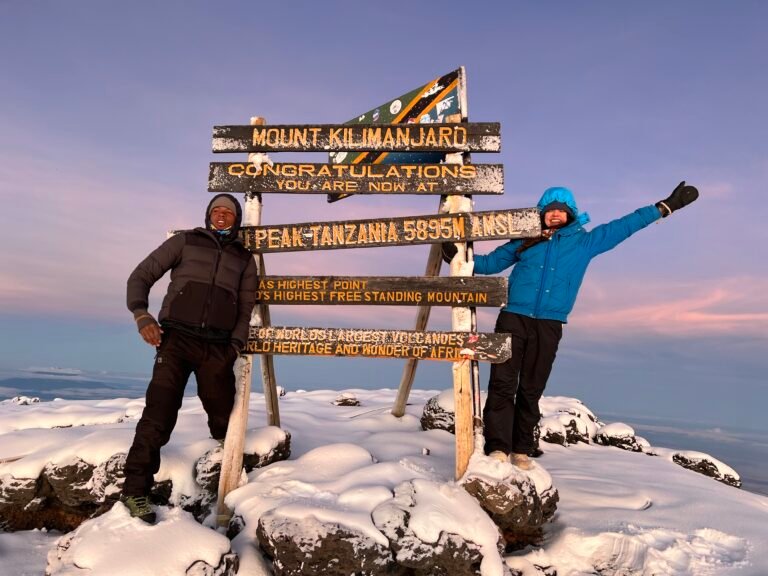
6 Days Rongai Route Kilimanjaro Hiking – 6–11 December 2026
6 Days Rongai Route Kilimanjaro Hiking – 6–11 December 2026.
View package details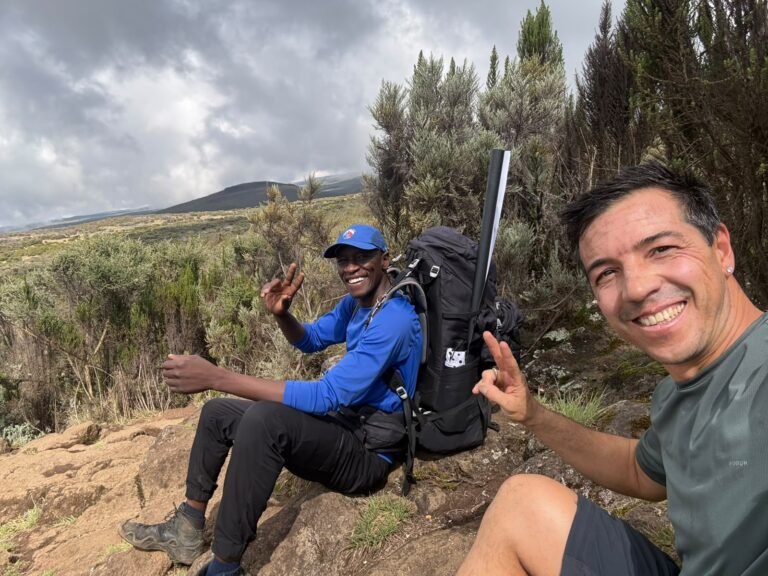
6 Days Marangu Kilimanjaro Group Hiking – 9–14 December 2026
6 Days Marangu Kilimanjaro Group Hiking – 9–14 December 2026.
View package details6 Days Rongai Kilimanjaro Christmas Climb – 21–26 December 2026
6 Days Rongai Kilimanjaro Christmas Climb – 21–26 December 2026.
View package details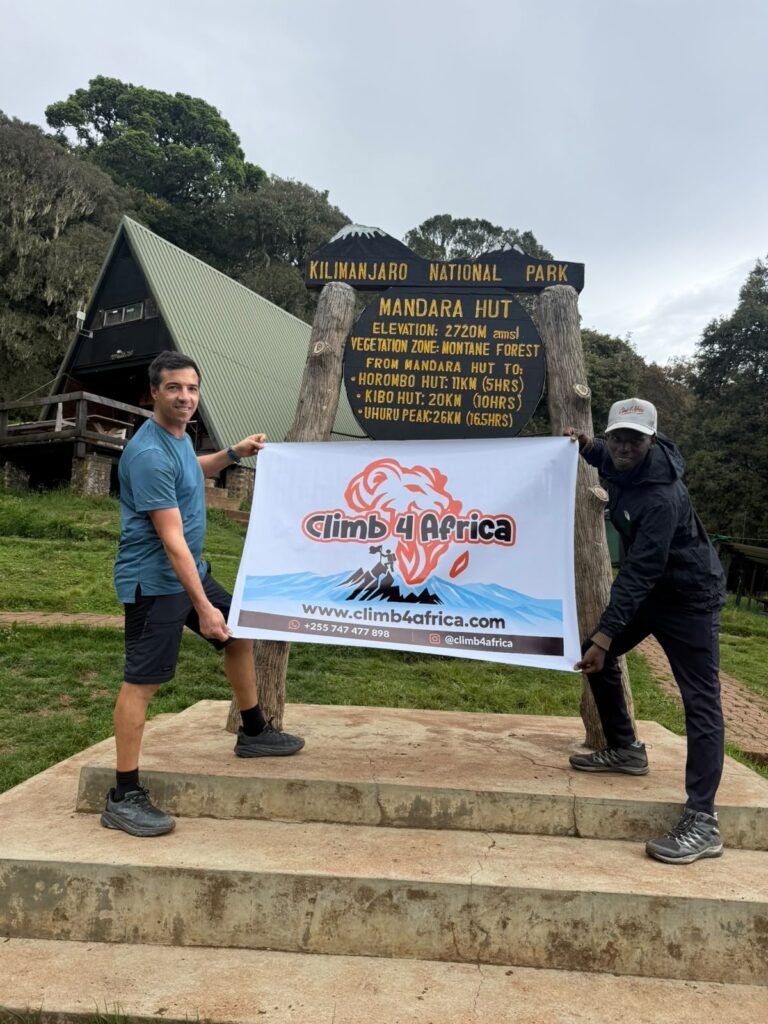
5 Days Marangu Kilimanjaro Christmas Trek – 22–26 December 2026
5 Days Marangu Kilimanjaro Christmas Trek – 22–26 December 2026.
View package details5 Days Marangu Kilimanjaro New Year Trek – 29 December – 2 January 2026
5 Days Marangu Kilimanjaro New Year Trek – 29 December 2026 – 2 January 2027.
View package details6 Days Marangu Kilimanjaro New Year Climb – 28 December – 2 January 2026
6 Days Marangu Kilimanjaro New Year Climb – 28 December 2026 – 2 January 2027.
View package details6 Days Marangu Kilimanjaro Christmas Holiday Climb – 21–26 December 2026
6 Days Marangu Kilimanjaro Christmas Holiday Climb – 21–26 December 2026.
View package details5 Days Marangu Kilimanjaro Full Moon Trek – 21–25 December 2026
5 Days Marangu Kilimanjaro Full Moon Trek – 21–25 December 2026.
View package details6 Days Marangu Kilimanjaro Full Moon Climb – 20–25 December 2026
6 Days Marangu Kilimanjaro Full Moon Climb – 20–25 December 2026.
View package details5 Days Marangu Kilimanjaro December Trek – 19–23 2026
5 Days Marangu Kilimanjaro December Trek – 19–23 December 2026.
View package detailsNo related package matches those filters. Clear one or more filters to see the other topic-matched options.



