
The exact 9 Days Northern Circuit Kilimanjaro Trekking – 13–21 December 2026 is a bookable plan with a day-by-day flow designed around the Northern Circuit route. This installment presents a practical day-by-day framework, noting that exact lodging, departures, and inclusions require operator confirmation. For prospective travelers, the essential structure is: 9 days of trekking with staged altitude acclimatization, a sequence of camps and huts, and a focus on safe pacing, portered support, and group logistics through Climb 4 Africa.
Welcome to a genuinely bookable journey: 9 Days Northern Circuit Kilimanjaro Trekking – 13–21 December 2026. This installment dives into the core of a route that is less crowded than the classic Machame or Marangu paths, yet demanding in altitude management and physical resilience. The Northern Circuit starts from the south-eastern foothills of Kilimanjaro’s massif and sweeps through varied ecosystems before easing toward the summit, offering a different panorama with more time for acclimatization and rest days. In this first deeply practical installment, we map the day-by-day flow, the rationale behind each stage, and the kinds of terrain, scenery, and logistical decisions travelers should expect when they book through Climb 4 Africa.
Why choose the Northern Circuit for a December ascent?
December is part of the short dry season in Tanzania, presenting generally clearer skies and relatively stable trekking conditions. The Northern Circuit, compared with some other routes, distributes the elevation gain more evenly across days, which helps with acclimatization. For a 9-day itinerary, this matters: it reduces the risk of rapid altitude gain while still providing a robust ascent profile to Uhuru Peak, Africa’s high point. While this installment does not confirm specific dates beyond the stated 13–21 December 2026, the plan reflects common operator practice for a group departure with a mid-December optimal balance of weather and crowd levels.
Day-by-day itinerary framework (Day 1 through Day 9)
Note: The following is a detailed day-by-day flow that a bookable package could follow when confirmed by Climb 4 Africa. Exact camp or hut names, start times, and transfer logistics are subject to final operator confirmation and weather considerations. Where needed, the plan differentiates background steps from confirmed services to avoid confusing samples with guaranteed bookings.
Day 1 — Kilimanjaro International Airport to Moshi or Arusha area
Arrival in Tanzania typically aligns with a pre-trek briefing in the Kilimanjaro region. Transfer from the airport to hotel accommodations near Moshi or a shuttle to Arusha depends on the operator’s chosen base. The emphasis on Day 1 is administrative: equipment check, final guidance on altitude sequencing, and a welcome dinner with the guide team. Day 1 sets the rhythm for the subsequent ascent, especially for acclimatization pacing and personal equipment checks. Guests should plan for an early night to ensure energy stores are primed for Day 2’s trek start and the cumulative elevation gain ahead.
Day 2 — Moshi/Arusha to Tarangire or Monduli Gate via vehicle transfer
The departure day for an ascent typically includes a road transfer from the base area into the Kilimanjaro National Park gate. Depending on the exact logistics for the 9 Days Northern Circuit Kilimanjaro Trekking – 13–21 December 2026, Day 2 often marks the official start of the trekking phase, once altitude is being prepared for. The first day’s route is designed to ease climbers into highland walking with a manageable distance and steady elevation gain, setting a comfortable pace for acclimatization and energy conservation. Expect a light briefing about the route, daily distances, and the camp or hut sequence to come.
Day 3 — Southern Circuit to Simba Gate and on to Forest Gate
The route progression transitions from lower elevations toward mid-high altitude zones, passing through forested slopes and likely encountering diverse birdlife and small mammals. The pace remains measured to support acclimatization while introducing trekkers to Kilimanjaro’s vegetation belts. Lodging or camping accommodations at this stage are typically comfortable, with hot meals preparing the group for the more exposed terrain ahead. This day emphasizes careful pacing and hydration as a core acclimatization strategy.
Day 4 — Forest to Second Bridge Camp or Intermediate Camp
The shift to higher terrain necessitates a climb that tests endurance while maintaining a sustainable daily altitude gain. The forest trails give way to heathland, with expansive views gradually opening along the ridge lines. Trekkers may encounter more stone scree and exposed sections; guides provide instruction on trekking pace, rope usage on steeper segments, and safety bracing. The objective is to gain altitude gradually while preserving energy for the successive days of the Northern Circuit.
Day 5 — Mid-Altitude Ridge Crossing toward Third Cave/High Camp
This day typically covers a sustained ascent with a longer approximate distance. The higher terrain begins to influence breathing and heart rate; therefore, breaks are scheduled frequently, and snacks emphasize energy density. The landscape broadens with alpine heaths and volcanic rock, offering panoramic views of the surrounding massif. The camp choice often sits at a mid-high elevation, intentionally spaced to promote further acclimatization before the summit push.
Day 6 — Third Cave/High Camp to New Summit Approach Route
The critical stretch of the Northern Circuit involves negotiating the high saddle region and preparing for the final push to the summit. Trekkers practice steady, controlled ascent to minimize fatigue, with ample opportunities to hydrate and snack. Weather windows, if applicable, are considered for the summit attempt. The mindset is gradual, deliberate progress with a focus on safety, especially for those who need longer acclimatization to high altitude stressors.
Day 7 — Summit Day (Uhuru Peak) and Descent to Nordic Camp
The climax of the itinerary is the summit day. Trekker groups typically start in pre-dawn darkness to reach the crater rim at sunrise. The ascent requires attention to pacing, oxygen intake, and consistency. After summiting, the descent often follows the same route back to lower elevations, with celebratory moments at camp before a rest and recovery session. Depending on conditions and group dynamics, some itineraries may include a second acclimatization or a short optional walk to cap the day with a slower pace and recovery routines.
Day 8 — Descent to Base Gate and Transfer to Moshi</
Day 9 — Nordic Camp to Mweka Gate and Kilimanjaro International Airport, then onward
The final day on the 9 Days Northern Circuit Kilimanjaro Trekking plan begins with a comfortable early wake, but not as early as summit day. Trekkers start with a steady descent from Nordic Camp, following established routes through the mid-lorest zones that have already revealed the mountain’s temperament over the preceding days. The pace is relaxed to favor recovery from the previous days’ exertion and to allow for a final check of acclimatization reserves as the group nears the lower elevations.
As the trail drops away from the high ridge line, the vegetation shifts again—heavier forest margins appear, and the air becomes cooler and more humid. Guides remind trekkers to conserve energy for the last meters of altitude loss and the gates at the forest’s edge, where the Mount Kilimanjaro National Park staff complete the formalities of descent from the protected zone. The pace here should feel unhurried, with short breaks every 20–30 minutes to maintain leg tone while keeping a steady rhythm for the final miles.
The day’s route leads toward Mweka Gate, the operational checkpoint where trekker numbers are tallied, gear is checked, and souvenir photographs may be exchanged with fellow travelers and crew. Departure through the gate is followed by a transfer to Moshi or Arusha, depending on the day’s logistics and the operator’s plan. For many groups, this leg of the journey is a time to reflect on the entire ascent—the miles conquered, the camp shifts, the thin air, and the newfound camaraderie with your fellow trekkers and the mountain guides who stewarded the route with careful attention to acclimatization and safety.
From the gate, the journey typically continues with a transfer to a hotel in Moshi or a short drive to the airport area for international departures the following morning. While this closing day is largely transitionary, it remains an essential part of the bookable plan for 9 Days Northern Circuit Kilimanjaro Trekking – 13–21 December 2026. It ensures travelers leave Kilimanjaro with a sense of completion and a straightforward path toward onward travel or departure formalities. The logistics at this stage are subject to operator confirmation and weather considerations, but the overarching flow remains consistent: descend to Mweka Gate, complete formalities, and transfer to pre-arranged accommodation near Moshi or a shuttle back to Kilimanjaro Airport for international connections.
What this day emphasizes is the deliberate closure of a high-altitude expedition with a humane pace. The descent from Nordic Camp is not simply about reaching a lower altitude; it’s a final mental reset after the challenge of summit push and high-camp endurance. Your guides typically organize a short debrief at the gate, confirming the success of each participant’s acclimatization plan, the care given to safety during the ascent, and the overall health status of the trekkers before travel to the next destination. Expect a sense of accomplishment to mix with the practicalities of post-trek logistics as you prepare to re-enter daily life beyond Kilimanjaro’s shadow.
Important notes for Day 9: ensure your passport, visa documents (if applicable), and incoming flight details are readily available for the transfer from Mweka Gate to Moshi or Arusha. If your departure is from Kilimanjaro International Airport, confirm morning or midday transfer times with your operator, as international flight check-in windows will vary by carrier. For those concluding in Moshi, a post-trek recovery plan—hydration, light meals, and restorative sleep—is encouraged to help the body reintegrate after nine days of high-altitude exertion and a long travel itinerary.
Choosing a December Kilimanjaro trek: what to expect on the Northern Circuit
The 13–21 December window places the trip in the tail end of the long dry season, aligning with a relatively predictable weather pattern that supports clear days and cooler nights. The Northern Circuit route has advantages during this season: longer acclimatization windows, a more gradual ascent in the mid- to high-elevation zones, and a sequence of camps that allows groups to spread physical stress more evenly across days. In December, there is less rain risk compared with the early part of the wet season, though cloud cover and wind can vary, especially on summit day where sudden weather shifts are possible. This context matters for the day-by-day planning, since the itinerary emphasizes a sustainable pace and controlled altitude gain instead of rapid climbing, which is beneficial for most hikers seeking a safer route to Uhuru Peak during December.
What makes the Northern Circuit distinct on this bookable plan
Compared with other Kilimanjaro routes, the Northern Circuit uses a different approach to the ascent’s narrative arc: it starts from the south-eastern foothills, sweeping around the northern slopes before a final push toward the summit. The day-by-day flow across Day 1 through Day 9 reflects a deliberate acclimatization rhythm that navigates ridges, forests, and high-altitude saddle zones. This structure minimizes the typical afternoon fatigue that can accompany steeper East African ascents, providing trekkers with more rest opportunities and shorter daily ascents in the early phases. The plan’s emphasis on careful pacing, hydration, and group logistics through Climb 4 Africa remains central, ensuring that participants have the support needed to complete the nine-day journey with safety and enjoyment in mind.
Booking and practical considerations for this specific December departure
As with all bookable Kilimanjaro treks, exact lodging, timing, and transfer specifics for Day 9 are subject to operator confirmation. If you are evaluating this 9 Days Northern Circuit Kilimanjaro Trekking – 13–21 December 2026, consider the following practical touchpoints that commonly arise on booking: sequence of days with clear day-by-day headings, the availability of groups, and the inclusions/exclusions that accompany the package. The plan’s integrity rests on the explicit day-by-day outline (Day 1 through Day 9) and the consistent emphasis on acclimatization and safety that underpins every phase of the climb. Confirmations typically address the final transfer arrangements to Moshi or Arusha, the hotel arrangements in the pre- or post-trek phase, and any add-ons such as extra acclimatization walks or post-trek city tours that fit your travel style and timeline.
Conclusion: finishing strong on the Northern Circuit
Day 9 closes the loop of the nine-day experience, turning the page from high mountain achievement to the practicalities of departure. Trekkers depart Kilimanjaro with a sense of having navigated one of Africa’s most iconic ranges with a pace that honored acclimatization and safety while still delivering the satisfaction of a successful ascent. The Northern Circuit, particularly in December, offers an inviting balance of rugged scenery, manageable daily gains, and the camaraderie of a well-supported trek that ends with a smooth, well-coordinated return to the gate, hotel, and airport that will carry you onward. For travelers seeking a bookable Kilimanjaro adventure in December that prioritizes sustainable pacing, varied terrain, and a thoughtful logistics framework, this 9-day plan remains a compelling choice.
To initiate a booking inquiry or to verify Day 9 transfer options and post-trek accommodation details for the 13–21 December 2026 departure, please contact Climb 4 Africa with your preferred travel dates, group size, and any special considerations. A representative can confirm final logistics, inclusions, and availability for your chosen dates, ensuring a smooth conclusion to your Kilimanjaro journey.
Unanswered question to address: how the 9 Days Northern Circuit Kilimanjaro Trekking (13–21 December 2026) manages acclimatization and daily pacing in practice
Readers seeking a bookable plan for Kilimanjaro’s Northern Circuit want concrete insight into how the itinerary preserves acclimatization while delivering a complete ascent to Uhuru Peak within nine days. This section answers that by unpacking the day-to-day pacing, altitude targets, rest periods, and decision points that operators use in December to balance safety and summit success.
From the outset, the Northern Circuit approach earns its reputation for a more gradual climb compared with the classic routes. In this specific December window, the plan intentionally staggers daily altitude gains to leverage the tail end of the short dry season’s typically clearer skies and cooler nights, without pushing climbers into steep, high-altitude transitions. The day-by-day structure is not merely a sequence of landscapes; it is a carefully tuned acclimatization ladder designed to shrink the risk of Acute Mountain Sickness while maintaining a realistic timeline to the summit.
Starting at forested foothills, Day 1 and Day 2 are deliberately positioned to introduce the body to higher elevations with a gentle elevation profile. The route then traverses mid-altitude ridges on Day 3 and Day 4, where the air becomes thinner but the pace remains controlled. By Day 5, trekkers begin a more sustained ridge crossing, but the plan incorporates strategic breaks, hydration checkpoints, and snack opportunities to stabilize energy reserves. This cadence stabilizes respiration, heart rate, and sleep quality, which are the levers most critical to acclimatization in the highlands.
Day 6’s push toward the New Summit Approach Route represents the peak acclimatization moment: climbers are asked to execute a measured ascent with frequent pauses to scan for early fatigue signals. The goal is to arrive at the high camp or the last rest point with enough reserve for the intense final day. On Day 7, summit day, group management focuses on dawn start times, pace setting, and a conservative climb to the crater rim. The descent to Nordic Camp on the same day consolidates gains while minimizing exposure to fatigue-induced missteps. The following Day 8 emphasizes a steady, long descent to the base gate, reinforcing safe practices and avoiding leftover fatigue.
How does this translate into practical decisions on the ground? Operators monitor temperature, wind, and cloud cover at each camp and will adjust start times, food intake, and rest breaks accordingly. In December, when days tend to be clear and nights cooler, a common tactic is to optimize visibility for the initial ascent without forcing an overly aggressive start. Guides maintain a flexible, small-group pacing model that keeps the group within a comfortable altitude gain per day, often split into two or three blocks with deliberate pauses for acclimatization checks. This approach, combined with robust hydration plans and altitude medicine protocols as appropriate, creates a safety-first framework that still honors the promise of a nine-day journey to Uhuru Peak.
In short, the essential missing detail readers often seek is the explicit way acclimatization and daily pacing are woven into the nine-day schedule, rather than left implicit. This section clarifies that the December 13–21 departure from the Northern Circuit is not a compressed or rushed ascent; it is a thoughtfully staged progression, with altitude targets and rest windows calibrated to the route’s geology and seasonal conditions. The resulting experience is a trek that feels demanding yet attainable, with a high probability of summit success when travelers respect the tempo, hydrate, and follow the guiding team’s cues.
If you are considering this plan, you should discuss with your operator how they tailor the daily pacing to weather windows and group fitness, and request a current, camp-by-camp breakdown of expected elevation gains and rest stops for your specific departure. This level of detail makes the plan genuinely bookable and helps you prepare physically and mentally for each day.
Related Guides and Packages
Check Availability for 9 Days Northern Circuit Kilimanjaro Trekking – 13–21 December 2026
Ready to compare dates, prices, and the best option for your group? Send the package name and travel month so the team can reply with a clear quote, availability, and what is included.
9 Days Northern Circuit December – Kilimanjaro Climb 2026
9 Days Northern Circuit December 2026 – Kilimanjaro Climb.
View package details9 Days Northern Circuit Kilimanjaro Christmas Climb – 18–26 December 2026
9 Days Northern Circuit Kilimanjaro Christmas Climb – 18–26 December 2026.
View package details7 Days Umbwe Route Kilimanjaro Trekking – 4–10 December 2026
7 Days Umbwe Route Kilimanjaro Trekking – 4–10 December 2026.
View package details10 Days Northern Circuit Kilimanjaro New Year Climb – 24 December – 2 January
10 Days Northern Circuit Kilimanjaro New Year Climb – 24 December 2026 – 2 January 2027.
View package details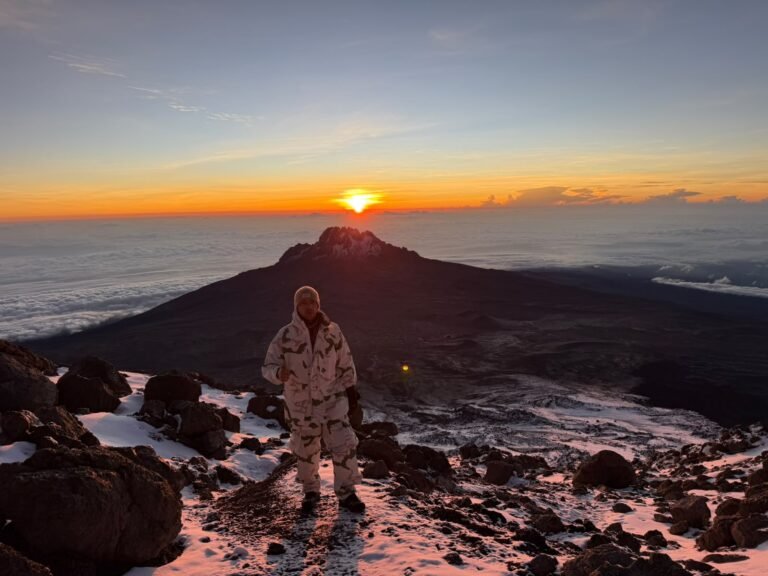
10 Days Northern Circuit Kilimanjaro Christmas Holiday Trek – 21–30 December
10 Days Northern Circuit Kilimanjaro Christmas Holiday Trek – 21–30 December 2026.
View package details8 Days Shira Route Kilimanjaro Climb – 10–17 December 2026
8 Days Shira Route Kilimanjaro Climb – 10–17 December 2026.
View package details7 Days Shira Kilimanjaro Full Moon Climb – 19–25 December 2026
7 Days Shira Kilimanjaro Full Moon Climb – 19–25 December 2026.
View package details7 Days Umbwe Kilimanjaro Full Moon Climb – 19–25 December 2026
7 Days Umbwe Kilimanjaro Full Moon Climb – 19–25 December 2026.
View package details8 Days Shira Kilimanjaro Christmas Climb – 19–26 December 2026
8 Days Shira Kilimanjaro Christmas Climb – 19–26 December 2026.
View package details7 Days Rongai Kilimanjaro Christmas Trek – 20–26 December 2026
7 Days Rongai Kilimanjaro Christmas Trek – 20–26 December 2026.
View package details7 Days Rongai Kilimanjaro Full Moon Climb – 19–25 December 2026
7 Days Rongai Kilimanjaro Full Moon Climb – 19–25 December 2026.
View package details
8 Days Shira Kilimanjaro New Year Trek – 26 December – 2 January 2026
8 Days Shira Kilimanjaro New Year Trek – 26 December 2026 – 2 January 2027.
View package detailsNo related package matches those filters. Clear one or more filters to see the other topic-matched options.



