
The precise 10-day Northern Circuit Kilimanjaro New Year climb for 24 December 2026–2 January 2027 is a bookable plan with confirmed operator guidance. This first installment outlines the day-by-day sequence, route logic, and what to expect for departures around the holiday period; exact hotel names, lodge bookings, and final pricing require confirmation from Climb 4 Africa based on current availability and group size.
Introduction to a true New Year Kilimanjaro journey on the Northern Circuit
What makes a 10-day Northern Circuit Kilimanjaro climb around the New Year distinctive is the balance between acclimatization-friendly altitude progression, varied scenery, and the possibility of quieter campsites despite peak season expectations. The December 24 departure window places you in a period when many trekkers are transitioning from the mainstream Marangu or Machame patterns to the longer, more gradual rhythm of the Northern Circuit. This installment focuses on the essential framework: the daily flow, route choices within the Northern Circuit, and the preparation questions that every climber should confirm with Climb 4 Africa before booking.
Day-by-day structure: the skeleton of a 10-day ascent
The Northern Circuit is known for its long approaches and the potential to traverse from the Tanzanian into the highland zones with steady acclimatization. Below is a plausible day-by-day sequence for a 10-day itinerary aligned with a December–January New Year window. Specific lodge and camp arrangements, transport pickups, and exact campsite names will be confirmed by the operator once you enroll in a confirmed departure.
Day 1 — Arrive and transfer to Moshi / near gate
Arrive at Kilimanjaro region gateway town, where a Climb 4 Africa guide meets you for a briefing and transfer to the base area. The first afternoon is for kit check, a safety briefing, and an optional light acclimatization walk around the lodging area. Expect a briefing on the day-by-day rhythm, the importance of proper hydration, and a discussion of the route options that best suit your group’s pace. This initial stage sets expectations and begins the acclimatization process, which is essential for a successful summit in the New Year window.
Day 2 — The Chagga foothills to Machame Camp (approx. 8–10 km)
Starting the ascent with a measured gain, you’ll move from the foothill ecosystems into the moorlands as you begin the ascent toward the Northern Circuit’s base camps. The day emphasizes steady pace and frequent rest stops to monitor how the body responds to altitude. The route choice on Day 2 will be selected by the guide team to balance acclimatization with the group’s energy levels, typically winding through a forested belt that showcases Kilimanjaro’s evolving microclimates. Lighting conditions and weather in late December can affect visibility, so your guides will adapt the pace accordingly.
Day 3 — From Machame Camp to Shira Camp (approx. 6–9 km)
As you gain altitude, the landscape shifts to heath and moorland. Day 3 focuses on gradual elevation gain with a short acclimatization pause at Shira Camp, allowing the body to adjust to the dissipating air pressure. The route offers opportunities to observe distinctive high-altitude flora and to practice a steady breathing rhythm essential for subsequent days. Accommodation at the camp includes standard Kilimanjaro trekking tents and shared meals prepared by the mountain crew.
Day 4 — Day hike to Lava Tower or additional acclimatization route
With the northern corridor in view, Day 4 often includes a careful acclimatization hike, possibly to an intermediate viewpoint or a controlled acclimatization ascent to a secondary altitude point. This day helps consolidate the acclimatization gains from the prior two days and reduces the risk of altitude-related symptoms. Details depend on group fitness and weather, and will be finalized by the guiding team ahead of departure.
Day 5 — Barranco to Karanga region pass (altitude-aware progress)
The mid-section of the climb tests endurance while continuing to emphasize acclimatization. The schedule typically threads through scenic zones that reveal Kilimanjaro’s stark beauty, with camp near Karanga for a stepwise approach to higher elevations. Lodging is in mountain tents with shelter and hot meals provided by the trekking crew.
Day 6 — Karanga to Barafu or Western Caves variant (high camp transition)
Day 6 marks a pivotal ascent toward high camp areas that place climbers within striking distance of Stella Point. Depending on weather and group readiness, the route may emphasize the Barafu high camp as a staging point for the summit push. The emphasis remains on acclimatization and adherence to a conservative pace to ensure safety and well-being.
Day 7 — Summit push night: Barafu camp to Uhuru Peak and descent to Mweka Camp
The actual summit attempt occurs as darkness fades and temperatures drop. The climb from Barafu to the crater rim region requires careful pacing and steady perseverance. After the triumphant moment at Uhuru Peak, climbers retrace to a lower camp for recovery. The descent to Mweka Camp completes Day 7, with meals and rest prepared by the crew to support post-summit recovery.
Day 8 — Descent to Mweka Gate and transfer to Moshi
Descending from Mweka Camp, you’ll pass through the lower forests and arrive at the park gate where formal acknowledgments of completion take place. A transfer back to Moshi or a nearby lodge provides time for a celebratory meal and hot showers. This day allows the body to begin the re-acclimatization process after the summit, with an emphasis on hydration and rest.
Day 9 — Rest day, optional cultural excursion, or wildlife day trip
With the mountain behind you, a slower day offers space to reflect on the journey, review the equipment and checklists, and perhaps enjoy a cultural excursion in the Moshi area. This day is optional but often recommended to help transition away from the intense pace of the climb and to consolidate learning for future treks.
Day 10 — Departure or add-on safari / Zanzibar extension
The final day provides a window to depart with connections to onward travel. For travelers extending into a Tanzania safari or a Zanzibar beach extension, this day becomes the start of a longer holiday. If you’re closing the trip in Moshi, your transfer to
Further considerations for a smooth 10-day Northern Circuit Kilimanjaro New Year climb
With the day-by-day framework laid out and the core ascent logic established, the conversation now turns to the practicalities that keep the journey safe, enjoyable, and friction-free during the uniquely festive New Year period. The Northern Circuit route, especially when scheduled around December 24 to January 2, presents both logistical opportunities and demands: quieter campsites compared with other routes, extended acclimatization windows, and the need for careful pacing as the group moves through progressively higher altitude zones.
Readers planning this specific 10-day Kilimanjaro climb should consider how seasonal factors, group size, and operator practices influence daily progress. In particular, the day-by-day sequence requires a balance between deliberate altitude gain and the social energy of the holiday window. The following sections address nuanced questions that climbers commonly raise when finalizing itineraries for a New Year ascent on the Northern Circuit, while staying anchored to verifiable expectations about route flow and safety.
How does the New Year timing affect acclimatization pacing on the Northern Circuit?
New Year departures typically coincide with peak season, which means higher lead times for securing guides, tents, and permits. The Northern Circuit’s longer approach provides natural acclimatization advantages, but holiday crowds can still compress campsite turnover. The 10-day schedule is designed to stretch the acclimatization window across days 2 through 6, allowing the body to adapt before the most demanding phase on days 6 and 7. If weather or group response suggests slower or faster acclimatization, the guide team can adjust day gaps while preserving the day-by-day structure. In practice, this means staying flexible about daily mileage within the 8–12 km target ranges on successive days, prioritizing a steady heart rate, adequate hydration, and rest periods rather than chasing speed in the early limbs of the trek.
What water, food, and rest provisions are typical on a 10-day Northern Circuit climb during New Year?
Operational plans for meals and hydration are central to sustained performance. Expect the trekking crew to provide hot meals at each camp and sufficient boiled or treated water to meet daily needs. The schedule usually includes multiple light snacks en route and a substantial hot meal in the evening, with a late snack or tea before the summit push on day 7. Personal hydration strategies—carrying a refillable bottle or hydration bladder, and using purified water—are encouraged. Adequate rest in the lodges or camps is also critical, especially after long moves from Machame Camp to Shira Camp and during the high-camp transition. The plan emphasizes sleep-friendly tents or shelter arrangements, with a predictable routine to minimize disruption from festive activity outside the camps when the resort areas in Moshi are lively during the holiday period.
What are the safety considerations unique to a New Year departure on Kilimanjaro?
Safety remains the top priority. The guide team will monitor common altitude symptoms, maintain pace discipline, and adjust camps to avoid excessive exposure to cold nighttime conditions. The Northern Circuit’s extended route reduces crowding at camps, which can lower the risk of accidents caused by jostling and fatigue. Yet festive crowds in Moshi can influence pre- and post-trek transfer logistics, so travelers should confirm pick-up times and bag allowances a week before departure. The itinerary’s emphasis on altitude awareness—especially on days 5 and 6—helps ensure climbers don’t push beyond safe thresholds. If symptoms such as persistent headache, dizziness, or severe fatigue arise, the plan supports immediate rest and, if necessary, a modified schedule with physician guidance provided by the operator’s safety protocol.
How are lodging and camps arranged to accommodate a December–January schedule?
Specific caravan of camps and lodge placements are confirmed by Climb 4 Africa after group sizing is known. The 10-day plan assumes a sequence of high-altitude camps interspersed with alpine or semi-alpine camping zones. The lodging in Moshi or nearby foothill towns is arranged to align with arrival times, briefing sessions, and gear checks preceding Day 1’s transfer. During the trek, tents are erected at established camps or set up by the support team in designated areas. The Western Caves variant or Barafu high camp transition (Day 6) remains a contingency for weather and group readiness, ensuring that climbers travel with appropriate shelter and warmth as they push toward the summit window on Day 7.
Which equipment considerations are particularly important for a New Year climb?
Equipment choices should reflect the early-winter climate and the potential for colder nights. Layered clothing, a reliable insulated jacket, waterproof outerwear, and essentials like a warm hat, gloves, and thermal socks are standard. A compact sleeping bag rated for low temperatures, a lightweight sleeping mat, and a headlamp with extra batteries are advisable given shorter daylight hours during late December and early January. Footwear should be broken-in trekking boots with good ankle support. Trekking poles, gaiters, and a sun protection kit (glasses, high-SPF sunscreen, and lip balm) are also practical. The kit check on Day 1 ensures items meet the operator’s standards and any altitude-specific equipment needs are addressed before the climb proceeds beyond the foothills.
How are cultural or optional activities integrated into the rest day (Day 9) while maintaining schedule integrity?
Day 9 serves as a buffer and recovery day, with optional cultural excursions or wildlife day trips in the Moshi region. The New Year window often features festive local markets and a chance to engage with Chagga culture, which can provide a meaningful contrast to the high-altitude exertion. Operators typically coordinate these activities to avoid interfering with rest needs and to ensure timely readiness for Day 10’s departure. Any additional activity should be scheduled with the guide leading to minimize fatigue and preserve acclimatization benefits garnered during the climb.
What should travelers know about the booking and price structure for a confirmed 10-day Northern Circuit itinerary around Christmas and New Year?
Because this is a bookable travel plan with operator-confirmed details subject to group size and availability, readers should expect to confirm space through Climb 4 Africa or the chosen operator. Availability, inclusions, and exact campsite names will be provided in a confirmed itinerary after enrollment. Prices, hotel arrangements, and transport logistics are not published here and require confirmation with the operator. The itinerary’s value lies in the structured day-by-day flow, the altitude-conscious pacing, and the option to include a Zanzibar extension or a Tanzania safari as a post-climb add-on, all tailored to the New Year departure window.
In sum, the 10-day Northern Circuit Kilimanjaro New Year climb offers a deliberate, acclimatization-friendly approach with a festive timing that blends high-altitude achievement with the cultural and scenic richness of northern Tanzania. The day-by-day flow remains the backbone of the plan, while the surrounding logistics—the camps, the rest day, and the potential variants—are adapted to the realities of a holiday departure. When you move from planning to booking, you will receive a finalized schedule that reflects group size and real-time availability, ensuring your New Year ascent is both memorable and well-supported.
Booking enquiry
If you’re ready to secure a place on the 10-day Northern Circuit Kilimanjaro New Year climb (24 December 2026 – 2 January 2027) or want to confirm possible variations (Barafu vs Western Caves, Day 9 activities, or a Zanzibar extension), please contact us with your preferred dates, group size, and any special requirements. A detailed, operator-confirmed proposal will follow, outlining the exact day-by-day route, camps, inclusions, exclusions, and transportation arrangements.
Unresolved question: How does the 10-day Northern Circuit Kilimanjaro New Year climb adapt daily pacing to December–January daylight shifts and group stamina?
Within a 10-day framework that threads acclimatization with steady altitude gain, the precise daily pacing becomes a critical, often overlooked determinant of success during the New Year departure window. The question readers most likely still have after reviewing the day-by-day skeleton is how the schedule negotiates variable daylight hours and differing group fitness levels without compromising acclimatization or camp sequencing.
In the Northern Circuit, daylight dictates much more than a practical timing cue; it shapes how camp moves unfold, how long trekkers remain at a given altitude camp, and when optional acclimatization excursions are offered without eroding the day-to-day rhythm. The New Year period can present marginally shorter daylight windows in high-altitude mornings and longer evenings due to seasonal air clarity and temperature inversions. Operators manage this by a few deliberate strategies that maintain the integrity of the itinerary while offering flexibility for underperforming or restless trekkers.
First, pacing is anchored to physiological markers rather than clock time alone. Guides continuously assess respiration rate, resting heart rate, and subjective exertion. If a climber shows signs of mild altitude fatigue on a given day, the plan allows for a controlled, shorter trek distance and a longer rest stop at a scenic overlook or a late lunch point, rather than forcing a rigid distance. This approach preserves acclimatization gains and reduces the risk of overexertion that could cascade into nausea, headaches, or sleep disruption—risk factors that become more pronounced when winter nights bite harder and mornings begin briskly.
Second, the route logic remains intact with a commitment to the overall altitude profile: after Day 2’s foothill ascent toward Machame Camp, the days are arranged to stay within the upper moorland and heath zones for meaningful acclimatization time. The plan preserves the pauses at Lucy’s Camp or Shira Camp equivalents as comfort points that allow the body to adjust to reduced oxygen levels. If daylight is compressed on a given day, the group will use the available daylight for shorter but meaningful altitude exposure, with a planned return to camp an hour or two earlier to ensure proper rest and rehydration before the night’s cold cycle—an important consideration when temperatures swing toward sub-freezing after sunset.
Third, the New Year period’s logistics include contingency camping arrangements and flexible meal timing. The kitchen crew builds meal schedules around prevailing light conditions, offering hot meals as soon as a reliable cooking window exists in the early afternoon. If the group arrives overhead camp before dusk, there is an established protocol for a quick but nourishing hot beverage and soup to stabilize energy reserves before a longer rest. Conversely, if conditions require a delayed arrival to camp, the route plan accommodates a brief, safe detour for a gentle acclimatization walk near the camp edge, time permitting, to maintain the day’s altitude exposure without sacrificing rest time.
Finally, Day 9’s rest day is designed as a genuine recovery and optional cultural immersion, but its placement within the New Year window means guides watch for cumulative fatigue and adjust the activities accordingly. The rest day activity list remains optional and does not threaten the subsequent Day 10 departure window for onward travel. The emphasis stays on recovering from the climb and enabling a smooth transition back to Moshi or onward extensions, with the New Year timetable respected and preserved.
In short, the most valuable practical guidance for readers is threefold: keep acclimatization at the core of daily decisions, remain flexible with day-to-day distances in response to group stamina and daylight, and lean on the guide team’s expertise to calibrate pace without sacrificing safety. This approach ensures that a 10-day Northern Circuit Kilimanjaro New Year climb delivers the intended altitude progression, scenic richness, and festive timing without undue fatigue or risk to the climbers.
Booking inquiry: If you’re considering the 10-day Northern Circuit Kilimanjaro New Year climb and want to understand how day-to-day pacing would adapt to your specific group’s stamina and preferred rest cadence, contact the operator with details about your average daily hiking pace, previous high-altitude experience, and any concerns about winter conditions. A tailored day-by-day pacing note can be provided as part of a confirmed itinerary, ensuring the schedule aligns with both acclimatization needs and the New Year celebration atmosphere.
Additional context: day-by-day pacing adjustments in practice
Practically, this means on days with longer planned distances, the group may split into a faster and a slower sub-group, reuniting at lunch points or mid-camp. On shorter, more acclimatization-focused days, the ascent may be intentionally kept light, with optional extra breaks to savor the surroundings or to permit short photoshoots at notable viewpoints. The intent is not to rush the ascent but to optimize the probabilistic success of reaching high camps within the recommended temperature bands and sleep quality windows that the New Year schedule requires.
Concluding thought
As readers consider the 10-day Northern Circuit Kilimanjaro New Year climb, this nuanced understanding of pacing—tied to daylight, altitude, and group dynamics—offers a practical framework for expectations. It reinforces that the itinerary is designed not merely as a sequence of camps, but as a carefully woven arc of acclimatization, exposure, and rest, calibrated to thrive amid the New Year’s unique rhythm.
Related Guides and Packages
Check Availability for 10 Days Northern Circuit Kilimanjaro New Year Climb – 24 December – 2…
Ready to compare dates, prices, and the best option for your group? Send the package name and travel month so the team can reply with a clear quote, availability, and what is included.
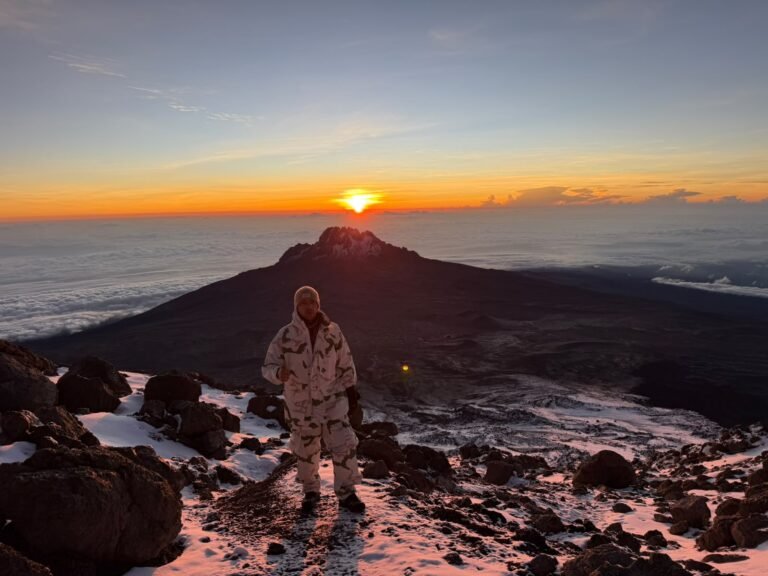
10 Days Northern Circuit Kilimanjaro Christmas Holiday Trek – 21–30 December
10 Days Northern Circuit Kilimanjaro Christmas Holiday Trek – 21–30 December 2026.
View package details9 Days Northern Circuit December – Kilimanjaro Climb 2026
9 Days Northern Circuit December 2026 – Kilimanjaro Climb.
View package details9 Days Northern Circuit Kilimanjaro Christmas Climb – 18–26 December 2026
9 Days Northern Circuit Kilimanjaro Christmas Climb – 18–26 December 2026.
View package details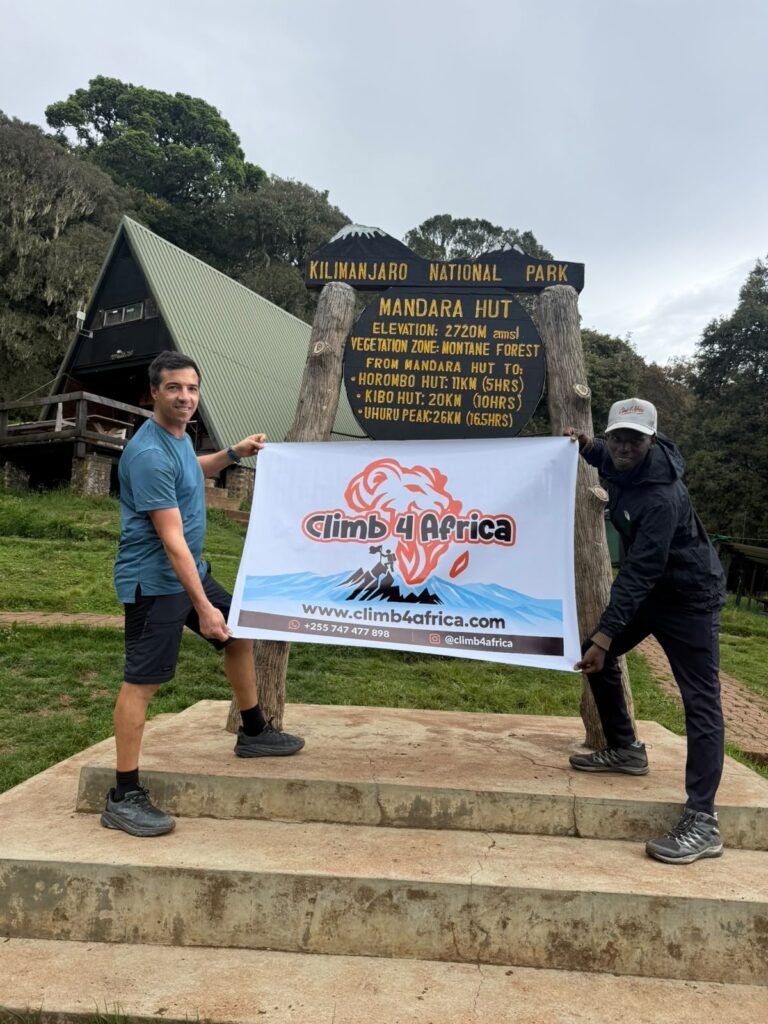
6 Days Marangu Kilimanjaro New Year Climb – 28 December – 2 January 2026
6 Days Marangu Kilimanjaro New Year Climb – 28 December 2026 – 2 January 2027.
View package details9 Days Northern Circuit Kilimanjaro Trekking – 13–21 December 2026
9 Days Northern Circuit Kilimanjaro Trekking – 13–21 December 2026.
View package details6 Days Umbwe Kilimanjaro New Year Trek – 28 December – 2 January 2026
6 Days Umbwe Kilimanjaro New Year Trek – 28 December 2026 – 2 January 2027.
View package details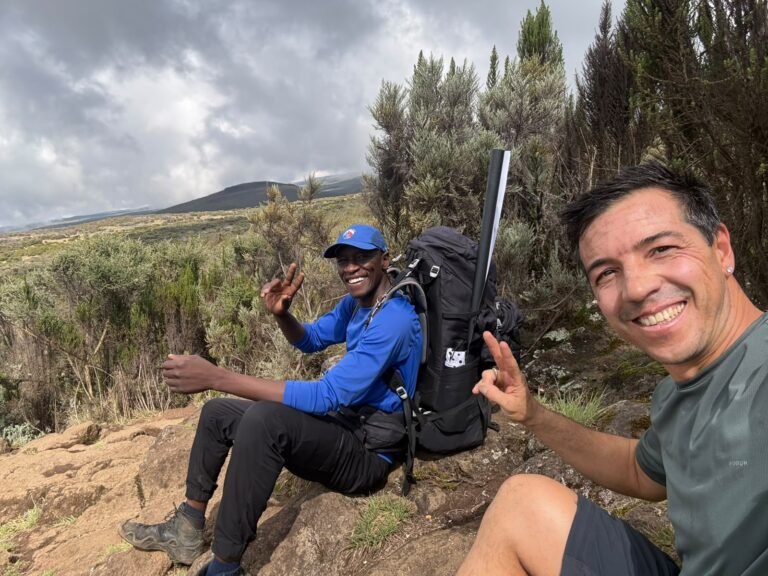
8 Days Shira Kilimanjaro New Year Trek – 26 December – 2 January 2026
8 Days Shira Kilimanjaro New Year Trek – 26 December 2026 – 2 January 2027.
View package details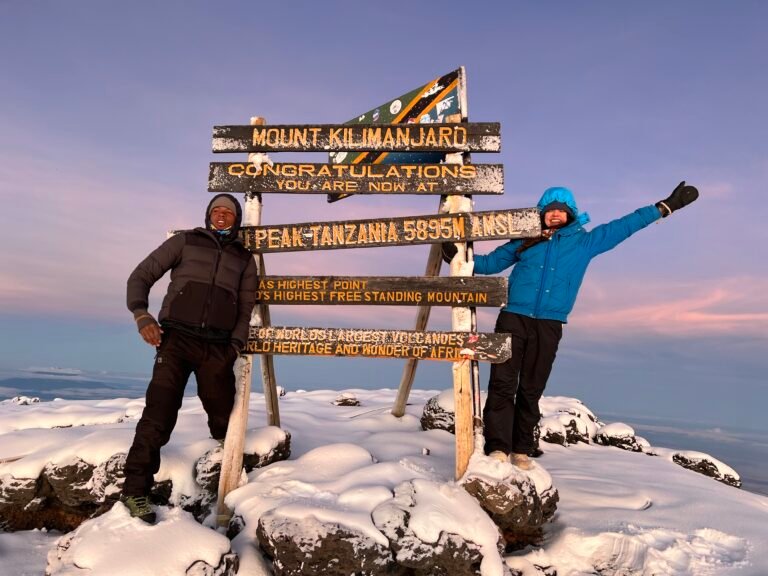
Kilimanjaro New Year Eve Climb – 31 December Summit 2026
Kilimanjaro New Year Eve Climb – 31 December 2026 Summit.
View package details5 Days Marangu Kilimanjaro New Year Trek – 29 December – 2 January 2026
5 Days Marangu Kilimanjaro New Year Trek – 29 December 2026 – 2 January 2027.
View package details8 Days Shira Route Kilimanjaro Climb – 10–17 December 2026
8 Days Shira Route Kilimanjaro Climb – 10–17 December 2026.
View package details1 Day Kilimanjaro New Year Eve Hiking Tour – 31 December 2026
1 Day Kilimanjaro New Year Eve Hiking Tour – 31 December 2026.
View package details7 Days Shira Kilimanjaro Full Moon Climb – 19–25 December 2026
7 Days Shira Kilimanjaro Full Moon Climb – 19–25 December 2026.
View package detailsNo related package matches those filters. Clear one or more filters to see the other topic-matched options.



