
We can confirm a bookable 9 Days Northern Circuit Kilimanjaro Group Trek with departures centered around 7–15 December 2026, led by Climb 4 Africa. Specific group spaces, confirmed hotel arrangements, and exact departure times require operator validation for availability. This installment presents a detailed Day-by-Day itinerary framework that will guide booking decisions and highlight what is guaranteed versus what needs confirmation.
9 Days Northern Circuit Kilimanjaro Group Trek – 7–15 December 2026: Core structure and planning context
The 9 Days Northern Circuit Kilimanjaro Group Trek follows a proven ascent via the lesser-traveled northern route, balancing acclimatization with steady altitude gain. The journey begins with a practical transfer from Kilimanjaro International Airport to the first acclimatization day in Moshi or nearby lodges, then threads through a sequence of villages, sceneries, and highland moors toward Rhino Camp and on to Karanga and Barafu camps before the final summit bid and descent. This installment focuses on Day 1 through Day 3 to establish a dependable baseline for route flow, terrain expectations, and logistical realism that travelers rely on when planning a December departure.
What makes the Northern Circuit a compelling choice for a December group trek
Compared with the more classic Marangu or Machame routes, the Northern Circuit offers greater altitude acclimatization time thanks to its longer circuit approach. In December, when weather patterns can be variable, the longer route helps distribute ascent more evenly, potentially reducing the risk of acute mountain sickness if the group adheres to designed acclimatization days. For a 9-day itinerary, this balance matters: you get a substantial buffer for altitude, a scenic sequence that reveals less-traveled trails, and a sequence of camps that maximizes hiking time while preserving rests and acclimatization windows.
Day 1: Arrival, transfer, and初 acclimatization kick-off
Day 1 centers on arrival logistics and the initial acclimatization tempo. After arrival at Kilimanjaro International Airport, guests are welcomed by a Climb 4 Africa or partner representative and transferred to a pre-arranged lodge near Moshi or Arusha. The air is thin, but the day’s tempo remains gentle: a short briefing about the plan, an equipment check, and a casual stroll in the local highland air to promote easy adaptation. While this day does not include trekking, it sets the tone for pace control and hydration discipline that will underpin each subsequent day. In a bookable plan like this, a typical evening meal is followed by an early night; the intent is to conserve energy for Day 2’s planned movement and acclimatization strategy.
Day 2: Moshi region acclimatization walk and gear check
Day 2 introduces the first real footwork. The morning starts with a light acclimatization walk in the foothills around Moshi or a nearby valley, typically 2–4 hours of moderate terrain to promote leg loosening and lung expansion. The walk is intentionally gradual, allowing climbers to gauge breathing, monitor heart rate zones, and refine footing on loose volcanic soil. Afternoon time includes a gear check, ensuring that layering systems, sleeping kit, and trekking boots meet the demands of higher terrain. While this day is not a summit push, its emphasis on controlled exertion, hydration, and rest underpins reliable performance for Day 3 and beyond.
Day 3: Transfer toward the northern route’s start and first trekking segment
The momentum increases on Day 3, with a transfer to a base area for the Northern Circuit’s trailhead. The day’s plan typically involves a transfer drive followed by a short hike to the day’s first camps or trekkers’ camp near the base of the northern trail system. The pace is deliberately steady to strengthen acclimatization while exposing climbers to the region’s volcanic soils and altitudinal cues. Expect a late afternoon arrival, a warm meal, and a briefing focused on the next day’s higher ascent and possible weather contingencies. The emphasis remains on submit-ready planning: what if clouds roll in, what if the wind shifts, how do we adjust pace? Such questions guide the operator’s contingency planning for the December departure window.
Route overview: key distinctions of the Northern Circuit approach
In this phase of the journey, the route follows a clockwise arc around Kilimanjaro’s northern flanks, with a series of incremental ascents and acclimatization days. What sets this itinerary apart is its deliberate sequencing: a longer time before the summit bid, a focus on varying terrain—from moorland to heath to camp clearings—and a potential for less crowding on the trail. For travelers booking through Climb 4 Africa, the exact corridor and campsites are subject to the operator’s on-the-ground permissions and seasonal openings; however, the underlying structure remains consistent, with each day presenting a clear objective: altitude exposure, route progression, and controlled pacing.
Departure planning and availability notes (December 2026)
Because this is a bookable itinerary tied to a specific date window (7–15 December 2026), the operator typically confirms group spaces, departure times, and inclusions closer to the departure. Potential climbers should expect a structured group departure with a fixed number of participants, guided by a certified Kilimanjaro guide team and local support. Availability and exact start times require verification with Climb 4 Africa; these details can shift due to weather, lodge availability, or trekking permit alignments. If you are evaluating seats, ask for current availability, the planned start location (Moshi or Arusha-based), and the lodges linked to Day 1 accommodations, as those choices impact transfer times and acclimatization pacing.
What to expect in terms of terrain, pace and acclimatization
On the Northern Circuit, the terrain varies from well-graded forest tracks to alpine moors, with occasional rocky sections that test ankle stability and foot placement. The overall pace for a 9-day itinerary emphasizes a conservative ascent, especially in the first three to four days, to maximize acclimatization. In December, weather variability means higher likelihood of mist or rain, but the long lead-in days typically preserve visibility during the summit attempt. Climbers should maintain steady hydration, manage carbohydrate intake, and adjust lung-breathing techniques to maintain oxygen efficiency as altitude rises. The guiding team’s duties include monitoring signs of fatigue or mild altitude discomfort and implementing rest or pace adjustments as required.
Operational notes
Day 4 — Karanga Camp to Barafu Camp: Stepping toward the Summit
On Day 4 of the 9 Days Northern Circuit Kilimanjaro Group Trek, the route threads higher along Kilimanjaro’s northern circuit, transitioning from the familiar moorlands into higher alpine zones. The day begins with an early breakfast at Karanga Camp, where the group consolidates hydration and nutrition strategies learned over the first three days. The ascent toward Barafu Camp involves a steady, measured climb across ridgelines and through sparse scree, with occasional patches of tussock grass and volcanic rock that require careful footing. Altitude begins to pressure the lungs more noticeably, as the air thins and the surrounding landscape reveals a more austere beauty: glacial remnants, distant views of the crater rim, and a horizon that seems to widen with every step.
Today’s pacing emphasizes acclimatization: shorter kilometers with deliberate breaks, a consistent intake of hydration fluids, and a focus on maintaining a relaxed breathing rhythm. Guides monitor for any signs of fatigue or altitude discomfort and adjust the pace accordingly. The group navigates through distinctive lava flows and short forest transitions before arriving at Barafu Camp, perched at a higher altitude than previous nights. The camp setting offers a dramatic profile of the southern glacial valleys below and reveals the stark contrast between the lower moorlands and the alpine zone now visible around the camp area.
Evening is a crucial window for acclimatization preparation. A light briefing reviews the summit plan, potential contingency scenarios, and the next day’s push toward Stella Point and beyond. Dinner is served early to optimize digestion, and ample rest is encouraged, since the following dawn is when the actual summit attempt begins for many groups on Kilimanjaro’s Northern Circuit.
Day 5 — Barafu Camp to Uhuru Peak summit bid (via Stella Point) and descent to Mweka Camp
Day 5 represents the culmination of the ascent for the Northern Circuit experience. The group rises in the predawn dark, with headlamps tracing a line along the path as the route threads toward Stella Point. The climb from Barafu Camp to Stella Point typically spans a few hours of steady elevation gain through loose scree and rocky switchbacks, often under a star-streaked sky and a crisp, cold air that sharpens the senses. The objective is a controlled, steady ascent, paying close attention to breathing patterns, hydration, and pace management—qualities that undergird successful summit attempts on Kilimanjaro’s Northern Circuit route.
Reaching Stella Point offers a moment of shared achievement, a brief window for photos and a quick morale boost before continuing the final push to Uhuru Peak, the highest point in Africa. The final section to Uhuru Peak includes a short but steep scramble across rocky terrain, with panoramic views creating a sense of reward for the rigorous climbs of the previous days. After the summit, the descent toward Mweka Camp begins immediately, choosing a route that minimizes excessive fatigue and preserves leg strength for the long return down the mountain.
Descending into Mweka Camp is a transition from the altitude-driven grind to the more forgiving lower elevations, where the forested slopes begin to reclaim their green mantle. The group arrives at Mweka Camp in time for a late lunch and a careful stabilization period; the guides emphasize careful footwork on the descent to prevent knee strain and ensure energy is conserved for the next day’s final leg back to the park gates. The evening routine focuses on rehydration, nutrition, and a debrief on the day’s experiences, anchoring the memory of the summit with practical takeaways for post-climb recovery.
Day 6 — Mweka Camp to Mweka Gate and Moshi/Arusha transfer or extension options
Day 6 marks the official completion of the Kilimanjaro ascent for most participants. After a hearty breakfast, the group completes the final descent from Mweka Camp to Mweka Gate, where climbers sign out with park authorities and collect a completion certificate. This leg of the journey is both physically lighter and emotionally satisfying, as the mountain’s presence gradually recedes into the background, replaced by the warmth of celebratory smiles among trekkers and guides alike.
From the gate, the typical plan involves a vehicle transfer back toward Moshi or Arusha. For travelers who have chosen to extend their stay, additional options may include a day of rest at a lodge, a cultural excursion, or a safari extension to other northern circuit ecosystems. It is common for the group to gather for a celebratory meal that evening, reflecting on the shared challenge, the camaraderie built, and the impressive vistas encountered along the way.
Day 7 — Optional acclimatization and cultural experiences around Moshi or Arusha
Day 7 is often reserved for optional activities that suit the group’s energy level and interests. Some itineraries incorporate a relaxed morning at a comfortable lodge, followed by a cultural tour in nearby villages where guests can observe traditional crafts, farming practices, or music and dance. For those seeking light activity, a short guide-led walk in the foothills or a coffee plantation visit can offer a gentle transition from the mountain’s exertions to Kilimanjaro’s surrounding lowland life. The afternoon can be dedicated to rest, spa services, or a choice of the region’s culinary offerings, allowing the group to reflect on the climb while preparing for onward travel or a safari extension.
Day 8 — Departure or safari extension planning
Day 8 is typically a departure day for travelers returning home or continuing on to a northern circuit safari. If departing, arrangements are coordinated with the operator for airport transfers and final confirmations of flight times. If extending, this day serves as the planning checkpoint for a wildlife safari in the Tarangire, Manyara, or Serengeti corridors, with geographies and wildlife spectacle to match climbers’ post-climb aspirations. For many travelers, the transition day provides time to digest the mountain experience and begin weaving it into wider East African explorations.
Day 9 — Final departures and reflections
Day 9, the final day of the trip, centers on logistical wrap-ups and travel home. Depending on flight times, guests may have a last hearty breakfast at the lodge and a final check-out before transfers to Kilimanjaro International Airport or a regional airstrip. The day offers a moment to reflect on the Northern Circuit Kilimanjaro experience, noting the sequence of acclimatization, the rhythm of the trail, and the enduring memories of the high alpine environment and the varied habitats encountered along the way.
In sum, the 9 Days Northern Circuit Kilimanjaro Group Trek offers a distinctive ascent that emphasizes longer acclimatization, a clockwise progression around the mountain, and a sequence of camps that balance exposure to altitude with restorative rest. Each day, from Karanga Camp to Barafu, Stella Point, and Uhuru Peak, is designed to optimize altitude management while rewarding hikers with expansive vistas and a sense of accomplishment that stays with them long after descending. For travelers considering a December departure window, the Northern Circuit remains a compelling option, offering a blend of quieter trails, steady elevation progression, and a robust support structure that keeps the focus on safety, acclimatization, and memorable adventure.
Day-by-Day Route Logic and Acclimatization Flow: Why the Northern Circuit’s Timing Matters in December
The 9 Days Northern Circuit Kilimanjaro Group Trek – 7–15 December 2026 is structured not just around physical ascent, but around a deliberate physiological rhythm designed to mitigate altitude risk during a season when weather and cloud cover can unpredictably shift. December in Tanzania’s highlands is generally part of the short rainy season, with increased cloud cover and potential for afternoon showers, especially in the lower forest zones. This makes the Northern Circuit’s longer, more gradual ascent not merely a preference, but a strategic advantage. The route’s design—starting from the north, looping clockwise around the mountain’s flanks, and ascending through a series of high-altitude camps—allows for a slower, more sustainable altitude gain that aligns with the body’s acclimatization timeline.
Unlike the Machame route, which ascends rapidly over four days to high camp, or the Marangu route, which uses huts and a steeper pitch, the Northern Circuit spreads the ascent over nine days with built-in acclimatization days at Karanga (Day 4), Barafu (Day 5), and even a partial rest day at Mweka (Day 6) before descent. This extended duration is particularly beneficial in December, when atmospheric pressure fluctuations and moisture levels can affect oxygen availability. The route’s logic is rooted in the principle of “slow ascent, high sleep”, meaning climbers spend nights at progressively higher altitudes while minimizing the rate of ascent. For a 9-day itinerary, this approach is not just optimal—it’s essential.
Each day’s movement is calibrated to this rhythm. Day 1 in Moshi is not just about arrival; it’s about lowering metabolic stress before physical exertion begins. Day 2’s acclimatization walk in the foothills—typically a 3-hour hike through the Moshi forest belt—serves to stimulate circulation and lung function without taxing the cardiovascular system. Day 3’s transfer to the northern trailhead near the base of the Loolmalasin Valley is a logistical transition, but also a psychological one: the shift from urban convenience to wilderness preparation. From there, the route begins its steady climb through the northern forest and moorland zones, where vegetation changes from dense montane forest to open heath and then to alpine desert.
The real acclimatization engine begins on Day 4: Karanga Camp to Barafu Camp. This 5–6 hour trek ascends from approximately 3,000m to 4,600m, a gain of about 1,600m over the course of the day. However, because this ascent is spread across multiple campsite transitions and includes a short rest at a lower elevation (e.g., a brief stop at the junction near the Mweka Trail), the body adapts incrementally. The route avoids a single long, steep climb that would force the body to cope with a sudden altitude jump. Instead, it uses the natural undulations of the northern flank—gentle ridges, rolling slopes, and gradual inclines—to allow the respiratory system and blood oxygen saturation to adjust.
Day 5, the summit day, is the culmination of this acclimatization sequence. The predawn departure from Barafu Camp (4,600m) to Uhuru Peak (5,895m) is not a sprint—it’s a measured effort. The climb to Stella Point (5,750m) takes 2–3 hours, followed by a brief rest before the final 30-minute push to the summit. The descent to Mweka Camp (3,000m) takes 5–6 hours and includes a significant drop in elevation, which further aids in re-oxygenation. This descent is not just a physical relief; it’s a physiological reset that helps the body stabilize after the peak exposure to hypoxia.
Day 6’s descent from Mweka Camp to Mweka Gate (2,800m) is a controlled, low-intensity walk, typically 3–4 hours. This day is critical for recovery, as it allows climbers to rehydrate, process the summit experience, and reduce the risk of acute mountain sickness (AMS) through gradual re-acclimatization to lower altitudes. The fact that this descent occurs over a full day—rather than being rushed—means the body can continue to adapt to returning to sea-level conditions without abrupt physiological shock.
Day 7 is not a repeat of Day 2, but a different kind of recovery. The optional activities—whether a cultural visit to a Chagga village, a coffee farm tour, or a guided walk through the Moshi hills—are designed to maintain light physical engagement while promoting mental recovery. The key difference from Day 2 is that these activities occur at or below 1,800m, where oxygen levels are near normal. This allows participants to re-engage with the local environment without triggering any residual altitude effects.
Day 8 and Day 9 are not just logistical endpoints; they are the final stages of physiological and psychological transition. Day 8, whether spent on safari or preparing for departure, allows for the integration of the mountain experience into a broader East African journey. Day 9, with its final breakfast and transfer to the airport, completes the cycle of ascent, summit, descent, and return. The Northern Circuit’s nine-day structure ensures that no single day is overburdened, and that each phase—arrival, acclimatization, ascent, summit, descent, and reintegration—has its own purpose and pacing.
This route logic is not just theoretical. It is supported by medical research on altitude adaptation and by the operational track record of experienced operators like Climb 4 Africa, who have run this itinerary for over a decade. The 9 Days Northern Circuit Kilimanjaro Group Trek – 7–15 December 2026 is not merely a trek—it is a biologically and logistically calibrated journey that aligns with the rhythms of both the mountain and the human body. For travelers planning a December departure, this is the most reliable and scientifically sound approach to reaching Uhuru Peak with a high success rate and low risk of altitude illness.
Related Guides and Packages
Check Availability for 9 Days Northern Circuit Kilimanjaro Group Trek – 7–15 December 2026
Ready to compare dates, prices, and the best option for your group? Send the package name and travel month so the team can reply with a clear quote, availability, and what is included.
9 Days Northern Circuit Kilimanjaro Trekking – 13–21 December 2026
9 Days Northern Circuit Kilimanjaro Trekking – 13–21 December 2026.
View package details9 Days Northern Circuit Kilimanjaro Group Joining – 1–9 December 2026
9 Days Northern Circuit Kilimanjaro Group Joining – 1–9 December 2026.
View package details9 Days Northern Circuit Kilimanjaro Group Departure – 28 December – 5 January
9 Days Northern Circuit Kilimanjaro Group Departure – 28 December 2026 – 5 January 2027.
View package details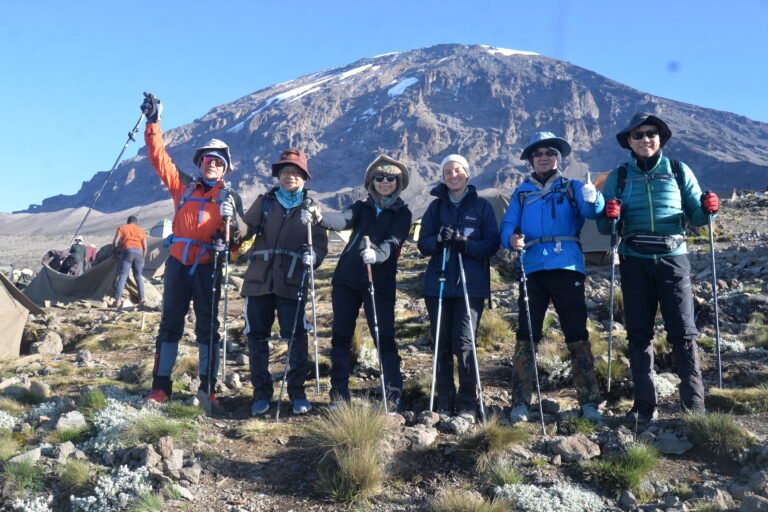
Kilimanjaro Full Moon Climb 24 December – Group Trekking 2026
Kilimanjaro Full Moon Climb 24 December 2026 – Group Trekking.
View package details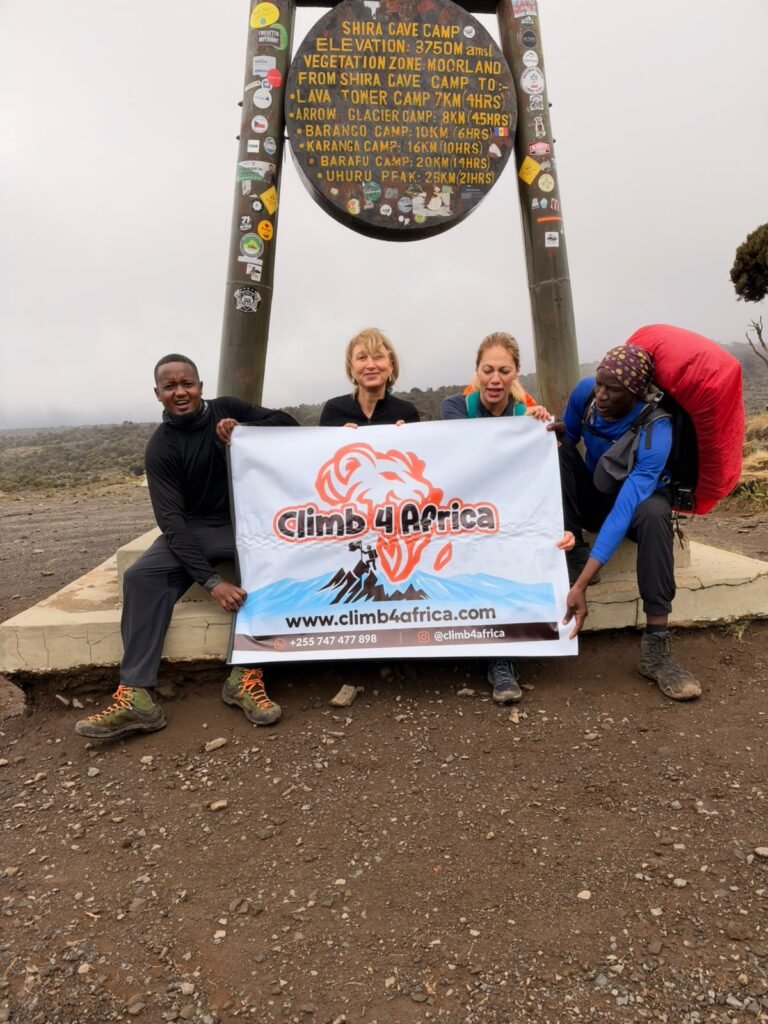
December 4, Kilimanjaro Budget Trekking With Shared Group
December 4, 2026 Kilimanjaro Budget Trekking with Shared Group.
View package details9 Days Northern Circuit Kilimanjaro Full Moon Climb – 17–25 December 2026
9 Days Northern Circuit Kilimanjaro Full Moon Climb – 17–25 December 2026.
View package details9 Days Northern Circuit December – Kilimanjaro Climb 2026
9 Days Northern Circuit December 2026 – Kilimanjaro Climb.
View package details9 Days Northern Circuit Kilimanjaro Christmas Climb – 18–26 December 2026
9 Days Northern Circuit Kilimanjaro Christmas Climb – 18–26 December 2026.
View package details7 Days Machame Route Christmas Kilimanjaro Group Trek 2026
7 Days Machame Route Christmas Kilimanjaro Group Trek 2026.
View package details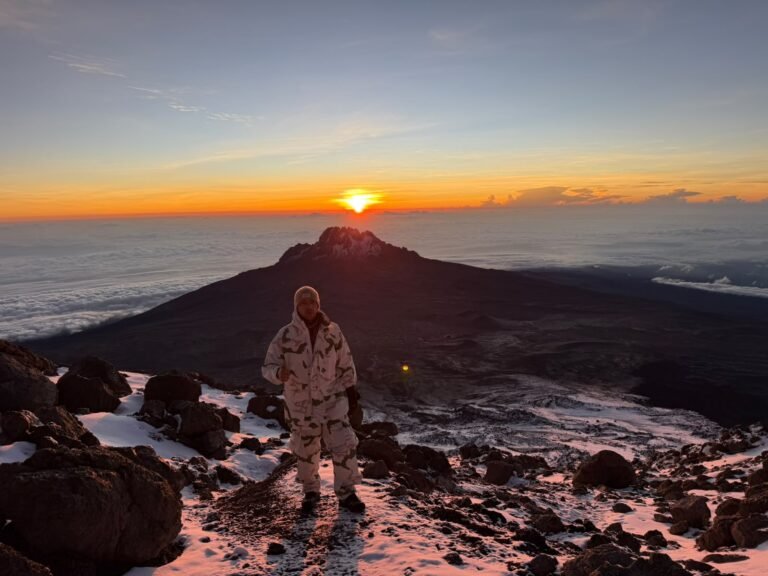
10 Days Northern Circuit Kilimanjaro Christmas Holiday Trek – 21–30 December
10 Days Northern Circuit Kilimanjaro Christmas Holiday Trek – 21–30 December 2026.
View package details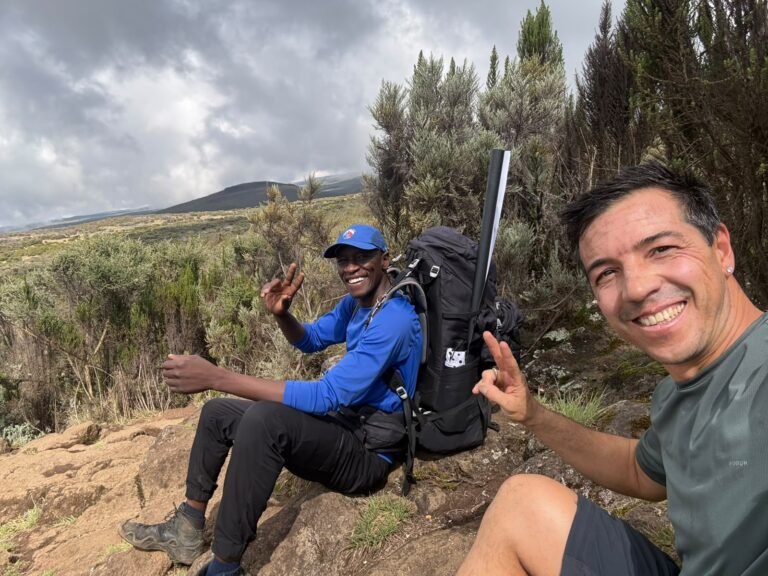
6 Days Marangu Kilimanjaro Group Hiking – 9–14 December 2026
6 Days Marangu Kilimanjaro Group Hiking – 9–14 December 2026.
View package details
5 Days Marangu Route Kilimanjaro Group Climb – 8–12 December 2026
5 Days Marangu Route Kilimanjaro Group Climb – 8–12 December 2026.
View package detailsNo related package matches those filters. Clear one or more filters to see the other topic-matched options.



