
The exact 7 Days Rongai Kilimanjaro Group Trekking schedule for 9–15 December 2026 is subject to confirmation by Climb 4 Africa. At present, confirmed departures, group spaces, and daily pacing depend on operator updates. This installment provides a bookable framework: a day-by-day Rongai route sequence, acclimatisation logic, and what to expect from logistical steps. For guaranteed dates, prices, and spaces, contact Climb 4 Africa to request verified availability.
7 Days Rongai Kilimanjaro Group Trekking – 9–15 December 2026: context and purpose
This first installment centers the journey itself as a bookable plan rather than a generic overview. The Rongai route approaches Kilimanjaro from the northeast, skirting less-traveled terrain and offering a gradual ascent with reliable acclimatisation. The 7-day structure balances daily elevation gains with rest and adaptation, aiming to reach Uhuru Peak with a safety-focused pace. In this edition we outline a day-by-day flow, the rationale behind camp locations, and the practical considerations for a group trekking experience run by Climb 4 Africa, a Tanzanian travel company known for Kilimanjaro climbs, wildlife safaris, and tailor-made itineraries. As you read, note where dates, spaces, and inclusions require confirmed operator details and where this plan acts as a transparent, request-based blueprint for booking.
Day-by-day itinerary: Day 1 to Day 7
The following sequence follows the Rongai route’s typical progression for a seven-day ascent. It is designed to be actionable for travelers who are comparing bookable departures and seeking a clear flow from arrival to summit attempt and return. Exact lodging, transfer timings, and night-by-night accommodations are dependent on the live itinerary offered by Climb 4 Africa for 9–15 December 2026 and should be confirmed before booking.
Day 1 — arrival to Moshi or Arusha, transfer to Rongai gate
Most Rongai treks initiate with a domestic transfer from Kilimanjaro airport or Arusha/Moshi to a Rongai gate access point. The day focuses on brief acclimatisation to altitude and the final pre-trek briefing. You’ll receive climbing permits, meet your guide team, and check equipment readiness. Expect a gentle day of travel to the foothills, followed by a preparatory dinner and an early night in camp or lodge near the gate. The aim is to minimize fatigue and set a conservative baseline for elevation gains in the days ahead.
Day 2 — Rongai Gate to Simba Camp (approx. 5–6 hours, 1,600–2,400 meters ascent)
The first full trekking day on the Rongai route typically traverses woodlands as you gain altitude. The route climbs gradually, offering familiarization with the pace recommended for acclimatisation. Expect a mix of shaded paths and open moorland as you approach Simba Camp. Even in this early stage, pace is crucial: many climbers find comfort in a steady rhythm rather than rushing to high ground. Evening briefing and meals are designed to replenish energy for the following day’s higher elevations.
Day 3 — Simba Camp to Second Cave or Kikelewa Camp (approx. 4–5 hours, 600–1,000 meters ascent)
Day 3 continues the acclimatisation-friendly ascent with shorter daily mileage, allowing your body to adapt to the increasing altitude. The landscape shifts toward heath and moorland with occasional rocky sections. Group dynamics in a Rongai group trek matter here; your guide will monitor individual pacing and ensure that slower walkers are supported. The camp location offers an opportunity to hydrate well, perform light stretches, and prepare mentally for continued ascent.
Day 4 — Second Cave to Mawenzi Tarn Hut (approx. 4–5 hours, 600–900 meters ascent)
As you edge closer to higher camps, Day 4 features a steady climb with incremental gains that remain within acclimatisation-friendly limits. Mawenzi Tarn Hut is frequently a staging point for the next segment toward the summit ridge, and the day’s terrain may include short exposed sections. A proper hydration routine and careful pacing help maintain energy balance for the day’s elevations, with time set aside for rest breaks and scenic viewpoints.
Day 5 — Mawenzi Tarn Hut to School Hut (approx. 4–6 hours, 500–900 meters ascent)
Day 5 marks a transitional day toward the upper camp zone. The route typically remains manageable in terms of steepness while offering expansive views of the crater rims. Sleep is essential for overall performance; anticipate a fairly level trekking day punctuated by occasional ascents and a focus on consistent breathing and steady steps. Evening briefings cover weather considerations, route conditions, and the plan for the final push in the early morning hours of Day 6.
Day 6 — School Hut to Kibo Peak Summit and down to Horombo or Mandara Camp (variable pacing)
The summit attempt on Day 6 is the critical moment. Climbers begin very early to reach the crater rim near Gillman’s Point or Uhuru Peak depending on fitness and acclimatisation. The ascent requires careful pacing, frequent hydration, and a controlled workload. After summiting, the descent proceeds to a lower camp for rest and recovery. This day tests endurance, and the group’s cohesion—encouraging respectful pacing for slower members while maintaining momentum for those ready to push ahead.
Day 7 — Horombo/Mandara Camp to Moshi/Arusha: return and celebration
The final day wraps up with a descent to the park gate and onward transfers to your hotel or airport. After a successful summit, climbers often take time to decompress, celebrate, and reflect on the journey. This day is also a key logistics check: luggage collection, equipment returns, and arranging post-trek activities if your schedule allows. The overarching aim is a safe, fulfilling completion of the seven-day Rongai Kilimanjaro experience with fellow trekkers who shared the journey.
Route logistics and practical considerations
When evaluating a 7 Days Rongai Kilimanjaro Group Trekking itinerary for December, several practical factors deserve close attention. The Rongai route is known for being slightly less crowded than the Northern Circuit or Machame routes, which can influence group dynamics, transport arrangements, and pace options. Important considerations include altitude acclimatisation protocols, daily mileage flexibility
New question explored: How does the 7 Days Rongai Kilimanjaro Group Trekking itinerary handle acclimatisation and daily pacing on each day from arrival to summit and descent?
The 7 Days Rongai Kilimanjaro Group Trekking itinerary for 9–15 December 2026 builds acclimatisation directly into the day-by-day progress, using the Rongai route’s natural progression from forested lower slopes to high moorland and alpine zones. The approach prioritises steady elevation gain, frequent short rests, and strategic acclimatisation delays to optimise safety and performance without sacrificing the overall seven-day frame.
On Day 1, the group arrives and transfers set the tone for a measured ascent. The initial day is not a full trek but a prelude to altitude for the body to begin adjusting to Tanzania’s highland environment. Participants typically experience mild fatigue from travel and can take advantage of a light afternoon briefing and a short acclimatisation walk around Moshi or Arusha if time allows. This gentle activity primes the body for the longer, elevation-focused days ahead while helping the lungs adapt to higher working thresholds.
Day 2 frames the first real trekking segment and introduces controlled ascent through woodland habitats. The elevation gain on this day is deliberately structured to introduce new oxygen demands without overwhelming climbers. Guides monitor pace closely, with sustainable walking strides and regular hydration. The group will likely stop for rests at shaded clearings and project viewpoints, enabling climbers to acclimatise gradually to altitude increases up to roughly 2,400 meters above the starting point. This measured climb also serves as a mental and physical benchmark, allowing participants to gauge their stamina and group dynamics early in the journey.
Mid-trek, Day 3 continues the acclimatisation strategy with a shorter mileage relative to Day 2, while still maintaining steady upward movement. The route transitions into heath and moorland, with occasional rocky sections that gently challenge balance and footwork. The shorter day length helps reduce fatigue accumulation, while the increased exposure to open air fosters better adaptation to thinner air. At Simba Camp or the vicinity of Second Cave, climbers have a chance for a solid night’s rest essential for Day 4’s higher camp transition.
Day 4 marks a pivotal acclimatisation step: moving from Second Cave into Mawenzi Tarn Hut. Although the ascent remains steady, the higher elevation requires increased attention to breathing patterns and hydration. The group typically encounters more exposed terrain and cooler temperatures, which can affect perceived exertion. Guides emphasise a controlled pace with longer rest breaks when needed, ensuring participants do not push too hard early in the altitudinal climb. This stage reinforces the body’s ability to process less oxygen while retaining energy reserves for the toughest segments ahead.
On Day 5, the trek moves toward School Hut with another acclimatisation-forward objective. The route’s average daily gain settles into a familiar range, but the overall altitude remains a training test for the body’s adaptation. With a combination of gradual ascents and occasional flatter stretches, trekkers consolidate the day’s gains while gradually approaching the upper camps. Evening briefings underscore the importance of consistent breathing, pacing, and a robust hydration routine to maintain energy ahead of the summit push on Day 6.
Day 6 brings the summit push and the most demanding portion of the itinerary. The early start angle is designed to catch the cooler hours when winds are milder and temperatures more tolerable. Climbers focus on maintaining a steady, shallow breathing rhythm, short but frequent rest breaks, and a conservative pace to ensure the group remains cohesive and within safe exertion limits. The descent to Horombo or Mandara Camp afterward requires careful energy management, as fatigue can affect form and safety on the steeper return sections. Guides emphasise buddy systems and pacing that respects those still in the acclimatisation window while supporting climbers pressing onward toward Uhuru Peak. This day is the culmination of the acclimatisation logic embedded across the plan, translating gradual altitude gains into a successful summit attempt without compromising safety.
Day 7 completes the journey with descent and post-climb recovery. The group moves from Horombo or Mandara Camp to the park gate and then to Moshi or Arusha. The physical work has diminished, but the body continues to recover from the high-altitude exertion. A celebratory tone is common as climbers share reflections on the climb, review personal achievements, and prepare for onward travel or safaris. The day also functions as a practical logistics check: equipment return and luggage collection, with optional options for post-trek activities if the schedule allows. This final day reinforces the expedition’s completion while ensuring the acclimatisation benefits endure through the travel back home or to additional adventures.
In sum, the 7 Days Rongai Kilimanjaro Group Trekking itinerary deliberately structures daily mileage, elevation, and rest to optimise acclimatisation and safety. By spreading altitude gain across the week, maintaining shorter early days, and balancing ascent with higher camp transitions, the plan supports a successful summit attempt without forcing rapid exposure to extreme elevations. The approach aligns with best practices in high-altitude trekking, emphasising gradual adaptation, steady pacing, and group cohesion as the backbone of a memorable Rongai route experience.
Unanswered question addressed: How does the 7 Days Rongai Kilimanjaro Group Trekking itinerary handle acclimatisation and daily pacing on each day from arrival to summit and descent?
The seven-day Rongai route balances gradual altitude gain with purposeful rest periods to maximise acclimatisation while maintaining a feasible daily pace. This approach is embedded in the day-by-day progression but deserves a closer look to understand how each segment contributes to safe ascent and a successful summit push.
From arrival through Day 1, the itinerary purposefully limits heavy exertion. After the group lands in Moshi or Arusha, the transfer to the Rongai gate area includes a light trek to gently introduce higher-elevation air and set a baseline for breathing efficiency. This initial movement is less about distance and more about establishing a rhythm: controlled, shallow breaths, frequent pauses, and careful hydration. This early acclimatisation frame is essential because it prevents the shock of abrupt altitude gain once the trail enters the forested sections along Day 2.
Day 2 — Rongai Gate to Simba Camp begins with a gradual ascent through pine and afro-alpine woodlands. The day is elongated but deliberately paced; climbers typically encounter a steady, moderate incline interspersed with breaks at scenic viewpoints. The rationale: starting acclimatisation early, before cumulative elevation gain accelerates, reduces the risk of altitude symptoms. The camp sits at a modest altitude for the first high camp, giving bodies time to adapt while still building momentum for the higher elevations ahead. Guides monitor the group for signs of fatigue or mild headaches, adjusting pace or allowing short rests where needed to keep the group cohesive and comfortable.
Day 3 — Simba Camp to Second Cave or Kikelewa Camp continues the acclimatisation logic with a shorter mileage compared to Day 2 but a modest elevation gain. This shorter distance serves as a controlled stress test for the body: it pushes altitude a little higher while not exhausting the group. The heath and moorland transition after the forested section is a natural cue for the body to adapt, with regular hydration and a strategic food intake plan to maintain energy. If any member shows early signs of altitude discomfort, guides might introduce a brief extra rest stop or slow the tempo to ensure no one is overextending themselves. The group dynamics are crucial here; staying together helps maintain a social cue that safety and pacing remain higher priorities than sprinting toward camp.
Day 4 — Second Cave to Mawenzi Tarn Hut marks a progressive climb that continues to respect acclimatisation windows. At this stage, the elevation profile remains within what clinicians and experienced guides consider a safe daily ascent for most healthy climbers. The route’s higher camps begin to offer a reminder that sleep quality becomes a critical factor in adaptation. Mawenzi Tarn Hut acts as a reliable staging area for the more strenuous segments ahead, and its location allows climbers to practice deep, rhythmic breathing exercises that reduce anxiety and improve oxygen use in the blood. A short, early-afternoon rest period often accompanies the move, enabling regeneration of energy reserves for the next day’s later ascent toward School Hut.
Day 5 — Mawenzi Tarn Hut to School Hut continues the pattern of controlled ascent with a focus on energy management. The distance covered is designed to keep the daily altitude gain within the stated ranges, while the exposure to higher elevations remains within acclimatisation-friendly margins. The group enjoys expansive views of crater rims and, critically, the opportunity to practice steady nutrition and hydration strategies. Sleep quality remains central; guides emphasise warm layers and appropriate rest in preparation for the upper-stage camps. The pacing is calibrated to prevent a late-afternoon crash, ensuring climbers finish the day with enough energy to maintain form for the summit push ahead.
Day 6 — School Hut to Kibo Peak Summit and down to Horombo or Mandara Camp represents the decisive window for the ascent. The early start window is chosen to exploit cooler temperatures and lower winds, which makes a meaningful difference in oxygen efficiency and perceived exertion. Pacing here prioritises a shallow breathing rhythm, frequent micro-pauses, and a steady tempo that keeps the group within a sustainable exertion envelope. The cliff-face sections near Gillman’s Point or the lower portions of Uhuru Peak require precise energy management; guides typically instruct to move as a tight unit, with a buddy system that prompts check-ins on each climber’s condition. The descent to Horombo or Mandara Camp demands a separate energy strategy: fatigue management, careful footing on rocky stretches, and rehydration to finish with minimal after-effects of altitude exposure. The acclimatisation plan reaches its practical apex on Day 6, translating careful altitude gains into a confident summit attempt without compromising safety.
Day 7 — Horombo/Mandara Camp to Moshi/Arusha completes the journey with descent and post-climb recovery. While the physical demand drops dramatically on the final day, the body continues to recover from high-altitude exertion. The pace is mellow, and the emphasis shifts to rehydration, nutrition, and restoration of energy stores. This day also functions as a practical logistics checkpoint: equipment return, luggage handover, and an opportunity to reflect on the climb. For many climbers, the social cohesion built across the week becomes the lasting memory as they celebrate the achievement together and plan onward travel or safaris. The day supports psychological recovery as well, helping translate the high-adrenaline night of the summit push into a sense of closure and satisfaction.
This carefully structured progression—shorter first days, then gradual elevation gains with consistent rest intervals—embeds acclimatisation into the rhythms of the trek. By distributing altitude exposure across seven days, the Rongai itinerary reduces the probability of acute mountain sickness and supports better oxygen utilisation during the critical summit push. The practical implication for travelers is clear: expect a pace that prioritises health over speed, with flexible adjustments offered by experienced guides to ensure that the group remains cohesive and safe while maximizing the chance of a successful and enjoyable climb.
Departure schedules, prices, and spaces for 9–15 December 2026 are subject to confirmation by Climb 4 Africa. For verified availability, confirmed pacing details, and inclusions specific to the 7 Days Rongai Kilimanjaro Group Trekking, travelers should request a live itinerary from the operator. This article presents the intended framework as a transparent blueprint to compare against live offers, rather than guaranteeing unconfirmed specifics.
Related Guides and Packages
Check Availability for 7 Days Rongai Kilimanjaro Group Trekking – 9–15 December 2026
Ready to compare dates, prices, and the best option for your group? Send the package name and travel month so the team can reply with a clear quote, availability, and what is included.
9 Days Northern Circuit Kilimanjaro Group Trek – 7–15 December 2026
9 Days Northern Circuit Kilimanjaro Group Trek – 7–15 December 2026.
View package details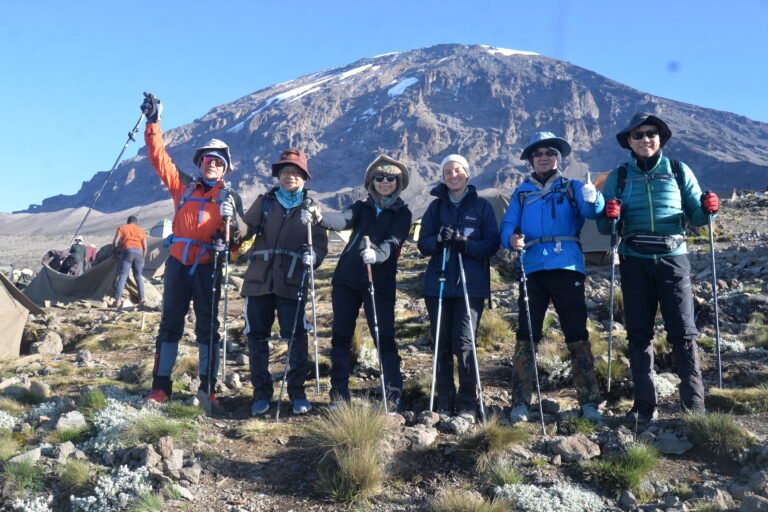
Kilimanjaro Full Moon Climb 24 December – Group Trekking 2026
Kilimanjaro Full Moon Climb 24 December 2026 – Group Trekking.
View package details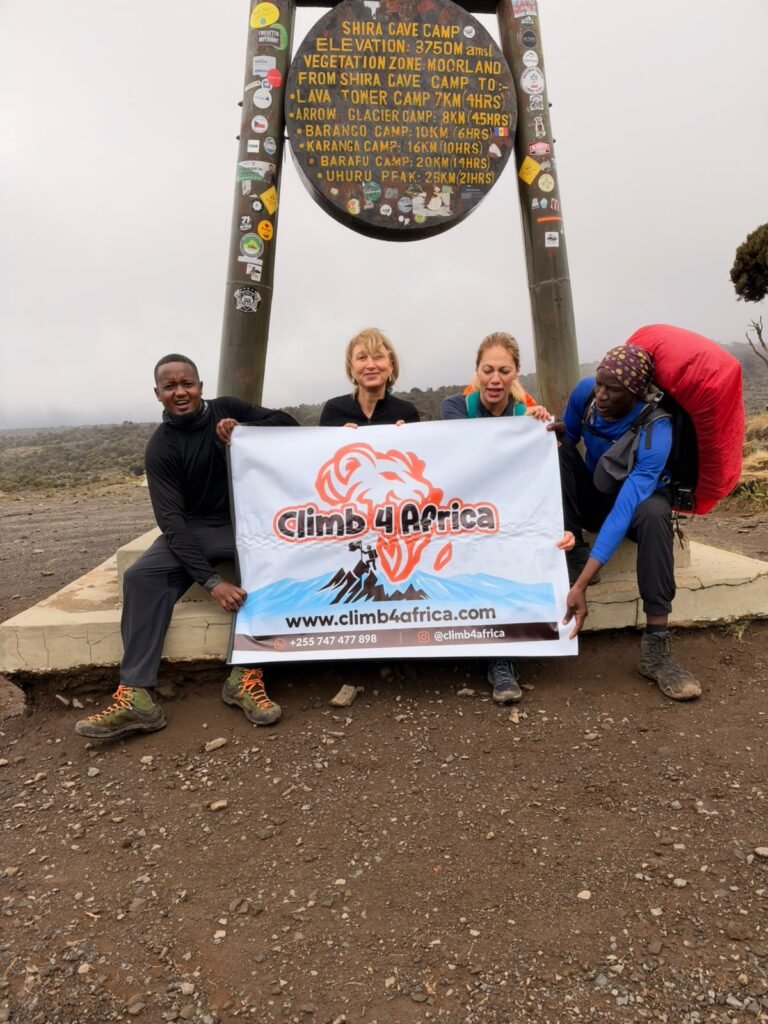
December 4, Kilimanjaro Budget Trekking With Shared Group
December 4, 2026 Kilimanjaro Budget Trekking with Shared Group.
View package detailsKilimanjaro Group Hiking In December – Dates And Prices 2026
Kilimanjaro Group Hiking in December 2026 – Dates and Prices.
View package details
6 Days Marangu Kilimanjaro Group Hiking – 9–14 December 2026
6 Days Marangu Kilimanjaro Group Hiking – 9–14 December 2026.
View package details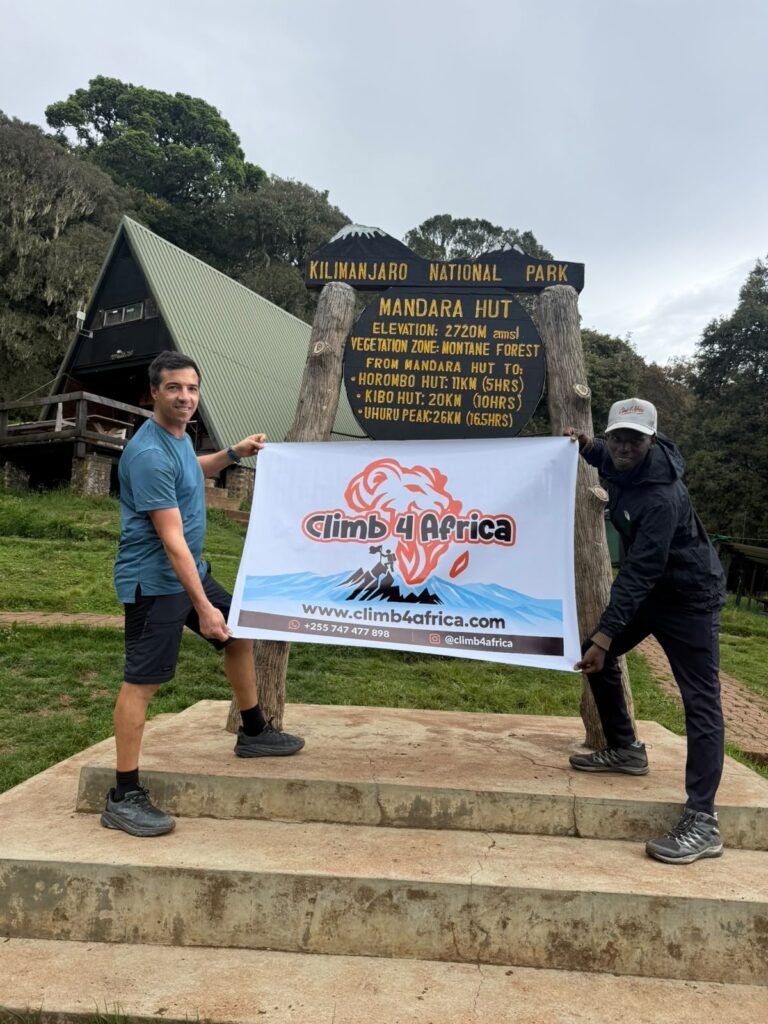
5 Days Marangu Route Kilimanjaro Group Climb – 8–12 December 2026
5 Days Marangu Route Kilimanjaro Group Climb – 8–12 December 2026.
View package details
Climb Kilimanjaro In Budget 12-December-2026, Join Group 2027
climb kilimanjaro in Budget 12-december-2026, Join Group.
View package detailsClimb Kilimanjaro In 12-December-2026, Small Group in 2027
climb kilimanjaro in 12-december-2026, Small Group.
View package details8 Days Shira Route Kilimanjaro Trekking – 4–11 December 2026
8 Days Shira Route Kilimanjaro Trekking – 4–11 December 2026.
View package details9 Days Northern Circuit Kilimanjaro Trekking – 13–21 December 2026
9 Days Northern Circuit Kilimanjaro Trekking – 13–21 December 2026.
View package details7 Days Umbwe Route Kilimanjaro Trekking – 4–10 December 2026
7 Days Umbwe Route Kilimanjaro Trekking – 4–10 December 2026.
View package details7 Days Rongai Kilimanjaro Christmas Trek – 20–26 December 2026
7 Days Rongai Kilimanjaro Christmas Trek – 20–26 December 2026.
View package detailsNo related package matches those filters. Clear one or more filters to see the other topic-matched options.



