
The Kilimanjaro climbing cost for December 2026 varies by operator and itinerary, but you can expect verified group tour prices to cover park fees, guides, rescue, meals, and tents, while private climbs add dedicated guides and more flexible scheduling. For December 2026, confirm current group spaces and an exact package with your chosen operator as availability and inclusions change by date and route.
Climbing Kilimanjaro remains a costly but highly mapped experience, especially for December 2026 when demand blends with the dry season window. The exact Kilimanjaro climbing cost for December 2026 depends on multiple components: the length of the trek (commonly 6–9 days), the route chosen (for example, Rongai, Shira, Northern Circuit, or Marangu variations), the level of service (group versus private), and the inclusions you expect in your package. In the most transparent and current scenarios, a published Kilimanjaro climbing cost for December 2026 should itemize park fees, all meals and drinking water, tented camps or lodging, guiding staff, rescue fees, and equipment use. It should also specify what is not included, such as international flights, Tanzania entry visas, tipping guidelines, and personal gear.
How to interpret Kilimanjaro climbing cost for December 2026
Read the Kilimanjaro climbing cost for December 2026 as a bundle: the base trek price plus mandatory costs and optional extras. In this context, group departures tend to offer lower per-person costs due to shared guiding and logistics, while private climbs provide more scheduling flexibility and a higher price tag but with a single, tailored itinerary. When you request a quote, you should see a line-item breakdown that includes park fees, camping or lodge accommodations, meals, guides and porters, transportation to and from the gate, rescue and evacuation coverage, and compulsory gear rental if applicable.
Key components typically included in verified Kilimanjaro climbing cost
- Park entry and rescue fees (Kilimanjaro National Park fees, conservation fees)
- Guides, cook, and porters (allocation per climber varies by route and group size)
- Food and drinking water for the duration of the trek
- Camping gear or lodge accommodations along the route, depending on itinerary
- Transportation to and from the airport and to trailheads as specified
- Supporting services like emergency communication and first-aid supplies
Exclusions commonly listed but worth confirming include international flights, Tanzania visa fees, travel insurance, tips for staff, and any personal gear purchases or rental that is not explicitly included. Because Kilimanjaro climbing costs can shift with park fee changes, currency fluctuations, or operator policy updates, always request a formal, written quote for December 2026 that itemizes inclusions and exclusions before committing.
Group versus private tours: how the Kilimanjaro climbing cost compares
Group departures generally spread fixed costs across more climbers, yielding lower per-person prices. This includes guides, cook, porters, and vehicle support, as well as shared camping gear or dorm-style lodging. Private climbs, on the other hand, allocate those resources to your party alone, which increases the per-person cost but delivers more scheduling flexibility, tighter control over pace, and the possibility of skipping certain supplementary stops if you prefer. In December 2026, a typical group package might present a lower baseline Kilimanjaro climbing cost than a private itinerary, assuming similar route length and amenities. The precise price difference will depend on group size, route choice, and the operator’s staffing model for that window.
What to verify in your Kilimanjaro climbing cost quote for December 2026
Whenever you receive a Kilimanjaro climbing cost quotation for December 2026, check for these critical items to avoid hidden charges later:
- Exact route and daily itinerary, including the number of trekking days and rest days
- Comprehensive breakdown of park fees and conservation costs
- Accommodation type (camping versus lodge) and the number of nights included
- Guides-to-climbers ratio and porters assigned per climber
- Gear inclusions (tents, mattresses, rescue gear) and what you must bring or rent
- Porter and staff tipping guidelines and total expected tips
- Meal plans, drinking water, and any special dietary accommodations
- Transport arrangements between arrival airport and the trailhead, including any domestic flights if used
- Travel insurance requirements or recommendations
- Cancellation policies and refund terms, especially for December 2026 schedules
Climb 4 Africa, as a Kilimanjaro expert operator, provides detailed itineraries and verified availability through its December 2026 updates. If you are considering a Kilimanjaro climb in December 2026, reviewing the operator’s published group departures versus private tours, and requesting a tailored quote that reflects your group size and preferred route, will give you a solid basis for comparison.
December 2026 realities: scheduling, routes, and availability
December 2026 sits within Kilimanjaro’s peak dry-season window, which typically brings clearer skies and more stable trekking conditions. This is a time when operators often publish a mix of group departures and private climbs. However, since the exact Kilimanjaro climbing cost for December 2026 depends on real-time availability and route-specific logistics, confirmation is required for any particular departure. If you need a precise schedule, departure dates, and spaces for December 2026, contact Climb 4 Africa directly or consult their updates on Kilimanjaro December 2026 Group Departures and Availability.
How to prepare a verified quote request for December 2026
To obtain a verified Kilimanjaro climbing cost for December 2026 from Climb 4 Africa or any operator, prepare a concise brief that includes: desired route (e.g., Shira, Rongai, Northern Circuit, or a combination), intended group size, preferred start date window in December 2026, whether you want a group or private arrangement, and any special dietary or accessibility needs. Share this with the operator and request a formal written quote that itemizes inclusions, exclusions, and any optional extras. If an exact day-by-day itinerary is part of the package, ensure it matches the promised sequence and distance expectations for that route.</p
Bringing clarity to December 2026 Kilimanjaro cost dynamics: a closer look at group and private departures
As you refine your plan for climbing Kilimanjaro in December 2026, the most practical guidance centers on how cost structures flex with route choice, group size, and the level of customization. The remaining unanswered facet readers often need is a concrete, evidence-based interpretation of how exact price components shift between group and private departures when schedules become real and bookings open. This section delves into these subtleties, building on the established framework that December 2026 costs arise from a bundle of mandatory fees plus the chosen service level, while staying grounded in verified operator practices and the realities of high-demand dry-season departures.
Two core questions underpin most readers’ decision-making: how much more does a private Kilimanjaro climb cost versus a group departure in December, and what tangible benefits justify the premium in a December window that is both popular and capacity-constrained? The answer lies not in broad stereotypes but in the specific inclusions that accompany each booking. In December, group departures typically offer the lowest per-person rates because fixed logistics—vehicle transfers, gate handling, shared camping gear, and a common support team—are amortized across more climbers. Private climbs, conversely, command a premium for prioritizing scheduling flexibility, personalized itineraries, and dedicated guides, with a direct impact on day-by-day pacing, rest opportunities, and accommodations chosen to match a private group’s preferences.
From a cost-structure perspective, the December 2026 Kilimanjaro price for group departures tends to assemble around the same category of line items: park entry and rescue fees, guides, cooks, porters, meals, drinking water, and camping gear or lodge accommodations, plus transport between the gateway and trailhead. The key difference is the allocation: per-person charges for guides and porters are typically reduced in large groups, and shared equipment reduces the need for each climber to rent individual gear. For private climbs, the same base components are present, but the calculation shifts: the operator assigns a private guide and dedicated porters—often with a higher Guides-to-Climbers ratio, which ensures privacy of the itinerary and may translate into higher daily mileage control and more rest opportunities. In practice, a private departure will show a visibly higher line item for the guide and porter allocation, reflecting exclusive service, plus sometimes a private vehicle or tailored transfer plan that aligns with a chosen start date window within December.
Seasonal constraints also shape availability and inclusions. December sits near the end of the long dry season, a period when operators publish a mix of group departures and private climbs. The high demand in December can influence space allocation, with group departures occasionally filling quickly for popular routes such as the Northern Circuit or Rongai variation, while private climbs may experience longer lead times as operators finalize tailored itineraries. Given this, readers should expect that confirmed December 2026 schedules require direct inquiry for exact dates, route options, and available spaces. Any published price should be treated as a baseline that reflects standard inclusions and shared logistics; a verified quote will specify the exact day-by-day itinerary, route length, rest days, and the precise gear and lodging arrangements for that departure window.
Another practical facet concerns what is truly flexible in December: the route mix. Some operators offer a combination of standard six- to nine-day itineraries across different paths (Shira, Rongai, Northern Circuit, or Marangu variations). In a December 2026 context, a group departure running on a fixed route (for example, Rongai) can provide strong value through consistent guide teams, shared meals, and a predictable pace. A private climb, in contrast, can accommodate a more custom schedule—perhaps incorporating a shorter acclimatization phase or an extended acclimatization rest day if the traveler’s health and preferences warrant it. The price signals around these choices are not arbitrary; they mirror the real-world cost of guaranteeing flexibility, safer logistics, and a personalized experience that December demand patterns necessitate.
To translate these dynamics into actionable planning, prospective climbers should request a verified December 2026 quote that clearly delineates: the exact route and daily itinerary, the number of trekking days and rest days, the specific park-entry and rescue fees, the allocation of guides, cooks, and porters, the type and number of tents or lodging packages, meals and drinking water provisions, transportation arrangements (gate-to-trailhead and any domestic flights if used), gear rental, tipping guidelines, travel insurance requirements, and any cancellation terms tied to December departures. The quote must also disclose what is not included, such as international flights, Tanzania visas, and personal gear, to prevent hidden charges later. In December, once a quote is received, you can compare apples-to-apples: a group quote with shared logistics versus a private quote with exclusive service, then weigh the value of scheduling flexibility against the incremental cost.
The “new” practical question readers may still have is how to assess the real-world impact of these differences on total expenditure and trip experience, given that December 2026 schedules are not yet published in a single universal timetable. The recommended approach is to engage directly with operators, requesting a tailored, written quote that itemizes every line item and confirms the exact inclusions for your chosen route and departure window. Operators like Climb 4 Africa provide updates on December 2026 group departures and availability; requesting a structured quote from such sources will yield a precise comparison framework—enabling you to see precisely how much group participation reduces cost per climber and how much more a private arrangement costs for the same route, while also revealing any December-specific surcharges or inclusions unique to that month.
In short, December 2026 Kilimanjaro cost dynamics hinge on the balance between shared versus dedicated service tiers, the chosen route, and the exact inclusions disclosed in a verified quote. The most relevant unanswered question—how the specific day-by-day costs break down in real December availability for a given route and group size—remains resolvable only through operator-provided, written quotes. Until you have those, the best practice is to use the framework outlined above to understand the components, anticipate common differences between group and private offerings, and prepare precise inquiry requests that yield apples-to-apples comparisons.
Booking decision takeaway: when you receive a December 2026 Kilimanjaro quote, scrutinize the daily itinerary to confirm the number of trekking days and rest days, the exact accommodations (camping tents or lodges), the per-person share of guides and porters, and the transport logistics. A well-formed quote will translate into a transparent total cost with predictable daily pacing, enabling you to choose the option that most closely aligns with your budget and your desired climb experience for December 2026.
Unanswered question: How do December 2026 group and private Kilimanjaro climbs translate into real, day-by-day costs and risk-adjusted value?
Readers often find the sticker price alone insufficient to gauge value when planning a Kilimanjaro ascent in December 2026. The practical question that remains most valuable is how the daily cost structure plays out for group versus private departures, and how these line items interact with route choice, weather variance, and logistical contingencies. While operators provide once-and-for-all line items in quotes, the true cost-to-value picture emerges only when you map each day’s services to the corresponding expense and risk mitigation, then compare apples to apples across options.
To unpack this, start by isolating the core daily components that repeatedly show up in December 2026 Kilimanjaro quotes, whether you climb via Rongai, Shira, Northern Circuit, or Marangu variants. In a group departure, fixed costs—guides, cooks, porters, vehicle support, base camping gear, and park logistics—are distributed among more climbers. The day-by-day costs therefore reflect a lower per-person share for these elements, but you’ll still encounter line items that are sensitive to group size, such as porters per climber, meal quantities, and shared tents. In a private climb, these same categories exist but are scaled to a single booking, which raises the per-day cost but grants influence over pacing, rest days, and contingency planning. The key is to connect the dots between the daily itinerary and the corresponding service levels, rather than focusing solely on the overall price.
Consider a representative, non-prescriptive breakdown that operators typically present in December 2026 quotes, with the caveat that exact numbers vary by route, operator, and group size. A group departure may itemize: park fees allocated per trekking day, daily meals (breakfast, lunch, dinner, and snacks), drinking water, shared camping gear and tents, a team of guides and porters allocated to the group, daily transport from gate to trailhead, and a shared rescue and evacuation plan included in the base price. The private itinerary preserves the same categories but allocates them on a one-to-one basis or per-climber, often accompanied by a dedicated lead guide, private cook, and the option to customize rest days or acclimatization days to suit personal pacing. December 2026 pricing calendars typically reflect minimal differences in critical inclusions between group and private options, but the marginal cost of private customization—such as extra acclimatization time, a private chef, or additional private porter support—can significantly affect the final figure.
In practical terms, the most valuable unanswered question readers face is the degree to which day-by-day costs shift with route and pace within December 2026, and how to verify that those shifts align with your risk tolerance and comfort expectations. You should be able to map each trekking day to a concrete expense: the guide-to-climber ratio for that day, the number of porters assigned, the sleeping arrangement (tents versus dorm setups), the meals offered, and any day-specific logistics like vehicle transfers or early starts to beat weather windows. When a quote provides a daily breakdown, you can identify where group dynamics reduce costs—such as economies of scale in guides and transport—and where private arrangements create value through scheduling flexibility, pre-arranged rest days, and tailored acclimatization pacing.
Let’s translate this into actionable guidance you can apply before you commit. First, request a day-by-day itinerary that includes: the exact route name, a daily schedule with estimated trekking hours, the number of guides and porters assigned per day, the nature of accommodations for each night (camping tents or lodge blocks), and the specific park stops and daily fees associated with those stops. Second, confirm how emergency coverage is structured on a day-by-day basis: is rescue included under the base price, or is evacuation coverage itemized as-needed? In December 2026, operators typically add a fixed rescue package, but it is essential to verify whether any special weather contingencies are covered or if extra fees could apply for rapid evacuation in remote sectors. Third, compare the per-climber contributions to the same service class across group and private options. For instance, if a given day includes a shared cook and three porters for six climbers in a group tour, the per-person cost for those services will differ from a private arrangement where a single climber may have a dedicated guide and a dedicated porter. Finally, insist on a transparency check: any optional equipment rental (thermal sleeping bags, gaiters, trekking poles), tipping guidelines, or park entry extensions should be itemized explicitly and offered as optional add-ons rather than rolled into a blanket daily rate.
Now, bring this framework into December 2026 decision-making: how do you value a scheduled pace against weather risk? December sits in the dry season and offers generally clearer trekking conditions, but short or unexpected weather events can still affect day length and rest days. A group itinerary that prioritizes a fixed pace to ensure all climbers reach the summit by a target window may reduce flexibility but can minimize the risk of a longer-than-anticipated ascent. A private itinerary, by contrast, can adjust day-by-day pacing in response to acclimatization signals, fatigue, or inclement weather, potentially reducing the risk of missed summit opportunities at the cost of higher daily charges. The real decision hinges on your tolerance for pacing rigidity versus personal customization, and on whether you value predictable budgeting over adaptive scheduling.
When evaluating December 2026 Kilimanjaro cost dynamics for group versus private departures, demand for seasoned operators with proven safety records becomes a primary risk comparator. In high-demand months, operators may consolidate available spaces into fewer group departures to preserve cost efficiency, while others may expand private slots to accommodate high-end clients seeking flexibility. The best practice is to obtain a verified, written quote that includes a hypothetical, but realistic, day-by-day cost map for both a representative group and a representative private itinerary for your preferred route. A side-by-side comparison should illuminate where the group model truly delivers savings—likely in shared guides and porters and possible bulk transport—versus where the private model adds value through bespoke pacing, lodging decisions, and the ability to adjust the schedule in response to acclimatization progress and weather patterns. Only with this level of detail can you determine which December 2026 option aligns with your budget, risk tolerance, and summit ambitions.
In sum, the most valuable follow-up question is not merely “What does December 2026 Kilimanjaro cost?” but “How do the day-by-day costs and service configurations of group versus private climbs translate into real-world value and risk management for my chosen route and start date in December 2026?” A precise, line-by-line quote that presents the daily allocation of guides, porters, meals, lodging, transport, and emergency coverage will empower you to weigh options with confidence, knowing you’re comparing apples to apples in a single, coherent framework. If you’re ready to proceed, request that operator quotes for December 2026 include this level of granularity, and use it to anchor your decision in tangible costs and anticipated experiences rather than abstract price points.
Booking enquiry call-to-action: If you’re aiming for December 2026, contact your preferred Kilimanjaro operator with a request for two detailed, written quotes: one reflecting a representative group departure with a fixed pace and shared services, and one reflecting a private climb with a dedicated itinerary. Ask for a day-by-day cost breakdown, the exact per-day services included, and the contingency provisions for weather-related delays. This will enable a precise apples-to-apples comparison, helping you choose the December 2026 Kilimanjaro option that matches your budget and your climb experience goals.
Related Guides and Packages
Check Availability for Kilimanjaro Climbing Cost December – Group And Private Tours 2026
Ready to compare dates, prices, and the best option for your group? Send the package name and travel month so the team can reply with a clear quote, availability, and what is included.
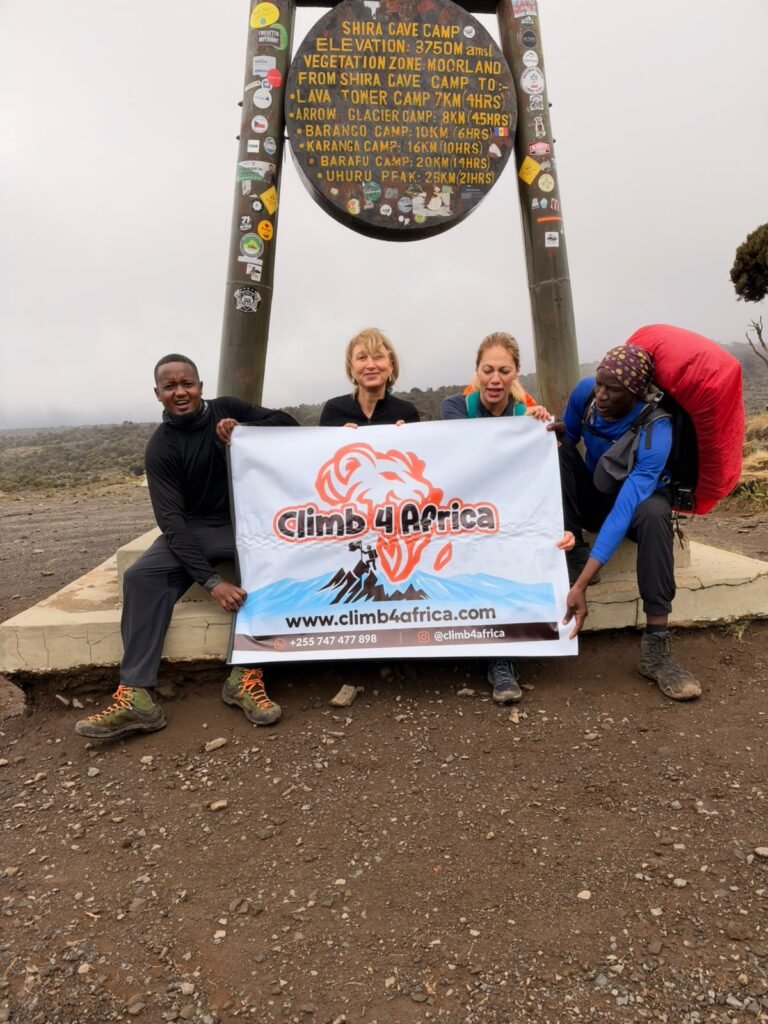
Kilimanjaro Private Climbing Tours December 2026
Kilimanjaro Private Climbing Tours December 2026.
View package details9 Days Northern Circuit Kilimanjaro Group Joining – 1–9 December 2026
9 Days Northern Circuit Kilimanjaro Group Joining – 1–9 December 2026.
View package detailsKilimanjaro Group Joining 27 December – New Year Summit 2026
Kilimanjaro Group Joining 27 December 2026 – New Year Summit.
View package detailsKilimanjaro December Group Departures And Availability 2026
Kilimanjaro December 2026 Group Departures and Availability.
View package details7 Days Shira Route Kilimanjaro Group Joining – 1–7 December 2026
7 Days Shira Route Kilimanjaro Group Joining – 1–7 December 2026.
View package details9 Days Northern Circuit Kilimanjaro Group Departure – 28 December – 5 January
9 Days Northern Circuit Kilimanjaro Group Departure – 28 December 2026 – 5 January 2027.
View package details6 Days Rongai Kilimanjaro Group Joining – 12–17 December 2026
6 Days Rongai Kilimanjaro Group Joining – 12–17 December 2026.
View package details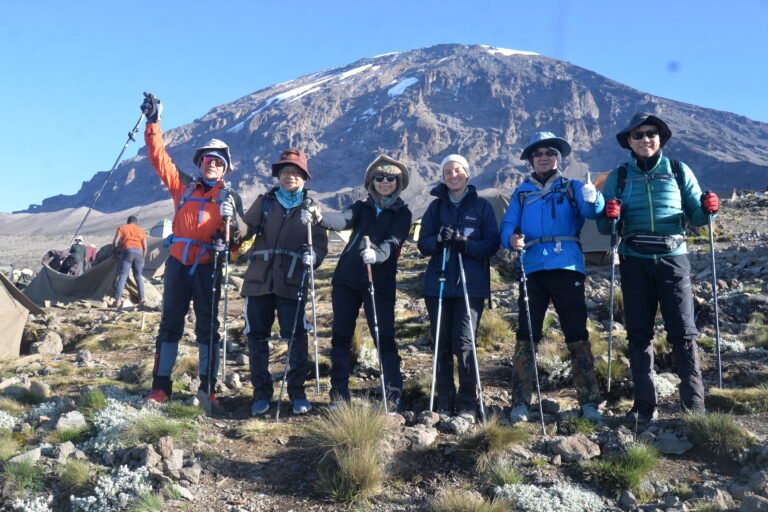
Kilimanjaro Full Moon Climb 24 December – Group Trekking 2026
Kilimanjaro Full Moon Climb 24 December 2026 – Group Trekking.
View package details
6 Days Marangu Route Kilimanjaro Group Departure – 16–21 December 2026
6 Days Marangu Route Kilimanjaro Group Departure – 16–21 December 2026.
View package details6 Days Marangu Route Kilimanjaro Group Joining – 1–6 December 2026
6 Days Marangu Route Kilimanjaro Group Joining – 1–6 December 2026.
View package details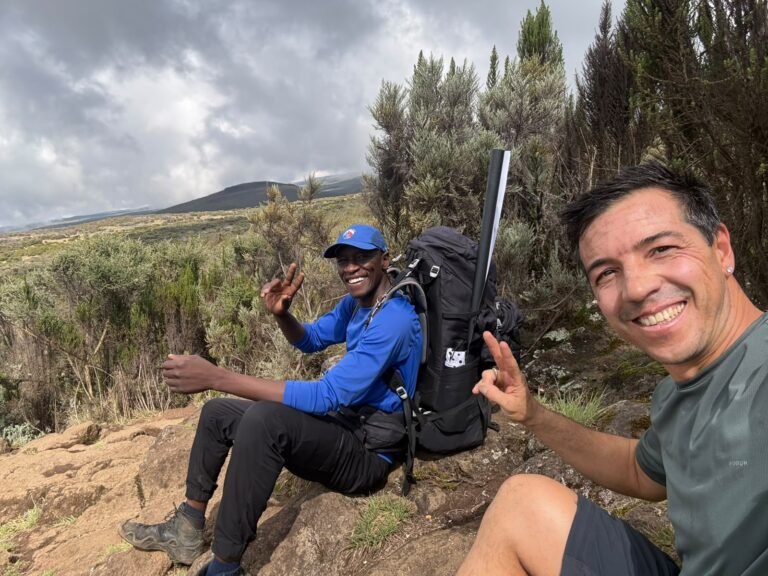
6 Days Marangu Kilimanjaro Group Hiking – 9–14 December 2026
6 Days Marangu Kilimanjaro Group Hiking – 9–14 December 2026.
View package details5 Days Marangu Route Kilimanjaro Group Climb – 8–12 December 2026
5 Days Marangu Route Kilimanjaro Group Climb – 8–12 December 2026.
View package detailsNo related package matches those filters. Clear one or more filters to see the other topic-matched options.



