
The 7 Days Umbwe Kilimanjaro Group Trek – 12–18 December 2026 is a bookable group ascent with a defined seven-day itinerary that follows the Umbwe route’s steep early ascent and develops steady acclimatization and ridge travel. Availability, departure exact times, and inclusions are subject to operator confirmation; you should request a verified schedule from Climb 4 Africa and confirm spaces for your chosen dates.
Introduction to the 7 Days Umbwe Kilimanjaro Group Trek – 12–18 December 2026
For climbers aiming to summit Kilimanjaro via the Umbwe route with a structured group experience, the 7 Days Umbwe Kilimanjaro Group Trek – 12–18 December 2026 offers a compact, seven-day progression designed to maximise acclimatisation while maintaining a practical pace. This route is known for its dramatic forest traverse in the first days and a more exposed alpine environment as you ascend toward Barafu and Uhuru peaks. As a bookable itinerary, the plan centers on a sequence of days with specific locations and ascent objectives, crafted to balance challenge with safety and logistical clarity. Climb 4 Africa, a Kilimanjaro specialist, operates these group treks with local support, gear guidance, and expert guides who follow established safety protocols and permitting requirements. Details such as exact hotel allocations, transport timings, and group sizes must be confirmed with the operator for your departure window.
Day-by-day itinerary overview: Day 1 through Day 7
The following structure lays out a day-by-day journey aligned to the 7 Days Umbwe Kilimanjaro Group Trek format. Note that the exact lodging, pickup times, and meal arrangements are subject to confirmation with Climb 4 Africa and should be treated as representative of the typical flow for departures within 12–18 December 2026. Where relevant, the itinerary highlights acclimatisation considerations, expected trekking pace, and key milestones on the Umbwe route.
Day 1 — Moshi to Umbwe Gate, start of the trek
On the first day, the group gathers in Moshi or nearby accommodations, credentials checked, and transfers arranged to Umbwe Gate. After initial administrative briefings and gear checks, the trek begins at a measured tempo into the rainforest. The objective is to establish a sustainable acclimatisation baseline while covering the initial forested trail to a first camp or a designated acclimatisation stopping point. The pace is chosen to minimize fatigue and to acclimate the body to altitude while maintaining a safe march rate. Trekking staff monitor hydration, nutrition, and client comfort, providing practical tips for altitude-friendly meals and pacing. This day sets the tone for the morning’s ascent and the forested path, with a focus on safety and group cohesion as you begin the climb toward higher elevations.
Day 2 — Forest to Edge of Moorland: acclimatisation and gradual ascent
The second day continues through denser sections of the Umbwe corridor, moving from forest toward the moorland zone. Climbers experience a noticeable shift in vegetation, air temperature, and light underfoot. Acclimatisation strategies are reinforced: slow pace, regular hydration, and short rests to consolidate the body’s adjustment to altitude. The route remains steep in parts to foster gradual adaptation, with a mid-afternoon arrival at the second camp or a designated acclimatisation stop that allows rest and light stretching. The guiding team emphasizes safe movement on potentially uneven terrain and reinforces emergency procedures and altitude symptoms awareness.
Day 3 — Summit Ridge Approach: from moorland to high alpine
Today marks a critical transition toward the upper elevations. The trek moves from the moorlands into alpine conditions; weather can become more variable, and winds can quicken as you approach the high ridge. The group adheres to a steady pace with longer ascent segments punctuated by short breaks, ensuring continued acclimatisation. The objective is to reach a mid-point camp or designated high-altitude resting place in time to rest, rehydrate, and prepare for the more demanding push toward Barafu Camp on Day 4. Weather monitoring and guide coordination remain central to decision-making in this section of the climb.
Day 4 — The Barafu Corridor and acclimatisation day
With the ascent to Barafu Camp on the horizon, Day 4 focuses on a controlled afternoon rest, light acclimatisation activities, and careful nutrition planning. The group may undertake a short acclimatisation walk in the surrounding high alpine zone or a rest day at Barafu with ongoing hydration and electrolyte management. The aim is to stabilise oxygenation and energy levels before the final ascent, while keeping the group together and aligned on safety protocols. Nighttime preparation for the summit attempt begins, including packing, gear checks, and a late dinner schedule aligned with a planned early wake-up for the final push.
Day 5 — Summit push: Uhuru Peak via Barafu
The pivotal summit day follows a pre-dawn start from Barafu Camp. Climbers start the final ascent to Uhuru Peak, with the most technically challenging leg preceding the final ridge crossing and scree fields. The ascent is paced to maximise the odds of reaching the crater rim at sunrise, allowing for a brief celebratory moment at the summit and time to retrace steps back to Barafu or an intermediate lower camp for recovery. The descent proceeds along the same route, with emphasis on stability, leg strength, and careful footing as the group returns to lower elevations. The day is long and demanding; the guides monitor every participant for signs of altitude distress and fatigue, adapting the pace as needed to maintain safety.
Day 6 — Descent to Mweka Gate and Moshi
After a successful summit, Day 6 focuses on a careful and steady descent back toward Mweka Gate. The route traverses familiar terrain from higher elevations to the rainforest zone, bringing the climbers back into familiar soundscapes and vegetation. The descent is sometimes more physically taxing on the knees and hips, so frequent rest, proper trekking poles use, and pace management are essential. Upon reaching Mweka Gate, the group completes formalities, collects certificates if applicable, and transitions to airport transfers or Moshi-based accommodations for a well-earned rest and celebratory recap with the guide team.
Day 7 — Departure or additional Tanzania activities
The final day is reserved for departure logistics or optional extension experiences. Depending on the schedule, climbers may choose to relax in Moshi, pursue a cultural village visit, or
What remains to know about the 7 Days Umbwe Kilimanjaro Group Trek – 12–18 December 2026?
With the seven-day Umbwe route itinerary laid out and the day-by-day flow sketched in the earlier sections, climbers naturally arrive at a pivotal question: how does the group trekking dynamic adapt to real-time conditions during a December departure window? In Kilimanjaro expeditions, even a well-planned schedule depends on several dynamic factors—permit constraints, group pace, weather variability, and the health status of participants. The 7 Days Umbwe Kilimanjaro Group Trek aims to balance a robust acclimatisation profile with a tempo that keeps the group cohesive while safeguarding safety and success rates. Here, we address the most relevant follow-up concerns specific to this departure window, pulling together route-specific considerations and practical decision points that often determine whether a participant reaches Uhuru Peak or chooses to adjust expectations on the mountain.
How does acclimatisation flow influence day-to-day decisions within the group? Umbwe is known for its rapid initial climb through the forest into the moorlands. This early intensity necessitates a careful acclimatisation rhythm: the group progresses as a unit on Days 1–2, allowing for monitored rest and hydration requirements before pushing higher on Day 3 toward the summit ridge. If any member shows signs of acute mountain sickness or persistent fatigue, guides prioritise safety, potentially slowing the pace and offering additional short rests or shorter day segments. The emphasis remains on keeping the entire team stable rather than chasing a strict time-based target. If a participant experiences symptoms, the standard practice is to descend to a safer elevation at the earliest safe opportunity, potentially adjusting the plan for that individual while the rest of the group continues at a compatible pace later in the itinerary.
What happens if weather disrupts the summit push during Day 5? December in the Kilimanjaro region can bring sudden fog, wind, or light precipitation that can obscure visibility and affect footing on exposed sections of the summit approach. In the Umbwe route, the Barafu Camp area remains a critical pre-dawn staging point. If weather conditions at Barafu or along the final ascent route are deemed unsafe by the lead guide, the group may delay the summit attempt by several hours or, in rare cases, postpone the push to the following dawn while ensuring that everyone maintains adequate energy stores and hydration. This flexibility is standard practice for a seven-day Umbwe itinerary, designed to preserve safety without sacrificing long-term acclimatisation. An adjusted plan would still aim to reach Uhuru Peak on a subsequent window while minimizing fatigue and risk and would be communicated clearly to all participants by the guide team.
Are alternate routes considered if a member cannot complete Day 5’s push? Yes. The Umbwe route is demanding, particularly around the final ascent. If a climber cannot safely complete the Day 5 push, the guides assess options that prioritise health and financial viability. In many cases, climbers who cannot complete the summit push can descend with the group to Barafu Camp after a partial ascent and then enjoy a more measured Day 6 descent with the rest of the party, while still receiving a completion certificate for the portions of the trek completed and a catch-up plan for future climbs if desired. This approach aligns with typical operator policies for supported group treks, ensuring that no one is pushed beyond safe limits while preserving the integrity of the group’s experience and safety protocol adherence.
What about lodging, meals, and gear on a December departure window? As with any bookable Kilimanjaro itinerary, confirmed details such as exact hotel allocations, transport times to Moshi, and daily meal plans depend on operator coordination and seasonal availability. The 7 Days Umbwe Kilimanjaro Group Trek for December follows standard inclusions: experienced guides, park fees, rescue services, meals during the trek, and high-quality group gear. Travelers should verify the latest inclusions and exclusions with Climb 4 Africa during the booking process. This ensures expectations align with what is actually provided—this includes sleeping arrangements in huts or tents at designated camps, day-to-day meals that match the acclimatisation strategy, and water purification provisions. If a climber requires special dietary accommodations, the operator typically notes these on the confirmation, with pre-arrival communication to tailor meals accordingly.
How does the December 12–18 window affect group dynamics and booking logistics? The December window often coincides with a peak travel period in East Africa, which can influence availability of shuttles, guides, and lodge options before and after the climb. Prospective climbers should seek a verified schedule from Climb 4 Africa to confirm group size caps, exact pickup points, and any pre- or post-trek activities—such as a cultural visit in Moshi or a day trip to a nearby national park. A confirmed schedule helps ensure that travelers align their international travel plans with the group’s timetable, including the timing of airport transfers and any early-morning briefing sessions before Day 1. The itinerary itself remains focused on a logical sequence of day-by-day ascent, acclimatisation pacing, and the ridge approach that Umbwe is known for, but the surrounding logistics must be confirmed with the operator for the specific departure window.
What safety checks and medical considerations accompany the group? The itinerary relies on rigorous safety protocols. Climb 4 Africa appoints experienced, licensed guides who carry emergency communication devices and carry oxygen for high-altitude needs. Before departure, climbers are asked to provide medical history highlights that may influence acclimatisation planning. Guides reassess symptoms of altitude sickness at each rest point and may require a slower pace or early descent if health concerns arise. This proactive monitoring, combined with a structured acclimatisation schedule—especially on Days 2 and 3—helps maximize the probability of a successful summit while minimizing risk. Returning to Moshi after Day 6 or 7 typically involves debriefing on health status and providing guidance on post-climb recovery and any further Kilimanjaro ambitions with updated gear or acclimatisation strategies.
Booking and contact: how to secure a verified schedule If you are evaluating the 7 Days Umbwe Kilimanjaro Group Trek for December 12–18, 2026, the most reliable way to confirm the exact day-by-day specifics, group sizes, inclusions, and any optional extensions is to request a verified schedule directly from Climb 4 Africa. A formal inquiry should include your preferred departure window, group size, and any special requirements. The operator can then provide the confirmed itinerary, current availability, transfer times, and any price adjustments. This ensures you have the latest information, including where your group will stay the night before Day 1, the day’s transfer logistics to Umbwe Gate, and the precise pacing plan the guides will follow on each day.
In sum, the 7 Days Umbwe Kilimanjaro Group Trek – 12–18 December 2026 offers a carefully balanced ascent that emphasizes acclimatisation, safety, and a coherent day-by-day progression. The December window is a robust setting for a successful climb, provided all participants stay attuned to the guidance of their guides, remain flexible with weather and altitude variables, and keep open lines of communication with the operator for any schedule adjustments. For travelers ready to commit, the next step is to submit a booking inquiry to Climb 4 Africa to receive a verified schedule and confirm spaces on the departure date that suits their travel plans.
{“faq_schema”:[]}
Unanswered question: How does the 7 Days Umbwe Kilimanjaro Group Trek – 12–18 December 2026 adapt to weather- or health-related delays on the ascent, and what are the concrete contingencies that protect the group’s progression from Umbwe Gate to Uhuru Peak?
The Umbwe route is one of Kilimanjaro’s steepest approaches, especially in the forested first day. This means that even with meticulous planning, the climb faces variables beyond the basic itinerary: fluctuating cloud cover, sudden temperature drops, and rare but possible crowding on popular ascent days. For the 7 Days Umbwe Kilimanjaro Group Trek – 12–18 December 2026, a well-structured response to these possibilities centers on three intertwined continuities: pacing, acclimatisation, and safety-driven pacing adjustments communicated early and clearly to the group by the guide team.
First, pacing stays the anchor of the plan. Guides monitor each climber’s responses at every official rest stop, using a simple, repeatable framework: walk for a set period, then rest, reassess, and decide whether to proceed or modify tempo. On Day 2, when the group transitions from dense forest into moorland, the acclimatisation window is intentionally longer than a purely distance-based ascent would require. If a climber displays mild symptoms, the group may slow rather than rush to the edge of the moorland. The daily agenda builds in a flexible buffer—roughly 15–30 minutes per segment—so that minor delays do not cascade into marked pressure on subsequent days. This principle carries into Day 3 as the route steepens toward high alpine conditions; the pace corridor remains narrow enough to protect altitude safety while not unduly elongating the day for the rest of the climbers.
Second, contingencies are codified for weather and health. In the event of persistent cloud cover or a gusty, unstable ridge environment, the group’s leadership adheres to a pre-agreed threshold: if oxygen saturation readings fall below the operator’s safe range or if several climbers demonstrate warning signs of altitude illness, the team relocates to safer positions, tightens the acclimatisation schedule, or, if necessary, re-evaluates the feasibility of continuing to the next waypoint that day. The protocol ensures that no single member’s discomfort becomes a universal constraint. The plan may shift Day 3’s high-altitude exposure to a shorter, safer segment with built-in recovery time, preserving the group’s overall acclimatisation curve while prioritising health and safety above the schedule. In practice, this means the guides may choose to pause near a familiar marker or a sheltered ledge, allowing climbers to rest, rehydrate, and reassess, rather than pushing onward into a riskier segment where the ascent could tip into significant altitude distress.
Third, communication channels and decision-making authority are established before departure and reinforced at the start of the trek. The group conducts a safety briefing where thresholds for taking a break, turning back, or altering daily goals are explicitly outlined. This ensures that, even in the moment, climbers understand why a pace change is necessary and how it benefits the group’s objective: a successful summit via the Umbwe route with a controlled acclimatisation schedule. The medical kits, oxygen, and satellite communications carried by the guide team are positioned as a swift response mechanism. If a climber experiences acute symptoms, the team can secure immediate medical assistance and arrange evacuation if required, with the understanding that any decision to continue or descend is guided by the climber’s health status and the group’s collective safety margin.
From a practical perspective for travelers considering the 7 Days Umbwe Kilimanjaro Group Trek – 12–18 December 2026, this translates into tangible expectations: while the day-by-day structure provides a coherent route through the forest, moorland, and high alpine zones, the actual pacing and day-to-day distances remain adaptable. The operator emphasizes that the exact timings are contingent on group fitness, weather conditions, and the health of participants. Tour leaders will communicate adjustments in real time, with the goal of maintaining the integrity of acclimatisation while safeguarding safety. In this context, how to prepare becomes part of the planning: arrive with a baseline level of cardiovascular conditioning, be ready for variable daily durations, and trust the trained guides to manage tempo in the moment.
In sum, the route’s viability hinges on balancing a disciplined ascent with a responsive safety framework. The 7 Days Umbwe Kilimanjaro Group Trek – 12–18 December 2026 recognises that weather and altitude introduce unpredictability, and it embeds adaptive pacing, proactive acclimatisation, and clear decision rules into the core trek design. This ensures a high-probability summit experience without sacrificing the well-being of the group as a whole.
Related Guides and Packages
Check Availability for 7 Days Umbwe Kilimanjaro Group Trek – 12–18 December 2026
Ready to compare dates, prices, and the best option for your group? Send the package name and travel month so the team can reply with a clear quote, availability, and what is included.
7 Days Rongai Kilimanjaro Group Trekking – 9–15 December 2026
7 Days Rongai Kilimanjaro Group Trekking – 9–15 December 2026.
View package details9 Days Northern Circuit Kilimanjaro Group Trek – 7–15 December 2026
9 Days Northern Circuit Kilimanjaro Group Trek – 7–15 December 2026.
View package details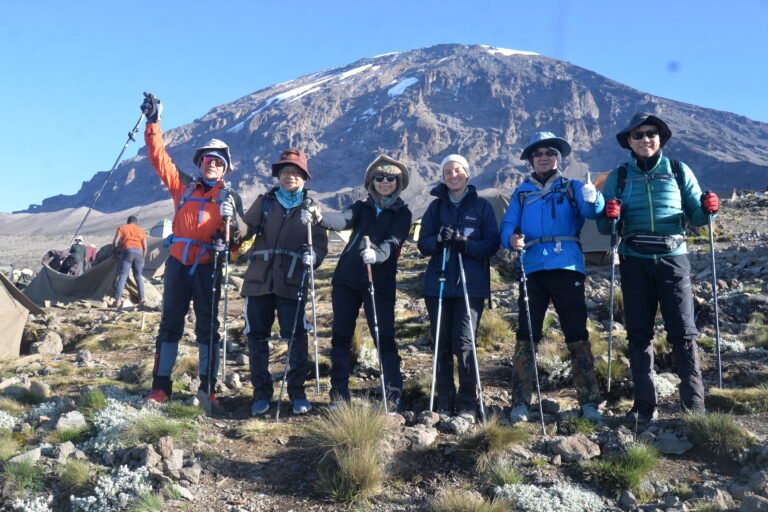
Kilimanjaro Full Moon Climb 24 December – Group Trekking 2026
Kilimanjaro Full Moon Climb 24 December 2026 – Group Trekking.
View package details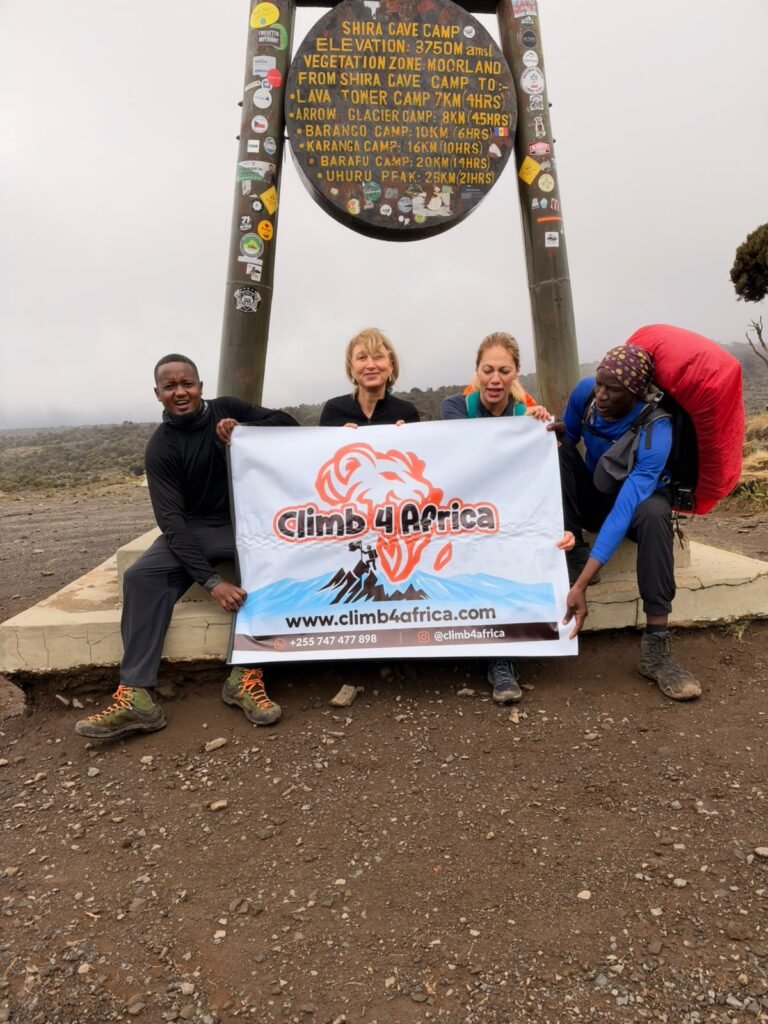
December 4, Kilimanjaro Budget Trekking With Shared Group
December 4, 2026 Kilimanjaro Budget Trekking with Shared Group.
View package details7 Days Umbwe Route Kilimanjaro Trekking – 4–10 December 2026
7 Days Umbwe Route Kilimanjaro Trekking – 4–10 December 2026.
View package details7 Days Machame Route New Year Kilimanjaro Group Trek 2026
7 Days Machame Route New Year Kilimanjaro Group Trek 2027.
View package details7 Days Machame Route Christmas Kilimanjaro Group Trek 2026
7 Days Machame Route Christmas Kilimanjaro Group Trek 2026.
View package detailsKilimanjaro Group Hiking In December – Dates And Prices 2026
Kilimanjaro Group Hiking in December 2026 – Dates and Prices.
View package details
6 Days Marangu Kilimanjaro Group Hiking – 9–14 December 2026
6 Days Marangu Kilimanjaro Group Hiking – 9–14 December 2026.
View package details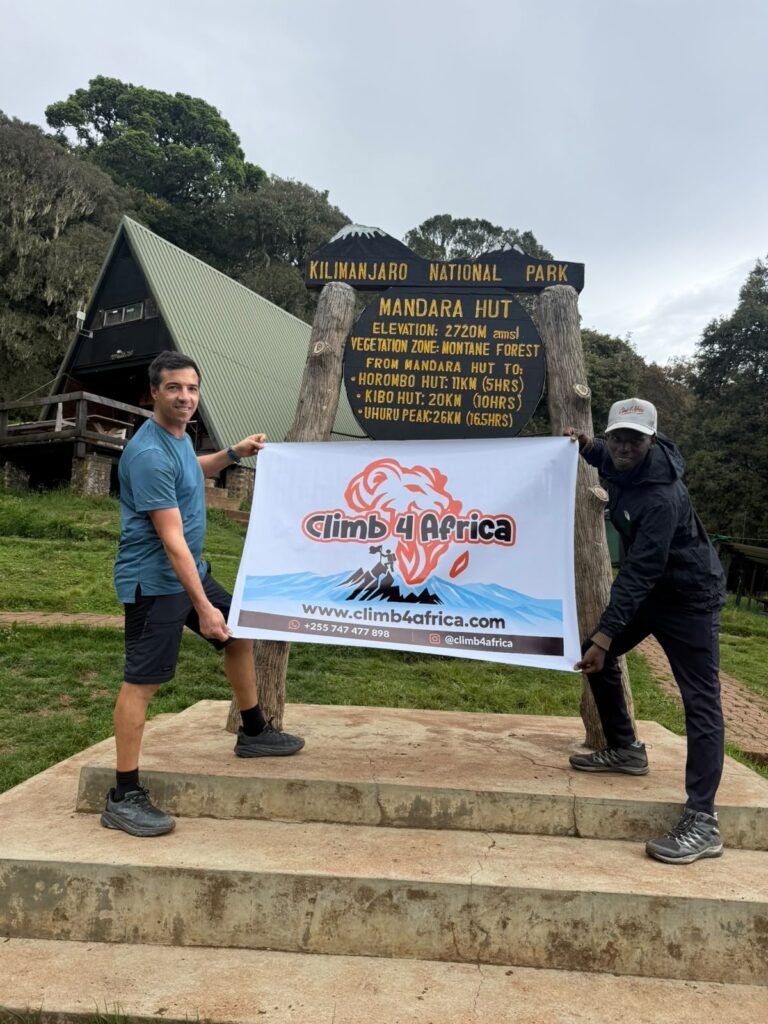
5 Days Marangu Route Kilimanjaro Group Climb – 8–12 December 2026
5 Days Marangu Route Kilimanjaro Group Climb – 8–12 December 2026.
View package details
Climb Kilimanjaro In Budget 12-December-2026, Join Group 2027
climb kilimanjaro in Budget 12-december-2026, Join Group.
View package detailsClimb Kilimanjaro In 12-December-2026, Small Group in 2027
climb kilimanjaro in 12-december-2026, Small Group.
View package detailsNo related package matches those filters. Clear one or more filters to see the other topic-matched options.



