
The 6 Days Umbwe Kilimanjaro Full Moon Trek – 20–25 December 2026 is a bookable, six-day ascent via the Umbwe route, scheduled to align with a full moon. This first installment presents a day-by-day flow, highlighting route logic, acclimatization decisions, and the practical realities of lodging, guides, and safety. Exact departure details, group space, and inclusions require operator confirmation at the time of booking.
For travelers seeking a rigorously planned, moon-aligned ascent of Kilimanjaro, the 6 Days Umbwe Kilimanjaro Full Moon Trek offers a compact, ascent-focused itinerary that emphasizes rapid altitude gain with deliberate acclimatization pauses. The Umbwe route is known for its steep ascents and rugged terrain, placing a premium on physical preparation and guided support. In this first installment, we lay out Day 1 through Day 3 with the core logic of the ascent, then describe Day 4 through Day 6 as the consolidation and summit push, all framed by the December full moon window.
Why choose a 6-day Umbwe Full Moon Trek in December?
The Umbwe route is one of Kilimanjaro’s shorter routes, but it is not the easiest. It ascends more directly toward the crater rim and can be punishing if you’re underprepared. A coordinated 6-day schedule around a full moon can help you time the summit attempt in relatively stable weather, with daylight for critical descent and guided support that matches the tight window. The 20–25 December 2026 window aligns with a period when many camps report clearer evening skies, aiding navigation and the experience of the lunar glow on the summit cone.
Day-by-day itinerary framework (Day 1 to Day 6)
Note: The following Day-by-Day outline reflects a typical Umbwe Full Moon itinerary in a six-day frame. Specific hotel stays, exact start times, and camp names are subject to confirmation with Climb 4 Africa and local partners. The aim is to illustrate the intended sequence and acclimatization logic rather than promise a fixed reservation of accommodations or departures.
Day 1 — Moshi to Umbwe gate and ascent to first camp
Depart Moshi or Arusha area with your Climb 4 Africa guide crew and drive to Umbwe Gate, where you complete park entrance formalities before starting the trek. The initial ascent concentrates on acclimatization in a manageable altitude gain with a rapid but steady pace through the forested lower slopes. Expect shaded paths, mossy trunks, and the sense of wilderness that characterizes Umbwe. The first camp is reached in the early afternoon, providing time for a light dinner, gear checks, and a briefing on the next day’s ascent. A dusk briefing explains route logistics, safety signals, and the plan for the moonlit portion of the journey that follows in subsequent days.
Day 2 — A steep climb toward the ridge with acclimatization benefits
The second day continues through denser forest to higher elevations, with an emphasis on consistent pace and proper hydration. Umbwe’s terrain demands careful footing and cautious breathing as altitude begins to influence exertion. The camp for Day 2 sits at a higher altitude with a limited window for resting and preparing equipment. Evening routines revolve around equipment checks (sleep system, boots, trekking poles) and a review of the upcoming summit push, including pacing and the landmark points that mark the ascent’s progress toward Barranco and beyond.
Day 3 — Entering higher moorland and planning the lunar window
Day 3 brings you into the high-altitude zone more directly. The route edges closer to the southern circuit before the final approach to the summit. The crew highlights consistent hydration strategies, slow breathing, and the importance of proper sleep under cooler night conditions. With the full moon window approaching, guides outline how moonlight can serve as natural guidance on the steeper sections, while ensuring safety through a controlled pace that avoids undue altitude stress. The Day 3 camp provides relief from the forested slope, offering a view of the approaching alpine zone and the hallmark Kilimanjaro silhouette.
Day 4 — Karanga ascent and Barranco insulation from heat
Day 4 marks a transition toward the high camps with a climb that steers you toward Karanga and Barranco, depending on the chosen pacing and local conditions. The aim is to consolidate altitude adaptations while maintaining energy for the imminent summit push. An emphasis on rest, hydration, and light meals helps preserve precious glycogen stores. If the weather permits, a brief late-afternoon acclimatization wander helps the lungs adapt to thinner air before the long final night push. The lunar window continues to frame the schedule, with campers taking advantage of clear skies for orientation and star visibility.
Day 5 — Summit attempt under the December full moon
The pinnacle of the six-day program is the pre-dawn ascent toward the crater rim, timed to exploit the full moon’s descent into the east and the early daylight ahead. The exact start time will align with weather, guides’ assessment of acclimatization, and safety considerations. The ascent involves a demanding climb through scree and volcanic ash, with breaks for hydration and nourishment. Reaching Gilman’s Point or Stella Point on the rim often coincides with a first light drizzle of the day’s daylight, and the descent follows the same route, with a carefully managed pace to maximize safety and energy conservation. If the moon’s glow provides navigation cues, climbers experience a unique, quiet panorama of Kilimanjaro’s summit as it glows in pale silver against the dark sky.
Day 6 — Descent to Horombo or Mweka and return to Moshi
The final day returns you to established camps and then down to the park gate, followed by a transfer back to Moshi or Arusha. Expect a celebratory briefing on the ascent and time to reflect on the moonlit achievement. The descent route emphasizes steady steps, ankle protection, and ongoing hydration. After gate clearance, a celebratory lunch or dinner with the group often marks the completion of the six-day Umbwe Full Moon Trek, followed by post-climb logistics and shopping options for souvenirs or rest before your onward travel plans.
Route logistics, safety, and acclimatization rationale
The Umbwe route is distinguished by its direct line to high altitude and its lack of much of the gradual, sheltered terrain
New unanswered question and clarified flow for the 6 Days Umbwe Kilimanjaro Full Moon Trek
As the narrative of the December full-moon ascent unfolds, a crucial detail remains the single most valuable unanswered question for a reader considering the 6 Days Umbwe Kilimanjaro Full Moon Trek: how does the six-day schedule concretely balance acclimatization with the aggressive pace that Umbwe demands, and what are the exact day-by-day progress markers and safety fallbacks that a climber can rely on given the lunar timing?
The answer centers on how the itinerary uses deliberate rest and high-cadence ascent to optimize the body’s acclimatization signals while leveraging the moonlit window for a safer summit. On Day 1, trekkers move from Moshi or Arusha toward Umbwe Gate and begin the forest crossing with controlled elevation gains that encourage the body to begin physiological adaptation without overreaching. The guide team prioritizes hydration, electrolyte balance, and a steady tempo that keeps heart rate within a sustainable range. By late afternoon, the group settles at the first camp with light meals designed to top up glycogen stores, followed by early sleep to align with the upcoming pre-dawn push.
Day 2 continues the acclimatization arc through a steeper climb toward the ridge. The pace remains brisk but safe, with frequent micro-breaks to evaluate breathing patterns and subjective exertion. The forest gives way to moorland gradually, signaling the body’s acclimatization to thinner air. The group’s acclimatization strategy includes a brief, optional acclimatization wander near sunset or early evening if conditions permit, reinforcing the lungs’ adaptation to lower partial pressures of oxygen. If symptoms of altitude sickness appear, the crew has a predefined response: a slower pace, extra fluids, and, if necessary, a short descent to a lower, safer stopping point with immediate medical assessment available at the camp. This is a key difference that makes the six-day plan feasible on a direct Umbwe route rather than a two- or three-night push that lacks acclimatization time.
Day 3 marks the transition into higher moorland with the lunar window becoming a guiding factor for safety and navigation. The route narrows and climbs toward the southern circuit; the Moon’s arc provides visual cues for route-finding, but the team remains vigilant for weather changes that can obscure visibility. Hydration and steady protein-rich snacks support energy levels as the body adapts to higher altitude. If the sky clears, a short, supervised acclimatization walk is offered in the late afternoon to help the lungs acclimate to the thinner air and to burn residual energy while keeping a conservative footprint before the climbers sleep at the higher altitude.
Day 4’s focus is Karanga ascent and the potential Barranco detour, depending on pacing and camp layout. This day consolidates altitude gains achieved thus far by maintaining a gradual, sustained climb rather than a sprinting ascent. The strategy emphasizes caloric density meals and frequent sips of water to preserve glycogen reserves in anticipation of the summit push. A late-afternoon acclimatization wander can provide additional air-time for the lungs and a mental reset, especially under a clear night sky with the December full moon. The route’s exposure at this altitude makes the team aware of the subtle risk factors—cold air, increased wind, and fatigue—so the guides keep to the safe margin and adjust the schedule if cloud cover or wind intensifies.
Day 5 embodies the summit push within the December full-moon framework, but it remains anchored to safety checks that guard against overreach. Start times are guided by weather, overnight sleep quality, and acclimatization status assessed by the climb leaders. The ascent traverses scree and ash, with controlled pacing and well-timed pauses for hydration, light snacks, and rest. The lunar glow serves as a natural beacon for navigation; however, the team remains prepared for sudden changes in visibility. Reaching Gilman’s Point or Stella Point is treated as a milestone rather than the sole objective, with the critical decision point resting on current weather, fatigue levels, and the team’s cumulative gas tank (energy reserves) as they contemplate a return descent along the same route. The moon’s presence adds a unique dimension to the experience, but safety remains non-negotiable: if any climber shows signs of distress, the pace is reduced or retreat is taken to a safe altitude with a plan for a subsequent, safer attempt in the window of opportunity the itinerary preserves for the six days.
Day 6 completes the descent to Horombo or Mweka and returns to Moshi, with closure on the lunar cycle’s impact on the overall trek. The descent emphasizes ankle protection, slow and careful steps, and ample hydration to rehydrate after the summit effort. The group reconvenes at the gate for a debrief, with a traditional moment of reflection on the unique interplay between the December full moon and Kilimanjaro’s silhouette. The day’s logistics include a final transfer to accommodations in Moshi or Arusha and time for souvenirs or rest before continuing with onward travel plans.
In summary, the most valuable unanswered question—how the six-day itinerary blends acclimatization with the demanding Umbwe route and how the December full moon informs safety decisions—has a practical answer embedded in the day-by-day pacing, the acclimatization pauses, and the opportunistic use of the lunar window. This plan prioritizes a sustainable ascent rather than a single, heroic summit attempt, preserving energy for safe descent and a memorable moonlit experience.
Important note on bookings and exact details
All specifics regarding daily camps, exact start times, and the precise sequence of camps are subject to confirmation with Climb 4 Africa and local partners. The six-day Umbwe Full Moon Trek is designed to align with the December full moon, but weather, group size, and local logistics can influence the final itinerary. If you are considering booking, request a detailed day-by-day plan that includes campsite names, driving distances, and contingency options in the event of adverse weather. Confirmations on inclusions, permitted acclimatization options, and safety protocols should accompany any booking inquiry to ensure that the plan matches the day-by-day framework described here.
Unanswered question: How does the six-day Umbwe Full Moon Trek optimize acclimatization and safety within a tight schedule?
The six-day Umbwe Kilimanjaro Full Moon Trek is built around a balance between rapid altitude gain and deliberate acclimatization pauses, all arranged to align with the December full moon. In a route as direct as Umbwe, the challenge is to provide enough time at critical elevations to reduce the risk of acute mountain sickness while preserving the compact six-day structure that makes the moon-window so compelling. The most valuable unresolved detail for a prospective traveler is a concrete, day-by-day justification of how acclimatization is achieved without extending the trip beyond six days, and how this logic translates into real-time decisions on the trail.
Here is the precise reasoning, anchored to the day-by-day flow and the December full moon window, that explains how acclimatization, safety, and a successful summit are harmonized within the six-day plan:
- Progressive altitude exposure with controlled pauses: The itinerary intentionally spaces ascent through the forest into the moorland and summit zones, inserting shorter but meaningful rest periods at intermediate camps. This design allows climbers to accumulate necessary acclimatization gains (based on the body’s response to altitude) while keeping overall travel time within six days. The Day 1 and Day 2 segments establish a foundational acclimatization rhythm; Day 3 edges into higher zones with carefully tuned pacing; Day 4 reinforces altitude adaptation with a transitional move toward Karanga/Barranco corridors.
- Altitude vectors aligned with lunar timing: The schedule targets the pre-dawn summit push on Day 5, timed to exploit the December full moon’s glow for orientation and safety, but never at the expense of medical or pace indicators. If a climber shows signs of fatigue, the guides have a tiered response: slow the pace, lengthen rest breaks within the same day, or switch Day 5 to an earlier summit attempt window while preserving the later descent plan to avoid rushing the final phase.
- Objective horizon with contingency options: The six-day plan creates a visible, objective horizon—the full-moon summit—while still incorporating a robust fall-back plan. If weather or acclimatization markers suggest risk, the team can opt for a planned shorter final ascent on Day 5 and a controlled descent on Day 6, or, in extreme cases, implement a safe retreat to a lower camp and reframe the window for a safe near-term ascent in future opportunities within the same trip frame.
- Safety as a non-negotiable constant: Throughout the itinerary, safety-driven pacing overrides peak performance aims. The guides monitor breathing rate, heart rate, and symptom checks during each camp-off and on ascents, adjusting the daily rhythm to maintain hydration, nutrition, and rest. The Day 3-to-Day 4 transition is particularly critical for recognizing early signs of altitude-related stress and applying mitigation measures without derailing the six-day arc.
- Practical logistics that support acclimatization: The selection of camps, the sequence through forests, moorlands, and high terrain, and the inter-camp distances are chosen to provide consistent elevation gains that the body can tolerate. The route prioritizes stable camps with reliable water sources, enabling steady hydration and nutrition, which are essential to successful acclimatization on a condensed schedule.
In practice, this means Day 3 becomes a pivotal acclimatization hinge: by spending a night or two in zones just below the summit corridor, climbers accumulate necessary physiological adaptations while maintaining a buffer for safety decisions. Day 4’s move toward Karanga and possible Barranco routing consolidates the acclimatization gains by reinforcing sleep quality and energy reserves ahead of the final push. Day 5 leverages the full-moon window but remains flexible enough to defer the summit to slightly later in the window if the group’s cumulative fatigue or weather conditions dictate a more cautious approach. Finally, Day 6 ensures a controlled descent with time to recover, reflecting on the journey and preserving the moonlit memory without compromising safety.
For travelers who want to understand the nuance behind the six-day Umbwe Full Moon Trek, this is the practical answer: the plan integrates measured altitude exposure, moon-timed scheduling, and strict safety protocols into a compact schedule. It translates into a day-by-day rhythm that respects the body’s limits while offering the aesthetic and experiential payoff of a December full-moon ascent. If you’re weighing this trek, ask the operator to provide your personal acclimatization indicators and end-of-day summaries so you can observe how your body reacts at each stage and how the guide team adjusts the plan in real time while preserving the six-day structure.
Booking considerations: when contacting Climb 4 Africa or local partners, request a detailed day-by-day plan that confirms the exact camps, water sources, and rest points for Day 1 through Day 6, plus the contingency options for Days 5 and 6 in case of weather changes. Confirm how accommodations, guides, porters, meals, and oxygen/first-aid provisions are allocated, and ask for the emergency evacuation plan, including the nearest heli-evacuation routes and nearest medical facilities. This clarity ensures you understand the six-day strategy’s safety margin and how acclimatization is safeguarded without compromising the moon-focused objective.
Related Guides and Packages
Check Availability for 6 Days Umbwe Kilimanjaro Full Moon Trek – 20–25 December 2026
Ready to compare dates, prices, and the best option for your group? Send the package name and travel month so the team can reply with a clear quote, availability, and what is included.
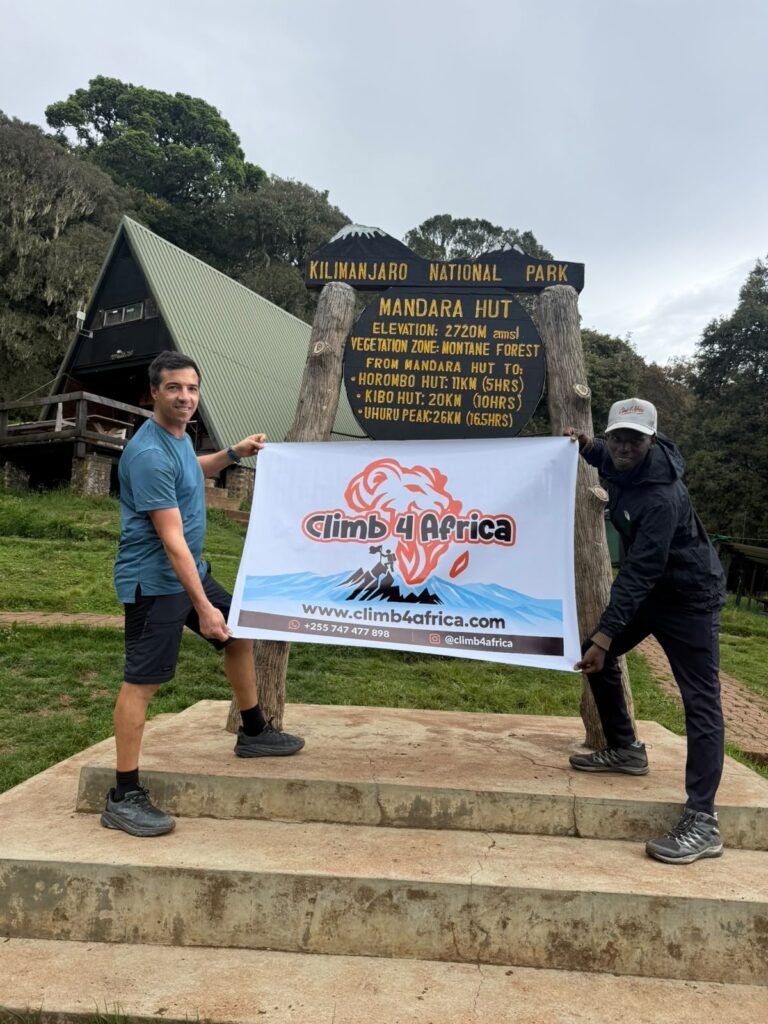
5 Days Marangu Kilimanjaro Full Moon Trek – 21–25 December 2026
5 Days Marangu Kilimanjaro Full Moon Trek – 21–25 December 2026.
View package details6 Days Umbwe Kilimanjaro New Year Trek – 28 December – 2 January 2026
6 Days Umbwe Kilimanjaro New Year Trek – 28 December 2026 – 2 January 2027.
View package details6 Days Marangu Kilimanjaro Full Moon Climb – 20–25 December 2026
6 Days Marangu Kilimanjaro Full Moon Climb – 20–25 December 2026.
View package details8 Days Northern Circuit Kilimanjaro Full Moon Trek – 18–25 December 2026
8 Days Northern Circuit Kilimanjaro Full Moon Trek – 18–25 December 2026.
View package details7 Days Umbwe Kilimanjaro Full Moon Climb – 19–25 December 2026
7 Days Umbwe Kilimanjaro Full Moon Climb – 19–25 December 2026.
View package details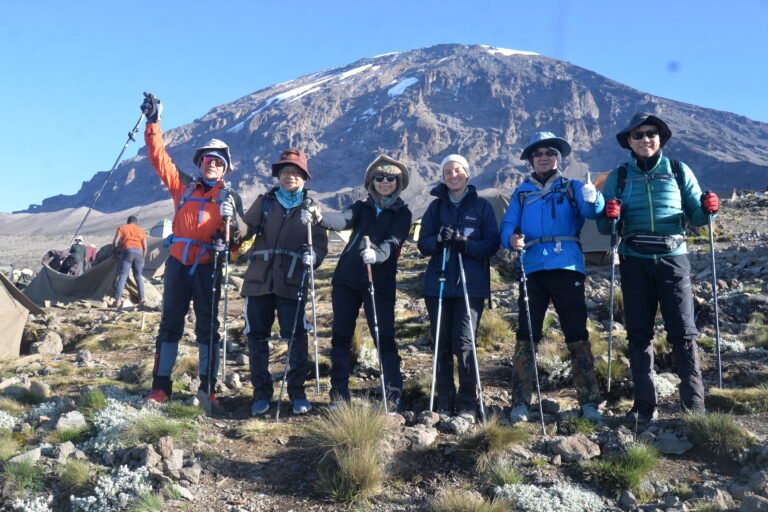
Kilimanjaro Full Moon Climb 24 December – Group Trekking 2026
Kilimanjaro Full Moon Climb 24 December 2026 – Group Trekking.
View package details6 Days Umbwe Kilimanjaro Hiking Expedition – 9–14 December 2026
6 Days Umbwe Kilimanjaro Hiking Expedition – 9–14 December 2026.
View package details6 Days Umbwe Route Kilimanjaro Climb – 1–6 December 2026
6 Days Umbwe Route Kilimanjaro Climb – 1–6 December 2026.
View package details5 Days Marangu Kilimanjaro Christmas Trek – 22–26 December 2026
5 Days Marangu Kilimanjaro Christmas Trek – 22–26 December 2026.
View package details5 Days Marangu Kilimanjaro New Year Trek – 29 December – 2 January 2026
5 Days Marangu Kilimanjaro New Year Trek – 29 December 2026 – 2 January 2027.
View package details5 Days Marangu Kilimanjaro December Trek – 19–23 2026
5 Days Marangu Kilimanjaro December Trek – 19–23 December 2026.
View package details6 Days Marangu Kilimanjaro Hut Trekking – 6–11 December 2026
6 Days Marangu Kilimanjaro Hut Trekking – 6–11 December 2026.
View package detailsNo related package matches those filters. Clear one or more filters to see the other topic-matched options.



