
A Kilimanjaro April 2027 gear guide specifically for heavy rain focuses on selecting durable, waterproof, and highly insulating clothing and equipment to manage the challenging wet conditions expected during Tanzania’s long rainy season. To successfully trek Kilimanjaro in April 2027 amidst potential heavy downpours, you must prioritize a robust layering system, high-quality waterproof outer shells, and footwear designed for wet terrain, along with essential accessories to keep you dry and warm from base camp to the summit.
Understanding April on Kilimanjaro
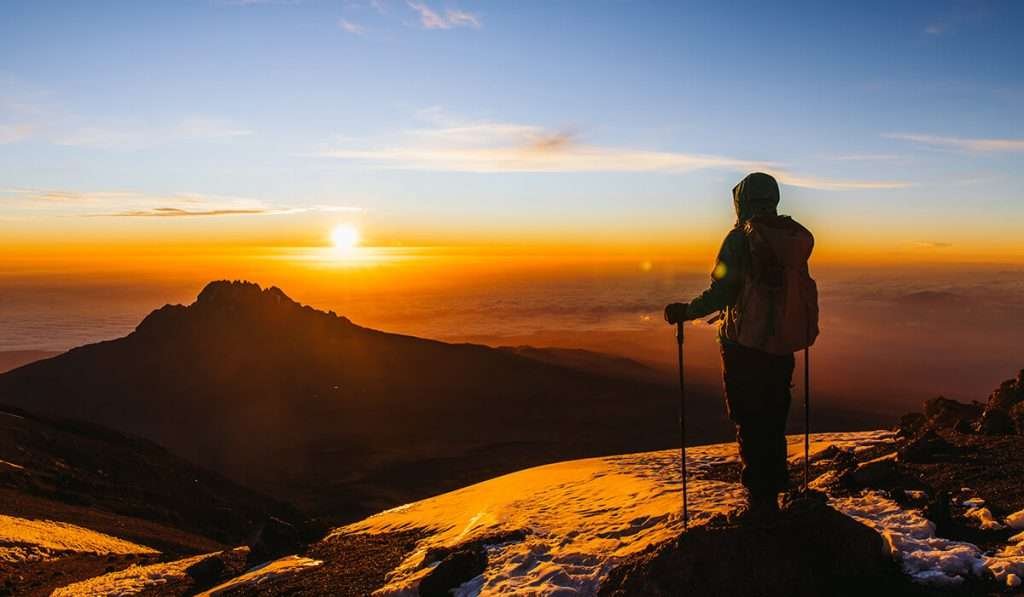
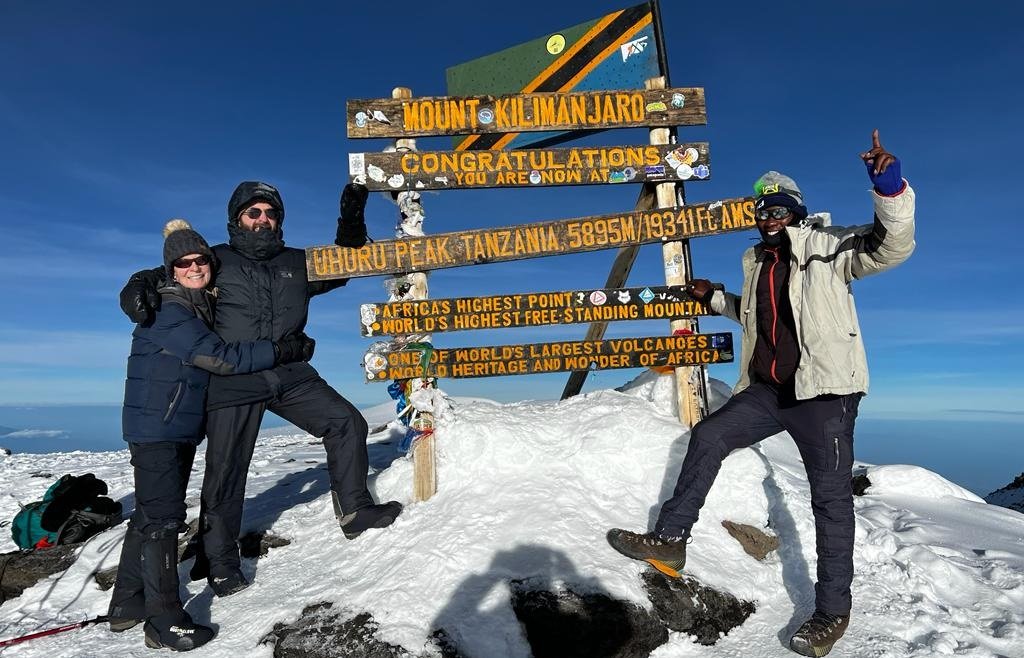
April falls squarely within Kilimanjaro’s long rainy season. This means you should anticipate significant rainfall, often heavy and persistent, especially at the lower and mid-altitudes. While this can make for lush, green landscapes and fewer crowds, it also presents unique challenges for trekkers. Visibility might be reduced, trails can become muddy and slippery, and the constant dampness requires careful gear selection to maintain comfort and prevent hypothermia. Planning for a Kilimanjaro April 2027 gear guide with a focus on heavy rain is not just recommended; it’s essential for a safe and enjoyable climb.
The weather patterns can be unpredictable, with rain often occurring in the afternoons and evenings, but sometimes lasting for days. Higher up, especially on the alpine desert and arctic zones, you might encounter snow, sleet, or freezing rain on top of the regular precipitation. Therefore, your packing list must be robust enough to handle a wide range of conditions, with an unwavering emphasis on waterproofing and insulation.
Core Gear Principles for Rainy Season Climbs
When packing for Kilimanjaro in April 2027, especially with the expectation of heavy rain, a few core principles should guide your choices. These are not just about comfort; they are about safety and the ability to continue your trek effectively.
- Waterproofness is Paramount: Every outer layer and piece of gear that needs to stay dry must be truly waterproof, not just water-resistant. Look for high hydrostatic head ratings on fabrics.
- Breathability Matters: While waterproof, your outer gear should also be breathable to allow sweat vapor to escape. This prevents you from getting damp from the inside, which is as dangerous as getting wet from the outside.
- Layering is Non-Negotiable: The ability to add or remove layers quickly is crucial for regulating body temperature in fluctuating mountain weather. You’ll be moving from warm, humid rainforest to cold, exposed alpine zones.
- Durability and Reliability: Gear must be tough enough to withstand the rigors of a multi-day trek in challenging conditions. Zips, seams, and fastenings are potential weak points.
- Lightweight but Warm: Aim for insulating layers that provide warmth without excessive bulk or weight, as you’ll be carrying everything you need.
The Three-Layer System: Your Defense Against Rain and Cold
The foundation of any successful Kilimanjaro climb, particularly during the rainy season like April 2027, is a well-executed layering strategy. This system allows you to adapt to changing temperatures and exertion levels. For April, the emphasis shifts heavily towards the outer, waterproof layers.
Base Layers: Moisture Wicking Essentials
Your base layers are the first point of contact with your skin. Their primary job is to wick away sweat and moisture to keep you dry. Cotton is a definite no-go; it absorbs moisture and stays wet, leading to rapid heat loss. Opt for synthetic materials like polyester or merino wool.
- Long-Sleeve Tops: 2-3 lightweight, moisture-wicking tops. Merino wool offers excellent odor resistance and warmth even when damp.
- Bottoms: 2 pairs of moisture-wicking leggings or long johns. One thicker pair for colder evenings and summit night, and one lighter pair for trekking.
Mid Layers: Insulation for Chilly Heights
Mid-layers trap body heat and provide insulation. You’ll likely need a couple of options to adjust to different temperatures.
- Fleece Jacket/Pullover: One or two mid-weight fleece jackets (e.g., Polartec 100 or 200). These are breathable, warm, and dry relatively quickly.
- Insulated Jacket: A lightweight, synthetic-fill or down jacket is crucial for colder stages, especially for evenings at camp and summit attempts. Synthetic fill performs better than down in wet conditions. This is your primary warmth layer for stationary periods.
Outer Layers: The Waterproof Fortress
This is where your Kilimanjaro April 2027 gear guide must be uncompromising. Your outer layers are your primary defense against the elements. They need to be fully waterproof and windproof.
- Waterproof Jacket (Hardshell): This is arguably the most critical item. Invest in a high-quality, breathable, waterproof jacket with a Gore-Tex or similar membrane. It must have an adjustable hood that can accommodate a hat, pit zips for ventilation, and sturdy zippers. Ensure it’s large enough to fit over your mid-layers without restricting movement.
- Waterproof Trousers (Hardshell): Full-length side zippers are a must for easy on-off over boots. Look for durable, waterproof, and breathable trousers. These are indispensable for April 2027 treks.
Footwear and Legwear: Staying Dry from the Ground Up
Your feet are your most important tools on Kilimanjaro. Keeping them dry and comfortable is vital, especially when navigating muddy, wet trails during the rainy season.
Hiking Boots: Waterproof and Supportive
Choose sturdy, waterproof, mid-to-high ankle hiking boots. They should be well broken-in before your climb to prevent blisters. A waterproof membrane (like Gore-Tex) is essential for April 2027. Ensure they have good ankle support and a durable sole for traction on slippery surfaces.
- Waterproofing: Absolutely critical. Test them by standing in a puddle before you go.
- Ankle Support: Helps prevent sprains on uneven, wet terrain.
- Fit: Crucial for comfort over many days. Try them on with the socks you plan to wear.
Socks and Gaiters: The Unsung Heroes
Don’t underestimate the power of good socks and gaiters.
- Socks: 4-5 pairs of warm, moisture-wicking hiking socks (merino wool blend is ideal). Avoid cotton. Consider a mix of mid-weight and heavier weight socks for colder days and summit night.
- Gaiters: Waterproof gaiters are highly recommended for April 2027. They prevent water, mud, and small stones from entering your boots, keeping your feet drier and cleaner.
Trousers: Versatile and Waterproof Options
While waterproof overtrousers are a must, consider your trekking trousers as well.
- Trekking Trousers: 2 pairs of quick-drying, synthetic trekking trousers. Avoid jeans. Convertible trousers (zip-off legs) can be useful, though less so in persistent rain.
- Waterproof Overtrousers: As mentioned, fully waterproof and breathable trousers with full side zips are essential for your Kilimanjaro April 2027 gear guide.
Headwear and Handwear: Protecting Extremities
Your head and hands lose heat rapidly and are susceptible to cold and wet conditions.
Headwear: Beyond Sun Protection
While sun protection is always needed, April’s conditions demand more.
- Warm Hat: A fleece or wool hat that covers your ears.
- Balaclava or Buff/Neck Gaiter: Essential for protecting your face and neck from wind and cold, especially on summit night and in exposed sections. A waterproof or windproof outer layer for your head can also be beneficial.
- Sun Hat: A wide-brimmed hat for sunny spells, though less critical in April than in dry seasons.
Gloves and Mittens: Keeping Hands Functional
Warm, dry hands are crucial for managing gear and maintaining dexterity.
- Thin Liner Gloves: For dexterity and light warmth.
- Waterproof Insulated Gloves or Mittens: Mittens are generally warmer than gloves as they keep fingers together. Ensure they are waterproof and insulated. Having a spare pair is wise in case one gets thoroughly soaked.
Backpacks and Storage: Keeping Your Gear Dry
Protecting your belongings from the persistent rain is as important as protecting yourself.
Backpacks: The Right Size and Protection
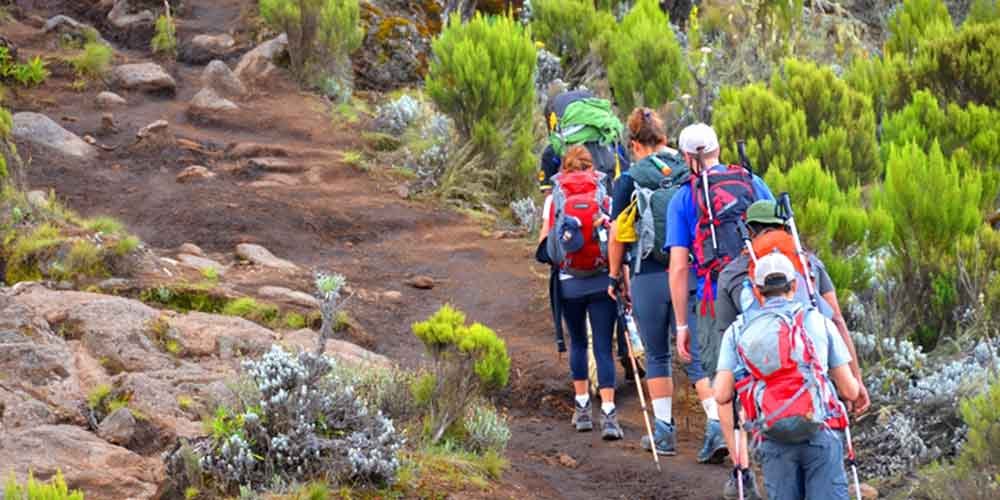
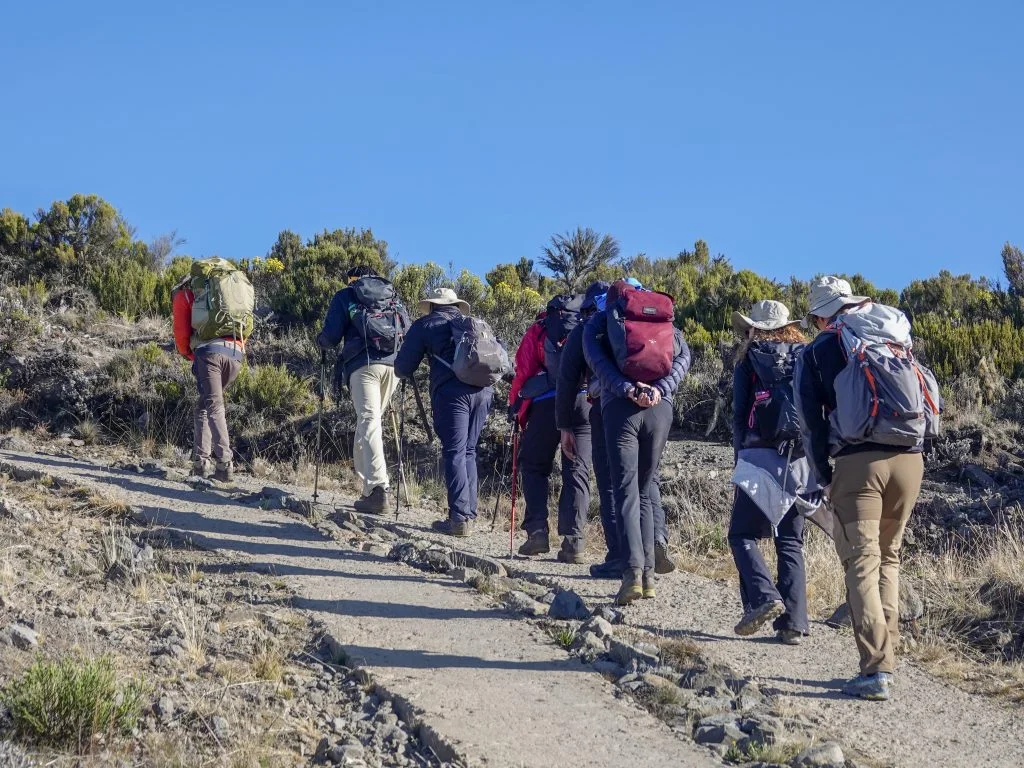
- Daypack (30-40L): For carrying essentials you need during the day’s trek – water, snacks, extra layers, camera, sunscreen. This must have a good rain cover.
- Duffel Bag (80-100L): This is what your porters will carry. It should be durable and ideally water-resistant, but it will also need additional protection.
- Backpack Rain Cover: A high-quality, fitted rain cover for your daypack is non-negotiable for April 2027.
Dry Bags and Liners: Double Protection
Even with a rain cover, moisture can find its way in. Using dry bags and liners provides an extra layer of security.
- Dry Bags: Various sizes to organize and protect your clothing, sleeping bag, electronics, and other sensitive items inside your duffel bag and daypack. Roll-top dry bags are most effective.
- Trash Compactor Bags: A budget-friendly alternative or supplement to dry bags for lining your duffel bag. They are surprisingly durable and waterproof.
Essential Accessories for Wet Conditions
Beyond clothing, several accessories are vital for navigating Kilimanjaro’s wet season.
Trekking Poles: Stability in Slippery Conditions
Trekking poles are highly recommended, especially for April 2027 climbs. They significantly improve balance on muddy, slippery, and uneven terrain, reducing the risk of falls. They also help reduce strain on your knees, particularly on descents.
Water Bottles and Hydration Systems
Staying hydrated is crucial, but water sources can be muddy, and water can freeze at higher altitudes.
- Water Bottles: 2-3 wide-mouthed, durable water bottles (e.g., Nalgene). Wide mouths are less prone to freezing than narrow ones.
- Insulated Bottle Sleeve: To help prevent water from freezing overnight or during cold periods.
- Hydration Reservoir (Optional): While convenient, hydration reservoirs with tubes can freeze easily in cold temperatures. If you use one, ensure it has an insulated tube or keep the tube tucked inside your jacket.
Headlamps and Batteries: Reliable Light Sources
Essential for early morning starts, navigating camp in the dark, and especially for summit night. Cold temperatures can drain batteries faster.
- Headlamp: A reliable LED headlamp with fresh batteries.
- Spare Batteries: Carry plenty of spares. Store them in a dry, warm place (e.g., inside your sleeping bag at night).
First Aid and Hygiene Kits
Be prepared for minor ailments and maintain personal hygiene.
- Personal First-Aid Kit: Include blister treatment (moleskin, tape), pain relievers, antiseptic wipes, bandages, and any personal medications.
- Hand Sanitizer: Crucial for maintaining hygiene when water is scarce or contaminated.
- Toiletries: Biodegradable soap, toothbrush, toothpaste, and any personal items. Wet wipes are useful for quick clean-ups.
Sun Protection (Still Crucial!)
Even with clouds, the sun at Kilimanjaro’s altitude is intense. Snow can also reflect UV rays.
- Sunscreen: High SPF (30-50+), broad-spectrum.
- Lip Balm with SPF: To prevent chapped and burnt lips.
- Sunglasses: With good UV protection.
Rental vs. Purchase: Making Smart Gear Decisions
For items like sleeping bags, insulated jackets, and sometimes waterproofs, renting can be a viable option if you don’t anticipate frequent use. However, for critical items like your waterproof jacket and trousers, and well-fitting hiking boots, investing in your own high-quality gear is often preferable.
Climb 4 Africa can assist with arranging rentals for some essential items, which can be a practical solution for travelers looking to minimize their packing load or cost. However, personal items like base layers, socks, and broken-in boots should always be your own. Always confirm rental availability and quality with your tour operator well in advance of your Kilimanjaro April 2027 climb.
When considering what to pack for Kilimanjaro in April 2027, think about the long-term value of your gear. A good waterproof jacket and reliable boots are investments that can serve you on future adventures.
Final Packing Checklist for April 2027
This checklist summarizes the essentials for your Kilimanjaro April 2027 gear guide, with a strong emphasis on rain protection.
- Clothing:
- Moisture-wicking base layers (tops and bottoms)
- Mid-weight fleece layers
- Insulated synthetic or down jacket
- High-quality waterproof and breathable hardshell jacket
- Waterproof and breathable overtrousers with full side zips
- Quick-drying trekking trousers
- Warm socks (merino wool blend, 4-5 pairs)
- Warm hat covering ears
- Balaclava or neck gaiter
- Waterproof insulated gloves or mittens (consider spares)
- Liner gloves
- Waterproof hiking boots (broken-in)
- Camp shoes or trainers (optional)
- Backpack rain cover
- Dry bags or heavy-duty trash compactor bags
- Personal Items:
- Backpack (30-40L)
- Duffel bag (80-100L) for porters
- Water bottles (2-3) or hydration reservoir with insulated tube
- Headlamp with spare batteries
- Trekking poles
- High SPF sunscreen and lip balm
- Sunglasses
- Personal first-aid kit
- Hand sanitizer and toiletries
- Camera, power bank, etc.
- Passport, visa, flight details, insurance documents (kept waterproof)
- Sleeping bag (rated to -10°C or -20°C, can be rented)
- Waterproof gaiters
Booking Your April 2027 Kilimanjaro Adventure
Choosing to climb Kilimanjaro in April 2027 means embracing the adventure of the rainy season, which offers unique beauty and fewer crowds. Proper preparation, particularly with your gear, is key to ensuring a comfortable and successful ascent. For a personalized experience and expert advice tailored to April’s conditions, consider booking with Climb 4 Africa.
We understand the nuances of trekking Kilimanjaro during the long rains and can advise on the best routes, like the Rongai Route, which tends to be drier due to its northern location, or discuss options like the Lemosho Route known for its stunning, albeit wet, scenery. We can also help arrange gear rentals and provide pre-departure support. Whether you’re interested in our Small Group Adventure on April 17th, a Private Climb, or our Full Moon Climb around April 20-21, 2027, we ensure your expedition is well-supported.
Don’t let the rain deter you; with the right gear and planning, an April 2027 Kilimanjaro climb can be an unforgettable experience. Reach out to our expert team to discuss your expedition details and get a personalized packing list. Contact us via email at climb4africa@gmail.com or message us directly on WhatsApp at +255 747 477 898.
Check Availability for Kilimanjaro April Gear Guide: Essential Packing For Heavy Rain 2027
Ready to compare dates, prices, and the best option for your group? Send the package name and travel month so the team can reply with a clear quote, availability, and what is included.
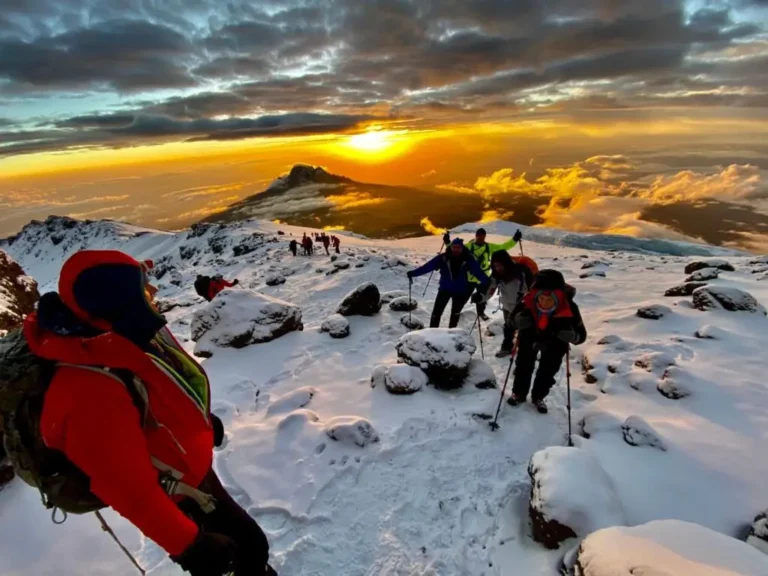
Kilimanjaro 17 April – Small Group Rainy-Season Adventure With Climb 4 Africa
start a unique Kilimanjaro climb on April 17, 2027, as part of a small group during the rainy season. This adventure offers a different perspective of the mountain, with fewer crowds and...
View package details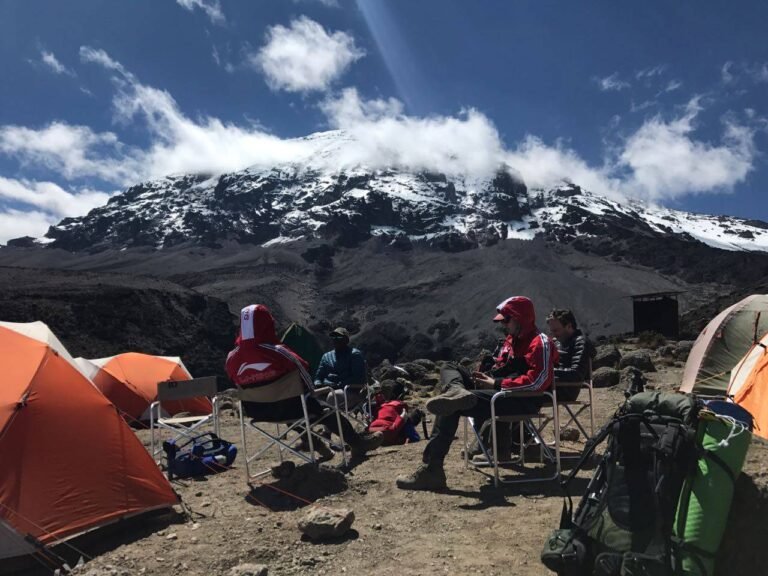
Rongai Route Kilimanjaro April : Your Northern-Side Rainy Season Trek 2027
start your Kilimanjaro adventure via the Rongai Route in April 2027. This guide details the northern-side experience during the shoulder rainy season, offering practical insights for...
View package details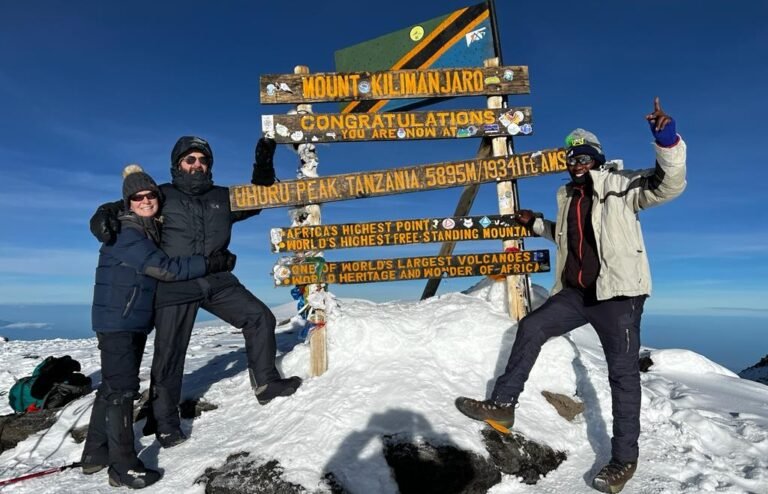
Climbing Kilimanjaro In April : Your Rainy Season Guide 2027
Embarking on a Kilimanjaro climb in April 2027 means navigating the tail end of the long rainy season. This guide provides essential insights for trekkers, focusing on route selection...
View package details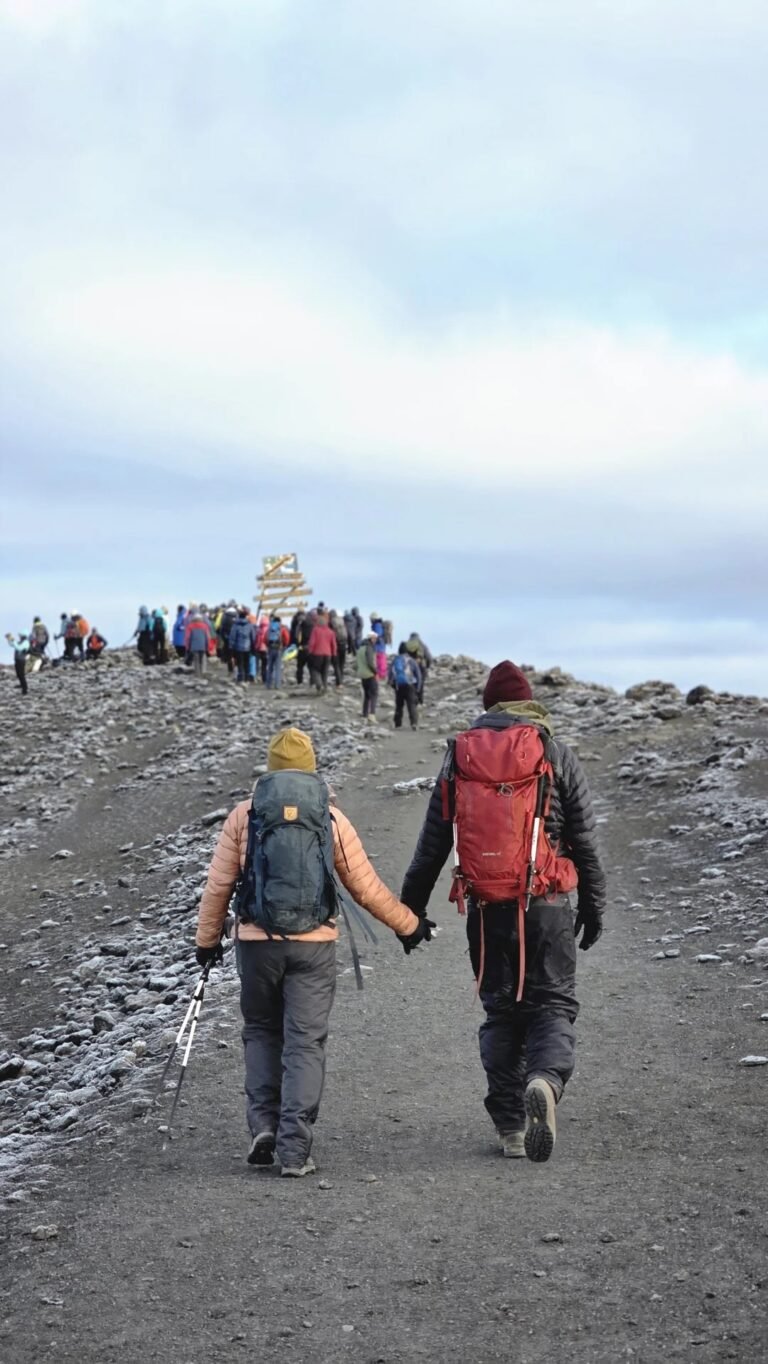
Machame Route 14 November : Navigating The Short Rains On Kilimanjaro
Climbing Kilimanjaro via the Machame Route on November 14, 2026, falls within the 'short rains' season. This guide details what trekkers can anticipate regarding weather, trails...
View package details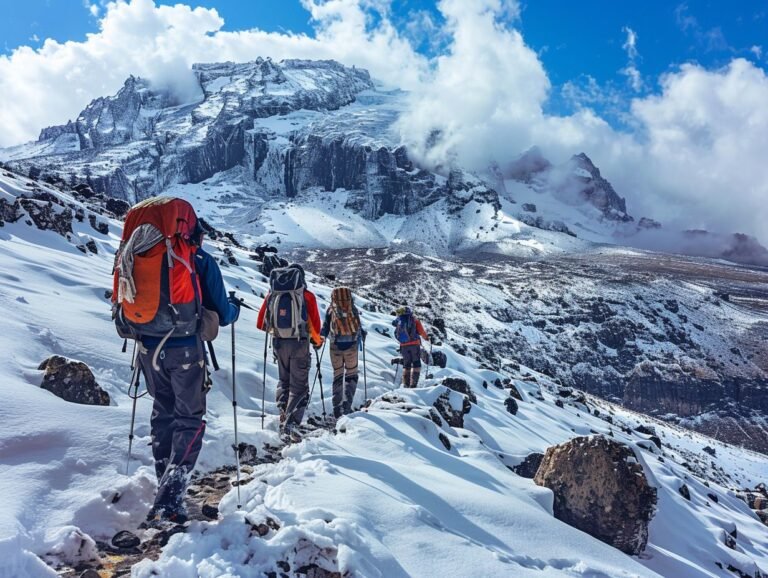
Kilimanjaro 22 May : Your Late-Rainy-Season Group Trek 2027
Planning a Kilimanjaro trek for May 22, 2027? This late-rainy-season group departure offers a different perspective on Africa's highest peak, often with fewer crowds and lush landscapes...
View package details
Kilimanjaro Mid-May – Rain, Temperatures And Summit Conditions 2027
Kilimanjaro Mid-May 2027 – Rain, Temperatures and Summit Conditions is explained with current 2027 planning, price, itinerary and booking information.
View package details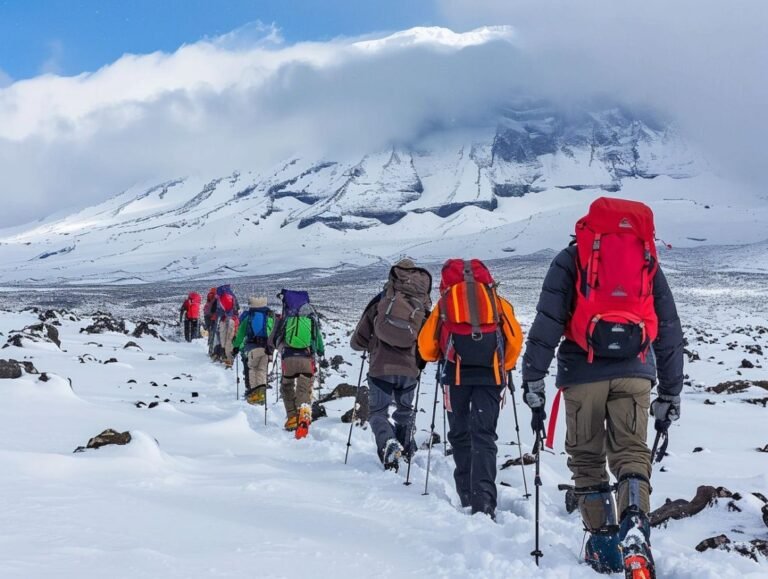
Private Kilimanjaro Climb April : Your Flexible Trekking Adventure 2027
start a personalized Kilimanjaro ascent in April 2027 with a private climb tailored for flexible travellers. Explore route options, understand the April weather, and learn how to book your...
View package details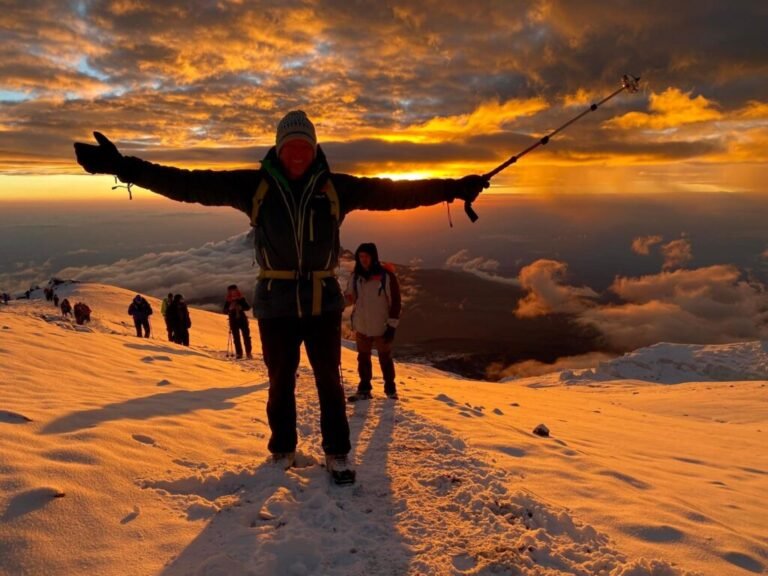
Kilimanjaro 24 April : Late Trek & Weather Expectations 2027
Discover what to anticipate for a Kilimanjaro climb on April 24, 2027. This guide covers late April weather patterns, suitable routes, and essential preparation for your ascent.
View package details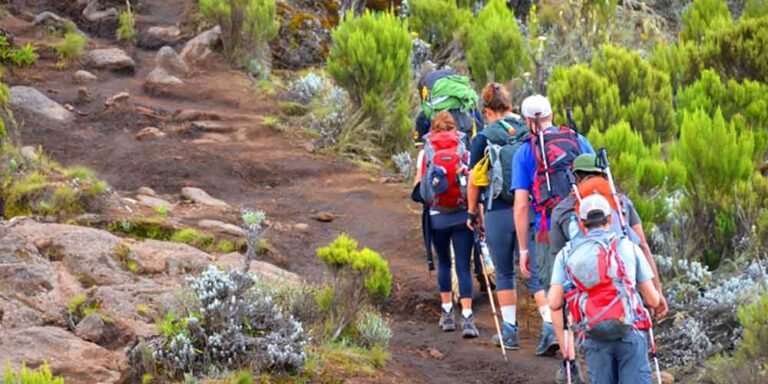
Kilimanjaro Full Moon Climb April – Summit Around 20-21 2027
start an unforgettable Kilimanjaro Full Moon Climb in April 2027, aiming for the summit on April 20-21. Discover the magic of reaching Uhuru Peak under the glow of the full moon, and learn...
View package detailsKilimanjaro 3 April – Low-Season Group Departure 2027
Kilimanjaro 3 April 2027 – Low-Season Group Departure is explained with current 2027 planning, price, itinerary and booking information.
View package details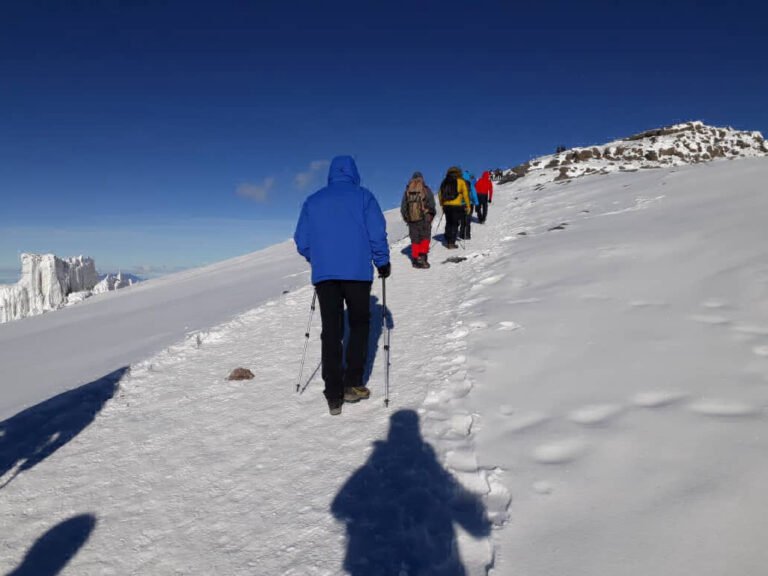
Kilimanjaro April – Quiet Trails, Weather And Route Choice 2027
Kilimanjaro April 2027 – Quiet Trails, Weather and Route Choice is explained with current 2027 planning, price, itinerary and booking information.
View package details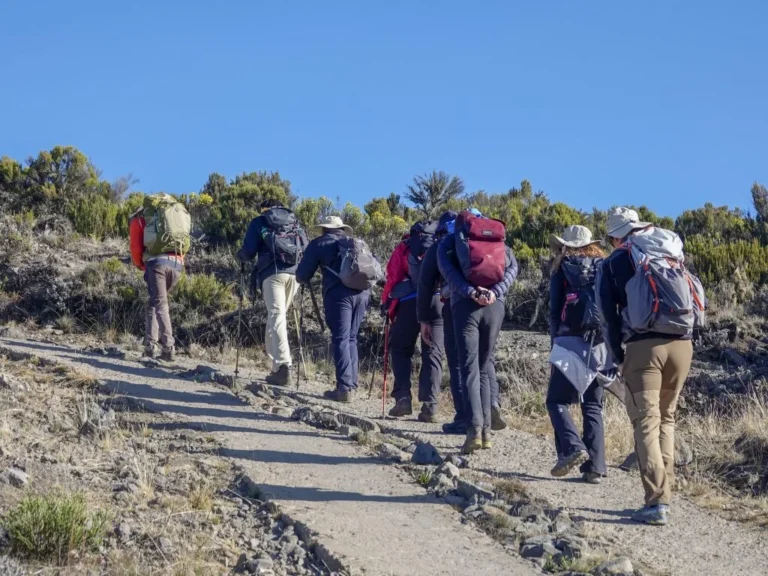
Late March Kilimanjaro – Rainy-Season Route Choices 2027
Late March Kilimanjaro 2027 – Rainy-Season Route Choices is explained with current 2027 planning, price, itinerary and booking information.
View package detailsNo related package matches those filters. Clear one or more filters to see the other topic-matched options.



