
The Rongai Route Kilimanjaro April 2027 trek focuses on the northern approach to Africa’s highest peak, offering a unique experience during the shoulder rainy season. While April is part of Kilimanjaro’s ‘long rains’ period, the Rongai’s northern side often experiences less precipitation than southern routes, making it a viable, less crowded option for determined trekkers aiming for April 2027, provided they are prepared for potential rain, cooler temperatures, and muddy trails.
Rongai Route Kilimanjaro April 2027: Understanding the Season
Planning a Kilimanjaro ascent is a significant undertaking, and timing your trek is crucial. For those considering a Rongai Route Kilimanjaro April 2027 adventure, you’re looking at a period traditionally known as the ‘long rains’ season. However, Kilimanjaro’s microclimates mean that certain routes and times offer distinct advantages. The Rongai Route, approaching from the north, often presents a different weather profile compared to the more popular southern routes. April falls within this significant rainfall period, but understanding the nuances is key to a successful climb. While many opt for the drier seasons, a determined trekker prepared for the elements can find a unique and rewarding experience on Rongai in April 2027, often with fewer crowds and a more intimate connection with the mountain.
Why Choose Rongai for an April 2027 Climb?
The Rongai Route is often cited as a good option for the rainy seasons, and April 2027 is no exception, though it requires careful consideration. Its primary advantage is its location. Approaching from the arid northern side, near the Kenyan border, the Rongai typically receives less rainfall than routes like Machame or Lemosho, which traverse the wetter southern and western flanks. This doesn’t mean you’ll be dry; April is still a month of substantial precipitation across the mountain. However, the pattern might manifest as more frequent, shorter showers rather than prolonged, all-day downpours. Another significant draw for an April 2027 Rongai Route Kilimanjaro trek is the reduced number of trekkers. The peak seasons are undeniably busy, but venturing out in April often means a quieter, more personal journey. This can enhance the sense of wilderness and allow for a deeper appreciation of the diverse ecosystems you pass through. For experienced trekkers or those seeking a less crowded experience, the Rongai in April 2027 offers a compelling, albeit challenging, proposition.
April 2027 Weather on Kilimanjaro’s Northern Slope
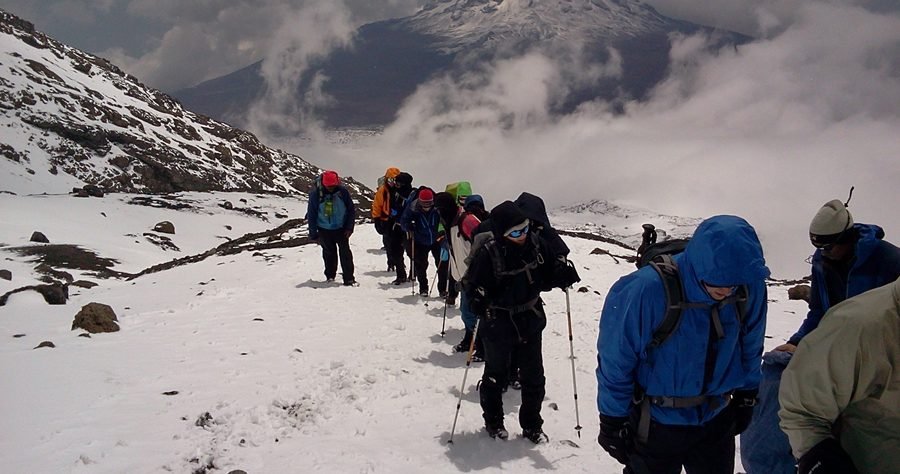
When planning a Rongai Route Kilimanjaro April 2027 expedition, realistic weather expectations are paramount. April is firmly within Kilimanjaro’s ‘long rains’ season, which typically runs from late March through May. Expect significant rainfall, particularly at lower and mid-altitudes. Temperatures can also be cooler, especially at the summit and higher camps, with night-time lows potentially dropping below freezing. The northern side, where Rongai ascends, is generally drier due to the rain shadow effect from Mount Kenya. This means you might encounter fewer continuous days of rain compared to the southern side. However, ‘less rain’ is not ‘no rain’. Be prepared for muddy trails, especially in the rainforest zone, and potentially misty conditions that can obscure views. Snow is possible at the summit, even in the rainy season. The key is robust waterproofing for your gear and a positive attitude. Trekkers aiming for April 2027 should pack accordingly, prioritizing waterproof outer layers, sturdy boots, and warm clothing. The humidity can be high in the lower sections, transitioning to cold and dry at altitude.
The Rongai Route Experience: Day-by-Day Itinerary Insights
The Rongai Route is typically offered as a 6 or 7-day trek, with the longer option significantly improving acclimatization and success rates. For an April 2027 climb, a 7-day itinerary is highly recommended to give your body the best chance to adapt to the altitude amidst potentially challenging conditions.
* Day 1: Rongai Gate to First Cave Camp (approx. 7-8 hours trekking). The journey begins near the Kenyan border. After registration at Nale Muru, you’ll start a gentle ascent through farmland and pine forest. The northern side can feel drier initially. Expect to reach First Cave (approx. 2,600m) as the day progresses.
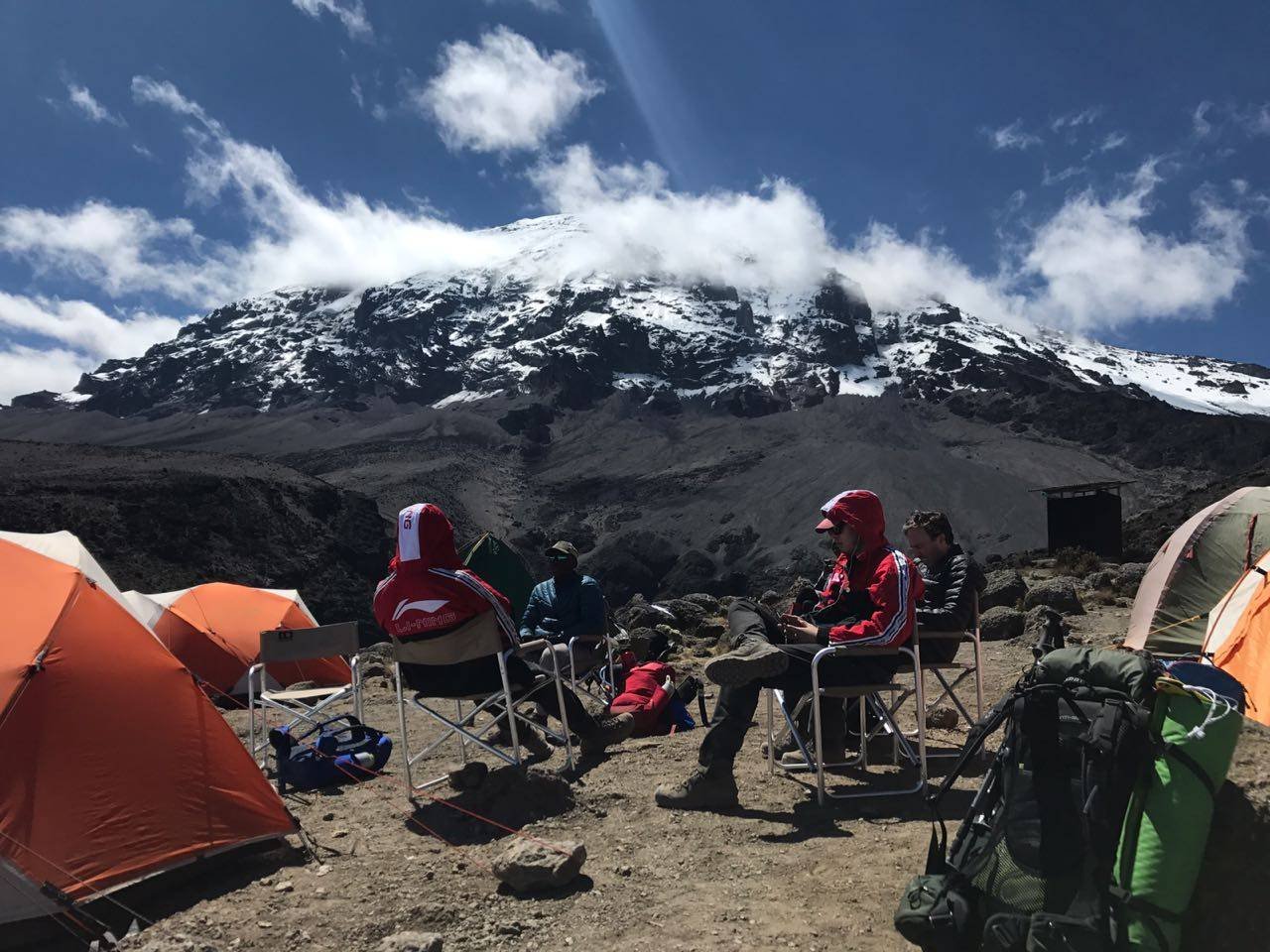
* Day 2: First Cave Camp to Kikelewa Caves (approx. 6-7 hours). The trail continues to ascend, entering the moorland zone. The landscape becomes more rugged. You’ll camp at Kikelewa Caves (approx. 3,600m), a scenic spot offering good acclimatization.
* Day 3: Kikelewa Caves to Mawenzi Tarn Camp (approx. 4-5 hours). This is a shorter, steeper day, climbing towards the stark, alpine desert environment. Mawenzi Tarn (approx. 4,300m), located below the dramatic peaks of Mawenzi, offers stunning views, though they might be veiled by clouds in April.
* Day 4: Acclimatization Day or Mawenzi Tarn to School Hut (approx. 5-6 hours). Depending on the itinerary, you might spend an extra day acclimatizing or proceed directly to School Hut (approx. 4,700m), the base camp for the summit push. This is a crucial day for acclimatization before the final ascent.
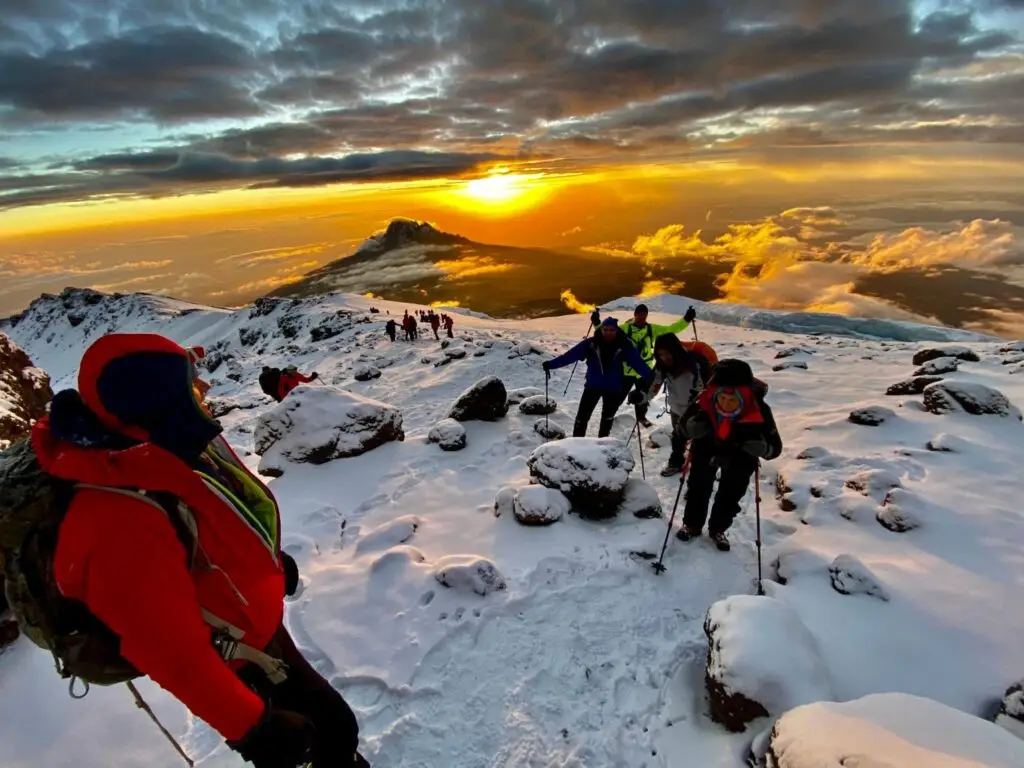
* Day 5: Summit Night! School Hut to Uhuru Peak and descent to Millennium Camp (approx. 13-15 hours). The summit attempt begins around midnight. You’ll trek through the night, aiming for sunrise at Stella Point and then the true summit, Uhuru Peak (5,895m). The weather in April can be harsh at this altitude, with cold temperatures and potential wind. The descent is long, first to Barafu Camp for a brief rest, then continuing down to Millennium Camp (approx. 3,800m) on the southern side.
* Day 6: Millennium Camp to Mweka Gate (approx. 5-6 hours). The final descent is through the montane forest. You’ll reach Mweka Gate (approx. 1,650m) for your certificate ceremony and transfer back to your hotel in Moshi.
A 7-day Rongai Route Kilimanjaro April 2027 itinerary typically inserts an acclimatization day between Day 3 and Day 4, making the summit push less rushed and improving chances of success. This is especially valuable during the rainy season. It’s important to note that the descent on Day 5 brings you down to the southern side, meaning you don’t experience the full Rongai descent.
Packing for a Rainy Season Rongai Trek in April 2027
Proper gear is non-negotiable for a Rongai Route Kilimanjaro April 2027 trek. The key is layering and robust waterproofing. Don’t underestimate the need for rain protection, even on the northern side.
* Waterproofs: A high-quality, breathable waterproof jacket and trousers are essential. These should be your outer layer to keep rain and wind out.
* Warm Layers: Fleece jackets, thermal base layers (merino wool or synthetic), and a warm down or synthetic insulated jacket for summit night and cold evenings are crucial.
* Footwear: Waterproof, broken-in hiking boots are a must. Consider waterproof gaiters to prevent water and mud from entering your boots. Bring comfortable camp shoes or sandals for evenings.
* Headwear: A warm woolen hat and a sun hat are both necessary. A balaclava or warm neck gaiter is vital for summit night.
* Gloves: Waterproof and insulated gloves are critical for the summit. Bring liner gloves for dexterity.
* Trekking Poles: Highly recommended for stability on slippery, muddy trails and for reducing strain on your knees during descents.
* Backpack: A comfortable daypack (30-40L) with a good rain cover. Your main duffel bag should also be waterproof or have a waterproof liner.
* Sleeping Bag: A 4-season sleeping bag rated to at least -10°C (15°F) is recommended for April.
* Other Essentials: Headlamp with spare batteries, high SPF sunscreen, lip balm, sunglasses, personal toiletries, blister treatment, basic first-aid kit, water bottles/hydration reservoir (ensure they won’t freeze), and insect repellent for lower altitudes.
Pros and Cons of an April 2027 Rongai Trek
Choosing to trek the Rongai Route in April 2027 involves specific trade-offs. Weighing these carefully will help you decide if it’s the right choice for your Kilimanjaro adventure.
Rongai Route April 2027: Advantages vs. Disadvantages
| Pros | Cons |
|---|---|
| Less Crowded Trails: Experience a more solitary trek, particularly appealing if you prefer quieter paths. | Rainy Season Conditions: Expect rain, mud, and potentially difficult trail conditions, especially at lower elevations. |
| Northern Approach Benefits: Often receives less rainfall than southern routes, though still significant. | Limited Summit Views: Misty or cloudy conditions can obscure panoramic views, particularly during the ascent and descent. |
| Unique Scenery: The northern side offers a different, often drier, landscape initially, transitioning to the mountain’s diverse zones. | Challenging Summit Night: Cold, wet, and potentially windy conditions on summit night can make the push more demanding. |
| Potentially Lower Prices: Some operators might offer slightly reduced prices during the shoulder rainy season. | Slippery Trails: Muddy and slippery conditions require careful footing and can slow progress. |
| Good for Wildlife Spotting: The drier northern slopes can sometimes offer better opportunities to spot wildlife in the lower sections. | Requires Robust Gear: Essential to have high-quality waterproofs and warm layers; gear failure is a significant risk. |
Choosing Your Operator for a 2027 Rongai Climb
Selecting the right tour operator is critical for any Kilimanjaro climb, but especially so for a trek during the rainy season like the Rongai Route Kilimanjaro April 2027 expedition. Your operator’s experience, equipment quality, and guide expertise will directly impact your safety and success.
Look for operators with a proven track record of leading climbs during the shoulder and rainy seasons. They should be transparent about their safety protocols, emergency procedures, and the experience of their guides. For an April climb, ensuring they provide high-quality, well-maintained waterproof gear (like ponchos or rain suits) and robust tents is essential. They should also emphasize acclimatization, offering longer itineraries (7 days for Rongai is ideal) and knowledgeable guides who understand the signs of altitude sickness. Climb 4 Africa, for instance, focuses on practical support and experienced local guides who are adept at navigating Kilimanjaro’s varying conditions. When inquiring for April 2027 departures, ask specific questions about how they manage rainy weather, what training their guides have for such conditions, and what equipment is provided. A reputable operator will welcome these questions and provide detailed answers, demonstrating their commitment to your safety and success.
Alternatives to Rongai in April 2027
While the Rongai Route offers advantages during the rainy season, it’s wise to consider alternatives if the conditions of April 2027 give you pause. If you are flexible with dates, shifting your trek to the shoulder seasons just before or after the main rains can be beneficial.
* Late March 2027: This period sits at the cusp of the long rains. You might catch the tail end of drier weather or experience the initial onset of rain. Routes like Machame or Lemosho might still be viable, though Rongai remains a strong contender for its drier approach.
* Late May/Early June 2027: As the long rains subside, the mountain begins to dry out. This period offers a good balance of fewer crowds than the peak dry season (July-September) and improving weather. Kilimanjaro in late May can be quite pleasant.
* Other Routes: If you’re set on April but want to explore other routes, the Marangu Route (hut-to-hut) is sometimes considered because its huts offer shelter. However, it has a lower success rate due to poorer acclimatization. The Machame Route, though wetter, is very scenic and popular, but April can be particularly challenging on its steep ascents and descents.
For those who absolutely must climb in April 2027 and prefer to minimize rain exposure, the Rongai Route remains your best bet. However, if conditions are a major concern, consider a short rain season trek in November 2026 or pushing your trip to the drier periods later in 2027.
Booking Your April 2027 Rongai Kilimanjaro Trek
Securing your Rongai Route Kilimanjaro April 2027 trek is a significant step towards your adventure. When you’re ready to commit, contacting an experienced operator like Climb 4 Africa is the logical next move. They can provide detailed itinerary options, discuss the specific challenges and rewards of climbing in April, and help you finalize your booking.
When you reach out, be sure to mention your desired dates in April 2027 and your interest in the Rongai Route. Inquire about their 7-day Rongai package, as this offers the best acclimatization for the season. Discuss their inclusions (e.g., park fees, accommodation, meals, guides, porters, rescue fees) and exclusions (e.g., tips, personal gear, travel insurance). A good operator will also advise on visa requirements, recommended vaccinations, and travel insurance that covers high-altitude trekking and medical evacuation. Starting the conversation early for 2027 departures ensures you get your preferred dates and allows ample time for preparation.
For personalized advice on your Rongai Route Kilimanjaro April 2027 trek and to discuss tailored options, please connect with the Climb 4 Africa team. You can reach us via WhatsApp +255 747 477 898 or email us at climb4africa@gmail.com. Let’s plan your unforgettable journey to the roof of Africa.
Check Availability for Rongai Route Kilimanjaro April : Your Northern-Side Rainy Season Trek 2027
Ready to compare dates, prices, and the best option for your group? Send the package name and travel month so the team can reply with a clear quote, availability, and what is included.
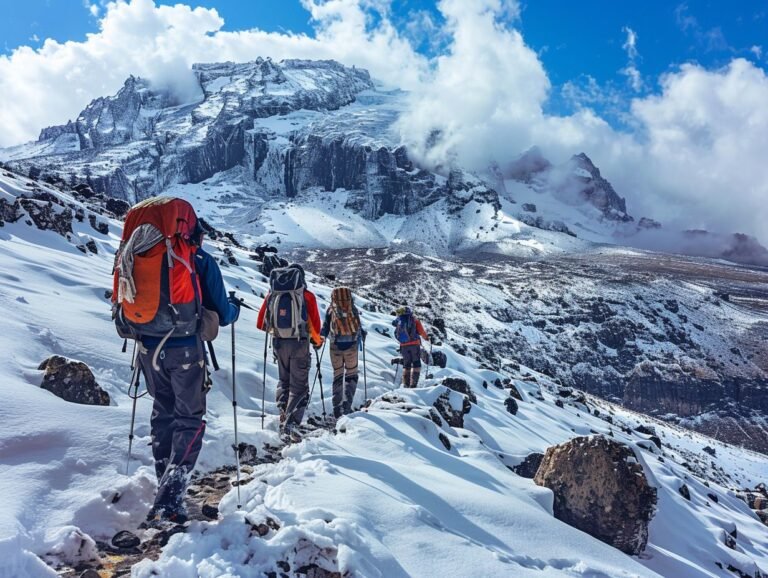
Kilimanjaro 22 May : Your Late-Rainy-Season Group Trek 2027
Planning a Kilimanjaro trek for May 22, 2027? This late-rainy-season group departure offers a different perspective on Africa's highest peak, often with fewer crowds and lush landscapes...
View package details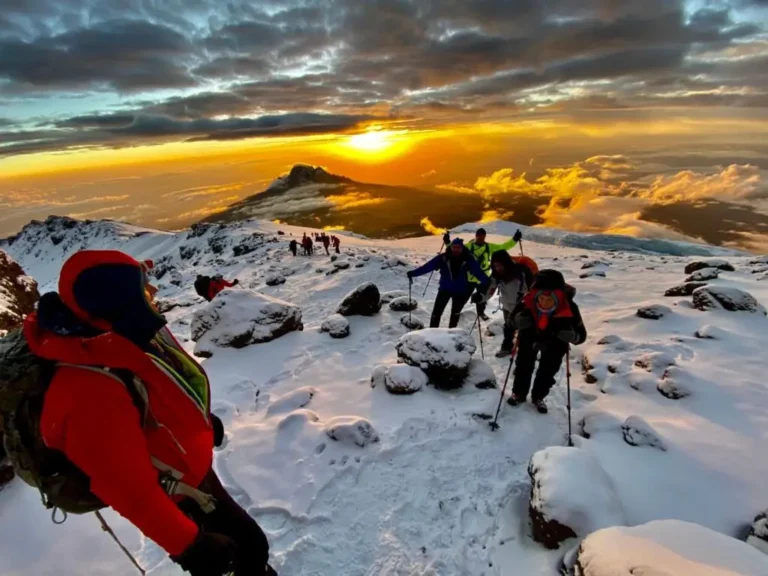
Kilimanjaro 17 April – Small Group Rainy-Season Adventure With Climb 4 Africa
start a unique Kilimanjaro climb on April 17, 2027, as part of a small group during the rainy season. This adventure offers a different perspective of the mountain, with fewer crowds and...
View package details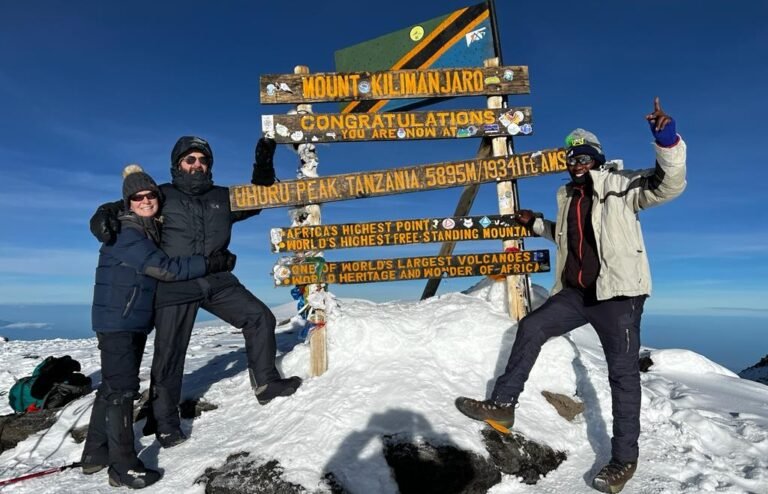
Climbing Kilimanjaro In April : Your Rainy Season Guide 2027
Embarking on a Kilimanjaro climb in April 2027 means navigating the tail end of the long rainy season. This guide provides essential insights for trekkers, focusing on route selection...
View package details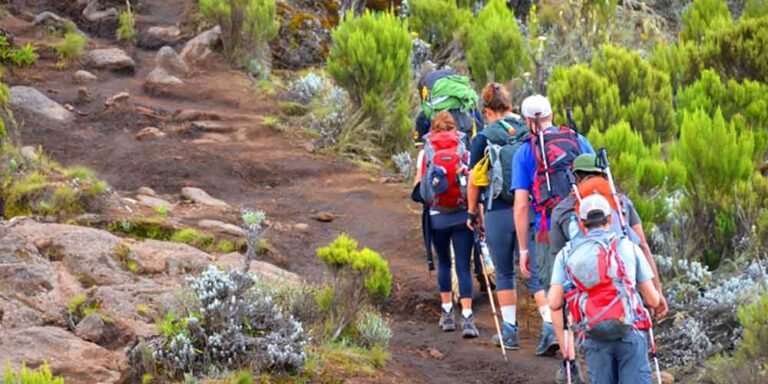
Northern Circuit – 8 August Quiet Peak-Season Trek On Kilimanjaro 2027
Explore the Northern Circuit route for your Kilimanjaro climb on August 8, 2027. This detailed guide covers why it's a preferred choice for a quieter, more scenic, and high-success-rate...
View package details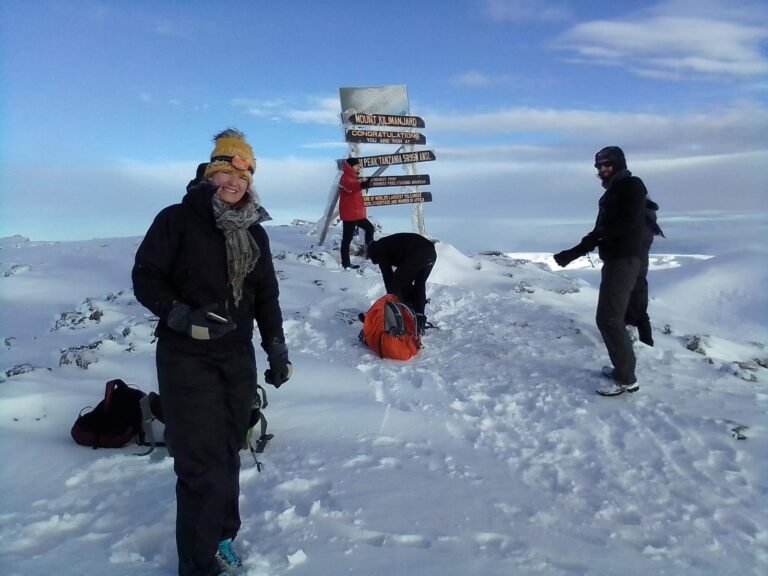
Climbing Kilimanjaro In May : Your Green Season Trekking Guide 2027
Discover the unique advantages and challenges of climbing Kilimanjaro in May 2027. This guide details everything you need to know for a successful trek during the shoulder season.
View package details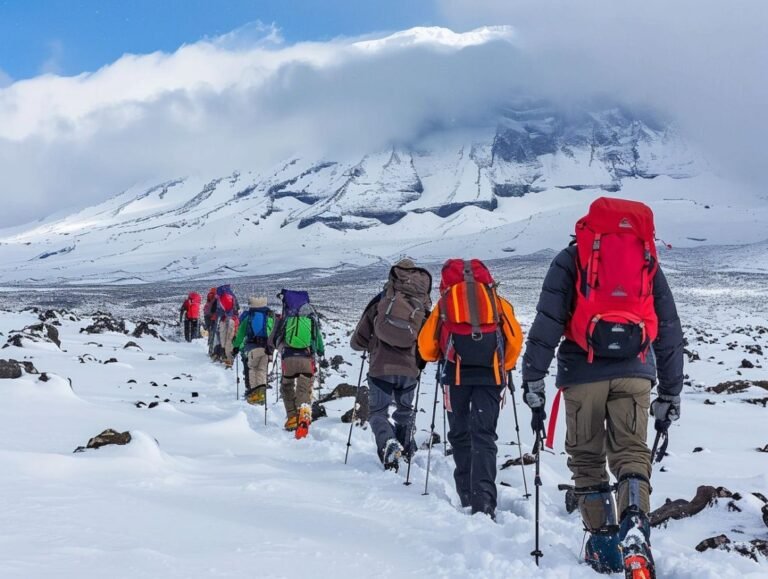
Private Kilimanjaro Climb April : Your Flexible Trekking Adventure 2027
start a personalized Kilimanjaro ascent in April 2027 with a private climb tailored for flexible travellers. Explore route options, understand the April weather, and learn how to book your...
View package details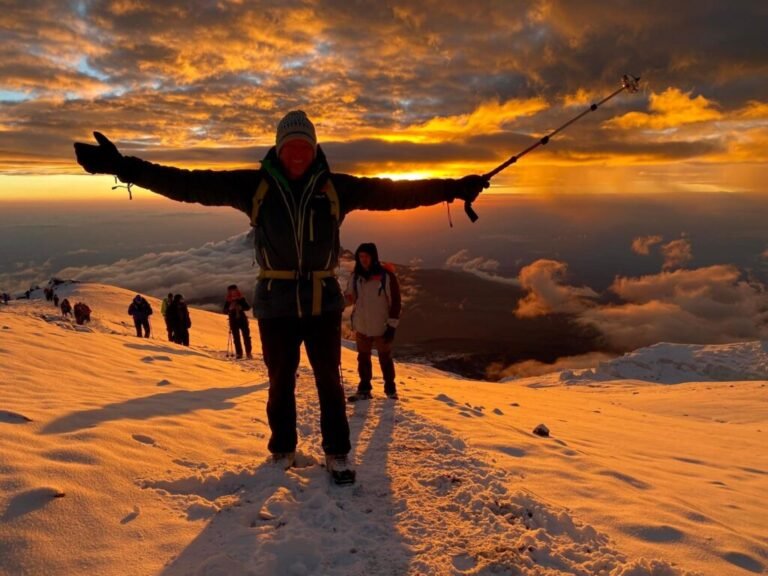
Kilimanjaro 24 April : Late Trek & Weather Expectations 2027
Discover what to anticipate for a Kilimanjaro climb on April 24, 2027. This guide covers late April weather patterns, suitable routes, and essential preparation for your ascent.
View package detailsKilimanjaro 20 March – Equinox Trek And Seasonal Transition 2027
Discover the unique advantages of trekking Mount Kilimanjaro around the March 20, 2027 equinox. This period marks a significant seasonal transition, offering a blend of weather patterns and...
View package details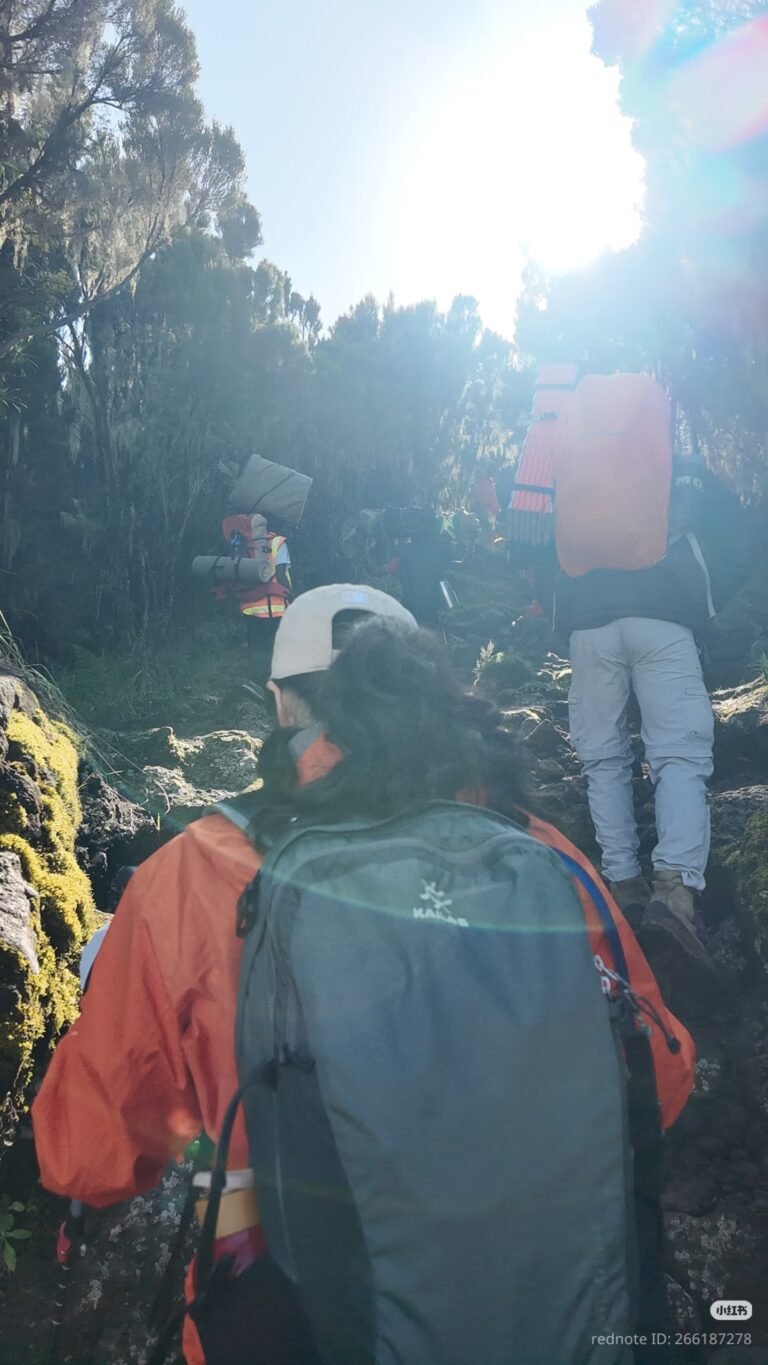
Rongai Route 30 December – Your New Year Kilimanjaro Expedition 2026-2027
start an unforgettable New Year's Eve Kilimanjaro climb via the Rongai Route, departing December 30, 2026. Discover why this route and timing offer a special experience, along with...
View package detailsMarangu Route 28 December : Your New Year Kilimanjaro Group Trek 2026-2027
Plan your New Year's Eve ascent of Kilimanjaro by joining a Marangu Route group trek departing on December 28, 2026. This guide covers route specifics, what to expect, and essential...
View package details
Rongai Route Kilimanjaro Late October : Your Drier Northern Approach Guide
Explore the Rongai Route for your Kilimanjaro climb in late October 2026. This guide details the drier northern approach, itinerary, benefits, and what to expect for your 2026-2027 trek.
View package detailsNorthern Circuit – 5 July Long Kilimanjaro Trek 2027
Northern Circuit – 5 July 2027 Long Kilimanjaro Trek is explained with current 2027 planning, price, itinerary and booking information.
View package detailsNo related package matches those filters. Clear one or more filters to see the other topic-matched options.



