
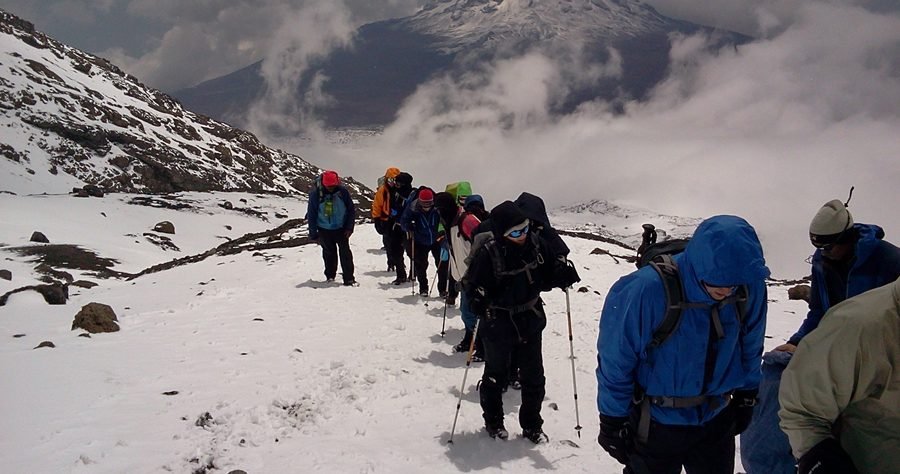
Late March on Kilimanjaro marks a transition period, often seeing the tail end of the drier season blend into the beginning of the longer, more significant rainy season. For trekkers aiming for late March 2027, understanding route choices means prioritizing paths that offer better shelter, potentially fewer crowds, and more predictable conditions, even as the weather shifts. While no route is entirely immune to rain, the Rongai Route and the Northern Circuit are often considered more favorable due to their drier northern side, though all routes will experience some wetness. The Machame Route and Lemosho Route remain popular but can become muddier and more challenging underfoot. The Marangu Route, with its huts, offers the most comfort in wet conditions.
Kilimanjaro in Late March 2027: Understanding the Transition
Climbing Kilimanjaro in late March 2027 presents a unique set of considerations. This period is a bridge between the generally drier, cooler months and the more pronounced rainy season. While not as wet as April or May, you should anticipate increased chances of rain, particularly in the afternoons and evenings. This means route selection isn’t just about scenery or difficulty; it’s also about how well a route handles moisture, potential mud, and cooler temperatures. The goal for any trekker aiming for this time of year is to choose a path that offers the best balance of ascent profile, acclimatization opportunities, and relative resilience to the changing weather. Understanding these nuances is key to a successful and enjoyable late March Kilimanjaro 2027 trek.
Weather Patterns for Late March Kilimanjaro 2027
Kilimanjaro’s weather is notoriously variable, influenced by altitude and microclimates. In late March, the mountain typically begins to experience the onset of the “long rains” season, which usually peaks in April and May. However, the transition can be gradual. Expect:
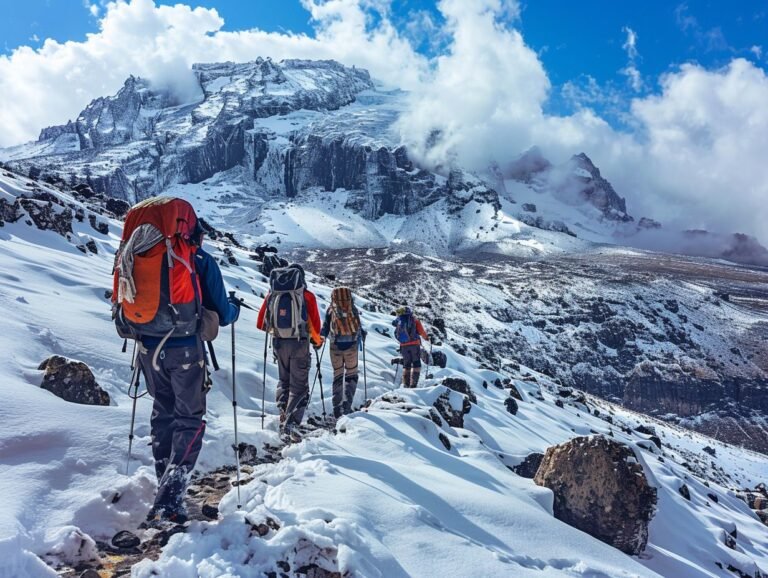
- Increased Rainfall: While you might still encounter sunny mornings, afternoons and evenings are more likely to bring rain, sometimes heavy. This rain is crucial for the region’s ecosystem but can make trails slippery and visibility challenging.
- Cloud Cover: Higher altitudes may experience persistent cloud cover, obscuring summit views.
- Temperature Fluctuations: Temperatures will remain cold at higher elevations, with the summit night being extremely cold. Rain can make these temperatures feel even more biting.
- Variable Conditions: Some years, the rains might start a little later or be less intense. Conversely, they can arrive earlier. It’s wise to prepare for the worst and hope for the best.
It’s important to remember that even during the “rainy” season, Kilimanjaro’s summit is often above the cloud layer, and clear, starry nights can still occur. The lower slopes, however, will be wetter. For a late March Kilimanjaro 2027 climb, packing robust waterproof gear is non-negotiable.
Route Suitability: Choosing Your Path for Late March 2027
When selecting a route for a late March Kilimanjaro 2027 trek, consider how each path interacts with the mountain’s diverse ecological zones and its general exposure to weather. Some routes, particularly those starting on the northern side, tend to be drier for longer.
Rongai Route: The Drier Northern Approach
The Rongai Route approaches Kilimanjaro from the north, near the Kenyan border. This side of the mountain receives less rainfall compared to the southern and western sides, making it a popular choice during transitional seasons like late March.
Pros for Late March:
- Drier Conditions: Generally experiences less rain than other routes.
- Scenery: Offers a different, more arid landscape initially, opening up to montane forest.
- Fewer Crowds: Typically less crowded than Machame or Lemosho.
Cons:
- Acclimatization: While good, it might not be as gradual as some longer routes if opting for the shorter 6-day version. The 7-day itinerary is recommended for better acclimatization.
- Less Scenic Variety on Lower Slopes: The initial days are in drier, more scrubland terrain before reaching the forest zone.
For a late March Kilimanjaro 2027 climb, Rongai is a solid contender if drier conditions are a priority. Ensure you opt for the 7-day itinerary for optimal acclimatization.
Northern Circuit: Extended Views and Varied Terrain
The Northern Circuit is the longest route on Kilimanjaro, circumnavigating the mountain. Because it spends a significant amount of time on the northern and western flanks, it can benefit from the slightly drier conditions associated with the north side, similar to Rongai.
Pros for Late March:
- Best Acclimatization: Its length provides the best acclimatization profile, significantly increasing summit success rates.
- Fewer Crowds: One of the least crowded routes.
- Scenic Diversity: Offers varied landscapes and incredible views, including the remote northern slopes.
Cons:
- Duration: Requires a minimum of 9 days, making it a longer commitment.
- Cost: Generally the most expensive route due to its length and park fees.
If your budget and time allow, the Northern Circuit is an excellent choice for late March Kilimanjaro 2027, offering the best chance for success due to superior acclimatization, with the added benefit of potentially drier conditions on its northern trajectory.
Lemosho Route: A Popular Choice with Caveats
The Lemosho Route is highly regarded for its scenic beauty and excellent acclimatization profile, especially when done over 8 or more days. It starts in the west and traverses the southern circuit. While generally considered a good route, its western and southern exposure means it can receive significant rainfall as the rainy season begins.
Pros for Late March:
- Scenic Beauty: Passes through pristine rainforest and offers stunning views.
- Good Acclimatization: Especially on 8-day itineraries like the 8 Day Lemosho Route – 6 March 2027 Kilimanjaro Climb, it offers excellent acclimatization.
- Gradual Ascent: The initial stages allow for good acclimatization.
Cons:
- Rainfall Exposure: As the rainy season approaches, the western and southern sides can be quite wet.
- Muddy Trails: Trails can become very muddy and slippery.
For a late March Kilimanjaro 2027 trek on Lemosho, be prepared for potentially wet conditions and muddy trails, especially on the lower and middle sections. The higher you ascend, the less rain you’ll typically encounter, but the precipitation will be a factor.
Machame Route: The ‘Whiskey Route’ in the Rain
Often called the “Whiskey Route” (contrasted with the “Coca-Cola Route” of Marangu), Machame is the most popular route. It’s known for its scenic beauty and good acclimatization, especially when trekked over 7 or 8 days. However, it ascends and descends on the southern side, making it quite exposed to the incoming rains.
Pros for Late March:
- High Success Rate: With 7 or 8 days, it offers good acclimatization.
- Beautiful Scenery: Passes through diverse ecosystems.
- Well-Maintained Trail: Generally in good condition, though rain can change this.
Cons:
- Crowded: Likely to be one of the busiest routes in late March, even with the changing weather.
- Very Wet: The southern exposure means it’s highly susceptible to rain and mud as the rainy season begins.
If you choose the Machame Route Mid-March 2027 or later, expect significant wetness. While still a viable option, trekkers must be prepared for challenging, muddy conditions. The 8-day version offers better acclimatization, which is always beneficial.
Marangu Route: The Hut-to-Hut Option
Marangu is unique as it’s the only route that uses dormitory-style huts instead of camping. This offers a significant comfort advantage during the rainy season. It ascends on the southeast side.
Pros for Late March:
- Comfort: Huts provide shelter from rain and are warmer than tents.
- Easier Pace: Often considered less physically demanding due to the hut accommodation and slightly gentler gradients in parts.
- Cost-Effective: Can be slightly cheaper due to less camping equipment needed.
Cons:
- Lower Success Rate: Particularly on the 5-day itinerary, acclimatization is poor, leading to lower summit success. The 6-day option improves this.
- Steep Ascent: The final ascent can feel very steep.
- Rainfall: Still experiences significant rainfall on the southeast side.
For a late March Kilimanjaro 2027 climb, the Marangu Route is a compelling choice if comfort in wet weather is paramount. However, prioritize the 6-day itinerary to improve your chances of reaching the summit. You can find more about Marangu Route options.
Comparing Late March 2027 Kilimanjaro Routes
Choosing the right route for your late March Kilimanjaro 2027 adventure involves weighing several factors. While weather is a primary concern, acclimatization, crowd levels, and your personal preferences for scenery and comfort also play significant roles. Here’s a comparative look:
| Route | Typical Days | Late March Weather Suitability | Acclimatization Profile | Crowd Levels | Comfort in Rain |
|---|---|---|---|---|---|
| Rongai | 6-7 | Good (Drier north side) | Fair (7-day better) | Low | Camping (Moderate) |
| Northern Circuit | 9+ | Very Good (Longest northern exposure) | Excellent | Very Low | Camping (Moderate) |
| Lemosho | 7-8 | Fair (Can be wet, southern/western exposure) | Good | Moderate to High | Camping (Moderate) |
| Machame | 6-8 | Fair (Likely wet, southern exposure) | Good (8-day best) | Very High | Camping (Moderate) |
| Marangu | 5-6 | Fair (Southeast exposure, prone to rain) | Poor (5-day) / Fair (6-day) | Moderate | Excellent (Huts) |
For a late March Kilimanjaro 2027 climb, if your absolute priority is minimizing rain exposure and maximizing acclimatization, the Northern Circuit is the top recommendation, followed closely by the Rongai Route (7-day version). If comfort is key and you’re willing to accept a slightly higher risk of rain and potentially lower summit success on shorter durations, the Marangu Route (6-day) is the best hut option. The Lemosho Route and Machame Route are still viable, but require thorough preparation for wet and muddy conditions.
Essential Preparation for Late March Kilimanjaro 2027
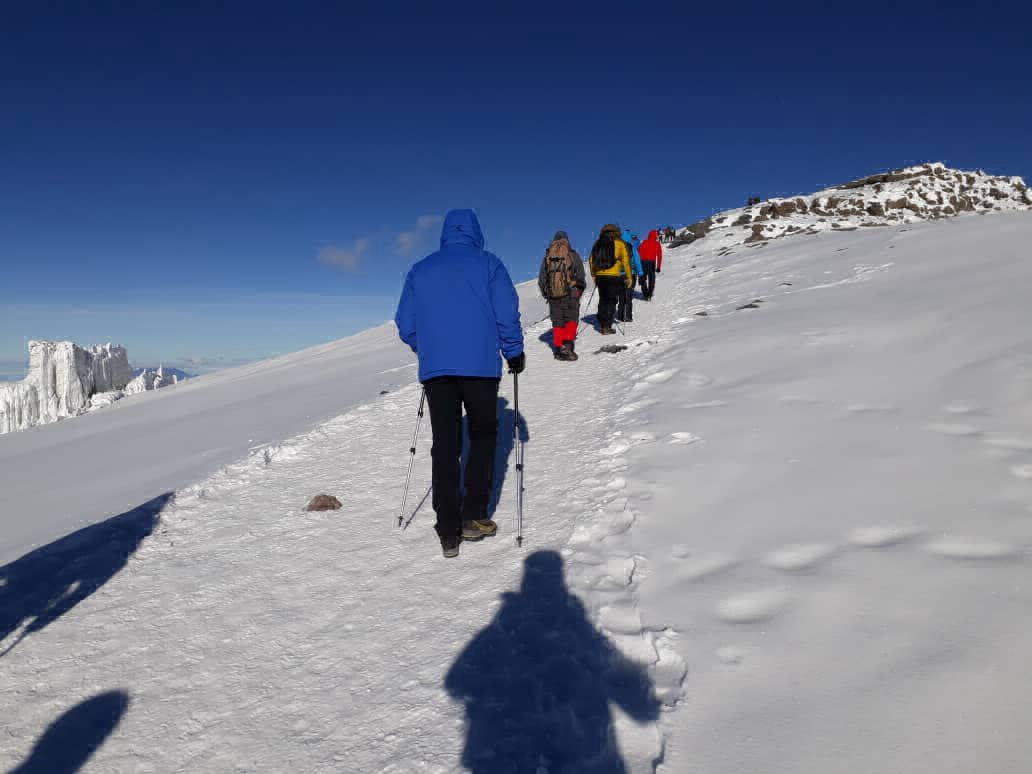
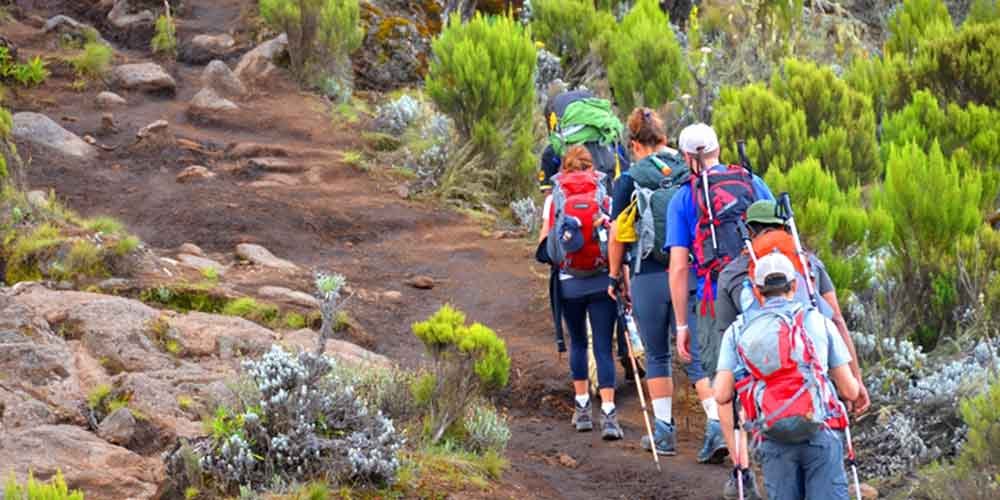
Regardless of the route you choose for your late March Kilimanjaro 2027 trek, preparation is paramount. The transitional weather means you need to be adaptable.
- Physical Fitness: Train diligently. Focus on cardiovascular endurance and leg strength. Hiking with a weighted backpack on varied terrain is ideal.
- Mental Preparedness: Understand that late March can bring challenging weather. A positive attitude and perseverance are crucial.
- Acclimatization Strategy: Choose a route and itinerary that prioritizes acclimatization. Longer routes (7+ days) generally offer better acclimatization and higher success rates.
- Vaccinations and Health: Consult your doctor about recommended vaccinations and malaria prophylaxis. Carry a personal first-aid kit.
- Travel Insurance: Ensure your insurance covers high-altitude trekking and emergency evacuation.
- Visas and Permits: Arrange your Tanzanian visa and ensure your tour operator handles all park permits.
- Booking Window: For late March Kilimanjaro 2027, booking well in advance is advisable, especially if you have specific date preferences or are joining a group. Peak season dates, even in transitional months, can fill up.
Traveler Tip for Late March 2027
Be prepared for rain, but also for potential clear spells. The mountain’s weather can change rapidly. Flexibility and a good attitude are your best allies.
Packing for the Rainy Season: Late March 2027 Essentials
Packing correctly for a late March Kilimanjaro 2027 climb is critical, especially with the increased chance of rain. Layering is key. You’ll need high-quality waterproof and windproof outer layers, alongside insulating mid-layers and moisture-wicking base layers.
Key Items for Late March:
- Waterproof Outerwear: A breathable, waterproof jacket (Gore-Tex or similar) and waterproof trousers are essential.
- Waterproof Boots: Well-broken-in, waterproof hiking boots are a must. Gaiters can help keep lower legs and boots dry and mud-free.
- Waterproof Backpack Cover: To protect your gear inside your daypack.
- Layers: Thermal base layers (merino wool or synthetic), fleece jackets, and a warm down or synthetic insulated jacket for summit night.
- Headwear: Warm hat, sun hat, and a balaclava or neck gaiter for wind and cold.
- Gloves: Waterproof outer gloves and thinner liner gloves.
- Trekking Poles: Highly recommended for stability on slippery, muddy trails and for reducing strain on knees.
- Waterproof Bags/Dry Sacks: To keep essential items like electronics and spare clothing dry inside your main duffel bag.
- Sun Protection: Sunscreen, sunglasses, and lip balm, as sun intensity is high at altitude, even with clouds.
- Headlamp: With spare batteries, for early morning starts and summit night.
Late March 2027 Packing Checklist Highlights
- Rain Gear: Jacket, trousers, waterproof gloves.
- Footwear: Waterproof boots, gaiters.
- Warm Layers: Fleece, down jacket, thermals.
- Protection: Sunscreen, hat, balaclava.
- Support: Trekking poles.
Booking Your Late March 2027 Kilimanjaro Adventure
When planning your late March Kilimanjaro 2027 climb, selecting a reputable and experienced tour operator is as crucial as choosing the right route. Climb 4 Africa specializes in Kilimanjaro expeditions and understands the nuances of climbing during transitional seasons. We can guide you through route selection, itinerary planning, and preparation specific to late March conditions.
Why Book Your Late March 2027 Climb with Climb 4 Africa?
- Local Expertise: Deep knowledge of Kilimanjaro’s weather patterns and trail conditions.
- Experienced Guides: Certified guides trained in high-altitude trekking and safety protocols.
- Quality Equipment: We provide high-quality camping gear suitable for varied conditions.
- Safety First: Comprehensive safety measures, including oxygen availability and emergency procedures.
- Tailored Itineraries: We help you choose the best route and duration for your goals, especially for challenging periods like late March.
- Transparent Pricing: Clear inclusions and exclusions, ensuring no hidden costs for your late March Kilimanjaro 2027 trek.
To discuss your late March Kilimanjaro 2027 plans and get personalized advice on route choices, itinerary, and preparation, please reach out to our expert team. We can help you select the ideal trek that balances your aspirations with the realities of climbing during this transitional month.
Contact Climb 4 Africa today:
WhatsApp: +255 747 477 898
Email: climb4africa@gmail.com
Let us help you plan an unforgettable late March Kilimanjaro 2027 adventure.
Choosing a Kilimanjaro route in late March 2027 requires careful consideration of the weather’s transitional nature. While the rains are beginning, routes like Rongai and the Northern Circuit offer an advantage due to their drier northern exposure. However, with proper preparation, gear, and a focus on acclimatization, popular routes like Lemosho and Machame remain viable, albeit with a higher likelihood of encountering rain and mud. For ultimate comfort in wet conditions, the Marangu Route’s huts are a distinct benefit. Regardless of your choice, partnering with an experienced operator like Climb 4 Africa ensures you receive the best guidance for a successful and safe ascent of Kilimanjaro in late March 2027.
“,
“faq_schema”: [
{
“question”: “What is the weather typically like on Kilimanjaro in late March?”,
“answer”: “Late March on Kilimanjaro is a transitional period, marking the shift from the dry season towards the longer, more significant rainy season. While you might still experience sunny mornings, expect increased chances of rain, particularly in the afternoons and evenings. Cloud cover can also be more prevalent at higher altitudes, and trails may become muddy and slippery.”
},
{
“question”: “Which Kilimanjaro routes are best for late March 2027 due to the weather?”,
“answer”: “For late March 2027, routes that approach from the north, such as the Rongai Route and the Northern Circuit, are generally considered more favorable as they tend to be drier. The Northern Circuit, being the longest, also offers superior acclimatization, which is crucial in any season.”
},
{
“question”: “Are Lemosho and Machame routes suitable for late March 2027?”,
“answer”: “The Lemosho and Machame routes, which traverse the southern and western sides of Kilimanjaro, can be quite wet and muddy in late March as the rainy season begins. While still climbable with the right gear and preparation, trekkers should be ready for challenging, wet conditions. Opting for longer itineraries (7-8 days) on these routes is highly recommended for better acclimatization.”
},
{
“question”: “What are the advantages of the Marangu Route in late March?”,
“answer”: “The Marangu Route is the only one offering hut accommodation, which provides significant comfort during the rainy season by offering shelter from rain and being warmer than tents. It’s a good choice if comfort in wet weather is a priority, though it’s essential to opt for the 6-day itinerary for better summit success chances.”
},
{
“question”: “What essential gear should I pack for a late March Kilimanjaro climb in 2027?”,
“answer”: “Packing for late March requires robust waterproof and windproof outer layers (jacket and trousers), waterproof hiking boots, gaiters, and good quality waterproof gloves. Layering is key, with thermal base layers, fleece mid-layers, and a warm insulated jacket for summit night. Waterproof bags for your gear and trekking poles are also highly recommended.”
},
{
“question”: “How does the length of the trek affect success rates in late March?”,
“answer”: “Longer treks (7 days or more) significantly improve acclimatization, which is vital for reaching the summit, especially during transitional weather periods like late March. Routes like the Northern Circuit (9+ days), 8-day Lemosho, and 7-day Machame or Rongai offer better acclimatization profiles and thus higher success rates compared to their shorter counterparts.”
}
]
}
“`
Related Guides and Packages
Check Availability for Late March Kilimanjaro – Rainy-Season Route Choices 2027
Ready to compare dates, prices, and the best option for your group? Send the package name and travel month so the team can reply with a clear quote, availability, and what is included.
Kilimanjaro 22 May : Your Late-Rainy-Season Group Trek 2027
Planning a Kilimanjaro trek for May 22, 2027? This late-rainy-season group departure offers a different perspective on Africa's highest peak, often with fewer crowds and lush landscapes...
View package details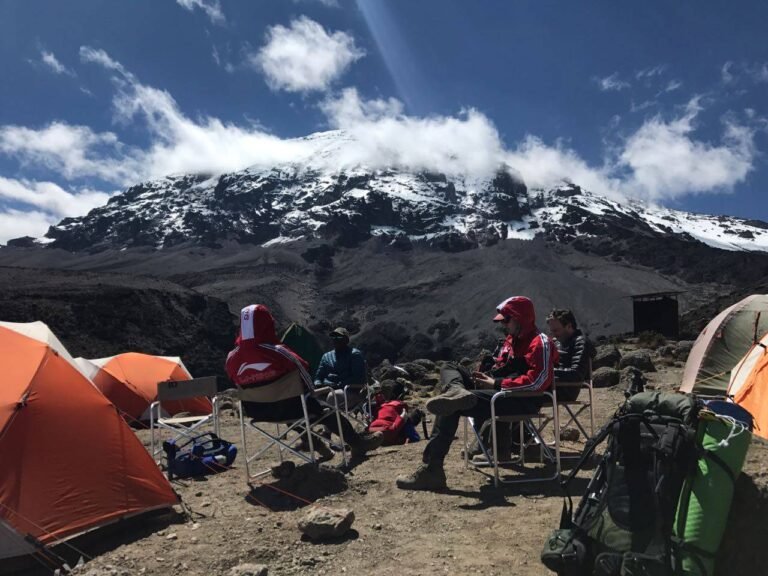
Rongai Route Kilimanjaro April : Your Northern-Side Rainy Season Trek 2027
start your Kilimanjaro adventure via the Rongai Route in April 2027. This guide details the northern-side experience during the shoulder rainy season, offering practical insights for...
View package details
Kilimanjaro Late February : Last Dry-Season Groups Before March Rains 2027
Discover the unique opportunity to climb Kilimanjaro in late February 2027, capturing the last dry weather window before the arrival of the March rains. Plan your ascent during this...
View package details
Kilimanjaro 17 April – Small Group Rainy-Season Adventure With Climb 4 Africa
start a unique Kilimanjaro climb on April 17, 2027, as part of a small group during the rainy season. This adventure offers a different perspective of the mountain, with fewer crowds and...
View package details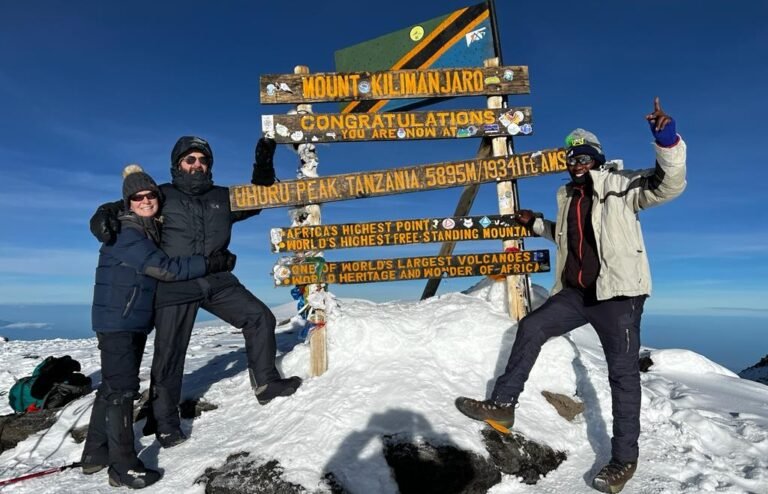
Climbing Kilimanjaro In April : Your Rainy Season Guide 2027
Embarking on a Kilimanjaro climb in April 2027 means navigating the tail end of the long rainy season. This guide provides essential insights for trekkers, focusing on route selection...
View package details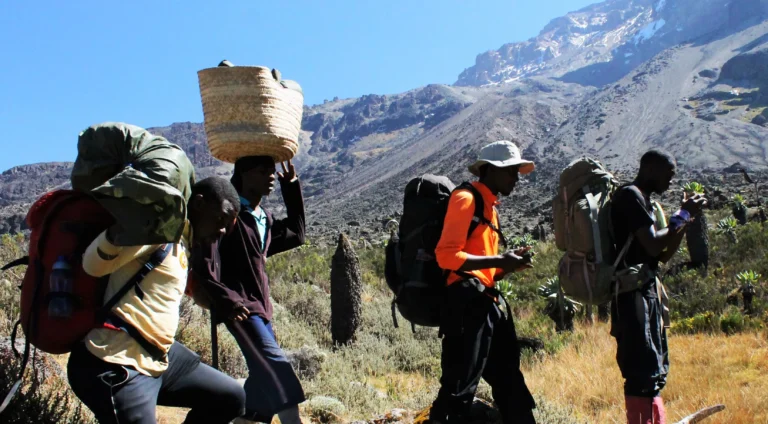
Best Kilimanjaro And Serengeti Calving Season Safari March 2027
Discover the magic of a March 2027 Kilimanjaro and Serengeti calving season safari. This guide explores the unique advantages and considerations for experiencing Tanzania's wildlife...
View package detailsKilimanjaro 20 March – Equinox Trek And Seasonal Transition 2027
Discover the unique advantages of trekking Mount Kilimanjaro around the March 20, 2027 equinox. This period marks a significant seasonal transition, offering a blend of weather patterns and...
View package details
Rongai Route March : Your Northern Approach For Changing Kilimanjaro Weather
The Rongai Route offers a unique advantage for trekkers aiming for Kilimanjaro in March 2027. Its northern approach provides a distinct weather pattern compared to southern routes, often...
View package details8 Day Lemosho Route – 6 March Kilimanjaro Climb 2027
8 Day Lemosho Route – 6 March 2027 Kilimanjaro Climb is explained with current 2027 planning, price, itinerary and booking information.
View package details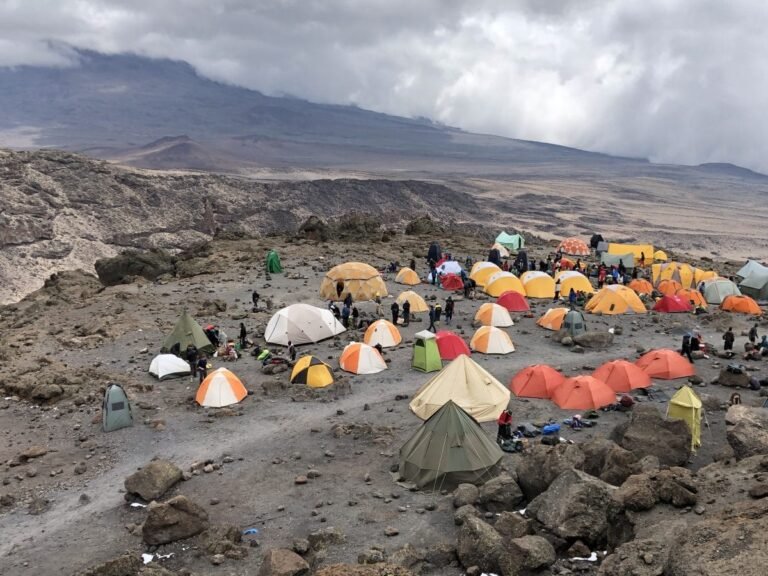
Kilimanjaro May Private Climb: Flexible Low-Season Dates For Your Adventure
start a private Kilimanjaro climb in May 2027. This guide details the advantages of low-season dates, route options, and essential planning for your unique adventure.
View package details
Late May Kilimanjaro – Is It Better Than Early May? 2027
Deciding between late May and early May for your 2027 Kilimanjaro climb involves understanding subtle shifts in weather, crowd dynamics, and the mountain's overall feel. While both periods...
View package detailsKilimanjaro 29 May – Transition Into The June Dry Season 2027
Climbing Kilimanjaro on May 29, 2027, positions you perfectly at the cusp of the dry season. This guide details what to expect, optimal routes, and preparation for a successful summit.
View package detailsNo related package matches those filters. Clear one or more filters to see the other topic-matched options.



