
Reaching the summit of Kilimanjaro on Easter Sunday, March 28, 2027, provides a profound and unique trekking experience, combining a spiritual holiday with a significant personal achievement. March generally falls within the shoulder season, offering a balance of decent weather and fewer crowds compared to the peak dry season, making it a favorable time for the climb. Planning this expedition requires careful consideration of routes, acclimatization, and booking with a reputable operator like Climb 4 Africa to ensure safety and success.
The Allure of an Easter Kilimanjaro Summit
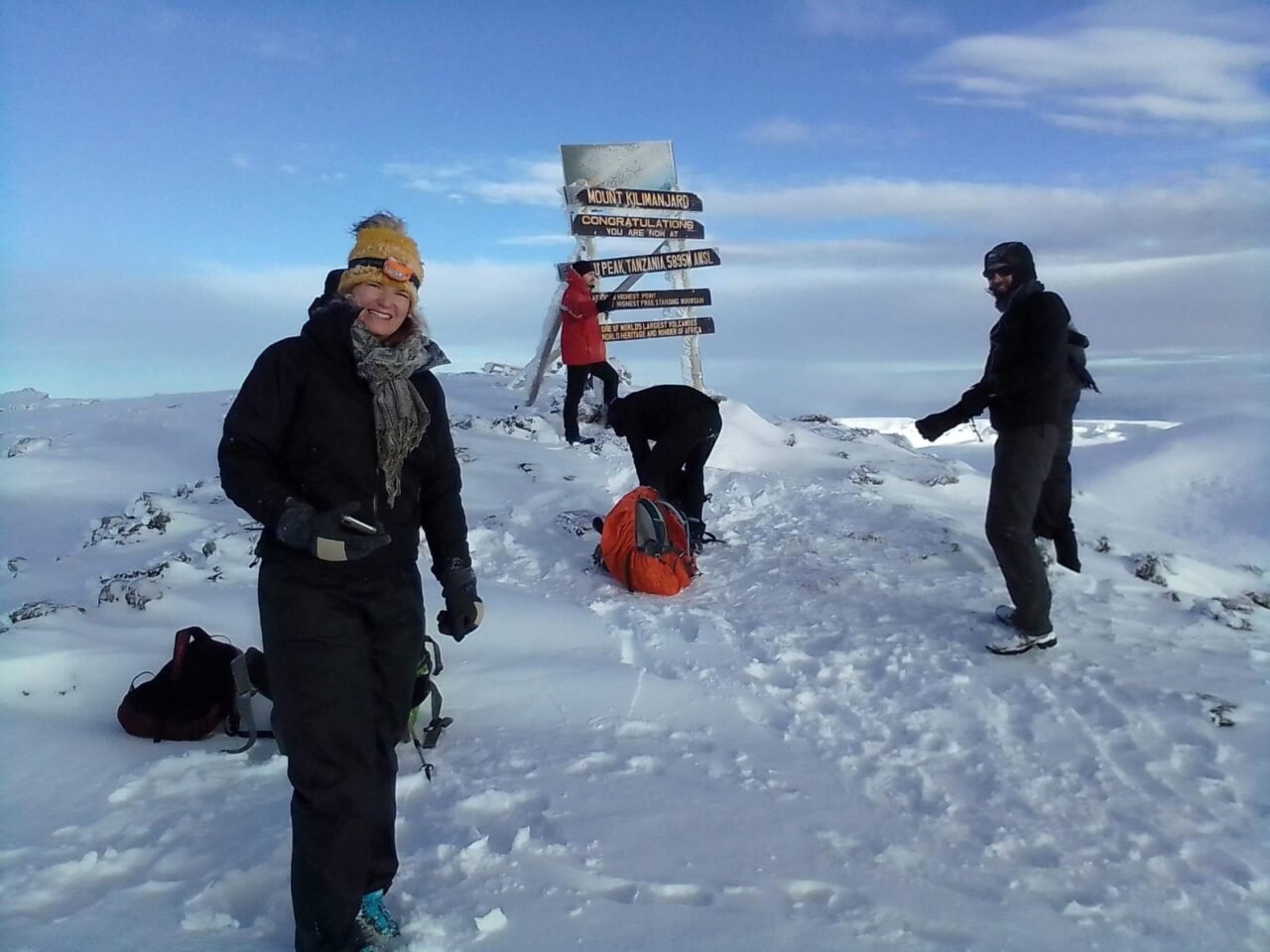
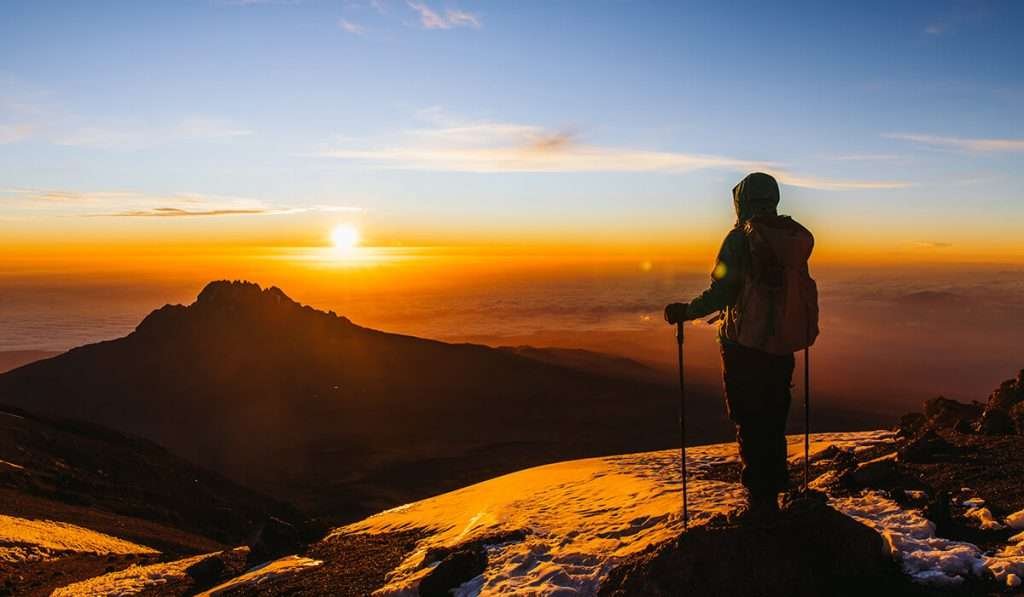
Climbing Kilimanjaro is a dream for many, a chance to stand atop Africa and witness a sunrise like no other. For those seeking a deeper meaning or a unique way to celebrate a significant holiday, targeting the summit for Easter Sunday, March 28, 2027, adds a layer of profound personal and spiritual resonance to the adventure. This specific date aligns with the latter part of March, a period often characterized by transitioning weather as the region moves from the dry season towards the longer rainy period. Yet, many trekkers find this time offers a rewarding balance of fewer crowds and manageable conditions, especially when compared to the peak dry months.
Choosing an Easter Sunday summit means you’ll be part of a select group experiencing this monumental challenge during a time of reflection and renewal. It’s an opportunity to connect with nature’s grandeur while also marking a personal milestone. For travelers looking to combine adventure with a touch of spiritual observance, the 28 March 2027 date is particularly appealing. Climb 4 Africa specializes in creating these memorable expeditions, understanding the nuances of timing, route selection, and the critical importance of safety and acclimatization, especially for a significant date like this.
Understanding March Weather for Your 2027 Climb
March on Kilimanjaro is a transitional month. Typically, February marks the end of the main dry season, followed by a shorter, less intense rainy season that begins in late March and extends through May. However, the weather on Kilimanjaro is notoriously unpredictable and varies significantly with altitude. For an Easter Sunday Kilimanjaro Summit on 28 March 2027, trekkers can generally expect:
- Temperatures: Cold, especially at higher altitudes and on summit night, often dropping well below freezing. Daytime temperatures can range from cool to pleasant in the lower rainforest zones.
- Precipitation: While the heavier rains are usually in April and May, March can see increasing cloud cover and occasional showers, particularly in the afternoons. These are often lighter than the main rainy season downpours.
- Visibility: Mornings often offer clearer skies, with clouds building up as the day progresses. Summit night should ideally be clear for stargazing and sunrise views, but cloud cover is a possibility.
- Trail Conditions: Trails can become muddy and slippery in the lower forest sections due to increasing moisture. Higher up, snow and ice are common, especially near the summit.
Despite the potential for some rain, March is still considered a viable month for climbing. Many trekkers find that the rain is often brief, and the experience is not significantly hampered, especially if you are well-prepared with waterproof gear. The benefit of climbing in March, including for the 28 March 2027 Easter summit, is often fewer trekkers on the mountain compared to the busy dry seasons of January-February and June-October. This can lead to a more serene and personal experience.
Choosing Your Route for the 28 March 2027 Summit
The route you choose significantly impacts your acclimatization profile, scenery, and overall experience. For a successful Easter Sunday Kilimanjaro Summit on 28 March 2027, prioritizing routes with better acclimatization is key. Here’s a look at popular options:
Marangu Route (Coca-Cola Route)
- Duration: 5-6 days.
- Pros: It’s the only route with hut accommodation, offering more comfort. It’s also one of the shortest and most direct.
- Cons: Its steep ascent profile means lower acclimatization rates, leading to lower success rates. It can also be more crowded.
- Best for: Trekkers seeking basic comfort and a shorter trek, though less ideal for optimal acclimatization for a summit on 28 March 2027.
Machame Route (Whiskey Route)
- Duration: 6-7 days.
- Pros: Known for its high success rates due to excellent acclimatization, often following the “climb high, sleep low” principle. It offers varied and stunning scenery.
- Cons: Camping only, and can be quite busy.
- Best for: Most trekkers, including those aiming for the Easter Sunday Kilimanjaro Summit, due to its strong acclimatization profile. A 7-day itinerary is highly recommended for this route.
Lemosho Route
- Duration: 7-8 days.
- Pros: Considered one of the most beautiful routes, offering excellent acclimatization and a sense of remoteness. It merges with the Machame route higher up.
- Cons: It’s one of the longer and more expensive routes.
- Best for: Trekkers who want a more in-depth experience, stunning views, and the best chance of acclimatizing well for a successful 28 March 2027 summit. An 8-day itinerary is ideal.
Rongai Route
- Duration: 6-7 days.
- Pros: Approaches from the north, making it a good option for March as it tends to be drier. It offers a more remote feel and good acclimatization.
- Cons: Scenery is less varied than Machame or Lemosho in the lower sections.
- Best for: Trekkers who prioritize a drier approach and good acclimatization, making it a strong contender for an Easter climb in 2027.
Northern Circuit
- Duration: 9-10 days.
- Pros: The longest route, offering the best acclimatization and highest success rates. It circles the mountain, providing diverse landscapes.
- Cons: The longest and most expensive option.
- Best for: Those seeking the ultimate Kilimanjaro experience with maximum acclimatization and comfort, ensuring the best possible chance for the Easter Sunday Kilimanjaro Summit on 28 March 2027.
For an Easter Sunday Kilimanjaro Summit on 28 March 2027, Climb 4 Africa strongly recommends routes of at least 7 days, with 8 or 9 days being even better. The Lemosho Route or the Machame Route (7 or 8 days) are excellent choices that balance acclimatization, scenery, and accessibility for this specific date.
Itinerary Planning: Balancing Acclimatization and the Easter Date
Successfully reaching the summit of Kilimanjaro, especially for a specific date like Easter Sunday, 28 March 2027, hinges on a well-planned itinerary that prioritizes acclimatization. The general rule of thumb is that longer routes offer better acclimatization and thus higher success rates. For an Easter climb, aiming for a minimum of 7 days is advisable, with 8 or 9 days providing superior acclimatization.
When planning your Easter Sunday Kilimanjaro Summit 2027, consider these itinerary factors:
- Ascent Profile: Routes that ascend gradually, allowing for the “climb high, sleep low” strategy, are crucial. This means trekking to higher altitudes during the day and descending to sleep at a lower elevation.
- Rest Days: Incorporating an extra day or two, particularly at higher camps like Barranco Camp (on Machame or Lemosho) or Karanga Camp, can significantly aid acclimatization and reduce the risk of altitude sickness.
- Pacing: Your guides will set a slow, steady pace (often called “pole pole” in Swahili). It’s essential to adhere to this, as rushing is the quickest way to invite altitude-related problems.
- Flexibility: While targeting a specific date is exciting, be prepared for potential adjustments. Weather or personal health might necessitate a change in plans, and a good operator will manage this professionally.
For instance, an 8-day Lemosho itinerary might look something like this (dates adjusted for a 28 March 2027 summit):
- Day 1: Arrive Kilimanjaro International Airport (JRO), transfer to Moshi.
- Day 2: Drive to Lemosho Gate, trek to Mti Mkubwa Camp.
- Day 3: Trek through the rainforest to Shira 1 Camp.
- Day 4: Trek to Shira 2 Camp, acclimatizing with views of Kibo.
- Day 5: Climb high towards Lava Tower, then descend to Barranco Camp.
- Day 6: Conquer the Barranco Wall, trek to Karanga Camp.
- Day 7: Trek to Barafu Camp (base camp).
- Day 8: Summit Night! Ascend to Uhuru Peak for sunrise, descend to Millennium Camp or Mweka Camp.
- Day 9: Descend to Mweka Gate, transfer to Moshi.
This structure allows for crucial acclimatization days. If your target is specifically Easter Sunday, 28 March 2027, you would need to start your trek around March 20th or 21st, depending on the chosen itinerary length. Climb 4 Africa can help tailor your start date to align perfectly with your Easter Sunday Kilimanjaro Summit goal.
Packing Essentials for a March 2027 Kilimanjaro Expedition
Packing correctly is paramount for comfort and safety on Kilimanjaro, especially during the transitional weather of March. Layering is key. You’ll experience everything from tropical heat in the rainforest to arctic cold near the summit. For your Easter Sunday Kilimanjaro Summit on 28 March 2027, consider these essentials:
- Base Layers: Moisture-wicking thermal tops and bottoms (merino wool or synthetic).
- Mid Layers: Fleece jackets or down vests for insulation.
- Outer Layer: Waterproof and windproof jacket and trousers (Gore-Tex or similar).
- Insulation: A warm, insulated jacket (down or synthetic) for extreme cold, especially for summit night.
- Footwear: Broken-in, waterproof hiking boots with good ankle support. Camp shoes or sneakers for evenings.
- Socks: Several pairs of warm wool or synthetic hiking socks.
- Headwear: Warm beanie or wool hat, sun hat with a brim, and a balaclava or neck gaiter for wind protection.
- Handwear: Warm, waterproof gloves or mittens, and thinner liner gloves.
- Sleeping Bag: A 4-season sleeping bag rated to at least -15°C (0°F).
- Backpack: A comfortable daypack (30-40 liters) for essentials, and a larger duffel bag (80-100 liters) for porters to carry.
- Trekking Poles: Highly recommended for stability and reducing strain on knees.
- Headlamp: With extra batteries, essential for summit night.
- Sun Protection: High SPF sunscreen, sunglasses, lip balm with SPF.
- Hydration: Water bottles or a hydration reservoir (ensure it doesn’t freeze). Water purification tablets or filter.
- Personal Items: Toiletries, personal first-aid kit, any personal medications.
- Snacks: High-energy snacks like energy bars, nuts, and dried fruit.
Remember to pack waterproof bags or dry sacks to keep your gear dry, especially crucial for an Easter climb in March 2027. Climb 4 Africa provides a detailed packing list upon booking, tailored to the specific route and time of year.
Physical and Mental Preparation for the Summit Attempt
Reaching the Easter Sunday Kilimanjaro Summit on 28 March 2027 requires a combination of robust physical fitness and strong mental fortitude. Altitude presents a unique challenge, and no amount of training can completely eliminate the effects of thin air, but good preparation maximizes your chances.
Physical Preparation:
- Cardiovascular Endurance: Focus on activities that build stamina, such as hiking (especially with a backpack), running, cycling, or swimming. Aim for at least 3-4 sessions per week for several months leading up to your climb.
- Strength Training: Strengthen your legs (quadriceps, hamstrings, calves) and core muscles. Squats, lunges, and step-ups are excellent exercises.
- Hiking Practice: The best training is hiking, ideally on varied terrain and with elevation gain. Practice hiking for several hours at a time, carrying a weighted pack similar to what you’ll use on Kilimanjaro.
- Acclimatization Training: While not directly trainable, understanding altitude sickness symptoms and how to manage them is vital.
Mental Preparation:
- Set Realistic Expectations: Understand that Kilimanjaro is a serious undertaking. The summit push is demanding, and success is not guaranteed.
- Develop Resilience: Practice pushing yourself mentally during training. Remind yourself why you are undertaking this challenge.
- Visualization: Imagine yourself successfully reaching the summit, the feeling of accomplishment, and the impressive views.
- Positive Mindset: Maintain a positive attitude throughout the trek, even when facing challenges. Your mental state plays a huge role in your physical performance.
- Trust Your Guides: Your guides are highly experienced. Trust their judgment regarding pace, rest, and your well-being.
Preparing for an Easter Sunday Kilimanjaro Summit involves more than just booking. It’s a commitment to training and mental readiness. By the time March 2027 arrives, you should feel confident in your physical capacity and mentally prepared for the challenges ahead.
The Significance of Easter Sunday on Kilimanjaro
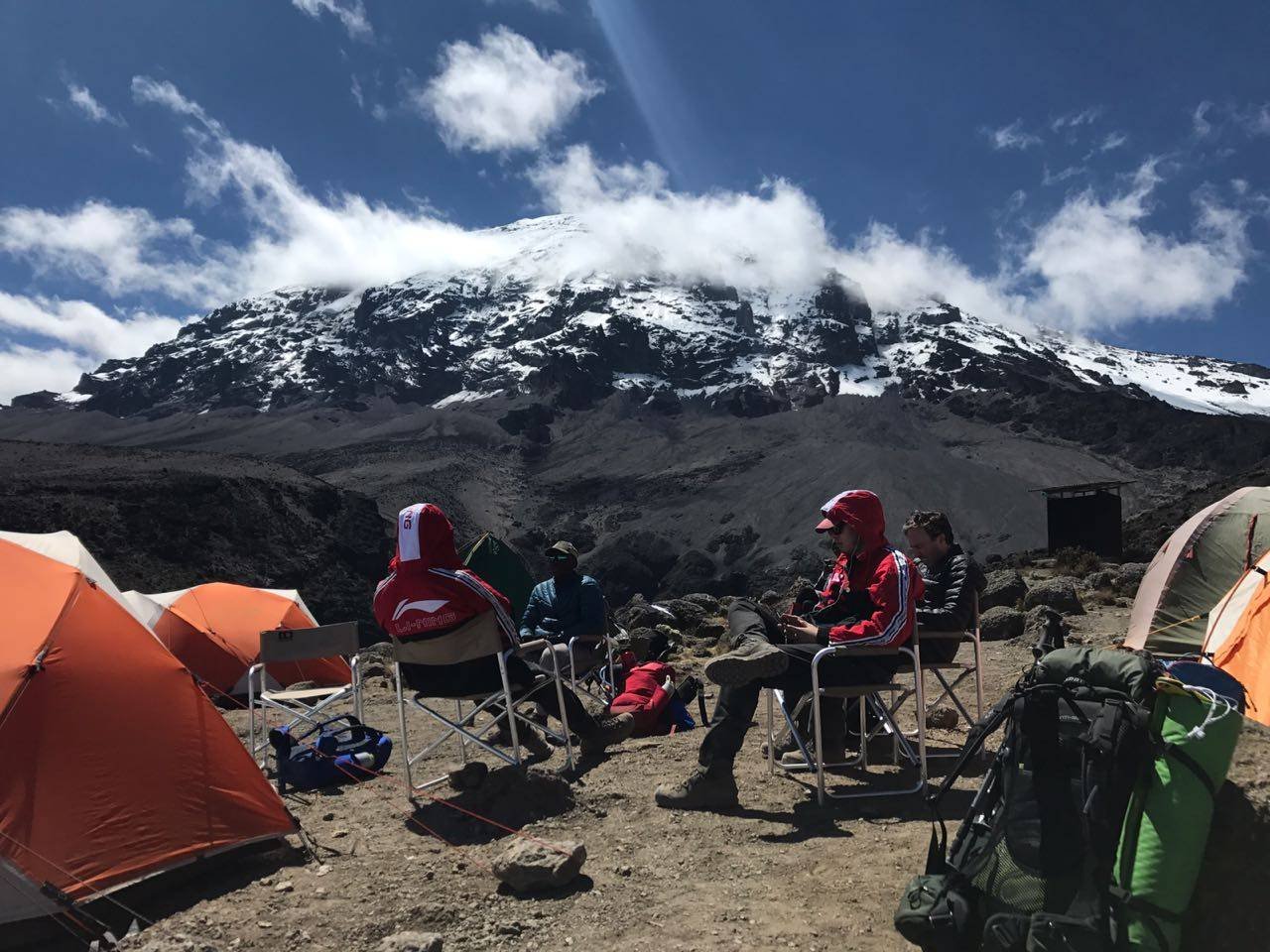
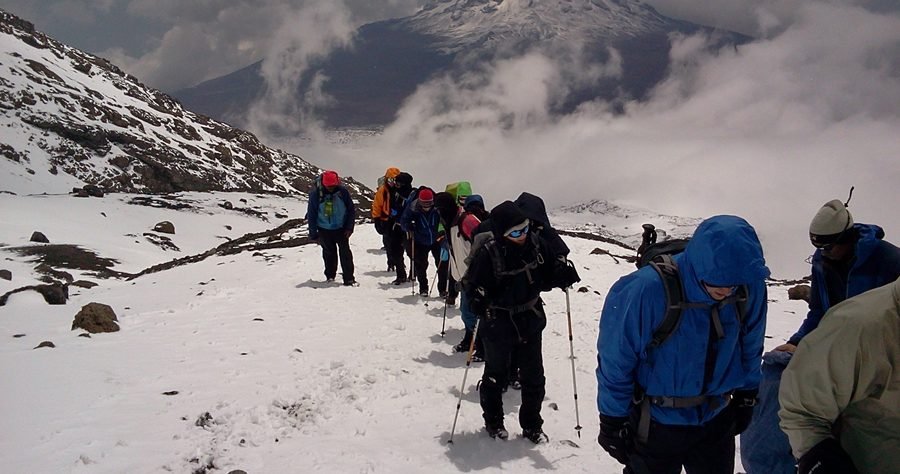
Celebrating Easter Sunday on Kilimanjaro, March 28, 2027, offers a unique spiritual dimension to the climb. For many, Easter is a time of reflection, renewal, and hope. Standing on the summit of Africa, surrounded by the vastness of the continent and the majesty of the stars or the dawn, can be an incredibly profound experience.
While there are no formal religious services on the mountain, the atmosphere itself can feel deeply spiritual. The immense challenge, the beauty of nature, and the sense of accomplishment can evoke feelings of awe and gratitude. Many climbers find that the solitude and the connection with the natural world during their trek provide a powerful space for personal reflection, making the Easter period a particularly fitting time for such introspection.
Some groups may choose to share readings or reflections related to Easter during their trek, especially on summit night or the days leading up to it. The shared experience of pushing limits and supporting each other can also foster a sense of community and shared purpose, mirroring the communal aspects of Easter celebrations.
An Easter Sunday Kilimanjaro Summit is not just a physical feat; for some, it’s a pilgrimage, a personal journey of challenge and spiritual connection. It’s a way to mark a significant holiday with an equally significant personal achievement.
Booking Your 2027 Easter Climb with Climb 4 Africa
Securing your spot for the Easter Sunday Kilimanjaro Summit on 28 March 2027 requires timely planning. Peak seasons often book up far in advance, and while March is a shoulder season, popular dates like Easter can attract interest. Climb 4 Africa, as your expert Kilimanjaro operator, is here to guide you through the booking process and ensure your expedition is safe, memorable, and tailored to your needs.
Why Book with Climb 4 Africa for Your 2027 Easter Climb?
- Local Expertise: We are a Tanzania-based company with deep knowledge of Kilimanjaro, its routes, and its guides.
- Safety First: Your safety is our priority. We work with experienced, certified guides and porters, and carry comprehensive medical kits.
- Quality Equipment: We provide high-quality tents, cooking equipment, and ensure our guides are well-trained in mountain safety and first aid.
- Sustainable Tourism: We are committed to responsible tourism practices, ensuring fair treatment of our crew and minimizing our environmental impact.
- Tailored Itineraries: We can customize itineraries to suit your fitness level, desired pace, and specific goals, including achieving the 28 March 2027 Easter summit.
Booking Steps:
- Contact Us: Reach out to Climb 4 Africa to discuss your interest in the Easter Sunday Kilimanjaro Summit – 28 March 2027.
- Choose Your Route & Duration: We’ll help you select the best route and itinerary length (we recommend 7-9 days for this climb).
- Review Itinerary & Quote: We’ll provide a detailed itinerary and a transparent quote.
- Deposit & Confirmation: A deposit is required to secure your booking and preferred dates.
- Pre-Trip Support: You’ll receive comprehensive information, including packing lists, training advice, and visa guidance.
To begin planning your unforgettable Easter Sunday Kilimanjaro Summit on 28 March 2027, contact us directly. We are ready to answer all your questions and help you prepare for this incredible adventure.
WhatsApp: +255 747 477 898
Email: climb4africa@gmail.com
What to Expect on Summit Night
Summit night is the most challenging and rewarding part of your Kilimanjaro climb. For those aiming for the Easter Sunday Kilimanjaro Summit on 28 March 2027, understanding what lies ahead is crucial for preparation. Typically, you’ll wake up around midnight or 1 AM at Barafu Camp (around 4,600m / 15,090 ft). After a light breakfast and final gear checks, you’ll begin the ascent.
- The Climb: The trek from Barafu Camp to Stella Point (on the crater rim) and then to Uhuru Peak (the true summit at 5,895m / 19,341 ft) takes approximately 5-7 hours. It’s a steep, winding path often covered in scree, and in March, potentially snow and ice.
- Extreme Cold: Temperatures can plummet to -15°C to -25°C (5°F to -13°F) or colder, with wind chill making it feel even more intense.
- Altitude Effects: The lack of oxygen at this altitude will be noticeable. You’ll likely experience shortness of breath, fatigue, and possibly headaches or nausea. Your pace will be very slow – “pole pole.”
- Headlamp Use: The entire climb is in darkness, guided only by your headlamp and the lights of other trekkers. The stars can be spectacular if the sky is clear.
- Reaching Stella Point: This is a significant milestone, marking your arrival at the crater rim. From here, it’s another 1-2 hours to Uhuru Peak.
- Uhuru Peak: The final push to the summit is often a mental battle as much as a physical one. The reward is immense – standing at the highest point in Africa as the sun rises, with glaciers glinting around you.
- The Descent: The descent is almost as challenging as the ascent, especially from the crater rim down to Barafu Camp. It’s steep, and your knees will take a pounding. Many people feel the effects of altitude more acutely on the way down. You’ll then continue descending to a lower camp, often Millennium or Mweka Camp, for a well-deserved rest.
Your guides will closely monitor your condition throughout summit night, making critical decisions about your safety. Trust their expertise, stay hydrated, and keep moving slowly and steadily towards your Easter Sunday Kilimanjaro Summit 2027 goal.
Post-Summit Celebrations and Zanzibar Add-ons
After successfully completing your Easter Sunday Kilimanjaro Summit on 28 March 2027, the feeling of accomplishment is unparalleled. Upon descending to Mweka Gate, you’ll be met by your driver and transferred back to Moshi for a hot shower and a celebratory meal. Climb 4 Africa ensures a fitting end to your trek.
Many travelers combine their Kilimanjaro climb with other incredible Tanzanian experiences. A popular extension is a visit to the spice island of Zanzibar. After the physical exertion of the climb, relaxing on pristine beaches, exploring historic Stone Town, and enjoying the island’s vibrant culture can be the perfect way to recover and reflect.
Consider extending your 2027 adventure with a trip to Zanzibar. Climb 4 Africa can arrange smooth transfers from Kilimanjaro to Arusha, followed by a flight to Zanzibar. You can enjoy a few days of relaxation, snorkeling, spice tours, and cultural exploration before heading home. This combination offers a complete Tanzanian experience, from mountain heights to ocean blues.
Whether you choose to head directly home or extend your journey, the memories of your Easter Sunday Kilimanjaro Summit will last a lifetime. Let Climb 4 Africa help you craft the perfect Tanzanian adventure, starting with your climb on 28 March 2027.
Related Guides and Packages
Check Availability for Easter Sunday Kilimanjaro Summit – 28 March Trekking Adventure 2027
Ready to compare dates, prices, and the best option for your group? Send the package name and travel month so the team can reply with a clear quote, availability, and what is included.
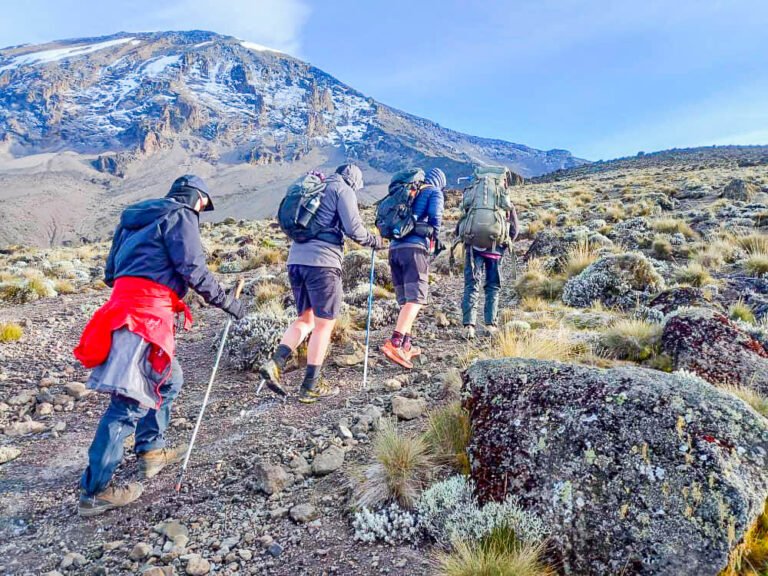
Kilimanjaro Easter Climb – Trek Around 26-29 March With 4 Africa 2027
start a Kilimanjaro Easter Climb in 2027, with prime trekking dates around March 26-29. This guide explores the benefits of climbing during this transitional period, key route...
View package details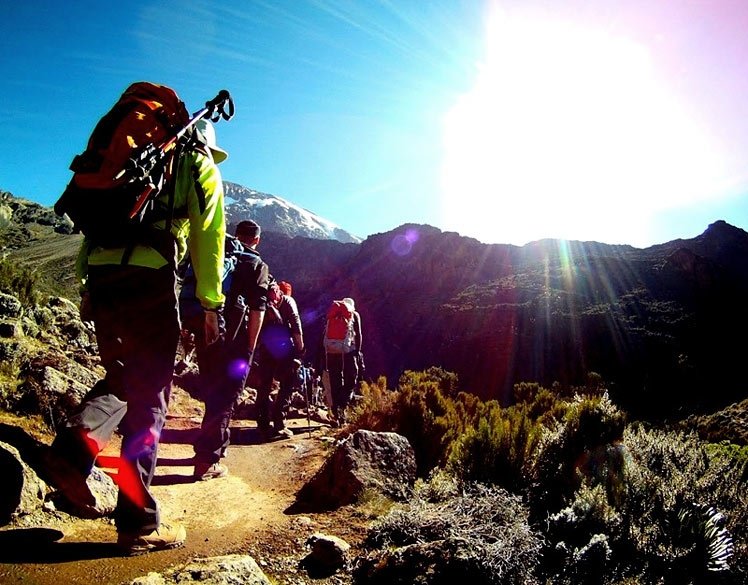
Kilimanjaro Full Moon Climb March – Summit Around 22 2027
Kilimanjaro Full Moon Climb March 2027 – Summit Around 22 March is explained with current 2027 planning, price, itinerary and booking information.
View package details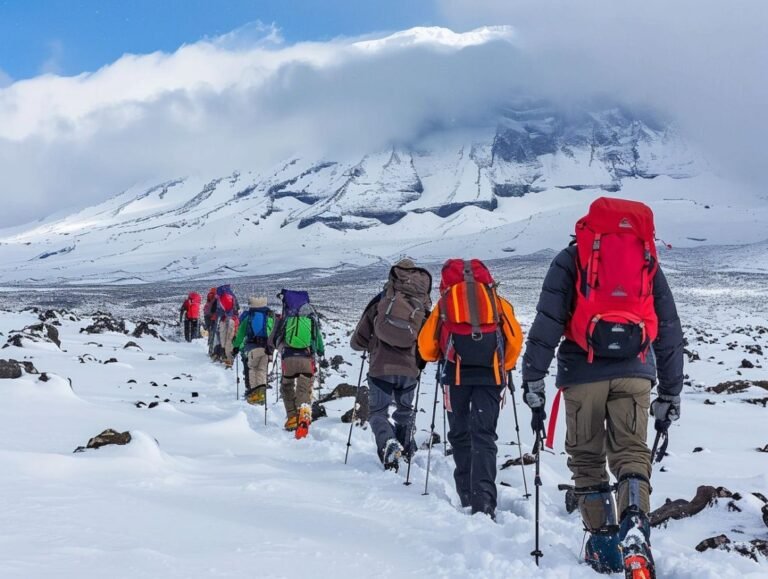
Kilimanjaro Full Moon Climb May – Summit Around 20 2027
start a magical Kilimanjaro Full Moon Climb in May 2027, aiming for the summit around May 20th. This guide details the unique experience, optimal planning for the Green Season, and how...
View package details
Kilimanjaro Mid-May – Rain, Temperatures And Summit Conditions 2027
Kilimanjaro Mid-May 2027 – Rain, Temperatures and Summit Conditions is explained with current 2027 planning, price, itinerary and booking information.
View package details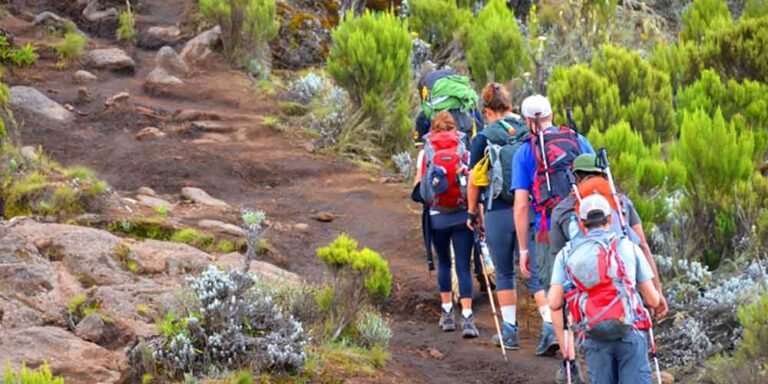
Kilimanjaro Full Moon Climb April – Summit Around 20-21 2027
start an unforgettable Kilimanjaro Full Moon Climb in April 2027, aiming for the summit on April 20-21. Discover the magic of reaching Uhuru Peak under the glow of the full moon, and learn...
View package details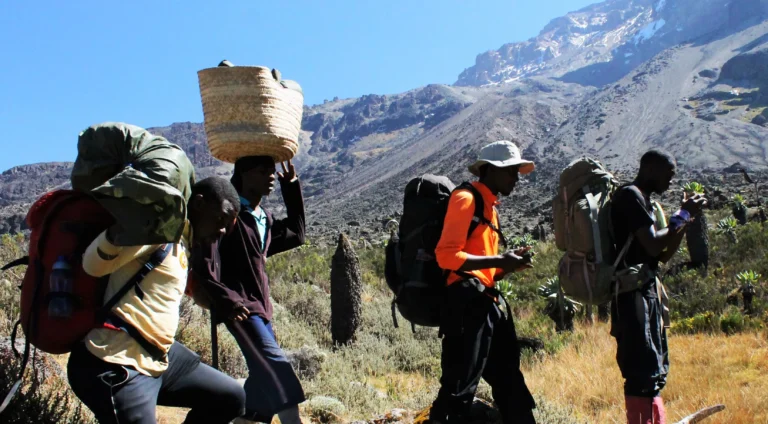
Best Kilimanjaro And Serengeti Calving Season Safari March 2027
Discover the magic of a March 2027 Kilimanjaro and Serengeti calving season safari. This guide explores the unique advantages and considerations for experiencing Tanzania's wildlife...
View package details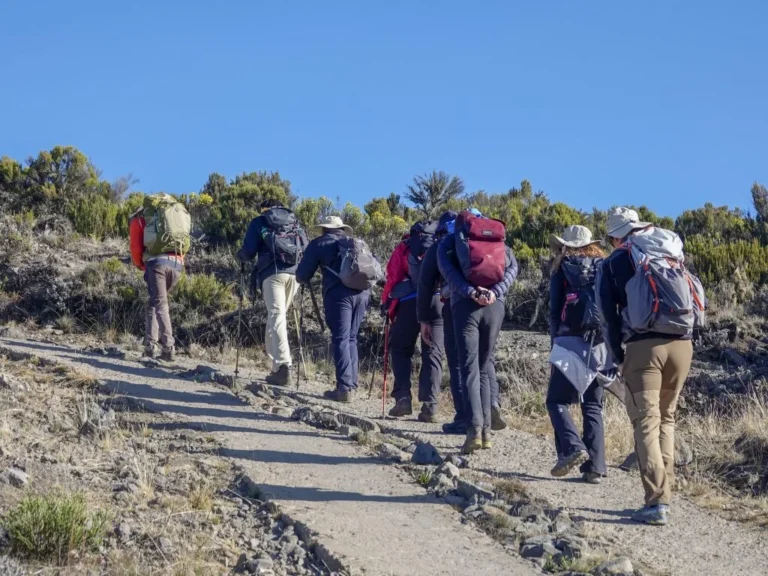
Late March Kilimanjaro – Rainy-Season Route Choices 2027
Late March Kilimanjaro 2027 – Rainy-Season Route Choices is explained with current 2027 planning, price, itinerary and booking information.
View package details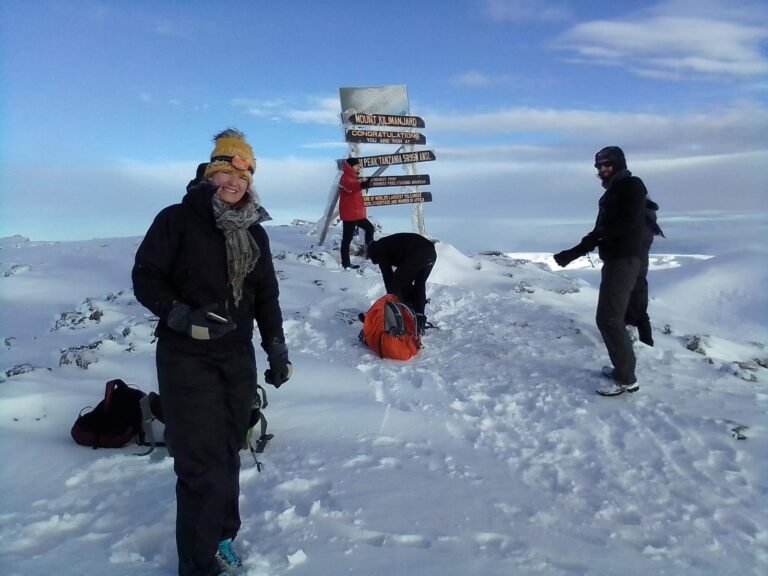
Kilimanjaro 20 March – Equinox Trek And Seasonal Transition 2027
Discover the unique advantages of trekking Mount Kilimanjaro around the March 20, 2027 equinox. This period marks a significant seasonal transition, offering a blend of weather patterns and...
View package details
Rongai Route March : Your Northern Approach For Changing Kilimanjaro Weather
The Rongai Route offers a unique advantage for trekkers aiming for Kilimanjaro in March 2027. Its northern approach provides a distinct weather pattern compared to southern routes, often...
View package details
International Womens Day Kilimanjaro Climb – 8 March 2027
International Women's Day Kilimanjaro Climb – 8 March 2027 is explained with current 2027 planning, price, itinerary and booking information.
View package details8 Day Lemosho Route – 6 March Kilimanjaro Climb 2027
8 Day Lemosho Route – 6 March 2027 Kilimanjaro Climb is explained with current 2027 planning, price, itinerary and booking information.
View package details
Kilimanjaro 1 March – Early Group Trek 2027
Kilimanjaro 1 March 2027 – Early March Group Trek is explained with current 2027 planning, price, itinerary and booking information.
View package detailsNo related package matches those filters. Clear one or more filters to see the other topic-matched options.



