
A Kilimanjaro 1 March 2027 – Early March Group Trek signifies a scheduled departure designed for climbers aiming to ascend Africa’s highest peak at the very beginning of March, leveraging the transition period between the dry season and the onset of the short rains. The practical answer for those interested is that booking this specific departure with Climb 4 Africa means joining a pre-arranged group, often with a set itinerary and support team, offering a cost-effective and social way to experience the climb during a period of generally favorable weather before the heavier rains arrive.
Why an Early March Kilimanjaro Trek?
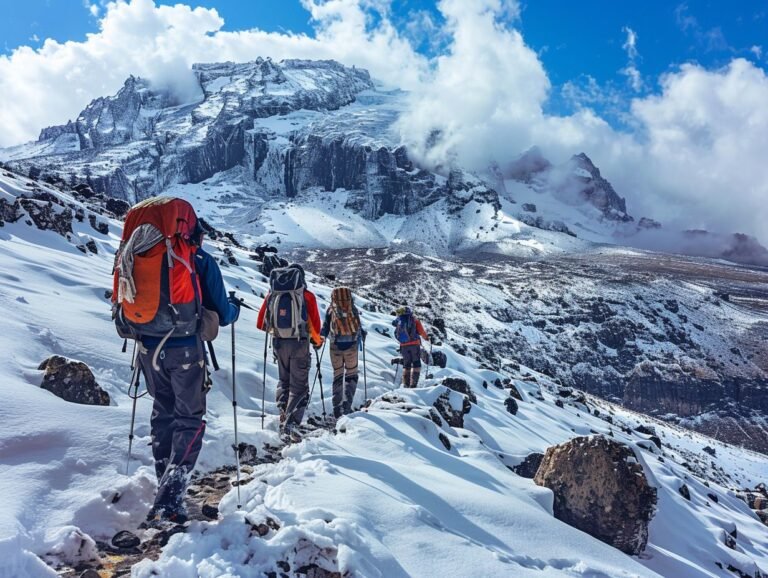
Choosing to climb Kilimanjaro around March 1, 2027, places you in a fascinating window of opportunity. This period sits at the cusp of two distinct seasons: the tail end of the drier, warmer months and the very beginning of the short rains. For many trekkers, this timing offers a compelling blend of advantages, making an early March Kilimanjaro group trek a strategically sound choice. The most significant benefit is the weather. While February often brings the last of the dry season’s clear skies, March begins to see increased cloud cover and the potential for precipitation. However, in the first week of March, the rains are typically not yet intense or persistent. This means you can often enjoy clearer views, more comfortable trekking temperatures, and a higher likelihood of a successful summit bid compared to the peak of the rainy season later in March and April.
Furthermore, early March often presents a slightly less crowded experience than the peak dry seasons of January-February or June-August. While Kilimanjaro is popular year-round, the transition periods can sometimes see fewer trekkers on the mountain. This can contribute to a more serene and personal trekking experience, allowing for better connection with the environment and fellow group members. Joining a Kilimanjaro 1 March 2027 – Early March Group Trek organized by Climb 4 Africa means you’re tapping into this favorable timing with the added benefit of group camaraderie and shared logistical support, which can often make the overall journey more enjoyable and manageable.
The decision to book a group trek for a specific date like March 1, 2027, is also driven by predictability and cost-effectiveness. Group departures are typically priced more competitively than private climbs due to shared resources and guide allocations. For solo travelers or small groups looking to join others, it offers a chance to connect with like-minded adventurers. Climb 4 Africa specializes in facilitating these group dynamics, ensuring a well-supported and memorable expedition for everyone involved. Understanding the nuances of this specific departure date is key to setting expectations and preparing adequately.
Comparing Early March 2027 to Other Kilimanjaro Seasons
When planning a Kilimanjaro 1 March 2027 – Early March Group Trek, it’s helpful to contextualize this period against Kilimanjaro’s broader seasonal patterns. This allows for a more informed decision, especially if flexibility exists in your travel dates.
Dry Season (January – February & June – August): These are the most popular times to climb Kilimanjaro due to the lowest chance of rain and clearest skies. January and February are excellent, offering stable weather and good visibility. June marks the start of a second dry spell, continuing through August. While conditions are generally ideal, these periods can be the busiest, leading to more crowded trails and campsites, especially around the summit on popular routes. For a March 2027 departure, the tail end of February, just before your target date, would offer similar dry conditions but with potentially higher numbers of trekkers.
Short Rains (March – May): This is the period when the mountain receives its most significant rainfall, particularly in April and May. However, early March, as planned for the Kilimanjaro 1 March 2027 departure, often falls within the transition. You might experience occasional showers, especially in the afternoons or evenings, but these are usually not continuous and may not significantly impede progress. The landscape becomes greener, and clouds can create dramatic, misty scenery. The primary trade-off is the increased chance of rain and reduced visibility compared to the dry season. Late March and April are generally considered the wettest months, making an early March climb a good compromise for those seeking reasonable weather without the peak crowds of the dry season.
Short Dry Season (September – October): This is another excellent window for climbing. The rains have subsided, and the skies are often clear. It’s a popular period, though generally less crowded than the January-February peak. September offers stable weather, and October can be very pleasant before the long rains begin to build. If your March 2027 trek isn’t fixed, September 2027 would offer a similar weather profile but without the looming threat of the short rains.
Long Rains (November – December): This period sees consistent rainfall, often in the afternoons. While not as heavy as April-May, it can make trekking challenging, with muddy trails and limited visibility. However, it’s also the quietest time on the mountain, appealing to budget travelers or those seeking solitude. December can offer a brief respite before the rains intensify, making an early December climb a potential alternative if the March 2027 date is not feasible.
The 1 March 2027 window is particularly attractive because it typically avoids the heaviest of the short rains that characterize April and May. You gain the benefit of potentially fewer trekkers than in peak season, while still having a reasonable chance of good weather. For instance, compared to the late February 2027 departures, you might encounter slightly more cloud but also potentially lower prices or fewer people on the mountain. Conversely, compared to the later March departures which are firmly within the short rains, the 1st March trek offers a clearer weather outlook.
Route Options for the 1 March 2027 Departure
While a specific departure date like March 1, 2027, often aligns with a particular route choice for group treks, Climb 4 Africa typically offers flexibility or may have several group departures around that time on different routes. The choice of route significantly impacts the acclimatization profile, scenery, and overall difficulty of your Kilimanjaro 1 March 2027 – Early March Group Trek.
Common routes that might be offered for early March departures include:
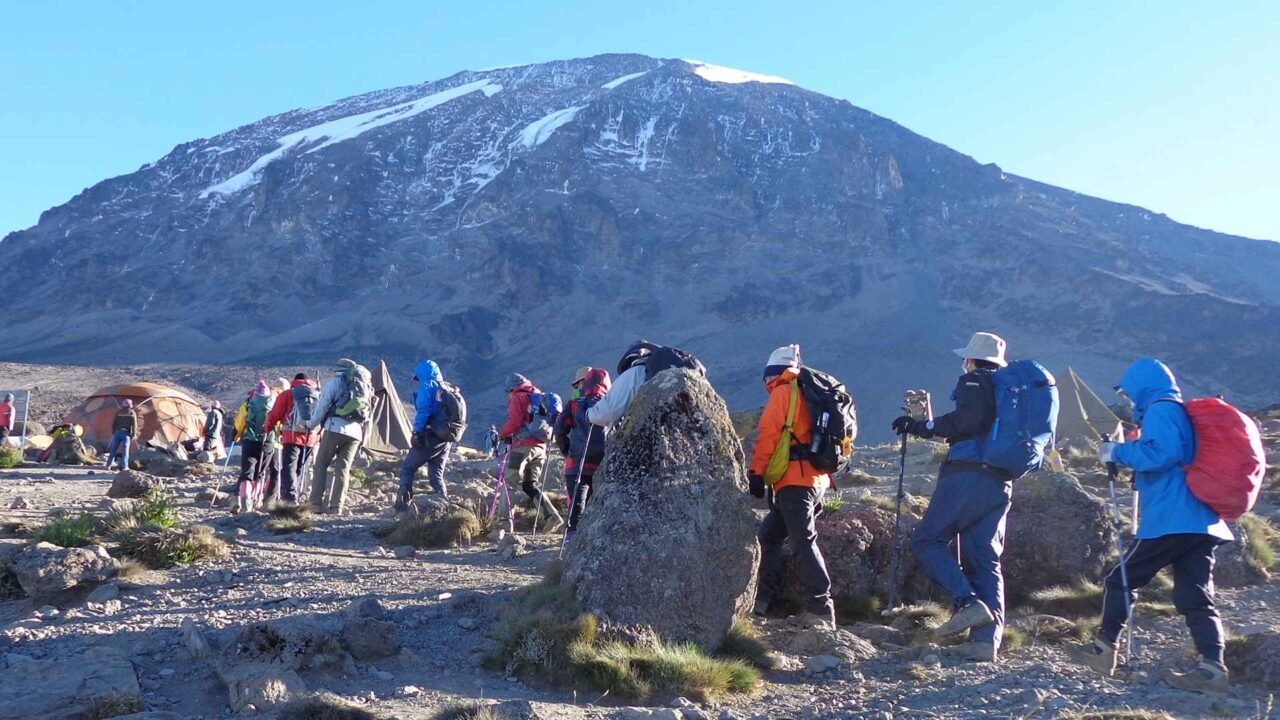
- Machame Route: Known as the “Whiskey Route,” this is one of the most popular routes due to its scenic beauty and excellent acclimatization profile. It’s a circuit route typically taking 6 or 7 days. The 7-day version offers better acclimatization. The Machame route can be busy, but an early March departure might see slightly fewer trekkers than in peak season. Consider a Machame Route climb for its overall balance of scenery and success rates.
- Lemosho Route: Often considered the most scenic route, Lemosho offers a longer, more gradual ascent with superior acclimatization. It’s a popular choice for those prioritizing success rates and a more remote trekking experience. Lemosho typically takes 7 or 8 days. An 8-day Lemosho Route offers excellent acclimatization, making it a strong contender for an early March climb.
- Marangu Route: The “Coca-Cola Route” is the oldest and only route with dormitory-style accommodation on the ascent. It’s also the shortest (5 days) and therefore has the lowest success rate due to rapid ascent and poor acclimatization. While it can be an option, it’s generally not recommended for first-time Kilimanjaro climbers aiming for a comfortable and successful ascent, especially given the potential for rain in early March. However, it offers a different experience for those specifically seeking its unique features. A New Year’s Eve on Kilimanjaro 2026 departure might use this route, but for March 2027, longer routes are usually preferred.
- Northern Circuit: This is the longest route (9 days) and offers the highest success rate due to its excellent acclimatization. It circles the mountain, providing panoramic views. It’s ideal for those who want the best chance of reaching the summit and enjoying a more unhurried experience. If a March 1, 2027 departure is available on the Northern Circuit, it would be an excellent choice for maximizing acclimatization before the potential of rainy weather.
When booking your Kilimanjaro 1 March 2027 – Early March Group Trek, confirm the specific route offered for that departure. Climb 4 Africa can guide you on the best route based on your preferences for scenery, difficulty, acclimatization, and budget.
What to Expect on Your Early March 2027 Group Trek
Joining a group trek for Kilimanjaro 1 March 2027 offers a structured yet adventurous experience. Understanding the typical conditions and dynamics will help you prepare mentally and physically.
Weather and Conditions
Early March on Kilimanjaro is a transition period. The weather is generally more stable than in April and May, but less predictable than in the peak dry months of January and February. Expect a mix of conditions:
- Temperatures: Daytime temperatures will likely be mild to cool, especially at lower elevations, perhaps ranging from 15-25°C (59-77°F). As you ascend, temperatures will drop significantly, reaching sub-zero Celsius (below 32°F) at higher altitudes, particularly on summit night. Expect lows of -5°C to -10°C (23°F to 14°F) or even colder near the summit.
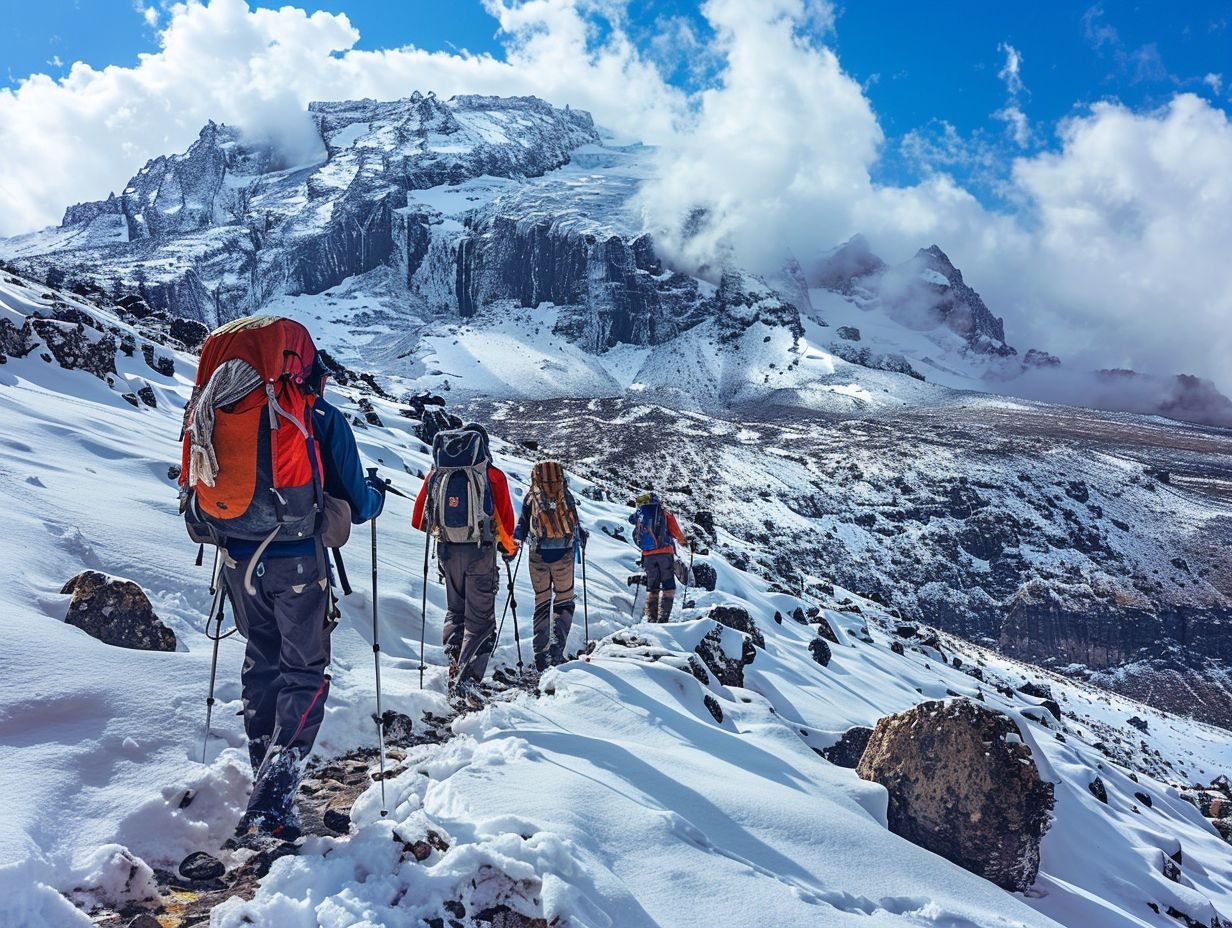
- Precipitation: While not the height of the rainy season, there’s a definite chance of rain or snow. This could manifest as light showers in the afternoons or evenings, or even brief snow flurries at higher elevations. These are usually manageable with appropriate waterproof gear. The scenery can be dramatic with clouds and mist.
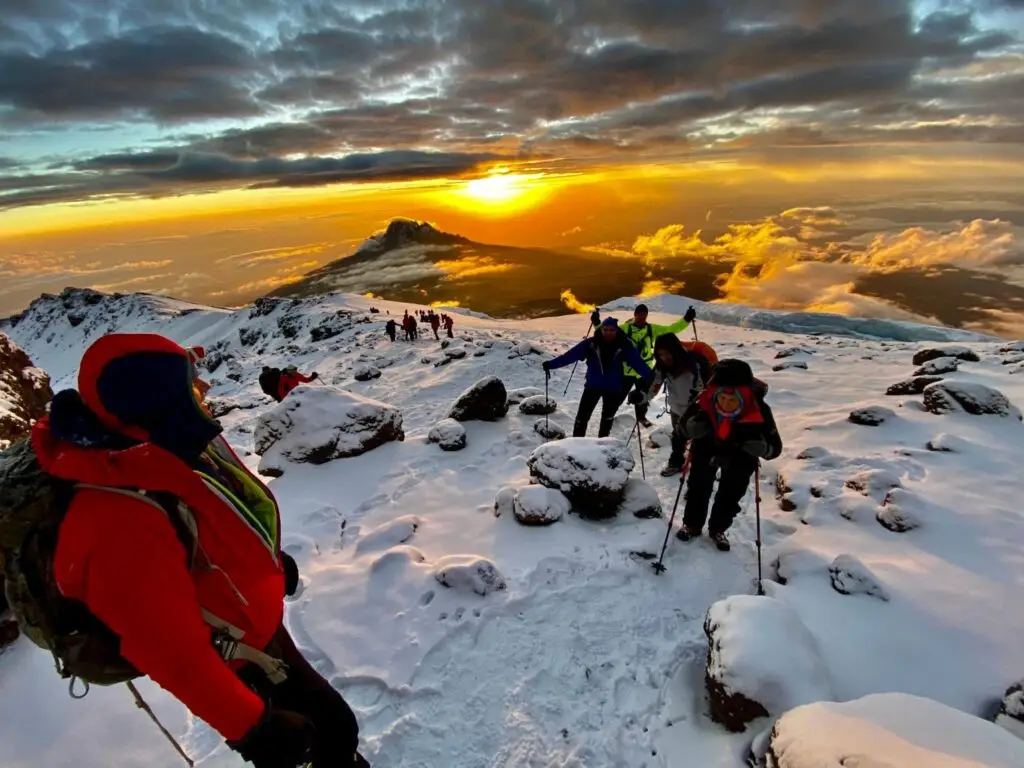
- Visibility: Views can be excellent, especially in the mornings, but clouds can build up during the day, obscuring vistas. Summit night often offers the best chance for clear, starry skies, but this is never guaranteed.
- Trail Conditions: Trails will likely be drier than in the main rainy season but could become muddy in sections if rain occurs. Good hiking boots with excellent grip are essential.
The Kilimanjaro 1 March 2027 departure offers a good balance – avoiding the heaviest rains while potentially experiencing fewer crowds than the popular dry season. However, being prepared for varied weather is paramount.
Crowds and Atmosphere
Compared to the peak dry seasons (January-February and June-August), early March generally sees fewer trekkers on the mountain. This means:
- More Space: Trails and campsites will likely be less congested. This can contribute to a more peaceful and in-depth experience.
- Better Campsite Experience: You might have more space at campsites, and the communal areas will feel less crowded.
- Group Camaraderie: While fewer people overall, your own group will form a close-knit unit. The shared challenge and experience often foster strong bonds. For a Kilimanjaro 1 March 2027 – Early March Group Trek, the group dynamic is a significant part of the appeal.
It’s worth noting that while fewer trekkers are on the mountain, popular routes like Machame and Lemosho will still have other groups present. However, the overall atmosphere is typically more relaxed than during peak times.
Acclimatization and Pace
Climb 4 Africa prioritizes acclimatization on all its treks. For the Kilimanjaro 1 March 2027 group, the guides will ensure a slow and steady pace, often referred to as “pole pole” (slowly, slowly). This is crucial for minimizing the risk of altitude sickness. Key aspects include:
- Slow Ascent: Guides will keep the group moving at a pace that allows the body to adapt to the decreasing oxygen levels.
- Hydration: Drinking plenty of water (3-4 liters per day) is vital.
- “Climb High, Sleep Low”: On routes that allow, guides will plan daily hikes to higher altitudes before descending to sleep at a lower elevation, aiding acclimatization.
- Monitoring: Guides will closely monitor each climber for signs of altitude sickness, making decisions about safety and progress accordingly.
Choosing a longer route (7-9 days) for your March 2027 climb, such as Lemosho or Northern Circuit, significantly enhances your acclimatization and success rate. Even on shorter routes, the group’s pace will be dictated by acclimatization needs.
Preparing for Your March 2027 Kilimanjaro Climb
A successful Kilimanjaro 1 March 2027 – Early March Group Trek hinges on thorough preparation. This involves physical conditioning, acquiring the right gear, and understanding health considerations.
Fitness and Training
Kilimanjaro is a strenuous trek, not a technical climb, but it demands significant cardiovascular fitness and endurance. Start your training at least 3-6 months before your departure.
- Cardiovascular Training: Focus on activities like hiking with a weighted backpack, running, cycling, and swimming. Aim for at least 3-4 sessions per week.
- Strength Training: Strengthen your legs (quads, hamstrings, calves) and core. Squats, lunges, and step-ups are excellent exercises.
- Hiking Practice: The most relevant training is hiking, ideally on varied terrain and inclines, for several hours at a time. Practice with the boots and backpack you intend to use. This helps break in your gear and build endurance.
- Mental Preparation: Understand that there will be challenging moments. Positive mental attitude is crucial.
Your training should simulate the demands of climbing Kilimanjaro, especially the long days and the final summit push.
Gear and Packing
Proper gear is essential for comfort and safety, especially with the variable weather expected in early March 2027. Layering is key:
- Base Layers: Moisture-wicking thermal tops and bottoms.
- Mid Layers: Fleece jackets or insulated vests for warmth.
- Outer Layer: Waterproof and windproof jacket and trousers (Gore-Tex or similar).
- Insulation Layer: A warm down or synthetic jacket for summit night and cold evenings.
- Footwear: Broken-in, waterproof hiking boots with good ankle support. Warm, moisture-wicking socks (multiple pairs).
- Headwear: Warm hat (beanie) and a sun hat or cap. Balaclava or neck gaiter for wind protection.
- Gloves: Warm, waterproof gloves or mittens, plus thinner liner gloves.
- Trekking Poles: Highly recommended to reduce strain on knees and improve balance.
- Headlamp: Essential for summit night and early morning starts. Bring spare batteries.
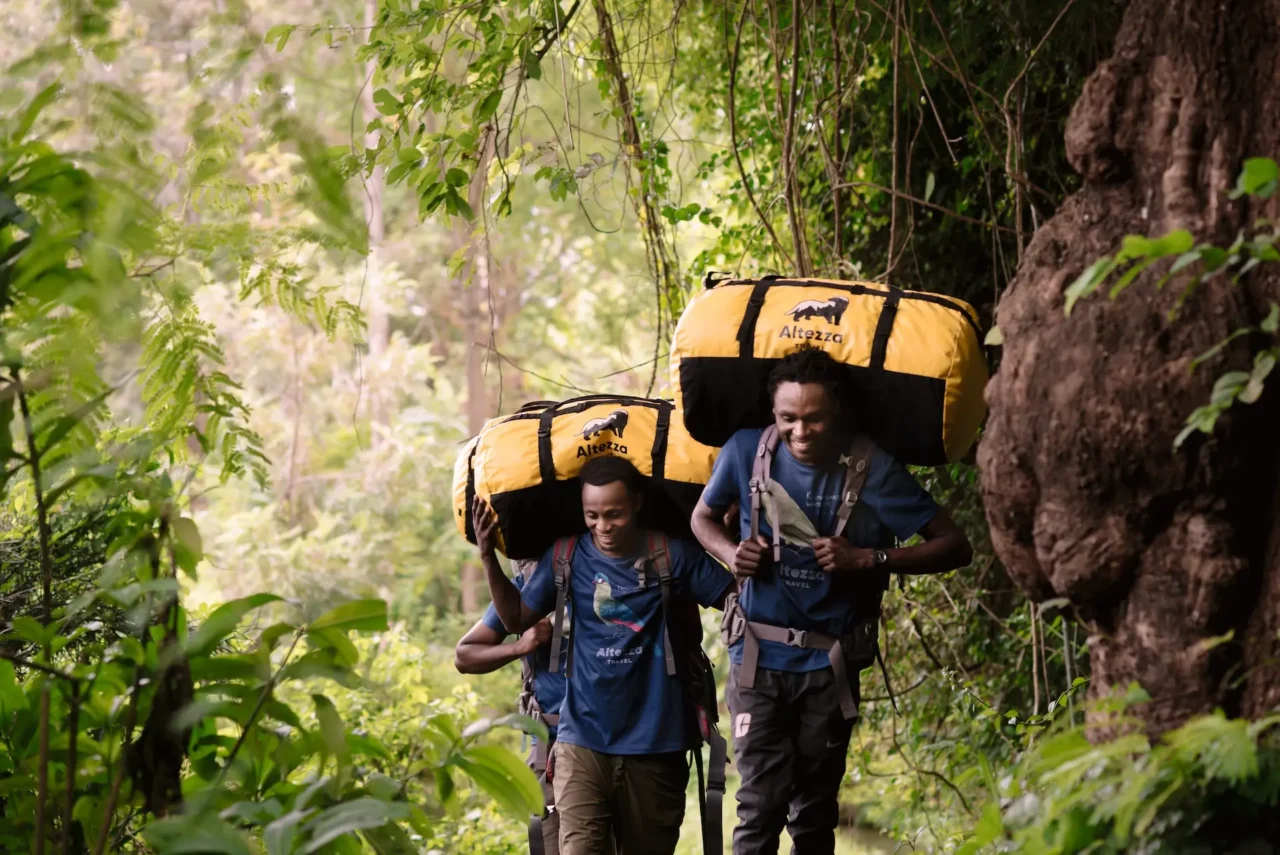
- Backpack: A comfortable daypack (30-40 liters) for daily essentials. Duffel bag (80-100 liters) for porters to carry.
- Sleeping Bag: A 4-season bag rated to at least -10°C (14°F).
Climb 4 Africa provides a comprehensive packing list upon booking. Ensure your gear is high-quality and suitable for cold, wet conditions. For your Kilimanjaro 1 March 2027 trek, pay special attention to waterproof and warm layers.
Health and Altitude Sickness
Altitude sickness (Acute Mountain Sickness – AMS) is the primary risk on Kilimanjaro. Prevention and recognition are key.
- Symptoms: Headache, nausea, dizziness, fatigue, loss of appetite, and difficulty sleeping are common. Severe AMS can lead to more dangerous conditions like HAPE (High Altitude Pulmonary Edema) and HACE (High Altitude Cerebral Edema).
- Prevention: The best prevention is slow ascent and proper acclimatization, which is why longer routes and the “pole pole” pace are critical. Staying well-hydrated and avoiding alcohol and strenuous exertion on arrival are also important.
- Medication: Diamox (acetazolamide) can be prescribed by your doctor to help with acclimatization. Discuss this with your healthcare provider well in advance of your March 2027 climb.
- Medical Check-up: Consult your doctor for a pre-travel health check-up and discuss any pre-existing medical conditions. Ensure your vaccinations are up-to-date.
Your guides on the Kilimanjaro 1 March 2027 – Early March Group Trek are trained to recognize and manage AMS. Do not hesitate to communicate any symptoms you experience, no matter how minor they seem.
Booking Your Early March 2027 Kilimanjaro Group Trek
Securing your place on a Kilimanjaro 1 March 2027 – Early March Group Trek with Climb 4 Africa is a straightforward process designed to ensure you have all the information needed for a successful expedition. As an experienced local operator, we focus on providing excellent support, knowledgeable guides, and a commitment to safety and responsible tourism.
When you are ready to commit to your March 2027 adventure, or if you have any questions about this specific departure, reaching out is the best next step. We can confirm availability, detail the exact route, itinerary, and what is included in the trek package. Understanding the inclusions (like park fees, food, guides, porters, accommodation before/after the climb) and exclusions (like visas, personal gear, tips, travel insurance) is crucial for budgeting and preparation.
For personalized advice on the Kilimanjaro 1 March 2027 departure, or to discuss other potential group departures around that time, please get in touch. We’re here to help you make the most informed decision for your Kilimanjaro climb. You can contact us via:
- WhatsApp: +255 747 477 898
- Email: climb4africa@gmail.com
Booking in advance is highly recommended, especially for specific group dates like March 1, 2027, to ensure your preferred departure is available and to allow ample time for your training and logistical preparations. We look forward to helping you achieve your dream of summiting Kilimanjaro in 2027.
“,
“faq_schema”: []
}
“`
Check Availability for Kilimanjaro 1 March – Early Group Trek 2027
Ready to compare dates, prices, and the best option for your group? Send the package name and travel month so the team can reply with a clear quote, availability, and what is included.
Kilimanjaro 22 May : Your Late-Rainy-Season Group Trek 2027
Planning a Kilimanjaro trek for May 22, 2027? This late-rainy-season group departure offers a different perspective on Africa's highest peak, often with fewer crowds and lush landscapes...
View package details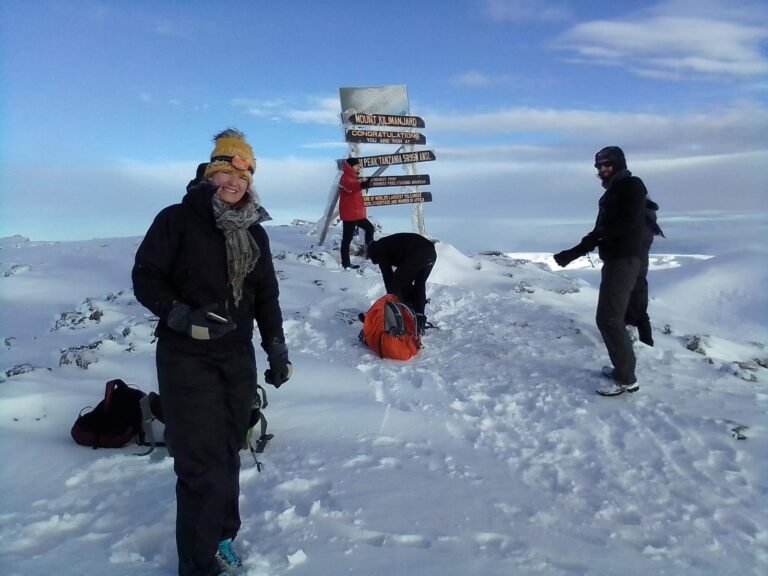
Kilimanjaro 8 May : Experience A Low-Crowd Group Trek 2027
Discover the unique advantages of joining a low-crowd group trek on Kilimanjaro on May 8, 2027. This departure offers a more intimate climbing experience, focusing on safety...
View package details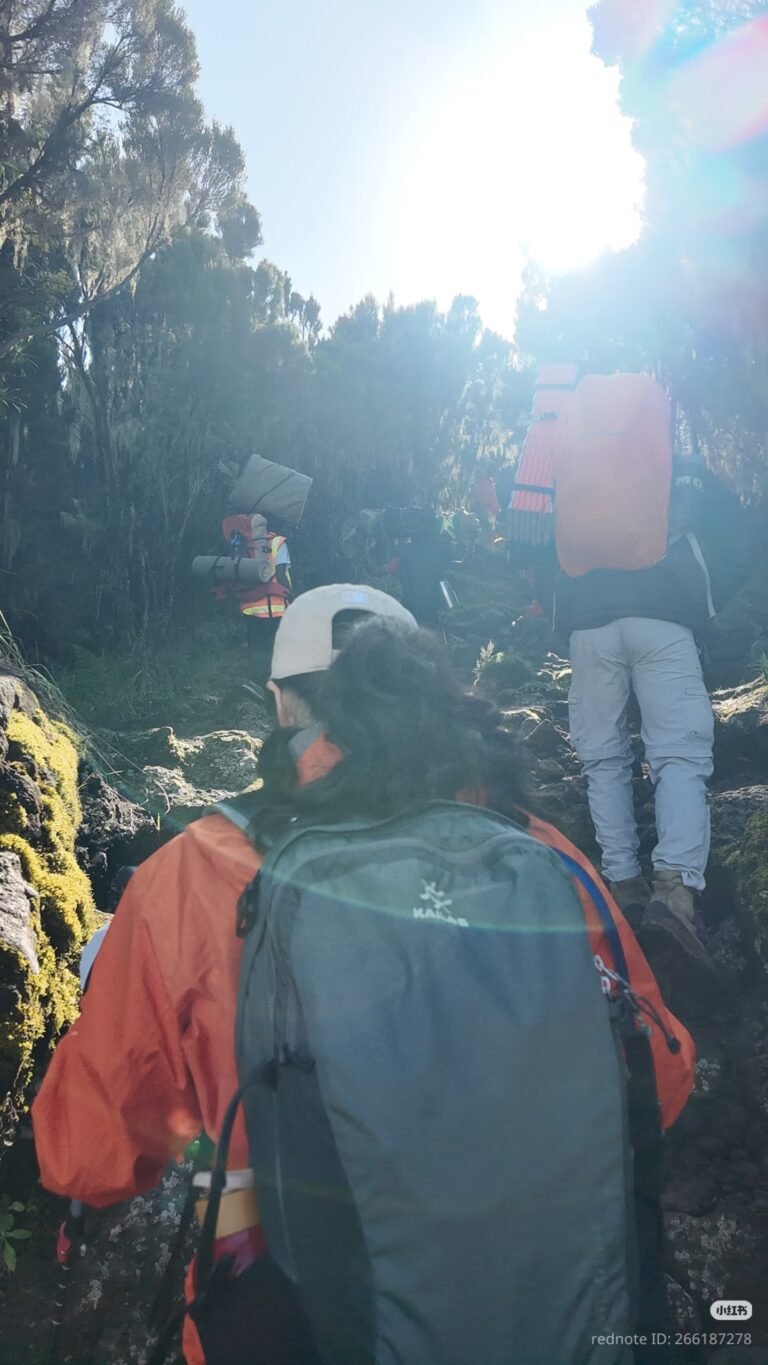
Marangu Route 28 December : Your New Year Kilimanjaro Group Trek 2026-2027
Plan your New Year's Eve ascent of Kilimanjaro by joining a Marangu Route group trek departing on December 28, 2026. This guide covers route specifics, what to expect, and essential...
View package details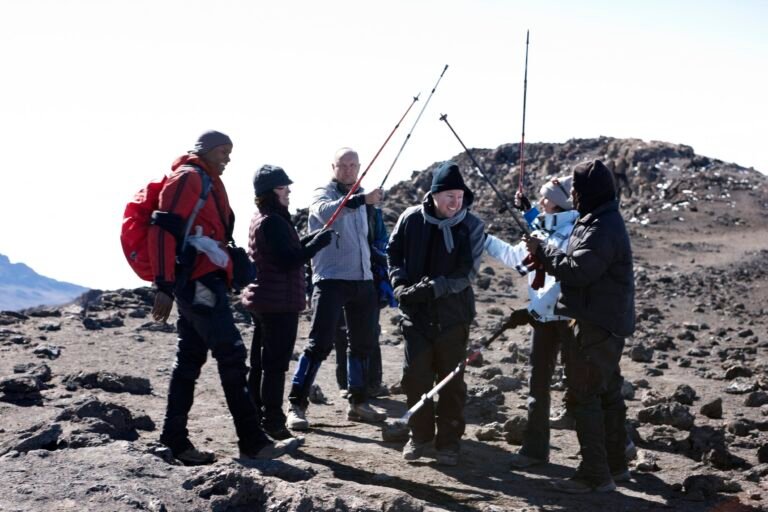
Kilimanjaro 26 November : Thanksgiving Week Group Trek 2026-2027
Plan your Kilimanjaro climb for the unique 26 November 2026 departure, coinciding with Thanksgiving week. This group trek offers a special opportunity to summit Africa's highest peak while...
View package details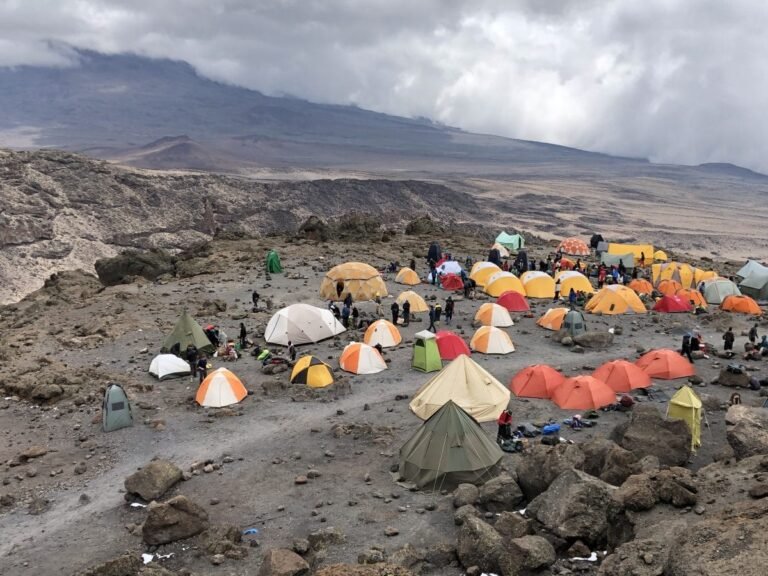
Kilimanjaro Climb March 2027 – Early-Month Groups Before The Long Rains Guide
Discover the unique advantages of climbing Kilimanjaro in early March 2027, just before the onset of the long rainy season. This guide covers weather expectations, route considerations, and...
View package details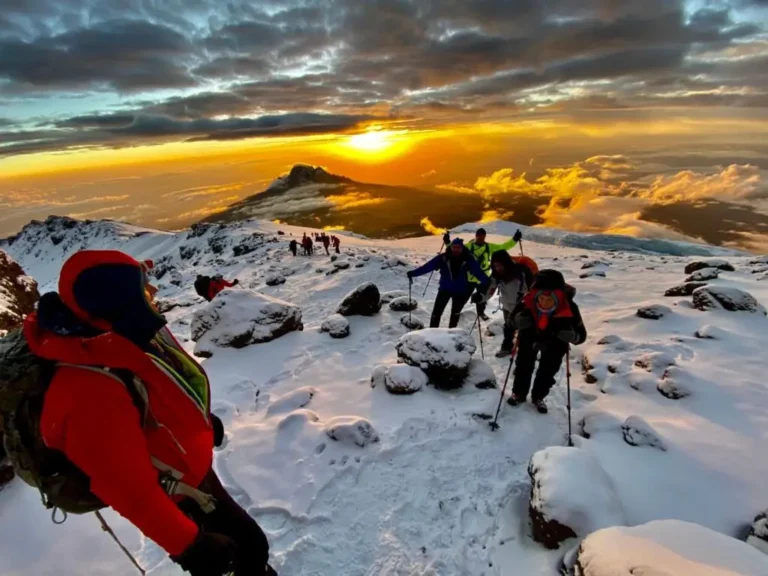
Kilimanjaro 5 June : Your Early Dry-Season Group Departure Adventure 2027
Planning a Kilimanjaro climb for June 2027? This departure on June 5th offers a prime opportunity to tackle Africa's highest peak at the beginning of the dry season. Discover why this...
View package detailsNorthern Circuit Kilimanjaro – 2 June Group Trek With Climb 4 Africa 2027
Discover the Northern Circuit Kilimanjaro trek departing on June 2, 2027. This detailed guide covers the route, acclimatization, what to expect, and how to prepare for this unique group...
View package detailsKilimanjaro 17 April – Small Group Rainy-Season Adventure With Climb 4 Africa
start a unique Kilimanjaro climb on April 17, 2027, as part of a small group during the rainy season. This adventure offers a different perspective of the mountain, with fewer crowds and...
View package details
Kilimanjaro 12 December – Weekend Group Climb Availability 2026-2027
Planning a Kilimanjaro trek for December 12, 2026? This guide focuses on a weekend group climb, detailing route options, essential preparation, and how to secure your spot for this specific...
View package details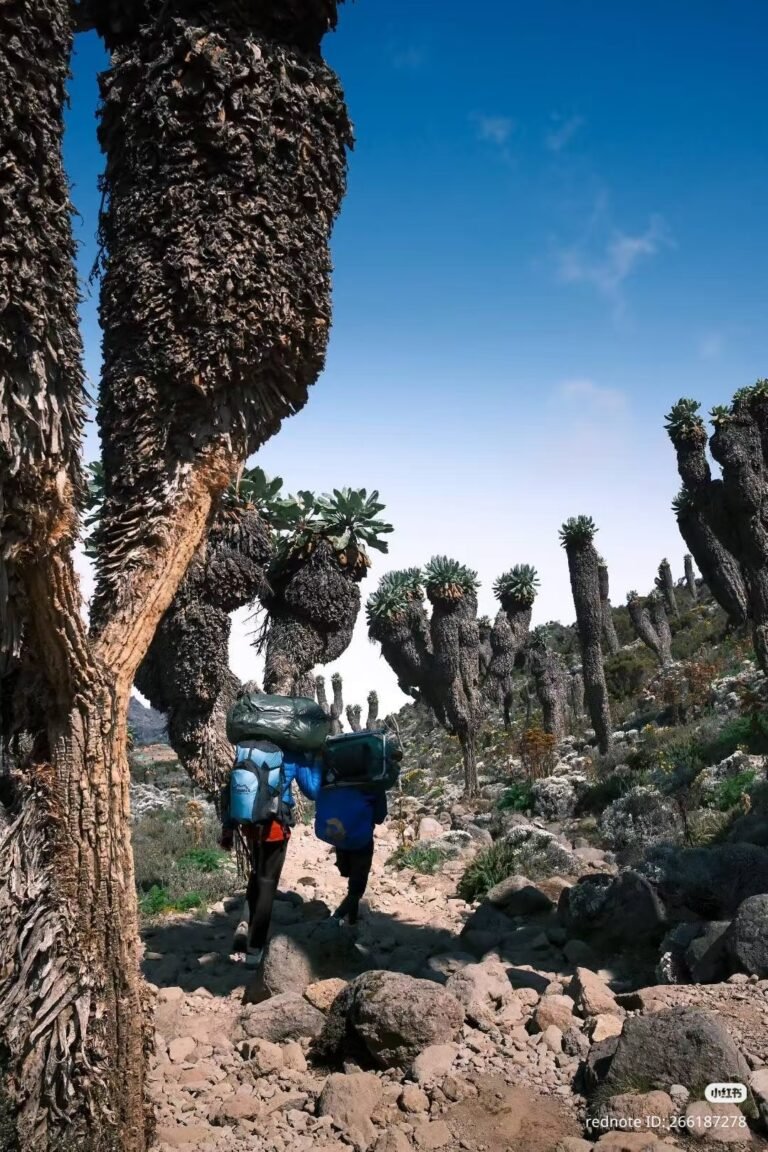
7 Day Machame Route – 7 December Group Departure | Your Kilimanjaro Climb
Plan your Kilimanjaro ascent on the popular 7-day Machame Route with a group departure on December 7, 2026. This guide covers the trek's highlights, challenges, and what to expect when...
View package details
8 Day Lemosho Route – 5 December Kilimanjaro Group Climb 2026
Plan your 8-day Lemosho Route Kilimanjaro group climb for December 5, 2026. Discover why Lemosho is a top choice for success rates and scenery, with practical advice from Climb 4 Africa.
View package detailsEaster Sunday Kilimanjaro Summit – 28 March Trekking Adventure 2027
start an extraordinary journey to the Roof of Africa by aiming for the summit of Kilimanjaro on Easter Sunday, March 28, 2027. This unique timing offers a blend of spiritual significance...
View package detailsNo related package matches those filters. Clear one or more filters to see the other topic-matched options.



