
The Kilimanjaro Solo Traveller Group Climb December 2026 is a bookable, guided ascent arranged by Climb 4 Africa, with verified group departures typically spanning 6–7 days on standard routes. Availability, exact dates, and prices require confirmation from the operator; this installment explains how the group climb is structured, what a typical December schedule looks like, and how to proceed with a verified booking.
For travelers who want to tackle Kilimanjaro without a private guide yet with solid peer support, a solo traveller joining a small-group ascent offers an ideal balance between independence and shared risk management. The Kilimanjaro Solo Traveller Group Climb December 2026 concept centers on curated departures where individuals come together as a cohesive trekking team under an experienced lead guide and a support crew. In practice, this means a single price point covers guiding, porters, park fees, meals, and standard gear support, while the specifics of the itinerary—route choice, daily mileage, acclimatisation days—depend on the operator’s established template and the prevailing conditions as the ascent approaches.
Why a December Kilimanjaro ascent appeals to solo travelers
December sits at the edge of the long dry season, offering clearer skies and pleasant trekking temperatures in the Kilimanjaro highlands. For a Kilimanjaro Solo Traveller Group Climb December 2026, this calendar window can balance crowd management and weather predictability, though it is essential to verify actual group sizes and the exact departure dates with Climb 4 Africa. Solo travelers often prefer grouping to share porter and mule support, reduce individual logistics overhead, and benefit from guided acclimatisation strategies that a seasoned operator can tailor within a group dynamic.
What a confirmed Kilimanjaro Solo Traveller Group Climb December 2026 typically includes
Because the operator provides confirmed inclusions for departures, the following elements are commonly bundled in a Kilimanjaro Solo Traveller Group Climb December 2026 package, subject to final confirmation by Climb 4 Africa:
- Guided ascent with a lead guide and support team, tuned to the group’s pace and acclimatisation needs
- Porters or carriers for personal gear and camp equipment
- Park entry fees and rescue contingency coverage
- All meals from arrival in Moshi to the summit and descent, plus hot drinks
- Accommodation before and after the trek (in Moshi or Arusha as per the itinerary)
- Transport between Moshi/Arusha and the gate, often including a hotel pick-up
Crucially, the exact inclusions can vary by group, and dates must be confirmed with the operator. Always request a current inclusions list for Kilimanjaro Solo Traveller Group Climb December 2026 when you inquire.
Route options and acclimatisation logic for a group climb
The Kilimanjaro climb traditionally offers several established routes, with Machame, Lemosho, and Rongai among the most common for multi-day treks. For a Kilimanjaro Solo Traveller Group Climb December 2026, the operator’s route selection hinges on group dynamics, altitude exposure management, and the intended pace. In practical terms, a typical acclimatisation-leaning plan may look like this: begin with a gradual ascent on day one, followed by a mid-trek acclimatisation day, then a second ascent phase that leads toward summit night, ensuring the final push aligns with the group’s collective energy and safety margins. The exact day-by-day sequence is provided in the operator-supplied itinerary once your booking is confirmed.
Typical day-by-day skeleton for a bookable group climb
Note: The following skeleton illustrates a common structure used by Kilimanjaro group operators. The December 2026 Kilimanjaro Solo Traveller Group Climb will use a route and daily schedule approved by Climb 4 Africa at the time of confirmation. If you need a firm day-by-day progression, request the operator’s current itinerary before committing.
- Day 0: Arrival in Moshi/Arusha; briefing and gear check; welcome dinner
- Day 1: Transfer to the gate and hike to Camp 1; acclimatisation emphasis
- Day 2: Hike to Camp 2 with steady elevation gain; light hydration strategy
- Day 3: Acclimatisation day or a shorter hike to a higher altitude camp depending on pace
- Day 4: Final ascent start; summit push plan and overnight near summit
- Day 5: Summit attempt; descend to Camp; recovery and debrief
- Day 6: Descent to gate; transfer to Moshi/Arusha; departure or rest day
The actual Day 1 through Day 6 plan for Kilimanjaro Solo Traveller Group Climb December 2026 will depend on the chosen route and the acclimatisation approach the operator adopts. When you request a verified schedule, you will receive a concrete, tested sequence designed to balance safety, pace, and the social dynamic of the group.
Bookings: how to secure a Kilimanjaro Solo Traveller Group Climb December 2026
Because this is a bookable, multi-day journey with limited group spaces, it’s essential to check real-time availability directly with Climb 4 Africa. The operator typically publishes departures for Kilimanjaro Solo Traveller Group Climb December 2026 closer to the season, with a cap on group size to maintain a comfortable pace and effective acclimatisation. When you inquire, expect to provide your passport details for the permit process, discuss any medical considerations, and confirm your chosen departure window. Do not assume a date exists or a seat is guaranteed until the operator confirms the booking with a paid deposit.
Preparation and prerequisites for solo travellers joining a group climb
Preparing for Kilimanjaro involves more than packing. Solo travellers joining a group climb December 2026 should align with a few practical prerequisites: ensure your passport is valid for at least six months beyond your travel dates, obtain any necessary visas or entry requirements for Tanzania, and complete a basic medical check that confirms suitability for a high-altitude trek. It’s also prudent to start altitude acclimatisation training in the weeks leading up to departure, such as light endurance hikes and stair climbs, to ease the transition into high altitude conditions. Finally
New questions, concrete gaps, and how the December 2026 schedule answers them
Having outlined the core structure, what remains most valuable to a reader who is weighing a Kilimanjaro Solo Traveller Group Climb December 2026 is a robust, operational understanding of how the actual bookable itinerary unfolds once a group is formed. In this section we address the single most substantial unanswered question a reader would have: how does the day-by-day progression adapt to real conditions while keeping the group cohesive, safe, and paced to the slowest acclimatiser in the party? The answer lies in the operator’s verified acclimatisation logic, explicit route preferences for the group, and clear contingencies for weather, porters, and medical needs, all anchored to the December window.
First, acclimatisation is not a single moment or date but a staged process embedded in the daily plan. Even when a route is chosen for the group, the itinerary maintains flexibility to insert extra acclimatisation days if the group’s average resting heart rate, sleep quality, or perceived exertion indicates the need. The December departure window tends to feature drier air and more stable temperatures, yet high altitude behaves unpredictably in the days near 4,000 meters. A typical group ascent will therefore reserve a dedicated acclimatisation day not only for the standard practice of staged elevation gain but also for a controlled “step-back” day when the group must descend modestly to refeed, rehydrate, and re-stabilise before attempting higher elevations.
Second, route choice within a December Kilimanjaro Solo Traveller Group Climb is made with group dynamics in mind. Machame and Lemosho routes are common for multi-day group climbs due to their steady gradient and robust acclimatisation profiles. Even within a chosen route, the day-by-day plan includes built-in slack for slow walkers and faster trekkers, ensuring the group stays together. If the group includes a higher proportion of first-time hikers, the schedule may insert a longer sojourn at Camp 1 or Camp 2 to allow everyone to adjust to the altitude before mid-route transitions. Conversely, if energy levels permit, the guide team can advance portions of a day earlier in the schedule to preserve the overall pace while preserving acclimatisation safety margins.
Third, operational contingencies are standard practice. In December 2026, the operator’s field teams plan for potential delays due to weather at the Saddle, wind exposure along exposed ridges, and the occasional need to replace a guide or porter due to health or safety concerns. The schedule includes clearly defined windows for rest, hydration breakthroughs, and gear checks. Rather than presenting a fixed minute-by-minute plan, the group is guided by a live briefing each morning that reconfirms the day’s target camp, the anticipated mileage, the expected weather, and any health considerations among participants. This approach keeps the group cohesive without compromising safety or pacing.
To illustrate how these principles translate into actual day-by-day operation, here is how a typical December Kilimanjaro Solo Traveller Group Climb day plan would evolve, using the route and acclimatisation logic that Climb 4 Africa customarily applies to confirmed departures. The following describes the core logic you would expect, rather than a fixed schedule, because exact days, camps, and distances will be confirmed only after a departure is set by the operator for December 2026.
- Day 0 and Day 1: Arrival and gate transfer. The group gathers in Moshi or Arusha; a pre-climb briefing and gear check run through essential items, followed by a celebratory welcome dinner. The first trekking day begins after a proper rest that recharges energy stores and ensures participants are ready for the initial elevation gain. The objective is a comfortable Camp 1 with time for acclimatisation cues such as steady breathing and stable sleep.
- Day 2: Hike to Camp 2 with controlled elevation. The route choice prioritises gradual ascent and consistent hydration, and the group proceeds at a pace that supports those with a slower acclimatisation curve. The plan includes a short acclimatisation window on arrival at Camp 2 and a safety downtime period after lunch to monitor symptoms of altitude sickness among peers.
- Day 3: Acclimatisation day or a shorter ascent. Depending on the group’s physiological indicators, the team can either take a rest day at Camp 2 or perform a shorter acclimatisation push to a nearby high point. The aim is to stabilise oxygenation and sleep quality before the summit push, with optional yoga or mobility sessions in the afternoon to reduce stiffness and improve circulation.
- Day 4: Final ascent start, with a summit-focused plan. The group moves toward the high camps in a controlled fashion. If the weather window looks favorable, a push toward Barafu/near-summit base is attempted with a well-timed wind-down and rest in the meal area to conserve energy for the final ascent attempt.
- Day 5: Summit attempt and descent. The group embarks in the pre-dawn hours when the mountain air is calmest; those who reach the summit return to Camp at sunrise or early morning light. The descent proceeds along the established route with a structured recap of day-by-day experiences and a debrief after a well-deserved meal at Camp 2 or Camp 1, depending on the day’s finish and pace.
- Day 6: Descent to the gate and transfer to Moshi/Arusha. A final group meeting captures lessons learned, safety notes, and personal milestones. Departure or a rest day follows, allowing for time to decompress before onward travel or flight connections.
In practice, the exact sequence and daily distances are confirmed only after the group forms and the operator finalises the permit window, vehicle transfers, and porters’ rosters. What remains constant is the ethical framework: pace aligned to the slowest acclimatiser, built-in rest days, and a safety-first approach that prioritises health over speed. The December 2026 departures therefore offer a predictable structure that can flex to group needs without compromising the essential acclimatisation logic that makes Kilimanjaro saf er for first-time climbers when done with a professional, guided group approach.
Finally, if you are evaluating a Kilimanjaro Solo Traveller Group Climb December 2026, you should demand transparency on the route chosen for your specific departure and the exact day-by-day plan once the schedule is set. Operators will provide you with a tested, practical itinerary that reflects both acclimatisation science and on-the-ground feasibility. This is the key to a successful group climb where solo travellers gain camaraderie without forfeiting the safety measures that professional guides and porters bring to the ascent.
Booking notes and practical next steps: When you request a verified schedule, ask for the following details to confirm it aligns with what you need for a December climb: the confirmed route name (Machame, Lemosho, or Rongai) and its detailed day-by-day camps; the planned acclimatisation days and the expected sleep quality measures; the exact distances and estimated hiking times per day; contingency plans for weather, health, and porter availability; and a precise inclusions/exclusions list reflecting the December 2026 availability. With these, you can assess whether the December Kilimanjaro Solo Traveller Group Climb aligns with your pace, risk tolerance, and group expectations.
New considerations for sustaining a Kilimanjaro Solo Traveller Group Climb December 2026: closing gaps in itinerary clarity
Even in a well-structured, operator-led group climb, gaps remain for readers who want an exact, bookable sequence. What a Kilimanjaro Solo Traveller Group Climb December 2026 looks like on the ground—route, acclimatisation logic, and day-by-day progress—depends on the final confirmation from Climb 4 Africa once the group forms. The December 2026 departures provide a stable template: pacing that respects acclimatisation, built-in rest days, and a safety-forward approach that prioritises participant health. Yet the practical, day-by-day specifics for your exact departure are not static until the schedule is locked and permits issued. This section clarifies how the process unfolds and what you should expect when you request a verified schedule for December 2026.
First, a solid understanding of acclimatisation remains central to any Kilimanjaro ascent, especially within a group context where pace is dictated by the slowest member. In December, the ascent window typically leverages clearer skies and more moderate temperatures, but elevations still demand mindful progression: a sequence that alternates steady hiking days with strategic rest periods to allow the body to adapt to progressive hypoxia. The group model ensures that you are not navigating this alone, because the accompanying lead guide, supported by licensed porters and cooks, coordinates the tempo so that nobody feels rushed beyond their acclimatisation limit.
Second, the exact day-by-day plan is finalized after the group forms and operational logistics—permits, vehicle transfers, porter rosters, and camp allocations—are confirmed. Operators usually publish a live itinerary template at the moment of confirmation; however, the December 2026 schedule can accommodate small deviations based on weather windows, group cohesion, and the real-time condition of the route. This means that while a general architecture is known (start from Machame/Lemosho/Rongai base, proceed through designated camps, include an acclimatisation day, and complete the descent), the precise sequence, camp names, and daily hiking times for your specific departure will be supplied in your final trip dossier.
To bridge the gap between expectation and actuality, consider these practical touchpoints for your December 2026 Kilimanjaro Solo Traveller Group Climb:
- Route selection and group fit: The operator will align the group’s pace with the chosen route, often Lemosho or Machame for higher acclimatisation headroom. If your preference is a gentler, longer acclimatisation window, confirm that the departure includes an extended acclimatisation day or a second shorter hike before summit night. The specific route should be confirmed in the final schedule.
- Acclimatisation pacing: Expect a two-night-to-three-night progression before summit attempt on most schedules that use Lemosho or Machame templates. The group itinerary typically incorporates a rest day or a short acclimatisation hike after Camp 2 to buffer the altitude impact.
- Sleep quality and altitude adaptation: The December schedule, with standard camps and a portable, weather-appropriate sleep system, aims to optimize rest quality. If you have specific sleep needs (mattress thickness, pillow preference, or climate control), raise these with the operator early in the booking process so they can be addressed in the final logistics note.
- Contingency planning: The final timetable includes contingency buffers for weather events, late arrival of permits, or porter shortages. Expect optional reserve days for weather delays or for those who require extra acclimatisation time without compromising the overall group progress.
What this means for you as a potential participant is that you should request a verified itinerary with the exact daily camps, distances, and estimated hiking times once the December 2026 schedule is locked. The operator should provide a day-by-day plan that maps the route name to each camp, outlines the acclimatisation day (or days), and lists the anticipated altitude milestones you will reach each day. If you have medical conditions or high-altitude concerns, ensure the final plan details how these considerations are managed on the group climb—whether through optional extra rest days, alternative acclimatisation routes, or a slower progression pace for certain days.
Beyond the itinerary mechanics, other essential factors influence your final plan and booking decision. These include inclusions and exclusions (as stated by the operator for December 2026), gear provisions (such as sleeping bags or insulated jackets), and practicalities around porters and meals. The December window’s appeal lies in the balance between crowd management and favorable weather, yet you should verify that the final plan preserves safety-first norms, including remote communications readiness, emergency procedures, and group-wide safety briefings before each ascent segment.
As you engage with Climb 4 Africa to secure a verified schedule for December 2026, prepare concrete questions to ensure the final itinerary aligns with your expectations and capabilities. Ask for the exact route name and the corresponding day-by-day camps, the planned acclimatisation days, the estimated hiking times per day, and the precise inclusions that remain true for your departure. Note whether weather contingencies could shift the order of camps or the number of nights spent at particular elevations. Request a sample day-by-day outline that shows the ascent profile with altitude milestones and the expected pace for the group. Finally, confirm the contingency options and the policy for rebooking or refunds if a given itinerary becomes unsafe or unsustainable due to operational or weather reasons.
In summary, the most important practical enhancement to the December 2026 Kilimanjaro Solo Traveller Group Climb is the definitive final itinerary: the exact route, daily camps, acclimatisation schedule, hiking times, and contingency provisions, all tailored to your specific departure. When you obtain the verified schedule, read it alongside the general acclimatisation principles that guide every group climb: keep pace with the slowest acclimatise, insert rest days strategically, and maintain a safety-first approach. This combination—confirmed day-by-day detail coupled with an established acclimatisation framework—offers the strongest foundation for a successful Kilimanjaro ascent in December 2026.
Booking and next steps remain straightforward: contact Climb 4 Africa with your preferred departure window and your willingness to form a group. Request the verified December 2026 schedule, including the exact route, days, camps, and inclusions, and confirm any personal needs or medical considerations. Once you have the final itinerary, compare it against your pace, altitude comfort, and travel constraints to complete your booking with confidence. Your Kilimanjaro Solo Traveller Group Climb December 2026 awaits, with the practical, detailed path to reach the summit while sharing the experience with a like-minded cohort.
Related Guides and Packages
Check Availability for Kilimanjaro Solo Traveller Group Climb December 2026
Ready to compare dates, prices, and the best option for your group? Send the package name and travel month so the team can reply with a clear quote, availability, and what is included.
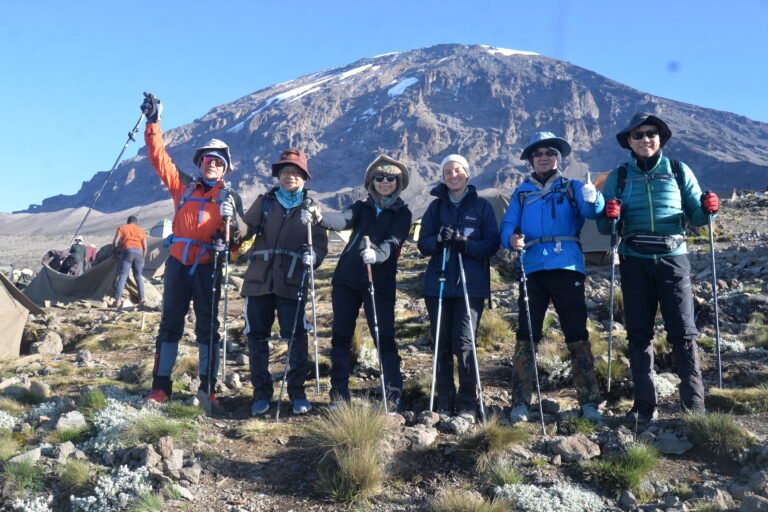
Kilimanjaro Full Moon Climb 24 December – Group Trekking 2026
Kilimanjaro Full Moon Climb 24 December 2026 – Group Trekking.
View package details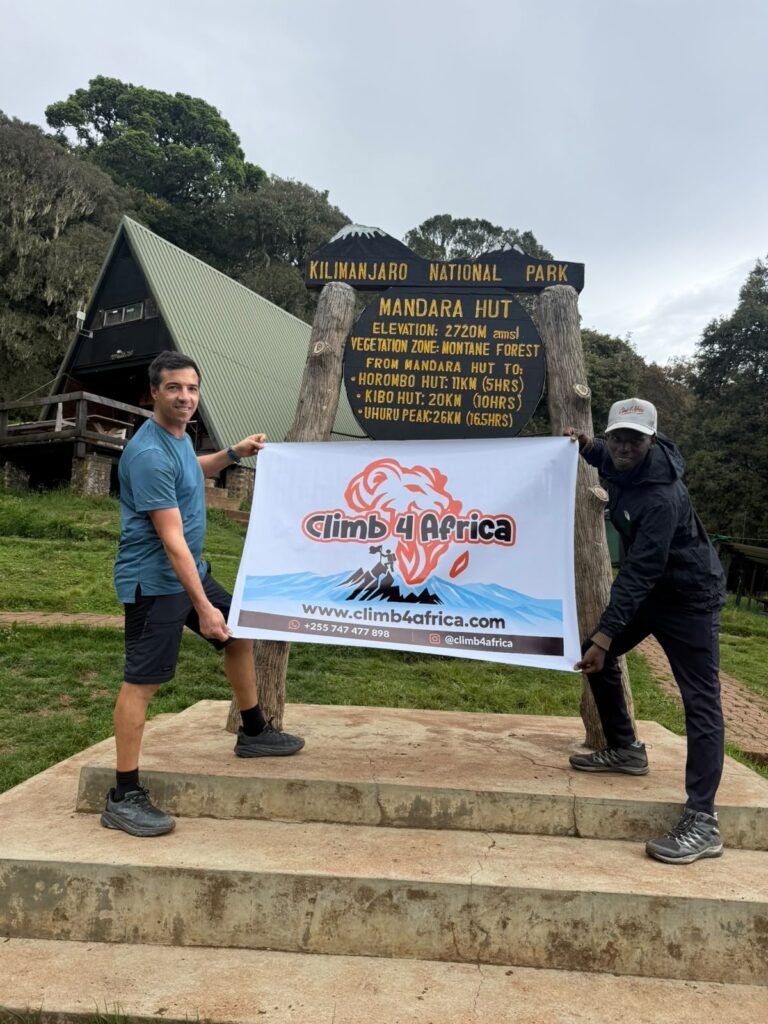
5 Days Marangu Route Kilimanjaro Group Climb – 8–12 December 2026
5 Days Marangu Route Kilimanjaro Group Climb – 8–12 December 2026.
View package details
Climb Kilimanjaro In Budget 12-December-2026, Join Group 2027
climb kilimanjaro in Budget 12-december-2026, Join Group.
View package detailsClimb Kilimanjaro In 12-December-2026, Small Group in 2027
climb kilimanjaro in 12-december-2026, Small Group.
View package details7 Days Umbwe Kilimanjaro Group Trek – 12–18 December 2026
7 Days Umbwe Kilimanjaro Group Trek – 12–18 December 2026.
View package details7 Days Rongai Kilimanjaro Group Trekking – 9–15 December 2026
7 Days Rongai Kilimanjaro Group Trekking – 9–15 December 2026.
View package detailsKilimanjaro Group Hiking In December – Dates And Prices 2026
Kilimanjaro Group Hiking in December 2026 – Dates and Prices.
View package details9 Days Northern Circuit Kilimanjaro Group Trek – 7–15 December 2026
9 Days Northern Circuit Kilimanjaro Group Trek – 7–15 December 2026.
View package details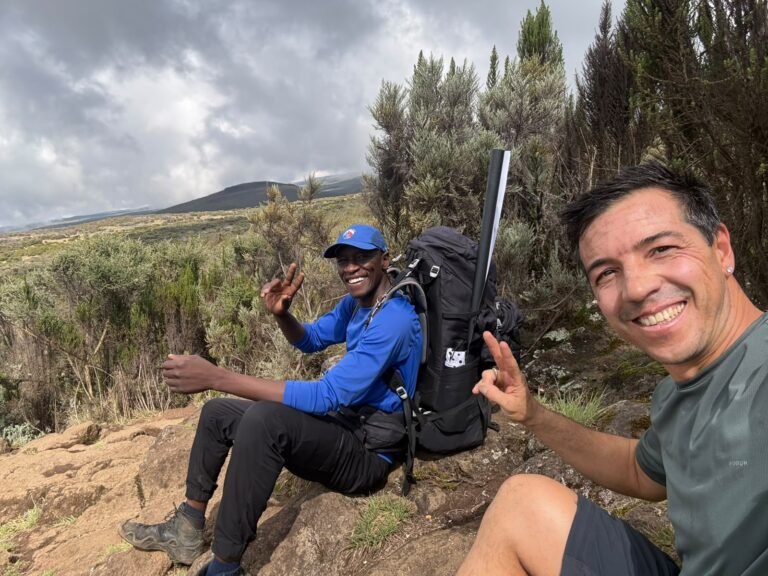
6 Days Marangu Kilimanjaro Group Hiking – 9–14 December 2026
6 Days Marangu Kilimanjaro Group Hiking – 9–14 December 2026.
View package details
December 4, Kilimanjaro Budget Trekking With Shared Group
December 4, 2026 Kilimanjaro Budget Trekking with Shared Group.
View package details6 Days Kilimanjaro New Year Cycling Tour – A Bookable, Purpose-Built Route
Explore a unique six-day Kilimanjaro New Year cycling itinerary designed for the period 28 December 2026 to 2 January 2027. This installment outlines Day 1 through Day 3, highlighting route...
View package detailsClimb Kilimanjaro For New Year – Group Joining Packages 2026
Climb Kilimanjaro for New Year 2027 – Group Joining Packages.
View package detailsNo related package matches those filters. Clear one or more filters to see the other topic-matched options.



