
The 6 Days Marangu Route Kilimanjaro Christmas Climb 2026 is a bookable, structured ascent that uses the Marangu route’s gradual ascent profile to optimize acclimatization and success. This first installment outlines Day 1 through Day 3, the route sequence, and key logistical considerations, with confirmation required for exact departure dates, group spaces, and inclusions. Please contact Climb 4 Africa for current availability and pricing for 2026.
Introduction to a six-day Marangu Christmas climb
For climbers seeking a balanced Kilimanjaro experience framed by a controlled ascent, the 6 Days Marangu Route Kilimanjaro Christmas Climb 2026 offers a reliable option. The Marangu route is known for its fairly steady grade, hut-based accommodation, and a high-altitude profile that favors gradual acclimatization. This first installment lays out Day 1 to Day 3, explaining how the sequence supports acclimatization, terrain variation, and practical logistics. It emphasizes that exact dates, group sizes, and inclusions must be confirmed with the operator, Climb 4 Africa, as availability can shift with seasonality and demand.
Day 1 — Moshi to Marangu Gate to Mandara Hut
The journey begins at the base town of Moshi or Arusha, with a transfer to the Marangu Gate (1,860 meters). From gate to hut, you’ll begin with a steady walk through a montane forest, richer in shade than in altitude gain at this stage. The standard Day 1 route from Marangu Gate to Mandara Hut (2,700 meters) typically takes about 4 to 5 hours, depending on pacing and the group’s acclimatization needs. Expect a gentle elevation profile, with mulch and leaf litter underfoot rather than boulder-strewn slopes. Mandara Hut sits at a comfortable altitude to set a modest baseline for altitude exposure and to begin the acclimatization process before the next leg toward Horombo. The huts layout is typically dormitory-style, with shared facilities; hot water availability varies by season and operator logistics. The aim on Day 1 is to establish a baseline of exertion, keep hydration steady, and begin recognizing how the altitude affects breathing pace and appetite.
Day 2 — Mandara Hut to Horombo Hut (2,700–3,720 meters)
Day 2 continues through moorland and woodland transitions, with a gradual gain toward Horombo Hut. The corridor from Mandara to Horombo is where hikers begin to notice cooler temperatures and thinner air, reinforcing acclimatization principles. The day typically unfolds over 5 to 6 hours of walking, with short breaks to rest and rehydrate. The route offers a gentle predawn start, which can be conducive to a more comfortable ascent during daylight. Accommodation at Horombo Hut provides a real sense of highland atmosphere, and some groups choose a second acclimatization night by staying at Horombo before moving to the next leg. The goal on Day 2 is to consolidate acclimatization gains while continuing to build cardiovascular efficiency and leg strength for the more demanding stages ahead.
Important acclimatization note for Day 2
Even on a six-day itinerary, acclimatization remains central. If symptoms such as persistent headache, dizziness, or fatigue escalate, the guide may adjust the pace or consider a short extra rest day. Climb 4 Africa typically follows established acclimatization protocols, using the Horombo plateau as a buffer to adjust to rising altitude before the final ascent in the subsequent days.
Day 3 — Horombo Hut to Kibo Huts (4,700–4,800 meters) with extra acclimatization step
Day 3 marks the transition into the higher zone of the mountain. The hike from Horombo Hut to Kibo Huts (or Kibo Camps) is a step into alpine desert terrain, with exposure to cooler air and more open slopes. This leg usually spans around 4 to 6 hours of walking, depending on the pace and breaks. Climbers begin to notice the thinning air most clearly at this altitude, and some prefer to rest at Kibo to maximize the effectiveness of the subsequent summit push. The scenery shifts from mossy forests to barren lava rock, with vistas that begin to reveal the ocean of the Rift Valley below. Your packing list should emphasize layers, wind protection, and nighttime warmth, as temperatures can swing dramatically. At Kibo Huts, the group rests and prepares for the final push, while guides confirm the plan for Day 4 and the two key summit windows they target for an efficient, safe ascent.
How the 6 Days Marangu Route Christmas Climb 2026 differs from other Christmas climbs
The particular Christmas timing introduces two practical realities: group dynamics during peak season and a potential mix of daylight hours that can shorten or extend summit attempts. The Marangu route’s hut system provides a social acclimation environment that some climbers favor for the festive period, but it also requires careful management of group pacing and individual needs. In 2026, departures for the Christmas climb can vary by a day or two depending on operator schedules and flight arrangements for international participants. The 6-day plan remains a focused sequence, but precise logistics—including exact hut allocations, dinner times, and private transfers—must be confirmed with Climb 4 Africa during the booking process to ensure a smooth experience.
Booking considerations and what to confirm with Climb 4 Africa
Because this is presented as a bookable, multi-day itinerary, the essential confirmations are forward-facing: exact departure dates, group space availability, the specific hut allocations for Days 1–3, and the inclusions such as porters, guides, park fees, meals, and emergency equipment. The operator’s current policy on extra acclimatization days, night-before-summit logistics, and contingency plans for weather or route closures will significantly influence the final itinerary. While the structure of Days 1–3 is laid out here to illustrate the flow, the exact service package should be verified at the time of booking with Climb 4 Africa.
What you need to prepare before booking
Prospective climbers should come with a recent medical check, appropriate altitude insurance coverage, and familiarity with the general acclimatization concept. A typical kit includes a good insulated jacket, base layers, a warm hat, gloves, hiking pants, sturdy trekking boots, a headlamp, a refillable water bottle or hydration system, and a daypack to carry personal layers, snacks, and a lightweight rain layer. It’s also wise to prepare a short, realistic acclimatization plan with
Day 4 — Kibo Huts to Mawenzi Tarn or Kikelewa Caves Wardrobe of Alpine Terrain
Day 4 continues the high-altitude section of the Kilimanjaro ascent on the 6 Days Marangu Route Christmas Climb 2026. After a night at Kibo Huts, climbers enter the alpine desert zone and gain the last practical altitude before the summit push. The plan typically takes you from Kibo Huts (around 4,700–4,800 meters) to a high camp area—often Mawenzi Tarn or a nearby acclimatization-friendly site—before retreating to lower altitude for recovery and gradual conditioning. Expect sparse vegetation, open ridgelines, and a color palette dominated by volcanic rock, scree, and stark, wind-swept expanses. The day’s pacing centers on maintaining acclimatization readiness while preparing the body for the rigors of the final push.
Guides monitor signs of acute altitude exposure, and the group may adjust the route to maximize safety and acclimatization. The terrain is technical enough to demand careful foot placement, particularly on loose scree. Proper footwear with a solid tread and trekking poles help negotiate the uneven surface. Hydration remains critical; small sips at regular intervals help stabilize respiration and reduce the risk of headaches or nausea as you ascend and descend briefly during acclimatization pauses.
Day 5 — Mawenzi Tarn (or similar high-altitude acclimatization day) to Kibo Huts and back
Day 5 in the sequence emphasizes acclimatization consolidation. The day may loop back toward Kibo Huts for a final acclimatization circuit or involve a controlled ascent toward a higher vantage point before returning to Kibo Huts for a single night of rest. If the itinerary uses Mawenzi Tarn as the acclimatization objective, expect a steady ascent across a barren plateau with occasional scree slopes that test balance and endurance. The route should be chosen to encourage the body to adapt to the thinner air while avoiding excessive altitude gain that could trigger headaches or more serious AMS symptoms.
Temperature swings remain pronounced. Daytime sun can be intense, while shade and wind chill over exposed ridges require a layered kit. Hydration remains a priority, and climbers often carry a lightweight saline solution or electrolyte mix to support fluid balance during long, high-altitude days. The aim is to keep the body primed for the summit push while ensuring that recovery during the final night is optimal.
For participants with borderline acclimatization, the guide may employ short rest intervals, a slower pace, or a brief, optional acclimatization hike to a nearby saddle that doesn’t significantly raise cumulative altitude but reinforces physiological adaptation. The group reconvenes at a common alpine camp, establishing weather- and safety-conscious plans for Day 6.
Day 6 — Kibo Huts to Uhuru Peak and descent to Mweka Camp
The culmination on Day 6 centers on the summit bid from Kibo Huts or a nearby high-camp location to Uhuru Peak (approximately 5,895 meters). This is the most demanding leg of the itinerary, requiring precise pacing, temperature management, and a well-timed push to take advantage of stable weather windows. The ascent typically begins in the small hours of the night or pre-dawn to align with calmer upper-air conditions and to reach the crater rim around sunrise. Climbers move in a deliberate, energy-conscious cadence, with frequent short breaks for hydration and nutrition.
Reaching Uhuru Peak is a significant achievement and often the moment climbers have trained for, but the descent—usually via the Mweka Route—requires equal caution. Descending can be hard on knees and joints, so-guided traffic management helps prevent injuries in crowded jungle-like zones near the treeline. After safely reaching Mweka Camp, you descend to Mweka Gate, where celebratory photos and formal completion procedures await. The final transfer to your departure arrangements marks the end of the climb, returning you to Moshi or Arusha with memories of Kilimanjaro’s crown and the camaraderie forged through the high-altitude journey.
This six-day plan on the Marangu route aims to balance a realistic pace with the high-altitude demands of Kilimanjaro’s summit day. The exact locations for Days 4–6 may vary slightly depending on weather, group capability, and the operator’s on-the-ground adjustments, but the overarching sequence remains a carefully structured approach to acclimatization and summit success.
Readers considering the 6 Days Marangu Route Christmas Climb 2026 should verify day-by-day specifics with Climb 4 Africa, especially the precise hut allocations for Days 4–6 and the expected acclimatization windows. While the sequence above reflects a typical high-level flow, operator-confirmed details ensure alignment with group size, weather resilience plans, and any seasonal adjustments for Christmas departures.
Further considerations for a smooth 6 Days Marangu Route Kilimanjaro Christmas Climb 2026
The six-day Marangu itinerary remains one of Kilimanjaro’s most structured ascent profiles, but its success hinges on how days are navigated in practice. This section dives into the most practical questions climbers typically encounter as they approach a Christmas departure, focusing on route flow, acclimatization logic, and the specific day-by-day pacing that distinguishes the Christmas version of the climb from other windows in the calendar.
Central to a successful Christmas departure is understanding how the hut-based Marangu experience accommodates altitude progress without sacrificing safety or camaraderie. Day 1 through Day 3 establish the essential acclimatization rhythm: steady elevation gains, brief interludes for rest and rehydration, and shared evening routines that foster group cohesion. As the climb transitions to the higher alpine zone on Day 3, the guiding principle is to keep a sustainable ascent rate while recognizing the body’s response to thinning air. In practice, this means the lead guide monitors for common acclimatization signals—persistent headaches, dizziness on ascending terrain, or unusually heavy breathing at rest—and adjusts pacing or adds short, optional acclimatization pockets when necessary.
On Day 4, the route moves into the alpine zone with a rhythm that blends technical pacing with careful exposure management. Climbers encounter Mawenzi Tarn or a nearby cave network as a high-altitude acclimatization touchstone, where the intent is not merely to gain altitude but to consolidate physiological adjustments built over the preceding days. The choice between Mawenzi Tarn and Kikelewa Caves depends on weather windows, group capability, and local guidance, but each variant shares the same underlying objective: strengthen acclimatization while preparing the body for the final summit push. The key practical detail for Christmas departures is ensuring group configurations and hut assignments are confirmed with Climb 4 Africa to maintain a balance between pace, safety, and social dynamics during peak season crowds.
Day 5’s high-altitude return toward Kibo Huts serves as a deliberate consolidation circuit. This day is about traversing the high plateau with controlled elevation gains, then returning to a reliable base where staff can assess the climbers’ acclimatization status ahead of the most demanding leg, Day 6. The logistics of Day 5—whether to loop near Mawenzi Tarn or to perform a shorter acclimatization circuit—depend on weather, group fitness, and the guide’s judgment about cumulative altitude exposure. What remains constant is that the day reinforces the habit of regular hydration, steady nourishment, and careful layering to respond to cold air and wind exposure at altitude.
Day 6 embodies the decisive phase: a predawn start toward Uhuru Peak, timed to exploit favorable upper-air conditions and a calm upper slope. The exact start time is coordinated on the day with the guide team, who will set a pace appropriate for the group’s fitness. Climbers need to be prepared for a long ascent in thin air, with a well-stocked pack of water, snacks, and a warm layer for the final push and the early morning chill. The return descent to Mweka Camp follows a contrasting rhythm, as fatigue accumulates and the terrain shifts from rocky scree to forested lower slopes. Proper footwear, trekking poles, and careful knee management are essential to prevent joint strain during the descent, particularly on the way back through the wet, leaf-littered sections near the forest line.
In practical terms, the most valuable operational insight for a Christmas departure is anchored in how the operator confirms available hut spaces and guides’ coverage for these peak-season dates. Even small changes in hut availability can cascade into a different pacing plan, especially on Days 4–6 when a few extra hours of daylight may alter the route choice or the order of acclimatization stops. Climbers should maintain regular communication with Climb 4 Africa to align expectations about the final day’s start window, potential adjustments to the Mawenzi Tarn option, and any contingency plans if weather affects the ascent window on Day 6.
Finally, a Christmas climb carries heightened group dynamics: larger groups can encounter slower turnover at huts and longer queue times for meals and porters. The practical response is to prepare mentally for a degree of social agility—being patient with slower walkers, offering encouragement, and keeping team morale high through short, supportive conversations at rest breaks. This human factor, alongside disciplined pacing and meticulous gear planning, makes the 6 Days Marangu Route Christmas Climb 2026 not only a test of endurance but also a shared achievement that many climbers remember long after they descend from Kilimanjaro.
Those considering this itinerary should verify all booking specifics and day-by-day hut allocations with Climb 4 Africa. While the structural flow described here reflects a typical Christmas-season climb on the Marangu route, exact hut positions, inclusions, and group sizes can vary with availability. The emphasis remains on a sustainable ascent profile that respects acclimatization science, ensuring a safer and more enjoyable summit experience.
Final Day Logistics and Post-Descent Recovery: Mweka Camp to Moshi and Beyond
The final leg of the 6 Days Marangu Route Kilimanjaro Christmas Climb 2026 concludes with the descent from Mweka Camp back to Moshi or Arusha, completing the full circuit of the mountain. This day, though less physically demanding than the summit push, is critical for recovery, hydration, and logistical transition. The descent from Mweka Camp (approximately 3,090 meters) to the base town typically takes 3 to 4 hours, depending on group pace, terrain conditions, and individual fatigue levels. Unlike the ascent, which is structured around altitude gain and acclimatization, the descent emphasizes careful movement to protect joints, especially knees and ankles, which endure repeated strain on scree and uneven forest trails.
The trail begins with a gradual decline through dense montane forest, where the canopy closes overhead, creating a humid, cool microclimate. As the path narrows and becomes more root-laden, the risk of slips increases—particularly if the trail has been wet from morning dew or recent rain. Climbers are advised to keep their backpacks light, use trekking poles for stability, and maintain a controlled pace. The guide team will often set a steady rhythm, stopping periodically for short breaks to allow for hydration and joint mobility exercises. These breaks are not only practical but also serve as a psychological reset after the emotional and physical intensity of the summit night.
Upon reaching the Mweka Gate (approximately 1,990 meters), climbers complete the official park exit formalities. This includes a final park ranger check, where permits are verified and the completion of the summit certificate process—though this is typically handled during the climb, the final confirmation ensures all documentation is in order. At the gate, the team is often greeted by a celebratory atmosphere: porters may offer small tokens of appreciation, and some groups organize a final group photo with the summit certificate in hand. This moment is a powerful emotional anchor for many climbers, marking the transition from challenge to achievement.
After the gate, the group transfers by vehicle back to Moshi or Arusha, depending on the original departure point. The transfer duration varies from 45 minutes to 1.5 hours, depending on traffic and the exact hotel location. Most operators, including Climb 4 Africa, include a post-climb welcome lunch or dinner at a local restaurant or hotel, offering a chance to reflect, share stories, and enjoy a well-deserved meal. This meal is typically included in the full package and may feature Tanzanian specialties such as ugali, grilled fish, or nyama choma, providing a cultural and culinary closure to the journey.
Post-descent recovery is not limited to physical rest. Many climbers experience a phenomenon known as ‘post-summit fatigue,’ where the body continues to recover from the cumulative stress of high altitude, sleep deprivation, and prolonged exertion. It is recommended to avoid strenuous activity for at least 24 to 48 hours after returning to low elevation. Hydration remains paramount—drinking water, electrolyte-rich fluids, and light meals help restore balance. Some climbers choose to spend their first night in Moshi at a hotel with a pool or spa, allowing for gentle movement and relaxation.
For those planning to extend their stay in Tanzania, the post-climb period offers a natural entry point for additional travel. Many climbers opt to visit Arusha National Park, the Ngorongoro Crater, or the Serengeti for a safari experience, especially if the Christmas climb was followed by a longer holiday. The timing of the 6 Days Marangu Route Christmas Climb 2026—typically departing between December 22 and January 5—coincides with the dry season in northern Tanzania, offering ideal conditions for wildlife viewing and photography. However, such extensions are not included in the base climb package and must be arranged separately.
It is also worth noting that the Christmas timing may affect post-climb availability. Hotels in Moshi and Arusha often reach full capacity during the holiday season, especially around December 24–26. Climbers are strongly advised to confirm their return transfer and accommodation details with Climb 4 Africa at least two weeks before the scheduled departure. This ensures a smooth transition from the mountain to the city and avoids last-minute complications. If a climber plans to fly out on January 1 or later, they should also verify flight schedules, visa requirements, and airport transfer logistics, as Christmas and New Year’s travel can result in delayed or overbooked flights.
Finally, the 6 Days Marangu Route Kilimanjaro Christmas Climb 2026 is not just a physical journey—it is a structured, time-bound experience that integrates acclimatization, group dynamics, and logistical precision. The success of the final day hinges on the same principles that guided the ascent: preparation, communication, and trust in the guide team. By maintaining focus on recovery, hydration, and post-climb logistics, climbers can ensure that the memory of reaching Uhuru Peak is not only preserved but celebrated in the days that follow.
What to Confirm with Climb 4 Africa Before Finalizing Your 6 Days Marangu Route Christmas Climb 2026
While the general itinerary for the 6 Days Marangu Route Kilimanjaro Christmas Climb 2026 is well-established, several critical details must be confirmed directly with Climb 4 Africa to ensure a smooth experience. These include:
- Exact departure date and group size: Christmas dates are highly sought after, and group sizes are capped at 12 climbers per guide. Confirming your spot early is essential.
- Hut allocation and availability: While the standard route uses Mandara, Horombo, Kibo, and Mweka Huts, availability can shift due to weather, park regulations, or high demand. Confirm your assigned hut for each night.
- Guide and porter team assignments: The same guide and porter team will accompany you throughout the climb. Confirm their experience level and language proficiency if needed.
- Inclusions and exclusions: The package typically includes park fees, guide and porter wages, meals, tents, and transportation from Moshi to the gate and back. Confirm what is excluded—such as tips, travel insurance, visa fees, and personal gear.
- Post-climb accommodation and transfer: Confirm the hotel name, check-in time, and whether the welcome dinner is included. Some packages offer a free night in Moshi; others require an additional booking.
- Contingency plans for weather or health: Understand how the team will respond to altitude sickness, storms, or delays. Climb 4 Africa follows a standard protocol, but clarity on decision-making authority is important.
All of these details are subject to change based on seasonal demand. Therefore, the most reliable way to secure your 6 Days Marangu Route Kilimanjaro Christmas Climb 2026 is to contact Climb 4 Africa directly and request a full itinerary confirmation, including a signed booking agreement and payment schedule.
Related Guides and Packages
Check Availability for 6 Days Marangu Route Kilimanjaro Christmas Climb 2026
Ready to compare dates, prices, and the best option for your group? Send the package name and travel month so the team can reply with a clear quote, availability, and what is included.
6 Days Marangu Route Kilimanjaro New Year Climb 2026
6 Days Marangu Route Kilimanjaro New Year Climb 2027.
View package details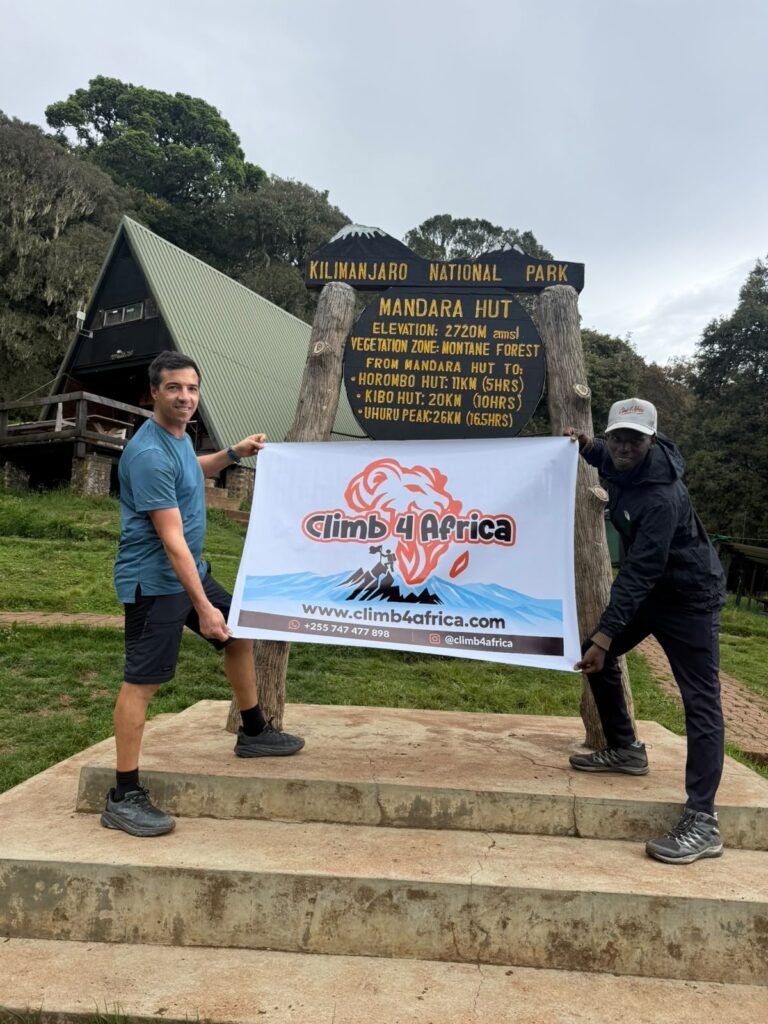
6 Days Marangu Kilimanjaro Christmas Holiday Climb – 21–26 December 2026
6 Days Marangu Kilimanjaro Christmas Holiday Climb – 21–26 December 2026.
View package details5 Days Marangu Route Kilimanjaro Group Climb – 8–12 December 2026
5 Days Marangu Route Kilimanjaro Group Climb – 8–12 December 2026.
View package details6 Days Rongai Kilimanjaro Christmas Climb – 21–26 December 2026
6 Days Rongai Kilimanjaro Christmas Climb – 21–26 December 2026.
View package details6 Days Umbwe Route Kilimanjaro Climb – 1–6 December 2026
6 Days Umbwe Route Kilimanjaro Climb – 1–6 December 2026.
View package details5 Days Marangu Kilimanjaro Christmas Trek – 22–26 December 2026
5 Days Marangu Kilimanjaro Christmas Trek – 22–26 December 2026.
View package details6 Days Marangu Kilimanjaro New Year Climb – 28 December – 2 January 2026
6 Days Marangu Kilimanjaro New Year Climb – 28 December 2026 – 2 January 2027.
View package details6 Days Marangu Kilimanjaro Full Moon Climb – 20–25 December 2026
6 Days Marangu Kilimanjaro Full Moon Climb – 20–25 December 2026.
View package details5 Days Marangu Route Kilimanjaro Trek – 2–6 December 2026
5 Days Marangu Route Kilimanjaro Trek – 2–6 December 2026.
View package detailsKilimanjaro Christmas Climb – Group Joining Dates And Routes 2026
Kilimanjaro Christmas Climb 2026 – Group Joining Dates and Routes.
View package details6 Days Kilimanjaro New Year Cycling Tour – A Bookable, Purpose-Built Route
Explore a unique six-day Kilimanjaro New Year cycling itinerary designed for the period 28 December 2026 to 2 January 2027. This installment outlines Day 1 through Day 3, highlighting route...
View package details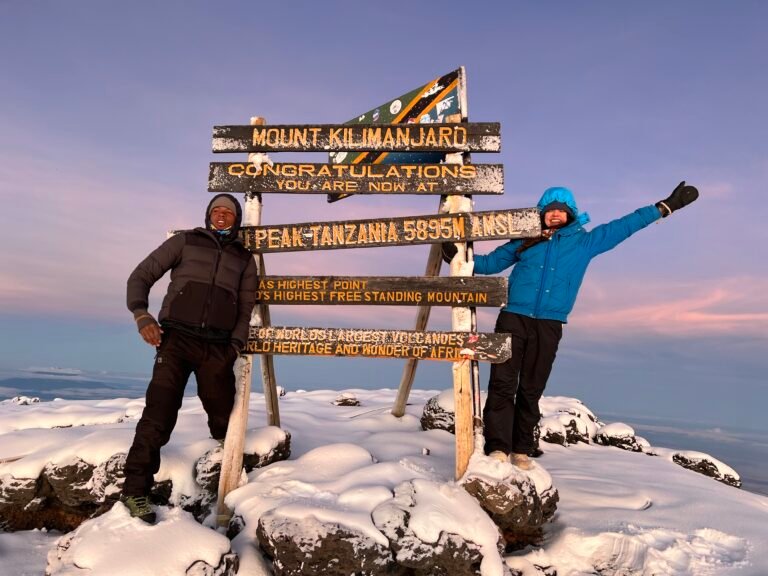
6 Days Rongai Route Kilimanjaro Hiking – 6–11 December 2026
6 Days Rongai Route Kilimanjaro Hiking – 6–11 December 2026.
View package detailsNo related package matches those filters. Clear one or more filters to see the other topic-matched options.



