
Climbing Kilimanjaro in late February 2027 represents a final opportunity to experience the mountain’s dry season conditions before the transitional period into March brings increased chances of rain. These departures are ideal for trekkers seeking to maximize their chances of clear skies and stable trails during the end of the drier period. While exact group availability varies, booking well in advance for late February 2027 Kilimanjaro climbs is essential to secure a spot on these sought-after last dry-season expeditions.
Understanding the Late February Window
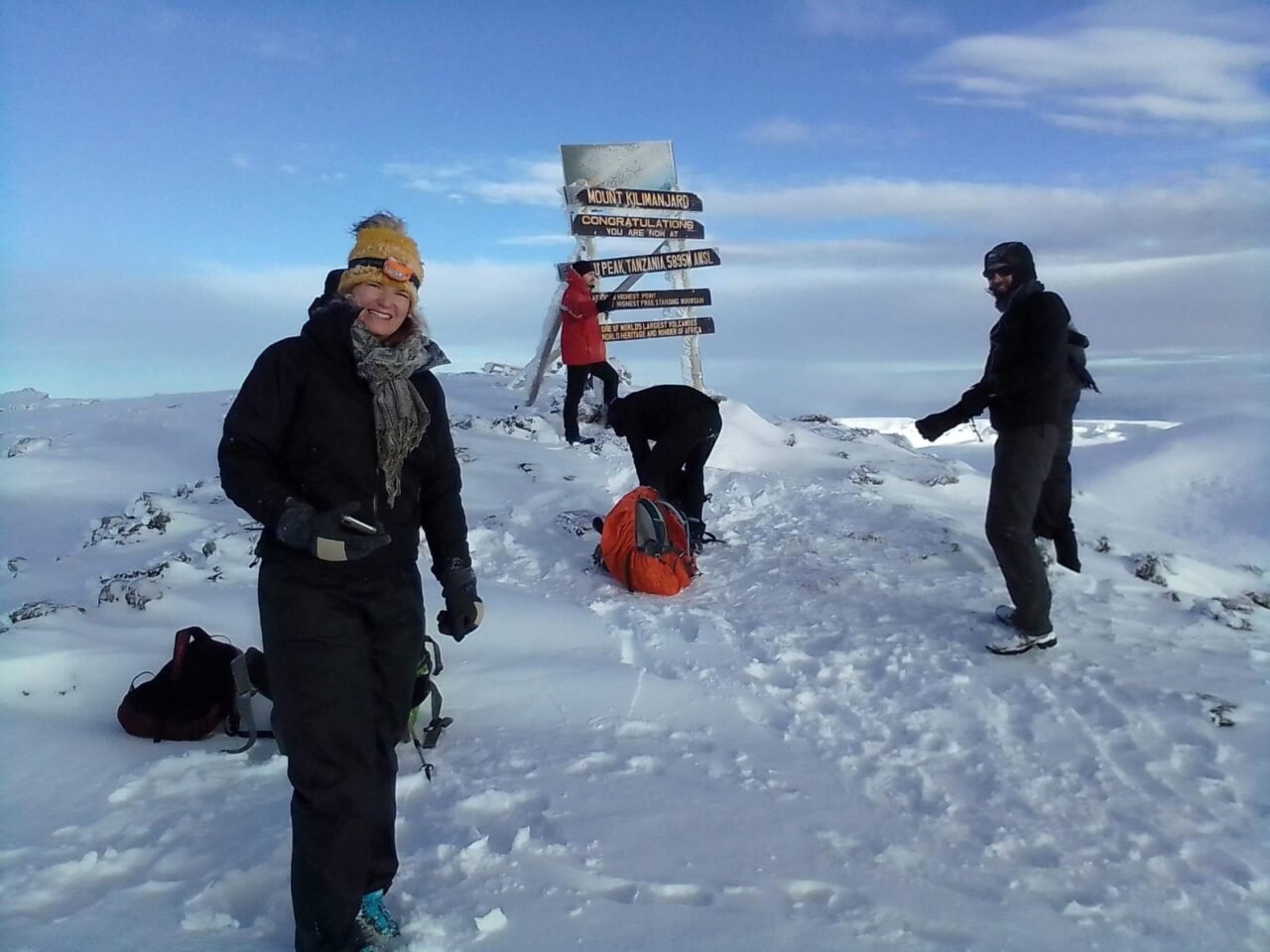
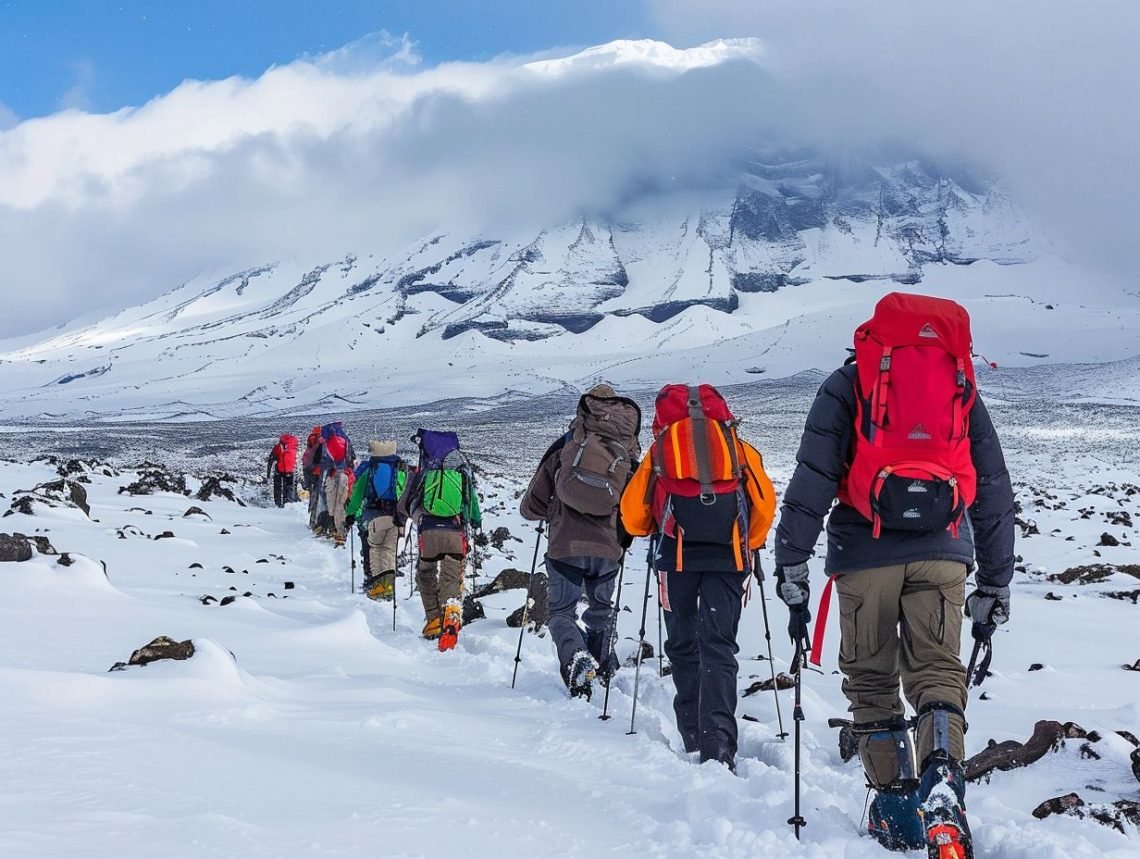
Kilimanjaro’s climbing seasons are generally defined by dry and wet periods. The two primary dry seasons run from January to March and June to October. Late February falls at the tail end of the first dry season, bridging the gap into the short rains that typically begin in March. This period offers a unique set of conditions, often characterized by lingering dry weather with a slightly increased chance of afternoon showers as the month progresses. For trekkers aiming for Kilimanjaro late February 2027, this means a strategic choice: catching the last of the reliable dry days before the landscape becomes more saturated.
Many climbers prefer to avoid the peak dry seasons to potentially experience fewer crowds. Late February can sometimes offer this advantage, especially as the transition to the rainy season approaches and some trekkers might postpone their climbs. It’s a balance between weather predictability and the desire for a more solitary ascent. Understanding this transitional nature is key to setting expectations for your Kilimanjaro late February 2027 expedition.
Kilimanjaro Weather Patterns in Late February 2027
The weather on Kilimanjaro is famously variable, dictated by altitude and microclimates. In late February 2027, you can generally expect:
- Lower Slopes: Warm and potentially humid, with a higher likelihood of rain showers as the month progresses.
- Mid-Altitudes (Forest & Moorland Zones): Temperatures begin to drop, and while dry conditions often prevail, brief rain or mist is possible, especially in the latter half of the month.
- Alpine Desert & Arctic Zones: Cold, dry air is typical. Clear nights are common, offering spectacular stargazing. However, the increased moisture content from the approaching rains can sometimes lead to cloud cover or fog, particularly in the afternoons.
While the Kilimanjaro late February 2027 period is still considered part of the dry season, it’s crucial to be prepared for the possibility of precipitation. The key difference from the heart of the dry season (e.g., July-August) is the elevated probability of encountering rain. This doesn’t necessarily mean continuous downpours, but rather a greater chance of encountering them, often in the form of afternoon or evening showers. Wind can also be a significant factor, especially at higher altitudes, bringing down temperatures considerably.
It’s worth noting that the short rains sometimes arrive earlier or linger longer than historical averages. Therefore, packing waterproof gear is always a non-negotiable for any Kilimanjaro trek, regardless of the season. For those specifically targeting late February 2027, flexibility in expectations regarding weather is a prudent approach.
Why Choose Late February 2027 for Your Kilimanjaro Climb?
Several compelling reasons make a Kilimanjaro late February 2027 trek an attractive option:
- Last Chance for Dry Conditions: It’s the final segment of the longest dry season, offering the best weather odds before the March rains begin.
- Potentially Fewer Crowds: As the dry season winds down and the short rains approach, some trekkers opt for earlier or later dates, potentially leading to a less crowded experience on the trails and at the summit.
- Transitional Beauty: The landscape can offer a dynamic visual experience, with lingering dry season hues gradually giving way to the vibrant greens that follow the rains.
- Ideal for Specific Events: For those looking for specific dates, such as near the end of February, this period can align perfectly with personal schedules. For instance, the Kilimanjaro Full Moon Summit on 20-21 February 2027 presents a unique and sought-after experience within this window.
The decision to climb in late February 2027 often comes down to a trade-off: maximizing dry weather chances while potentially accepting a slightly higher risk of rain compared to the mid-dry season months, possibly in exchange for a more exclusive trekking experience. For many, this is a worthwhile compromise to secure a trek during their preferred timeframe.
Best Kilimanjaro Routes for Late February 2027 Treks
While all routes are technically open year-round, some are better suited for acclimatization and offer varied scenery, which can be particularly appreciated during transitional weather. For a Kilimanjaro late February 2027 climb, consider:
| Route | Typical Duration (Days) | Scenery & Acclimatization | Pros for Late Feb 2027 | Cons for Late Feb 2027 |
|---|---|---|---|---|
| Machame | 6-7 days | Popular, scenic, good acclimatization (climb high, sleep low). Forest, moorland, alpine desert, arctic zones. | Good acclimatization profile. Often less crowded than Marangu. | Can be busy early in the week. Steep sections. |
| Lemosho | 7-8 days | Most scenic, excellent acclimatization, starts in lush rainforest. Remote feel initially. | Higher success rates due to acclimatization. Excellent for photography. | Longer duration means higher cost. |
| Northern Circuit | 9+ days | Longest route, best acclimatization, circumnavigates the mountain. Offers diverse views. | Highest success rates. Truly in-depth experience. Good for appreciating varied landscapes. | Most expensive and longest commitment. |
| Rongai | 6-7 days | Approaches from the drier northern side, good for those concerned about rain. Less scenic initially. | Can be drier than southern routes if rains start early from the south. | Less scenic start. Summit success rates can be slightly lower on shorter durations. |
The Machame Route (like the 7 Day Machame Route – 1 February 2027 Kilimanjaro Departure) and Lemosho Route are frequently recommended for their excellent acclimatization profiles, which are crucial for summit success. The Northern Circuit, with its extended duration, offers the best acclimatization and thus the highest success rates, making it a strong contender for any time of year, including late February 2027. The Rongai Route, approaching from the north, is sometimes favoured for its drier approach, which could be a slight advantage if the short rains begin earlier than anticipated in late February.
Group Departures and Availability for Late February 2027
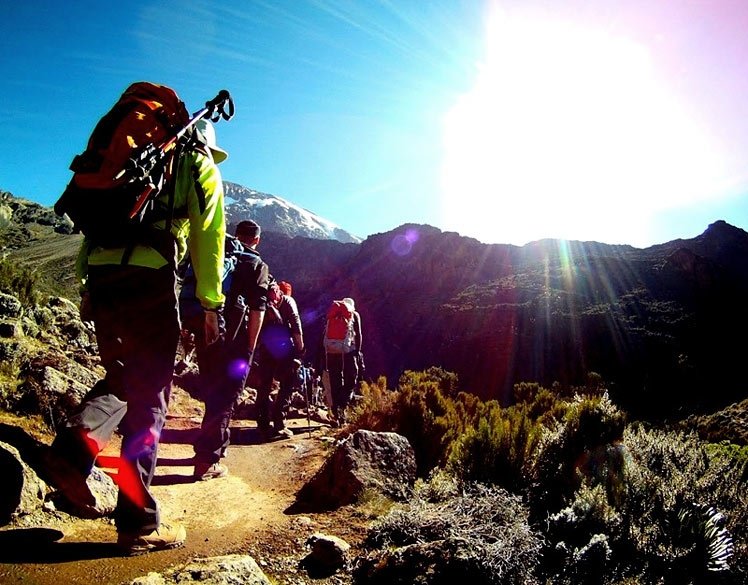
Securing a spot on a group departure for Kilimanjaro late February 2027 requires advance planning. As this is the tail end of a popular dry season, dates, especially those closer to the full moon (like the Kilimanjaro February 2027 Full Moon and Lunar Eclipse Climb), tend to fill up quickly. Operators like Climb 4 Africa organize fixed group departures, offering a more economical and social trekking experience. These are often scheduled on specific dates, and popular ones, such as those around the Lemosho Valentine’s Kilimanjaro Climb – 14 February 2027 or the 8 Day Lemosho Kilimanjaro – 6 February 2027 Group Departure, are typically booked months, if not a year, in advance.
When looking for late February 2027 Kilimanjaro groups, it’s advisable to:
- Check Operator Schedules: Tour operators will publish their group departure dates for 2027 well in advance.
- Book Early: Aim to book at least 6-12 months prior to your desired climb date, especially for specific dates or full moon climbs.
- Consider Private Climbs: If fixed group dates don’t align or are fully booked, a private climb offers flexibility. While generally more expensive, it allows you to choose your exact departure date.
The availability for Kilimanjaro late February 2027 climbs is a crucial factor. By booking early, you not only secure your place but also often get the best pricing and your preferred route and dates. For those interested in joining an existing group, early inquiry is key. For example, if you missed the Kilimanjaro 9 January 2027 departures, late February still presents a great opportunity, but demand will be high.
Preparing for the Seasonal Transition
Trekking in late February 2027 means preparing for a transitional period. This requires a comprehensive packing list and a mindful approach to your physical and mental preparation:
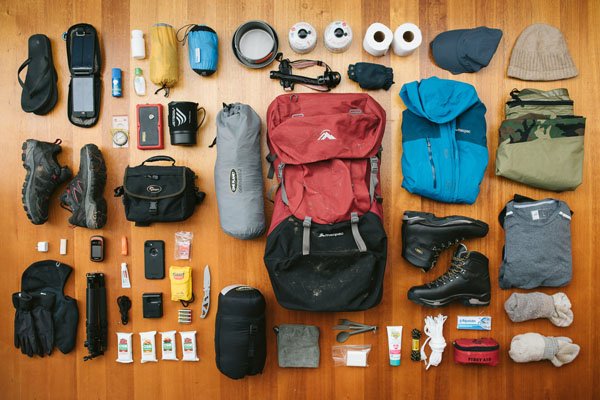
- Layering is Key: Pack versatile clothing that can be layered. Base layers, mid-layers (fleece), and an insulated outer layer are essential.
- Waterproofs are Non-Negotiable: A high-quality waterproof and windproof jacket and trousers are vital. Even in dry season, unexpected showers can occur, and these items are crucial for comfort and safety.
- Footwear: Waterproof hiking boots, broken in well in advance, are paramount. Gaiters can also be very useful to keep debris and moisture out of your boots.
- Sun Protection: Despite potential rain, the sun’s intensity at altitude is extreme. High SPF sunscreen, a wide-brimmed hat, and sunglasses are necessary.
- Hydration and Nutrition: Staying well-hydrated and maintaining energy levels through high-carbohydrate snacks is critical. The slightly increased chance of rain might make carrying an extra water bottle or hydration pack cover more important.
- Mental Preparation: Understand that weather can change rapidly. Maintaining a positive attitude and being prepared for different conditions will significantly enhance your experience on a Kilimanjaro late February 2027 climb.
The experienced guides and crew from operators like Climb 4 Africa are adept at managing changing conditions. They will monitor the weather, advise on clothing, and ensure your safety throughout the trek. For a late February 2027 Kilimanjaro climb, partnering with a reputable operator ensures you have local expertise to navigate these transitional elements.
Booking Your Late February 2027 Kilimanjaro Climb
Choosing to climb Kilimanjaro in late February 2027 places you in a prime position to enjoy the final dry days of the season. Given that this is a popular window, acting promptly is advisable. Climb 4 Africa specializes in organizing Kilimanjaro expeditions, offering a range of routes and departure dates designed to suit various preferences and fitness levels. Their experienced local teams provide essential support, from pre-climb advice to on-mountain logistics, ensuring a safe and memorable journey.
When you are ready to book your Kilimanjaro late February 2027 adventure, or if you have any questions about the conditions, routes, or available group departures, reaching out is the next step. Contacting Climb 4 Africa will provide you with detailed information tailored to your specific interests, helping you make an informed decision and secure your place on one of the last dry-season treks of February 2027. Whether you are looking to join a fixed group or plan a private ascent, their team is ready to assist you in making your Kilimanjaro dream a reality.
For inquiries and booking assistance, please contact Climb 4 Africa:
- WhatsApp: +255 747 477 898
- Email: climb4africa@gmail.com
Embarking on a Kilimanjaro late February 2027 climb is a rewarding experience, offering a unique intersection of favorable weather and potentially fewer crowds. With careful planning and the right operator, your ascent to the Roof of Africa will be an unforgettable achievement.
Check Availability for Kilimanjaro Late February : Last Dry-Season Groups Before March Rains 2027
Ready to compare dates, prices, and the best option for your group? Send the package name and travel month so the team can reply with a clear quote, availability, and what is included.
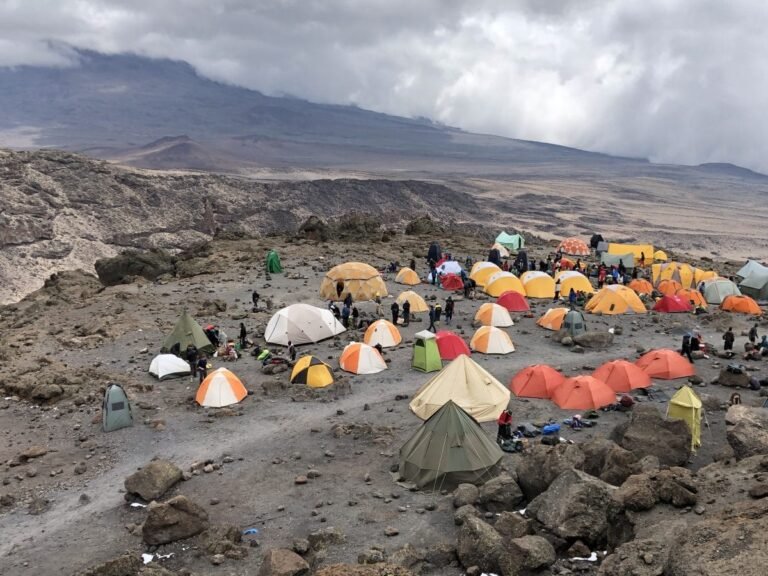
Kilimanjaro Climb March 2027 – Early-Month Groups Before The Long Rains Guide
Discover the unique advantages of climbing Kilimanjaro in early March 2027, just before the onset of the long rainy season. This guide covers weather expectations, route considerations, and...
View package details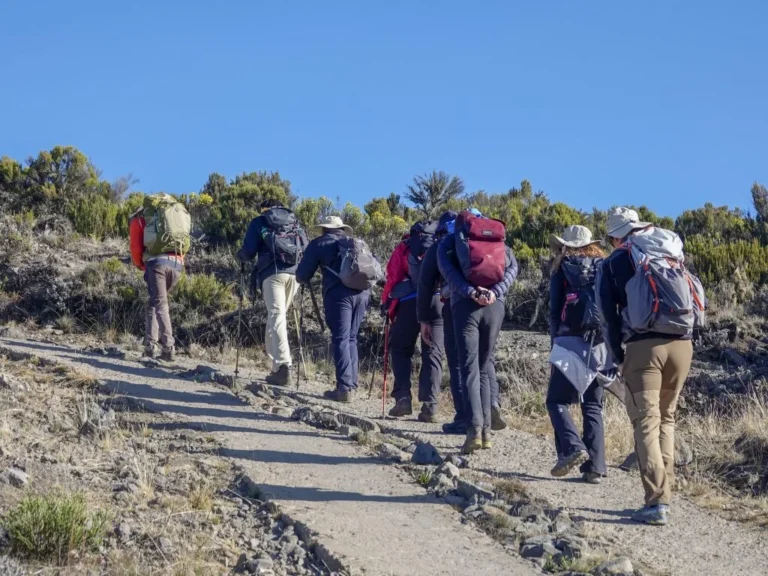
Late March Kilimanjaro – Rainy-Season Route Choices 2027
Late March Kilimanjaro 2027 – Rainy-Season Route Choices is explained with current 2027 planning, price, itinerary and booking information.
View package detailsKilimanjaro Climb February – Dry Season Groups And Availability 2027
Kilimanjaro Climb February 2027 – Dry Season Groups and Availability is explained with current 2027 planning, price, itinerary and booking information.
View package details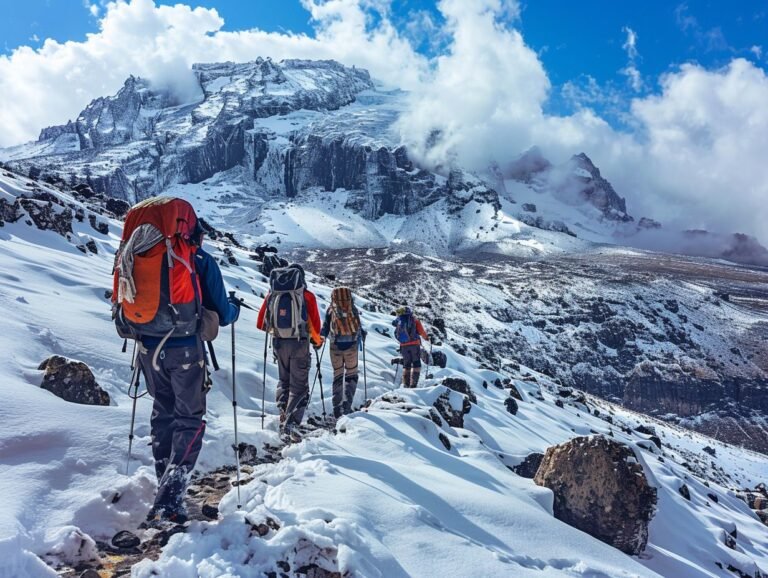
Kilimanjaro 22 May : Your Late-Rainy-Season Group Trek 2027
Planning a Kilimanjaro trek for May 22, 2027? This late-rainy-season group departure offers a different perspective on Africa's highest peak, often with fewer crowds and lush landscapes...
View package details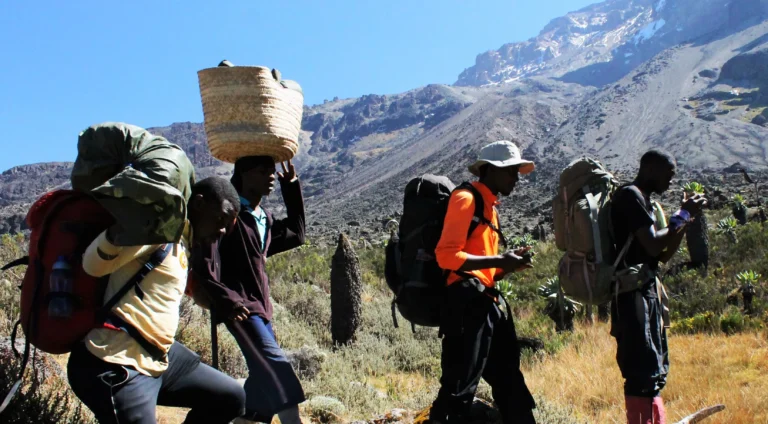
Best Kilimanjaro And Serengeti Calving Season Safari March 2027
Discover the magic of a March 2027 Kilimanjaro and Serengeti calving season safari. This guide explores the unique advantages and considerations for experiencing Tanzania's wildlife...
View package details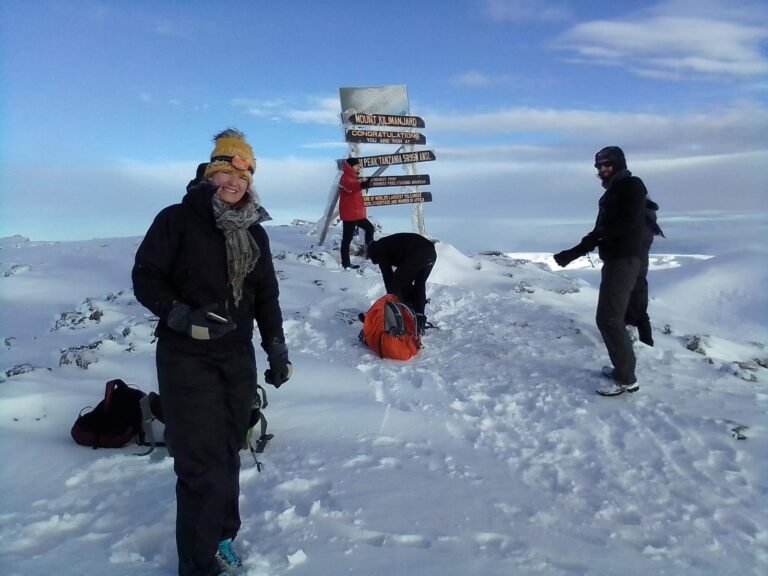
Kilimanjaro 20 March – Equinox Trek And Seasonal Transition 2027
Discover the unique advantages of trekking Mount Kilimanjaro around the March 20, 2027 equinox. This period marks a significant seasonal transition, offering a blend of weather patterns and...
View package detailsKilimanjaro May Private Climb: Flexible Low-Season Dates For Your Adventure
start a private Kilimanjaro climb in May 2027. This guide details the advantages of low-season dates, route options, and essential planning for your unique adventure.
View package details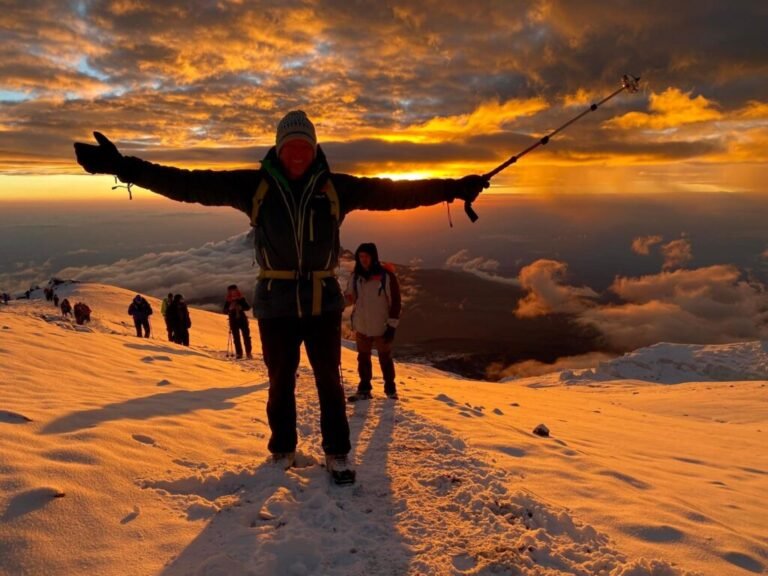
Late May Kilimanjaro – Is It Better Than Early May? 2027
Deciding between late May and early May for your 2027 Kilimanjaro climb involves understanding subtle shifts in weather, crowd dynamics, and the mountain's overall feel. While both periods...
View package details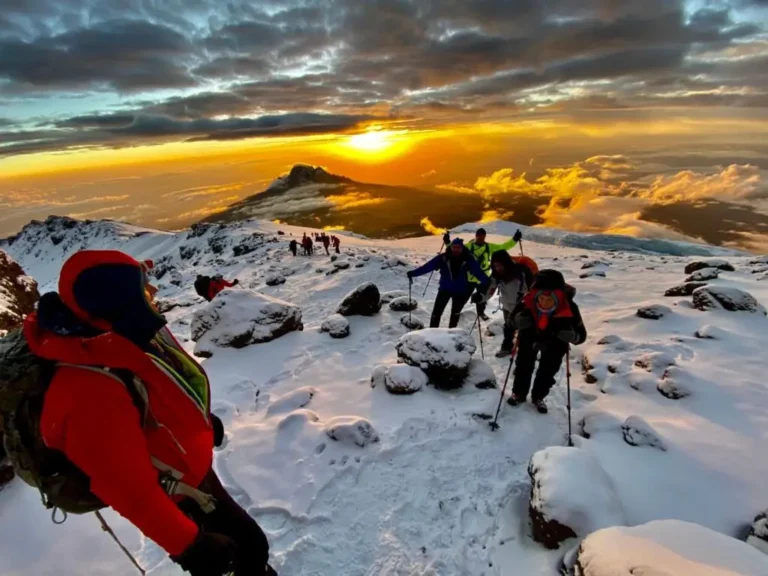
Kilimanjaro 29 May – Transition Into The June Dry Season 2027
Climbing Kilimanjaro on May 29, 2027, positions you perfectly at the cusp of the dry season. This guide details what to expect, optimal routes, and preparation for a successful summit.
View package detailsClimbing Kilimanjaro In May : Your Green Season Trekking Guide 2027
Discover the unique advantages and challenges of climbing Kilimanjaro in May 2027. This guide details everything you need to know for a successful trek during the shoulder season.
View package detailsKilimanjaro 24 April : Late Trek & Weather Expectations 2027
Discover what to anticipate for a Kilimanjaro climb on April 24, 2027. This guide covers late April weather patterns, suitable routes, and essential preparation for your ascent.
View package detailsKilimanjaro 17 April – Small Group Rainy-Season Adventure With Climb 4 Africa
start a unique Kilimanjaro climb on April 17, 2027, as part of a small group during the rainy season. This adventure offers a different perspective of the mountain, with fewer crowds and...
View package detailsNo related package matches those filters. Clear one or more filters to see the other topic-matched options.



