
A Kilimanjaro February 2027 Full Moon and Lunar Eclipse Climb offers a unique opportunity to ascend Africa’s highest peak under two significant celestial events: the full moon and a lunar eclipse, both occurring within close proximity in February 2027. The most practical approach for this special climb involves selecting a route that maximizes chances of summiting on or very near the peak full moon visibility, while also accounting for the lunar eclipse timing. For the 2027 event, a climb aiming for summit success around February 25th, 2027, would best align with both phenomena. This involves booking an expedition, typically 8-10 days depending on the route, with a reputable operator like Climb 4 Africa, ensuring guides are aware of and prepared for the unique conditions and timing. Key considerations include route choice (Lemosho or Machame are often favored for acclimatization), packing for varied weather, and understanding the psychological and physical demands of a night summit under extraordinary moonlight.
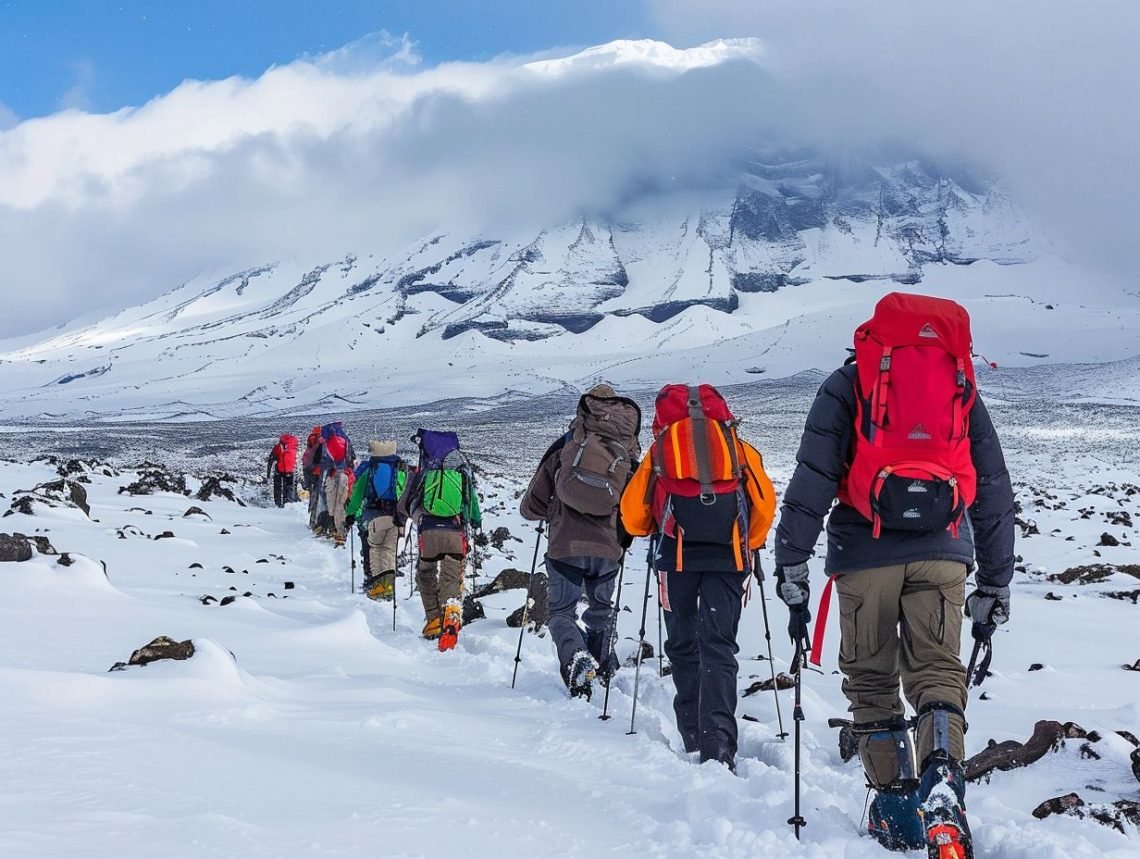
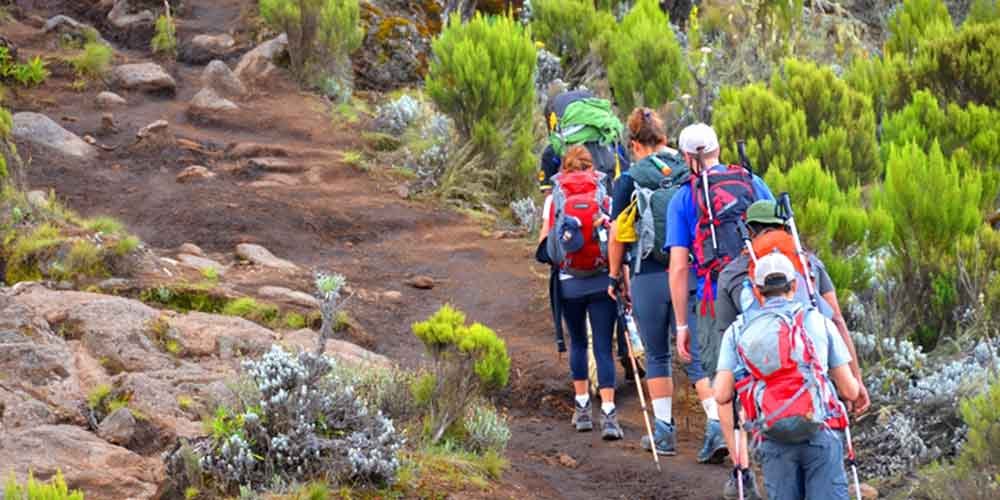
Celestial Timing: Full Moon and Lunar Eclipse in February 2027
Timing is paramount for any special event climb on Kilimanjaro. For February 2027, the key dates are crucial. The full moon in February 2027 falls on approximately February 25th. More significantly, a total lunar eclipse will occur on February 20th, 2027. This means the most potent combination of a full moon experience and the visible lunar eclipse will occur at different points within the month. A climber aiming for the absolute peak of the lunar eclipse would need to be on the mountain around February 20th. However, the full moon’s brilliance, which significantly aids night trekking and offers stunning views, peaks around February 25th. Given that summit nights are usually planned to reach the peak at dawn, a trek that places climbers on the summit ridge during the full moon phase offers unparalleled beauty. Therefore, an expedition targeting a summit push around February 25th, 2027, would likely coincide with the peak full moon illumination, offering incredible views throughout the ascent and descent, while still being within the same celestial month as the lunar eclipse. Planning your Kilimanjaro February 2027 Full Moon and Lunar Eclipse Climb around the 25th allows for optimal moonlit trekking conditions. While the lunar eclipse itself is a distinct event, the lingering glow and the general astronomical significance of February 2027 make it a remarkable period for this climb. It’s worth noting that some tour operators might offer specific departures timed precisely for the eclipse, which would involve a summit attempt around February 20th. However, for the quintessential “full moon climb” experience that also benefits from the astronomical significance of the month, aiming for the peak full moon is often preferred for its direct impact on the summit night trek. It’s essential to confirm the exact astronomical dates with your tour operator when booking. For instance, while the eclipse is on the 20th, the full moon peaks on the 25th. This article focuses on maximizing the full moon experience, which is generally more impactful for the actual trekking experience on summit night, while acknowledging the eclipse’s presence in the same month.
Why Climb Kilimanjaro During These Celestial Events?
Climbing Kilimanjaro is an achievement in itself, but timing it with extraordinary celestial events elevates the experience to something truly profound. A Kilimanjaro February 2027 Full Moon and Lunar Eclipse Climb offers several compelling reasons for serious trekkers:
* Unparalleled Night Views: Summit night is typically the most challenging part of the climb, involving an ascent in darkness. A full moon illuminates the landscape, providing natural light that can reduce reliance on headlamps, make navigation easier, and offer impressive panoramic views of the African continent stretching out below. The stark, volcanic terrain takes on an ethereal quality under moonlight.
* Awe-Inspiring Lunar Eclipse: Witnessing a lunar eclipse from the roof of Africa is a special spectacle. As the Earth passes between the sun and the moon, casting a shadow that turns the moon a deep, coppery red, the experience is both humbling and scientifically fascinating. The ‘Blood Moon’ effect can be particularly dramatic when viewed from such a high altitude.
* Psychological Boost: The romance and mystique of a full moon climb can provide a significant psychological boost. The unusual light and the cosmic alignment can foster a sense of connection to nature and the universe, making the arduous journey feel more magical and less daunting.
* Unique Photography Opportunities: For photographers, the combination of the moonlit landscape and the eclipse offers incredible, albeit challenging, photographic opportunities. Capturing the summit at dawn with the moon still visible, or the dramatic colours of an eclipse, requires skill but yields unforgettable images.
* Sense of Occasion: These events transform a standard trek into a special expedition. It’s not just about reaching the summit; it’s about the timing, the atmosphere, and being part of a rare convergence of natural phenomena.
* Shared Experience: While every Kilimanjaro climb is a shared journey with your team, a climb coinciding with significant celestial events often attracts like-minded individuals who appreciate the astronomical aspect, fostering a unique camaraderie.
While the Kilimanjaro February 2027 Full Moon and Lunar Eclipse Climb is a fantastic concept, it’s important to manage expectations. The weather on Kilimanjaro is unpredictable. Clouds can obscure the moon or eclipse, and snow or fog can reduce visibility. However, even with less-than-perfect conditions, the experience of climbing during this significant astronomical period remains special.
Route Selection for the February 2027 Special Climb
Choosing the right route is crucial for any Kilimanjaro climb, but it’s especially important when aiming for specific celestial events like a full moon and lunar eclipse. The goal is to maximize acclimatization and ensure you are in the best possible position on the mountain during the target night. For a Kilimanjaro February 2027 Full Moon and Lunar Eclipse Climb, longer routes are generally recommended due to their superior acclimatization profiles. The key is to arrive at the higher camps, particularly Barafu Camp or the alternative Kibo Hut, rested and well-acclimatized for the demanding summit night.
Lemosho Route: The Preferred Choice
The Lemosho Route is often considered the best option for this type of special expedition. It’s known for its scenic beauty and, crucially, its gradual ascent profile, which significantly aids acclimatization. Typically offered as an 8-day or 7-day trek (though longer 9-10 day options exist), Lemosho allows trekkers to slowly gain altitude, giving their bodies more time to adapt to the thinning air.
* Duration: 8 Days (recommended) or 7 Days.
* Acclimatization: Excellent. The route takes a longer path through the rainforest and onto the Shira Plateau, offering a slower, more natural ascent.
* Scenery: Highly varied, from lush forests to volcanic deserts and alpine zones.
* Summit Night: Typically starts from Barafu Camp. An 8-day itinerary often provides an extra day for acclimatization before reaching Barafu, making the summit push less taxing.
For a Kilimanjaro February 2027 Full Moon and Lunar Eclipse Climb, an 8-day Lemosho trek provides the best balance of acclimatization and timing. It allows you to be well-positioned for a summit attempt around the 25th of February 2027, benefiting from the full moon’s light.
Machame Route: A Strong Contender
The Machame Route, often called the “Whiskey Route,” is another popular choice and a strong contender. It’s also known for good acclimatization, especially on its 7-day variant. It shares a similar summit approach with Lemosho, converging at Barafu Camp.
* **Duration:** 7 Days (recommended) or 6 Days.
* **Acclimatization:** Good, particularly on the 7-day version which includes a “climb high, sleep low” strategy on the third day.
* **Scenery:** Offers diverse landscapes, often considered very picturesque.
* **Summit Night:** Also starts from Barafu Camp. The 7-day itinerary is generally sufficient for good acclimatization, but for a special event like this, adding an extra day (making it an 8-day trip) would enhance preparedness.
If you are looking at a Kilimanjaro February 2027 Full Moon and Lunar Eclipse Climb, the 7-day Machame route is a viable option, though an 8-day Lemosho often offers a slight edge in acclimatization comfort. We have departures for the 7 Day Machame Route on 1 February 2027 and 8 Day Lemosho Route on 4 February 2027, which could potentially be extended or adapted.
Other Routes: Considerations
* **Marangu Route:** This is the “Coca-Cola” or “Hut” route. While it’s the only route with hut accommodation, its ascent profile is very steep, leading to poor acclimatization rates. It’s generally not recommended for special event climbs where acclimatization is paramount. A 5-day Marangu climb is particularly risky.
* **Northern Circuit / Rongai Route:** The Northern Circuit is the longest route, offering excellent acclimatization and stunning views. It’s a great option if time permits (10-12 days) but might place you on the mountain too early or too late for the specific lunar dates if not precisely timed. The Rongai route is Marangu’s alternative, approaching from the north, but it’s also a faster ascent profile.
For the specific timing of the Kilimanjaro February 2027 Full Moon and Lunar Eclipse Climb, focusing on the 7-day or 8-day Lemosho and 7-day Machame routes provides the best chance of success and enjoyment. For example, a Lemosho Valentine’s Kilimanjaro Climb on 14 February 2027 could be a starting point for planning a longer expedition that might extend to catch the full moon and eclipse later in the month, or you might prefer a dedicated departure closer to the celestial dates. Similarly, the 8 Day Lemosho Route on 4 February 2027 offers a strong foundation for an extended February expedition.
Itinerary Planning for Maximum Celestial Viewing
To best experience the Kilimanjaro February 2027 Full Moon and Lunar Eclipse Climb, meticulous itinerary planning is key. The primary goal is to align your summit night with the peak full moon, which is around February 25th, 2027. A standard 7-day route might be too rushed for optimal acclimatization if you’re specifically targeting this date. Therefore, an 8-day Lemosho or a 7-day Machame (potentially extended to 8 days) is highly recommended.
Consider this general timeline for an 8-day Lemosho aiming for a summit around February 25th, 2027:
* **Day 1:** Arrive in Moshi, briefing, overnight.
* **Day 2:** Drive to Lemosho Gate, trek to Mti Mkubwa Camp (approx. 2,800m).
* **Day 3:** Trek to Shira 1 Camp (approx. 3,500m).
* **Day 4:** Trek to Shira Cathedral/Plateau (approx. 3,800m).
* **Day 5:** Trek to Barranco Camp (approx. 3,950m) via Lava Tower.
* **Day 6:** Climb the Barranco Wall, trek to Karanga Camp (approx. 4,000m).
* **Day 7:** Trek to Barafu Camp (approx. 4,600m).
* **Day 8:** Summit Night! Ascend to Uhuru Peak (5,895m) for sunrise, descend to Mweka Camp (approx. 3,100m).
If your summit night is around February 25th, you would ideally start your trek around February 18th or 19th. This allows you to enjoy the lunar eclipse on the 20th from the lower to mid-altitudes of the mountain, perhaps from Shira Plateau or Barranco Camp, while positioning yourself perfectly for the full moon summit.
For those interested in the lunar eclipse itself as the primary focus, a summit attempt around February 20th would be ideal. However, this might mean climbing during a period of slightly less illumination than the peak full moon. It’s a trade-off between the two celestial events. Many trekkers find the full moon’s consistent light on summit night more impactful for the trekking experience. For instance, a 8 Day Lemosho Route on 2 January 2027 illustrates the structure of a longer Lemosho climb, which could be adapted for February. The Kilimanjaro 30 January 2027 departure might be too early, but it highlights the January-February crossover period.
Acclimatization: Critical for Night Summiting
Summit night on Kilimanjaro is notoriously difficult. You’re climbing in the dark, in cold temperatures, often for 6-8 hours, to reach the summit before dawn. Proper acclimatization is not just recommended; it’s essential for safety and success, especially on a Kilimanjaro February 2027 Full Moon and Lunar Eclipse Climb.
* **Slow and Steady Ascent:** Longer routes like Lemosho and Machame (7 or 8 days) allow for a gradual increase in altitude, giving your body time to produce more red blood cells and adapt to lower oxygen levels.
* **Hydration and Nutrition:** Drink plenty of water (3-4 liters per day) and eat well. Your appetite may decrease at altitude, but fueling your body is crucial.
* **Listen to Your Body:** Pay attention to symptoms of Acute Mountain Sickness (AMS), such as headache, nausea, dizziness, and fatigue. Communicate any discomfort to your guide immediately. AMS can progress rapidly and become dangerous.
* **”Pole Pole” (Slowly, Slowly):** This Swahili phrase is the mantra for Kilimanjaro. Walk at a pace that allows you to hold a conversation without gasping for breath. This is the most effective acclimatization strategy.
* **Rest:** Ensure you get adequate sleep in the camps, though this can be challenging due to altitude and cold.
For the Kilimanjaro February 2027 Full Moon and Lunar Eclipse Climb, an extra day dedicated to acclimatization, perhaps by adding a day to a standard 7-day route or choosing an 8-day option, significantly increases your chances of a comfortable and successful summit attempt under the moonlight.
Packing Essentials for the Moonlit Summit
Packing correctly is vital for comfort and safety, particularly when climbing Kilimanjaro under the full moon in February 2027. While the moon provides light, the temperatures at altitude, especially on summit night, are extreme. Layers are key.
* **Base Layers:** Moisture-wicking thermal tops and bottoms (merino wool or synthetic).
* **Mid Layers:** Fleece jacket or a down vest for insulation.
* **Outer Layer:** Waterproof and windproof jacket and trousers (Gore-Tex or similar).
* **Insulation Layer:** A heavy-duty down or synthetic insulated jacket for summit night.
* **Headwear:** Warm hat that covers your ears, balaclava or neck gaiter for face protection.
* **Gloves:** Liner gloves, waterproof and insulated mittens.
* **Footwear:** Broken-in, waterproof hiking boots. Wool or synthetic socks (several pairs).
* **Headlamp:** Essential, even with a full moon. Bring spare batteries.
* **Sunglasses:** Crucial for protecting your eyes from intense sun and glare, even in February.
* **Sunscreen & Lip Balm:** High SPF.
* **Water Bottles/Hydration Pack:** Insulated to prevent freezing. Carry at least 3 liters.
* **Trekking Poles:** Highly recommended for stability and reducing strain on knees.
* **Duffel Bag:** Waterproof, large enough for your gear, carried by porters.
* **Daypack:** For carrying essentials during the trek (water, snacks, extra layers, camera).
* **High-energy Snacks:** For quick energy boosts.
* **Camera:** For capturing the celestial views.
* **Personal First-Aid Kit:** Including blister treatment and any personal medications.
Remember that February can still bring varied weather. While it’s generally part of the dry season, rain showers are possible, and conditions at the summit are always harsh. The full moon will provide ambient light, but you’ll still need a reliable headlamp for navigating steeper sections and for the descent.
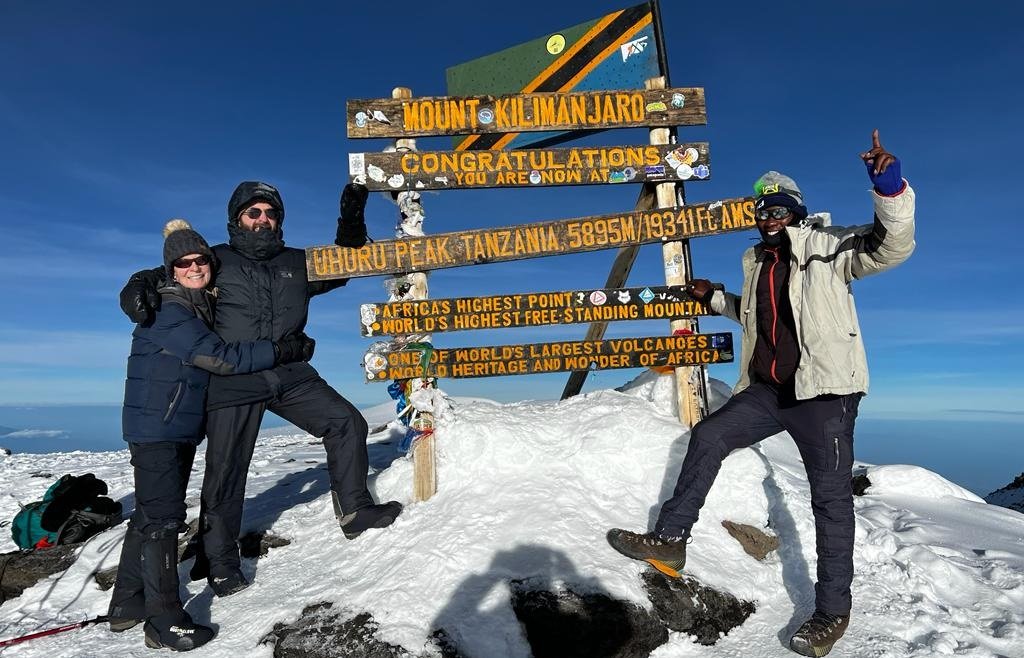
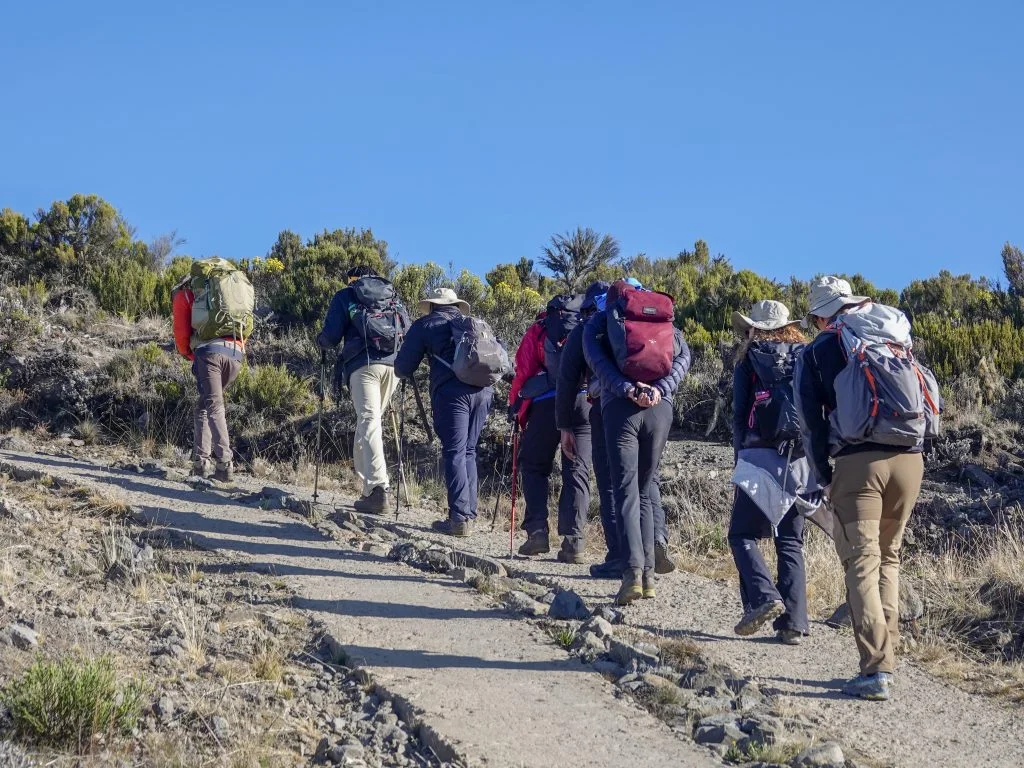
Physical and Mental Preparation
Embarking on a Kilimanjaro February 2027 Full Moon and Lunar Eclipse Climb requires robust preparation. The physical demands are significant, but mental fortitude is equally important.
* **Cardiovascular Fitness:** Engage in regular aerobic activities like hiking, running, cycling, or swimming for several months leading up to your climb. Focus on endurance.
* **Strength Training:** Strengthen your legs, core, and back. Squats, lunges, and step-ups are beneficial.
* **Hiking Practice:** Go on long hikes, ideally with hills or stairs, carrying a backpack similar to what you’ll use on Kilimanjaro. This helps condition your body and test your gear.
* **Altitude Acclimatization:** While you can’t fully simulate Kilimanjaro’s altitude at home, spending time at higher elevations if possible can be helpful.
* **Mental Resilience:** Prepare for challenging moments. Remind yourself why you’re undertaking this climb. Visualize success. The extraordinary circumstances of a full moon and eclipse climb can provide powerful motivation.
* **Positive Attitude:** Maintain a positive outlook. Your guides are experienced and will support you, but your own mindset plays a huge role in overcoming difficulties.
The psychological aspect of climbing in the dark, illuminated by the moon, can be both exhilarating and daunting. Understanding your own limits and trusting your guides are paramount.
Booking Your February 2027 Expedition
Booking a specialized expedition like the Kilimanjaro February 2027 Full Moon and Lunar Eclipse Climb requires careful consideration of your tour operator. Climb 4 Africa specializes in Kilimanjaro expeditions and understands the nuances of timing climbs for specific events.
When booking, ensure your operator can confirm:
* Itinerary Alignment: Does their proposed itinerary place you on summit night around the full moon (approx. Feb 25th) or the eclipse (approx. Feb 20th)? Be clear about your priority.
* Acclimatization Focus: Do they recommend and offer longer itineraries (7 or 8 days) for optimal acclimatization?
* Guide Experience: Are their guides trained in high-altitude physiology and emergency procedures? Do they have experience with night ascents under full moon conditions?
* Inclusions: What is included in the price? Typically, this includes park fees, accommodation before/after the climb, meals on the mountain, guides, porters, and transfers. Ensure everything necessary for a safe and comfortable climb is covered.
* Safety Protocols: What emergency procedures are in place? Do they carry oxygen and medical kits?
It’s advisable to book well in advance for special event climbs, as popular dates, especially those coinciding with celestial phenomena, can fill up quickly. For the Kilimanjaro February 2027 Full Moon and Lunar Eclipse Climb, planning at least 6-12 months ahead is recommended.
To discuss specific departure dates or tailor an itinerary to catch the full moon or eclipse, contact Climb 4 Africa. They can provide expert advice on the best routes and timings for your unique expedition. Reach out via WhatsApp +255 747 477 898 or email climb4africa@gmail.com.
What to Expect on Summit Night
Summit night for a Kilimanjaro February 2027 Full Moon and Lunar Eclipse Climb will be an experience unlike any other. As you begin your ascent from Barafu Camp (around 4,600m) in the late evening or early morning hours (typically between 11 PM and 1 AM), the full moon will be your primary light source.
* **The Ascent:** You’ll follow your guide up steep, scree-covered slopes. The path can be challenging, and the cold is intense. The moonlight will illuminate the rugged terrain, casting long shadows and revealing the dramatic volcanic landscape. You might see other groups, their headlamps like distant stars.
* **Temperature:** Expect temperatures to drop significantly, potentially reaching -10°C to -20°C (14°F to -4°F) with wind chill, even with the moon’s presence.
* **Breathing:** You’ll be breathing heavily, taking slow, deliberate steps “pole pole.” The thin air is noticeable.
* **The Summit Ridge:** Reaching Stella Point (5,756m) is a significant achievement. From here, it’s a further hour along a relatively flat ridge to Uhuru Peak (5,895m), the true summit.
* **Uhuru Peak:** Arriving at Uhuru Peak just before or at sunrise is the climax. The views are often spectacular, with clouds forming a sea below and the sun painting the sky. If you’re lucky, the full moon might still be visible in the sky as dawn breaks, creating a dual celestial spectacle.
* **The Descent:** The descent is often more challenging than the ascent. It’s steep, and your legs will be tired. The full moon will continue to illuminate your path down to Barafu Camp, and then further to Mweka Camp, making the journey less disorienting than a total darkness descent. However, watch your footing carefully.
Having a full moon on your Kilimanjaro February 2027 Full Moon and Lunar Eclipse Climb summit night adds a layer of surreal beauty and can provide a psychological boost, making the demanding climb feel more manageable and profoundly memorable.
Post-Eclipse Celebration and Beyond
After successfully completing your Kilimanjaro February 2027 Full Moon and Lunar Eclipse Climb, the celebration begins. Descending from the mountain, you’ll return to Moshi, where a well-deserved rest and celebratory meal await. The sense of accomplishment, amplified by the celestial backdrop of your trek, will be immense.
Consider extending your trip to explore more of Tanzania. A wildlife safari in the Serengeti or Ngorongoro Crater offers a stark contrast to the mountain’s stark beauty, showcasing the diverse natural wonders of East Africa. Or, relax on the idyllic beaches of Zanzibar. These experiences complement the challenge of Kilimanjaro perfectly.
If you’re planning a Kilimanjaro February 2027 Full Moon and Lunar Eclipse Climb, it’s a testament to your adventurous spirit. This unique combination of trekking and astronomical observation promises an unforgettable journey. To ensure your expedition is perfectly timed and expertly managed, connect with the specialists at Climb 4 Africa. Their knowledge of Kilimanjaro and commitment to safety will make your celestial climb a resounding success. Contact them today to start planning your extraordinary adventure: WhatsApp +255 747 477 898 or Email climb4africa@gmail.com.
“,
“faq_schema”: [
{
“question”: “When is the best time in February 2027 for a Kilimanjaro full moon and lunar eclipse
Related Guides and Packages
Check Availability for Kilimanjaro February Full Moon And Lunar Eclipse Climb 2027
Ready to compare dates, prices, and the best option for your group? Send the package name and travel month so the team can reply with a clear quote, availability, and what is included.
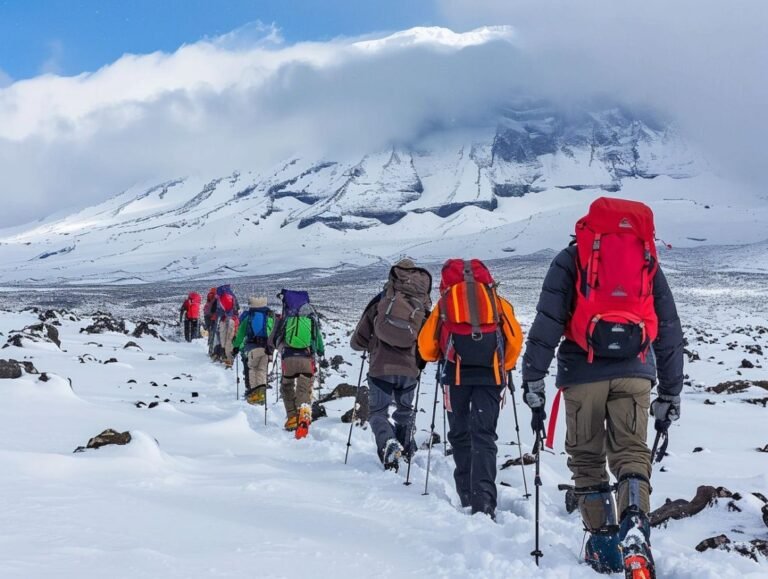
Kilimanjaro Full Moon Climb August – Summit Around 17 2027
start an unforgettable Kilimanjaro Full Moon Climb in August 2027, targeting a impressive summit on or around August 17th. This guide covers optimal routes, August conditions, and essential...
View package details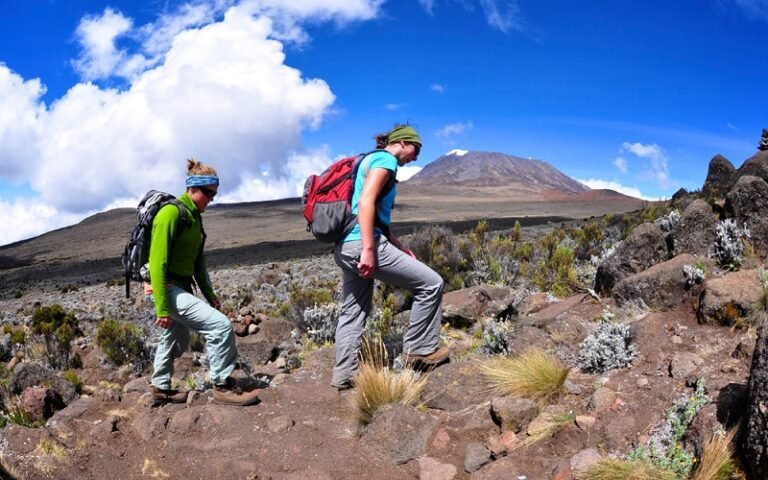
Kilimanjaro Full Moon Climb July – Summit Around 18 2027
start an unforgettable Kilimanjaro full moon climb in July 2027, targeting a summit on or around July 18th. This guide details the unique advantages of a full moon ascent, optimal routes...
View package details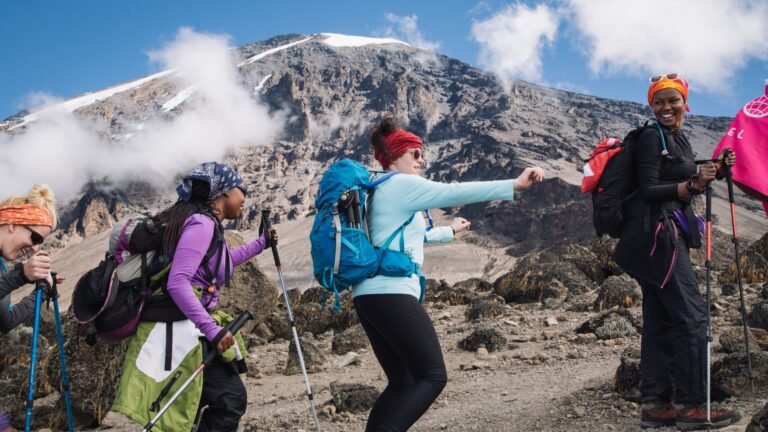
Kilimanjaro Full Moon Climb June : Summiting Under The Moonlight On 19Th 2027
start an unforgettable Kilimanjaro Full Moon Climb in June 2027, with the peak aiming for the night of June 19th. This guide explores the magic of summiting under the full moon, optimal...
View package detailsKilimanjaro Full Moon Climb May – Summit Around 20 2027
start a magical Kilimanjaro Full Moon Climb in May 2027, aiming for the summit around May 20th. This guide details the unique experience, optimal planning for the Green Season, and how...
View package details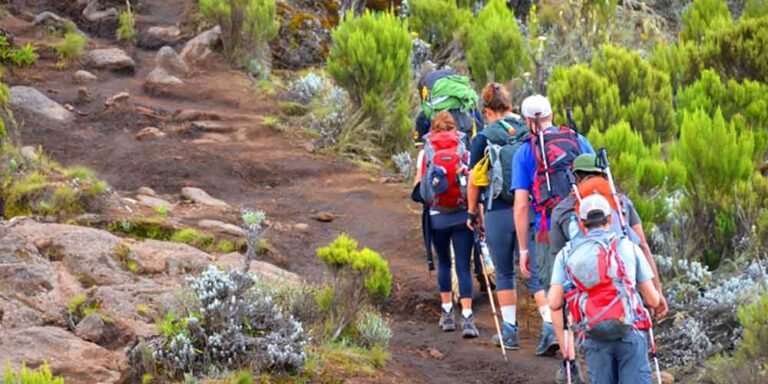
Kilimanjaro Full Moon Climb April – Summit Around 20-21 2027
start an unforgettable Kilimanjaro Full Moon Climb in April 2027, aiming for the summit on April 20-21. Discover the magic of reaching Uhuru Peak under the glow of the full moon, and learn...
View package details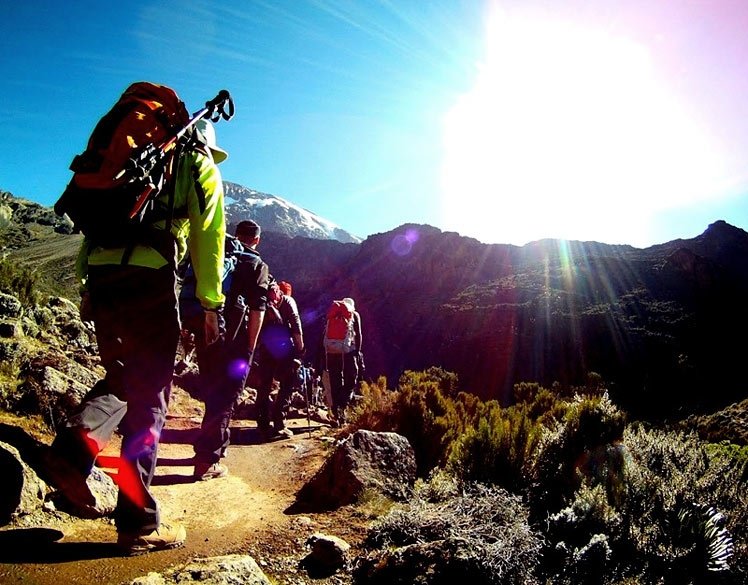
Kilimanjaro Full Moon Climb March – Summit Around 22 2027
Kilimanjaro Full Moon Climb March 2027 – Summit Around 22 March is explained with current 2027 planning, price, itinerary and booking information.
View package detailsKilimanjaro Full Moon Climb January – Summit Around 22 2026-2027
Kilimanjaro Full Moon Climb January 2027 – Summit Around 22 January is explained with current 2026-2027 planning, price, itinerary and booking information.
View package details
Kilimanjaro Full Moon Christmas Climb : Summit Around December 24Th 2026-2027
Experience the magic of a Kilimanjaro summit under the moonlight during Christmas week. This guide details planning for a December 24th summit, including route options and essential...
View package details8 Day Lemosho Route – 20 February Kilimanjaro Departure With Climb 4 Africa
This article details the 8-day Lemosho Route Kilimanjaro climb scheduled for February 20, 2027, focusing on planning, itinerary, and what makes this departure a unique opportunity with...
View package detailsKilimanjaro Climb February – Dry Season Groups And Availability 2027
Kilimanjaro Climb February 2027 – Dry Season Groups and Availability is explained with current 2027 planning, price, itinerary and booking information.
View package details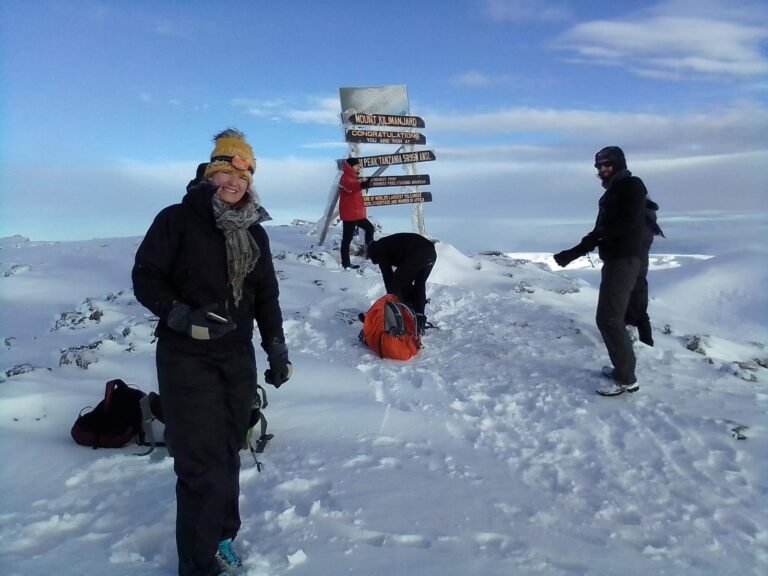
Solo Traveller Kilimanjaro February : Join International Groups For Your Climb
start your solo Kilimanjaro adventure in February 2027 by joining an international group. This guide helps solo travelers find suitable expeditions, understand the benefits of group climbs...
View package detailsLemosho Valentines Kilimanjaro Climb – 14 February 2027
start a unique Valentine's adventure with the Lemosho Kilimanjaro Climb on February 14, 2027. This specially timed trek offers a blend of scenic beauty, challenging ascent, and a memorable...
View package detailsNo related package matches those filters. Clear one or more filters to see the other topic-matched options.



