
The exact 6 Days Rongai Kilimanjaro New Year Climb – 28 December 2026 – 2 January 2027 is a bookable itinerary with a structured day-by-day flow. Departures, spaces, and inclusions are operator-dependent and require confirmation; this installment outlines the proposed sequence, acclimatization logic, and practical decisions you’ll face when booking with Climb 4 Africa.
Overview of the 6-day Rongai plan for New Year
This 6-day itinerary centers on a Rongai route ascent of Kilimanjaro designed for a New Year departure window from 28 December 2026 to 2 January 2027. The Rongai route is renowned for its more gradual ascent profile, less crowded camps, and a relatively consistent day-to-day altitude gain compared with the classic Marangu or Machame routes. In a bookable plan, you should expect a day-by-day sequence that prioritizes acclimatization, steady pace, and practical logistics rather than purely scenic highlights.
For Climb 4 Africa, the exact dates, group sizes, and hotel arrangements are subject to operator confirmation. The following narrative reflects a typical, carefully paced Rongai climb with a New Year cadence, including mandatory acclimatization days and a summit window that respects Kilimanjaro’s altitude challenges. If you’re comparing options, use this structure to evaluate how your operator sequences days, manages rest, and coordinates with porters and guides.
Day-by-day itinerary: Day 1 to Day 6
Note: Each day below describes the logical sequence and location flow. Actual departure times, camps, and hotel nights should be confirmed with Climb 4 Africa at the time of booking. The day names here are aligned to a 6-day Rongai climb from the Kenyan border toward Uhuru Peak, with a safety-first acclimatization emphasis.
Day 1 — Namunga Camp (or equality of starting point) to Rongai Gate, then start trail
The journey starts with a transfer from Moshi or Arusha to the Rongai gate area. The group then enters on a gradual approach that begins the acclimatization through steady forested terrain. Expect a few hours of walking with regular stops, a light technique of altitude adaptation, and a briefing on gear and current weather conditions. In general, the first day’s pace should keep you below 3,000 meters (approximately 9,840 feet) to support the body’s initial adjustment. By camp you’ll have a basic underlayer, mid-layer, and shell, with a hot tea and a simple catch-up on the upcoming days’ elevations. The Rongai route’s gradual ascent is designed to reduce the abrupt altitude gain that can happen on other routes, a consideration critical to a New Year ascent where dry-season winds and temperature swings can challenge early acclimatization.
Day 2 — Second-day forest to third-day highland transition
Day 2 continues through montane forest, with a steady climb toward the moorland zone. Altitude gain remains moderate, preserving energy for the higher elevations to come. Porters and guides will establish camp at a fixed altitude to support controlled acclimatization, and you’ll practice key walking techniques: paces, breath control, and the hydration routine that keeps climbers functioning at altitude. Expect a cooler night and the first real breath of alpine air as the trail steepens slightly toward the camps. The goal is to reach a comfortable resting altitude and prepare the body for the higher segments ahead, not to push through discomfort.
Day 3 — Third-day camp, approaching Kikelewa or Mawenzi foothills
Day 3 marks a more noticeable elevation increase. The terrain transitions from heath and moorland into more open, tussock-covered slopes that begin to resemble highland desert in their exposure. The pace remains steady to maintain daily temperature regulation and energy stores. The campsite offers a critical acclimatization window: a short, optional afternoon walk or rest to allow the body to adapt to the rising altitude. Afternoon tea and warm meals are designed to restore energy for the upcoming summit push, and the guide will review the climbers’ signs of acclimatization readiness before the following day’s final push toward the highs.
Day 4 — Summit acclimatization push near Kibo’s foothills
Day 4 introduces a deliberate acclimatization step, often described as a “rest-and-acclimatize” push depending on the group’s conditions. The plan typically involves an afternoon hike to a nearby vantage point or a short circular route that returns to camp. This optional activity gives the body another chance to adapt to the altitude and helps prevent fatigue during the crucial summit night. The night is spent at a high camp or mid-high, with a focus on nutrition, sleep, and hydration while the group reviews gear and final forest-to-snow transition expectations. The Rongai route’s geometry tends to keep this stage manageable while still challenging the lungs and legs.
Day 5 — Summit attempt window: Kibo crater rim approach
The potential summit night is the most important day of the six. The team will depart around middle to late evening, with headlamps piercing the dark as the trail ascends toward the crater rim. The ascent involves a combination of steep, rocky paths and flatter stretches, with a constant focus on pace management, breathing, and cold-weather layering. The decision to proceed to the summit depends on cumulative acclimatization signals and current weather—if conditions are not favorable or the group needs more rest, a slight delay may occur while maintaining safety as the priority. Reaching Stella Point or Uhuru Peak is the central objective, but safety and body readiness determine the final movement. After summit, the descent follows the same route back to the high camp, then down to the lower camps for rest and recovery.
Day 6 — Descent to Rongai Gate and departure
The final day focuses on a controlled descent to the Rongai Gate, passing through a cooler, lower-altitude landscape as you walk out of the mountain environment. The group will collect permits and complete a final debrief with the guide team, then transfer to a pre-arranged drop-off location in Moshi or Arusha. If the trip coincides with New Year celebrations in Moshi or Arusha, you may have the option of a celebratory evening that respects the achievement while coordinating safely for travel the next day. This last step emphasizes lower-altitude recovery—hydration, light meals, and a debrief on your overall experience, the equipment used, and the best practices for post-climb recovery and travel planning.
What makes
Unanswered practical nuance: maximizing acclimatization while honoring the New Year schedule on the 6-day Rongai Kilimanjaro climb
Readers pursuing the 6 Days Rongai Kilimanjaro New Year Climb – 28 December 2026 – 2 January 2027 often ask how the itinerary reconciles a steady ascent with the tight calendar around year-end celebrations. The most valuable missing detail concerns the precise balance of acclimatization, daily elevation gain, and camp sequencing that preserves energy for the summit window without extending the trip beyond the promised six days. This section drills into that critical question with specifics tied to the Rongai route’s geometry and the New Year cadence.
First, acclimatization is built into the Rongai plan through deliberate spacing of daily gains and an explicit acclimatization push on Day 4. The route typically climbs through three major ecological zones across six days: montane forest, heath and moorland, and finally alpine desert near the summit area. The day-by-day progression is designed so that altitude exposure increases gradually, allowing the climbers’ bodies to adjust while the group remains within the six-day framework. The following explanation anchors this in concrete details you would encounter in the actual booking and on-trail communication with Climb 4 Africa or whichever operator you choose for a New Year climb.
Day 1 (Namunga Camp to Rongai Gate, then start trail) offers a controlled start. The transfer from Moshi or Arusha to the Rongai gate area situates the group at a lower altitude and sets a gentle cadence. The initial forest walk introduces your legs to the rhythm of Kilimanjaro elevation and primes your lungs for higher ascent. Expect a modest elevation gain, with a focus on hydration, a light meal plan, and a basic gear check. Because Day 1 is a long travel-and-tew on to the trail, it’s essential that the group’s pace remains conservative to avoid early fatigue. The acclimatization effect starts here in small increments as the forest canopy dampens heat and wind exposure while you begin to adapt to higher humidity and oxygen levels at a gradually increasing altitude.
Day 2 (Second-day forest to third-day highland transition) continues deliberate acclimatization. This day tightens the pace, moving through montane forest into the moorland zone. Altitude gain stays moderate to maintain energy reserves for Day 3 and Day 4. The camps are set at a fixed altitude, a strategy that reduces constant packing and unpacking, minimizes exertion from moving camps frequently, and keeps the body in a predictable rhythm. This is where the body begins to acclimatize more robustly: the lungs widen slightly, the heart rate stabilizes more quickly, and sleep may improve as the body accepts less oxygen with regular sleep patterns and steady nutrition. You will notice the breath becoming easier at rest in the campsite, a sign of successful early acclimatization that makes the upcoming higher terrain more manageable.
Day 3 (Third-day camp, approaching Kikelewa or Mawenzi foothills) raises the baseline elevation. The terrain shifts upward into open tussock slopes and heath, with more exposure to sun and wind. A steady pace remains crucial; the aim is to keep the heart rate in a sustainable zone while legs adapt to longer periods of effort at altitude. This is often the first day where climbers feel the altitude more acutely in their legs and lungs, yet because the group has already accumulated acclimatization gains, fatigue is less likely to be overwhelming. The plan anticipates staying a night near a higher moorland camp, so the body has a second opportunity to adapt at a higher altitude before the summit push. The schedule thus preserves energy for Day 4’s acclimatization emphasis without skipping the necessary rest at altitude integral to the climb’s safety profile.
Day 4 (Summit acclimatization push near Kibo’s foothills) is the core acclimatization day. This is the stage where the plan deliberately schedules a rest-and-acclimatize hike, often a shorter circular or out-and-back route that returns to camp. The objective is to stress the body slightly in a controlled manner, prompting beneficial physiological responses—improved oxygen utilization and better adaptation to thinner air—without provoking excessive fatigue. The afternoon activity is optional depending on group condition and weather, but it’s a valuable tool for mitigating summit-day risk. The night’s sleep is at a high or mid-high camp, reinforcing acclimatization by maximizing time spent at altitude before the long summit night. Nutrition, hydration, and a pre-summit briefing about clothing layers and pacing become central on this day. The Rongai route’s geometry, which tends toward a gradual ascent with fewer abrupt climbs, helps keep this acclimatization window within a six-day schedule while maintaining a realistic probability of a successful summit attempt.
Day 5 (Summit attempt window: Kibo crater rim approach) is the apex of risk-managed ascent. The timing of the summit night is decided by acclimatization signals and current weather. The team departs the high camp in darkness with headlamps, ascending through a mix of steeper segments and flatter stretches toward near the crater rim. Respiratory efficiency, cold-weather readiness, and pacing discipline are non-negotiable. The decision to push to Uhuru Peak is based on how each climber tolerates the altitude and recoveries from the previous days. If conditions shift or fatigue appears excessive, the plan allows for a conservative approach that aims for Stella Point or a full summit if the group remains healthy. The descent follows the same route back to the high camp and then down to lower camps to recover. The six-day structure thus preserves the possibility of summiting within a New Year window while prioritizing safety and acclimatization integrity.
Day 6 (Descent to Rongai Gate and departure) closes the loop with controlled recovery. The descent through cooler, lower-altitude terrain ends the climb with a demobilization of gear, a final debrief, and transfer back to Moshi or Arusha. For some climbers, a celebratory moment may be coordinated in a manner that respects travel safety and health considerations after a strenuous ascent. The body benefits from rehydration, light meals, and a careful debrief on gear performance and personal logistics for post-climb travel. This closing day also offers an opportunity to reflect on acclimatization progress, the pace that preserved energy, and how future itineraries might adjust for even more efficient altitude adaptation without compromising the six-day limit.
In summary, the most critical unanswered question—how the 6-day Rongai Kilimanjaro New Year climb delivers a robust acclimatization schedule within a fixed six-day window—receives a practical answer here: the plan uses a steady, day-by-day altitude gain, an explicit acclimatization push on Day 4, and a high-to-low camp pattern designed to optimize oxygen adaptation while maintaining the cadence needed to complete the ascent in six days. This approach supports a legitimate probability of success for many climbers, while acknowledging that individual responses to altitude vary and that confirmation with the operator is essential for exact dates, group size, and camp assignments, especially during a busy New Year departure window.
Unanswered practical nuance: maximizing acclimatization while honoring the New Year schedule on the 6-day Rongai Kilimanjaro climb — continued
With the 6-day Rongai Kilimanjaro New Year climb, climbers confront a delicate balance: achieving meaningful acclimatization while still arriving at the summit window that coincides with a celebratory New Year period. This section builds on the established day-by-day flow, delving into practical, route-specific decisions that influence safety, success rates, and overall experience, tailored to the 28 December 2026 – 2 January 2027 departure cadence.
Intelligent pacing is the core of acclimatization on a six-day Rongai ascent. The Rongai route’s gradual altitude gain—coupled with deliberate rest days and controlled progressions—makes it well-suited to a New Year climb, where weather and crowd dynamics can nudge decisions toward conservatism. The critical question is how to read the body’s signals and the environment so that each climber optimizes oxygen uptake without compromising the six-day limit.
At a practical level, acclimatization hinges on three intertwined factors: cumulative altitude exposure, sleep quality, and energy reserves. The plan’s Day 2 and Day 3 segments incrementally raise altitude with regular camp-level rests that permit partial respiratory adaptation and metabolic adjustment. On Day 4, the program intentionally inserts a rest-acclimatization push that may involve a short, reversible ascent to a nearby vantage point or a circular route returning to camp. This is not a forced summit bid; it is a controlled, data-informed step designed to trigger mild physiological responses (elevated ventilatory efficiency, improved capillary perfusion) without overtaxing the system. The day’s success is measured not by distance covered or altitude gained alone, but by signs such as stable sleep, absence of headache, steady oxygen saturation, and consistent appetite.
New Year timing influences decisions about Night Summit windows. In a New Year departure, guides remain attentive to group cohesion, weather windows, and fatigue levels. If fatigue flags during the late-evening departure toward Stella Point or Uhuru Peak, the plan preserves a conservative exit: the team may opt to target Stella Point without attempting the final crest, or they may defer to the earliest feasible summit attempt in a subsequent window, depending on the group’s cumulative tolerance and weather evolution. This safety-first flexibility is embedded in the six-day Rongai framework, recognizing that an overly ambitious push could jeopardize not only this climb but future ones as well.
Micro-adjustments tied to altitude signals are commonplace. Porters and guides monitor humidity, skin color, dizziness, and perceived exertion during every ascent. A slight adjustment—extending a 15–20 minute rest at a high point, swapping to a slower tempo, or shortening a particular leg in a day—can yield meaningful gains in acclimatization. This approach preserves momentum while ensuring oxygen utilization stays within safe bounds. The overall cadence remains steady: a gentle climb that respects the body’s need to acclimate, followed by a disciplined descent to lower camps for recovery.
Hydration, nutrition, and cold-weather management as acclimatization enablers. Adequate hydration supports plasma volume expansion, a key factor in altitude performance. Guides emphasize regular water intake, electrolyte balance, and avoidance of dehydration-inducing beverages in the high-altitude environment. Nutrition is balanced to maintain energy stores: small, frequent carbohydrate-rich meals, with proteins and fats as needed to sustain recovery. Cold-weather strategies—layered clothing, hand/foot protection, and continuous movement when safe—reduce energy waste from shivering and help preserve metabolic resources for acclimatization. These practical choices, though mundane, have outsized effects on the body’s ability to adapt to thinner air while maintaining a six-day cadence.
How this translates to Day-by-day decisions on the Rongai route. The Day 4 acclimatization push is a focal point: if the group shows robust acclimatization markers, the plan permits a controlled incremental exposure rather than a blunt ascent. If indicators drift toward fatigue or early signs of altitude illness emerge, the guide team rebalances the itinerary by shortening the peak-day distance, returning to safer altitudes, or adjusting summit expectations within the same six-day frame. The aim is to preserve the New Year experience while safeguarding health and long-term climbing potential for participants.
Individual variation and informed consent. Altitude tolerance varies widely. While the Rongai route’s design favors gradual ascent, climbers come with different baselines—previous acclimatization experiences, cardio-respiratory fitness, and prior exposure to high altitude. The operator emphasizes pre-departure medical screenings and in-field health monitoring. Guests are encouraged to disclose conditions such as asthma, smoking history, or a history of altitude-related symptoms to tailor the acclimatization plan. Even with a carefully paced itinerary, some climbers may require more days at baseline camps or more conservative summit expectations. The six-day model accommodates this range by maintaining a flexible safety net in the late-night summit window and a prudent descent plan that reduces cumulative risk.
Practical tips to maximize acclimatization within a fixed schedule. – Prioritize sleep quality: maintain a consistent sleep routine at higher camps; a dark, quiet sleeping area supports restorative sleep. – Hydration discipline: carry and sip water regularly; use electrolyte mixes to sustain fluid balance. – Gentle movement and rest: distribute activity evenly across each day; if fatigue accumulates, a brief siesta or reduced distance can prevent a fatigue cascade. – Fueling strategy: snack on easily digestible, energy-dense foods to sustain metabolism during ascent; avoid heavy meals immediately before intense sections. – Gear considerations: keep hands warm and dry; proper gloves and boot insulation reduce cold-induced energy drain and improve stamina. – Weather contingency: have a flexible plan that allows shifting a kilometers-per-day target based on wind chill, precipitation, or foggy visibility, without derailing overall progress to the summit window. – Medical readiness: carry altitude-specific medications only if prescribed, and follow the guide’s instructions on symptom thresholds for action.
Ultimately, the unanswered practical nuance centers on how the six-day Rongai Kilimanjaro New Year climb can reconcile a firm calendar with dynamic physiology. The answer lies in a disciplined, data-informed approach that treats acclimatization as a living variable, not a fixed path. By embedding robust rest, measured ascent steps, and flexible summit planning within the Day-by-day itinerary, climbers maximize their chances of a successful, safe ascent during the New Year window while honoring the spirit of Kilimanjaro’s altitude challenges.
Note: All specifics regarding actual departures, group sizes, and exact camp assignments remain subject to operator confirmation with Climb 4 Africa for the 28 December 2026 – 2 January 2027 itinerary.
Related Guides and Packages
Check Availability for 6 Days Rongai Kilimanjaro New Year Climb – 28 December – 2 January 2026
Ready to compare dates, prices, and the best option for your group? Send the package name and travel month so the team can reply with a clear quote, availability, and what is included.
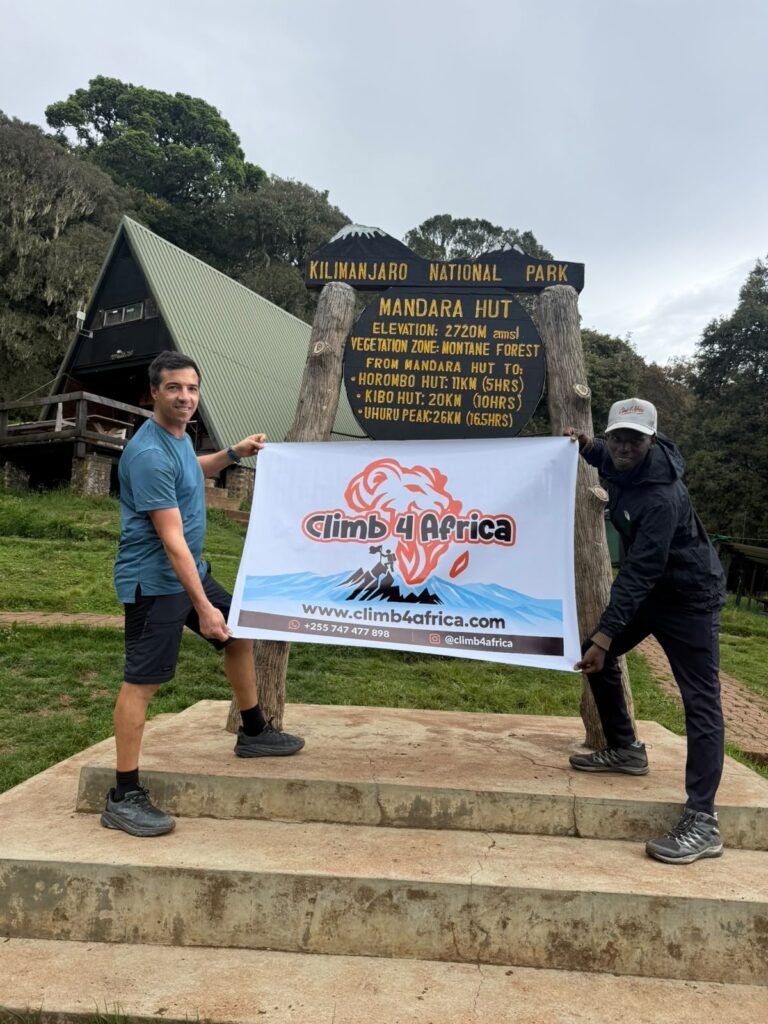
6 Days Marangu Kilimanjaro New Year Climb – 28 December – 2 January 2026
6 Days Marangu Kilimanjaro New Year Climb – 28 December 2026 – 2 January 2027.
View package details6 Days Kilimanjaro New Year Cycling Tour – A Bookable, Purpose-Built Route
Explore a unique six-day Kilimanjaro New Year cycling itinerary designed for the period 28 December 2026 to 2 January 2027. This installment outlines Day 1 through Day 3, highlighting route...
View package details6 Days Umbwe Kilimanjaro New Year Trek – 28 December – 2 January 2026
6 Days Umbwe Kilimanjaro New Year Trek – 28 December 2026 – 2 January 2027.
View package details6 Days Rongai Kilimanjaro Christmas Climb – 21–26 December 2026
6 Days Rongai Kilimanjaro Christmas Climb – 21–26 December 2026.
View package details5 Days Marangu Kilimanjaro New Year Trek – 29 December – 2 January 2026
5 Days Marangu Kilimanjaro New Year Trek – 29 December 2026 – 2 January 2027.
View package details10 Days Northern Circuit Kilimanjaro New Year Climb – 24 December – 2 January
10 Days Northern Circuit Kilimanjaro New Year Climb – 24 December 2026 – 2 January 2027.
View package details6 Days Rongai Kilimanjaro Full Moon Trek – 20–25 December 2026
6 Days Rongai Kilimanjaro Full Moon Trek – 20–25 December 2026.
View package details6 Days Umbwe Route Kilimanjaro Climb – 1–6 December 2026
6 Days Umbwe Route Kilimanjaro Climb – 1–6 December 2026.
View package details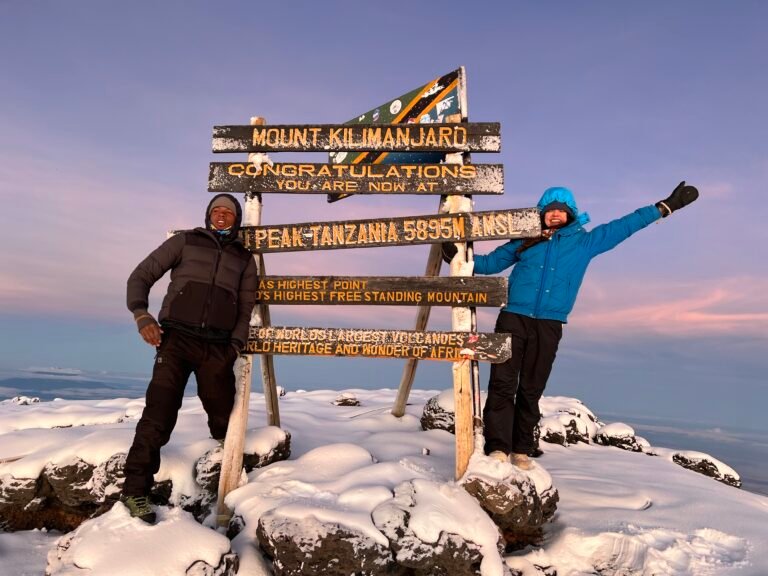
6 Days Rongai Route Kilimanjaro Hiking – 6–11 December 2026
6 Days Rongai Route Kilimanjaro Hiking – 6–11 December 2026.
View package details6 Days Marangu Kilimanjaro Christmas Holiday Climb – 21–26 December 2026
6 Days Marangu Kilimanjaro Christmas Holiday Climb – 21–26 December 2026.
View package details6 Days Marangu Kilimanjaro Full Moon Climb – 20–25 December 2026
6 Days Marangu Kilimanjaro Full Moon Climb – 20–25 December 2026.
View package details5 Days Marangu Route Kilimanjaro Group Climb – 8–12 December 2026
5 Days Marangu Route Kilimanjaro Group Climb – 8–12 December 2026.
View package detailsNo related package matches those filters. Clear one or more filters to see the other topic-matched options.



