
The Rongai Route March 2027 offers a strategic advantage for climbers seeking to ascend Kilimanjaro as the weather begins to shift towards the long rains. As one of the few routes approaching from the north, it typically experiences less rainfall than the more popular southern routes during this transitional period, making it a reliable choice for a successful trek in early 2027. Planning with this northern approach in mind can significantly improve your experience.
Why Choose Rongai for March 2027?
When planning a Kilimanjaro climb for March 2027, especially one that accounts for the impending rainy season, the Rongai Route emerges as a compelling option. While March marks the beginning of Kilimanjaro’s long rains, the Rongai Route’s unique geographical position on the northern side of the mountain offers a distinct advantage. This northern approach often means you’ll encounter drier conditions for a significant portion of your trek compared to routes like Machame or Lemosho, which are exposed to weather systems sweeping in from the south and west.
For climbers targeting March 2027, this can translate into clearer skies, less muddy trails, and a more comfortable ascent, particularly in the lower altitudes. While no route is entirely immune to rain as the season changes, Rongai provides a statistically better chance for a drier initial phase of the climb. This route is also known for its relatively gentle gradient in the early stages, which aids acclimatization, a critical factor for success on any Kilimanjaro climb, including those planned for March 2027.
Understanding Kilimanjaro’s March Weather
Kilimanjaro experiences distinct wet and dry seasons, but March sits at the cusp of change. Typically, the period from late March through May is known as the ‘long rains,’ characterized by heavy precipitation, especially on the southern slopes. However, the weather patterns can vary year by year, and the transition from the drier season (January-February) into the rains doesn’t always happen abruptly on March 1st.
In early March, you might still experience some of the lingering dry conditions, but it’s essential to be prepared for rain. The key difference lies in *where* the rain is most intense. The southern and western sides of Kilimanjaro, facing the equator and the direction of prevailing weather systems, tend to receive the brunt of the rainfall. This is where routes like Machame, Lemosho, and Shira are primarily located.
The Rongai Route’s Northern Exposure
The Rongai Route approaches Kilimanjaro from the north, near the border with Kenya. This side of the mountain is geographically shielded from the moisture-laden winds that sweep across Tanzania from the Indian Ocean. As a result, the northern slopes often remain significantly drier for longer into the rainy season.
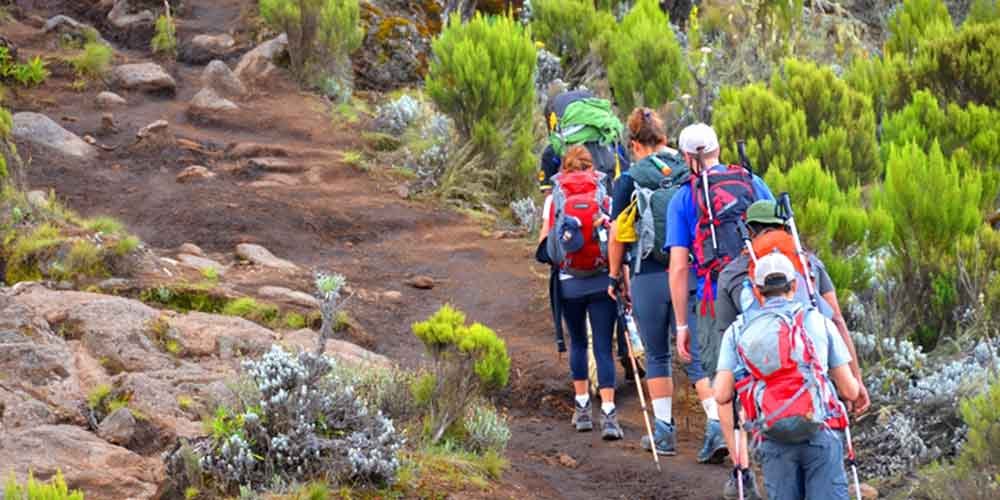
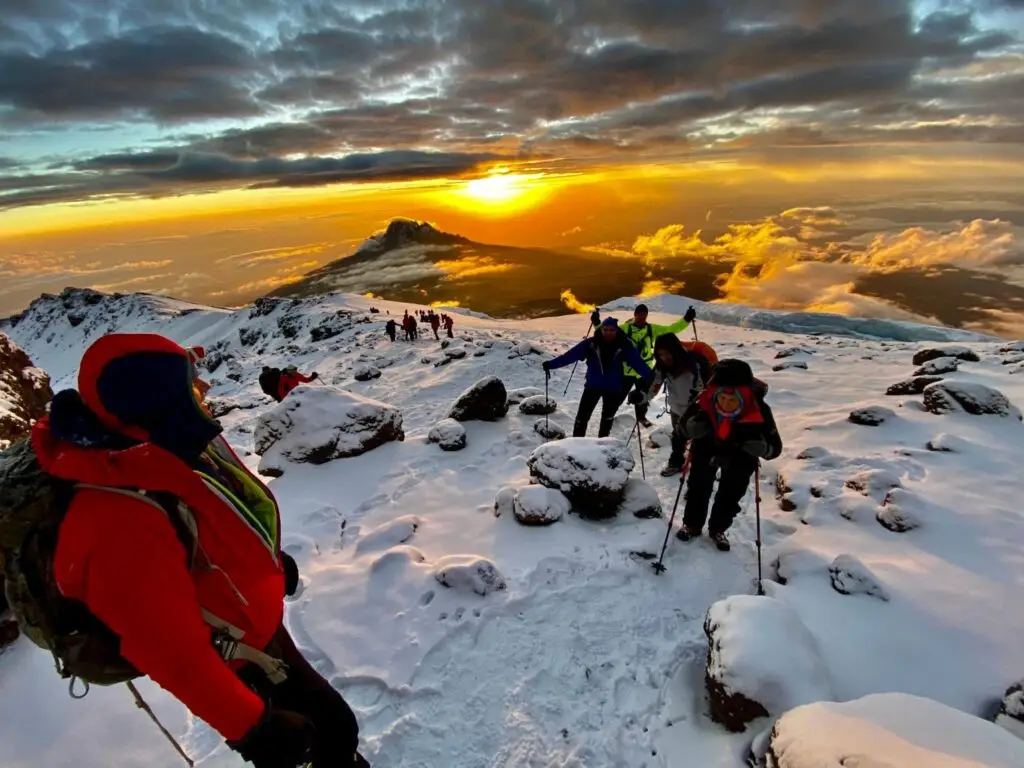
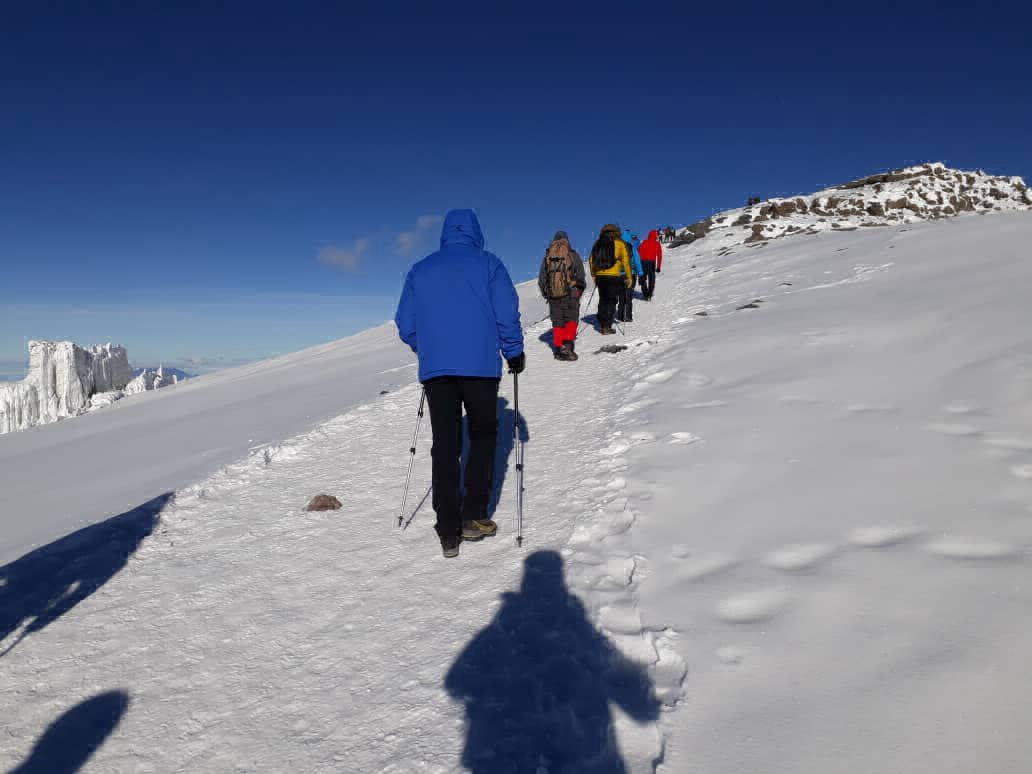
For a Rongai Route March 2027 trek, this means the initial days of your climb, traversing the drier scrub and moorland zones on the northern and eastern sides, are likely to be more pleasant. While the upper reaches of the mountain, including the alpine desert and arctic zones, will still be cold and potentially experience precipitation regardless of the route, the lower and middle sections benefit greatly from this northern exposure. This dry start can boost morale and make the early days of the trek more enjoyable.
Rongai vs. Southern Routes in March
When comparing the Rongai Route to the more popular southern routes like Machame or Lemosho for a March 2027 climb, the primary differentiator is weather.
| Feature | Rongai Route (Northern Approach) | Machame/Lemosho Routes (Southern/Western Approach) |
|---|---|---|
| March Weather Expectation | Generally drier in lower/mid-altitudes, with increasing rain higher up. Good for early acclimatization. | Higher probability of consistent rain and mud from the start, especially in lower forest zones. |
| Scenery | Arid landscape initially, transitioning to classic Kilimanjaro zones. Less lush than southern routes in lower sections. | Starts in lush rainforest, offering abundant wildlife sightings in lower sections. |
| Crowds (March 2027) | Typically less crowded than Machame/Lemosho, even during shoulder seasons. | Can still be busy, especially early March, before the peak of the rains deters some trekkers. |
| Acclimatization Profile | Gradual ascent, good for acclimatization. | Steeper ascents on some days (e.g., Machame), requiring careful pacing. Lemosho offers good acclimatization over more days. |
| Route Difficulty | Moderate difficulty, often considered easier for first-time trekkers due to gradual ascent. | Moderate to challenging, depending on the specific day and pace. |
| Summit Success Rates | Good success rates, comparable to other routes when properly acclimatized and prepared. | Good success rates, though potentially impacted by weather in March. |
| Access/Logistics | Requires a longer drive to the starting point (Loitokitok gate). | Easier access to starting points (Machame/Lemosho gate). |
While the rainforest sections on the southern routes are undeniably beautiful, the practical benefit of a drier start on Rongai for a March 2027 expedition cannot be overstated. This allows you to focus on enjoying the trek and acclimatizing effectively without the immediate challenge of navigating muddy, rain-soaked trails from day one.
A Sample Rongai Route Itinerary for March 2027
The Rongai Route is typically offered in 6 or 7-day itineraries. For the best acclimatization and highest chance of success, a 7-day trek is strongly recommended, especially when considering the changing weather patterns of March. Here’s a sample 7-day Rongai Route itinerary, perfect for a March 2027 climb:
7-Day Rongai Route Itinerary (March 2027)
- Day 1: Marangu Gate to Simba Camp
- Day 2: Simba Camp to Kikelewa Caves
- Day 3: Kikelewa Caves to Mawenzi Tarn Hut
- Day 4: Mawenzi Tarn Hut to Kibo Hut
- Day 5: Summit Attempt (Uhuru Peak) and descent to Horombo Hut
- Day 6: Horombo Hut to Marangu Gate
- Day 7: Contingency Day / Further Descent (Often integrated into Day 6 or as an optional extra for flexibility)
Note: This is a simplified overview. Actual itineraries may vary slightly depending on the operator and specific daily distances/campsites. Always confirm your detailed itinerary when booking for March 2027.
The 7-day Rongai Route itinerary allows for a more gradual ascent, particularly between Mawenzi Tarn and Kibo Hut, which is crucial for acclimatization. This extended duration is highly beneficial for trekkers aiming for a summit in March 2027, giving your body more time to adapt to the increasing altitude.
Assessing Rongai’s Difficulty and Acclimatization
The Rongai Route is often considered one of the easier routes on Kilimanjaro in terms of physical exertion, primarily due to its gradual ascent profile. The initial days through the semi-arid landscape are less steep than the rainforest trails on the southern routes. This gentler start can be a significant psychological and physical advantage for novice trekkers or those concerned about altitude.
However, ‘easier’ on Kilimanjaro is relative. The mountain is a serious undertaking, and altitude sickness remains a risk on all routes. The Rongai Route’s acclimatization is generally considered good. The steady climb allows your body to adapt progressively. The key is to maintain a slow, steady pace (‘pole pole’) and stay well-hydrated. For those booking a Rongai Route March 2027 trip, prioritizing a 7-day itinerary will further enhance your acclimatization profile.
Acclimatization Tips for March 2027 Climbers:
- Choose a longer itinerary: Opt for 7 days on Rongai rather than 6.
- Ascend slowly: Follow your guides’ advice to ‘pole pole’.
- Hydrate consistently: Drink plenty of water throughout the day.
- Eat well: Maintain energy levels with nutritious meals.
- Rest adequately: Sleep and rest are crucial for recovery.
- Listen to your body: Report any symptoms of altitude sickness immediately.
Essential Gear for Your March 2027 Rongai Climb
Packing correctly is vital for any Kilimanjaro climb, and a Rongai Route March 2027 trek requires preparation for varied conditions. While the northern approach might offer a drier start, you will still encounter cold temperatures, wind, and potential rain, especially at higher altitudes and as you approach summit day. Layering is key.
Key Gear Recommendations for March 2027:
- Waterproof and Windproof Outerwear: A high-quality waterproof and breathable jacket and trousers are essential.
- Insulating Layers: Fleece jackets, down or synthetic insulated jackets.
- Base Layers: Moisture-wicking thermal tops and bottoms (merino wool or synthetic).
- Trekking Trousers: Comfortable, quick-drying trousers. Avoid cotton.
- Headwear: Warm woolen hat, sun hat, and a balaclava or neck gaiter for summit night.
- Gloves: Warm, waterproof gloves or mittens, plus thinner liner gloves.
- Footwear: Broken-in waterproof hiking boots. Camp shoes or trainers for evenings.
- Socks: Several pairs of warm, moisture-wicking hiking socks.
- Sleeping Bag: A 4-season sleeping bag rated to at least -15°C (0°F).
- Headlamp: With extra batteries.
- Sun Protection: High SPF sunscreen, sunglasses, lip balm.
- Trekking Poles: Highly recommended for stability and reducing knee strain.
- Water Bottles/Hydration Reservoir: At least 2-3 liters capacity. Insulated covers for reservoirs are useful in cold.
Consulting with your tour operator, such as Climb 4 Africa, is the best way to get a comprehensive packing list tailored to the specific season and route. They can advise on what gear is essential versus what can be rented.
Booking Your March 2027 Rongai Expedition
When you’re ready to book your Rongai Route March 2027 adventure, choosing an experienced and reputable tour operator is paramount. Climb 4 Africa specializes in Kilimanjaro climbs and offers expert guidance, quality equipment, and experienced local guides who understand the mountain’s ever-changing conditions.
For your Rongai Route March 2027 climb, consider these points when booking:
- Itinerary Length: Strongly advocate for the 7-day Rongai Route for optimal acclimatization.
- Guide-to-Client Ratio: A lower ratio means more personalized attention.
- Safety Standards: Ensure they have comprehensive safety protocols, including oxygen and medical kits.
- Logistics: Confirm all transfers, park fees, and accommodation before and after the climb are included.
- Support Staff: Quality porters and cooks are essential for a comfortable trek.
Climb 4 Africa provides comprehensive support for your Kilimanjaro journey. We understand the nuances of climbing in different seasons, including the transition into the rainy season in March. Our team can help you select the best itinerary and ensure you are well-prepared for the challenges and rewards of ascending Kilimanjaro.
To discuss your Rongai Route March 2027 climb or any other Kilimanjaro expedition, please reach out to us. We can provide detailed itineraries, answer all your questions about the weather, gear, and preparation, and help you secure your spot on a trek. Contact Climb 4 Africa via WhatsApp at +255 747 477 898 or email us at climb4africa@gmail.com to start planning your unforgettable Kilimanjaro experience.
Related Reading
Check Availability for Rongai Route March : Your Northern Approach For Changing Kilimanjaro Weather
Ready to compare dates, prices, and the best option for your group? Send the package name and travel month so the team can reply with a clear quote, availability, and what is included.
Rongai Route Kilimanjaro May : Your Guide To A Quiet Northern Trail 2027
The Rongai Route presents a unique opportunity for a less crowded Kilimanjaro ascent, especially in May 2027. This guide details its northern approach, advantages, and what to expect.
View package details
Rongai Route Kilimanjaro April : Your Northern-Side Rainy Season Trek 2027
start your Kilimanjaro adventure via the Rongai Route in April 2027. This guide details the northern-side experience during the shoulder rainy season, offering practical insights for...
View package details
Machame Route Mid-March : Weather, Crowds & Trail Conditions Explained 2027
This guide provides a detailed look at the Machame Route in mid-March 2027, covering weather patterns, typical crowd sizes, and essential trail conditions to help you plan your Kilimanjaro...
View package details
Rongai Route Kilimanjaro Late October : Your Drier Northern Approach Guide
Explore the Rongai Route for your Kilimanjaro climb in late October 2026. This guide details the drier northern approach, itinerary, benefits, and what to expect for your 2026-2027 trek.
View package details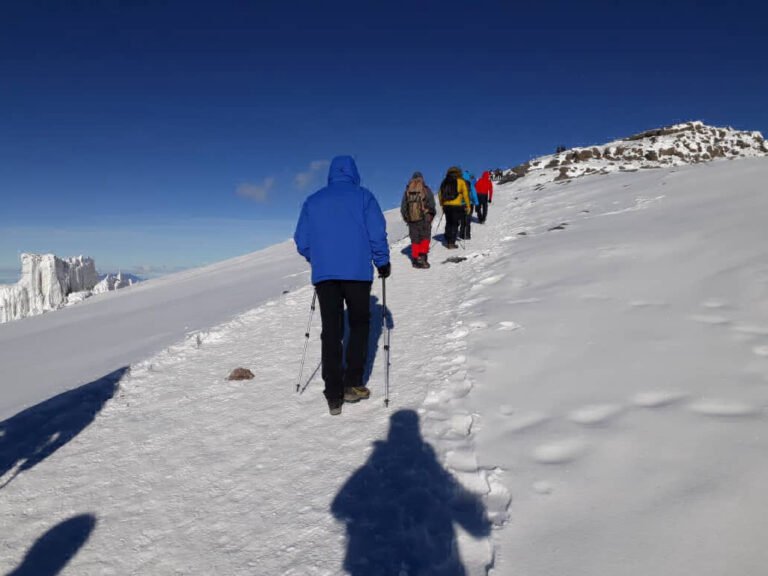
Kilimanjaro April – Quiet Trails, Weather And Route Choice 2027
Kilimanjaro April 2027 – Quiet Trails, Weather and Route Choice is explained with current 2027 planning, price, itinerary and booking information.
View package details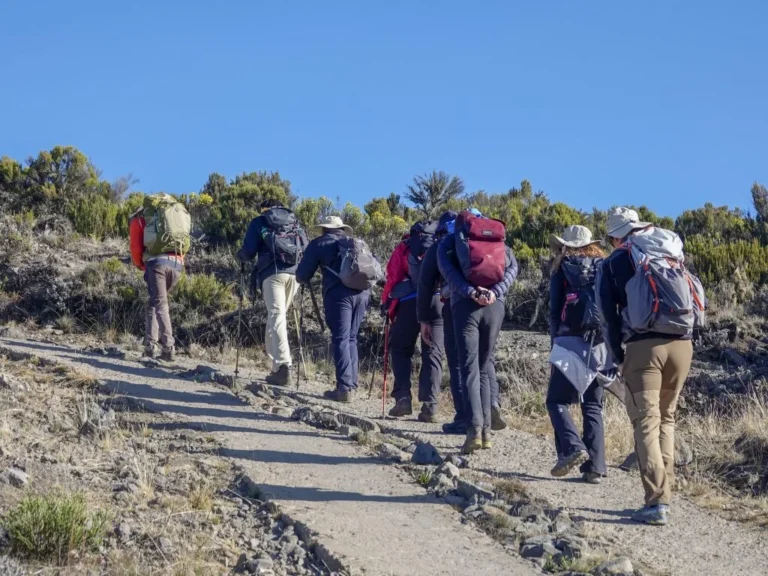
Late March Kilimanjaro – Rainy-Season Route Choices 2027
Late March Kilimanjaro 2027 – Rainy-Season Route Choices is explained with current 2027 planning, price, itinerary and booking information.
View package details8 Day Lemosho Route – 6 March Kilimanjaro Climb 2027
8 Day Lemosho Route – 6 March 2027 Kilimanjaro Climb is explained with current 2027 planning, price, itinerary and booking information.
View package details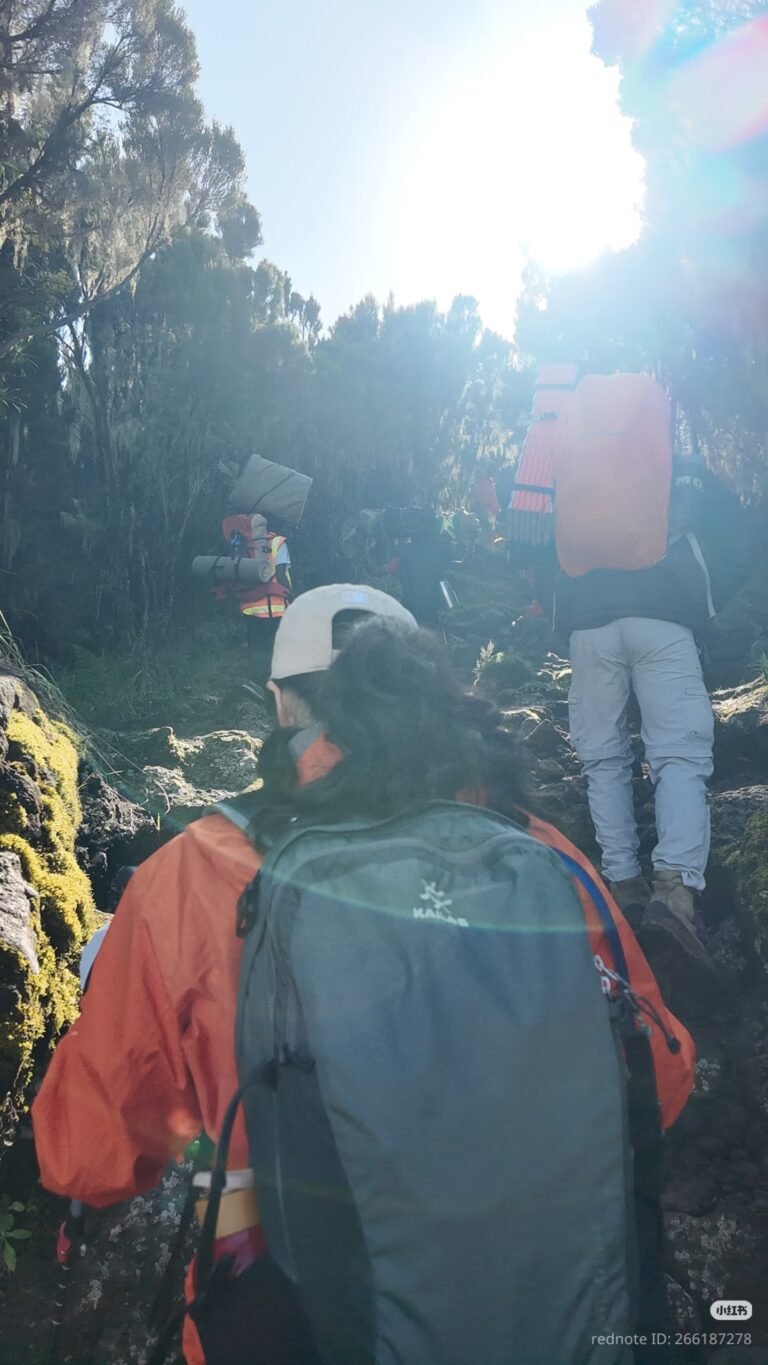
Rongai Route 30 December – Your New Year Kilimanjaro Expedition 2026-2027
start an unforgettable New Year's Eve Kilimanjaro climb via the Rongai Route, departing December 30, 2026. Discover why this route and timing offer a special experience, along with...
View package details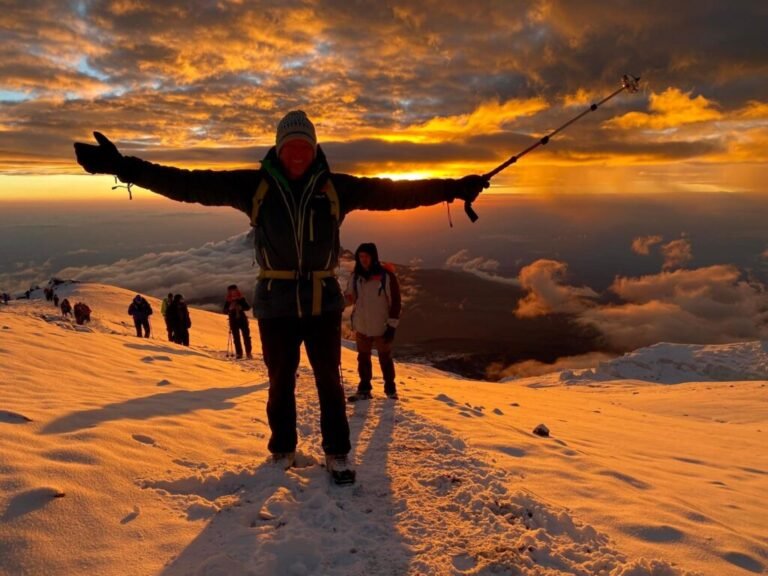
Kilimanjaro 24 April : Late Trek & Weather Expectations 2027
Discover what to anticipate for a Kilimanjaro climb on April 24, 2027. This guide covers late April weather patterns, suitable routes, and essential preparation for your ascent.
View package details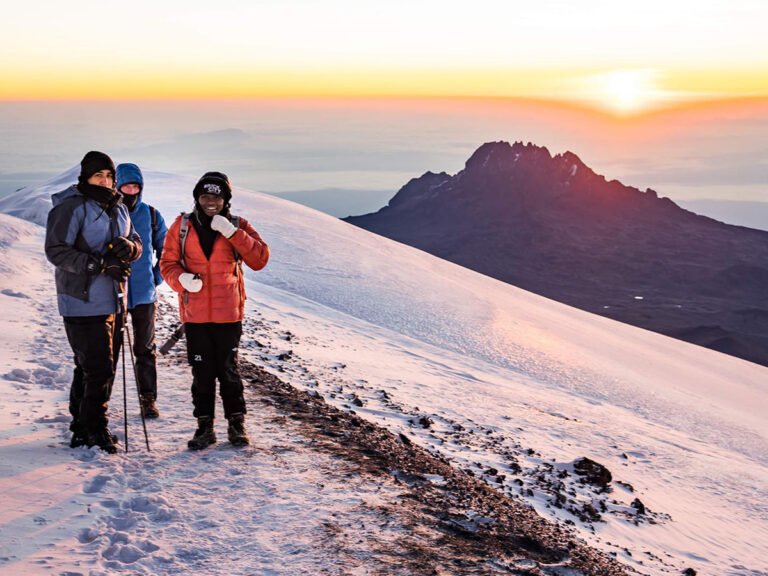
Lemosho Route 10 April – Wet-Season Scenery And Trek Conditions 2027
Lemosho Route 10 April 2027 – Wet-Season Scenery and Trek Conditions is explained with current 2027 planning, price, itinerary and booking information.
View package details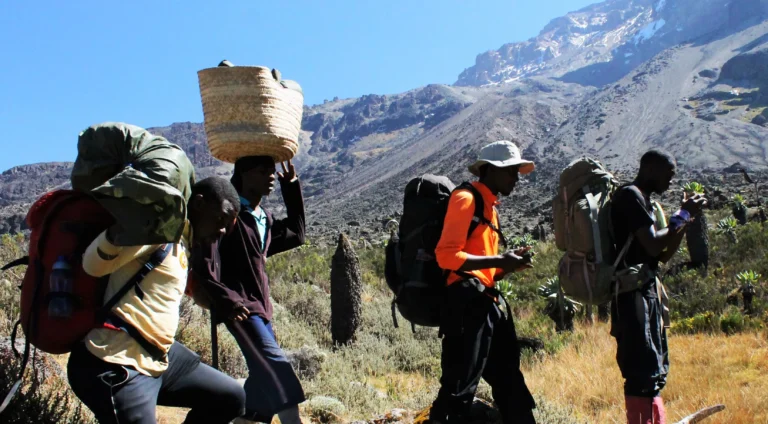
Best Kilimanjaro And Serengeti Calving Season Safari March 2027
Discover the magic of a March 2027 Kilimanjaro and Serengeti calving season safari. This guide explores the unique advantages and considerations for experiencing Tanzania's wildlife...
View package details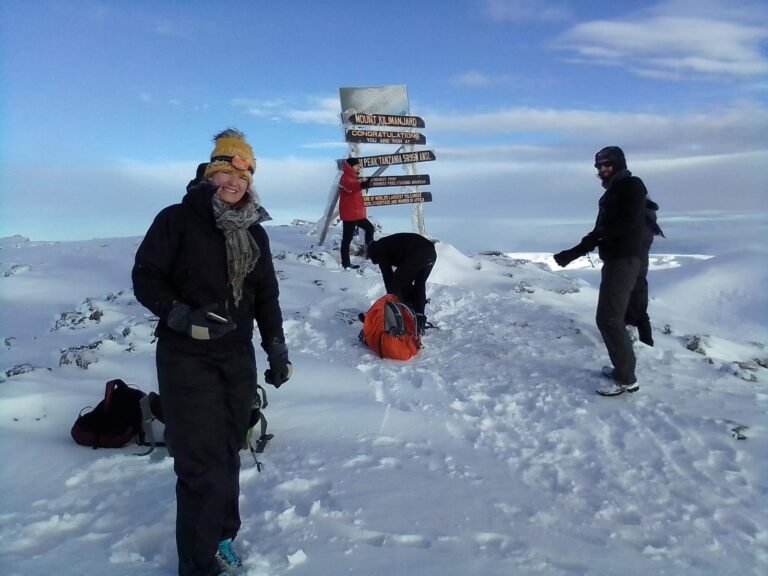
Easter Sunday Kilimanjaro Summit – 28 March Trekking Adventure 2027
start an extraordinary journey to the Roof of Africa by aiming for the summit of Kilimanjaro on Easter Sunday, March 28, 2027. This unique timing offers a blend of spiritual significance...
View package detailsNo related package matches those filters. Clear one or more filters to see the other topic-matched options.



