
A Rongai Route 30 December 2026 – New Year Kilimanjaro Expedition offers a distinctive opportunity to celebrate the transition into 2027 atop Africa’s highest peak, combining the Rongai’s quieter approach with the festive atmosphere of a New Year’s climb. This expedition typically spans 6 to 7 days, starting from the north side of Kilimanjaro, and is ideal for those seeking a less crowded route with a high success rate, particularly during the dry season.
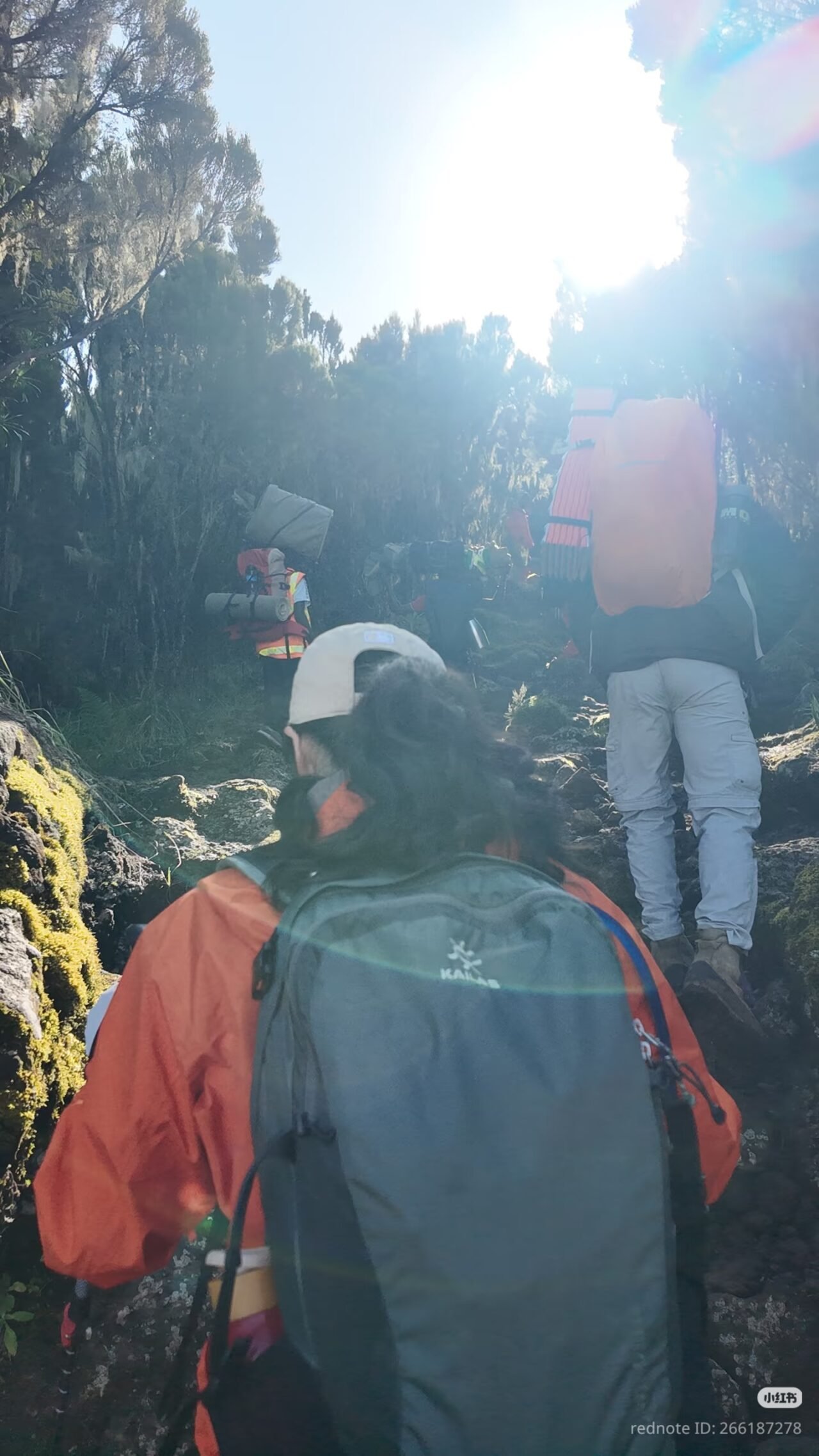
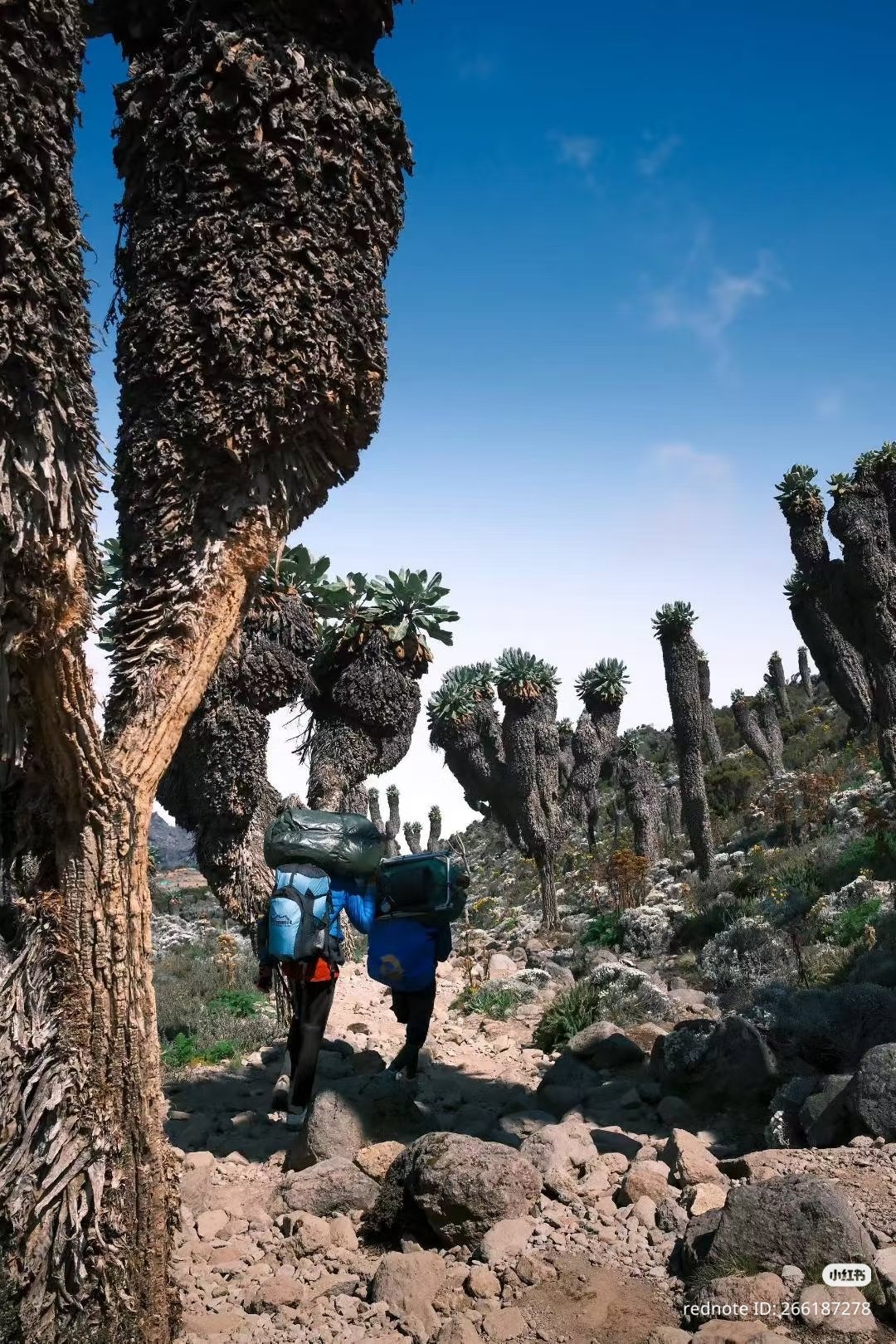
The Unique Appeal of a New Year’s Kilimanjaro Climb
Climbing Kilimanjaro is a dream for many, and celebrating the New Year at the summit or on the slopes of this iconic mountain adds an extraordinary layer to the adventure. A departure date around December 30, 2026, places your expedition squarely within the festive holiday season, culminating in a New Year’s Eve or early New Year’s Day summit attempt. This timing is not just about the date; it’s about the unique atmosphere, the camaraderie among fellow climbers eager to ring in the year with a monumental achievement, and the sheer thrill of witnessing the dawn of a new year from such a remarkable vantage point.
While many routes are popular throughout the year, a New Year’s climb attracts a specific kind of adventurer – one who embraces challenges and seeks memorable experiences. The Rongai Route, with its characteristically quieter paths, offers a welcome contrast to some of the busier routes, allowing for a more personal and reflective experience even amidst the celebratory mood. Planning for a 2026-2027 New Year’s expedition requires early consideration, as these dates are highly sought after by trekkers worldwide.
Why Choose the Rongai Route for a December 30th Departure?
The Rongai Route stands out for several reasons, making it a compelling choice for a New Year’s expedition. Unlike many other routes that begin in the south, Rongai approaches Kilimanjaro from the north, near the Kenyan border. This geographical difference influences its character, its weather patterns, and the overall trekking experience.
Rongai Route: Advantages and Considerations
Advantages:
- Less Crowded: Rongai is generally less busy than routes like Machame or Marangu, especially during peak seasons. This can lead to a more serene trekking experience, allowing for better acclimatisation and a greater sense of solitude on the mountain.
- Dryer Conditions: Being on the northern side, Rongai receives less rainfall, particularly during the short rainy season (November to mid-December). While late December is technically the start of the long dry season, its northern position means it often remains drier than southern approaches, offering more stable trekking conditions.
- Scenic Variety: The route traverses diverse landscapes, from cultivated farmland and rainforest to moorland, alpine desert, and arctic summit zones. Its unique approach offers different vistas compared to southern routes.
- High Success Rate: When trekked over 6 or 7 days, the Rongai Route offers good acclimatisation, contributing to a relatively high success rate for reaching the summit.
Considerations:
- Logistical Complexity: The starting point on the north side means a longer drive from Moshi or Arusha compared to southern routes. This is a factor in overall travel time to the trailhead.
- Limited Camping Sites: While generally well-managed, the availability of specific camping sites can be a factor, though this is less of an issue for organised expeditions.
For a 30 December 2026 departure, the Rongai Route’s drier conditions and fewer crowds can be significant advantages. You’ll be trekking into the New Year with potentially better weather and a more peaceful environment, enhancing the overall journey to the summit.
Weather Expectations for Late December 2026
Late December and early January mark the beginning of Kilimanjaro’s main dry season. This period typically offers clearer skies, lower humidity, and more stable weather. However, Kilimanjaro’s weather is famously unpredictable, and conditions can change rapidly at higher altitudes.
Expect daytime temperatures to be cool to cold, potentially ranging from 10°C to 20°C (50°F to 68°F) at lower elevations, dropping significantly as you ascend. At the summit (Uhuru Peak, 5,895m/19,341ft), temperatures can plummet to -15°C to -20°C (5°F to -4°F), with wind chill making it feel even colder. Snow is common at the summit and on the upper slopes, especially around New Year’s.
While the dry season offers the best chance for clear views and stable trekking, occasional rain or snow showers are still possible. Proper layering and waterproof gear are essential for a New Year Kilimanjaro expedition departing on 30 December 2026. The dry season generally extends through February, making this a favourable time to climb.
Expedition Duration and Itinerary Options for 30 December 2026
The length of your Rongai Route expedition significantly impacts your acclimatisation, comfort, and chances of reaching the summit. For a 30 December 2026 departure, the most common and recommended durations are 6 or 7 days.
The 6-Day Rongai Route: A Faster Ascent
A 6-day Rongai itinerary is designed for trekkers who are well-prepared physically and have good acclimatisation potential. It follows a direct path to the summit.
* Day 1: Rongai Gate to Simba Camp.
* Day 2: Simba Camp to Kikelewa Caves.
* Day 3: Kikelewa Caves to Mawenzi Tarn Camp.
* Day 4: Mawenzi Tarn Camp to School/Kibo Camp (depending on exact itinerary).
* Day 5: Summit Night (Uhuru Peak) and descend to Horombo Camp.
* Day 6: Horombo Camp to Marangu Gate.
While efficient, the 6-day Rongai offers less time for acclimatisation. This can be a trade-off for those with limited time, but it increases the risk of altitude sickness. For a New Year’s climb, many prefer the added safety margin of a longer trek.
The 7-Day Rongai Route: Enhanced Acclimatisation
The 7-day Rongai Route is generally recommended by operators like Climb 4 Africa because it provides an extra day for acclimatisation, significantly increasing the odds of a successful summit bid and a more comfortable experience. The extra day is often inserted between Mawenzi Tarn and School/Kibo Camp, allowing for a slower ascent and better adjustment to altitude.
* Day 1: Rongai Gate to Simba Camp.
* Day 2: Simba Camp to Kikelewa Caves.
* Day 3: Kikelewa Caves to Mawenzi Tarn Camp.
* Day 4: Mawenzi Tarn Camp to Kibo Camp (via a rest day or acclimatisation hike).
* Day 5: Summit Night (Uhuru Peak) and descend to Horombo Camp.
* Day 6: Horombo Camp to Marangu Camp.
* Day 7: Marangu Camp to Marangu Gate.
This 7-day version allows for a more gradual progression, which is crucial for preventing altitude-related issues. For a Rongai Route 30 December 2026 – New Year Kilimanjaro Expedition, the 7-day option offers a superior balance of challenge and safety.
Considering Other December Departures
While your focus is the 30th, it’s worth noting that other December departures are available. For instance, a 6 Days Rongai Route – 24 December 2026 Departure | Holiday Kilimanjaro Climb or a 7 Days Rongai Route – 28 December 2026 Departure | New Year Kilimanjaro Group Trek might align with different holiday schedules. For those open to other routes around the New Year, options like the 8 Day Lemosho Route – 26 December New Year Kilimanjaro Climb 2026-2027 or the 9 Days Northern Circuit Route – 26 December 2026 Departure | Year-End Kilimanjaro Tour offer longer, more scenic, and highly acclimatised journeys.
Preparing for Your 30 December 2026 Kilimanjaro Expedition
Successfully reaching the summit of Kilimanjaro, especially during the New Year period, requires thorough preparation. This involves physical conditioning, acquiring the right gear, understanding altitude sickness, and securing comprehensive travel insurance.
Physical Preparation: Building Endurance and Strength
Kilimanjaro is a strenuous trek, not a technical climb, but it demands significant cardiovascular fitness and muscular endurance. Your training should focus on:
- Aerobic Exercise: Regular activities like hiking, running, cycling, or swimming for at least 3-4 times a week, building up to longer durations (2-3 hours).
- Hiking with a Pack: Simulate trek conditions by hiking with a weighted backpack (5-10kg) on varied terrain, including hills and stairs.
- Strength Training: Focus on lower body strength (squats, lunges) and core stability.
- Mental Fortitude: Prepare for long days, challenging conditions, and potential discomfort.
Start your training at least 2-3 months before your Rongai Route 30 December 2026 – New Year Kilimanjaro Expedition. Consistency is key.
Essential Gear and Clothing for Kilimanjaro in December
Layering is critical for managing temperature fluctuations. You’ll need a system that allows you to add or remove clothing as needed.
- Base Layers: Moisture-wicking thermal tops and bottoms (merino wool or synthetic).
- Mid Layers: Fleece jackets or insulated vests for warmth.
- Outer Layer: Waterproof and windproof jacket and trousers (Gore-Tex or similar).
- Insulation Layer: A warm down or synthetic-fill jacket for summit night and cold evenings.
- Headwear: Warm, insulated hat covering the ears; sun hat or cap; balaclava or neck gaiter for extreme cold.
- Handwear: Liner gloves, warm insulated gloves, and waterproof outer mitts.
- Footwear: Broken-in, waterproof hiking boots with good ankle support; comfortable camp shoes or trainers.
- Socks: Several pairs of wool or synthetic hiking socks.
- Sleeping Bag: A 4-season (rated to -15°C or 0°F) down or synthetic sleeping bag.
- Other Essentials: Headlamp with extra batteries, sunglasses, sunscreen, lip balm, water bottles or hydration reservoir (insulated to prevent freezing), personal first-aid kit, toiletries, and a duffel bag for porters.
Climb 4 Africa can provide detailed packing lists tailored to the Rongai Route and the December climate. Ensure your gear is tested before your departure for the New Year Kilimanjaro climb.
Altitude Sickness Prevention and Management
Acute Mountain Sickness (AMS) is the primary health concern on Kilimanjaro. Prevention is paramount.
- Ascend Slowly: The Rongai Route, especially the 7-day option, is designed for gradual ascent. Follow the principle of ‘pole pole’ (slowly, slowly).
- Hydrate: Drink plenty of water (3-4 litres per day). Avoid alcohol and caffeine.
- Eat Well: Maintain a good intake of carbohydrates.
- Listen to Your Body: Report any symptoms (headache, nausea, dizziness, fatigue) to your guide immediately.
- Medication: Consult your doctor about Diamox (acetazolamide) as a preventative measure.
Your guides are trained to monitor for AMS and make critical decisions regarding your safety, including descent if necessary. Never ascend if you have symptoms of altitude sickness.
Travel Insurance: A Non-Negotiable Essential
Comprehensive travel insurance is mandatory for all Kilimanjaro climbs. Ensure your policy covers:
- High Altitude Trekking: Specifically covers trekking up to 5,895 metres.
- Emergency Medical Expenses: Including evacuation and repatriation.
- Trip Cancellation/Interruption: In case unforeseen circumstances prevent you from travelling or completing the trek.
Verify the policy details carefully and confirm that it covers rescue operations from the mountain. This is a crucial safety net for your Rongai Route 30 December 2026 – New Year Kilimanjaro Expedition.
Logistics and Local Support with Climb 4 Africa
Choosing a reputable local operator like Climb 4 Africa is vital for a safe and enjoyable Kilimanjaro experience. Their expertise in Tanzanian logistics, local knowledge, and commitment to climber welfare are invaluable.
What Climb 4 Africa Typically Includes
While specific inclusions can vary, a standard package with Climb 4 Africa for a New Year Kilimanjaro expedition generally covers:
- All park entrance fees, camping fees, and rescue fees.
- Experienced, English-speaking Kilimanjaro guides (certified and trained in first aid).
- Assistant guides (ratio typically 1:2 or 1:3 guides per climber).
- Porters to carry all group gear and your personal duffel bag (usually up to 15kg).
- Cook and cooking equipment.
- All meals while on the mountain (breakfast, lunch, dinner, snacks).
- Boiled water for drinking.
- Accommodation in tents on the mountain.
- Campsite facilities (e.g., portable toilets).
- A celebratory meal upon completion of the climb.
- Transfer from Kilimanjaro International Airport (JRO) to your hotel and back.
It’s important to clarify what is excluded, such as sleeping bags, personal gear, tips for the crew, visa fees, travel insurance, and personal expenses.
What to Expect from Your Guides and Crew
Climb 4 Africa prides itself on its professional and dedicated crew. Your guides are not just mountain experts but also cultural ambassadors. They are responsible for:
- Ensuring your safety and well-being throughout the trek.
- Monitoring your health and acclimatisation closely.
- Managing the pace of the group (‘pole pole’).
- Providing insights into the local culture and environment.
- Organising meals and camp setup.
- Making critical decisions regarding the ascent, especially on summit night.
The porters are the backbone of the expedition, carrying your gear and setting up camp efficiently. The cook prepares nutritious meals to keep you energised. Tipping the crew is customary and a significant part of their earnings.
Pre- and Post-Climb Arrangements in Tanzania
Before and after your Rongai Route 30 December 2026 – New Year Kilimanjaro Expedition, you’ll likely spend time in Moshi or Arusha. Climb 4 Africa can assist with arranging:
- Pre- and Post-Climb Accommodation: Comfortable hotels or lodges offering a chance to relax, prepare, and celebrate.
- Airport Transfers: smooth pick-up and drop-off at Kilimanjaro International Airport (JRO).
- Briefings: Pre-climb briefings to go over logistics, gear, and answer any last-minute questions.
- Optional Activities: Cultural tours, visits to local markets, or even a short safari in nearby national parks before or after your trek.
Ensuring these arrangements are handled smoothly allows you to focus entirely on the climb itself. If you are interested in extending your Tanzanian adventure with a safari or a trip to Zanzibar, Climb 4 Africa specialises in creating tailor-made itineraries.
Booking Your New Year’s Expedition
Securing your spot on a 30 December 2026 Rongai Route Kilimanjaro Expedition requires timely booking, especially for popular New Year dates. Due to high demand, availability can fill up quickly.
When you are ready to book or want to discuss your options for a New Year’s climb, contacting Climb 4 Africa directly is the best next step. They can provide detailed itineraries, current availability for the 2026-2027 season, and answer specific questions about the Rongai Route or other New Year departures. To initiate your booking or to receive a personalised quote, reach out to them via:
- WhatsApp: +255 747 477 898
- Email: climb4africa@gmail.com
When you contact them, be sure to mention your preferred departure date of December 30, 2026, your chosen route (Rongai), the desired duration (e.g., 7 days), and any questions you have about group or private expeditions. Their team will guide you through the process, helping you prepare for an incredible New Year’s Eve adventure on Kilimanjaro.
Frequently Asked Questions
Is the Rongai Route suitable for a New Year’s climb?
Yes, the Rongai Route is an excellent choice for a New Year’s climb. It offers a less crowded experience, generally drier conditions in late December, and a good acclimatisation profile, especially when chosen in a 7-day itinerary. Celebrating New Year’s Eve on the mountain via Rongai provides a unique and memorable experience.
What is the weather like on Kilimanjaro at New Year?
Late December and early January mark the start of the dry season. You can expect cold temperatures, especially at altitude, with potential for snow at the summit. Days are often clear, but conditions can change rapidly. Proper layering is essential.
How difficult is the Rongai Route?
The Rongai Route is considered a moderately difficult trek. Its primary challenge is the altitude. The terrain itself is not technically demanding, but the sustained ascent and the summit night require good physical fitness and mental resilience. The 7-day itinerary is recommended for better acclimatisation and a higher success rate.
What is the best duration for the Rongai Route?
The 7-day Rongai Route is generally recommended for most trekkers. It provides an extra day for acclimatisation, which significantly improves comfort and the chances of reaching the summit successfully. While a 6-day option exists, it is more challenging due to the compressed acclimatisation schedule.
Do I need to book my New Year’s Kilimanjaro climb far in advance?
Yes, absolutely. New Year’s departures, especially for popular routes like Rongai, are in high demand. It is advisable to book your expedition at least 6-12 months in advance to secure your preferred dates and itinerary for 2026-2027.
What are the main differences between Rongai and Machame routes for a New Year climb?
The Machame Route is more popular, often more crowded, and generally considered more scenic with steeper sections. The Rongai Route approaches from the north, is typically less crowded, and is known for its drier weather on the northern slopes. For a New Year’s climb where solitude and drier conditions might be prioritised, Rongai can be a better choice, while Machame offers a more classic, albeit busier, Kilimanjaro experience.
Can Climb 4 Africa arrange custom New Year expeditions?
Yes, Climb 4 Africa specialises in tailor-made African travel experiences. They can arrange private Rongai Route expeditions for your group for the 30 December 2026 departure or customise itineraries to include other elements like safaris or Zanzibar holidays before or after your climb. Contact them directly to discuss your specific requirements.
Check Availability for Rongai Route 30 December – Your New Year Kilimanjaro Expedition 2026-2027
Ready to compare dates, prices, and the best option for your group? Send the package name and travel month so the team can reply with a clear quote, availability, and what is included.
Marangu Route 28 December : Your New Year Kilimanjaro Group Trek 2026-2027
Plan your New Year's Eve ascent of Kilimanjaro by joining a Marangu Route group trek departing on December 28, 2026. This guide covers route specifics, what to expect, and essential...
View package details
8 Day Lemosho Route – 26 December New Year Kilimanjaro Climb 2026-2027
8 Day Lemosho Route – 26 December 2026 New Year Kilimanjaro Climb is explained with current 2026-2027 planning, price, itinerary and booking information.
View package details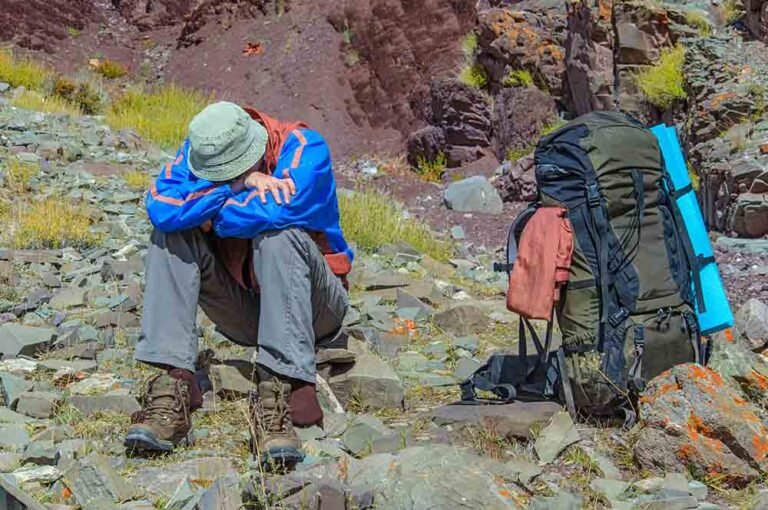
Rongai Route Kilimanjaro May : Your Guide To A Quiet Northern Trail 2027
The Rongai Route presents a unique opportunity for a less crowded Kilimanjaro ascent, especially in May 2027. This guide details its northern approach, advantages, and what to expect.
View package details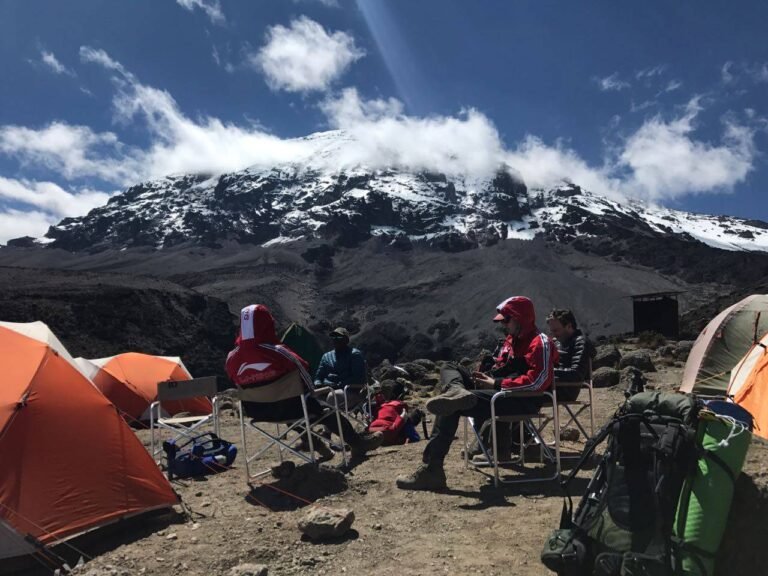
Rongai Route Kilimanjaro April : Your Northern-Side Rainy Season Trek 2027
start your Kilimanjaro adventure via the Rongai Route in April 2027. This guide details the northern-side experience during the shoulder rainy season, offering practical insights for...
View package detailsRongai Route March : Your Northern Approach For Changing Kilimanjaro Weather
The Rongai Route offers a unique advantage for trekkers aiming for Kilimanjaro in March 2027. Its northern approach provides a distinct weather pattern compared to southern routes, often...
View package details
Kilimanjaro New Year Summit – December Departure Dates 2026-2027
Kilimanjaro New Year Summit 2027 – December 2026 Departure Dates is explained with current 2026-2027 planning, price, itinerary and booking information.
View package details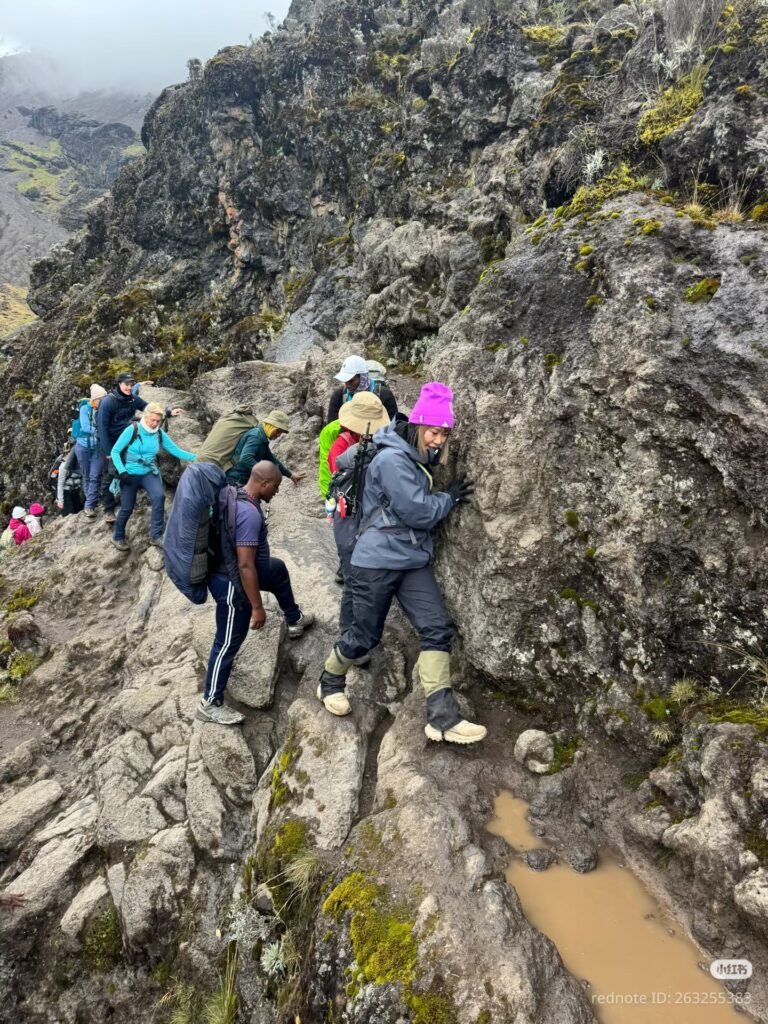
Machame Route Kilimanjaro – 14 December Pre-Christmas Climb 2026-2027
start a memorable Machame Route Kilimanjaro climb, aiming for a December 14, 2026 departure. This guide covers route specifics, seasonal advantages, essential preparation, and what makes...
View package details
7 Day Machame Route – 7 December Group Departure | Your Kilimanjaro Climb
Plan your Kilimanjaro ascent on the popular 7-day Machame Route with a group departure on December 7, 2026. This guide covers the trek's highlights, challenges, and what to expect when...
View package details8 Day Lemosho Route – 5 December Kilimanjaro Group Climb 2026
Plan your 8-day Lemosho Route Kilimanjaro group climb for December 5, 2026. Discover why Lemosho is a top choice for success rates and scenery, with practical advice from Climb 4 Africa.
View package details
Kilimanjaro April – Quiet Trails, Weather And Route Choice 2027
Kilimanjaro April 2027 – Quiet Trails, Weather and Route Choice is explained with current 2027 planning, price, itinerary and booking information.
View package details
Late March Kilimanjaro – Rainy-Season Route Choices 2027
Late March Kilimanjaro 2027 – Rainy-Season Route Choices is explained with current 2027 planning, price, itinerary and booking information.
View package details8 Day Lemosho Route – 6 March Kilimanjaro Climb 2027
8 Day Lemosho Route – 6 March 2027 Kilimanjaro Climb is explained with current 2027 planning, price, itinerary and booking information.
View package detailsNo related package matches those filters. Clear one or more filters to see the other topic-matched options.



