
Climbing Kilimanjaro in April 2027 falls within the mountain’s longer rainy season, typically characterized by frequent rainfall, especially at lower elevations, and potentially snow at the summit. Despite the precipitation, April can still offer a rewarding experience for determined trekkers, with fewer crowds and lush, green landscapes. Success hinges on choosing the right route, packing appropriate waterproof gear, and understanding the specific weather patterns for 2027, which often involve clearer mornings followed by afternoon showers. It’s crucial to book with an operator experienced in these conditions, like Climb 4 Africa, to ensure safety and support.
What to Expect Climbing Kilimanjaro in April 2027
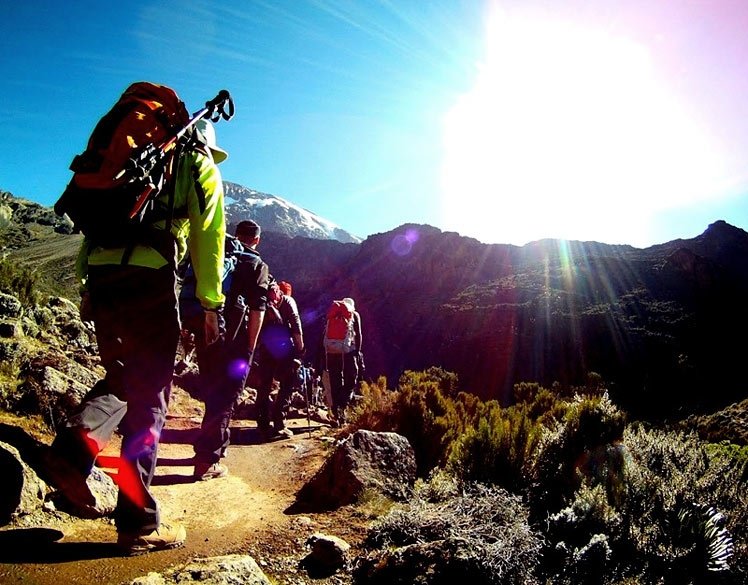
April marks the continuation of Kilimanjaro’s long rainy season, a period that generally runs from late March through May. For those planning a climb in April 2027, understanding this seasonal context is paramount. While often perceived as a challenging time to ascend Africa’s highest peak, April can present a unique and fulfilling trekking experience, provided you are well-prepared. The defining characteristic of April is moisture. Expect significant rainfall, particularly on the lower slopes of the mountain. This means trails can become muddy, slippery, and more challenging to navigate. Visibility can also be reduced by mist and clouds, especially at lower and mid-altitudes. However, the rain often brings a vibrant green to the landscape, creating stunning, verdant scenery. The higher alpine and arctic zones, above the cloud forest, will likely see snow, which can add to the dramatic beauty but also the technical difficulty of the final ascent. Despite the potential for wet weather, April is not necessarily a washout. Many days can still offer periods of sunshine, particularly in the early mornings. The key is to be adaptable and ready for changing conditions. Unlike the short rains of November, the long rains of April are more persistent and widespread, though they don’t typically fall continuously throughout the day. Instead, they often manifest as heavy downpours in the afternoons and evenings, sometimes interspersed with lighter drizzles. Clear, crisp mornings are common, offering excellent visibility and stunning views before the clouds roll in. For trekkers considering April 2027, embracing the elements and focusing on preparedness will significantly enhance the journey.
Kilimanjaro Weather in April: Beyond the Rain
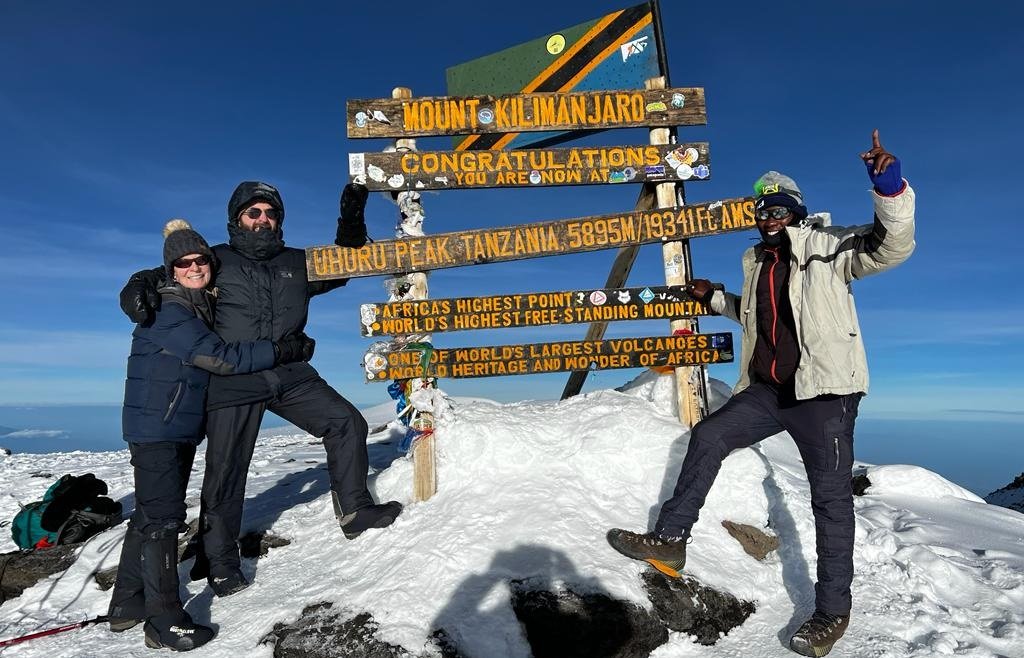
While April is firmly within the rainy season, it’s a misconception to assume continuous, torrential downpours from dawn till dusk. Kilimanjaro’s microclimates are complex, and weather patterns can be highly variable. In April 2027, you can anticipate a typical daily cycle: mornings are often clear and cool, offering the best chances for expansive views of the surrounding plains and Mount Meru. As the day progresses, clouds will likely gather, leading to increased humidity and the onset of rain. These showers can range from light drizzles to heavy, intense storms, particularly in the montane forest zone. Temperatures will vary significantly with altitude. At the base, expect warm, humid conditions (around 20-25°C). As you ascend through the rainforest and moorland, temperatures will drop, ranging from 10-15°C. In the alpine desert, it will be considerably colder (0-10°C), and on the summit night, temperatures can plummet to -10°C or even lower, exacerbated by wind chill. Snow is highly probable at the summit, especially above Stella Point and on the final push to Uhuru Peak. This precipitation, combined with the cold, makes summit night particularly demanding. However, the rain also plays a vital role in Kilimanjaro’s ecosystem, nurturing the lush vegetation seen in the lower zones. The air is often fresh and clean after a rainfall. For those who have booked a climb, especially those considering a group departure like those often seen in late March or early April, understanding these patterns helps manage expectations and pack accordingly. For instance, knowing that mornings are often clearer might encourage an earlier start to certain sections of the trek to maximize views before the weather closes in. It’s also worth noting that while April is a rainy month, it’s generally less wet than May, which often marks the peak of the long rains. The specific conditions in April 2027 will, of course, be subject to the mountain’s natural variability, but adhering to general patterns is the best planning strategy.
Best Kilimanjaro Routes for April 2027 Treks
Choosing the right route is crucial when climbing Kilimanjaro in April 2027, especially to mitigate the effects of the rainy season. Some routes are better suited to these conditions due to their topography and rainfall patterns. The Rongai Route is often recommended for its northern approach, which tends to be drier than the southern routes because it lies in the rain shadow of the mountain. While it still experiences rain in April, it’s generally less affected than routes like Machame or Lemosho, making it a strong contender for April 2027. The Rongai route offers a gentler ascent profile and is known for its scenic beauty and quieter trails. The Lemosho Route, while beautiful and offering excellent acclimatization, can be wetter due to its southern and western exposure. However, its longer duration allows for better acclimatization, which is always beneficial, particularly in challenging weather. If you choose Lemosho for an April 2027 climb, ensure you have robust waterproof gear. The Machame Route, popular for its scenic diversity and good acclimatization curve, also faces the southern side and will likely experience significant rain in April. It’s a challenging route that requires good physical fitness and a resilient spirit when wet. For those prioritising a drier experience, Rongai is often the top choice. The Northern Circuit, being the longest route, offers the best acclimatization and circumnavigates the mountain, potentially experiencing varied conditions but generally benefiting from its extended duration. The Marangu Route, also known as the Coca-Cola route, is the only one with hut accommodation, which can be a significant comfort during rainy weather. However, it has a lower success rate due to its steeper ascent and less optimal acclimatization profile. For April 2027, while the huts offer shelter, the overall route conditions will still be wet. When deciding for April 2027, consider routes that offer a balance of good acclimatization and potentially drier conditions. The Rongai route stands out for its drier northern approach. For those prioritizing the best acclimatization regardless of weather, longer routes like Lemosho or the Northern Circuit are excellent, provided you are prepared for the rain. It’s always advisable to discuss your specific needs and preferences with an experienced operator like Climb 4 Africa, who can guide you towards the most suitable option for an April 2027 climb. Remember that even the ‘drier’ routes will still encounter rain in April.
| Route | Typical Duration (Days) | Scenery | Acclimatization | Rainfall Expectation (April) | Accommodation |
|---|---|---|---|---|---|
| Rongai | 6-7 | Semi-arid plains, forest, moorland | Moderate | Lower (rain shadow) | Camping |
| Lemosho | 7-8 | Lush rainforest, moorland, alpine desert | Excellent | Higher (southern/western exposure) | Camping |
| Machame | 6-7 | Rainforest, moorland, alpine desert, crater rim | Good | Higher (southern exposure) | Camping |
| Northern Circuit | 9-10 | Varied, circumnavigates the mountain | Best | Variable (depends on section) | Camping |
| Marangu | 5-7 | Forest, moorland, alpine desert | Poorer | Higher | Huts |
Essential Gear for Your April Kilimanjaro Climb
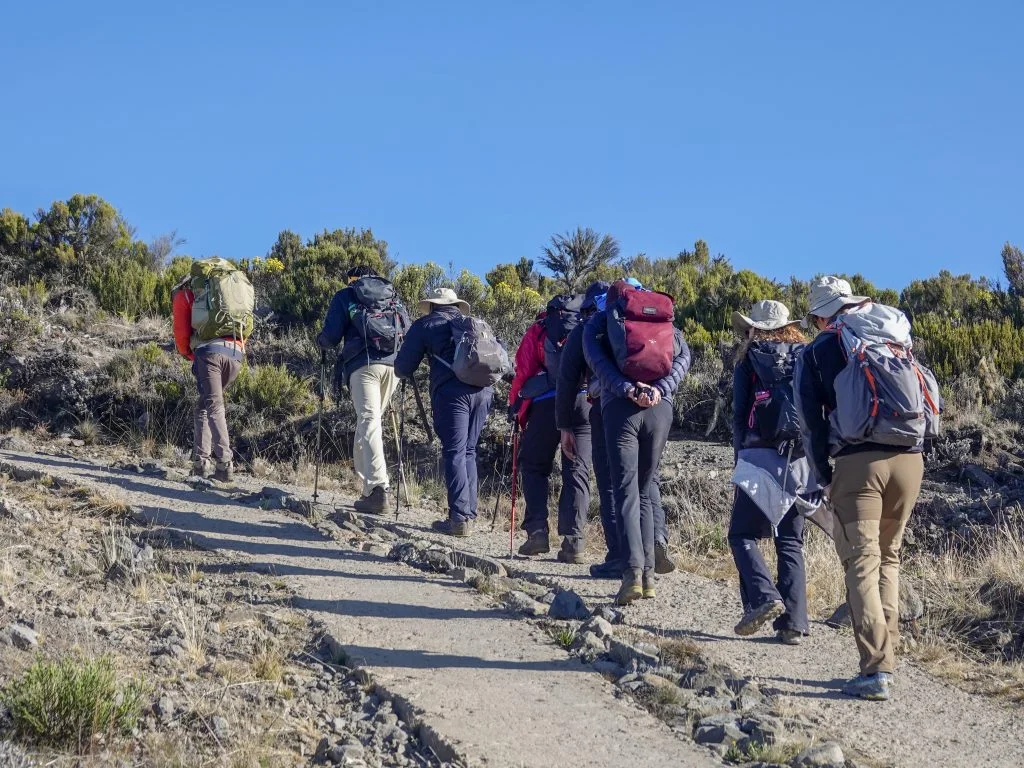
Packing correctly is non-negotiable for a successful Kilimanjaro climb in April 2027. The key is layering and ensuring everything is waterproof. Your clothing system should include moisture-wicking base layers (merino wool or synthetics), insulating mid-layers (fleece or down jackets), and a robust outer shell. The outer shell is your primary defence against the April rains. Invest in a high-quality, breathable, and fully waterproof jacket and trousers. Seam-sealed construction is essential. Waterproof gloves, including a liner pair and a warmer outer pair, are vital. Your hands are exposed to the elements, and cold, wet hands can quickly lead to discomfort and potential frostbite. Footwear requires careful consideration. Waterproof hiking boots are a must, but they need to be well broken-in to prevent blisters, which are more likely in wet conditions. Gaiters are also highly recommended; they prevent water, mud, and small stones from entering your boots from the top. Beyond clothing, a waterproof backpack cover is essential to protect your gear inside your daypack. A larger waterproof duffel bag or dry bag for your main luggage is also advisable. Don’t forget a waterproof hat or balaclava to keep your head warm and dry. Trekking poles are invaluable, especially on slippery, muddy descents. They provide stability and reduce stress on your knees. A good quality, warm sleeping bag (rated to at least -10°C or -20°C) is necessary, as nights will be cold, and dampness can make you feel colder. Even though it’s the rainy season, the sun can still be intense at higher altitudes, so bring high SPF sunscreen, sunglasses, and a wide-brimmed hat for sunny spells. A headlamp with extra batteries is also crucial, especially for early morning starts on summit day. Given the increased humidity and potential for rain, keeping your electronics dry is important. Waterproof cases or dry bags for your phone, camera, and power bank are highly recommended. Remember, while you can rent some gear like sleeping bags and poles, your waterproof outer layers and personal items are best to own and ensure they meet the demands of April 2027 conditions.
Acclimatisation and Health in April Conditions
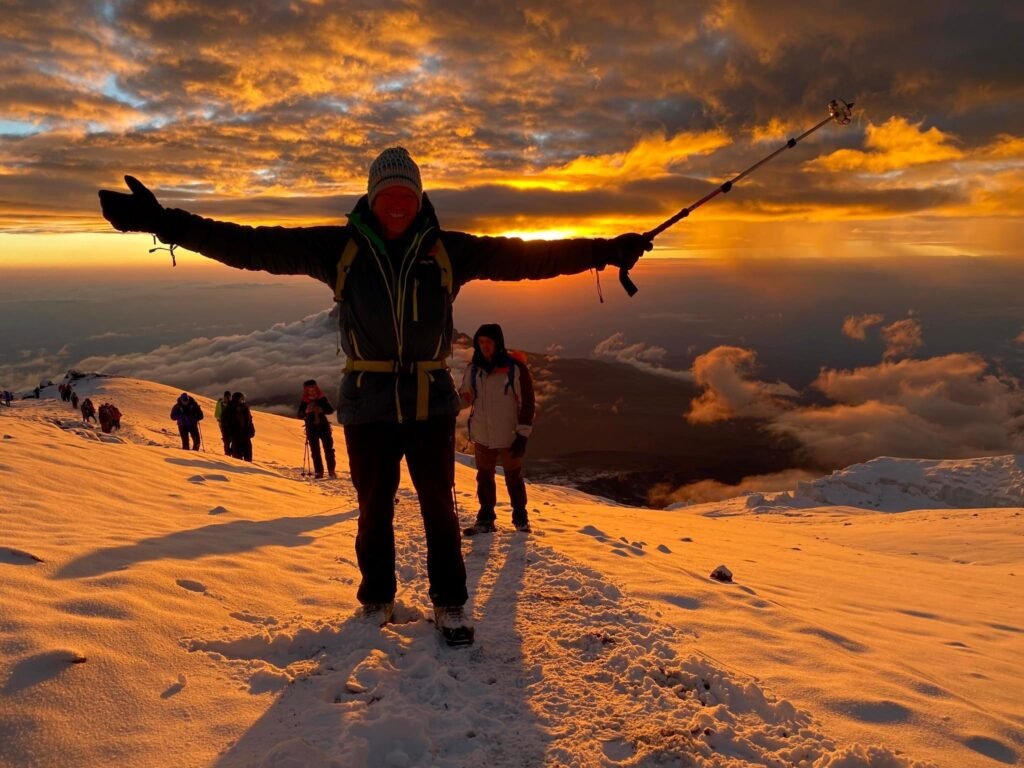
Acclimatization remains the single most critical factor for summit success on Kilimanjaro, regardless of the season. In April 2027, the added challenges of rain and cold can make the ascent feel more strenuous, potentially impacting your body’s ability to adapt to the altitude. This is why choosing a longer route with a gradual ascent profile is highly beneficial. Routes like the Northern Circuit (9-10 days) or Lemosho (7-8 days) offer superior acclimatization compared to shorter routes like Marangu (5-7 days) or even Machame (6-7 days). The principle of ‘pole pole’ (slowly, slowly) becomes even more important in the rain. Rushing can lead to fatigue, dehydration, and increase the risk of altitude sickness. Staying well-hydrated is key. While you might not feel as thirsty in cooler, wetter conditions, your body still requires significant fluid intake. Aim for at least 3-4 litres of water per day. Your guide will often add purification tablets or boil water, but having your own reliable water filter or purification method is wise. Be aware of the symptoms of Acute Mountain Sickness (AMS): headache, nausea, dizziness, fatigue, and loss of appetite. If you experience these, communicate immediately with your guide. They are trained to assess your condition and make decisions about whether to descend. In April 2027, the cold and damp can mask some AMS symptoms or make them feel like general discomfort from the weather. It’s crucial to differentiate. A persistent headache that doesn’t improve with rest and hydration, especially if accompanied by nausea, is a red flag. Maintaining core body temperature is vital for overall health and acclimatization. Hypothermia is a real risk in the rain and cold. Ensure your clothing layers are dry and that you change out of wet clothes as soon as possible, especially base layers. The energy demands of climbing are high, and staying nourished is essential. High-carbohydrate meals provide the necessary fuel. Your expedition team will provide meals, but bringing along high-energy snacks like nuts, dried fruit, energy bars, and chocolate can be a lifesaver, especially when you need a quick boost on the trail or during summit night. A robust immune system also helps. Consider taking vitamins and ensuring you are well-rested before your trip. If you have any pre-existing medical conditions, consult your doctor before planning your April 2027 Kilimanjaro climb.
Crowds and Costs During April 2027 Treks
One of the significant advantages of climbing Kilimanjaro during the rainy season, including April 2027, is the reduced number of trekkers. This means fewer people on the trails and at the campsites, leading to a more serene and intimate experience. You’re more likely to enjoy the mountain’s solitude and the natural beauty without the constant presence of large groups. This also translates to more availability for your preferred routes and departure dates, though booking well in advance is still recommended for April 2027 to secure the best guides and logistics. Regarding costs, April is generally considered a shoulder season or low season for Kilimanjaro climbs, which can sometimes mean slightly lower prices for tours compared to the peak dry seasons (January-February and June-October). However, the difference might not be dramatic, as park fees and guide salaries remain constant. The primary cost factor for climbing Kilimanjaro is the tour operator’s package, which includes park fees, crew wages, food, equipment, and transport. Operators like Climb 4 Africa often have set prices for different seasons, but the reduced demand in April might offer slightly more flexibility or better value, especially if you’re looking for a private climb or can join a pre-scheduled group departure. When comparing prices for April 2027, be sure to scrutinize what’s included. A reputable operator will detail all costs, including park fees, rescue fees, camping equipment, meals, purified water, guides, porters, and assistants. Exclusions might include tips for the crew, personal gear, travel insurance, and flights. Be wary of operators offering exceptionally low prices, as this can sometimes indicate compromised safety standards, lower quality equipment, or underpaid staff. For April 2027, investing in a reliable, experienced operator is paramount due to the challenging weather conditions. While you might save a little on tour prices compared to peak season, the overall cost of a Kilimanjaro climb is substantial, and cutting corners on safety and quality is a false economy. It’s wise to budget for tips for the crew, which are a significant part of their income, and ensure you have comprehensive travel insurance that covers high-altitude trekking and emergency evacuation.
Booking Your April 2027 Kilimanjaro Expedition
Securing your spot for a Kilimanjaro climb in April 2027 requires careful planning and choosing the right partner. As April falls within the long rainy season, it’s essential to book with a tour operator that has extensive experience managing climbs during this period. Climb 4 Africa specializes in Kilimanjaro expeditions and understands the nuances of trekking in the rain. They can provide expert advice on route selection, packing lists tailored for wet conditions, and ensure your safety protocols are robust. When you reach out to book your April 2027 trek, be prepared to discuss your fitness level, any previous trekking experience, and your expectations. A good operator will guide you through the process, explaining the different routes, itineraries, and what to expect day-by-day. They will also clarify all inclusions and exclusions in their package. For April 2027, inquire specifically about their strategies for dealing with rain, mud, and potentially lower temperatures. Ask about the quality of their waterproof gear, their emergency procedures, and the experience of their guides in wet weather. Booking usually involves paying a deposit to secure your dates and the remaining balance closer to your departure. It’s advisable to book at least 6-12 months in advance, especially if you have specific dates in mind for April 2027, even though it’s not a peak season. This allows ample time for preparation, training, and securing any specific logistics. Consider joining a group departure if you’re looking to share costs and enjoy the camaraderie of fellow trekkers. Climb 4 Africa offers various group dates and can also arrange private climbs for individuals or families wanting a more personalized experience. Don’t hesitate to ask detailed questions about the itinerary, the team, and the support you will receive. A transparent and knowledgeable operator will make you feel confident in your choice. For an April 2027 Kilimanjaro climb, prioritizing safety, experience, and thorough preparation is key. Contacting Climb 4 Africa through WhatsApp at +255 747 477 898 or emailing them at climb4africa@gmail.com is your first step towards a well-organized and memorable expedition, even during the rainy season.
Related Guides and Packages
Check Availability for Climbing Kilimanjaro In April : Your Rainy Season Guide 2027
Ready to compare dates, prices, and the best option for your group? Send the package name and travel month so the team can reply with a clear quote, availability, and what is included.
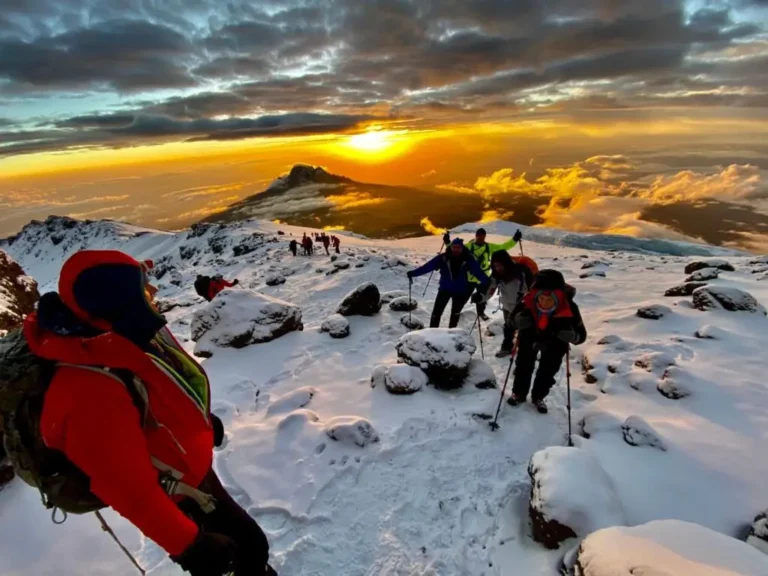
Kilimanjaro 17 April – Small Group Rainy-Season Adventure With Climb 4 Africa
start a unique Kilimanjaro climb on April 17, 2027, as part of a small group during the rainy season. This adventure offers a different perspective of the mountain, with fewer crowds and...
View package details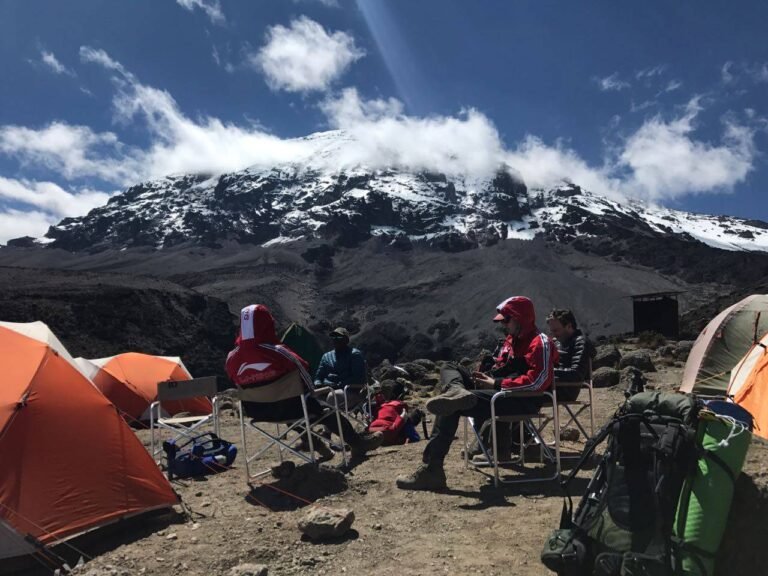
Rongai Route Kilimanjaro April : Your Northern-Side Rainy Season Trek 2027
start your Kilimanjaro adventure via the Rongai Route in April 2027. This guide details the northern-side experience during the shoulder rainy season, offering practical insights for...
View package details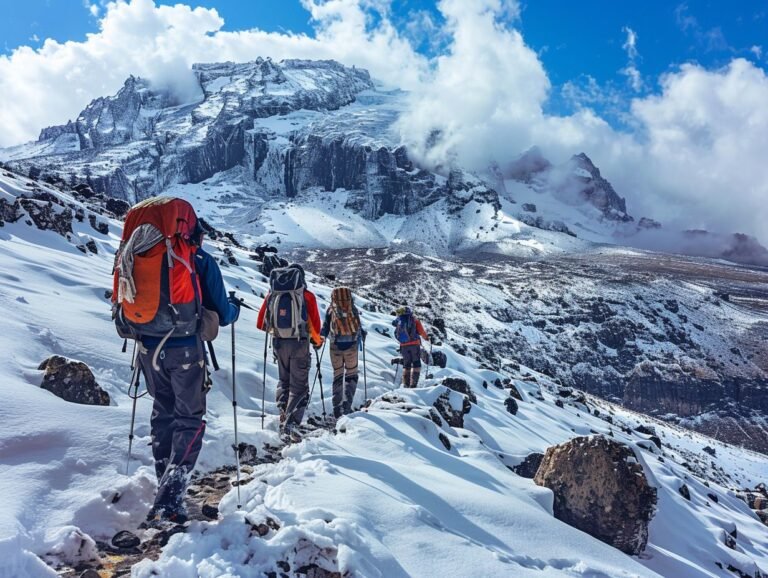
Kilimanjaro 22 May : Your Late-Rainy-Season Group Trek 2027
Planning a Kilimanjaro trek for May 22, 2027? This late-rainy-season group departure offers a different perspective on Africa's highest peak, often with fewer crowds and lush landscapes...
View package details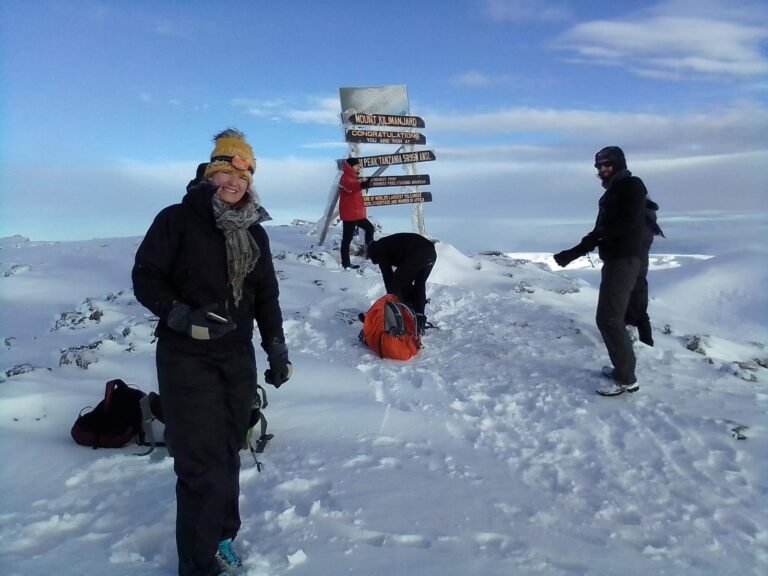
Climbing Kilimanjaro In May : Your Green Season Trekking Guide 2027
Discover the unique advantages and challenges of climbing Kilimanjaro in May 2027. This guide details everything you need to know for a successful trek during the shoulder season.
View package detailsKilimanjaro 3 April – Low-Season Group Departure 2027
Kilimanjaro 3 April 2027 – Low-Season Group Departure is explained with current 2027 planning, price, itinerary and booking information.
View package details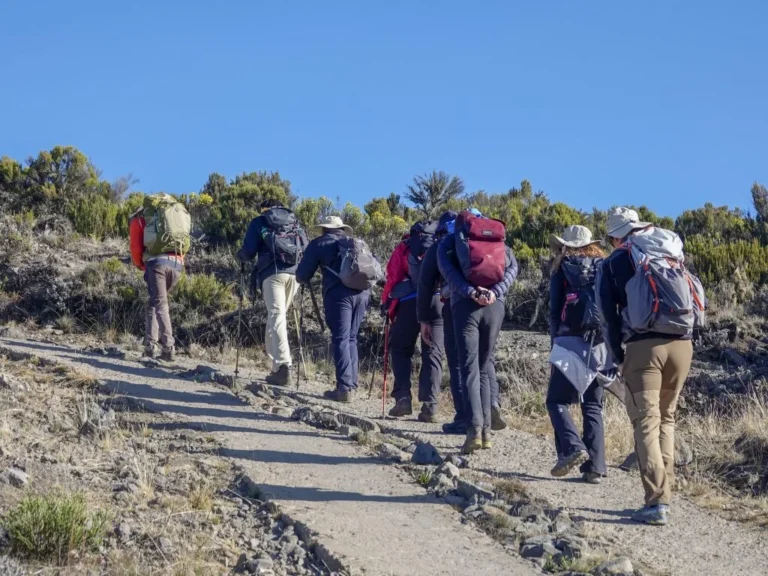
Late March Kilimanjaro – Rainy-Season Route Choices 2027
Late March Kilimanjaro 2027 – Rainy-Season Route Choices is explained with current 2027 planning, price, itinerary and booking information.
View package details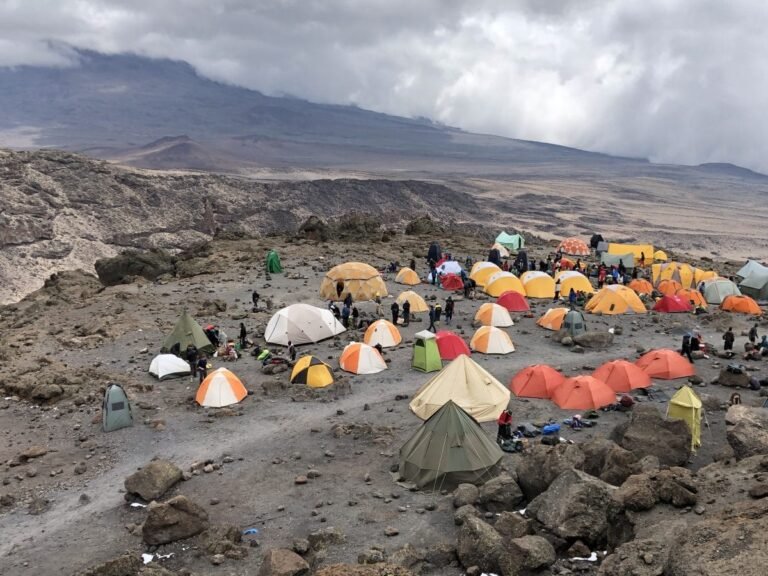
Kilimanjaro May Private Climb: Flexible Low-Season Dates For Your Adventure
start a private Kilimanjaro climb in May 2027. This guide details the advantages of low-season dates, route options, and essential planning for your unique adventure.
View package detailsKilimanjaro 29 May – Transition Into The June Dry Season 2027
Climbing Kilimanjaro on May 29, 2027, positions you perfectly at the cusp of the dry season. This guide details what to expect, optimal routes, and preparation for a successful summit.
View package details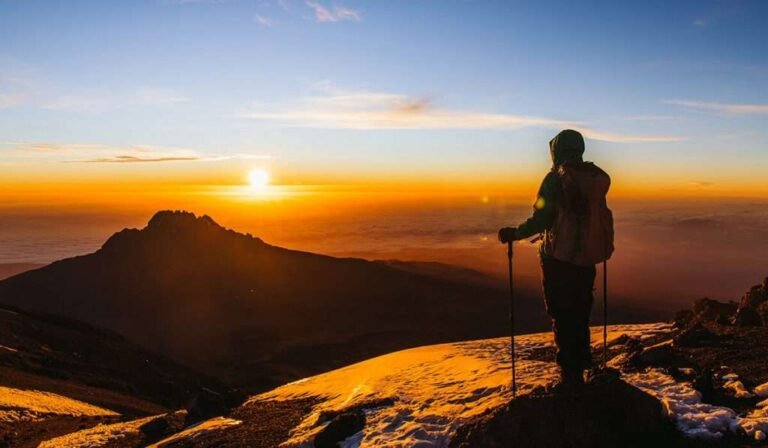
Kilimanjaro April Gear Guide: Essential Packing For Heavy Rain 2027
Climbing Kilimanjaro in April 2027 means preparing for potential heavy rains. This guide provides essential packing advice to ensure your comfort, safety, and success on the mountain...
View package details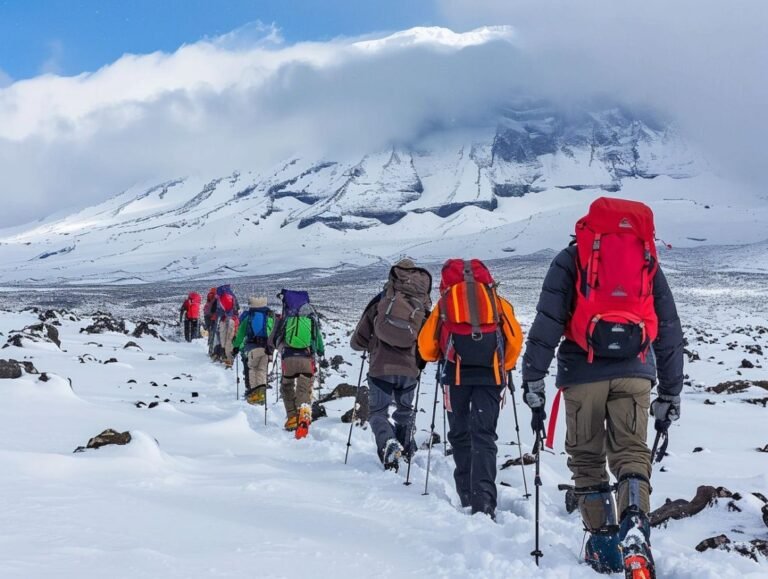
Private Kilimanjaro Climb April : Your Flexible Trekking Adventure 2027
start a personalized Kilimanjaro ascent in April 2027 with a private climb tailored for flexible travellers. Explore route options, understand the April weather, and learn how to book your...
View package details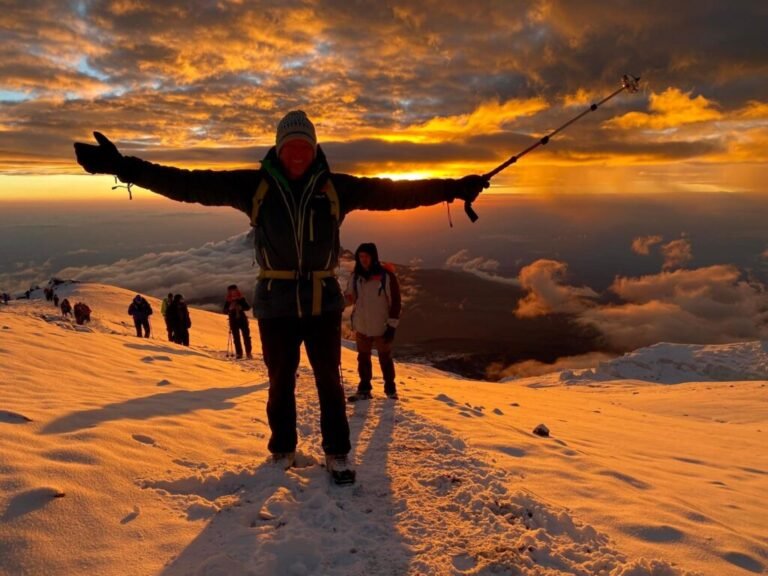
Kilimanjaro 24 April : Late Trek & Weather Expectations 2027
Discover what to anticipate for a Kilimanjaro climb on April 24, 2027. This guide covers late April weather patterns, suitable routes, and essential preparation for your ascent.
View package details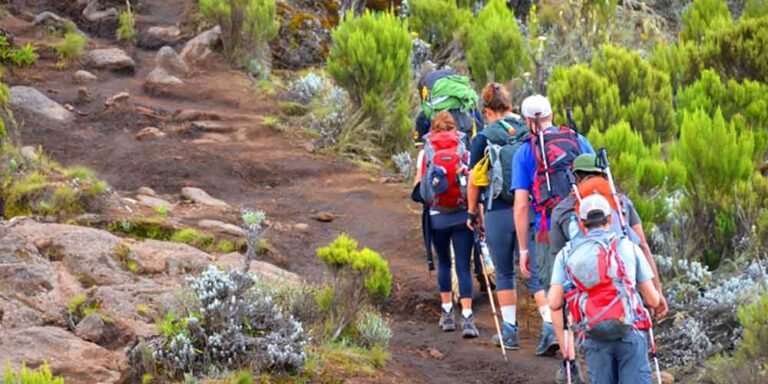
Kilimanjaro Full Moon Climb April – Summit Around 20-21 2027
start an unforgettable Kilimanjaro Full Moon Climb in April 2027, aiming for the summit on April 20-21. Discover the magic of reaching Uhuru Peak under the glow of the full moon, and learn...
View package detailsNo related package matches those filters. Clear one or more filters to see the other topic-matched options.



