
To summit Kilimanjaro on Christmas Day 2026, you’ll need to start your trek between December 19th and December 22nd, 2026, depending on the route chosen. Shorter routes like Marangu and Machame (7 days) require an earlier start around December 19th-20th to align with a Christmas Day summit, while longer routes like Lemosho (8 days) or Northern Circuit (9 days) offer a little more flexibility, allowing a start around December 21st-22nd. The key is to factor in the total number of days required for acclimatization and the actual summit night, which typically falls on the final full day of the trek.
Understanding the Christmas Day Summit Goal
Reaching the roof of Africa, Uhuru Peak, on Christmas Day is a truly unique and memorable way to celebrate the holiday season. For many, it’s the ultimate personal achievement, a blend of adventure and festive spirit. However, achieving this specific goal requires meticulous planning, particularly when it comes to selecting your start date. Unlike a typical trek where you might choose a date based on convenience or availability, aiming for a Christmas Day summit means working backward from December 25th, 2026. This involves understanding the different trekking routes, their durations, and how they align with the crucial acclimatization process necessary for a safe and successful ascent.
When you decide to aim for a Christmas Day summit, you’re essentially setting a fixed target. This target dictates when your expedition must begin. The mountain’s ecosystem and the physical demands of the climb don’t pause for holidays. Therefore, the start date is entirely dependent on the number of days your chosen route takes, with the summit night naturally falling on the final full day of trekking before descent. For instance, a 7-day trek requires you to start seven days prior to your desired summit day. If your desired summit day is Christmas, then you’d be looking at a December 18th start. However, most operators recommend specific start dates to ensure you don’t miss the Christmas Day summit, and this often accounts for a buffer or a slightly adjusted summit schedule. It’s not just about the number of days; it’s about the pacing, the acclimatization schedule, and ensuring your crew is ready to celebrate with you at the top.
Many travelers find it appealing to experience Christmas in Tanzania, away from the usual festive frenzy. The atmosphere on the mountain, while not overtly ‘Christmas-themed’ in a commercial sense, can be incredibly special. Porters and guides often bring a touch of festivity, and reaching the summit on this particular day adds an unparalleled layer of accomplishment. It’s a decision that blends personal challenge with a unique holiday experience, making the planning phase all the more important. This article will guide you through the critical factors, helping you choose the right start date for your 2026 Christmas Day summit of Kilimanjaro. It’s about making informed choices so your festive climb is a triumph, not a rushed endeavor.
Kilimanjaro Routes and Their Impact on Start Dates
The selection of a trekking route is the most significant factor influencing your start date for a Christmas Day summit. Each route has a different duration, ranging from 5 to 9 days, and each offers a unique experience in terms of scenery, difficulty, and acclimatization profile. To summit on December 25th, 2026, you must work backward from this date, considering the number of days each route typically takes, including the summit night. Shorter routes necessitate earlier departure dates from the park gate, while longer, more gradual routes provide a bit more flexibility.
It’s crucial to understand that these durations are generally considered the minimum. While some operators might advertise a 5-day climb, experienced guides and responsible tour operators strongly advocate for longer treks (7-9 days) to significantly improve acclimatization and success rates. For a Christmas Day summit, sacrificing acclimatization for a shorter trek is a risky decision. Therefore, we will focus on the more recommended durations for a safe and enjoyable climb.
### The Marangu Route: Coca-Cola Route
The Marangu route, often called the ‘Coca-Cola’ route, is the oldest and perhaps the most famous. It’s also the only route that offers dormitory-style accommodation in huts, rather than camping. It can be completed in 5 or 6 days. However, the 5-day option is notoriously difficult due to its rapid ascent, offering poor acclimatization. For a Christmas Day summit in 2026, if you were to choose the 5-day Marangu, you would need to start on December 20th. A 6-day Marangu trek, which is much more advisable for acclimatization, would require a start date of December 19th, 2026. This longer duration allows for an extra day of acclimatization, significantly boosting your chances of reaching Uhuru Peak safely. While Marangu is popular, its direct ascent means many trekkers struggle with altitude sickness compared to other routes.
### The Machame Route: “Whiskey” Route
The Machame route, known as the ‘Whiskey’ route, is a popular choice due to its scenic beauty and excellent acclimatization profile. It typically takes 6 or 7 days. A 6-day Machame trek would mean starting on December 19th, 2026, to summit on Christmas Day. A 7-day Machame trek, which is highly recommended for better acclimatization and higher success rates, would require you to start on December 18th, 2026. The 7-day Machame route allows for a more gradual ascent and includes a critical acclimatization day, making it a preferred option for many, especially those aiming for a special summit day like Christmas.
### The Lemosho Route: Scenic and Popular
The Lemosho route is renowned for its stunning scenery, starting in the lush rainforest and traversing diverse landscapes. It is generally a 7 or 8-day trek. For a Christmas Day 2026 summit, an 8-day Lemosho itinerary would necessitate a start date of December 17th, 2026. This longer duration is excellent for acclimatization, offering a very high success rate. If opting for a 7-day Lemosho, you would need to commence your trek on December 18th, 2026. The Lemosho route’s gradual ascent over more days is a significant advantage for altitude adaptation.
### The Shira Route: Similar to Lemosho
The Shira route is similar to Lemosho in its scenic beauty and acclimatization but starts at a higher altitude. It’s typically a 7 or 8-day trek. Similar to Lemosho, an 8-day Shira trek aiming for a Christmas Day summit would require a start date of December 17th, 2026. A 7-day Shira trek would mean starting on December 18th, 2026. While it offers great views, the higher starting point can be challenging for some trekkers from the outset.
### The Rongai Route: Eastern Approach
The Rongai route approaches Kilimanjaro from the north, near the Kenyan border. It’s known for being drier and offering a different perspective. It usually takes 6 or 7 days. For a Christmas Day summit in 2026, a 7-day Rongai trek would mean starting on December 18th, 2026. A 6-day Rongai trek would require an earlier start on December 19th, 2026. Rongai is a good option for those concerned about potential rain in December, though it’s still the rainy season.
### The Northern Circuit: Longest and Most Gradual
The Northern Circuit is the longest route, taking 9 days. This extended duration provides the best acclimatization and highest success rates. To summit on Christmas Day 2026 with a 9-day Northern Circuit trek, you would need to start on December 16th, 2026. This route circles the mountain, offering incredible views and a very gradual ascent, making it ideal for those prioritizing acclimatization and a comfortable pace, especially for a significant summit day.
### The Umbwe Route: Steepest and Most Direct
The Umbwe route is the shortest and steepest, offering the most direct path to the summit. It is typically a 5 or 6-day trek. Due to its rapid ascent, it is not recommended for most trekkers, particularly those not well-acclimatized or experienced at altitude. If you were to attempt a 5-day Umbwe for a Christmas Day summit, you would start on December 20th, 2026. A 6-day Umbwe would mean starting on December 19th, 2026. Given the challenges, aiming for a Christmas Day summit on Umbwe is only advisable for highly experienced high-altitude climbers.
Calculating Your Start Date: The Summit Night Equation
The core of planning your Christmas Day summit is understanding the ‘summit night equation.’ This isn’t just about the total number of days a route takes; it’s about the specific day your team aims for the summit push. On Kilimanjaro, the summit attempt typically begins late on Christmas Eve (December 24th, 2026) and continues through the night, aiming to reach Uhuru Peak around sunrise on Christmas morning, December 25th. This means your *last full day of trekking before summit night* is Christmas Eve.
Therefore, if your summit night is Christmas Eve/Day, your last full day of trekking *before* that is Christmas Eve. The day *before* that is the day you would typically reach the final camp (e.g., Kibo Hut or Barafu Camp). Working backward, you need to determine how many days it takes to reach that final camp from the park gate.
Let’s take the popular 7-day Machame route as an example. The typical itinerary might look something like this:
* Day 1: Machame Gate to Machame Camp
* Day 2: Machame Camp to Shira Camp
* Day 3: Shira Camp to Barranco Camp
* Day 4: Barranco Camp to Karanga Camp
* Day 5: Karanga Camp to Barafu Camp (Final Camp)
* Day 6: Summit Night (Barafu Camp to Uhuru Peak, descend to Mweka Camp)
* Day 7: Mweka Camp to Mweka Gate
If your summit night is Christmas Eve/Day (meaning you’re pushing for the summit on Dec 24th-25th), then Day 5 (reaching Barafu Camp) needs to be December 24th. This means Day 1 (starting at Machame Gate) would need to be December 18th, 2026. So, for a 7-day Machame route, you need to start on December 18th, 2026 to summit on Christmas Day.
Consider an 8-day Lemosho route. The extra day is usually added for acclimatization earlier in the trek. If Day 8 is summit day (December 25th), then Day 1 is December 17th, 2026. The schedule would look like:
* Day 1: Londorossi Gate to Mti Mkubwa Camp
* Day 2: Mti Mkubwa to Shira 1 Camp
* Day 3: Shira 1 to Shira 2 Camp
* Day 4: Shira 2 to Barranco Camp
* Day 5: Barranco Camp to Karanga Camp
* Day 6: Karanga Camp to Barafu Camp
* Day 7: Summit Night (Barafu to Uhuru Peak, descend to Kikelelwa Cave)
* Day 8: Kikelelwa Cave to Mweka Gate
This is a simplified example, and actual itineraries can vary slightly. The crucial takeaway is that the summit push begins on the night *before* your target summit day. For a Christmas Day summit, this means starting your ascent from Barafu Camp (or similar final camp) on the night of December 24th.
So, the general rule of thumb for a Christmas Day summit on December 25th, 2026, is to subtract the number of days the route takes from December 25th. For example:
* 6-day route (e.g., 6-day Machame): Start December 19th, 2026
* 7-day route (e.g., 7-day Machame, 7-day Lemosho): Start December 18th, 2026
* 8-day route (e.g., 8-day Lemosho): Start December 17th, 2026
* 9-day route (e.g., 9-day Northern Circuit): Start December 16th, 2026
It is always best to confirm the exact start date with your tour operator, as they will have optimized itineraries that account for park gate logistics, camp availability, and optimal acclimatization schedules. For instance, many operators will recommend specific departure dates from Moshi or Arusha that align with these summit goals.
Weather Considerations for a December Kilimanjaro Climb
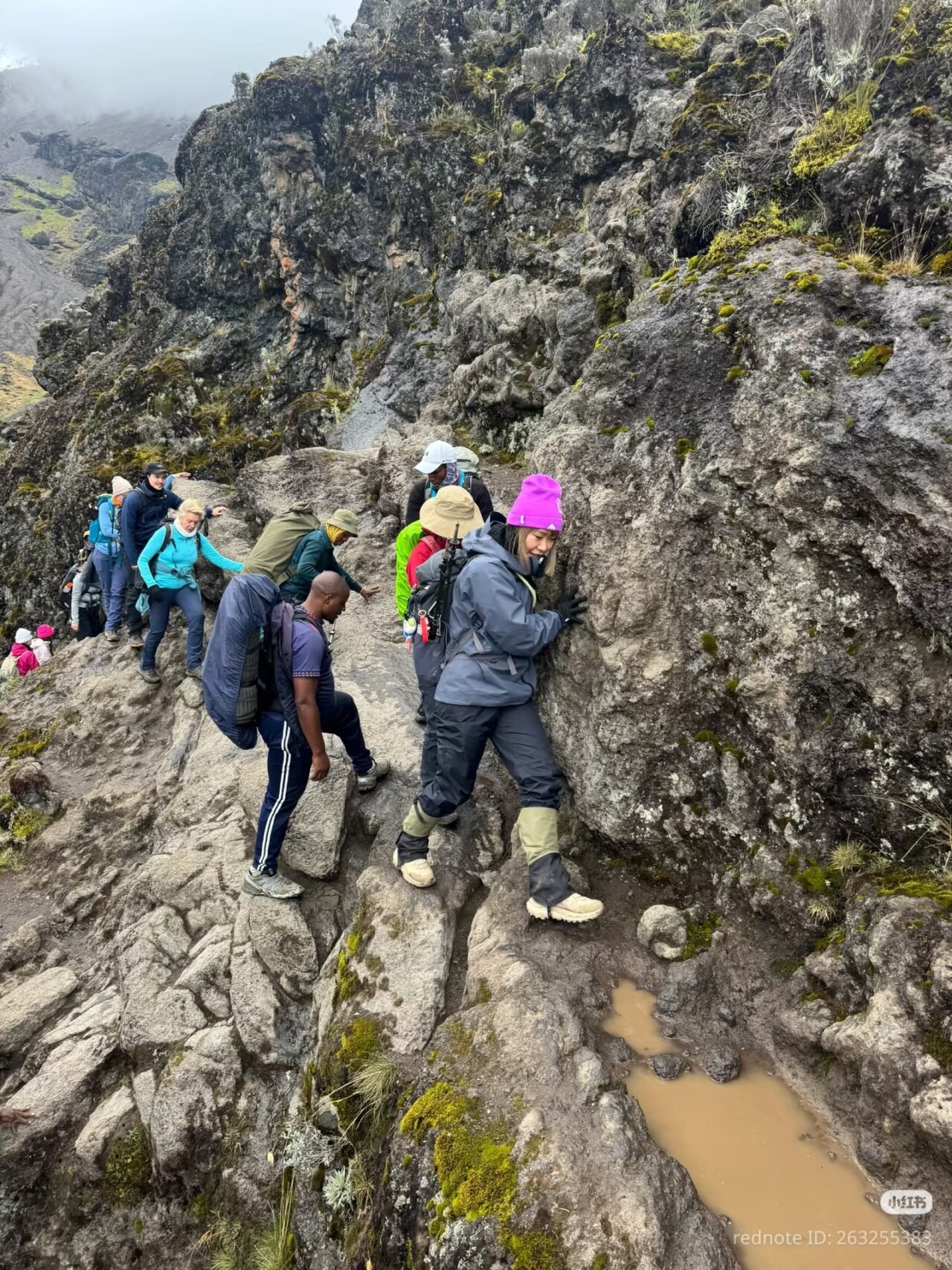
December falls within Kilimanjaro’s short rainy season. While this might sound concerning, it’s important to understand what this means in practice. Kilimanjaro’s weather is highly variable and changes drastically with altitude. You can experience sun, rain, fog, and even snow on the same day. The short rainy season typically brings afternoon showers, especially at lower elevations, rather than continuous downpours.
As you ascend, the precipitation often turns into snow and ice, particularly on the summit night. The higher you go, the colder it gets. Temperatures at the summit can range from -7°C to -20°C (20°F to -4°F), with wind chill making it feel even colder. December can be quite cold, especially during the summit push, and there’s a higher chance of clouds and reduced visibility compared to the dry seasons (January-February and June-October).
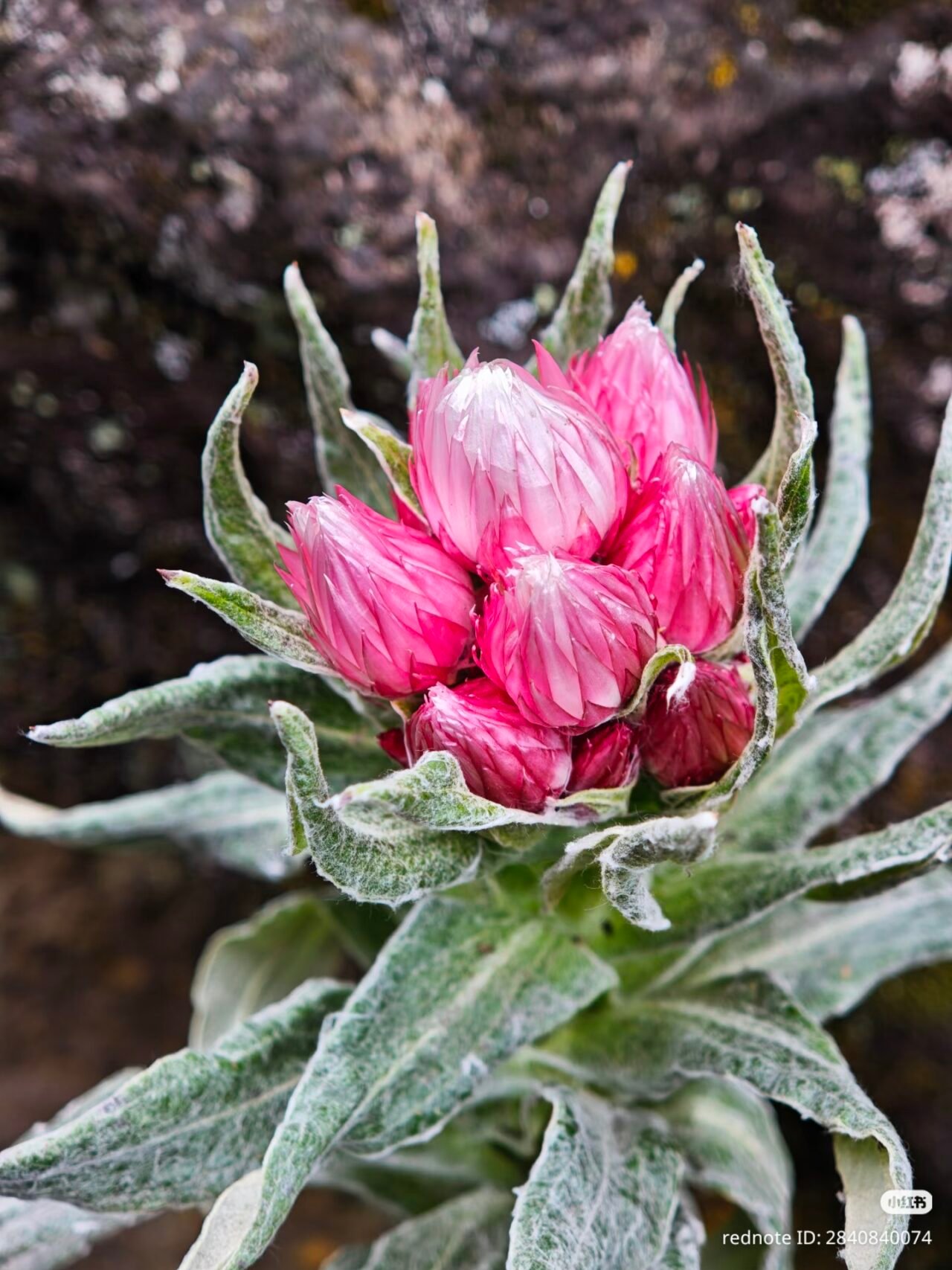
However, December also offers some advantages. The crowds are generally smaller than during the peak dry seasons, especially in early December. As Christmas approaches, numbers will increase. The vegetation is often greener due to recent rains, offering beautiful scenery on the lower slopes. For a Christmas Day summit, you must be prepared for cold temperatures and potentially challenging weather conditions on summit night. This means packing appropriate gear is paramount.
Key gear considerations for a December climb include:
* Warm Layers: Multiple thermal base layers, fleece mid-layers, and a heavy-duty, waterproof and windproof outer shell (parka).
* Insulated Trousers: Waterproof and windproof, ideally with side zips for easy on/off over boots.
* Warm Hat and Gloves: A fleece or wool hat that covers your ears, and multiple pairs of gloves/mittens (liner gloves, warm fleece gloves, and waterproof outer mittens).
* Balaclava or Neck Gaiter: To protect your face and neck from wind and cold.
* Good Quality Sleeping Bag: Rated to at least -15°C (0°F) or -20°C (-4°F).
* Warm Socks: Several pairs of wool or thermal hiking socks.
* Waterproof Boots: Broken-in, sturdy, waterproof hiking boots.
While the weather can be a factor, the majority of treks during December are successful. Proper preparation, including choosing a longer route for better acclimatization and packing the right gear, significantly mitigates the risks associated with the rainy season. Many operators, like Climb 4 Africa, provide detailed packing lists tailored to the season and altitude. It’s also worth noting that while visibility might be reduced on summit night, the experience of standing on Uhuru Peak, even under cloudy skies, is profound. For those who are flexible, the period just after Christmas and leading into January often offers a good balance of fewer crowds and improving weather.
Booking Your Christmas Kilimanjaro Trek for 2026
Booking a Kilimanjaro trek, especially one timed for a specific holiday like Christmas Day 2026, requires advance planning. Given the popularity of climbing during the festive season and the limited number of permits and park entry slots, it’s advisable to book well in advance. Many trekkers start planning and booking their trips 6 to 12 months ahead, particularly for peak seasons or special dates.
When to Book:
* 12+ Months in Advance: Ideal for securing your preferred dates, routes, and potentially a private group, especially for a Christmas climb. This also gives you ample time to prepare physically and mentally.
* 6-9 Months in Advance: Still a good window, especially if you are flexible on your exact start date within the Christmas week. You’ll likely find availability on group treks.
* 3-6 Months in Advance: Possible, but availability for Christmas treks may be limited. You might have fewer route options or need to join a larger group.
Choosing Your Operator:
Selecting a reputable tour operator is crucial for a safe and successful climb. Look for companies with experienced guides, a strong safety record, ethical treatment of porters, and good communication. For a Christmas climb, it’s important to confirm that they operate during the holiday period and what their specific Christmas Day summit itineraries look like. Companies like Climb 4 Africa specialize in Kilimanjaro expeditions and can provide expert advice on the best routes and start dates to ensure you reach the summit on December 25th, 2026.
When contacting operators, be clear about your goal: a Christmas Day summit. Ask about:
* Their recommended start dates for a Christmas Day summit.
* The specific route and duration they suggest for this goal.
* Inclusions and exclusions in their package (e.g., park fees, meals, porterage, emergency support, transfers).
* Their safety protocols and guide qualifications.
* What happens if weather or altitude sickness prevents reaching the summit on Christmas Day.
What to Expect in Your Booking:
Once you’ve chosen an operator and a trek plan, you’ll typically need to pay a deposit to secure your booking. The remaining balance is usually due closer to your departure date. Your tour operator will then provide detailed pre-departure information, including packing lists, training recommendations, and logistical arrangements for your arrival in Tanzania. For a Christmas climb, ensure your booking confirmation clearly states the target summit date and the corresponding start date.
Beyond the Summit: Post-Christmas Adventures
Reaching Uhuru Peak on Christmas Day is an incredible achievement, but your Tanzanian adventure doesn’t have to end there. Many travelers choose to combine their Kilimanjaro climb with other experiences in this remarkable country. A post-Christmas trek offers the perfect opportunity to relax, recover, and explore more of what Tanzania has to offer.
Wildlife Safaris:
Tanzania is world-renowned for its wildlife. A safari is a natural complement to a Kilimanjaro climb. Popular national parks include the Serengeti, known for the Great Migration, Tarangire with its large elephant herds, and the Ngorongoro Conservation Area, a UNESCO World Heritage Site with a high concentration of wildlife within its caldera. Many tour operators, including Climb 4 Africa, offer tailor-made safari packages that can be combined with your climb. You could start a 3-5 day safari starting a few days after your descent, allowing you to witness the incredible biodiversity of the African savanna. This is a fantastic way to decompress and experience a different kind of adventure after the physical demands of the mountain.
Zanzibar Holidays:
For a complete change of pace, consider a trip to the exotic island of Zanzibar. Famous for its spice plantations, historic Stone Town, and pristine white-sand beaches, Zanzibar offers a tropical paradise. It’s the perfect place to relax, swim, snorkel, dive, or simply soak up the sun. A few days or a week on the island after your climb can be incredibly restorative. The contrast between the cold, high-altitude environment of Kilimanjaro and the warm, tropical shores of Zanzibar is striking and provides a well-rounded Tanzanian experience. It’s a chance to enjoy delicious Swahili cuisine and experience the island’s rich culture.
Cultural Experiences and Day Trips:
If time is limited, or you prefer shorter excursions, there are many cultural experiences and day trips available. You could visit local villages, learn about Maasai culture, explore the bustling town of Arusha, or take a day trip to waterfalls or hot springs. These shorter excursions offer a glimpse into the local life and landscape surrounding Kilimanjaro. For those with just a day or two to spare, a visit to the nearby Materuni waterfalls and coffee plantation can be a refreshing post-climb activity.
When planning your post-climb activities, consider your energy levels. After summiting Kilimanjaro, you’ll likely be tired but exhilarated. A few days of rest might be beneficial before embarking on a safari or heading to Zanzibar. Your tour operator can help arrange smooth transfers and accommodations, ensuring a stress-free transition from mountain to relaxation or further adventure. Combining a Christmas Day summit with a safari or Zanzibar holiday creates a truly unforgettable Tanzanian journey.
Frequently Asked Questions About Christmas Climbs
What is the best route for a Christmas Day summit in 2026?
The best route depends on your priorities. For the highest success rates and best acclimatization, longer routes like the 8-day Lemosho or the 9-day Northern Circuit are highly recommended. If you prefer a shorter trek but still want good acclimatization, the 7-day Machame route is an excellent choice. Avoid 5-day routes for any special summit day like Christmas, as they compromise acclimatization.
Will there be special Christmas celebrations on the mountain?
While Kilimanjaro is a national park and not a resort, your trekking crew (guides and porters) often brings a festive spirit. They may sing songs, share special food items, or acknowledge the holiday. Reaching the summit on Christmas Day is the main celebration for most trekkers. Some operators might arrange a small festive meal or a special cake at the last camp before the summit push. It’s a unique way to spend Christmas, focused on achievement and camaraderie.
Is December a good month to climb Kilimanjaro?
December is part of the short rainy season. This means you can expect some rain, especially at lower altitudes, and potentially cloudier conditions. However, it’s not typically continuous rain, and the higher you go, the more likely you are to encounter snow and ice. December can also be cold, especially on summit night. Despite the possibility of rain, many trekkers successfully climb in December, and it offers fewer crowds than peak dry seasons, especially in early December. The key is to be well-prepared with appropriate gear and choose a route that aids acclimatization.
How far in advance should I book a Christmas Kilimanjaro climb for 2026?
It is highly recommended to book your Christmas Kilimanjaro climb for 2026 at least 6 to 12 months in advance. This is because Christmas is a popular trekking period, and availability for specific dates, routes, and group sizes can fill up quickly. Booking early ensures you get your preferred dates and allows ample time for physical preparation and logistical arrangements.
What if I don’t reach the summit on Christmas Day?
Safety is the top priority. If weather conditions, altitude sickness, or other health issues prevent you from reaching the summit on Christmas Day, your guides will make the decision in your best interest. Your trek will continue to the next descent point. Most reputable operators do not offer refunds for not reaching the summit, as the service provided includes the entire expedition, guides, porters, and logistical support, regardless of the summit outcome. However, the goal is always to get you as high as safely possible. Some operators may offer alternative summit attempts if time and conditions allow on a different day, but this is not guaranteed for a fixed Christmas Day summit goal.
Planning a Christmas Day summit of Kilimanjaro in 2026 is an ambitious and rewarding goal. By carefully considering the route duration, calculating your start date backward from December 25th, and preparing for potential December weather, you can significantly increase your chances of success. Remember to book with a reputable operator like Climb 4 Africa, who can provide expert guidance and ensure your holiday climb is both safe and unforgettable. Don’t hesitate to reach out to us for personalized advice on crafting your perfect Christmas Kilimanjaro adventure. You can contact us via WhatsApp at +255 747 477 898 or email us at climb4africa@gmail.com to discuss your plans and get a tailored quote for your 2026 Christmas climb.
Check Availability for Christmas Day Summit Kilimanjaro – Which Date Should You Start? 2026-2027
Ready to compare dates, prices, and the best option for your group? Send the package name and travel month so the team can reply with a clear quote, availability, and what is included.
Kilimanjaro Christmas Week : Best Start Dates By Route 2026-2027
Planning a Kilimanjaro trek during the Christmas week of 2026 requires careful consideration of routes and start dates to maximize your chances of success and enjoyment. This guide helps...
View package details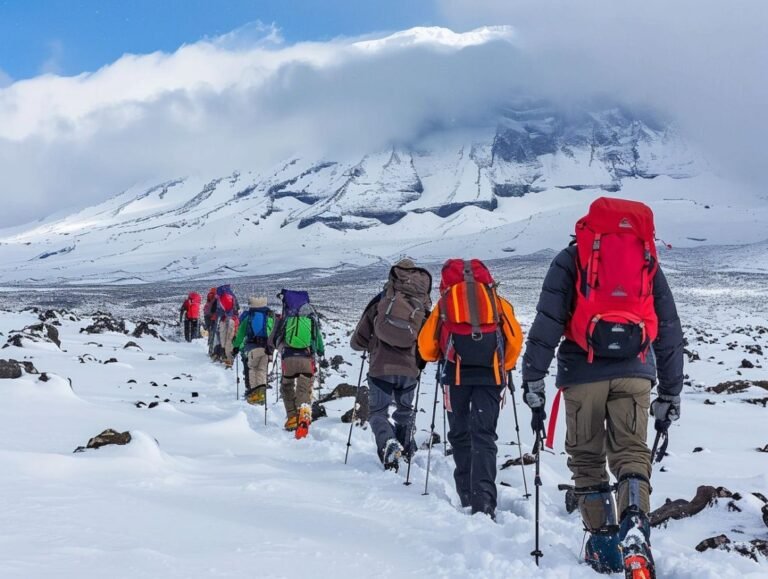
New Years Day Kilimanjaro Summit – Christmas Holiday Climb 2026-2027
start a life-changing journey with a New Year's Day Kilimanjaro Summit in 2027. Combining a Christmas holiday climb with a January 1st summit offers a unique and rewarding way to start the...
View package details
Last Minute Kilimanjaro Christmas And New Year Climbs : Secure Your Summit
Dreaming of ringing in the New Year from Africa's rooftop or celebrating Christmas atop Kilimanjaro? Last-minute opportunities for 2026 climbs are still available, blending festive cheer...
View package details
Kilimanjaro New Year Summit – December Departure Dates 2026-2027
Kilimanjaro New Year Summit 2027 – December 2026 Departure Dates is explained with current 2026-2027 planning, price, itinerary and booking information.
View package details
Kilimanjaro Full Moon Christmas Climb : Summit Around December 24Th 2026-2027
Experience the magic of a Kilimanjaro summit under the moonlight during Christmas week. This guide details planning for a December 24th summit, including route options and essential...
View package details
Family Kilimanjaro Climb August : Your Summer Holiday Adventure 2027
start an unforgettable Family Kilimanjaro Climb during August 2027. This guide covers the best routes, essential planning, and tips for a successful summer holiday ascent.
View package detailsKilimanjaro Full Moon Climb August – Summit Around 17 2027
start an unforgettable Kilimanjaro Full Moon Climb in August 2027, targeting a impressive summit on or around August 17th. This guide covers optimal routes, August conditions, and essential...
View package detailsKilimanjaro Climb August : Peak Season Dates And Availability Guide 2027
August marks the heart of Kilimanjaro's dry season, offering excellent climbing conditions. This guide details peak season dates, availability, and what to expect for a successful...
View package detailsFamily Kilimanjaro Climb July : Summer School Holiday Dates 2027
Planning a family adventure to the roof of Africa? Climbing Kilimanjaro during the July 2027 school holidays offers a unique opportunity for families to bond and achieve a shared goal. This...
View package details
Kilimanjaro Full Moon Climb July – Summit Around 18 2027
start an unforgettable Kilimanjaro full moon climb in July 2027, targeting a summit on or around July 18th. This guide details the unique advantages of a full moon ascent, optimal routes...
View package details
Kilimanjaro Full Moon Climb June : Summiting Under The Moonlight On 19Th 2027
start an unforgettable Kilimanjaro Full Moon Climb in June 2027, with the peak aiming for the night of June 19th. This guide explores the magic of summiting under the full moon, optimal...
View package details
Kilimanjaro Climb June : Experiencing The Start Of Dry Season 2027
Embarking on a Kilimanjaro climb in June 2027 marks the beginning of the prime dry season, offering a fantastic window for trekkers. This period provides clearer skies, stable weather, and...
View package detailsNo related package matches those filters. Clear one or more filters to see the other topic-matched options.



