
Achieving the Kilimanjaro New Year Summit in 2027 typically means departing in December 2026. Several group departure dates in late December 2026 are available across popular routes like Lemosho, Northern Circuit, and Rongai, offering a chance to celebrate New Year’s Eve at Uhuru Peak. Choosing a longer route like Lemosho or Northern Circuit, which often start around December 26th, 2026, provides better acclimatization for a successful summit on January 1st, 2027.
December 2026 Departures for New Year 2027
Planning a Kilimanjaro New Year Summit for 2027 requires looking at departure dates in the preceding month, December 2026. This period is exceptionally popular because it allows trekkers to be at or near the summit on New Year’s Eve, ringing in the new year from the Roof of Africa. Tour operators typically schedule their New Year expeditions to align with this goal, with most departures concentrated in the last two weeks of December.
For instance, several operators offer group climbs starting around December 26th, 2026. These dates are strategic, aiming for a summit push on December 31st or January 1st. A common scenario involves arriving at the summit crater, Stella Point, or Uhuru Peak itself on the night of December 31st or the early morning of January 1st. This timing requires careful route selection and pacing.
You’ll find specific group departures listed for late December. For example, a 9 Days Northern Circuit Route – 26 December 2026 Departure is designed to offer a more gradual ascent and better acclimatization, making it a strong contender for a successful New Year’s summit. Similarly, an 8 Days Lemosho Route – 26 December New Year Kilimanjaro Climb 2026-2027 is another popular option, known for its scenic beauty and high success rates due to its acclimatization profile.
Other routes might have slightly earlier departures to accommodate their duration. A 7 Days Rongai Route – 28 December 2026 Departure or a 5 Days Marangu Route – 30 December 2026 Departure are also possibilities, though shorter routes generally present a greater acclimatization challenge, especially when aiming for a New Year’s summit. The Marangu route, being the oldest and most established, often has fixed dates for holidays.
It’s crucial to understand that “New Year Summit 2027” refers to the year you reach the summit, not necessarily the year you book the trip. The actual climb takes place across the year-end, with the critical summit night falling on December 31st, 2026, or January 1st, 2027. Booking well in advance is essential for these peak season dates.
Choosing Your Route for a New Year Summit
Selecting the right route is paramount for any Kilimanjaro climb, but it becomes even more critical when targeting a New Year’s summit. The goal is not just to reach the top, but to do so safely and with a reasonable chance of success, especially under the challenging conditions of a holiday climb. Longer routes generally offer better acclimatization, which is key to avoiding altitude sickness and maximizing your chances.
The Northern Circuit Route, typically 9 days, is often recommended for New Year expeditions. Its longer duration allows for a slower ascent and a full circuit of the mountain, exposing trekkers to varying altitudes gradually. A departure like the 9 Days Northern Circuit Route – 26 December 2026 Departure is strategically timed to allow ample acclimatization before the final push.
The Lemosho Route, usually 7 or 8 days, is another excellent choice. It’s known for its scenic beauty and higher success rates, partly due to its excellent acclimatization profile. An 8 Day Lemosho Route – 26 December New Year Kilimanjaro Climb 2026-2027 or a 7 Days Lemosho Route – 28 December Departure (though this might be cutting it close for a Jan 1st summit) are good examples. The Lemosho route joins the Machame route for the final ascent, offering a well-trodden path.
The Rongai Route, usually 6 or 7 days, approaches from the north, offering a different perspective and often experiencing drier weather. A 7 Days Rongai Route – 28 December 2026 Departure or a Rongai Route 30 December – Your New Year Kilimanjaro Expedition 2026-2027 are options. While generally less crowded than Machame or Lemosho, its shorter duration requires careful monitoring of acclimatization.
The Marangu Route, a 5 or 6-day option, is the only route with dormitory-style accommodation. It’s also the shortest and steepest. A 5 Days Marangu Route – 30 December 2026 Departure or Marangu Route 28 December : Your New Year Kilimanjaro Group Trek 2026-2027 are typical New Year offerings. However, due to its rapid ascent, it has a lower success rate, especially for those not well-acclimatized. For a New Year’s summit, a 6-day Marangu option would be preferable to a 5-day one.
For a New Year’s summit, routes that offer at least 7 days are generally preferred. Consider the Machame Route, a popular 6 or 7-day trek, which shares a path with Lemosho. A 6 Days Machame Route – 09 December 2026 Departure or 7 Days Machame Route – 11 December 2026 Departure are earlier in December, but the principle of choosing a longer option applies. The trade-off with longer routes is cost and time commitment, but the benefits in terms of acclimatization and success rates are significant.
When comparing routes, think about your prior trekking experience, fitness level, and tolerance for altitude. A longer route starting in mid-to-late December will give you the best chance to be prepared for the summit night on December 31st or January 1st.
Understanding New Year Kilimanjaro Logistics
Logistics for a Kilimanjaro New Year Summit 2027 climb are intensified by the holiday season. Tour operators need to manage staffing, park permits, and supplies during a time when many services might be operating on reduced capacity or at premium rates. This is why booking with a reputable operator well in advance is crucial.
Permits: Kilimanjaro National Park requires permits for all trekkers. While availability is generally good, operators need to secure these permits in advance. For peak seasons like Christmas and New Year, it’s wise to confirm that your chosen operator has factored this into their planning.
Staffing: Hiring experienced guides, porters, and cooks is essential. During the holidays, these dedicated individuals may have personal commitments, so operators must plan their rosters carefully. A well-staffed team is crucial for safety and comfort.
Transportation: Transfers to and from Kilimanjaro International Airport (JRO) and your hotel in Moshi or Arusha are standard inclusions. Ensure your operator provides reliable transport, especially if you arrive on Christmas Day or New Year’s Day.
Accommodation: Pre- and post-climb accommodation in hotels is typically booked separately or included in packages. For New Year’s, securing these rooms can be competitive. Many operators include a night or two in Moshi before and after the climb.
Food and Supplies: Your expedition team will carry all necessary food, cooking equipment, and camping gear. The quality of food and the efficiency of the camp setup are direct reflections of the operator’s logistical capabilities. For a holiday climb, ensuring adequate supplies are provisioned is vital.
Park Fees and Operator Costs: The park fees are a significant component of the overall cost. Operators absorb these fees into their package prices. During peak times, there might be surcharges from the park authority or increased operational costs for the tour company, which can be reflected in the overall package price. Understanding what’s included in your quote is key.
Weather Considerations: December and January are part of the short rainy season. While this doesn’t mean constant downpours, expect some rain, particularly at lower altitudes. Higher up, conditions will be cold, windy, and potentially snowy at the summit. Your operator should provide advice on appropriate gear for these conditions.
Group Dynamics: Traveling with a group for a New Year’s climb can be a fantastic experience, fostering camaraderie. However, it also means coordinating with others. Operators usually manage group paces, but individual needs still arise. The operator’s ability to manage diverse group needs under holiday pressure is a mark of their professionalism.
Emergency Preparedness: This is non-negotiable. Ensure your operator has robust emergency protocols, including communication systems, evacuation plans, and access to medical support. For holiday climbs, confirming these procedures are still active and staffed is important.
What to Expect on New Year’s Eve on Kilimanjaro
Reaching the summit of Kilimanjaro on New Year’s Eve is an unparalleled experience, but it’s vital to manage expectations. The reality of a summit attempt, especially on a significant date, involves a strenuous physical and mental challenge.
The Summit Night: Most summit pushes begin around midnight on December 31st or January 1st, depending on the operator’s schedule and the chosen route. You will be trekking in darkness, guided by headlamps, in extremely cold temperatures (often well below freezing), and at high altitudes where the air is thin. The climb from Barafu Camp (on the Machame/Lemosho routes) or Kibo Hut (on Marangu/Mweka) to Stella Point and then to Uhuru Peak is steep and demanding.
Celebrating at the Summit: If your timing is precise, you might witness the first sunrise of the New Year from Uhuru Peak (5,895m / 19,341ft). This is an emotional and impressive moment. Guides will often lead a brief, joyous celebration. Some groups might carry a small flag or banner to mark the occasion. However, celebrations are subdued due to the extreme conditions; the primary focus is on safety and descent.
Crowds: New Year’s Eve is one of the busiest times on Kilimanjaro. You will likely encounter many other groups on the trail and at the summit. While this can add to the festive atmosphere, it also means the paths can be crowded, particularly near Stella Point, the junction before Uhuru Peak. Patience and awareness of other climbers are essential.
Weather Extremes: Expect challenging conditions. It will be cold, windy, and potentially snowy or icy on the summit. The thin air at this altitude means every step is an effort. Acclimatization is your best defense against altitude sickness, which can spoil the experience or force an early descent.
Descent: The descent from the summit is often as challenging as the ascent, if not more so, due to fatigue and the steep, scree-covered slopes. Most trekkers descend to Barafu Camp or Mweka Camp on New Year’s Day. While you’ll have summited on New Year’s Eve or Day, the celebration is often a quiet, well-deserved rest back at camp, rather than a party.
Sense of Accomplishment: The overwhelming feeling will be one of immense accomplishment. You’ve pushed your physical and mental limits and achieved a monumental goal while celebrating a major holiday. This feeling of achievement is the greatest New Year’s gift.
Photography: While conditions might be harsh, try to capture some memories. However, protect your camera from the cold and moisture. The sunrise over the clouds, the vastness of the crater, and the iconic signpost at Uhuru Peak are iconic sights.
Preparing for Your Kilimanjaro New Year Expedition
A successful Kilimanjaro New Year Summit 2027 climb hinges on thorough preparation. The holiday timing adds a layer of complexity, requiring you to plan even further in advance than for a standard trek.
Physical Fitness: This is non-negotiable. Kilimanjaro is a strenuous trek. Start a dedicated training program at least 3-6 months before your departure. Focus on cardiovascular endurance (hiking, running, cycling) and strength training, particularly for your legs and core. Practice hiking with a weighted backpack on steep terrain if possible. The better your fitness, the more comfortable you will be with the demands of the climb and the higher altitudes.
Acclimatization Strategy: Choose a route that offers a minimum of 7 days, ideally 8 or 9, for your New Year climb. Routes like the Northern Circuit or Lemosho are excellent for this. Understand the concept of “pole pole” (slowly, slowly) and listen to your guides. They will monitor your health and advise on pacing. Avoid rapid ascents, and consider spending an extra day at higher camps if recommended.
Gear and Equipment: This is critical for comfort and safety, especially during the cold New Year period. Layering is key. You’ll need high-quality thermal base layers, mid-layers (fleece or down), and a waterproof/windproof outer shell. Essential items include a warm sleeping bag (rated to -20°C / -4°F), a good pair of waterproof hiking boots, warm gloves, a hat, sunglasses, and a headlamp with spare batteries. A detailed packing list will be provided by your tour operator.
Altitude Sickness (AMS): Educate yourself on the symptoms of Acute Mountain Sickness (AMS), High Altitude Cerebral Edema (HACE), and High Altitude Pulmonary Edema (HAPE). These can range from headaches and nausea to more severe neurological and respiratory issues. Inform your guide immediately if you feel unwell. Diamox (acetazolamide) can be prescribed by your doctor to aid acclimatization, but it is not a substitute for proper ascent profiles.
Mental Preparation: Climbing Kilimanjaro is as much a mental challenge as a physical one. There will be moments of doubt, fatigue, and discomfort. Focus on small goals, stay positive, and draw strength from your trekking companions and guides. Visualize success and prepare for the demanding summit night.
Travel Insurance: Ensure your travel insurance covers high-altitude trekking and emergency evacuation. This is a non-negotiable safety measure.
Pre-Climb Logistics: Arrive in Tanzania at least two days before your scheduled departure date. This allows time to rest, acclimatize to the local climate, meet your trekking team, and make any last-minute gear adjustments. It also provides a buffer for potential flight delays.
Booking Early: As mentioned, New Year departures are highly sought after. Book your trek at least 6-12 months in advance to secure your preferred route and departure date. This also gives you ample time for training and preparation.
Booking Your Kilimanjaro New Year Climb
Securing your spot for a Kilimanjaro New Year Summit 2027 climb, with departures in December 2026, requires prompt action. Given the popularity of this period, operators fill their group departures quickly. When you choose Climb 4 Africa, you are partnering with a team that has intimate knowledge of Kilimanjaro and Tanzania, offering practical local support.
When you are ready to book or want to discuss your options, contacting Climb 4 Africa is the next logical step. They specialize in making these significant climbs a reality, with a focus on safety, success, and a memorable experience. They can guide you through the available December 2026 departure dates for the 2027 summit, helping you select the route that best suits your fitness and goals.
To initiate the booking process, reach out to them via WhatsApp at +255 747 477 898 or send an email to climb4africa@gmail.com. When you contact them, be prepared to share your preferred trekking dates (around late December 2026), the desired route length (e.g., 7, 8, or 9 days for better acclimatization), and any specific questions you have about the climb. They can provide detailed itineraries, what is included in their packages, and guidance on necessary gear.
Choosing Climb 4 Africa means you benefit from their local expertise, ensuring all logistical aspects are handled efficiently, from park permits to experienced guides. They can help you navigate the complexities of planning a holiday trek, ensuring you are well-prepared for your New Year’s adventure on Kilimanjaro. Their commitment is to provide a well-supported and unforgettable ascent to Uhuru Peak, marking the start of your year in the most extraordinary way possible.
”
}
“`
Check Availability for Kilimanjaro New Year Summit – December Departure Dates 2026-2027
Ready to compare dates, prices, and the best option for your group? Send the package name and travel month so the team can reply with a clear quote, availability, and what is included.
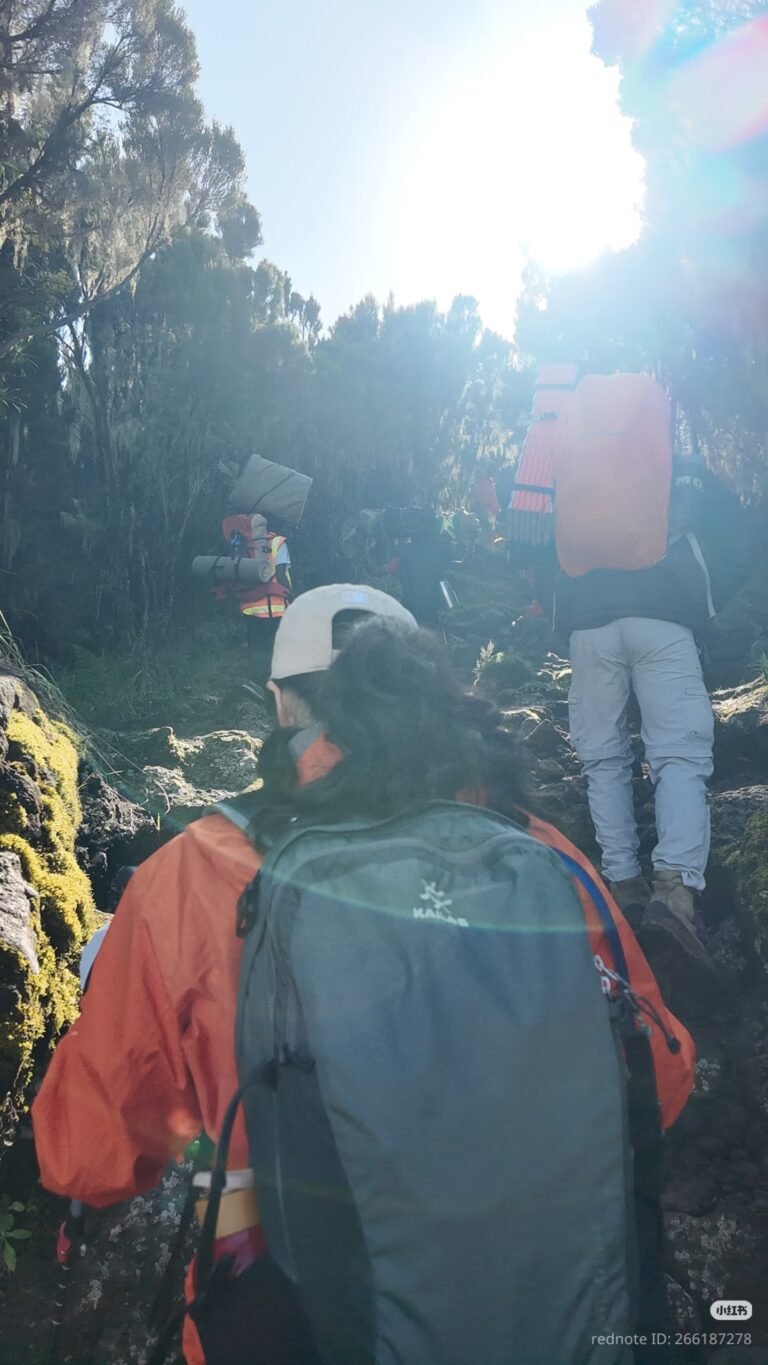
Rongai Route 30 December – Your New Year Kilimanjaro Expedition 2026-2027
start an unforgettable New Year's Eve Kilimanjaro climb via the Rongai Route, departing December 30, 2026. Discover why this route and timing offer a special experience, along with...
View package detailsMarangu Route 28 December : Your New Year Kilimanjaro Group Trek 2026-2027
Plan your New Year's Eve ascent of Kilimanjaro by joining a Marangu Route group trek departing on December 28, 2026. This guide covers route specifics, what to expect, and essential...
View package details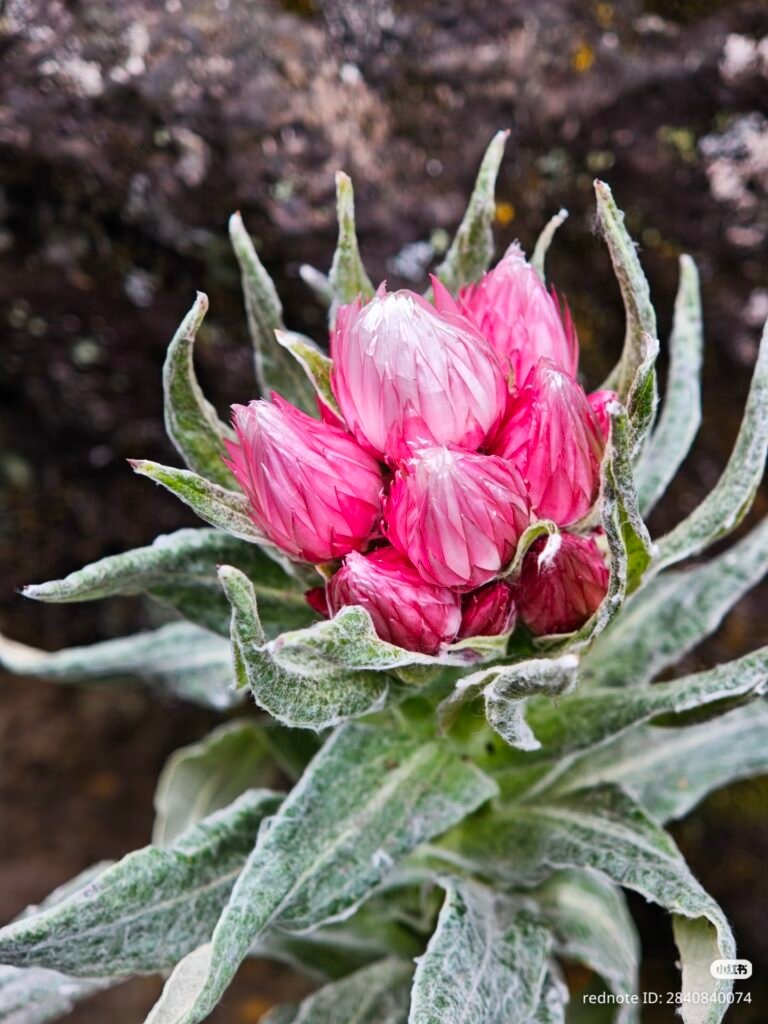
8 Day Lemosho Route – 26 December New Year Kilimanjaro Climb 2026-2027
8 Day Lemosho Route – 26 December 2026 New Year Kilimanjaro Climb is explained with current 2026-2027 planning, price, itinerary and booking information.
View package detailsKilimanjaro Full Moon Christmas Climb : Summit Around December 24Th 2026-2027
Experience the magic of a Kilimanjaro summit under the moonlight during Christmas week. This guide details planning for a December 24th summit, including route options and essential...
View package details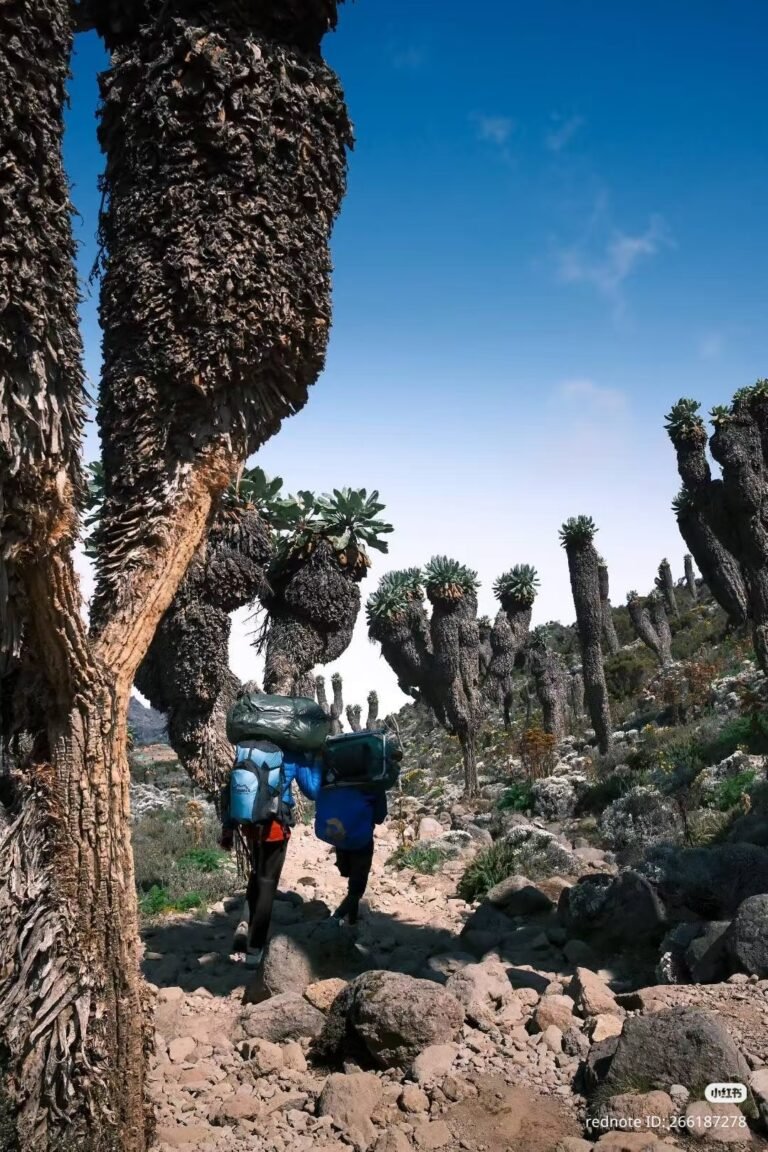
7 Day Machame Route – 7 December Group Departure | Your Kilimanjaro Climb
Plan your Kilimanjaro ascent on the popular 7-day Machame Route with a group departure on December 7, 2026. This guide covers the trek's highlights, challenges, and what to expect when...
View package details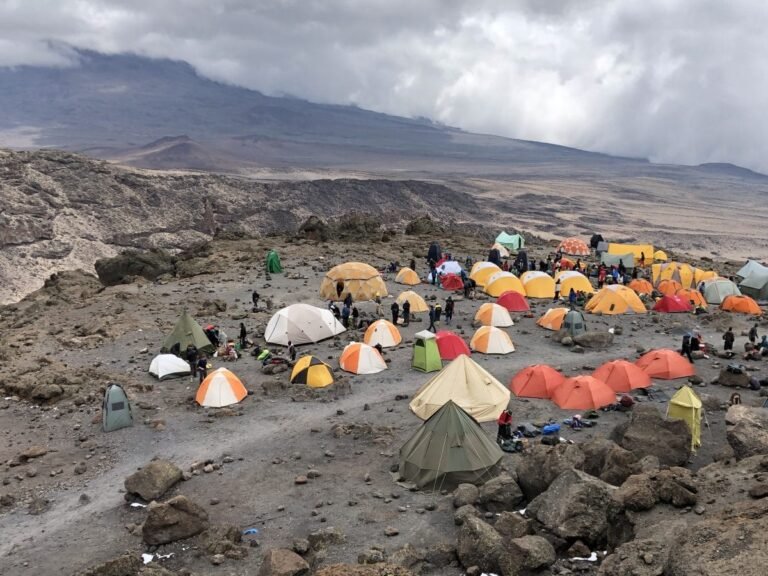
Kilimanjaro May Private Climb: Flexible Low-Season Dates For Your Adventure
start a private Kilimanjaro climb in May 2027. This guide details the advantages of low-season dates, route options, and essential planning for your unique adventure.
View package details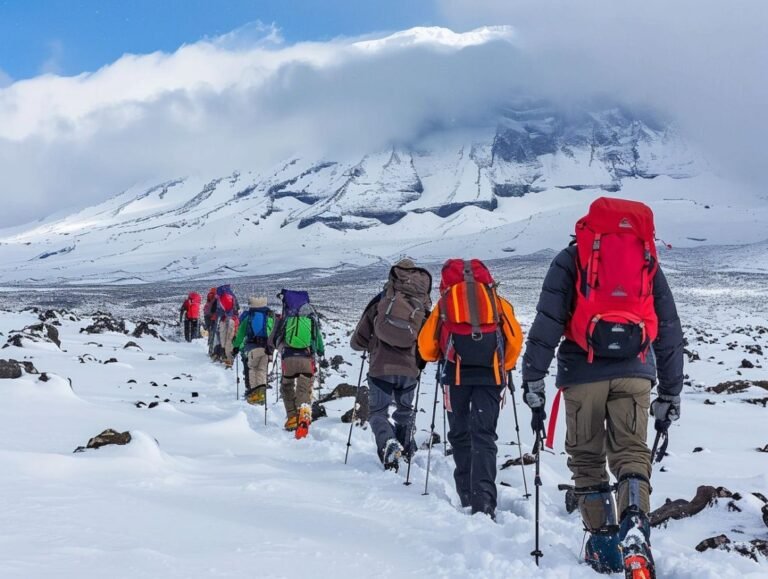
Kilimanjaro Full Moon Climb May – Summit Around 20 2027
start a magical Kilimanjaro Full Moon Climb in May 2027, aiming for the summit around May 20th. This guide details the unique experience, optimal planning for the Green Season, and how...
View package details
Kilimanjaro Mid-May – Rain, Temperatures And Summit Conditions 2027
Kilimanjaro Mid-May 2027 – Rain, Temperatures and Summit Conditions is explained with current 2027 planning, price, itinerary and booking information.
View package details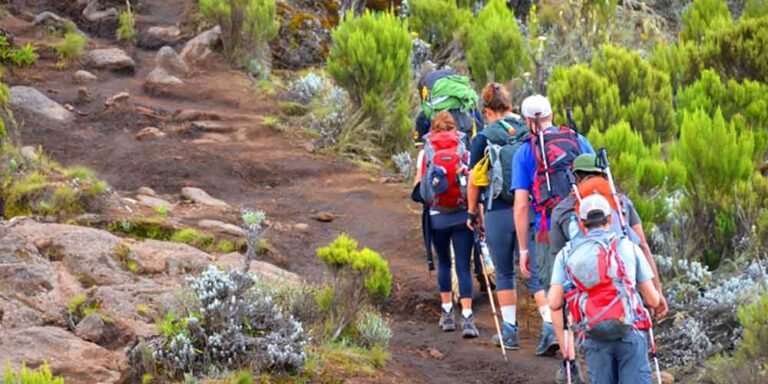
Kilimanjaro Full Moon Climb April – Summit Around 20-21 2027
start an unforgettable Kilimanjaro Full Moon Climb in April 2027, aiming for the summit on April 20-21. Discover the magic of reaching Uhuru Peak under the glow of the full moon, and learn...
View package details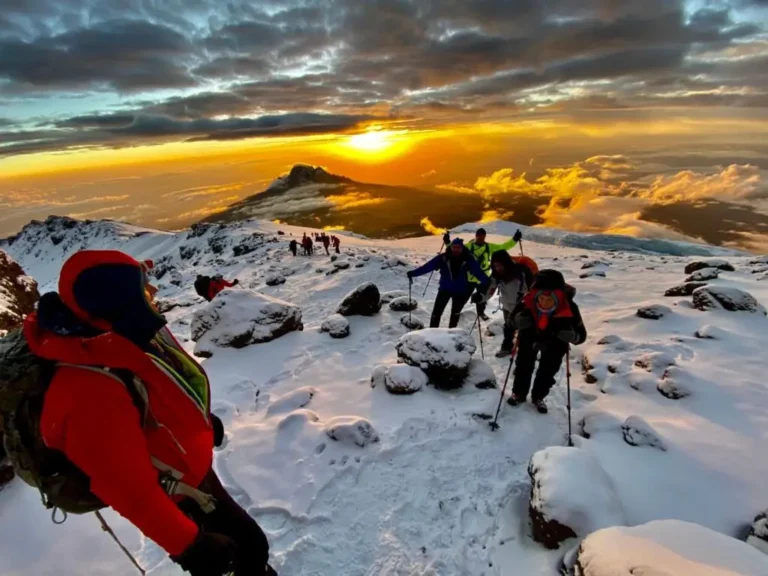
Kilimanjaro 3 April – Low-Season Group Departure 2027
Kilimanjaro 3 April 2027 – Low-Season Group Departure is explained with current 2027 planning, price, itinerary and booking information.
View package details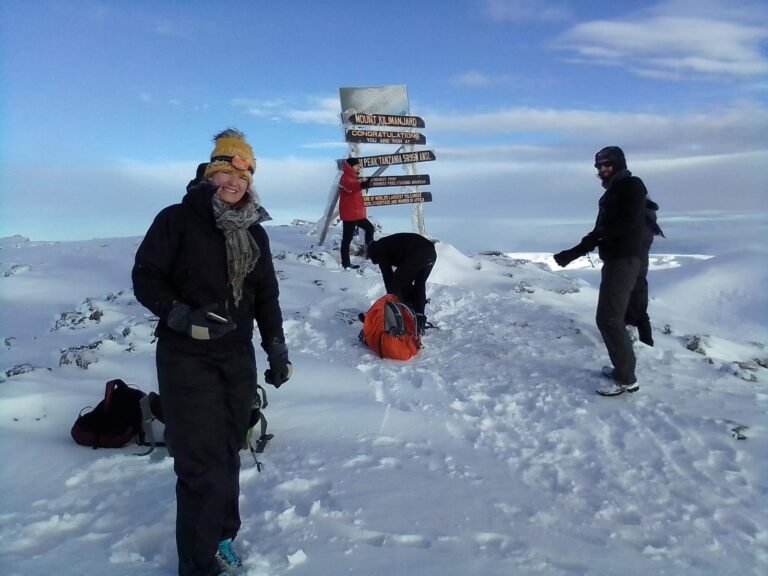
Easter Sunday Kilimanjaro Summit – 28 March Trekking Adventure 2027
start an extraordinary journey to the Roof of Africa by aiming for the summit of Kilimanjaro on Easter Sunday, March 28, 2027. This unique timing offers a blend of spiritual significance...
View package details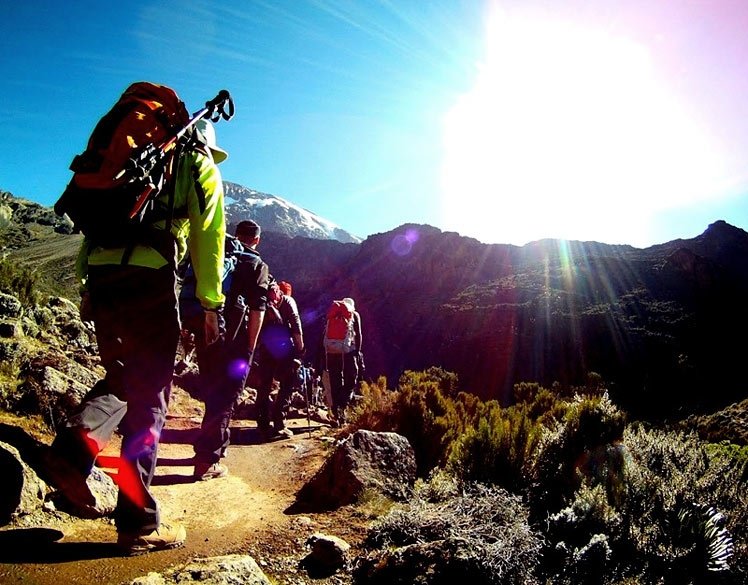
Kilimanjaro Full Moon Climb March – Summit Around 22 2027
Kilimanjaro Full Moon Climb March 2027 – Summit Around 22 March is explained with current 2027 planning, price, itinerary and booking information.
View package detailsNo related package matches those filters. Clear one or more filters to see the other topic-matched options.



