
A Kilimanjaro climb in January 2027 offers excellent conditions with clear skies and lower humidity, making it a prime month for ascents. Group departures are readily available across various routes like Machame and Lemosho, typically ranging from 7 to 9 days. Expect prices to vary based on route, duration, and inclusions, generally falling between $1800 and $3500 per person for reputable operators. January falls within the dry season, providing stable weather conducive to reaching Uhuru Peak.
Kilimanjaro in January 2027: An Overview
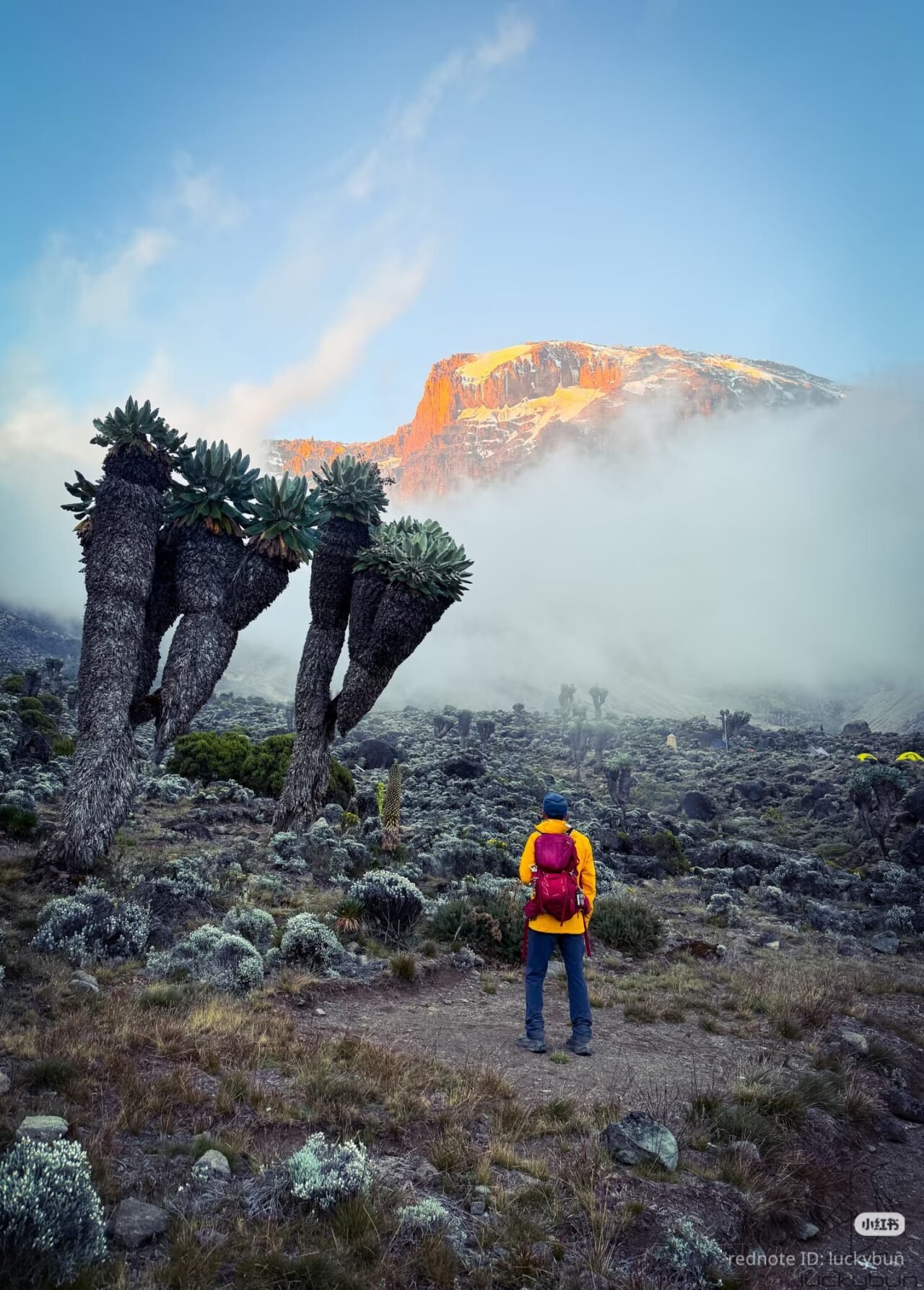
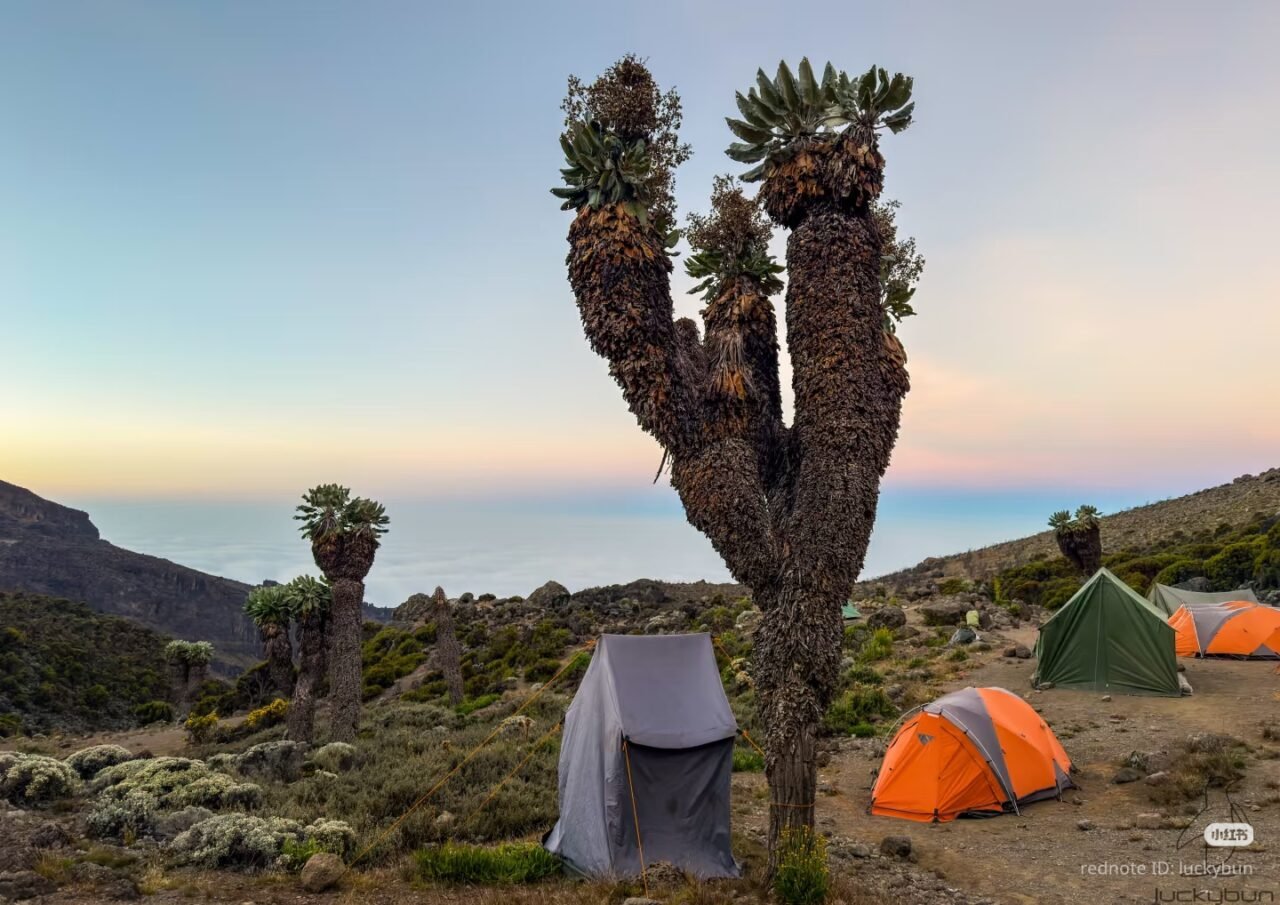
Embarking on a Kilimanjaro climb in January 2027 places you squarely within one of the most sought-after periods for ascending Africa’s highest peak. Following the Christmas and New Year’s rush, January typically ushers in a continuation of the drier season, offering adventurers stable weather, clearer views, and generally more pleasant trekking conditions. This makes it an ideal time for those looking to experience the majesty of Kilimanjaro with a reduced chance of significant rainfall impacting their journey. The mountain’s diverse climatic zones mean temperatures will fluctuate dramatically, from warm equatorial conditions at the base to frigid, alpine desert environments near the summit. Understanding these nuances, alongside the availability of group departures and the associated costs, is crucial for effective planning. For many, January represents a sweet spot: the festive season is over, yet the weather remains excellent, often providing a slightly less crowded experience than the peak months of December or July-August.
Climb 4 Africa specializes in facilitating these incredible journeys, offering expertly guided group departures throughout the year, including robust options for January 2027. Our focus is on providing safe, enjoyable, and memorable climbs, prioritizing acclimatization, crew welfare, and genuine local support. When considering a Kilimanjaro climb January 2027, it’s essential to look beyond just the dates and explore the specifics of route choice, what’s included in the package, and the reputation of the tour operator. January’s favorable weather window means many operators will schedule their group departures, providing ample choice. However, the quality of these groups and the overall experience can differ significantly. We encourage prospective climbers to research thoroughly, compare itineraries, and understand the value proposition offered by each operator to ensure their expedition is successful and safe.
Kilimanjaro Group Departures for January 2027
Securing a spot on a Kilimanjaro climb January 2027 group departure is a popular strategy for many aspiring mountaineers. Group climbs offer a blend of companionship, shared experience, and often, a more accessible price point compared to private expeditions. For solo travelers, they provide an immediate social circle, while for pairs or small groups of friends, they offer the chance to meet like-minded individuals from around the globe. The energy and camaraderie within a group can significantly enhance the trekking experience, turning a challenging physical feat into a shared adventure with lasting memories. Operators like Climb 4 Africa schedule regular group departures throughout the year, and January is a prime month for these organized expeditions due to its favorable weather conditions.
Why Choose a Group Climb?
Opting for a group climb for your Kilimanjaro climb January 2027 comes with several distinct advantages:
- Cost-Effectiveness: Sharing the operational costs (guide fees, cook, porters, park entrance fees per group) across more individuals typically lowers the per-person price. This makes reaching the summit more attainable for a wider range of budgets.
- Companionship and Support: Trekking Kilimanjaro is a significant mental and physical challenge. Having a group of fellow climbers to share the journey with, offer encouragement, and celebrate milestones can be invaluable. This shared experience fosters a unique bond.
- Social Interaction: For solo travelers especially, joining a group provides an instant community. You’ll meet people from diverse backgrounds, all united by the common goal of summiting Kilimanjaro.
- Logistical Simplicity: Most reputable operators handle all the core logistics for group climbs, from airport transfers and accommodation before/after the climb to permits, food, and equipment for the trek itself. This allows you to focus on your preparation and the climb.
- Established Itineraries: Group departures often follow well-established and tested itineraries designed for optimal acclimatization, increasing your chances of success.
While private climbs offer more flexibility, the structure and social aspect of a group departure can be precisely what many climbers are looking for, especially for a first-time ascent of Kilimanjaro. The sense of shared purpose and mutual support on the mountain is often a highlight for those who choose this option.
Popular Routes for January 2027 Group Climbs
When looking at Kilimanjaro climb January 2027 group departures, certain routes are more commonly offered due to their popularity, scenery, and acclimatization profiles. The choice of route significantly impacts the difficulty, duration, and overall experience. January’s dry weather makes most routes viable, but routes with better acclimatization profiles are always recommended for higher success rates.
Machame Route (7 or 8 Days)
The Machame Route, often called the “Whiskey Route,” is one of the most popular choices for group climbs, including those in January 2027. It’s known for its scenic beauty, high success rates, and excellent acclimatization profile, especially on the 8-day variation. The route circles around Kilimanjaro, offering diverse landscapes and the “climb high, sleep low” principle in practice. An 8-day itinerary provides an extra day for acclimatization, which is highly beneficial. For a Kilimanjaro climb January 2027, Machame is a consistently recommended option for groups seeking a balance of challenge, scenery, and success probability. You can find existing group departure examples for similar periods, such as the 7 Day Machame Route or the Machame 7-day acclimatization options, which give an idea of the structure and inclusions.
Lemosho Route (8 or 9 Days)
The Lemosho Route is often considered the most scenic route, offering a more remote and pristine trekking experience. It starts on the western side of the mountain and joins the Machame route further up. The longer duration of Lemosho, typically 8 or 9 days, significantly aids acclimatization, leading to very high success rates. January 2027 departures on Lemosho are excellent choices for those prioritizing scenery and a slower, more comfortable ascent. The 8 Day Lemosho Route from December 2026 shows the typical structure and appeal of this route for group climbs.
Marangu Route (5 or 6 Days)
Known as the “Coca-Cola Route,” Marangu is the oldest and most established route. It’s unique in that it uses dormitory-style huts instead of camping, making it a comfortable option for some. However, its shorter duration (5 or 6 days) means a steeper ascent and poorer acclimatization profile, resulting in lower success rates compared to Machame or Lemosho. While less common for peak season January 2027 group departures focused on maximizing success, it can be a viable option for budget-conscious climbers or those seeking hut accommodation. A Marangu Route departure for New Year 2026 highlights its availability as a group option.
Other Routes (Less Common in January)
Routes like Shira, Rongai, and Northern Circuit are also available but might have fewer scheduled group departures in January compared to Machame and Lemosho. Rongai, approaching from the north, can be good in wetter conditions but January is dry. The Northern Circuit is the longest and most scenic, offering the best acclimatization but requires more time, typically 9-10 days, and thus might be less common for standard January group offerings.
Finding and Booking Your January 2027 Group
When searching for a Kilimanjaro climb January 2027 group, it’s crucial to act in advance, especially for popular months and well-regarded operators. January is a desirable month, so booking 6-12 months ahead is advisable to secure your preferred dates and route. Look for operators who:
- Clearly list their group departure dates for 2027.
- Provide detailed itineraries for each route.
- Have a strong reputation for safety, crew welfare, and success rates.
- Offer transparent pricing with clear inclusions and exclusions.
- Have responsive communication channels for your queries.
Climb 4 Africa maintains a schedule of group departures, and we encourage you to check our availability for January 2027. We can also assist in forming groups if you have a specific date in mind but haven’t yet gathered a full party. Contacting us early ensures you can secure a spot on a well-managed expedition. For instance, if you are considering a solo trip, looking at Solo Traveller Kilimanjaro Christmas 2026 – Groups to Join or Solo Traveller Kilimanjaro November 2026 – Join a Small Group gives an idea of how solo travelers integrate into our group offerings.
Kilimanjaro Weather Patterns in January
January is generally considered one of the best months to climb Kilimanjaro, falling within the mountain’s main dry season. This period offers a welcome respite from the heavier rains that can occur at other times of the year. However, Kilimanjaro is a massive mountain with a varied climate, and conditions can change rapidly, especially as you ascend through its distinct ecological zones. Understanding the typical weather patterns for a Kilimanjaro climb January 2027 is vital for preparation and managing expectations.
Temperature Ranges
January on Kilimanjaro sees significant temperature fluctuations depending on altitude and time of day:
- Base Camp/Moshi (approx. 900m): Expect warm, tropical temperatures, often in the range of 20-30°C (68-86°F).
- Lower Slopes (e.g., Forest Zone, 1800-2500m): Temperatures are milder, typically ranging from 15-25°C (59-77°F). It can feel humid here.
- Middle Altitudes (e.g., Moorland Zone, 2500-4000m): Days are often cool and sunny, with temperatures around 10-20°C (50-68°F). Nights can drop below freezing, reaching -5°C (23°F).
- High Altitude (e.g., Alpine Desert Zone, 4000-5000m): Daytime temperatures can be surprisingly mild in direct sun, but drop sharply once the sun sets. Expect -5°C to 10°C (23-50°F) during the day, plummeting to -10°C to -15°C (5-14°F) or even colder at night.
- Summit (Uhuru Peak, 5895m): The summit is extremely cold. Temperatures on summit night are typically between -10°C and -20°C (14-4°F), and can feel much colder with wind chill.
The key takeaway is that while January offers generally clear days, the nights, especially at higher altitudes and on summit night, will be very cold. Proper layering is essential.
Precipitation and Humidity
January is part of Kilimanjaro’s dry season. This means:
- Lower Rainfall: You can expect significantly less rainfall compared to the rainy seasons (March-May and November). Showers, if they occur, are usually brief and might be more common on the lower slopes.
- Clear Skies: January often boasts clear, sunny days, providing excellent visibility for stunning panoramic views of the mountain and surrounding plains. This is ideal for photography and enjoying the expansive landscapes.
- Lower Humidity: The air is generally drier, making the trekking experience more comfortable, especially at higher altitudes.
While rain is unlikely to be a persistent issue, it’s always wise to be prepared for unexpected weather changes. A waterproof outer layer is a must, regardless of the season.
Wind Conditions
Wind can be a significant factor on Kilimanjaro, particularly at higher altitudes and on the exposed summit plateau. January typically sees moderate winds. However, strong gusts can occur, especially near the summit, contributing to significant wind chill. The Stella Point and Gilman’s Point areas, as well as the approach to Uhuru Peak, are particularly exposed. You should always be prepared for wind, and windproof outer layers are critical for comfort and protection.
What to Pack for January Conditions
Based on these weather patterns, your packing list for a Kilimanjaro climb January 2027 should prioritize versatility and thermal protection:
- Layering System: Base layers (merino wool or synthetic), mid-layers (fleece or down jacket), and an outer shell (waterproof and windproof jacket and trousers).
- Insulation: A warm down jacket is essential for evenings and summit night.
- Headwear: A warm beanie that covers your ears, a sun hat or cap for daytime, and a balaclava or neck gaiter for wind and cold protection.
- Gloves: Warm, waterproof gloves or mittens are crucial for summit night. Bring liner gloves as well.
- Footwear: Well-worn, waterproof hiking boots are non-negotiable. Bring warm socks (wool or synthetic) and camp booties or warm slippers for evenings.
- Sun Protection: High SPF sunscreen, lip balm with SPF, and sunglasses are vital due to the high altitude and strong sun.
- Hydration: Water bottles or a hydration reservoir (ensure it’s insulated to prevent freezing).
- Headlamp: Essential for summit night and general use in camp.
Packing light but smart is key. Your operator will provide a more comprehensive packing list, but focusing on quality layering and insulation is paramount for a January ascent.
Kilimanjaro Climb Pricing in 2027
Understanding the cost of a Kilimanjaro climb January 2027 is a critical step in planning your expedition. Prices can vary significantly between operators, routes, and the services included. For a reputable operator, expect to pay between $1800 and $3500 per person. This range reflects the quality of service, safety standards, and overall experience provided. It’s essential to look beyond the advertised price and understand what is included, as this can drastically affect your final expenditure.
Factors Influencing Cost
Several key factors determine the price of your Kilimanjaro climb:
Route Selection
Longer routes with better acclimatization profiles, such as Lemosho and the Northern Circuit, typically cost more than shorter routes like Marangu. This is due to the increased number of days required, meaning more park fees, guide and porter wages, and supplies.
Trip Duration
As mentioned, longer trips inherently cost more because you are paying for more days of service and park entry. For a Kilimanjaro climb January 2027, opting for an 8-day Machame or Lemosho climb will be more expensive than a 5-day Marangu climb, but significantly increases your chances of success due to better acclimatization.
Inclusions and Exclusions
This is arguably the most important factor. A comprehensive package might include:
- Park entrance fees (these are substantial)
- Camping fees
- Rescue fees
- Salaries for guides, cooks, and porters
- All meals on the mountain
- Porters’ equipment and food
- Tents, cooking equipment
- Boiled water on the mountain
- Ground transportation (airport transfers, transport to/from the mountain gate)
- Accommodation in Moshi before and after the climb (often 2-3 nights)
- Emergency oxygen and first-aid kit
- Poles, sleeping mats
Conversely, cheaper packages may exclude many of these items, leaving you to pay for them separately, leading to hidden costs. Always check what’s excluded, such as tips for the crew, personal gear rental (sleeping bags, warm jackets), travel insurance, visas, flights, and personal snacks.
Operator Tier
There are budget operators, mid-range operators, and premium operators. Budget operators often cut costs by reducing crew ratios, using less experienced guides, or providing less food. Mid-range and premium operators prioritize safety, use higher crew-to-client ratios, employ highly trained guides, ensure fair wages and good treatment for porters, and provide better quality equipment and food. For a Kilimanjaro climb January 2027, choosing a mid-range to premium operator is strongly recommended for safety and success.
Park Fees and Crew Wages
These are fixed costs set by Kilimanjaro National Park and Tanzanian labor laws. Reputable operators pay these fees fully and ensure their crew is well-compensated and treated ethically. Be wary of operators who offer prices significantly below the industry standard, as they may be cutting corners on safety or porter welfare.
Understanding Cost Ranges for January 2027 Climbs
Based on the above factors, here’s a general breakdown:
- Budget Operators ($1200 – $1700): These are often the cheapest but come with significant risks. They may have lower crew ratios, basic food, and minimal safety equipment. Success rates can be lower.
- Mid-Range Operators ($1800 – $2700): This is the sweet spot for most climbers. They offer a good balance of safety, quality, and value. You can expect good food, adequate crew ratios, experienced guides, and necessary safety equipment. Climb 4 Africa typically falls within this category, prioritizing client safety and crew welfare.
- Premium Operators ($2800 – $3500+): These operators offer the highest level of service, including finer accommodations, gourmet food, higher guide-to-client ratios, and often more comfortable equipment. They cater to those who prioritize luxury and maximum comfort on the mountain.
For a Kilimanjaro climb January 2027, aiming for the mid-range to premium category ensures a safer and more enjoyable experience.
What is Typically Included?
A comprehensive package from a reputable operator like Climb 4 Africa for your January 2027 climb usually includes:
- All Kilimanjaro National Park entry fees, camping/hut fees, and rescue fees.
- Experienced, licensed climbing guides (often a 1:1 guide-to-client ratio for summit night).
- Adequate number of porters and cooks.
- All meals on the mountain (breakfast, lunch, dinner), plus snacks and purified drinking water.
- Porters’ wages, food, and equipment.
- Quality tents (sleeping tents, mess tent, toilet tent).
- Cooking equipment.
- Accommodation in Moshi for 2-3 nights before and after the climb.
- All transfers to and from Kilimanjaro International Airport (JRO) and to/from the mountain gates.
- Emergency oxygen systems and comprehensive first-aid kits.
- Portable oxygen for emergency use.
- Use of trekking poles.
Always confirm these inclusions directly with the operator.
Additional Costs to Consider
Beyond the climb package, budget for:
- Flights: International flights to Kilimanjaro International Airport (JRO).
- Visas: Tanzania visa fees.
- Travel Insurance: Essential, must cover high-altitude trekking and medical evacuation.
- Vaccinations: Consult your doctor.
- Gear Rental: Sleeping bag, warm jacket, poles, etc., if you don’t own them.
- Tips for the Crew: This is a significant part of the cost, typically around $250-350 per climber for a 7-8 day climb.
- Personal Expenses: Drinks in town, souvenirs, extra snacks.
- Pre/Post Climb Activities: Safari, Zanzibar trips, etc.
Budgeting for these extras is crucial for a realistic financial plan for your Kilimanjaro climb January 2027.
Preparing for Your January 2027 Kilimanjaro Climb
A successful Kilimanjaro climb January 2027 hinges on thorough preparation. This involves physical training, understanding acclimatization, addressing medical aspects, and sorting out travel logistics. January’s weather, while good, still demands a well-prepared climber.
Fitness and Training
Kilimanjaro is a non-technical trek, meaning no ropes or climbing gear are required. However, it is a strenuous high-altitude hike. Your training should focus on cardiovascular endurance and leg strength. Aim to:
- Cardio: Engage in at least 3-4 sessions per week of activities like hiking, running, cycling, or swimming for 45-60 minutes.
- Hiking: The most specific training. Hike regularly, ideally with a weighted backpack (5-10 kg), on varied terrain, including hills and stairs. Gradually increase the duration and intensity.
- Strength Training: Focus on leg muscles (squats, lunges) and core strength.
- Mental Preparation: Understand the challenge. Practice hiking in adverse weather conditions (cold, wind) to mentally prepare for summit night.
Start your training at least 3-4 months before your Kilimanjaro climb January 2027.
Acclimatization Strategies
This is the most critical factor for summit success. Altitude sickness (Acute Mountain Sickness – AMS) is a serious risk. The best strategy is to ascend slowly and allow your body to adapt. Key principles include:
- Choose Longer Routes: Routes like 8-day Machame or 9-day Lemosho offer superior acclimatization compared to 5 or 6-day routes. The extra day allows your body more time to adjust to decreasing oxygen levels.
- “Pole Pole” (Slowly Slowly): Walk at a pace that allows you to hold a conversation. Rushing leads to exhaustion and can exacerbate altitude symptoms. Your guides will enforce this.
- “Climb High, Sleep Low”: This principle, incorporated into routes like Machame, involves ascending to a higher altitude during the day and then descending to a lower camp to sleep. This aids acclimatization.
- Hydration: Drink plenty of fluids (3-4 liters per day) – water, herbal teas. Avoid alcohol and caffeine, which can dehydrate you.
- Nutrition: Eat well, even if your appetite is reduced. High-carbohydrate meals are beneficial.
- Monitor Symptoms: Be honest with yourself and your guides about any symptoms of AMS (headache, nausea, dizziness, fatigue). Early recognition and intervention are key.
January’s clear weather helps, but the altitude itself is the primary challenge.
Medical Considerations
Consult your doctor or a travel clinic 4-6 weeks before your trip. Discuss:
- Altitude Sickness Medication: Acetazolamide (Diamox) is often prescribed to help with acclimatization. Understand its usage and potential side effects.
- Personal Medications: Bring an ample supply of any prescription medications you take.
- First-Aid Kit: While operators provide a comprehensive kit, consider bringing personal items like blister treatment, pain relievers (e.g., Ibuprofen), and antiseptic wipes.
- Pre-existing Conditions: Inform your doctor and tour operator about any health conditions (heart, lung, etc.).
Travel insurance is mandatory and must cover high-altitude trekking and emergency medical evacuation. Ensure it covers up to at least 6000 meters.
Travel Logistics to Tanzania
Your Kilimanjaro climb January 2027 begins with getting to Tanzania. Key logistics include:
- Flights: Book international flights to Kilimanjaro International Airport (JRO). Most flights connect through major hubs like Amsterdam, Doha, or Nairobi. Book these well in advance for better pricing.
- Airport Transfers: Reputable operators like Climb 4 Africa will arrange your airport pickup and transfer to your hotel in Moshi.
- Accommodation: You’ll typically need 2-3 nights of accommodation in Moshi before the climb and 1-2 nights after. Some packages include this; verify with your operator.
- Visa: Most nationalities require a visa for Tanzania. You can obtain this online in advance or upon arrival at JRO. Check the latest requirements for your country.
- Vaccinations and Health Advice: Consult your doctor for recommended vaccinations (e.g., Yellow Fever, Hepatitis A) and malaria precautions for the lower regions.
Planning these logistics early will ensure a smooth start to your Kilimanjaro adventure.
Visa and Vaccinations
Visas: Most foreign nationals need a visa to enter Tanzania. The most common is the tourist visa, obtainable online through the Tanzanian immigration website or upon arrival at JRO. The cost varies by nationality but is typically around $50-$100. Always check the latest requirements for your passport. A single-entry visa is usually sufficient if you are only visiting for the climb.
Vaccinations: Consult your doctor or a travel clinic 4-6 weeks before your departure. Recommended vaccinations often include:
- Yellow Fever (required if arriving from or transiting through a country with risk of Yellow Fever). A certificate may be checked at immigration.
- Hepatitis A
- Typhoid
- Tetanus booster
- Consider Hepatitis B, Rabies, and Tuberculosis (TB) based on your travel history and planned activities.
Malaria: While Kilimanjaro itself is generally malaria-free due to its altitude, the surrounding areas like Moshi and Arusha are in a malaria-risk zone. Discuss malaria prophylaxis with your doctor. Insect repellent is also recommended.
COVID-19: Stay updated on any entry requirements related to COVID-19, including vaccination status or testing, as regulations can change.
Choosing the Right Operator for 2027
Selecting a trustworthy and experienced operator is paramount for a safe and successful Kilimanjaro climb January 2027. With numerous companies offering climbs, differentiating them can be challenging. Here’s what to look for:
- Safety Standards: Do they have comprehensive safety protocols? This includes carrying sufficient oxygen, first-aid kits, emergency oxygen, and having guides trained in wilderness first aid. What is their evacuation plan?
- Crew Welfare: Are porters treated ethically? Look for operators who are members of organizations like the Kilimanjaro Porters Assistance Project (KPAP) or have similar fair-treatment policies. This ensures your crew is well-paid, fed, and equipped.
- Guide Experience: How experienced are their guides? Do they have high altitude certifications and extensive knowledge of the mountain and altitude sickness?
- Success Rates: While not solely dependent on the operator, a good operator with well-chosen routes and acclimatization strategies will have higher success rates.
- Group Size and Ratios: What is the typical group size? What is the guide-to-client ratio, especially on summit night? A 1:1 ratio is ideal for safety.
- Reviews and Reputation: Research independent reviews on platforms like TripAdvisor, Google, and climbing forums. Look for consistent positive feedback regarding safety, organization, and crew treatment.
- Transparency: Are their prices clear? Do they clearly state what is included and excluded? Avoid companies with vague pricing or pressure sales tactics.
- Communication: How responsive and knowledgeable are they when you ask questions? Good communication before the climb is a sign of good organization during the climb.
Climb 4 Africa is committed to providing safe, ethical, and rewarding Kilimanjaro climbs. We prioritize crew welfare, employ experienced guides, and adhere to strict safety protocols. We encourage you to compare us with other operators based on these criteria for your Kilimanjaro climb January 2027.
Making Your Kilimanjaro Climb Decision
Choosing to climb Kilimanjaro in January 2027 is an excellent decision, offering a prime window with favorable weather. As you finalize your plans for a Kilimanjaro climb January 2027, remember these key takeaways:
- January Weather: It’s a dry season month, characterized by clear skies, sunshine, and lower humidity, though nights at altitude remain very cold.
- Group Departures: These offer camaraderie and cost-effectiveness. Popular routes like Machame and Lemosho are well-suited for January groups.
- Pricing: Expect costs to range from $1800 to $3500 per person for reputable operators, with longer routes and more inclusions increasing the price. Always scrutinize what’s included to avoid hidden costs.
- Preparation is Key: Focus on physical fitness, understand acclimatization principles (choose longer routes!), and address medical and travel logistics well in advance.
- Operator Choice Matters: Prioritize safety, crew welfare, guide experience, and transparency when selecting your operator.
A Kilimanjaro climb is a life-changing experience. By choosing the right time, route, operator, and preparing diligently, you maximize your chances of a safe and successful ascent to Uhuru Peak. January 2027 presents a wonderful opportunity to start this incredible journey. For inquiries or to discuss your Kilimanjaro climb January 2027 with Climb 4 Africa, please feel free to reach out.
Contact Climb 4 Africa:
- WhatsApp: +255 747 477 898
- Email: climb4africa@gmail.com
Check Availability for Kilimanjaro Climb January : Group Departures, Weather, And Pricing Guide
Ready to compare dates, prices, and the best option for your group? Send the package name and travel month so the team can reply with a clear quote, availability, and what is included.
Kilimanjaro Climb July – Peak Dry-Season Group Departures 2027
Kilimanjaro Climb July 2027 – Peak Dry-Season Group Departures is explained with current 2027 planning, price, itinerary and booking information.
View package details
Lemosho Route – 16 January Group Joining Kilimanjaro Climb 2026-2027
This page details the Lemosho Route Kilimanjaro climb scheduled for January 16, 2027. It's an 8-day group joining departure, ideal for trekkers seeking a balance of scenic beauty, excellent...
View package details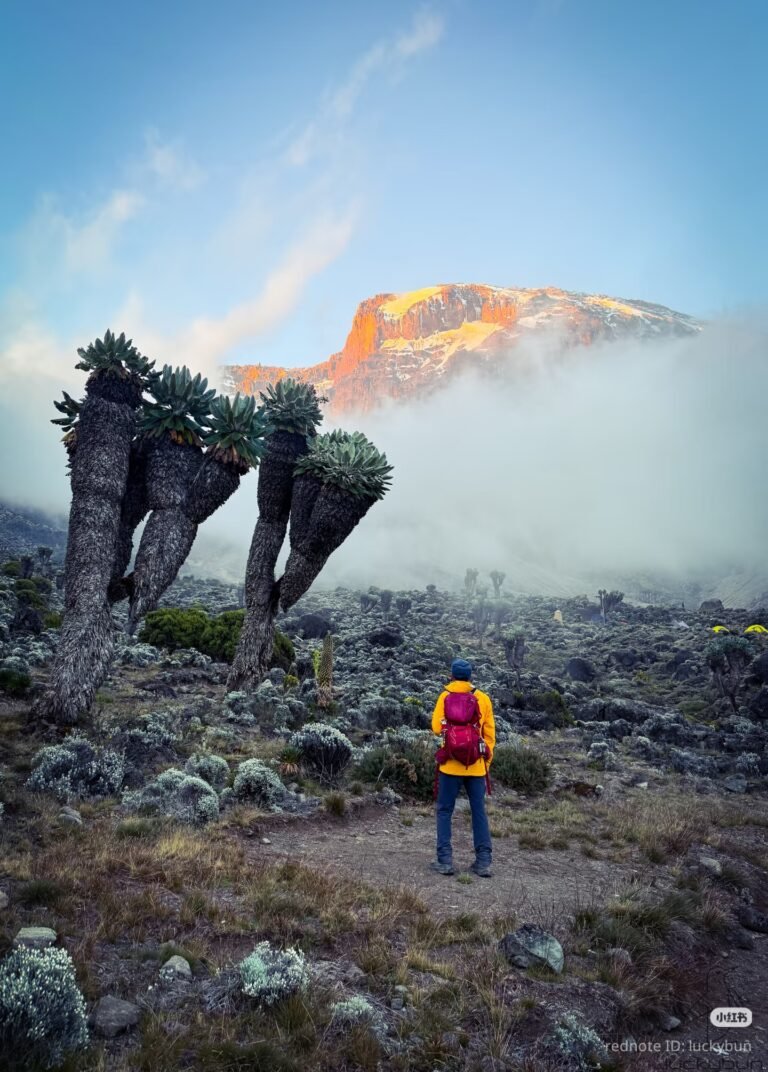
8 Day Lemosho Route – 2 January Group Climb: Your Ultimate Kilimanjaro
start the scenic 8 Day Lemosho Route on January 2, 2027, a group climb designed for optimal acclimatization and summit success on Mount Kilimanjaro. This guide details the itinerary...
View package details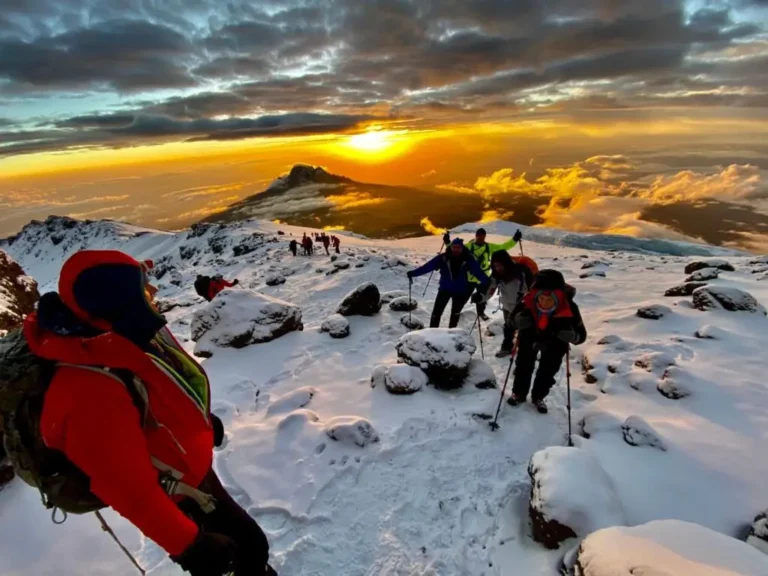
Marangu Route – 26 June Kilimanjaro Group Climb 2027
Marangu Route – 26 June 2027 Kilimanjaro Group Climb is explained with current 2027 planning, price, itinerary and booking information.
View package detailsLemosho Route – 7 August Summer Group Climb: Your Kilimanjaro Adventure 2027
start a memorable Lemosho Route – 7 August 2027 Summer Group Climb up Mount Kilimanjaro. This guide covers the itinerary, acclimatization, and preparation for your ascent.
View package detailsLemosho Route – 28 August Kilimanjaro Group Climb 2027
Lemosho Route – 28 August 2027 Kilimanjaro Group Climb is explained with current 2027 planning, price, itinerary and booking information.
View package detailsLemosho Route – 12 August Kilimanjaro Group Climb With 4 Africa 2027
A detailed guide to the Lemosho Route Kilimanjaro climb for the 12 August 2027 group departure, covering itinerary, acclimatization, challenges, and what to expect with Climb 4 Africa.
View package detailsMachame Route – 9 July Kilimanjaro Group Climb 2027
Machame Route – 9 July 2027 Kilimanjaro Group Climb is explained with current 2027 planning, price, itinerary and booking information.
View package details8 Day Lemosho Route – 7 July Group Departure Kilimanjaro Climb 2027
start an incredible 8-day Lemosho Route trek up Mount Kilimanjaro with the Climb 4 Africa group departure on July 7, 2027. This itinerary offers a fantastic balance of acclimatization...
View package detailsLemosho Route 12 June – Kilimanjaro Group Climb 2027
Lemosho Route 12 June 2027 – June Kilimanjaro Group Climb is explained with current 2027 planning, price, itinerary and booking information.
View package detailsNorthern Circuit Kilimanjaro – 2 June Group Trek With Climb 4 Africa 2027
Discover the Northern Circuit Kilimanjaro trek departing on June 2, 2027. This detailed guide covers the route, acclimatization, what to expect, and how to prepare for this unique group...
View package detailsKilimanjaro 17 April – Small Group Rainy-Season Adventure With Climb 4 Africa
start a unique Kilimanjaro climb on April 17, 2027, as part of a small group during the rainy season. This adventure offers a different perspective of the mountain, with fewer crowds and...
View package detailsNo related package matches those filters. Clear one or more filters to see the other topic-matched options.



