
A Marangu Route Kilimanjaro hut climb departing on January 5, 2027 offers a unique opportunity to ascend Africa’s highest peak via the most established path, known for its comfortable hut accommodation and gradual ascent profile, making it a popular choice for those seeking a more sheltered trek experience. This specific 2027 departure date allows for planning around the post-New Year period, potentially avoiding peak holiday crowds while still benefiting from good weather conditions typical of early January in Tanzania.
Understanding the Marangu Route
The Marangu Route, often affectionately called the “Coca-Cola” route, stands as Kilimanjaro’s oldest and most recognized ascent path. Its fame stems from a combination of factors that appeal to a broad spectrum of trekkers: reliable hut accommodation, a well-trodden path, and a more gradual overall gradient compared to some of its sister routes. Unlike other routes that necessitate camping, the Marangu Route provides dormitory-style sleeping quarters at designated campsites, offering a degree of comfort and shelter that can be particularly appealing, especially for those less accustomed to camping in rugged wilderness. This unique feature makes it a favored choice for many, including those who might be considering a Kilimanjaro climb for the first time. The route ascends from the southern side of the mountain, entering through the Marangu Gate and progressing through diverse ecological zones, from rainforest to alpine desert and arctic summit conditions.
The Marangu Route is often perceived as the easiest path to the summit, a notion that requires careful consideration. While it offers huts and a more gradual ascent, it is crucial to remember that reaching Uhuru Peak at 5,895 meters (19,341 feet) is a significant physical and mental undertaking regardless of the route chosen. The key difference lies in the pace of ascent and the lodging. The shorter itineraries, particularly the 5-day option, are notorious for their rapid ascent, which can severely compromise acclimatization and significantly increase the risk of altitude sickness. For this reason, most reputable operators, including Climb 4 Africa, strongly recommend the 6-day or 7-day Marangu itineraries to allow for better acclimatization and a higher chance of summit success. The Marangu Route – 5 January 2027 Kilimanjaro Hut Climb falls into this critical planning window, and understanding the nuances of the route’s progression is paramount.
The route’s popularity means it can also be busier than some of the less-trafficked paths, especially during peak seasons. However, the consistent infrastructure, including the huts, means that even with more people, the experience is managed. The Marangu Route’s distinct feature of being the only route that allows for a descent along the same path can also be a point of consideration. While this offers familiarity, some trekkers prefer the varied scenery of routes like Lemosho or Machame, which offer different descent paths, showcasing a wider range of the mountain’s landscapes. For a January 2027 Kilimanjaro climb, the Marangu Route provides a reliable, well-supported option, but careful route selection within the Marangu framework is vital.
The 5 January 2027 Departure: Why It Matters
Choosing a specific departure date like January 5, 2027 for your Marangu Route Kilimanjaro hut climb is more than just picking a day on the calendar; it’s a strategic decision that impacts your trekking experience. Early January on Kilimanjaro generally falls within the shorter, albeit less predictable, rainy season. However, the period immediately following the New Year’s festivities often sees a slight lull in the absolute peak of tourist traffic that can occur around Christmas and New Year’s Eve. This means that while you should still be prepared for potential rain showers, the trails and huts might be marginally less crowded than during the preceding week. This can contribute to a more serene trekking environment and potentially more availability in the huts.
Furthermore, the weather patterns in early January can be quite varied. While it’s technically part of the “short rains” season, these rains are often characterized by afternoon showers rather than continuous downpours. The mornings can be clear and crisp, offering excellent visibility and favorable trekking conditions. The landscape, having recently experienced rainfall, can appear lush and vibrant. For a Kilimanjaro climb in January 2027, packing appropriate waterproof gear is non-negotiable, but the potential for clear mornings and vibrant scenery is a significant draw. The temperature at higher altitudes will, of course, be cold, regardless of the season, but the lower-lying rainforest sections might be more humid due to the rains.
The timing of a January 5, 2027 departure also allows ample time for booking and preparation. By securing your spot now, you have well over a year to plan your training, acquire the necessary gear, and make any other travel arrangements. This lead time is invaluable for ensuring you are physically and mentally ready for the challenge. It also allows you to secure preferred flights and potentially better rates for your international travel to Tanzania. For those looking to combine their Kilimanjaro trek with other Tanzanian experiences, such as a safari or a Zanzibar beach holiday, this date offers flexibility in scheduling post-trek activities. A departure like this is ideal for those who want to experience Kilimanjaro with a good balance of decent weather potential, fewer crowds than the absolute peak holiday, and sufficient planning time.
Hut Accommodation on Marangu: The “Coca-Cola” Route Advantage
The defining characteristic of the Marangu Route, and a major draw for many trekkers, is its reliance on permanent huts for accommodation rather than tents. These huts, often referred to as “hotels” by locals, are essentially dormitories with bunk beds, offering a more comfortable and sheltered sleeping environment compared to camping. Each hut typically houses multiple trekkers, fostering a communal atmosphere. While they provide protection from the elements, it’s important to manage expectations: these are basic facilities. Expect simple wooden structures with beds, mattresses, and sometimes a communal dining area. There are usually pit latrines or basic flush toilets associated with the huts, and water is typically sourced from nearby streams and needs to be treated or boiled.
This hut system offers several distinct advantages. Firstly, it significantly simplifies logistics for both trekkers and the climbing crew. There’s no need to pitch and dismantle tents daily, which saves time and effort. The crew can focus more on meal preparation and ensuring the safety and comfort of the trekkers. Secondly, the huts provide a solid roof over your head, offering superior protection from rain, wind, and cold compared to tents. This can be a significant morale booster, especially after a long day of trekking or during inclement weather. Waking up dry and relatively warm in a bed is a luxury that many trekkers appreciate. This is a key reason why the Marangu Route is often recommended for those who are less enthusiastic about camping or are concerned about the logistics of tent-based trekking. A Marangu Route Kilimanjaro hut climb is essentially a guided lodge-to-lodge experience on the mountain.
However, there are trade-offs. The communal nature of the huts means less privacy. You’ll be sharing a room with several other climbers, and sleep can sometimes be disturbed by snoring or differing sleep schedules. The huts can also become crowded, particularly during peak seasons. For a specific date like January 5, 2027, while potentially less crowded than Christmas, the huts will still be occupied by trekkers on adjacent itineraries. Another consideration is that the huts are located at fixed points, which means the ascent and descent profile can be more prescribed. Some trekkers feel that camping offers a more in-depth experience in nature, allowing for campsites in more remote or scenic locations. Nonetheless, for many, the comfort and convenience of the huts on the Marangu Route, especially when facing challenging weather or simply seeking a more comfortable night’s rest, are compelling reasons to choose this path for their Kilimanjaro climb in 2027.
Marangu Route Itinerary Options for 2027
The Marangu Route is unique in offering multiple itinerary lengths, primarily due to its infrastructure. While the route itself is the same, the number of days spent on the mountain significantly impacts acclimatization, summit success rates, and the overall experience. For your Marangu Route – 5 January 2027 Kilimanjaro Hut Climb, you’ll need to decide between the 5-day, 6-day, or 7-day options. Climb 4 Africa strongly advises against the 5-day itinerary due to its poor acclimatization profile. The goal is a successful and safe summit, and rushing the ascent is the surest way to invite altitude sickness.
5-Day Marangu Route Itinerary
The 5-day Marangu Route is the shortest and fastest way to the summit. It involves three days of ascent and two days of descent. Typically, it follows this pattern: Day 1: Marangu Gate to Mandara Huts. Day 2: Mandara Huts to Horombo Huts. Day 3: Horombo Huts to Kibo Huts. Day 4: Summit attempt from Kibo Huts, descending to Horombo Huts. Day 5: Horombo Huts to Marangu Gate. The critical flaw here is the rapid ascent to Kibo Huts (4,700m / 15,400ft) and then immediately attempting the summit, with minimal time spent at altitude for acclimatization. This itinerary leads to a very low success rate and a high incidence of altitude sickness. For a January 2027 Kilimanjaro climb, this option is generally not recommended by experienced operators.
6-Day Marangu Route Itinerary
The 6-day Marangu Route is a significant improvement over the 5-day option and is often considered the minimum acceptable duration for this route by responsible tour operators. It adds an extra day at the Horombo Huts, allowing for acclimatization and an optional day hike to a saddle between Kibo and Mawenzi peaks. The itinerary looks like this: Day 1: Marangu Gate to Mandara Huts. Day 2: Mandara Huts to Horombo Huts. Day 3: Acclimatization Day at Horombo Huts (optional hike). Day 4: Horombo Huts to Kibo Huts. Day 5: Summit attempt from Kibo Huts, descending to Horombo Huts. Day 6: Horombo Huts to Marangu Gate. This extra day at Horombo allows your body to adjust to the higher altitude more effectively, increasing your chances of reaching the summit and descending safely. It’s a much more sensible approach for a Marangu Route – 5 January 2027 Kilimanjaro Hut Climb.
7-Day Marangu Route Itinerary
The 7-day Marangu Route is generally considered the optimal itinerary for this path, offering the best acclimatization profile and thus the highest probability of summit success. It introduces an additional acclimatization day, typically at Horombo Huts, or sometimes an overnight stop at the saddle between Kibo and Mawenzi (which is less common on Marangu but can be arranged). The most common 7-day structure is: Day 1: Marangu Gate to Mandara Huts. Day 2: Mandara Huts to Horombo Huts. Day 3: Acclimatization Day at Horombo Huts. Day 4: Horombo Huts to Kibo Huts. Day 5: Summit attempt from Kibo Huts, descending to Horombo Huts. Day 6: Horombo Huts to Mandara Huts. Day 7: Mandara Huts to Marangu Gate. This slower pace allows your body to adapt more thoroughly to the decreasing oxygen levels, making the strenuous summit push on Day 5 more manageable and reducing the risk of severe altitude sickness. For a Kilimanjaro climb in January 2027, choosing the 6-day or preferably the 7-day Marangu itinerary is strongly advised for safety and success.
Physical and Mental Preparation for Your 2027 Climb
Undertaking a Marangu Route – 5 January 2027 Kilimanjaro Hut Climb requires dedicated preparation, both physically and mentally. While the Marangu Route is often seen as less demanding due to its huts and gradual path, reaching nearly 6,000 meters is a serious endeavor. Consistent physical training is the cornerstone of a successful climb. Focus on cardiovascular exercises that build endurance, such as hiking, running, cycling, and swimming. Aim for at least 3-4 sessions per week, gradually increasing the intensity and duration.
Hiking with a backpack is crucial. Mimic the conditions you’ll face on Kilimanjaro by undertaking long hikes (4-6 hours) on varied terrain, ideally with some elevation gain, while carrying a pack weighing 5-10 kg (10-20 lbs). This trains your legs, back, and shoulders for the sustained effort. Strength training, particularly for your legs and core, will also be beneficial. Squats, lunges, step-ups, and core exercises will help you manage the ascents and descents more effectively. Start your training at least 3-6 months before your January 2027 Kilimanjaro climb. The goal isn’t to become an elite athlete, but to build a solid base of endurance and muscular strength that will see you through the long trekking days.
Mental preparation is equally important. Kilimanjaro is as much a mental challenge as a physical one. Long trekking days, cold temperatures, and the potential for altitude sickness can test your resolve. Develop a positive mindset and practice mental resilience. Visualize yourself successfully reaching the summit and enjoying the experience. Break down the climb into smaller, manageable segments – each day, each hour, even each step. This approach can make the overall challenge seem less daunting. Learn to manage discomfort and fatigue; it’s a natural part of high-altitude trekking. Understanding the risks associated with altitude sickness and being prepared to communicate any symptoms to your guide is also a vital part of mental preparedness. For a Marangu Route climb in 2027, the earlier you start preparing, the more confident and ready you will feel.
Essential Gear for Your Marangu Route Climb
Equipping yourself properly is non-negotiable for a successful Marangu Route – 5 January 2027 Kilimanjaro Hut Climb. The weather on Kilimanjaro can change rapidly, and you’ll experience extreme temperature fluctuations from the tropical rainforest at the base to the arctic conditions at the summit. Layering is key. You’ll need a system of clothing that allows you to adapt to varying temperatures and conditions throughout the day and night.
Here’s a breakdown of essential gear categories:
- Base Layers: Moisture-wicking thermal tops and bottoms (merino wool or synthetic). Avoid cotton.
- Mid Layers: Fleece jackets or down vests for insulation. You might need two different weights.
- Outer Layer (Shell): Waterproof and windproof jacket and trousers. This is crucial for rain and wind protection, especially on summit night.
- Insulated Jacket: A warm, down or synthetic-filled jacket for evenings and summit night.
- Trekking Trousers: Comfortable, quick-drying trousers. Avoid jeans.
- Headwear: A warm, insulated hat covering your ears, and a sun hat or cap for daytime. A balaclava or neck gaiter is also highly recommended for summit night.
- Gloves: Warm, waterproof outer gloves and thinner liner gloves.
- Footwear: Sturdy, broken-in waterproof hiking boots with good ankle support. Camp shoes or comfortable trainers for evenings are also useful.
- Socks: Several pairs of warm, moisture-wicking hiking socks (wool or synthetic).
- Backpack: A comfortable daypack (30-40 liters) for carrying essentials like water, snacks, extra layers, and sunscreen during the day. Porters will carry your main luggage.
- Sleeping Bag: A 4-season sleeping bag rated to at least -15°C (0°F). While huts provide mattresses, you’ll need your own sleeping bag for warmth.
- Trekking Poles: Highly recommended for reducing strain on knees during descents and aiding stability on ascents.
- Hydration: Water bottles or a hydration reservoir (at least 3 liters capacity). Consider an insulated sleeve to prevent water from freezing.
- Sun Protection: High SPF sunscreen, sunglasses, and lip balm with SPF.
- Headlamp: Essential for summit night and navigating in the huts after dark. Carry spare batteries.
- Personal Items: Toiletries, personal first-aid kit, any personal medications, camera, power bank.
It’s important to note that while the Marangu Route offers huts, you will still need a warm sleeping bag. The huts do not provide bedding. For your Marangu Route – 5 January 2027 Kilimanjaro Hut Climb, ensure your gear is tested and comfortable. Investing in quality gear can make a significant difference to your comfort and safety on the mountain. Climb 4 Africa can provide detailed packing lists upon booking.
Acclimatization Strategy on the Marangu Route
Effective acclimatization is the single most critical factor for a successful and safe Kilimanjaro summit attempt, regardless of the route. The Marangu Route, with its potential for faster ascents, requires particular attention to this principle. The strategy revolves around the concept of “climb high, sleep low,” and choosing an itinerary that supports this. For a Marangu Route – 5 January 2027 Kilimanjaro Hut Climb, opting for the 6-day or 7-day itinerary is paramount.
The Marangu Route’s progression naturally allows for a gradual increase in altitude: Marangu Gate (1,860m / 6,100ft) to Mandara Huts (2,700m / 8,860ft), then to Horombo Huts (3,720m / 12,200ft), and finally to Kibo Huts (4,700m / 15,400ft) before the summit push to Uhuru Peak (5,895m / 19,341ft). The key is how many days you spend at each altitude point, particularly at Horombo Huts.
- Mandara Huts (2,700m): This is a relatively modest altitude gain from the gate, and most trekkers can adapt well here.
- Horombo Huts (3,720m): This is where acclimatization becomes crucial. Spending an extra day here, as done in the 6-day and 7-day itineraries, allows your body to adjust to the altitude of approximately 3,700 meters. This is where the “climb high, sleep low” principle is applied through optional day hikes to places like Mawenzi Ridge, returning to sleep at Horombo.
- Kibo Huts (4,700m): The final camp before the summit. After reaching Kibo Huts, trekkers rest and prepare for the midnight summit attempt. The success of this final push is heavily dependent on how well you’ve acclimatized in the preceding days.
Key acclimatization tips for your January 2027 climb:
- Choose the right itinerary: As stressed, avoid the 5-day Marangu. The 6-day is better, but the 7-day offers the best acclimatization.
- Hydrate: Drink plenty of water (3-4 liters per day). Dehydration can mimic or worsen altitude sickness symptoms.
- Ascend slowly: “Pole pole” (slowly, slowly) is the mantra. Maintain a slow, steady pace that allows you to talk comfortably.
- Avoid alcohol and smoking: These can impair your body’s ability to acclimatize.
- Eat well: Maintain your energy levels with regular, nutritious meals.
- Listen to your body: Communicate any symptoms of altitude sickness (headache, nausea, dizziness, fatigue) to your guide immediately. They are trained to assess and manage these conditions.
By adhering to these principles and selecting an appropriate itinerary for your Marangu Route – 5 January 2027 Kilimanjaro Hut Climb, you significantly enhance your chances of a safe and successful ascent.
Weather and Best Time to Climb: January 2027 Conditions
Kilimanjaro experiences distinct seasons, and understanding them is key to planning your trek. January falls within the period generally considered favorable for climbing, despite being technically part of the “short rains” season. The best climbing seasons are typically the dry periods: June to October and December to February. Your January 5, 2027 departure falls within the latter dry season.
January Weather on Kilimanjaro:
- Temperatures: Expect a wide range. At the base (Marangu Gate), temperatures can be around 20-25°C (68-77°F). At Horombo Huts (3,720m), daytime temperatures might hover around 10-15°C (50-59°F), dropping to freezing or below at night. Near the summit (Kibo Huts and Uhuru Peak), temperatures can range from -5°C to -15°C (23°F to 5°F), and even colder with wind chill on summit night.
- Rainfall: January is part of the short rainy season. However, this often means brief, localized afternoon showers rather than continuous all-day rain. Mornings can be clear and sunny, offering excellent trekking conditions. The rainforest zone might be particularly lush and humid.
- Snow: Snow is possible at higher altitudes, especially near the summit, even outside the main winter months.
- Visibility: Mornings in January often provide clear skies and spectacular views, but clouds can build up during the day.
- Crowds: While the absolute peak for Christmas and New Year’s Eve might be slightly past, early January can still be moderately busy, especially on popular routes like Marangu. However, it’s generally less crowded than the main dry season (June-October) or the immediate New Year period.
For a Marangu Route – 5 January 2027 Kilimanjaro Hut Climb, this weather profile means you should be prepared for both sunshine and potential rain. Packing waterproof and windproof gear is essential. The mornings are often the best for trekking and photography. The temperatures at night and on summit night will be significantly cold, requiring proper insulation. While January is a good month to climb, it’s not as consistently dry as the June-October period, so flexibility and preparedness are key. The benefit of an early January trek is the potential for fewer crowds than the holiday week itself.
Costs and Budgeting for a 2026-2027 Marangu Climb
Understanding the costs associated with a Marangu Route – 5 January 2027 Kilimanjaro Hut Climb is crucial for budgeting. The price of a Kilimanjaro climb can vary significantly based on the operator, the duration of the trek, the inclusions, and the level of service provided. Climb 4 Africa offers competitive pricing for a high-quality, safe, and well-supported trek.
Key Cost Components for a 2026-2027 Kilimanjaro Climb:
- Park Fees: These are fixed government charges and are a significant portion of the total cost. They cover entry to the national park, camping/hut fees, rescue fees, and crater fees (if applicable). For the Marangu Route, hut fees are part of this.
- Operator Fees: This covers your guide(s), porters, cook (if camping), all meals on the mountain, accommodation in huts (Marangu), transportation to and from the mountain gate, and equipment. The quality of guides, safety equipment, and porter welfare significantly impacts this cost. Reputable operators invest more in their crew, which is reflected in the price.
- Tipping: While not always included in the initial quote, tipping the mountain crew (guides, porters, cook) is customary and expected. This forms a substantial part of their income.
- Personal Gear: You will need to purchase or rent specific trekking gear (see previous section).
- Pre- and Post-Trek Accommodation: Costs for hotels in Moshi or Arusha before and after your climb.
- Travel Insurance: Essential for covering medical emergencies, evacuation, and trip cancellation.
- Flights: International flights to Kilimanjaro International Airport (JRO).
- Visas: If required for your nationality.
- Miscellaneous: Bottled water, snacks, souvenirs, and any personal expenses.
Climb 4 Africa provides comprehensive packages for the Marangu Route – 5 January 2027 Kilimanjaro Hut Climb. Our pricing reflects our commitment to excellent crew welfare, quality equipment, and experienced guides, ensuring your safety and comfort. We recommend obtaining a detailed quote from us to understand exactly what is included. For planning purposes in 2026-2027, factor in that prices can be influenced by inflation and changes in park fees, so booking in advance is advisable.
When comparing prices, always look at what is included. Some operators may offer lower prices by cutting corners on crew wages, food quality, or safety equipment. A slightly higher upfront cost for a reputable operator like Climb 4 Africa often translates to a safer, more enjoyable, and ultimately more successful trek. For specific pricing details regarding the January 5, 2027 departure, it is best to contact us directly.
Booking Your 5 January 2027 Trek
Securing your spot for the Marangu Route – 5 January 2027 Kilimanjaro Hut Climb requires careful consideration of your tour operator. Choosing a reliable and experienced company is paramount for safety, success, and an overall positive experience. Climb 4 Africa specializes in Kilimanjaro expeditions and offers expert local support.
Steps to Book Your 2027 Kilimanjaro Climb:
- Research and Choose an Operator: Look for operators with a strong safety record, positive reviews (though be wary of overly generic ones), good crew welfare policies, and experienced guides. Climb 4 Africa is a local Tanzanian company with deep expertise.
- Select Your Itinerary: For the Marangu Route and a January 5, 2027 departure, we strongly recommend the 6-day or 7-day itinerary for optimal acclimatization and summit success.
- Request a Detailed Quote: Contact Climb 4 Africa to get a comprehensive quote for your chosen itinerary and date. Ensure you understand all inclusions and exclusions.
- Confirm Availability: While January 5, 2027, is a specific date, group departures are subject to availability. Booking well in advance, especially for specific dates in 2027, is highly recommended.
- Review the Contract: Carefully read the terms and conditions, including cancellation policies and payment schedules.
- Make a Deposit: A deposit is typically required to confirm your booking and secure your spot.
- Prepare for the Climb: Begin your physical training and gear acquisition well in advance.
Why book with Climb 4 Africa for your 2027 Kilimanjaro trek? We offer a blend of local expertise and international standards, focusing on safety, crew well-being, and providing an authentic Tanzanian experience. Our team is dedicated to ensuring your journey is memorable and successful. For the Marangu Route – 5 January 2027 Kilimanjaro Hut Climb, we can provide personalized advice and support throughout your planning process.
To get started with booking your January 2027 adventure, or to discuss your options further, please reach out to us. We are here to help you plan the Kilimanjaro climb of a lifetime.
Why Climb 4 Africa for Your 2027 Kilimanjaro Adventure?
Choosing the right tour operator is one of the most critical decisions you’ll make when planning your Kilimanjaro climb. Climb 4 Africa distinguishes itself through a combination of local roots, a commitment to safety, and a passion for delivering an exceptional mountain experience. As a Tanzanian-based company, we possess an intimate understanding of Kilimanjaro, its routes, its weather patterns, and, most importantly, its people – the guides and porters who are the backbone of every successful trek.
Our Commitment to Your Climb:
- Expert Local Guides: Our guides are highly experienced, certified, and possess extensive knowledge of high-altitude trekking, first aid, and Kilimanjaro’s unique environment. They are passionate about sharing their mountain with you.
- Crew Welfare: We prioritize the fair treatment and well-being of our mountain crew. This includes fair wages, adequate food, proper gear, and reasonable working loads. Happy and healthy crew members contribute significantly to your safety and enjoyment.
- Safety First: Safety is our paramount concern. We carry comprehensive medical kits, ensure our guides are trained in high-altitude first aid, and have established emergency protocols. We also ensure adequate oxygen supplies are available for emergency use.
- Quality Equipment: We provide and maintain high-quality camping equipment (where applicable) and ensure our guides are equipped with essential safety gear. For the Marangu Route – 5 January 2027 Kilimanjaro Hut Climb, this means reliable transport, communication systems, and support.
- Tailored Experiences: While we offer set group departures like the January 5, 2027 Marangu trek, we also specialize in tailor-made itineraries and private climbs. We can adapt to your specific needs and preferences.
- Local Knowledge & Support: Being based in Tanzania, we offer invaluable local insights and smooth logistical support, from airport transfers to your trek and any onward travel plans within Tanzania, such as safaris or Zanzibar holidays.
When planning your Kilimanjaro climb in January 2027, especially a specific departure like the Marangu Route – 5 January 2027 Kilimanjaro Hut Climb, partner with a company that offers more than just a trek. Choose Climb 4 Africa for a journey that is safe, ethical, and unforgettable. We are dedicated to helping you achieve your summit goal while experiencing the beauty and spirit of Kilimanjaro.
Frequently Asked Questions
Is the Marangu Route truly the easiest?
The Marangu Route is often perceived as the easiest due to its hut accommodation and relatively gradual path. However, “easy” is a relative term. Reaching the summit of Kilimanjaro at 5,895 meters is a significant challenge regardless of the route. The 5-day Marangu itinerary, in particular, is notoriously difficult due to poor acclimatization, leading to a low success rate and high incidence of altitude sickness. The 6-day and 7-day Marangu itineraries offer better acclimatization and are more manageable, but still require good physical fitness and mental preparation.
What is the best itinerary for the Marangu Route in January 2027?
For optimal acclimatization and the highest chance of summit success on the Marangu Route, the 6-day or preferably the 7-day itinerary is strongly recommended for your January 5, 2027 climb. The 5-day option is too fast for adequate acclimatization. The extra day(s) allow your body to adapt to the increasing altitude, significantly reducing the risk of altitude sickness and making the summit push more achievable.
How cold will it be on my January 5, 2027 Marangu climb?
Temperatures on Kilimanjaro vary significantly with altitude. At the Marangu Gate (1,860m), expect pleasant, warm conditions. By the time you reach Horombo Huts (3,720m), daytime temperatures can be around 10-15°C (50-59°F), dropping below freezing at night. At Kibo Huts (4,700m) and the summit (Uhuru Peak, 5,895m), temperatures can range from -5°C to -15°C (23°F to 5°F) or colder, especially with wind chill on summit night. Proper layering of warm clothing is essential for your Marangu Route – 5 January 2027 Kilimanjaro Hut Climb.
Do I need to book my January 2027 Kilimanjaro climb far in advance?
Yes, it is highly recommended to book your January 5, 2027 Marangu Route Kilimanjaro hut climb well in advance. January is a popular climbing month, especially the period around New Year’s. Booking 6-12 months ahead is advisable to secure your preferred departure date, ensure availability with your chosen operator, and allow ample time for your training and gear preparation. This lead time is also beneficial for booking international flights.
What is the biggest risk on the Marangu Route?
The biggest risk on any Kilimanjaro climb, including the Marangu Route, is altitude sickness (Acute Mountain Sickness – AMS). This is caused by ascending too quickly and not allowing the body enough time to acclimatize to the lower oxygen levels at higher elevations. Other risks include hypothermia, frostbite (especially on summit night), dehydration, and injuries like sprains or fractures. Choosing a longer itinerary (6 or 7 days for Marangu), ascending slowly, staying hydrated, and listening to your guide are crucial for mitigating these risks.
Can I combine my Kilimanjaro climb with a safari or Zanzibar trip in 2027?
Absolutely. Many travelers combine their Kilimanjaro expedition with a Tanzanian safari or a relaxing stay in Zanzibar. January is a good time for safaris in many parts of Tanzania, such as the Serengeti and Ngorongoro Crater, as the short rains often mean greener landscapes and fewer crowds. Zanzibar offers beautiful beaches and cultural experiences. Climb 4 Africa can help you seamlessly arrange these extensions to your January 2027 travel plans, creating a comprehensive East African adventure.
For detailed information on specific itineraries, pricing, and to book your Marangu Route – 5 January 2027 Kilimanjaro Hut Climb, please contact Climb 4 Africa. You can reach us via WhatsApp at +255 747 477 898 or by email at climb4africa@gmail.com. We look forward to helping you plan your unforgettable Kilimanjaro adventure.
”
}
“`
Related Guides and Packages
Check Availability for Marangu Route – 5 January Kilimanjaro Hut Climb 2026-2027
Ready to compare dates, prices, and the best option for your group? Send the package name and travel month so the team can reply with a clear quote, availability, and what is included.
Marangu Route – 4 August Kilimanjaro Hut Climb 2027
Marangu Route – 4 August 2027 Kilimanjaro Hut Climb is explained with current 2027 planning, price, itinerary and booking information.
View package details
Marangu Route – 26 June Kilimanjaro Group Climb 2027
Marangu Route – 26 June 2027 Kilimanjaro Group Climb is explained with current 2027 planning, price, itinerary and booking information.
View package details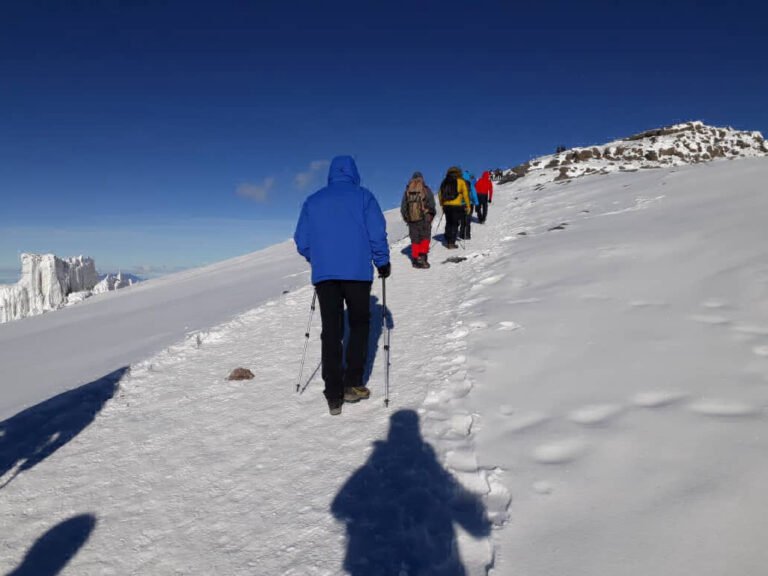
Lemosho Route – 16 January Group Joining Kilimanjaro Climb 2026-2027
This page details the Lemosho Route Kilimanjaro climb scheduled for January 16, 2027. It's an 8-day group joining departure, ideal for trekkers seeking a balance of scenic beauty, excellent...
View package details
8 Day Lemosho Route – 2 January Group Climb: Your Ultimate Kilimanjaro
start the scenic 8 Day Lemosho Route on January 2, 2027, a group climb designed for optimal acclimatization and summit success on Mount Kilimanjaro. This guide details the itinerary...
View package details
8 Day Lemosho Route – 20 February Kilimanjaro Departure With Climb 4 Africa
This article details the 8-day Lemosho Route Kilimanjaro climb scheduled for February 20, 2027, focusing on planning, itinerary, and what makes this departure a unique opportunity with...
View package detailsLemosho Route – 7 August Summer Group Climb: Your Kilimanjaro Adventure 2027
start a memorable Lemosho Route – 7 August 2027 Summer Group Climb up Mount Kilimanjaro. This guide covers the itinerary, acclimatization, and preparation for your ascent.
View package detailsLemosho Route – 28 August Kilimanjaro Group Climb 2027
Lemosho Route – 28 August 2027 Kilimanjaro Group Climb is explained with current 2027 planning, price, itinerary and booking information.
View package detailsLemosho Route – 12 August Kilimanjaro Group Climb With 4 Africa 2027
A detailed guide to the Lemosho Route Kilimanjaro climb for the 12 August 2027 group departure, covering itinerary, acclimatization, challenges, and what to expect with Climb 4 Africa.
View package detailsMachame Route – 9 July Kilimanjaro Group Climb 2027
Machame Route – 9 July 2027 Kilimanjaro Group Climb is explained with current 2027 planning, price, itinerary and booking information.
View package details8 Day Lemosho Route – 7 July Group Departure Kilimanjaro Climb 2027
start an incredible 8-day Lemosho Route trek up Mount Kilimanjaro with the Climb 4 Africa group departure on July 7, 2027. This itinerary offers a fantastic balance of acclimatization...
View package detailsMachame Route – 3 July Kilimanjaro Summer Climb 2027
The Machame Route offers a popular and scenic path to the summit of Kilimanjaro, especially for a summer climb on July 3, 2027. This guide details the 2027 expedition, covering route...
View package detailsLemosho Route 12 June – Kilimanjaro Group Climb 2027
Lemosho Route 12 June 2027 – June Kilimanjaro Group Climb is explained with current 2027 planning, price, itinerary and booking information.
View package detailsNo related package matches those filters. Clear one or more filters to see the other topic-matched options.



