
The 6-day Machame Route Kilimanjaro Group Climb on 26 October 2026 offers a balanced approach to acclimatization and summit success, presenting a challenging yet rewarding experience for trekkers aiming for Uhuru Peak. This specific departure date in late October falls within a favourable shoulder season, balancing good weather potential with fewer crowds compared to the peak months. The Machame Route is renowned for its scenic beauty and a higher success rate due to its gradual ascent profile, making it a popular choice for group expeditions where shared motivation and camaraderie play a significant role.

Understanding the 6-Day Machame Route for Your 2026 Climb
The Machame Route is often dubbed the “Whiskey Route” due to its reputation for being a more scenic and slightly more challenging path compared to some other Kilimanjaro ascents. For a 6-day Machame Route Kilimanjaro group climb departing 26 October 2026, this duration is considered efficient, offering a good balance between acclimatization and a quicker ascent. While it’s possible to do Machame in 7 or even 8 days for enhanced acclimatization, the 6-day option is popular among trekkers who have a good level of fitness and are comfortable with a more condensed schedule. The key trade-off with the 6-day itinerary is that the acclimatization profile is less gradual than longer options, meaning individual acclimatization capacity becomes even more critical.
When you opt for a group climb on the Machame Route for October 2026, you join a cohort of like-minded adventurers. This shared experience fosters a unique sense of camaraderie. It means shared costs, shared motivation, and often, shared stories around the campfire. For many, the social aspect of a group climb significantly enhances the overall journey. Climb 4 Africa specializes in curating these group departures, ensuring that each member is well-supported by experienced guides and porters. The 26 October 2026 departure is strategically timed. Late October is part of the shoulder season leading into the shorter rainy season. This can mean fewer trekkers on the mountain compared to the peak months of January-March and June-October, while still offering a reasonable chance of stable weather. The dry season is generally considered to run from June to October, so this departure sits at the very tail end of the primary dry season, often providing clear skies and good visibility, though occasional showers are always a possibility on Kilimanjaro.
The 6-day Machame Route is characterized by its trekking through diverse ecological zones: from rainforests at the base, through moorland and alpine desert, to the arctic zone near the summit. The route is known for its dramatic landscapes, including the Shira Plateau and the Barranco Wall. The shorter duration means that the pace can be quicker, and rest days are typically not included, which requires a solid physical and mental preparation from all participants joining the 2026 Kilimanjaro group climb.
The 6-Day Machame Route Itinerary: Day-by-Day Breakdown for October 2026
A standard 6-day Machame Route itinerary is designed to ascend efficiently while attempting to manage acclimatization. Here’s a typical breakdown you can expect for the 26 October 2026 departure, though specific timings and camp locations can vary slightly based on park regulations and group pace.
Day 1: Machame Gate (1,800m/5,905ft) to Machame Camp (3,000m/9,840ft)
The adventure begins at Machame Gate. After completing park formalities and meeting your guides, you’ll start a trek through the lush rainforest. The trail is often muddy and can be steep in places. You’ll ascend approximately 1,200 meters in altitude over 5-7 hours, covering about 10-12 km. The focus today is on enjoying the biodiversity of the montane forest and reaching the first camp, where you’ll acclimatize to sleeping at a higher altitude.
Day 2: Machame Camp (3,000m/9,840ft) to Shira Camp (3,850m/12,630ft)
Today’s trek takes you out of the forest and into the moorland zone. The terrain becomes more open, with heather and giant groundsels. You’ll cross a ridge and then descend slightly before climbing again to Shira Camp, situated on the Shira Plateau. This day involves a significant altitude gain of around 850 meters over 4-6 hours, covering 5-7 km. The Shira Plateau offers spectacular views, and the higher camp aids in acclimatization.
Day 3: Shira Camp (3,850m/12,630ft) to Barranco Camp (3,950m/12,960ft)
This is a day of significant scenic beauty and varied terrain. The route traverses the alpine desert zone and heads east towards the Lava Tower (4,600m/15,090ft), which serves as an excellent acclimatization point. After a break at Lava Tower, you’ll descend to Barranco Camp. This “climb high, sleep low” principle is crucial for acclimatization. You’ll gain altitude to Lava Tower and then descend, ending the day at a slightly higher camp than the previous night, after 6-8 hours of trekking and covering 10-12 km. The Barranco Camp is located at the base of the famous Barranco Wall.
Day 4: Barranco Camp (3,950m/12,960ft) to Karanga Camp (4,000m/13,120ft)
The most iconic challenge of the Machame Route awaits: the Barranco Wall. This is a steep, but not technically difficult, scramble. Your guides will assist you, and the climb is often a highlight for trekkers. After surmounting the wall, the route continues through a landscape of giant senecios and lobelias, descending slightly before a final push to Karanga Camp. This day involves 4-5 hours of trekking, covering 5-7 km, with a modest altitude gain. Karanga Camp is located in a valley and provides a good resting point before the final ascent phase.
Day 5: Karanga Camp (4,000m/13,120ft) to Barafu Camp (4,650m/15,250ft)
This is a shorter trekking day in terms of distance but significant in altitude gain and preparation for summit night. The path is rocky and increasingly barren. You’ll trek for 3-5 hours, covering 4-5 km, gaining around 650 meters. Barafu Camp is situated on a stony, exposed ridge. The goal here is to rest, hydrate, and prepare for the midnight start to the summit push. You’ll have an early dinner and aim for a few hours of sleep before the final ascent.
Day 6: Barafu Camp (4,650m/15,250ft) to Uhuru Peak (5,895m/19,341ft) and descend to Mweka Camp (3,100m/10,170ft)
This is summit day, beginning around midnight. You’ll ascend steeply over scree and volcanic scree in the dark, guided by headlamps. The Stella Point (5,756m/18,885ft) is reached first, often at sunrise, offering impressive views. The final push to Uhuru Peak, the highest point in Africa, takes another 1-2 hours. After celebrating at the summit, you’ll descend back to Barafu Camp for a brief rest and then continue down to Mweka Camp. This is a very long and demanding day, involving 11-15 hours of trekking and covering 12-18 km.
Day 7 (Optional but recommended for 6-day itineraries): Mweka Camp (3,100m/10,170ft) to Mweka Gate (1,640m/5,380ft) and transfer to Moshi
After breakfast, you’ll descend through the montane forest to Mweka Gate. The trek takes 3-4 hours over 10-12 km. Upon arrival, you’ll be greeted by your drivers and transferred to your hotel in Moshi for a much-deserved hot shower and celebration.
For the 6 Day Machame Route – 26 October 2026 Kilimanjaro Group Climb, this itinerary is tight. If weather or altitude sickness causes delays, or if the group requires a slower pace, extending to a 7-day itinerary by adding a night at Karanga Camp is often a sensible consideration for improved acclimatization and success rates. Climb 4 Africa can advise on this. The October 2026 timing is excellent for this route, with cooler temperatures and potentially clearer skies.
Why Choose the 6-Day Machame Route? Pros and Cons
The Machame Route is a popular choice for many reasons, and the 6-day itinerary specifically appeals to a certain type of trekker. Understanding its advantages and disadvantages is crucial for making an informed decision for your 26 October 2026 Kilimanjaro group climb.
Pros of the 6-Day Machame Route:
- Scenic Beauty: The route is widely regarded as one of the most beautiful on Kilimanjaro, passing through diverse landscapes from dense rainforests to alpine deserts and glacial zones. The views of Shira Plateau, Lava Tower, and the surrounding peaks are stunning.
- Higher Success Rates (compared to shorter routes): While 7 or 8-day Machame itineraries offer better acclimatization, the 6-day route still provides a reasonable acclimatization profile, especially when compared to the much shorter Marangu or Rongai routes. The route’s design, including the “climb high, sleep low” strategy on Day 3, is effective.
- Group Dynamics: For a group climb, the shared challenge and experience can be incredibly motivating and rewarding. The 6-day duration means a more focused and intense shared experience.
- Cost-Effectiveness: Shorter itineraries generally mean fewer days of guiding, porterage, and park fees, potentially making the 6-day option slightly more economical than longer Machame variations.
- Favourable Timing for 26 October 2026: As mentioned, late October is a good shoulder season. You might experience fewer crowds than in peak months, and weather can still be favourable.
Cons of the 6-Day Machame Route:
- Acclimatization Challenges: This is the primary concern. The 6-day pace is rapid. Altitude sickness is a significant risk on Kilimanjaro, and a shorter itinerary offers less time for your body to adapt to the extreme altitude. Trekkers must be in excellent physical condition and very diligent about hydration and listening to their bodies.
- Intense Pace: The days can be long, especially summit night. There are no dedicated rest days, and the trekking can be physically demanding from start to finish.
- Steeper Learning Curve: For first-time high-altitude trekkers, the 6-day Machame might be more challenging than a longer, more gradual ascent.
- Potential for Lower Success Rate than Longer Options: While still good, the success rate for the 6-day Machame is statistically lower than for its 7 or 8-day counterparts due to the reduced acclimatization time.
For your 6 Day Machame Route – 26 October 2026 Kilimanjaro Group Climb, a thorough assessment of your fitness and prior high-altitude experience is paramount. If you have any doubts about acclimatization, Climb 4 Africa strongly recommends considering the 7-day Machame option, which significantly increases comfort and success chances for a small increase in cost and duration.
The Dynamics of a Group Climb: Camaraderie and Support
Joining a group climb on the Machame Route for October 2026 offers a unique social dimension to your Kilimanjaro adventure. It’s more than just reaching the summit; it’s about the shared journey, the collective effort, and the bonds formed along the way.
Shared Motivation: When one member of the group feels tired or discouraged, the support from others can be a powerful motivator. Cheering each other on, sharing snacks, and offering words of encouragement are common occurrences. The 26 October 2026 departure will bring together individuals with a common goal, creating an immediate connection.
Shared Experience and Memories: The challenges and triumphs of climbing Kilimanjaro are amplified when shared. The campfire stories, the laughter during the trek, and the collective elation at the summit are memories that last a lifetime, made richer by the shared context.
Expert Support System: A well-organized group climb, like those offered by Climb 4 Africa, means you are part of a team managed by professional guides, assistant guides, chefs, and porters. This team is dedicated to your safety and comfort. The guides are trained in first aid and altitude sickness management, ensuring that any issues are addressed promptly and effectively. For the 6 Day Machame Route – 26 October 2026 Kilimanjaro Group Climb, this professional support is non-negotiable.
Logistical Efficiency: Group departures streamline logistics. Equipment is managed collectively, meals are prepared for the group, and camp setups are handled efficiently by the support crew. This allows trekkers to focus on the climb itself.
Potential for New Friendships: Many people form lasting friendships with fellow trekkers from around the world. The shared experience of overcoming such a significant challenge creates deep connections.
Considerations for Group Dynamics:
- Pace Differences: While guides manage the overall pace, individuals will naturally trek at different speeds. It’s important to be patient and supportive of everyone in the group. The guides are skilled at managing these variations.
- Dietary Needs: Ensure you communicate any dietary restrictions well in advance. Reputable operators like Climb 4 Africa can cater to most needs with proper notification.
- Group Size: Smaller groups can sometimes feel more intimate, while larger groups might offer more diverse personalities and energy. Climb 4 Africa typically manages group sizes that are optimal for both camaraderie and logistical efficiency.
The October 2026 group climb is an opportunity to not only conquer Kilimanjaro but also to connect with others on a profound level. It’s a chance to be part of something bigger than yourself, supported by a professional team and fellow adventurers.
Preparing for Your 26 October 2026 Kilimanjaro Expedition
Successful ascent of Kilimanjaro, especially on a 6-day Machame Route for 26 October 2026, hinges on meticulous preparation. This isn’t just about packing; it’s about physical conditioning, mental readiness, and understanding the environment.
Physical Training:
- Cardiovascular Fitness: Focus on activities that build endurance, such as hiking, running, cycling, or swimming. Aim for at least 3-4 sessions per week, with longer sessions (2-3 hours) on weekends.
- Strength Training: Incorporate exercises that strengthen your legs, core, and back. Squats, lunges, step-ups (with a backpack), and planks are beneficial.
- Hiking Practice: The most crucial training is hiking, ideally with a weighted backpack on varied terrain (hills, stairs). Simulate the conditions you’ll face as much as possible. Practice on consecutive days if possible to mimic multi-day treks.
- Altitude Preparation: While you cannot truly train for altitude, being physically fit makes your body more resilient and better equipped to cope. If possible, spend time at moderate altitudes (e.g., 2,000-3,000m) before your trip.
Mental Preparation:
- Understanding the Challenge: Kilimanjaro is a serious undertaking. Understand that there will be challenging moments, especially during summit night. Accept that altitude sickness is a real possibility and that turning back is a sign of wisdom, not failure.
- Setting Realistic Expectations: A 6-day itinerary is demanding. Be prepared for long days, cold temperatures, and the physical exertion required.
- Positive Mindset: A positive attitude is infectious and crucial for both personal resilience and group morale. Focus on the journey and the incredible experience.
Health and Medical:
- Consult Your Doctor: Discuss your plans with your physician, especially if you have any pre-existing medical conditions. They can provide personalized advice and necessary vaccinations or malaria prophylaxis.
- Travel Insurance: Ensure your travel insurance covers high-altitude trekking and emergency medical evacuation. This is non-negotiable.
- Medications: Carry a personal first-aid kit with essentials like pain relievers, blister treatment, antiseptic wipes, and any personal medications. Diamox (acetazolamide) can be prescribed by your doctor to help with acclimatization, but it is not a substitute for proper acclimatization or fitness.
Logistical Preparations:
- Visa and Passport: Ensure your passport is valid for at least six months beyond your travel dates and that you have the necessary visas for Tanzania.
- Flights: Book your flights to Kilimanjaro International Airport (JRO) well in advance, especially for a specific date like 26 October 2026.
- Pre- and Post-Climb Accommodation: Arrange your hotel stays in Moshi or Arusha before and after the climb.
Climb 4 Africa provides detailed pre-departure information to all clients booked on a 6 Day Machame Route – 26 October 2026 Kilimanjaro Group Climb, covering everything from training advice to packing lists.
Essential Gear for the Machame Route Climb
Proper gear is critical for comfort, safety, and success on Kilimanjaro. The weather can change rapidly, from warm and humid in the rainforest to freezing cold at the summit. For the 6 Day Machame Route – 26 October 2026 Kilimanjaro Group Climb, layering is key. Here’s a breakdown of essential items:
Clothing (Layering System):
- Base Layers: Moisture-wicking thermal tops and bottoms (merino wool or synthetic). Bring 2-3 sets.
- Mid Layers: Fleece jacket or pullover, thermal shirt. These provide insulation.
- Outer Layer (Shell): Waterproof and windproof jacket and trousers. Essential for protection against rain and wind.
- Insulation Layer: A warm down or synthetic insulated jacket (puffer jacket) is vital for cold evenings and summit night.
- Trekking Trousers: 2-3 pairs of comfortable, quick-drying trekking trousers. Avoid jeans.
- Shirts: Several short-sleeved and long-sleeved moisture-wicking shirts.
- Headwear: A warm woolen hat or beanie that covers your ears, and a sun hat with a brim for daytime. A balaclava or neck gaiter is also useful for summit night.
- Gloves: Warm, waterproof outer gloves and thinner liner gloves.
Footwear:
- Hiking Boots: Well-worn, waterproof, sturdy hiking boots with good ankle support. Crucial for preventing blisters and providing stability.
- Camp Shoes/Sandals: Comfortable footwear for wearing around camp.
- Socks: Several pairs of warm, moisture-wicking hiking socks (wool or synthetic). Avoid cotton. Bring liner socks too.
Equipment:
- Backpack: A comfortable daypack (30-40 liters) for carrying water, snacks, camera, and extra layers during the day.
- Duffel Bag: A large, waterproof duffel bag (80-100 liters) for porters to carry your main gear.
- Sleeping Bag: A warm sleeping bag rated to at least -10°C (0°F), preferably -20°C (-4°F) for summit night.
- Sleeping Bag Liner: Adds warmth and keeps your sleeping bag clean.
- Trekking Poles: Highly recommended to reduce strain on knees, especially during descents.
- Headlamp: Essential for summit night and for use in camp after dark. Bring spare batteries.
- Water Bottles/Hydration Reservoir: At least 2-3 liters capacity. Insulated bottles are useful in cold weather.
- Sunglasses: High UV protection.
- Sunscreen: High SPF (30+).
- Lip Balm: With SPF.
- Personal First-Aid Kit: Including blister treatment, pain relievers, antiseptic wipes, bandages, etc.
- Toiletries: Biodegradable soap, toothbrush, toothpaste, wet wipes, hand sanitizer.
- Camera and Spare Batteries/Power Bank: Essential for capturing the incredible scenery.
- Snacks: Energy bars, nuts, dried fruit, chocolate.
- Personal Documents: Passport, visa, insurance details, emergency contacts.
Climb 4 Africa provides a comprehensive packing list upon booking for the 6 Day Machame Route – 26 October 2026 Kilimanjaro Group Climb, tailored to the specific route and time of year.
Health, Safety, and Acclimatization on Kilimanjaro
Your health and safety are paramount on any Kilimanjaro climb, particularly for a 6-day Machame Route in October 2026. Acclimatization is the most critical factor in preventing altitude sickness.
Understanding Altitude Sickness:
- Symptoms: Common symptoms include headache, nausea, dizziness, fatigue, loss of appetite, and difficulty sleeping. These can progress to more severe forms like High Altitude Cerebral Edema (HACE) and High Altitude Pulmonary Edema (HAPE), which are life-threatening.
- Prevention: The best prevention is slow and gradual ascent, allowing your body time to adapt. The 6-day Machame is fast, so paying attention to symptoms is vital. Staying well-hydrated (3-4 liters per day), avoiding alcohol and caffeine, and getting enough rest are also crucial.
- Acclimatization Strategy: Reputable operators follow the “climb high, sleep low” principle. This means ascending to higher altitudes during the day and then descending to a lower camp to sleep. The itinerary for the 6-day Machame includes this on Day 3 (Lava Tower to Barranco Camp).
- Monitoring: Your guides will monitor you and your fellow climbers for signs of altitude sickness. They are trained to recognize symptoms and will make decisions based on your well-being.
Safety Protocols:
- Experienced Guides: Climb 4 Africa employs highly trained and experienced guides who are certified in wilderness first aid and altitude sickness management. They carry comprehensive medical kits.
- Communication: Guides are equipped with radios or satellite phones for emergencies, allowing communication with base operations.
- Emergency Procedures: In case of severe altitude sickness or injury, the protocol is to descend immediately. This is the most effective treatment. For remote sections, evacuation might be necessary, highlighting the importance of travel insurance.
- Hygiene: Strict hygiene practices are maintained by the crew to prevent food and waterborne illnesses. Water is typically purified or boiled.
Making the Right Choice for 2026:
For the 6 Day Machame Route – 26 October 2026 Kilimanjaro Group Climb, it’s essential to be honest with yourself about your physical condition and altitude tolerance. If you have a history of altitude sickness or are concerned about the pace, the 7-day Machame Route is a highly recommended alternative. It adds an extra day, often by extending the time spent at Karanga Camp or adding an acclimatization day at Barafu Camp, significantly improving your chances of a comfortable and successful summit. Climb 4 Africa’s experts can help you weigh these options.
Vaccinations and Medications:
- Recommended Vaccinations: Consult your doctor or a travel clinic about vaccinations for Tanzania, which may include Hepatitis A, Typhoid, Tetanus, and Yellow Fever (depending on your travel itinerary).
- Malaria Prevention: Kilimanjaro itself is at too high an altitude for mosquitoes, but malaria is a risk in the lower regions of Tanzania, including Moshi and Arusha. Discuss malaria prophylaxis with your doctor.
- Diamox (Acetazolamide): This prescription medication can aid acclimatization by speeding up breathing and increasing the body’s intake of oxygen. It is not a cure for altitude sickness but can help manage mild symptoms. Discuss its use with your doctor.
Prioritizing health and safety ensures that your Kilimanjaro adventure is not only successful but also an enjoyable and memorable experience.
Local Support and Logistics with Climb 4 Africa
When you book the 6 Day Machame Route – 26 October 2026 Kilimanjaro Group Climb with Climb 4 Africa, you are engaging a local Tanzanian company with deep expertise in Kilimanjaro expeditions and Tanzanian travel. This local connection is a significant advantage.
Expert Local Guides and Crew:
Our guides are not just knowledgeable about the mountain; they are locals who have grown up in the Kilimanjaro region. They possess intimate knowledge of the trails, weather patterns, flora, and fauna. Their experience ensures your safety, comfort, and a richer cultural understanding of the mountain and its surroundings. Our porters are strong and experienced, carrying your gear efficiently, and our chefs prepare delicious and nutritious meals that are essential fuel for your trek.
Comprehensive Itinerary Planning:
We meticulously plan every aspect of the October 2026 group climb, from gate registration and park fee handling to camp logistics and meal preparation. This allows you to focus solely on your climb. We ensure all necessary permits and documentation are in order.
Equipment Provision:
While you are responsible for personal gear, Climb 4 Africa often provides essential items such as tents (individual tents for sleeping, mess tents for dining), cooking equipment, and purified drinking water. We can also advise on gear rental options if needed.
Safety and Emergency Preparedness:
Our commitment to safety is unwavering. We maintain rigorous safety protocols, ensure our guides are trained in first aid and altitude sickness management, and carry comprehensive medical kits. Communication systems are in place for emergencies. For a group climb, this coordinated approach to safety is crucial.
Community Support:
As a local operator, Climb 4 Africa is committed to fair wages and ethical treatment of our mountain crew. We believe in supporting the local communities and contributing positively to the region’s economy. Booking with us means your adventure directly benefits the people who make it possible.
Tailored Experiences:
While this is a specific group departure, Climb 4 Africa also specializes in tailor-made itineraries. If the 26 October 2026 date doesn’t suit, or if you prefer a private climb or a different route, we can customize an experience for you. We also offer smooth integration with safaris and Zanzibar holidays.
Direct Communication:
You can reach us directly for any queries. For the 6 Day Machame Route – 26 October 2026 Kilimanjaro Group Climb, or any other Tanzanian travel needs, please don’t hesitate to contact us.
Booking Your 26 October 2026 Kilimanjaro Group Climb
Securing your spot on the 6 Day Machame Route – 26 October 2026 Kilimanjaro Group Climb is a straightforward process with Climb 4 Africa. We aim to make your booking experience as smooth and informative as possible, ensuring you feel confident and prepared.
How to Book:
- Inquiry: Reach out to us with your interest in the 26 October 2026 departure. You can do this via our website, email, or WhatsApp. Provide any initial questions you may have.
- Consultation: We will discuss the itinerary, inclusions, exclusions, and answer any specific concerns you might have regarding the 6-day Machame Route, acclimatization, or what to expect. We can also advise on whether this itinerary is the best fit for your experience level or if a 7-day option would be more suitable for your 2026 Kilimanjaro adventure.
- Confirmation and Deposit: Once you decide to proceed, we will send you a formal booking confirmation along with a deposit invoice. A deposit is typically required to secure your place on the climb and confirm the date.
- Payment: We accept various payment methods. Details will be provided in your booking confirmation. The balance payment is usually due a few weeks before your departure date.
- Pre-Departure Information: After your booking is confirmed, you will receive comprehensive pre-departure information. This includes detailed packing lists, training recommendations, visa guidance, and health advice.
What’s Typically Included:
While specific inclusions can vary, a standard package for a Kilimanjaro group climb with Climb 4 Africa generally covers:
- All park entry fees, camping fees, and rescue fees.
- Professional, licensed mountain guides (English-speaking).
- Assistant guides.
- Cook and all meals on the mountain.
- Porters for carrying group equipment and your duffel bag (a weight limit usually applies per porter).
- Accommodation in tents on the mountain.
- Bottled and purified drinking water on the mountain.
- Transfer from Kilimanjaro Airport to your hotel and back to the airport or your next destination.
- 2 nights’ accommodation in a hotel in Moshi before and after the climb (often on a bed and breakfast basis).
- A celebratory meal upon completion of the climb.
What’s Typically Excluded:
- International flights to Kilimanjaro (JRO).
- Visa fees for Tanzania.
- Travel and medical insurance (mandatory).
- Personal gear and equipment (sleeping bag, hiking poles, clothing, etc., though some items might be available for rent).
- Tips for guides, porters, and cooks (this is customary and a significant part of their income).
- Lunches and dinners in hotels before and after the climb (unless specified).
- Personal expenses such as souvenirs, alcoholic beverages, and laundry.
- Optional summit climbing pole.
Why Book with Climb 4 Africa?
Choosing Climb 4 Africa means partnering with a dedicated, local operator. We are committed to providing safe, ethical, and unforgettable Kilimanjaro experiences. Our local expertise ensures authentic support and a deep understanding of the mountain. We are passionate about helping you achieve your summit goal on the 6 Day Machame Route – 26 October 2026 Kilimanjaro Group Climb.
For any questions or to begin your booking process for the October 2026 departure, please contact us directly:
WhatsApp: +255 747 477 898
Email: climb4africa@gmail.com
We look forward to helping you plan your Kilimanjaro adventure!
Beyond the Summit: Zanzibar and Safari Adventures
Reaching Uhuru Peak is an incredible achievement, but your Tanzanian adventure doesn’t have to end there. Many trekkers combine their 6 Day Machame Route – 26 October 2026 Kilimanjaro Group Climb with other iconic Tanzanian experiences, creating a truly unforgettable African journey. Climb 4 Africa specializes in smooth integration of these elements.
Tanzania Safari: The Ultimate Wildlife Experience
Following your Kilimanjaro climb, immersing yourself in a Tanzanian safari is a natural next step. Imagine exploring world-renowned national parks such as the Serengeti, Ngorongoro Crater, Tarangire, and Lake Manyara. Witness the Great Migration, marvel at vast herds of elephants, and spot the Big Five in their natural habitat. Climb 4 Africa offers a variety of safari packages, from short 3-day excursions to longer, more in-depth explorations. A typical post-climb safari might include:
- Serengeti National Park: Famous for its endless plains and the spectacular Great Migration.
- Ngorongoro Conservation Area: A UNESCO World Heritage Site with a unique caldera ecosystem teeming with wildlife.
- Tarangire National Park: Known for its large elephant herds and baobab trees.
- Lake Manyara National Park: Home to tree-climbing lions and diverse birdlife.
We can arrange group safaris to align with your climb dates or customize private safaris based on your interests and budget. The October 2026 timeframe is excellent for safaris, offering good game viewing across many parks.
Zanzibar: Tropical Paradise and Rich History
After the physical exertion of Kilimanjaro and the excitement of a safari, unwind on the pristine beaches of Zanzibar. This exotic island offers a perfect blend of relaxation, history, and culture.
- Stone Town: Explore the labyrinthine streets of this UNESCO World Heritage site, soak in its rich history, and visit bustling markets.
- Beaches: Relax on the white-sand beaches of Nungwi, Kendwa, Paje, or Matemwe. Enjoy swimming, snorkeling, diving, or simply basking in the sun.
- Spice Tours: Discover the island’s fragrant spice plantations and learn about the cultivation of cloves, cinnamon, vanilla, and more.
- Marine Life: Take boat trips to spot dolphins, snorkel or dive in the crystal-clear waters, and experience the vibrant coral reefs.
Climb 4 Africa can arrange accommodation, transfers, and tours in Zanzibar, ensuring a smooth transition from your mountain adventure to island bliss. Combining your 6-day Machame Route climb with a safari and Zanzibar creates a comprehensive Tanzanian experience.
Planning Your Combined Trip:
Integrating these experiences requires careful planning. Climb 4 Africa’s expertise as a local tour operator in Tanzania is invaluable here. We can help you:
- Coordinate timings between your Kilimanjaro climb, safari, and Zanzibar stay.
- Arrange all necessary transfers between locations.
- Select accommodation that suits your preferences and budget.
- Ensure a consistent level of quality and support throughout your entire trip.
Let us help you craft the ultimate Tanzanian adventure following your 26 October 2026 Kilimanjaro summit. Contact us to discuss your dream itinerary.
Check Availability for 6 Day Machame Route – 26 October Kilimanjaro Group Climb 2026-2027
Ready to compare dates, prices, and the best option for your group? Send the package name and travel month so the team can reply with a clear quote, availability, and what is included.
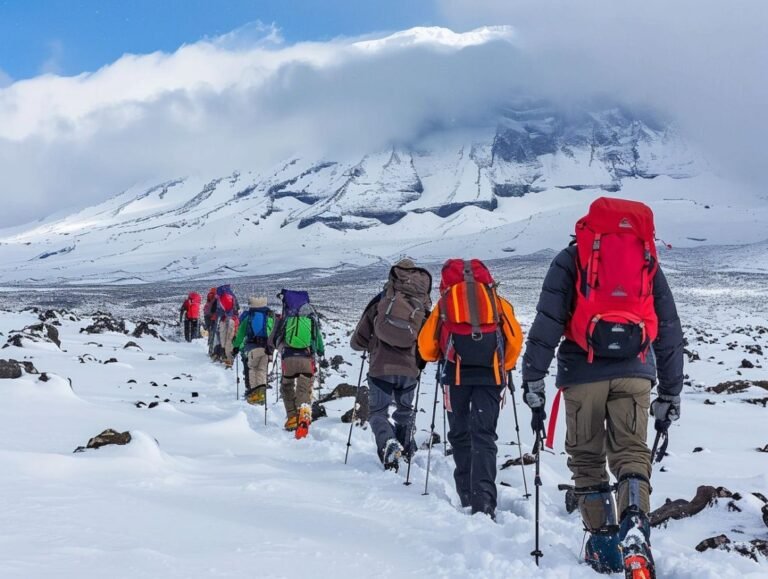
Machame Route – 9 July Kilimanjaro Group Climb 2027
Machame Route – 9 July 2027 Kilimanjaro Group Climb is explained with current 2027 planning, price, itinerary and booking information.
View package details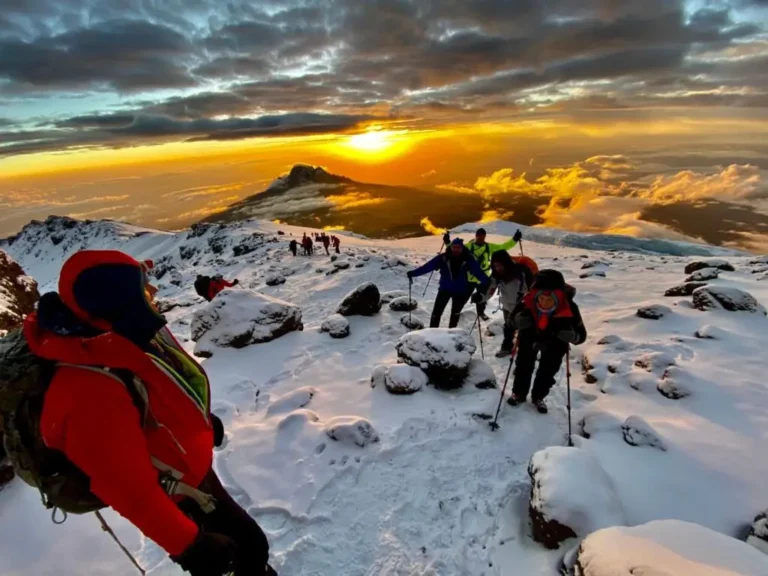
Marangu Route – 26 June Kilimanjaro Group Climb 2027
Marangu Route – 26 June 2027 Kilimanjaro Group Climb is explained with current 2027 planning, price, itinerary and booking information.
View package details7 Day Machame Route – 19 June Kilimanjaro Group Departure 2027
Planning to climb Kilimanjaro on the Machame Route in a group setting? This 7-day departure on June 19, 2027, offers a balanced approach to acclimatization and scenery. Learn what to...
View package detailsLemosho Route – 7 August Summer Group Climb: Your Kilimanjaro Adventure 2027
start a memorable Lemosho Route – 7 August 2027 Summer Group Climb up Mount Kilimanjaro. This guide covers the itinerary, acclimatization, and preparation for your ascent.
View package detailsLemosho Route – 28 August Kilimanjaro Group Climb 2027
Lemosho Route – 28 August 2027 Kilimanjaro Group Climb is explained with current 2027 planning, price, itinerary and booking information.
View package detailsMachame Route – 14 August Peak-Season Group Climb 2027
Discover the details of a Machame Route group climb on Kilimanjaro scheduled for August 14, 2027. This peak season departure offers an excellent opportunity to trek one of Kilimanjaro's...
View package detailsLemosho Route – 12 August Kilimanjaro Group Climb With 4 Africa 2027
A detailed guide to the Lemosho Route Kilimanjaro climb for the 12 August 2027 group departure, covering itinerary, acclimatization, challenges, and what to expect with Climb 4 Africa.
View package details7 Day Machame Route – 3 August Group Departure For Kilimanjaro 2027
Secure your spot on the 7 Day Machame Route Kilimanjaro group trek departing on August 3, 2027. This popular route offers a fantastic balance of scenic beauty and acclimatization for a...
View package details8 Day Lemosho Route – 7 July Group Departure Kilimanjaro Climb 2027
start an incredible 8-day Lemosho Route trek up Mount Kilimanjaro with the Climb 4 Africa group departure on July 7, 2027. This itinerary offers a fantastic balance of acclimatization...
View package detailsLemosho Route 12 June – Kilimanjaro Group Climb 2027
Lemosho Route 12 June 2027 – June Kilimanjaro Group Climb is explained with current 2027 planning, price, itinerary and booking information.
View package details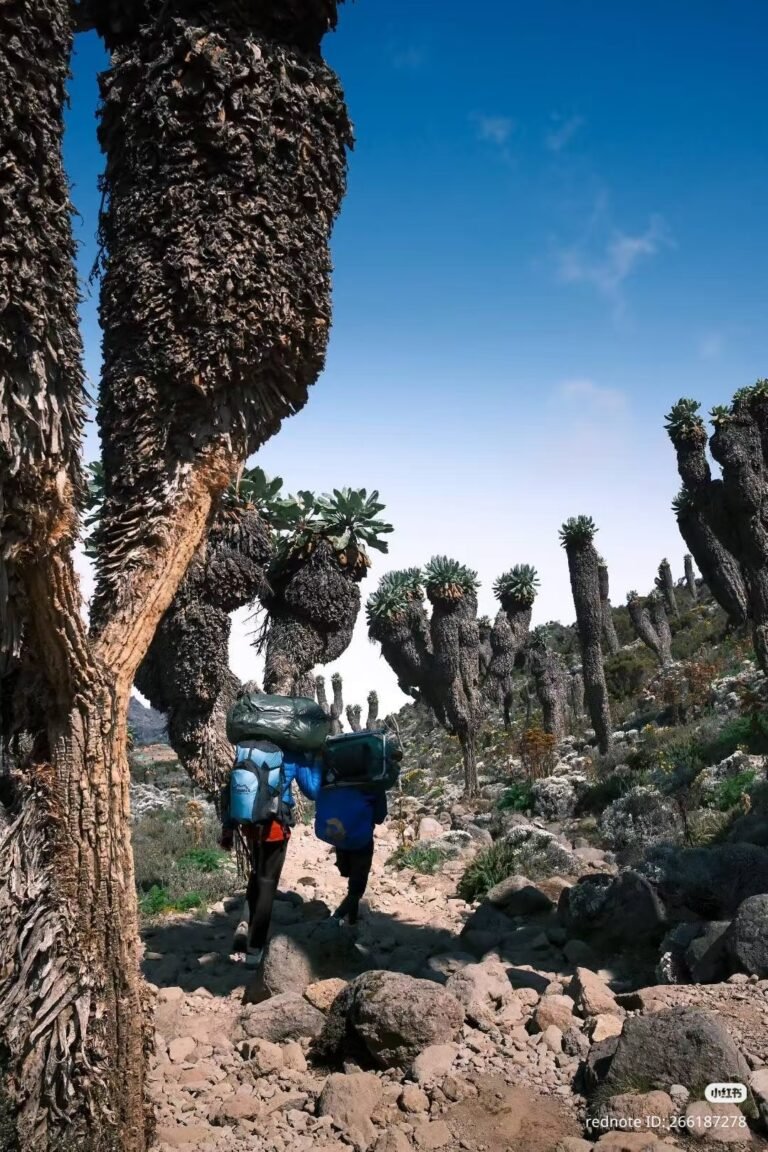
7 Day Machame Route – 7 December Group Departure | Your Kilimanjaro Climb
Plan your Kilimanjaro ascent on the popular 7-day Machame Route with a group departure on December 7, 2026. This guide covers the trek's highlights, challenges, and what to expect when...
View package detailsKilimanjaro Climb July – Peak Dry-Season Group Departures 2027
Kilimanjaro Climb July 2027 – Peak Dry-Season Group Departures is explained with current 2027 planning, price, itinerary and booking information.
View package detailsNo related package matches those filters. Clear one or more filters to see the other topic-matched options.



