
When you are looking for the best group safari for Christmas and New Year in Tanzania, the definition of “best” shifts from simply finding the most affordable option to securing a confirmed spot in a high-demand, peak season window. The holiday season in Tanzania—typically running from late December through early January—is a period of maximum occupancy for lodges, camps, and park permits. Finding a safari that fits your schedule requires a different approach than booking during the low or shoulder seasons.
For most travelers, the “best” safari during this time is one that balances your desire for wildlife sightings with the reality of holiday logistics. You are not just choosing a route; you are choosing a group that is already confirmed or likely to fill up, as travel during this time is rarely solitary.
The Peak Season Reality: Why Holiday Safaris Require Early Decisions
December and January in Tanzania constitute a peak tourist season. This is driven by several factors: the weather is generally pleasant, the “short rains” have usually passed, and it aligns with global holiday breaks. If you are aiming for a group departure, you must understand that these spots are finite. Unlike a private safari, where a vehicle can be arranged specifically for you, a group joining safari depends on a critical mass of passengers to make the departure viable for the operator.
The most important factor in your decision is availability verification. If you find a listing that appears to have open slots, do not assume it is confirmed. During the holidays, operators often run multiple vehicles, but they fill quickly. When you contact Climb 4 Africa or any other operator, the first question should not be about the itinerary, but about which specific dates have a confirmed, active group. If you wait until November to book a December trip, you are significantly limiting your choices.
5-Day vs. 7-Day Group Itineraries: Which Fits Your Holiday?
The most common group safaris in Tanzania follow the Northern Circuit. The debate between a 5-day and a 7-day itinerary is not just about cost; it is about how much time you want to spend in the parks versus on the road.
The 5-Day Intensive Route
A 5-day group safari is typically designed for travelers with limited time who want to see the “Big Three”: Tarangire, Ngorongoro Crater, and the Serengeti. In a group setting, this is a fast-paced trip. You will spend significant time in the vehicle, and your game drives will be focused and efficient. During the holidays, this can feel rushed because park entrances and lodges are crowded. You will see incredible wildlife, but you will be on a strict schedule to ensure you reach your accommodation before dark.
The 7-Day Relaxed Route
If you have the flexibility, the 7-day safari is almost always the better choice for the Christmas and New Year period. This itinerary often includes an extra day in the Serengeti or a visit to Lake Manyara. The extra time allows for a more relaxed pace, which is vital when the parks are busy. You are less likely to feel the pressure of the holiday crowds, and you have a better chance of lingering at a sighting without feeling that you must rush to the next destination to stay on schedule.
If you are trying to decide between these two, consider your tolerance for travel time. If you dislike long days in a Land Cruiser, the 7-day option spreads the driving distance more comfortably. You can explore which Tanzania group safari includes Serengeti and Ngorongoro and see how the duration changes your experience in each park.
Understanding Group Joining Logistics
Joining a group safari is a distinct logistical process. You are sharing a vehicle with other travelers, which means the itinerary, accommodation, and pace are fixed. This is how you keep costs lower than a private trip, but it requires compromise.
Most group safaris for the Northern Circuit start in Arusha or Moshi. You will typically meet your group on the morning of departure. It is essential to understand the following:
- Vehicle Capacity: Group vehicles usually hold 6 to 7 people. You want a seat near a window, but in a group setting, rotations are often used to ensure everyone gets a fair view over the course of the trip.
- Accommodation Standards: During the holidays, budget camping and mid-range lodges sell out months in advance. A “group safari” might list a specific lodge, but if it is full, the operator may need to substitute it. Always ask how the operator handles accommodation changes.
- Meeting Points: Confirm if your pick-up is from your hotel in Moshi or Arusha, or if you need to travel to a central office. If you are arriving on the same day as your safari starts, you risk missing the group if your flight is delayed. Always arrive at least one day early.
For those unsure about the process, reading about joining a Tanzania safari group without traveling with friends can help clarify the social and logistical aspects of sharing a vehicle with strangers.
The Cost Logic of Holiday Safaris
You will likely encounter higher prices for departures between December 20th and January 5th. This is not arbitrary; lodges and camps apply “peak season supplements” during this time. When comparing prices, ensure the quote includes these potential surcharges.
A transparent operator will explain that the price variation is due to park fees, which remain constant, and accommodation costs, which spike during the holidays. If you see a price that seems significantly lower than others for the same dates, be cautious. It may not include all park fees, or it may be using accommodation that is far outside the park boundaries, leading to longer, exhausting travel times every morning.
Always ask for a breakdown of what is included. Does the price cover the Ngorongoro Crater entry fee? Is water provided in the vehicle? Are the meals full-board? For a deeper understanding of how these costs are structured, you can review information on how much a 5-day Tanzania group safari costs, keeping in mind that holiday pricing will deviate from standard rates.
Strategic Planning for 2026-2027
If you are planning for the 2026-2027 holiday season, the best strategy is to define your “must-haves” before you start contacting operators. Do you need a lodge with a pool? Are you happy with camping? Do you want a maximum group size of 4 people, or are you comfortable with 6? These parameters help Climb 4 Africa match you with the right group.
The “best” safari is ultimately one that matches your expectations. If you are an avid photographer, you might want to specifically ask about the group’s priorities—does everyone want to stop for hours to photograph a single lion, or is the group focused on seeing as much as possible? These are the nuances that make or break a group trip.
Common Questions About Holiday Safaris
Is it better to book a group safari from Moshi or Arusha?
Both are excellent starting points. Moshi is often preferred by those also climbing Kilimanjaro, while Arusha is closer to the western side of the Northern Circuit. The choice depends on where you are staying, but the quality of the safari is generally the same regardless of the starting city.
Can I change my itinerary once the group is confirmed?
Generally, no. A group safari is a pre-set product. If you have specific, non-negotiable requirements, you may be better suited for a private safari, where the itinerary is tailored entirely to your preferences.
What happens if the group doesn’t fill up?
This is a risk with group joining tours. Most operators have a minimum number of participants required to run the trip. If the group does not reach this number, the operator might offer to run the tour at a higher price, merge you with another group, or cancel the trip. Always clarify the “minimum passenger” policy before you pay a deposit.
How to Secure Your Spot
Once you have identified a potential departure, the next step is communication. Reach out to the operator directly to verify the status of the seats. Do not rely solely on website calendars, as these are often not updated in real-time during the busy holiday rush.
When you contact us at Climb 4 Africa, provide your exact travel dates, the number of people in your party, and your preferred style (camping or lodge). You can reach us via WhatsApp at +255 747 477 898 or email us at climb4africa@gmail.com or our backup address info@climb-4-africa.com. By providing these details upfront, we can give you an accurate assessment of which group departures are genuinely available and which ones are the best fit for your holiday goals.
Remember, the holiday season in Tanzania is a magical time to be in the bush. The landscapes are vibrant, and the wildlife activity is high. With the right planning and a realistic approach to group dynamics, you can have an exceptional experience that balances the excitement of the safari with the festive spirit of the season.
The Social Dynamics of Holiday Group Safaris
Beyond the logistical reality of booking, the most significant difference between a standard group safari and one occurring during the Christmas and New Year period is the social atmosphere. When you book a group tour during the festive season, you are not merely purchasing a seat in a vehicle; you are entering a shared experience with a group of strangers who have all chosen to spend their holiday in the Tanzanian bush. This creates a unique dynamic that is absent during quieter months.
During late December and early January, the mood in the lodges and tented camps is generally more celebratory. Many camps host special dinners or gatherings on Christmas Eve, Christmas Day, and New Year’s Eve. If you are a solo traveler or a couple looking to meet others, this period is arguably the best time to join a group. The shared excitement of being on safari during the holidays often acts as a natural icebreaker. However, if you are a traveler who prefers solitude or complete privacy, it is essential to manage your expectations. You will be sharing meals, game drives, and perhaps even accommodation space with people from different backgrounds and with different travel styles.
When communicating with your operator, it is perfectly acceptable to ask about the typical profile of the group you are joining. While operators cannot disclose personal information about other travelers, they can often provide a general sense of the group’s composition. For instance, are you joining a group that is primarily composed of other solo travelers, or is it a trip attracting families? If you are traveling with children, you may prefer a group that is also family-oriented. If you are looking for a more subdued, wildlife-focused experience, you might want to confirm if the group is primarily comprised of photographers or serious birdwatchers. Understanding these nuances helps ensure that your social experience aligns with your personal travel goals.
Furthermore, consider the “group rhythm.” In a group safari, you are beholden to the collective pace. During the holidays, when parks like the Serengeti or the Ngorongoro Crater are busier, this rhythm becomes even more critical. There will be days where you leave camp early to beat the crowds to a popular wildlife sighting, and there will be evenings where the group might choose to relax by the campfire rather than engaging in a late-afternoon game drive. Being adaptable and open to the preferences of your fellow travelers is the hallmark of a successful holiday group safari. If you find that your priorities—such as spending four hours waiting for a leopard versus seeing as many species as possible—clash with the group’s, it can lead to frustration. Selecting a group that shares your general travel philosophy is just as important as selecting the right itinerary.
Related Guides and Packages
Check Availability for Which Group Safari Is Best For Christmas And New Year In Tanzania?
Ready to compare dates, prices, and the best option for your group? Send the package name and travel month so the team can reply with a clear quote, availability, and what is included.
I Am Visiting Tanzania For Christmas—Which Group Safari Is Available? Guide
Planning a Tanzania safari during the Christmas season requires specific preparation. Learn how group departures work, how to compare route durations, and the practical steps to secure your...
View package detailsI Want To See The Big Five—Which Tanzania Group Safari Is Best?
A deep look at selecting the right Tanzania group safari to maximize your chances of seeing the Big Five, including logistical planning, route selection, and group joining advice.
View package detailsWhich Tanzania Group Safari Includes All Northern Circuit Parks? A Planning
Planning a Northern Circuit safari often leads to the question of 'how many parks can I fit in?' We explore the reality of group joining itineraries that aim to cover Tarangire, Lake...
View package detailsWhich Tanzania Group Safari Includes Serengeti And Ngorongoro?
Which Tanzania Group Safari Includes Serengeti and Ngorongoro?
View package details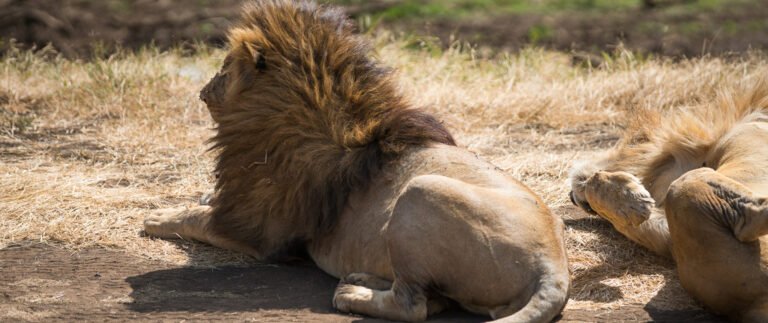
Which Dec Group Safari Ends Before New Year’s Eve?
Which Dec Group Safari Ends Before New Year’s Eve?
View package details
Dec 30, – 7 Day New Year Tanzania Group Joining Safari 2026
A complete guide to our 7-day group joining safari for the 2026/2027 New Year season, covering the Northern Circuit, wildlife expectations, and how to secure your spot.
View package details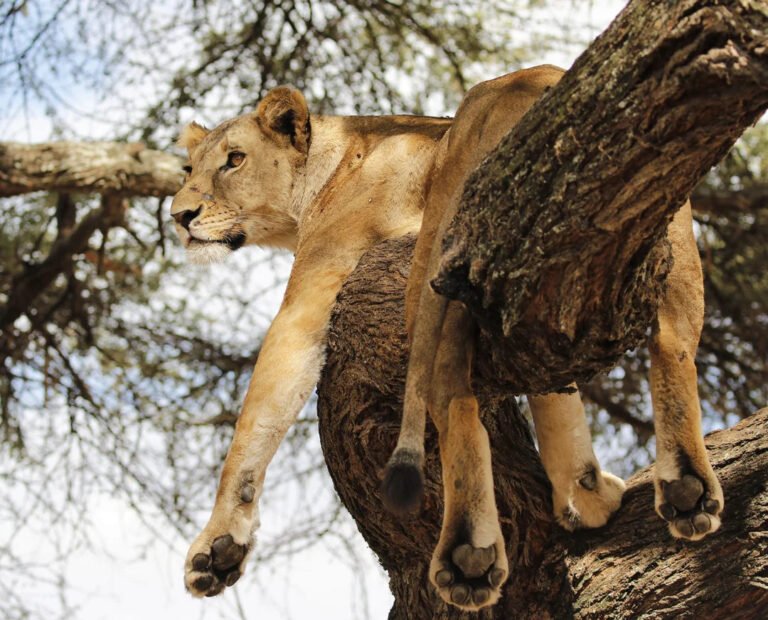
Dec 25, – 5 Day Christmas Tanzania Group Joining Safari 2026
Celebrate Christmas in the heart of the Tanzanian wilderness. Join our 5-day group safari departing December 25, 2026, and experience the iconic Northern Circuit.
View package detailsWhich Group Safari Is Available From Arusha In Nov ?
A detailed guide on navigating group safari availability in Arusha for November 2026, covering seasonality, itinerary choices, and the logistical realities of joining a shared tour.
View package detailsDec 23, – 4 Day Mikumi And Nyerere Christmas Group Safari: Your Essential
A deep look at the logistics, expectations, and planning for the 4 Day Mikumi and Nyerere Christmas group safari departing Dec 23, 2026.
View package detailsI Have Five Days In Tanzania—What Is The Best Group Safari Route?
I Have Five Days in Tanzania—What Is the Best Group Safari Route?
View package detailsCan I Get A Private Room On A Tanzania Group Safari? Planning Guide
A detailed guide for solo travelers on securing private accommodation during group joining safaris in Tanzania, covering logistics, costs, and operator coordination.
View package detailsCan I Join A Tanzania Safari Group Without Travelling With Friends?
Joining a Tanzania safari group as a solo traveler is common. This guide explains how shared departures work, the logistics of meeting a group, and how to verify the best tour for your...
View package detailsNo related package matches those filters. Clear one or more filters to see the other topic-matched options.



