
Planning a safari for the holiday season requires careful timing and a clear understanding of the logistics involved in Tanzania’s Northern Circuit. If you are targeting a Dec 27, 2026 – 4 Day Serengeti Migration Group Safari, you are aiming for one of the most popular and wildlife-rich windows of the year. This specific timeframe places you in the heart of the short rains’ aftermath, where the landscape is lush and the migratory herds are typically settling into the southern plains of the Serengeti and the Ngorongoro Conservation Area.
A 4-day group safari departing on December 27 is a fast-paced, high-impact itinerary. It is designed for travelers who want to maximize wildlife sightings in the Serengeti and Ngorongoro Crater within a short timeframe. Because this is a group departure, the logistics—lodging, park fees, and transport—are pre-arranged, making it a reliable option for solo travelers or small groups who prefer shared costs and company. To secure your spot for this specific date, contact Climb 4 Africa at WhatsApp +255 747 477 898 or email climb4africa@gmail.com to confirm availability and current pricing.
Why Late December?
Traveling in late December, specifically starting your safari on the 27th, offers a unique set of advantages. The “short rains” in November and early December usually rejuvenate the plains, turning the savannah a vibrant green. By late December, the grass is nutrient-rich, attracting the wildebeest and zebra herds. While the weather can be unpredictable, it is rarely a hindrance to wildlife viewing; instead, it often clears the air, providing crisp, clear views of the crater rim and the endless plains.
This is peak tourist season. Accommodation in and around the Serengeti fills up months in advance. Choosing a pre-organized group safari is a strategic decision because operators like Climb 4 Africa secure these bookings well ahead of the holiday rush, giving you access to logistics that might otherwise be unavailable for individual bookings.
Understanding the 4-Day Itinerary Logic
A 4-day safari is an intense, “all-killer, no-filler” experience. You do not have the luxury of slow days or rest periods. Every hour is optimized for game viewing. Here is the realistic flow of a standard 4-day Serengeti and Ngorongoro group safari.
Day 1: The Transit to the Serengeti
Your safari begins early in Arusha or Moshi. The drive to the Serengeti is significant—it is not just a transfer, but the start of your game viewing. You will pass through the Ngorongoro Conservation Area, ascending through the highlands before dropping down into the Serengeti plains. This transition is dramatic. By the time you reach the Seronera area or your designated camp, you will have likely already spotted giraffes, zebras, and perhaps lions or leopards near the Seronera River valley.
Day 2: Full Day in the Serengeti
This is the core of your trip. With a full day, your guide can venture deeper into the park, moving away from the main transit routes. The goal here is to track the movement of the migration. In late December, the herds are often moving toward the southern Serengeti and the Ndutu area. Your guide will communicate with other drivers to locate active prides of lions, cheetahs, or the elusive leopards that favor the acacia trees.
Day 3: Serengeti to Ngorongoro
After a final morning game drive, you will head toward the Ngorongoro Conservation Area. This route offers a different perspective of the ecosystem. You will spend the night on or near the crater rim. The temperature drops significantly here at night compared to the Serengeti floor, so packing a fleece or light jacket is essential.
Day 4: Ngorongoro Crater and Return
The final day is dedicated to the Ngorongoro Crater floor. You will descend into the crater early—often before the crowds—to catch the wildlife at their most active. The crater is essentially a self-contained ecosystem, and it is here that you have the highest statistical chance of seeing the “Big Five” (lion, leopard, elephant, buffalo, and rhino) in a single morning. By mid-afternoon, you will begin the drive back to Arusha or Moshi, concluding your safari.
Group Safari Dynamics: Is It Right for You?
Joining a group safari is fundamentally different from a private tour. It is not just about the cost-sharing; it is about the social environment. You will be sharing a 4×4 safari vehicle with other travelers for four days. This requires a level of flexibility and shared interest in the schedule.
- Shared Costs: The primary benefit is the reduction in vehicle and guide costs. By sharing the fuel, driver, and park entry overheads, you get a premium experience at a more accessible price point.
- Social Experience: You will meet people from all over the world. This is ideal for solo travelers or couples who enjoy the camaraderie of a small group.
- Pace and Structure: In a group, the schedule is fixed. If the group decides to leave at 6:00 AM for a morning game drive, you are expected to be ready. There is less room for individual customization than on a private, bespoke safari.
- Vehicle Size: Most group safaris use 4×4 land cruisers with pop-up roofs. You will have a window seat, but you will need to rotate or share viewing space with your group mates.
If you prefer complete control over when you wake up, how long you stay at a specific lion sighting, or where you stop for lunch, a private safari may be a better fit. However, if you want a social, cost-effective, and well-managed experience, the group departure is an excellent choice.
Planning Your Dec 27, 2026 Departure
Booking for the Christmas and New Year period requires a different timeline than traveling in the shoulder season. Here is what you need to consider for your 2026 planning:
Checklist for Your December Safari
- Book Early: By July or August 2026, many of the prime group spots will be filling up. Do not wait until the last minute.
- Flight Logistics: Ensure your flights arrive in Tanzania (Kilimanjaro International Airport – JRO) at least one day before your safari starts (Dec 26). You do not want to risk a delayed flight missing your group departure on the morning of the 27th.
- Packing Essentials: Even though it is the Serengeti, the mornings and evenings can be cool. Bring layers. A good camera with a zoom lens (at least 300mm) is standard.
- Health and Insurance: Check your vaccination requirements and ensure you have travel insurance that specifically covers medical evacuation.
Common Questions About This Safari
Can I see the migration in late December?
Yes, but manage your expectations. The “Great Migration” is not a single line of animals; it is a continuous, massive movement. In late December, the herds are typically beginning to congregate in the southern Serengeti and the Ngorongoro Conservation Area (Ndutu region) to graze on the fresh grass. You will see large numbers of animals, but seeing a dramatic river crossing is less likely than in the dry season.
What is included in the group safari price?
Typically, a group safari price includes park entry fees, accommodation (usually mid-range lodges or tented camps), all meals during the safari, transport in a 4×4 vehicle, and the services of a professional guide. Always confirm if your specific departure includes airport transfers, as these are sometimes billed separately. For clarity on your specific booking, ask info@climb-4-africa.com for an itemized list of inclusions.
What if I am staying in Zanzibar?
If you are planning to combine your safari with a Zanzibar beach holiday, you need to coordinate your flights carefully. You should fly from Zanzibar to Arusha or Kilimanjaro on December 26th to be ready for the group departure on the 27th. Do not attempt to fly in on the morning of the 27th; the risk of delay is too high for a group tour that must depart on time.
Why Choose Climb 4 Africa for Your 2026 Safari?
Choosing a local operator means you get support from people who live and work in the region. We understand the nuances of the roads, the current status of the parks, and the realities of the migration patterns. When you book a group safari with us, you are not just booking a seat; you are booking into a network of support. If a vehicle has a mechanical issue or weather changes the route, we have the local logistics in place to manage the situation without ruining your trip.
We specialize in both Kilimanjaro climbs and wildlife safaris, meaning we are well-versed in the logistics of the entire Northern Circuit. Whether you are looking to extend your trip with a hike or head straight to the beach, we can help coordinate the transitions. For those arriving for the December 2026 season, our team is ready to help you navigate the busy holiday booking window.
To discuss your plans for the Dec 27, 2026 – 4 Day Serengeti Migration Group Safari, please reach out to us directly. You can find our contact details below. We recommend sending us your arrival date, the number of travelers, and any specific wildlife interests you have so we can help you prepare effectively.
Get in touch today:
WhatsApp: +255 747 477 898
Email: climb4africa@gmail.com
Backup Email: info@climb-4-africa.com
For further reading on how these group trips are structured, you may find it useful to look at our guide on which Tanzania group safari includes all northern circuit parks, or if you are travelling solo, our advice on joining a Serengeti safari as a solo traveller. Planning ahead is the single most effective way to ensure your 2026 safari is as memorable as possible.
Navigating Group Dynamics and Vehicle Etiquette
When you join a group safari for your December 27 departure, the 4×4 vehicle becomes your temporary home. The success of the trip relies on a social contract between passengers. Most reputable operators, including those managing these group departures, enforce a seating rotation policy. Because the “window seat” is highly coveted for photography, your guide will typically rotate passengers daily or every half-day. Accepting this rotation gracefully is essential; it ensures everyone gets an equal opportunity to capture the wildlife action without obstructing the view of others. This system is designed to remove the stress of competition, allowing you to focus on the landscape rather than logistics.
Furthermore, game viewing requires a specific code of conduct. Loud conversations, sudden movements, or frequent requests to stop for non-wildlife subjects can disrupt the experience for others and potentially spook the animals. If you are a photography enthusiast with heavy gear, communicate this with your group on day one. A simple agreement to respect “photography priority” zones when a predator is spotted can prevent friction. Conversely, if you are there primarily for observation, understand that the photographer in the group may need a few extra seconds to capture the perfect shot. Patience is the ultimate safari virtue, and a cohesive group often finds more wildlife simply because they are quieter and more observant.
Mastering the Short Rains Logistics
Traveling in late December means you are visiting during the tail end of the “short rains.” While this creates the lush, green landscape that draws the migration to the southern Serengeti, it also presents unique logistical challenges. Tracks can become muddy and rutted, particularly in the Ngorongoro Conservation Area and the transit routes to the Serengeti. You must be prepared for the possibility of a slightly delayed arrival at your camp or lodge due to road conditions. A “go-with-the-flow” attitude is not just a suggestion; it is a requirement for this time of year.
Packing for this specific window requires a dual approach. You need light, breathable clothing for the hot, humid afternoons on the Serengeti plains, but you absolutely must pack a warm fleece or windbreaker for the Ngorongoro Crater rim. Because of the altitude, the crater rim can drop to near-freezing temperatures, especially in the early hours of the morning when you depart for your game drive. Additionally, ensure your camera gear is stored in a dust-proof and water-resistant bag. The dust in the Serengeti is pervasive, and a sudden afternoon shower can be unforgiving to unprotected electronics. By arriving prepared, you free your guide to focus on finding wildlife rather than managing passenger comfort, leading to a much smoother and more productive 4-day experience.
Related Guides and Packages
Check Availability for Dec 27, – 4 Day Serengeti Migration Group Safari: Plan Your Trip
Ready to compare dates, prices, and the best option for your group? Send the package name and travel month so the team can reply with a clear quote, availability, and what is included.
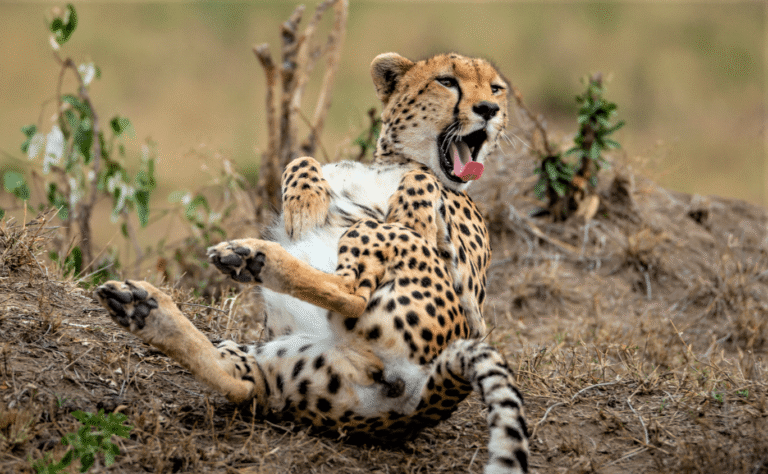
Dec 29, – 6 Day Ndutu, Serengeti And Ngorongoro Group Safari 2026
A detailed guide to our 6-day group safari departure on December 29, 2026, focusing on the Ndutu plains, the Serengeti, and the Ngorongoro Crater.
View package details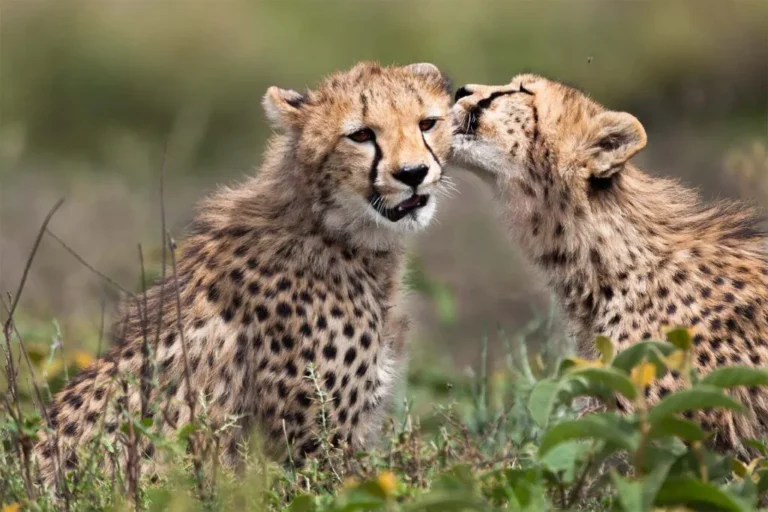
Dec 12, – 6 Day Serengeti, Ngorongoro, Tarangire And Manyara Group Safari 2026
Dec 12, 2026 – 6 Day Serengeti, Ngorongoro, Tarangire and Manyara Group Safari.
View package details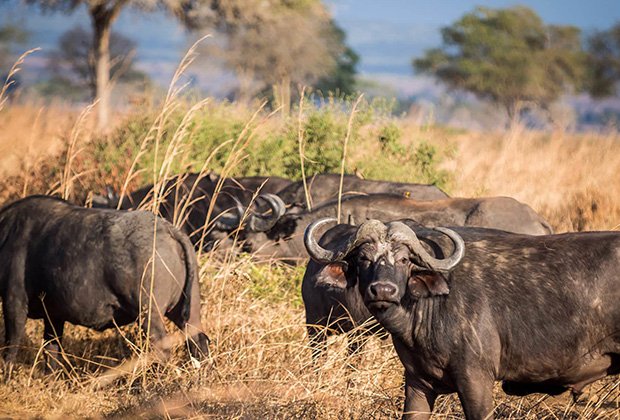
Dec 8, – 4 Day Tarangire, Serengeti And Ngorongoro Group Safari 2026
A detailed guide to our December 8, 2026 group joining safari, covering the itinerary, logistics, and what to expect during this 4-day wildlife adventure in Tanzania.
View package detailsNov 10, – 4 Day Serengeti, Ngorongoro And Tarangire Group Safari 2026
Join our group safari on November 10, 2026, for an intensive 4-day tour of Tanzania's Northern Circuit. Perfect for those with limited time who want to experience the best of the Serengeti...
View package details3 Day Serengeti And Ngorongoro Group Safari: Planning For December 4,
A detailed guide on planning a 3-day group safari to the Serengeti and Ngorongoro Crater for December 4, 2026, covering route expectations, group logistics, and essential planning steps.
View package detailsWhich Tanzania Group Safari Includes Serengeti And Ngorongoro?
Which Tanzania Group Safari Includes Serengeti and Ngorongoro?
View package detailsHow Much Is A 3 Day Serengeti Group Safari In Nov ? Cost Breakdown
Get a clear breakdown of the factors influencing the cost of a 3-day Serengeti group safari in November 2026, including park fees, vehicle logistics, and group dynamics.
View package detailsCan A Solo Traveller Join A Serengeti Safari In Dec ?
Planning a solo safari in December 2026? Discover the logistics of joining group departures, why December is a prime time for the migration, and how to manage costs effectively.
View package detailsDec 24, – 3 Day Christmas Serengeti And Ngorongoro Group Safari
Dec 24, 2026 – 3 Day Christmas Serengeti and Ngorongoro Group Safari.
View package detailsDec 31, : New Year’s Eve Serengeti Group Safari Planning Guide
This guide provides essential planning details for a group safari trip to the Serengeti for New Year's Eve 2026, covering logistics, seasonal highlights, and what to expect.
View package details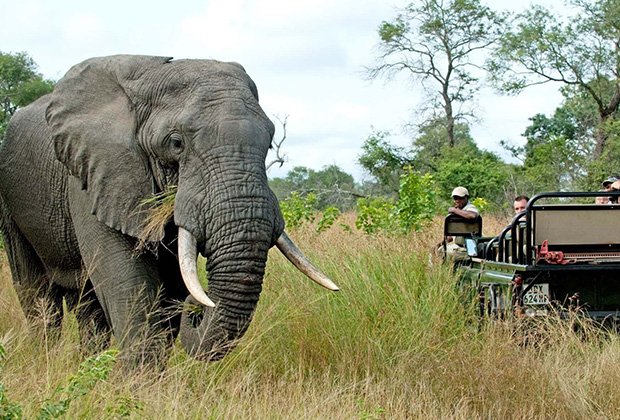
I Am On A Budget—What Is The Cheapest Serengeti Group Safari?
I Am on a Budget—What Is the Cheapest Serengeti Group Safari?
View package details8 Day Serengeti And Ngorongoro Group Safari – December 16, 2026
Planning your December 2026 Tanzanian adventure? Our 8-day group safari offers a deep, unhurried exploration of the Serengeti and Ngorongoro Crater.
View package detailsNo related package matches those filters. Clear one or more filters to see the other topic-matched options.



